
Washington State Guide
Washington
Farmers Markets
From Puget Sound waterfront stalls to Eastern Washington grain country, Washington's farmers markets connect you directly to the people who grow your food. This is the complete statewide directory.
Browse Washington Farmers Markets
126 Markets
Open on
Aberdeen Farmers Market
Aberdeen
Saturdays 10:00 AM - 3:00 PM (May 31 - Sep 27)
SNAP / EBT
Anacortes Farmers Market
Anacortes
Saturdays 9:00 AM - 2:00 PM (May 3 - Oct 26)
SNAP / EBT
Arlington Farmers Market
Arlington
Saturdays 10:00 AM - 2:00 PM (May 10 - Dec 6)
SNAP / EBT
Auburn Farmers Market
Auburn
Sundays 10:00 AM to 3:00 PM (Jun 7 to Sep 20, 2026)
SNAP / EBT
Bainbridge Island Farmers Market
Bainbridge Island
Saturdays 10:00 AM - 2:00 PM (Apr 5 - Nov 22)
SNAP / EBT
Ballard Farmers Market
Seattle
Sundays 9:00 AM - 2:00 PM (Jan 5 - Dec 28)
SNAP / EBT
Bayview Farmers Market
Langley
Saturdays 10:00 AM - 2:00 PM (Apr 26 - Oct 18)
SNAP / EBT
Bellevue Farmers Market
Bellevue
Thursdays 10:00 AM - 6:00 PM (May 1 - Oct 30) / 10:00 AM - 4:00 PM (Nov 6 - Apr 30)
SNAP / EBT
Bellingham Farmers Market
Bellingham
Saturdays 10:00 AM - 2:00 PM (Apr 5 - Dec 20) / 3rd Saturdays 10:00 AM - 2:00 PM (Jan 17 - Mar 21)
SNAP / EBT
Bremerton Community Farmers Market
Bremerton
Thursdays 4:00 PM - 7:00 PM (May 1 - Oct 9)
SNAP / EBT
Broadway Farmers Market
Tacoma
Thursdays 10:00 AM - 2:00 PM (Apr 3 - Sep 25)
SNAP / EBT
Burien Farmers Market
Burien
Thursdays 10:00 AM - 6:00 PM (May 1 - Oct 30) / 10:00 AM - 4:00 PM (Nov 6 - Apr 30)
SNAP / EBT
Camas Farmers Market
Camas
Wednesdays 3:00 PM - 7:00 PM (Jun 4 - Oct 1)
SNAP / EBT
Capitol Hill Farmers Market
Seattle
Sundays 11:00 AM - 3:00 PM (Jan 5 - Dec 28) / Tuesdays 3:00 PM - 7:00 PM (Jun 3 - Sep 30)
SNAP / EBT
Carnation Farmers Market
Carnation
Tuesdays 3:00 PM - 7:00 PM (Jun 3 - Aug 26)
SNAP / EBT
Cashmere Community Farmers Market
Cashmere
Wednesdays 4:00 PM - 7:00 PM (June - Mid October)
SNAP / EBT
Centralia Farmers Market
Centralia
Fridays 10:00 AM - 3:00 PM (May 2 - Sep 26)
SNAP / EBT
Chehalis Farmers Market
Chehalis
10:00 AM to 3:00 PM (May through October)
May through October
SNAP / EBT
Chimacum Farmers Market
Chimacum
Sundays 10:00 AM - 2:00 PM (May 4 - Oct 26)
SNAP / EBT
Clarkston Farmers Market
Clarkston
Mondays 4:00 PM - 7:00 PM (Jun 2 - Sep 29)
SNAP / EBT
College Place Market in the Park
College Place
Thursdays 4:00 PM - 7:00 PM (May 29 - Sep 25)
SNAP / EBT
Columbia City Farmers Market
Seattle
Wednesdays 3:00 PM - 7:00 PM (May 7 - Oct 8) / 2nd Saturdays 10:00 AM - 2:00 PM (Nov 8 - Apr 11)
SNAP / EBT
Coupeville Farmers Market
Coupeville
Saturdays 10:00 AM - 2:00 PM (Apr 19 - Oct 11)
SNAP / EBT
Cowlitz Community Farmers Market – Saturday
Longview
Saturdays 9:00 AM - 2:00 PM (Apr 19 - Oct 25)
SNAP / EBT
Cowlitz Community Farmers Market – Tuesday
Longview
Tuesdays 12:00 PM - 6:00 PM (May 6 - Sep 30)
SNAP / EBT
Crossroads Bellevue Farmers Market
Bellevue
Tuesdays 10:00 AM - 6:00 PM (Jun 3 - Sep 23)
SNAP / EBT
Delridge Farmers Market
Seattle
Saturdays 10:00 AM - 2:00 PM (May 17 - Oct 25)
SNAP / EBT
Des Moines Waterfront Farmers Market
Des Moines
Saturdays 10:00 AM - 2:00 PM (Jun 7 - Sep 27)
SNAP / EBT
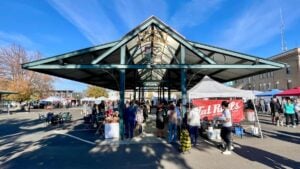
Downtown Farmers Market – Walla Walla
Walla Walla
Saturdays 9:00 AM - 1:00 PM (May 3 - Oct 25)
SNAP / EBT
Downtown Yakima Farmers Market
Yakima
Sundays 9:00 AM - 1:00 PM (May 11 - Oct 19)
SNAP / EBT
Duvall Farmers Market
Duvall
Thursdays 3:00 PM - 7:00 PM (May 1 - Oct 9)
SNAP / EBT
East Vancouver Farmers Market
Vancouver
Thursdays 10:00 AM - 2:00 PM (Jun 5 - Sep 25)
SNAP / EBT
Edmonds Museum Summer Market
Edmonds
Saturdays 9:00 AM - 2:00 PM (May 3 - Oct 18)
SNAP / EBT
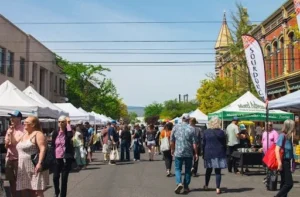
Ellensburg Farmers Market
Ellensburg
Saturdays 9:00 AM - 1:00 PM (May 3 - Oct 25)
SNAP / EBT
Elochoman Marina Street Market
Cathlamet
Fridays 3:30 PM - 6:30 PM (May 23 - Sep 26)
SNAP / EBT
Emerson-Garfield Farmers Market
Spokane
Fridays 3:00 PM - 7:00 PM
SNAP / EBT
EN Valley Farmers Market
Everson
Sundays 10:00 AM - 3:00 PM (May 4 - Sep 28)
SNAP / EBT
Enumclaw Plateau Farmers Market
Enumclaw
Thursdays 3:00 PM - 7:00 PM (Jun 5 - Sep 25)
SNAP / EBT
Everett Farmers Market
Everett
Sundays 10:30 AM - 3:00 PM (Feb 23 - Oct 26)
SNAP / EBT
Fairwood Farmers Market
Spokane
Tuesdays 3:00 PM - 7:00 PM
SNAP / EBT
Federal Way Farmers Market
Federal Way
Saturdays 9:00 AM - 3:00 PM (May 10 - Oct 25)
SNAP / EBT
Gig Harbor Waterfront Farmers Market
Gig Harbor
Thursdays 1:00 PM - 6:00 PM (May 22 - Aug 28)
SNAP / EBT
Goldendale Farmers Market
Goldendale
Saturdays 9:00 AM - 2:00 PM (May 10 - Sep 27)
SNAP / EBT
Granger Farmers Market
Granger
Thursdays 4:00 PM - 7:00 PM (Jun 5 - Sep 25)
SNAP / EBT
Issaquah Farmers Market
Issaquah
Saturdays 9:00 AM - 2:00 PM (Apr 26 - Sep 27)
SNAP / EBT
Juanita Friday Market
Kirkland
Fridays 3:00 PM - 7:00 PM (Jun 1 - Sep 26)
SNAP / EBT
Kendall Yards Night Market
Spokane
Wednesdays 5:00 PM - 9:00 PM
SNAP / EBT
Kenmore Farmers Market
Kenmore
Wednesdays 3:00 PM - 7:00 PM (Jun 4 - Aug 27)
SNAP / EBT
Kennewick Farmers Market
Kennewick
No 2026 season confirmed. The market did not run in 2025, and its last listed home, the CRW Public Market, closed March 31, 2026. Check with Historic Downtown Kennewick before you go.
SNAP / EBT
Kent Farmers Market
Kent
Saturdays 9:00 AM - 2:00 PM (Jun 14 - Sep 13)
SNAP / EBT
Kirkland Wednesday Market
Kirkland
Wednesdays 3:00 PM - 7:00 PM (Jun 4 - Sep 24)
SNAP / EBT
Lake City Farmers Market
Seattle
Thursdays 3:00 PM - 7:00 PM (Jun 12 - Oct 2)
SNAP / EBT
Lake Forest Park Farmers Market
Lake Forest Park
Sundays 10:00 AM - 2:00 PM (May 11 - Oct 19)
SNAP / EBT
Lake Stevens Farmers Market
Lake Stevens
Wednesdays 3:00 PM - 7:00 PM (Jun 4 - Aug 27)
SNAP / EBT
Lakewood Farmers Market
Lakewood
Tuesdays 2:00 PM - 7:00 PM (Jun 3 - Aug 26)
SNAP / EBT
Leavenworth Community Farmers Market
Leavenworth
Saturdays 9:00 AM - 1:00 PM (May 31 - Oct 11)
SNAP / EBT
Liberty Lake Farmers Market
Liberty Lake
Saturdays 9:00 AM - 1:00 PM
SNAP / EBT
Lynden Farmers Market
Lynden
Saturdays 10:00 AM - 2:00 PM (Jun 7 - Sep 27)
SNAP / EBT
Madison Park Farmers Market
Seattle
Saturdays 10:00 AM - 2:00 PM (Jun 14 - Sep 27)
SNAP / EBT
Madrona/Central District Farmers Market
Seattle
Fridays 3:00 PM - 7:00 PM (May 16 - Oct 24)
SNAP / EBT
Magnolia Farmers Market
Seattle
Saturdays 10:00 AM - 2:00 PM (Jun 7 - Oct 11)
SNAP / EBT
Maple Valley Farmers Market
Maple Valley
Saturdays 9:00 AM - 2:00 PM (May 2 - Oct 31, 2026)
SNAP / EBT
Marysville Farmers Market
Marysville
Wednesdays 11:00 AM - 3:00 PM (Jun 3 - Aug 19, 2026)
SNAP / EBT
Mercer Island Farmers Market
Mercer Island
Sundays 10:00 AM - 2:00 PM (Jun 1 - Sep 28)
SNAP / EBT
Methow Valley Farmers Market
Twisp
Saturdays 9:00 AM - 12:00 PM (Apr 12 - Nov 1)
SNAP / EBT
Monroe Farmers Market
Monroe
Wednesdays 3:00 PM - 7:00 PM (May 28 - Sep 24)
SNAP / EBT
Moses Lake Farmers Market
Moses Lake
Saturdays 8:00 AM - 1:00 PM (May 3 - Oct 25)
SNAP / EBT
Mount Vernon Farmers Market
Mount Vernon
Saturdays 9:00 AM - 2:00 PM (May 17 - Oct 11)
SNAP / EBT
North Bend Farmers Market
North Bend
Thursdays 4:00 PM - 8:00 PM (Jun 5 - Sep 11)
SNAP / EBT
Oak Harbor Farmers Market
Oak Harbor
Thursdays 4:00 PM - 7:00 PM (May 8 - Aug 28)
SNAP / EBT
Okanogan Valley Farmers Market
Okanogan
Saturdays 9:00 AM - 1:00 PM (May 10 - Oct 25)
SNAP / EBT
Olympia Farmers Market
Olympia
10:00 AM to 3:00 PM
April through December
SNAP / EBT
Omak Farmers Market
Okanogan
Tuesdays 3:30 PM - 6:30 PM (Jun 17 - Oct 21)
SNAP / EBT
Orcas Island Farmers Market
Eastsound
Saturdays 10:00 AM - 2:00 PM (May 3 - Sep 27)
SNAP / EBT
Oroville Farmers Market
Oroville
Saturdays 9:00 AM - 1:00 PM (May 3 - Oct 25)
SNAP / EBT
Orting Valley Farmers Market
Orting
Fridays 3:00 PM - 7:00 PM (May 9 - Aug 29)
SNAP / EBT
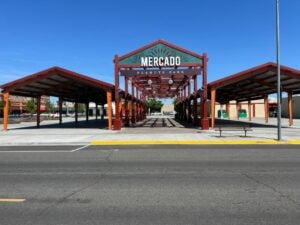
Pasco Farmers Market
Pasco
Saturdays 9:00 AM - 1:00 PM (May 10 - Oct 25)
SNAP / EBT
Perry Street Thursday Market
Spokane
Thursdays 3:00 PM - 7:00 PM
SNAP / EBT
Phinney Farmers Market
Seattle
Fridays 3:00 PM - 7:00 PM (Jun 6 - Sep 26)
SNAP / EBT
Pike Place Market – First Hill
Seattle
Fridays 10:00 AM - 2:00 PM (Jun 27 - Sep 5)
SNAP / EBT
Pike Place Market – Produce on Pike
Seattle
Wednesdays 3:00 PM - 7:00 PM (Jul 9 - Sep 10)
SNAP / EBT
Pike Place Market – South Lake Union
Seattle
Thursdays 10:00 AM - 2:00 PM (Jun 26 - Sep 4)
SNAP / EBT
Pomeroy Summer Market
Pomeroy
2nd & 4th Wednesdays 4:00 PM - 7:00 PM (Jun 11 - Sep 24)
SNAP / EBT
Port Angeles Farmers Market
Port Angeles
Saturdays 10:00 AM - 2:00 PM (Jan 4 - Dec 27)
SNAP / EBT
Port Orchard Farmers Market
Port Orchard
Saturdays 9:00 AM - 2:00 PM (Apr 12 - Oct 18)
SNAP / EBT
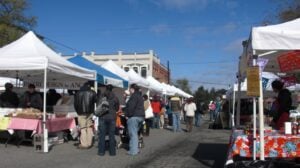
Port Townsend Farmers Market
Port Townsend
Saturdays 9:00 AM - 2:00 PM (Apr 5 - Dec 20) / Wednesdays 3:00 PM - 6:00 PM (Jun 4 - Sep 24)
SNAP / EBT
Poulsbo Farmers Market
Poulsbo
Saturdays 10:00 AM - 2:00 PM (Mar 29 - Dec 13)
SNAP / EBT
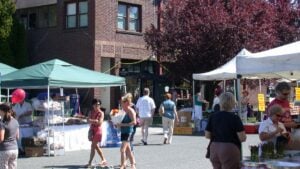
Proctor Farmers Market
Tacoma
Saturdays 9:00 AM - 2:00 PM (Mar 29 - Dec 20)
SNAP / EBT
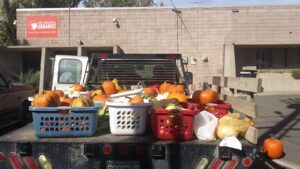
Prosser Farmers Market
Prosser
Saturdays 8:00 AM to 12:00 PM, late May through early October (2026 season: May 30 to October 3)
SNAP / EBT
Puyallup Farmers Market
Puyallup
Saturdays 9:00 AM - 2:00 PM (Apr 19 - Oct 11)
SNAP / EBT
Queen Anne Farmers Market
Seattle
Thursdays 3:00 PM - 7:30 PM (May 29 - Oct 9)
SNAP / EBT
Redmond Saturday Market
Redmond
Saturdays 9:00 AM - 2:00 PM (May 3 - Oct 25)
SNAP / EBT
Renton Farmers Market
Renton
Tuesdays 3:00 PM - 7:00 PM (Jun 3 - Sep 30)
SNAP / EBT
Richland Farmers Market
Richland
Fridays 9:00 AM to 1:00 PM (Jun 5 to Oct 30, 2026; no market on the Art in the Park Friday)
SNAP / EBT
Ridgefield Farmers Market
Ridgefield
Saturdays 9:00 AM - 2:00 PM (Jun 1 - Sep 27)
SNAP / EBT
Roslyn Farmers Market
Roslyn
Sundays 10:00 AM - 2:00 PM (Jun 8 - Sep 7)
SNAP / EBT
Salmon Creek Farmers Market
Vancouver
Thursdays 11:00 AM - 3:00 PM (Jun 12 - Oct 2)
SNAP / EBT
Sammamish Farmers Market
Sammamish
Wednesdays 4:00 PM - 8:00 PM (May 7 - Sep 17)
SNAP / EBT
San Juan Island Farmers Market
Friday Harbor
Saturdays 9:30 AM - 1:30 PM (Jan 4 - Dec 27)
SNAP / EBT
SeaTac Farmers Market
SeaTac
Wednesdays 3:00 PM - 7:00 PM (Jun 4 - Oct 29)
SNAP / EBT
Sedro-Woolley Farmers Market
Sedro-Woolley
Wednesdays 3:00 PM - 7:00 PM (May 21 - Oct 15)
SNAP / EBT
Sequim Farmers & Artisans Market
Sequim
Saturdays 9:00 AM - 2:00 PM (May 3 - Oct 25)
SNAP / EBT
Shelton Farmers Market
Shelton
Saturdays 10:00 AM - 3:00 PM (May 3 - Oct 25)
SNAP / EBT
Shoreline Farmers Market
Shoreline
Saturdays 10:00 AM - 2:00 PM (Jun 7 - Oct 25)
SNAP / EBT
Snohomish Farmers Market
Snohomish
Thursdays 3:00 PM - 7:00 PM (May 1 - Oct 30)
SNAP / EBT
South Whidbey Tilth Farmers Market
Langley
Sundays 11:00 AM - 3:00 PM (May 4 - Oct 19)
SNAP / EBT
Spokane Farmers Market
Spokane
Saturdays 8:00 AM - 1:00 PM / Wednesdays 8:00 AM - 12:00 PM
SNAP / EBT
Spokane Valley Farmers Market
Spokane Valley
Fridays 3:00 PM - 7:00 PM
SNAP / EBT
Stanwood Farmers Market
Stanwood
Fridays 2:00 PM - 6:00 PM (May 30 - Sep 26)
SNAP / EBT
Stevenson Farmers Market
Stevenson
Saturdays 10:00 AM - 2:00 PM (Jun 14 - Oct 18)
SNAP / EBT
Sultan Farmers Market
Sultan
Saturdays 10:00 AM - 2:00 PM (May 17 - Sep 27)
SNAP / EBT
Tenino Farmers Market
Tenino
Saturdays 10:00 AM - 3:00 PM (May 3 - Sep 27)
SNAP / EBT
Toledo Thursday Market
Toledo
Thursdays 2:00 PM - 6:00 PM (Mar 20 - Dec 11)
SNAP / EBT
Tonasket Farmers Market
Tonasket
Thursdays 2:00 PM - 6:00 PM (May 22 - Nov 13)
SNAP / EBT
Tukwila Village Farmers Market
Tukwila
Wednesdays 3:00 PM - 7:00 PM (Jun 18 - Oct 29)
SNAP / EBT
Tumwater Farmers Market
Tumwater
2nd & 4th Sundays 11:00 AM - 3:00 PM (Jun 8 - Sep 28)
SNAP / EBT
University District Farmers Market
Seattle
Saturdays 9:00 AM - 2:00 PM (Jan 4 - Dec 27)
SNAP / EBT
Vancouver Farmers Market
Vancouver
Saturdays 9:00 AM - 3:00 PM (Apr 5 - Oct 25) / Sundays 10:00 AM - 3:00 PM (Apr 6 - Oct 26) / Saturdays 10:00 AM - 2:00 PM (Nov 1 - Mar 28)
SNAP / EBT
Vashon Island Farmers Market
Vashon
Saturdays 10:00 AM - 3:00 PM (May 3 - Sep 27)
SNAP / EBT
Wallingford Farmers Market
Seattle
Wednesdays 3:00 PM - 7:00 PM (May 28 - Sep 24)
SNAP / EBT

Wenatchee Valley Farmers Market
Wenatchee
Saturdays 8:00 AM - 1:00 PM (May 10 - Oct 25)
SNAP / EBT
West Seattle Farmers Market
Seattle
Sundays 10:00 AM - 2:00 PM (Jan 5 - Dec 28)
SNAP / EBT
West Wahkiakum Farmers Market
Rosburg
Fridays 1:00 PM - 4:00 PM (Jul 11 - Oct 3)
SNAP / EBT
White Salmon Farmers Market
White Salmon
Tuesdays 4:00 PM - 7:00 PM (Jun 3 - Sep 30)
SNAP / EBT
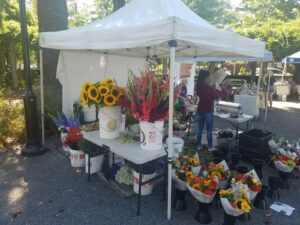
Woodinville Farmers Market
Woodinville
Saturdays 10:00 AM - 2:00 PM (May 3 - Sep 27)
SNAP / EBT
Yelm Farmers Market
Yelm
Saturdays 10:00 AM - 3:00 PM (May 3 - Sep 27)
SNAP / EBT
Washington Farmers Markets: A Statewide Guide
Washington State has one of the most active farmers market cultures in the country. The combination of a long growing season west of the Cascades, the most productive agricultural county in the nation east of the mountains, and a population that treats local food as a genuine priority has produced a market scene that runs from February to December in many communities and never really stops in the larger cities.
Western Washington leads in market volume, with Seattle's Pike Place anchoring a dense network of neighborhood markets in the metro and a trail of waterfront and small-town markets along the coast and into the Olympics. But Eastern Washington punches well above its size. Yakima Valley's stone fruit and wine grape country, the Palouse's wheat and dry bean farms, and the Columbia Basin's apple and cherry orchards all feed market tables that reward early arrivals with produce you will not find at any grocery store.
This directory covers farmers markets across Washington State, from the large certified markets running multiple days a week to the small community markets worth a detour on a summer road trip. Use it to find fresh produce, local vendors, and seasonal highlights near your destination or along your route.
What Is in Season at Washington Farmers Markets, Month by Month
Washington's market tables change fast through the year. Here is what to look for each month, from the first asparagus east of the mountains to the last storage apples of winter.
January
Storage apples, root vegetables, winter greens, mushrooms
February
Storage crops, kale, potatoes, greenhouse greens
March
Overwintered greens, early radishes, plant starts
April
Asparagus, rhubarb, spring onions, nettles
June
Strawberries, raspberries, early cherries, garlic scapes, new potatoes
Washington in June guideAugust
Peaches, nectarines, melons, sweet corn, tomatoes, Walla Walla sweets
Washington in August guideSeptember
Early apples, pears, grapes, peppers, first winter squash
October
Apples at peak, pumpkins, winter squash, cranberries, hazelnuts
November
Storage apples, root vegetables, Brussels sprouts, kale
December
Storage crops, winter greens, wreaths and holiday goods
Straight From the Market Managers
The Exploring Washington State Podcast sat down with the people who run some of Washington's best farmers markets. Here is what they told us about their markets, their vendors, and what makes their communities show up every week.
Northwest Washington
Bellingham Farmers Market
Lora Liegel on 30 years of the Bellingham Farmers Market, what keeps a major Pacific Northwest market thriving, and what the community has built around it.
Olympic Peninsula
Jefferson County Farmers Markets
Amanda Milholland runs two markets in Jefferson County, Chimacum and Port Townsend. She talks about what it takes to serve small agricultural communities on the Olympic Peninsula.
Southwest Washington
Vancouver Farmers Market
Jordan Boldt has led the Vancouver Farmers Market since 2010. He talks about year round operations and building an always fresh, always local market community in southwest Washington.
Eastern Washington
Chewelah Farmers Market
Brad Shaffer on running a small town market in northeast Washington since 2008, the season's zucchini abundance, and why a market this size still matters to its community.
Frequently Asked Questions
When do Washington farmers markets open for the season?
Most Washington farmers markets open in May or early June and run through October or November. A smaller number operate year-round, typically in larger cities like Seattle, Olympia, and Spokane where enough vendors can sustain a winter market. Markets in the Puget Sound region tend to open earlier than those east of the Cascades. Check individual market listings for exact season dates, as they vary significantly by location.
What days of the week are Washington farmers markets open?
Saturday is the biggest market day in Washington, with more markets open than any other day of the week. Sunday is next, concentrated in Seattle and the larger cities. Weekday markets run in many communities through the summer, often as afternoon or evening markets. Use the day filter above the listings to see every market open on the day you have free, and check the schedule line on each card for exact hours.
Which Washington farmers markets are open year-round?
Washington has a solid group of year-round markets, concentrated in the Puget Sound region. Pike Place Market in Seattle is the most famous, operating 365 days a year. The Olympia Farmers Market and several Seattle neighborhood markets also run through the winter. Spokane and other Eastern Washington cities have some year-round options as well, though the selection narrows considerably in the colder months. Browse the market listings and look for the Year-Round badge to find markets in your area that stay open all year.
Can I use SNAP / EBT at Washington farmers markets?
Many Washington farmers markets accept SNAP and EBT benefits. A number of certified markets also participate in the Market Match program, which doubles the value of SNAP dollars spent on fresh fruits and vegetables up to a set amount per visit. Acceptance and matching programs vary by market, so check the individual listing before your visit. Markets that accept SNAP are marked in this directory.
What can I buy at Washington farmers markets?
Washington farmers markets typically sell fresh produce, eggs, meat, fish, dairy, baked goods, flowers, plants, and value-added products like jams, honey, and fermented foods. Many markets include crafts and artisan vendors alongside farm stands. The selection is heavily seasonal: spring markets feature greens, asparagus, and strawberries; summer markets explode with stone fruit, tomatoes, and sweet corn; fall markets are dominated by apples, pears, winter squash, and root vegetables. Larger markets in cities like Seattle and Bellingham often have prepared food vendors as well.
Are dogs allowed at Washington farmers markets?
Dog policies vary by market. Many outdoor markets in Washington allow leashed dogs, but markets that operate on or near food-prep areas or indoors may prohibit pets for health code reasons. It is always worth checking the specific market's policy before bringing a dog. Individual market listings will note pet policies where available.