King County, Washington · Northwest
Seattle, Washington: Neighborhoods, Where to Stay and How to Get Around
Washington's largest city is really a dozen small ones stitched together by water, hills and a single freeway. Knowing which one to stand in is the whole trick.
POPULATION
816,600
FOUNDED
1851
COUNTY
King
FROM SEA TAC
30 min by Link
KNOWN FOR
Coffee, water, neighborhoods
ELEVATION
Sea level to 520 ft
Seattle, Washington is a city people think they have seen because they have seen a photo of it. The Space Needle, the ferry, the mountain floating behind the skyline on the four days a year it shows itself properly. All real, all worth it, and all a fairly small slice of what the city actually is.
The useful thing to understand before you arrive is that Seattle is not one destination. It is a collection of neighborhoods separated by hills and water, each with its own main street, its own coffee roaster, and its own opinion about the others. Ballard does not feel like Capitol Hill. West Seattle barely feels attached. Fremont has a troll under a bridge and a statue of Lenin and takes both entirely seriously.
That geography is also the practical problem. Distances look short on a map and are not, because Lake Union sits in the middle and the water pushes every route around it. A trip that reads as four miles can take thirty minutes on a bad afternoon.
So this guide is built the way the city works. Neighborhood by neighborhood, with where to stay in each, how to move between them without a car, and an honest read on when to come. If you want a ranked list of the individual sights, our Best Things to Do in Seattle guide does that job. This page is about getting oriented first.
Getting Here
Neighborhoods, and why they matter more here than in most cities
Seattle is built on hills, wrapped around water, and cut in half by Lake Union. The practical effect is that neighborhoods stay genuinely distinct, and that distances lie. Four miles across the map can be half an hour on the ground because there is a lake in the way. Pick two or three of these and walk them properly. That is the whole strategy.
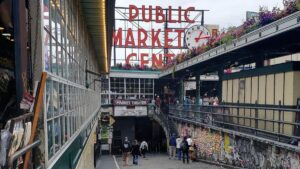
Downtown and Pike Place. The postcard. The market, the waterfront, the Seattle Aquarium and its Ocean Pavilion, and Colman Dock for the ferries. Dense, walkable, and busiest between 10am and 3pm in summer.
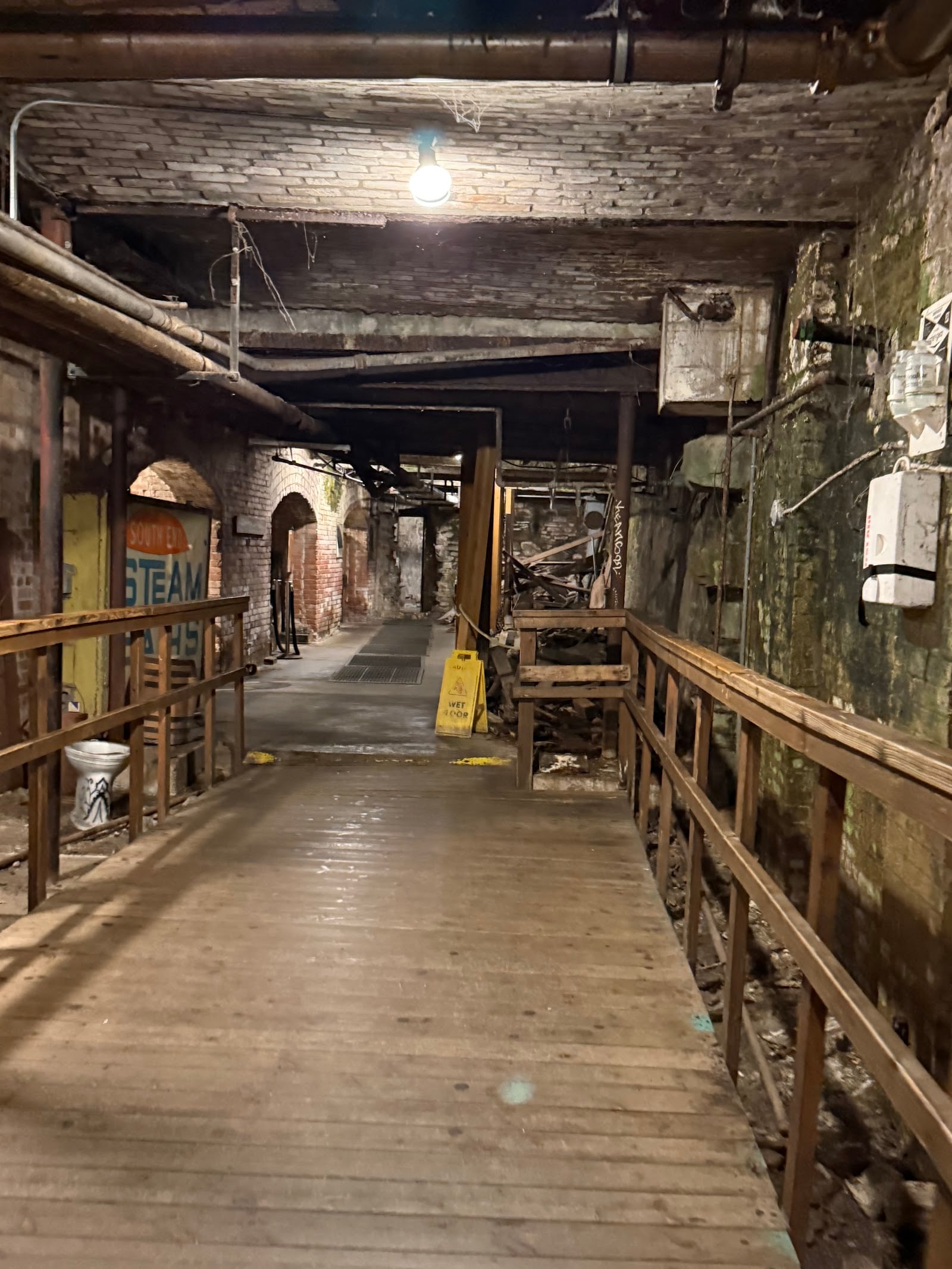
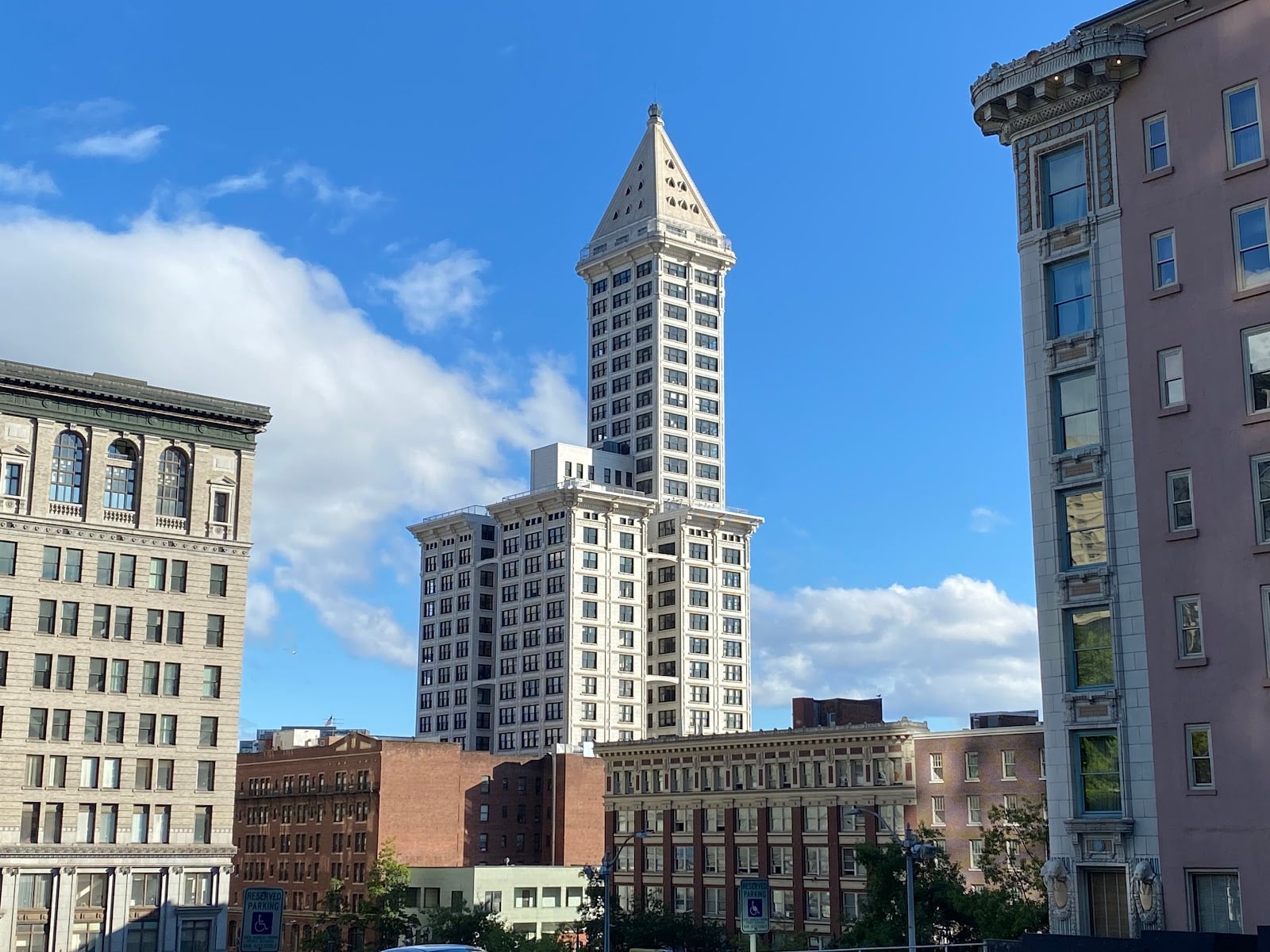
Pioneer Square. The oldest part of the city and the most architecturally interesting, all red brick and iron pergolas. Smith Tower and the Underground Tour are both here. It empties out after dark on weekdays.
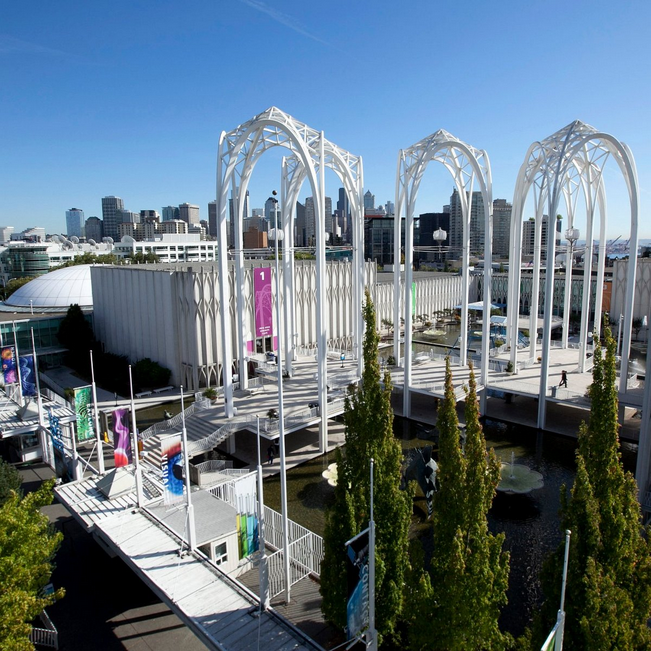
Seattle Center. Not a neighborhood so much as a campus, left over from the 1962 World’s Fair. The Space Needle, Chihuly Garden and Glass, MoPOP, the Pacific Science Center and the International Fountain all sit within a few minutes of each other.
Capitol Hill. Where people actually eat and drink. The best restaurant and bar density in Seattle, an independent bookshop worth the trip in Elliott Bay Book Company, and Volunteer Park with its conservatory at the north end. On the Link line.
Ballard. North and west, on the water. Scandinavian fishing history, the best brewery cluster in the city, a Sunday farmers market that runs year round, and the Hiram M. Chittenden Locks where you can watch boats change altitude and salmon climb a ladder.
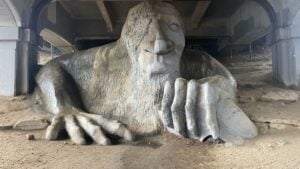
Fremont. Self declared centre of the universe, and committed to the joke. The troll under the Aurora Bridge, a statue of Lenin on a street corner, a rocket bolted to a building, and Paseo making the sandwich people plan around.
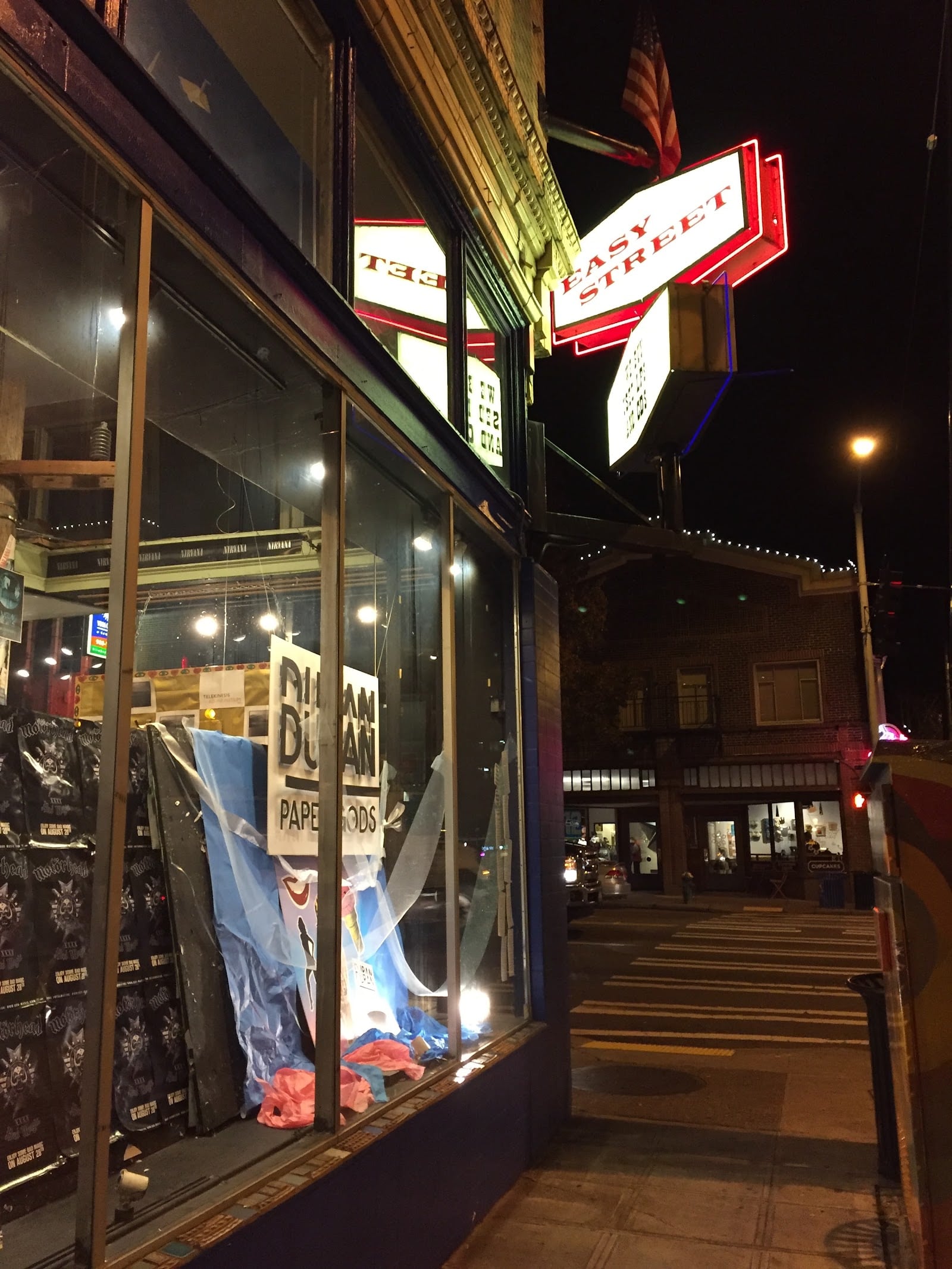
West Seattle. Across the bay and worth the crossing on the water taxi, which takes about 10 minutes and hands you the skyline on the way back. Alki Beach, the Junction with Easy Street Records and Husky Deli, and Lincoln Park at the south end.
University District. North of the ship canal. The Burke Museum, the Henry Art Gallery, Suzzallo Library’s reading room, and a farmers market on Saturdays. The cheapest walkable base in the city.
Getting here
Flying. Seattle Tacoma International sits 14 miles south of downtown. The Link light rail 1 Line runs from the airport into downtown and on to the University District and Lynnwood, and it is genuinely the right call: roughly 40 minutes to Westlake, no traffic risk, and a few dollars against a rideshare that can pass $60 in the afternoon crush.
Driving. I-5 runs north to south straight through the city and is the default approach from Portland (about 3 hours) and Vancouver BC (about 2.5 hours). I-90 comes in from the east across Lake Washington and is how you arrive from Ellensburg and Spokane. SR-99, the tunnel, is the downtown bypass most visitors do not know about.
Ferry. Washington State Ferries sail from Colman Dock on the downtown waterfront to Bainbridge Island (35 minutes) and Bremerton (about 60 minutes). Walk on passengers need no reservation on these routes. Taking a car means arriving early in summer, and on a July weekend early means an hour or more before the sailing you want.
Train. Amtrak’s Cascades and Coast Starlight both serve King Street Station downtown, a short walk from Pioneer Square.
Getting around once you are here
The Link light rail 1 Line is the spine: airport, downtown, Capitol Hill, University District. Buses fill in what it misses, and the RapidRide lines are the ones to look for. The West Seattle Water Taxi crosses Elliott Bay in about 10 minutes and is a genuinely good ride, not just transport. The Seattle Streetcar covers short hops in South Lake Union and First Hill. Ballard and Fremont have no light rail, so budget a bus for both.
On parking: downtown garages are expensive and street parking is scarce and time limited. If your plan is downtown plus one or two neighborhoods, skipping the car outright usually saves money and time both.
Things to Do
Museum
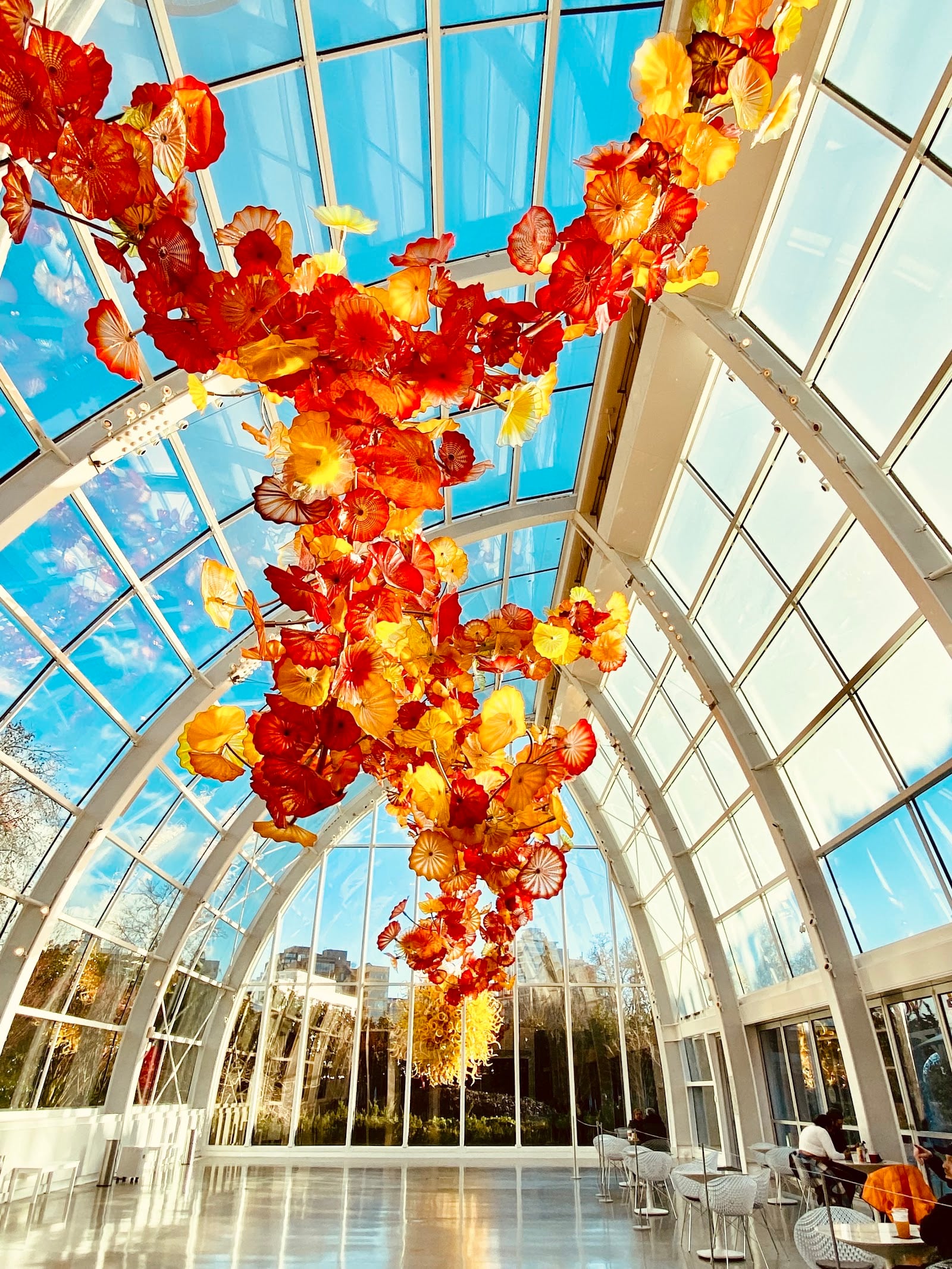
Chihuly Garden and Glass
Dale Chihuly's glasswork installed in a purpose built glasshouse and garden at Seattle Center, with the Space Needle directly overhead.
Museum
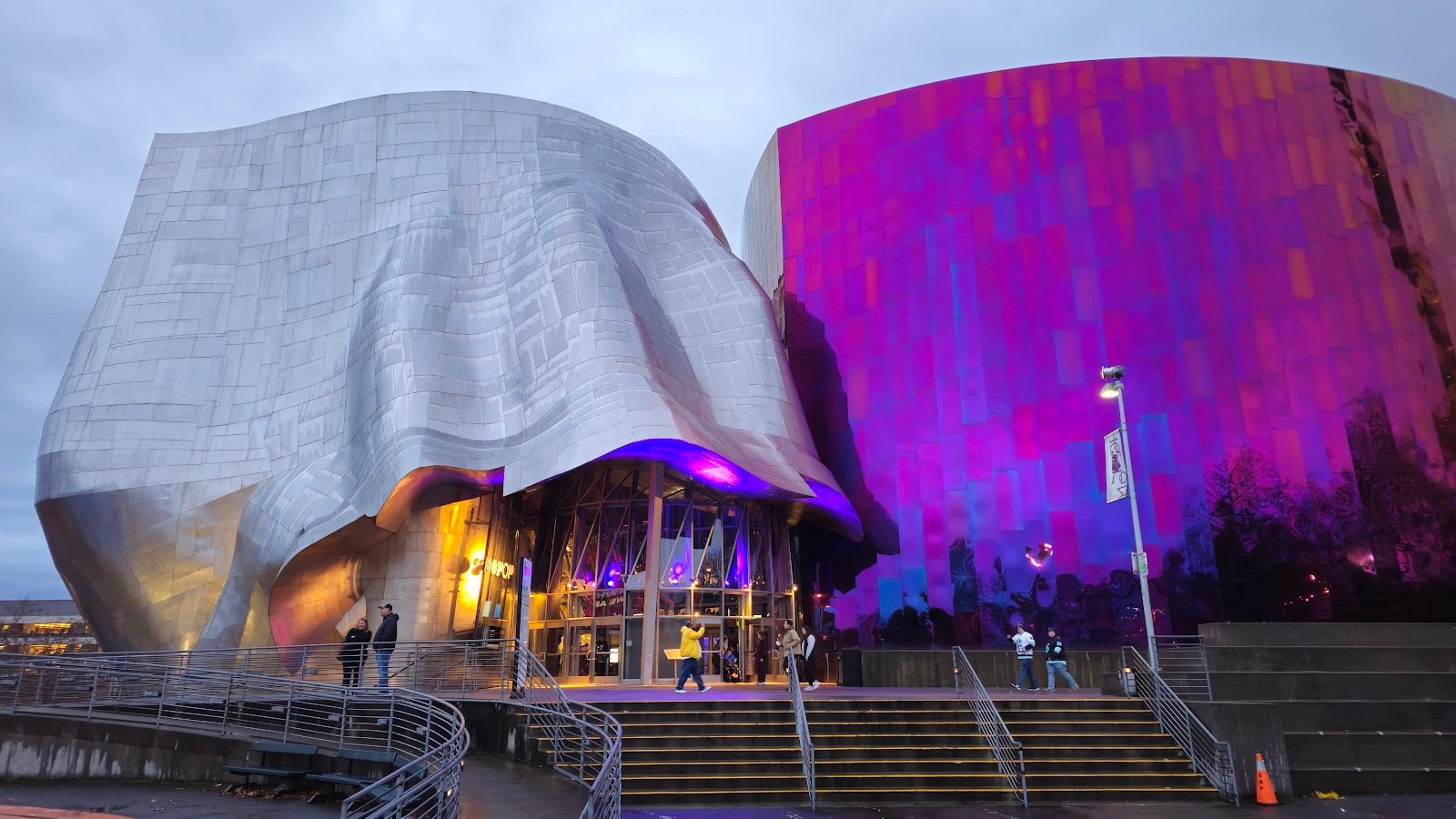
Museum of Pop Culture
Frank Gehry's crumpled metal building at Seattle Center, holding music, science fiction and horror collections across several floors.
Water
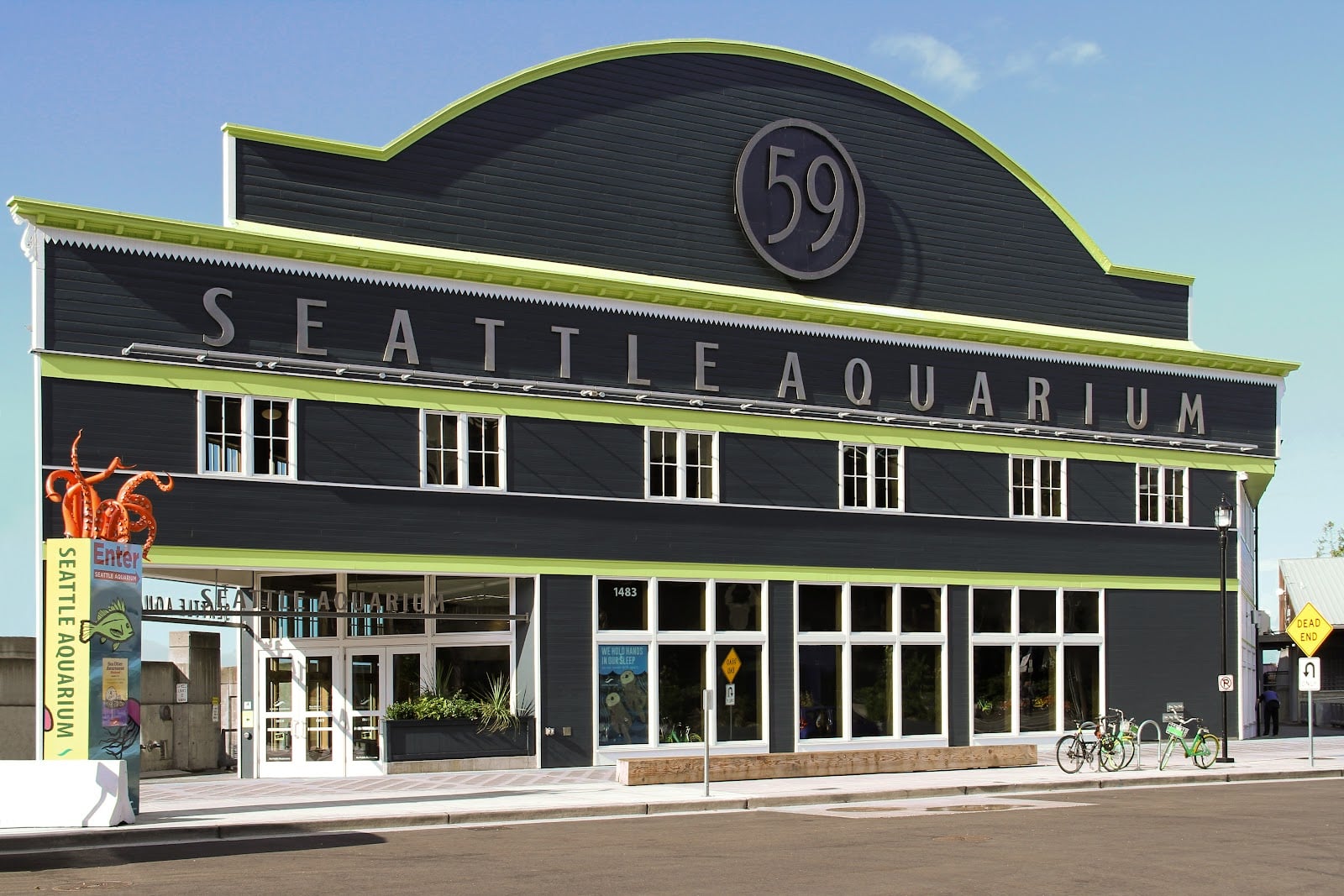
Seattle Aquarium
On the downtown waterfront at Pier 59, with the Ocean Pavilion opened in 2024 adding a large tropical habitat.
History
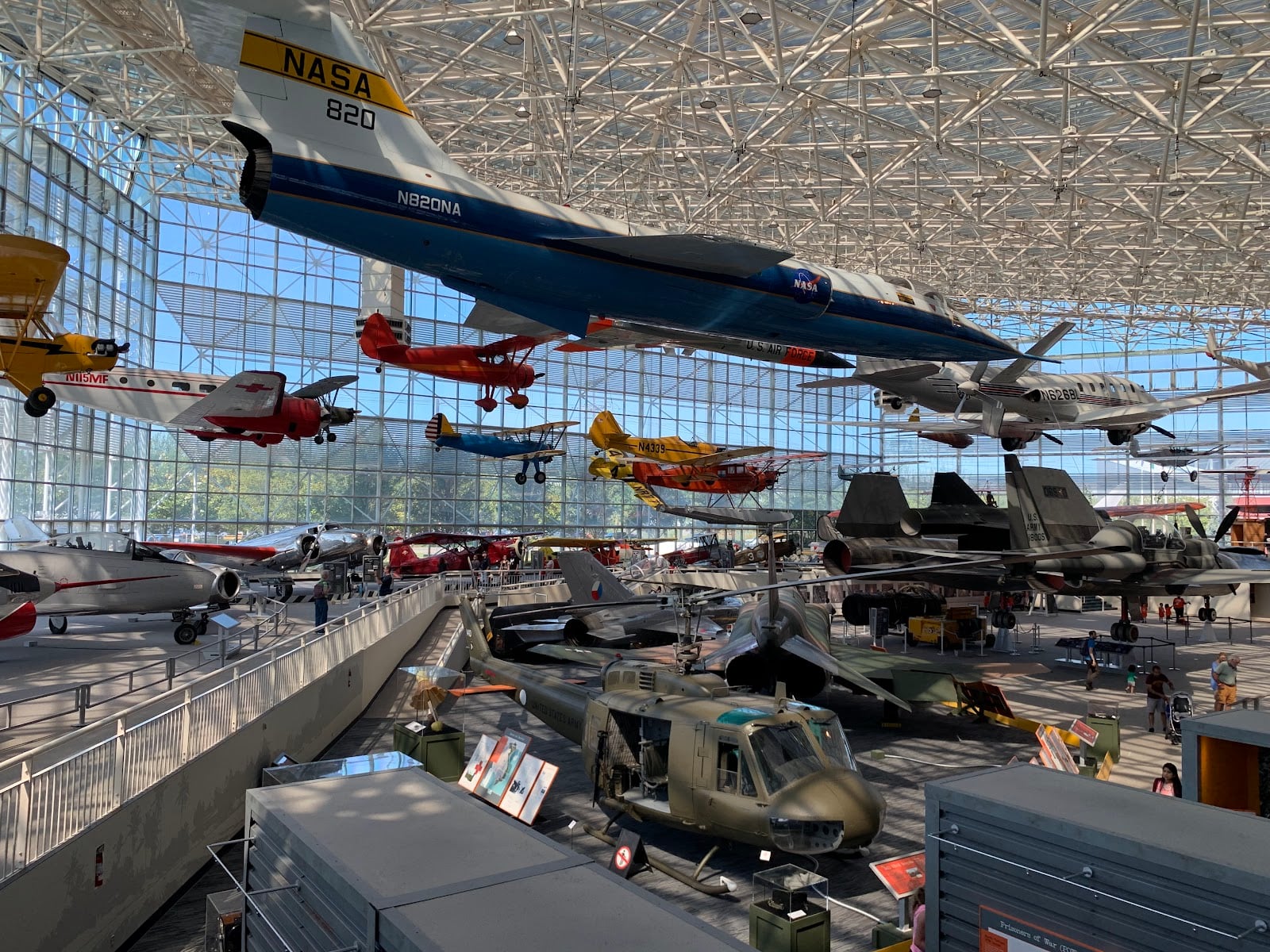
The Museum of Flight
At Boeing Field south of the city. A Concorde, an original Air Force One, and the first jet Boeing ever built.
Family
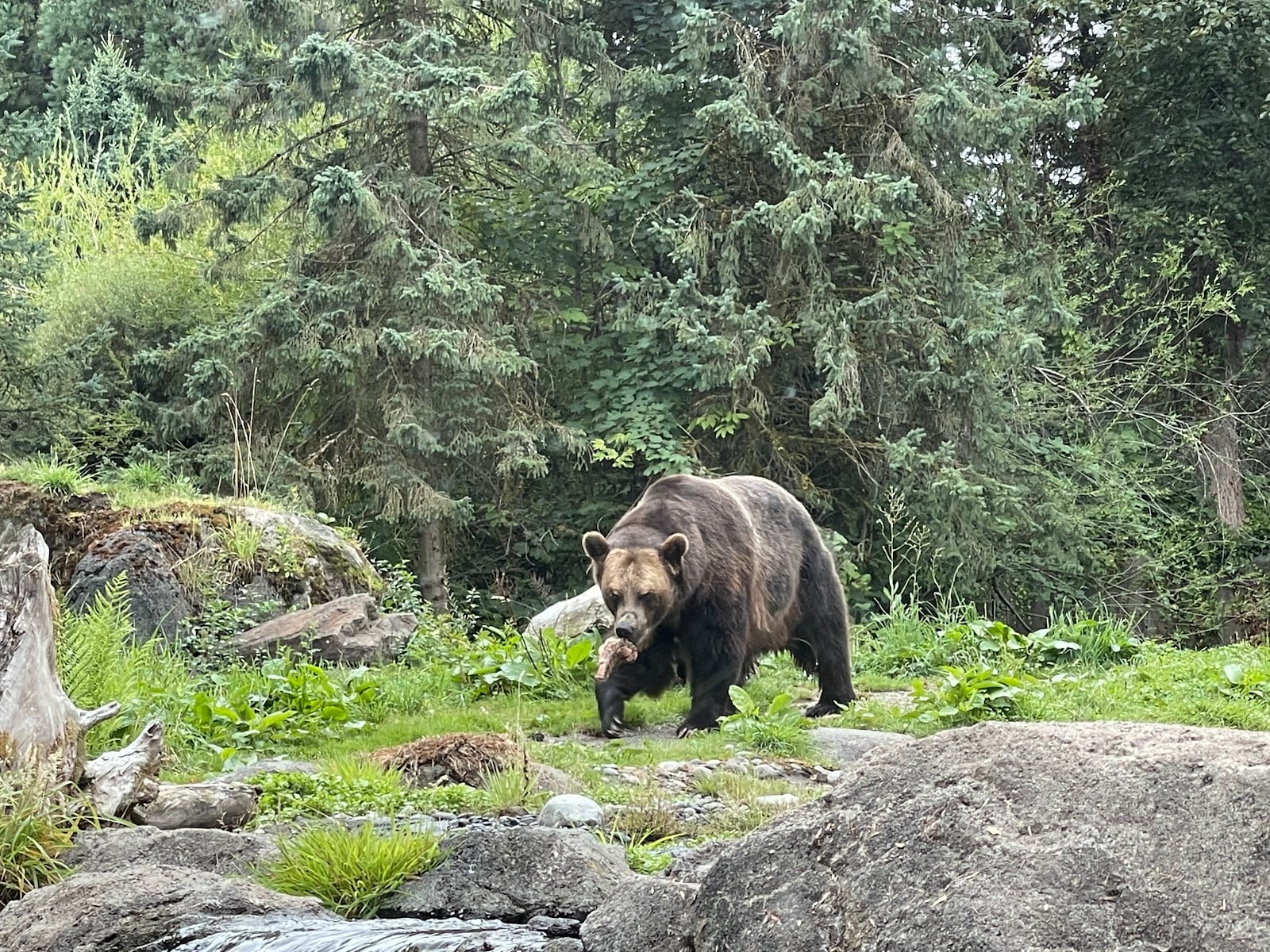
Woodland Park Zoo
Ninety two acres in Phinney Ridge, and one of the earliest zoos anywhere to move its animals into naturalistic habitats.
Shopping
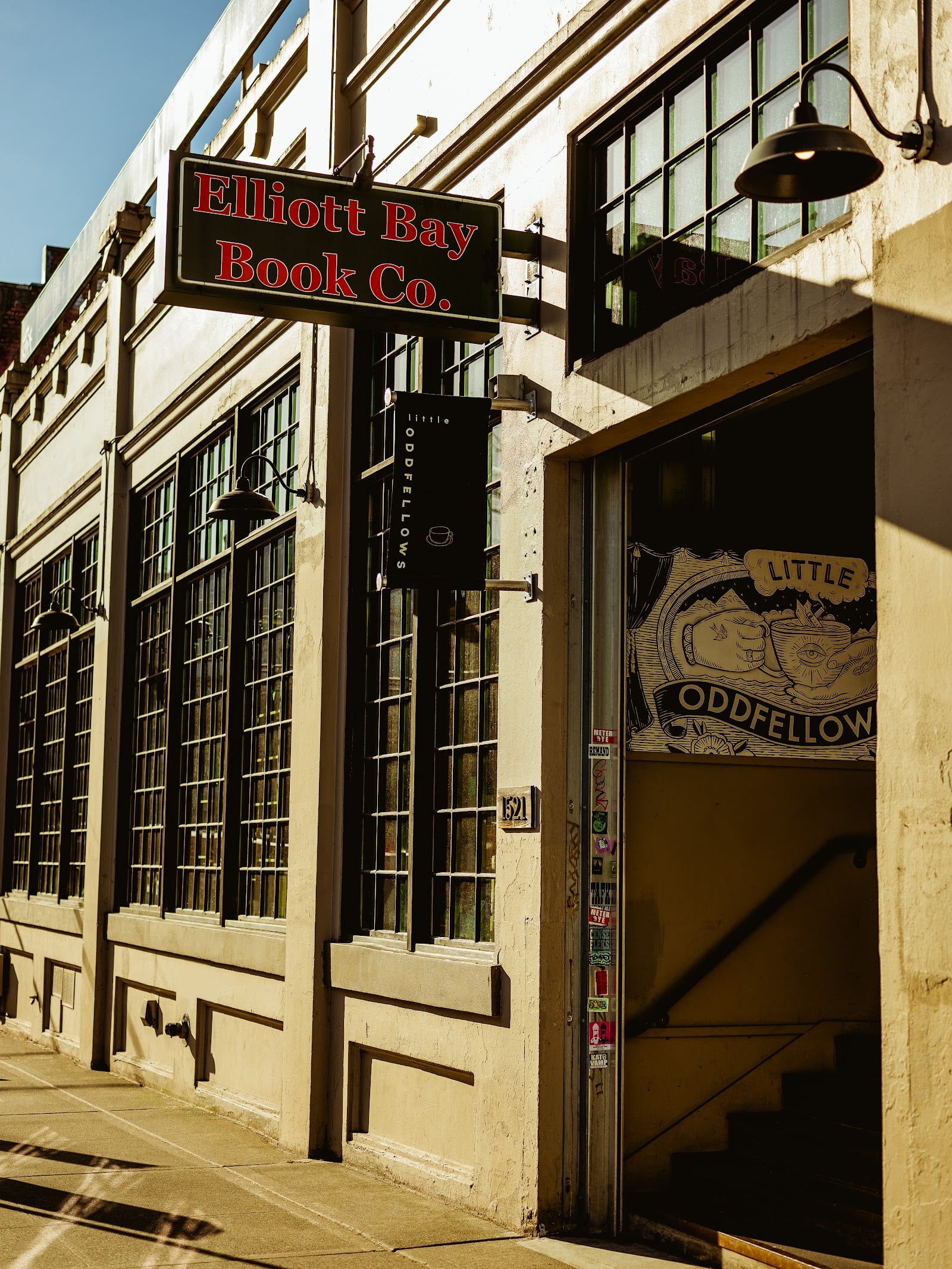
Elliott Bay Book Company
Capitol Hill, wooden floors, and handwritten staff notes on the shelves that are worth reading on their own.
Shopping
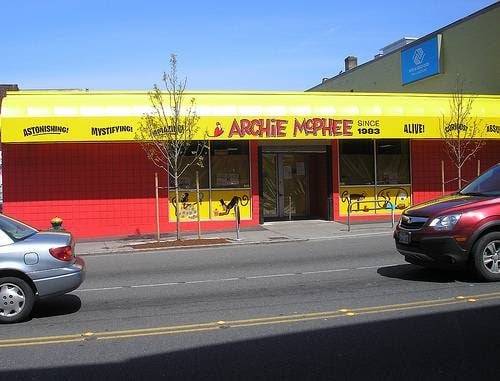
Archie McPhee
Wallingford novelty shop trading in rubber chickens and cheerful absurdity since 1983, and the reason the Giant Shoe Museum exists.
History
Bill Speidel's Underground Tour
A guided walk through the Pioneer Square storefronts that were buried when the city regraded itself after the 1889 fire.
Culture
Easy Street Records
A record store with a diner attached in the West Seattle Junction, which works better than it sounds.
Family
Pacific Science Center
Built for the 1962 World's Fair and still standing under its white arches at Seattle Center. The best rainy day option in the city with kids.
History
Smith Tower
The tallest building west of the Mississippi when it opened in 1914, with an open air observatory and a bar on the 35th floor.
“Seattle is not one destination. It is a collection of neighborhoods separated by hills and water, each with its own main street, its own coffee roaster, and its own opinion about the others.”
Explore Washington State
Where to Stay
Downtown and Pike Place
Walk to the market, the waterfront and the Link line without needing a bus. The most expensive beds in the city and the busiest streets. You pay for the walkability.
Belltown
Close to Seattle Center, a short walk from downtown, more restaurants per block than either. Genuinely loud at night, so ask for a room off the street.
Capitol Hill
The best food and bar density in Seattle, and the Link line runs straight to it. More short term rentals than hotels, so the options are less predictable.
Ballard
Quieter and residential, with the best brewery cluster in the city and a Sunday farmers market. No light rail yet, so budget a bus for anything downtown.
University District
The cheapest walkable option, directly on the Link line, about 10 minutes from downtown. It is a student neighborhood and reads like one.
Find a Cabin Near Seattle
Find a Cabin Near Seattle
Food & Drink
Pike Place Market is the obvious first stop and worth it before 10am, when it is still a working market rather than a crowd. Piroshky Piroshky sells Russian hand pies from a narrow storefront on Pike Place and the line moves faster than it looks. Beecher’s Handmade Cheese makes its curds behind glass and the mac and cheese is the thing to order.
Paseo in Fremont built its reputation on one sandwich, the Caribbean roast, and has never needed a second. Un Bien in Ballard is the sibling operation and makes the same argument closer to the water. Dick’s Drive In is a Seattle institution of the burger and shake variety, open late, cheap, and genuinely beloved rather than ironically so.
For coffee, skip the original Starbucks line unless the photo matters to you. Victrola on Capitol Hill and Caffe Vita both roast their own and were doing it long before the city’s coffee reputation became a marketing line. For more, see our guide to 10 cafes to grab a coffee in Seattle.
Festivals & Events
May
Northwest Folklife Festival
Free four day folk and world music festival at Seattle Center over Memorial Day weekend. Confirmed May 22 through 25 in 2026.
June
Seattle Pride
One of the larger Pride parades on the west coast, running down Fourth Avenue downtown. Held June 28 in 2026.
July
Seafair Torchlight Parade
The parade that opens Seafair proper, downtown on Fourth Avenue. Confirmed July 25 in 2026.
August
Seafair Weekend Festival
Hydroplane racing on Lake Washington and the Boeing Air Show with the Blue Angels overhead. Confirmed July 31 through August 2 in 2026.
September
Bumbershoot
Music and arts festival at Seattle Center over Labor Day weekend. Confirmed September 5 and 6 in 2026.
Day Trips
Bainbridge Island is 35 minutes on the ferry from Colman Dock and you can walk on. Winslow’s main street is a fifteen minute walk from the terminal, and the return sailing gives you the skyline view people pay for on harbor cruises.
Snoqualmie Falls is about 40 minutes east on I-90. A 268 foot waterfall with a viewing platform right off the parking lot, which makes it the rare big sight that costs no hiking.
Mount Rainier National Park is about 2 hours to the Nisqually entrance. Doable in a day if you leave early and accept that you are seeing Paradise and not much else. Our guide to the national parks in Washington State compares all three.
Whidbey Island goes via the Mukilteo ferry, about 30 minutes north of the city plus a 20 minute crossing. Deception Pass sits at the far north end. For more, see Day Trips from Seattle.
Planning Your Visit
When to go. July through September is the dry season and it is not close. Seattle summers are genuinely excellent: long evenings, low humidity, and the mountain out often enough to feel lucky. The rest of the year is grey more than it is wet, which is the part people get wrong. The rain is rarely heavy, it is just always sort of there from November into April.
How long. Three days covers downtown, one or two neighborhoods and a ferry. Five lets you add a day trip without rushing.
The honest limitation. Seattle is expensive, downtown parking is genuinely painful, and summer weekends at Pike Place are shoulder to shoulder by 11am. None of that ruins the city. It just means the plan matters more here than it does in a smaller town.
More Seattle on EWS
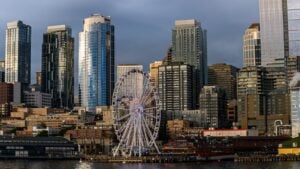
Guide
Best Things to Do in Seattle (A Local’s Guide)
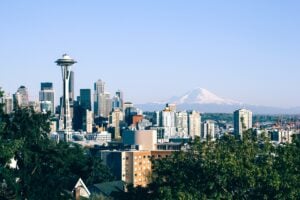
Guide
Day Trips from Seattle
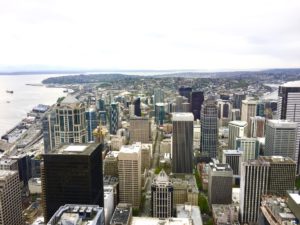
Guide
First Timers Guide To Seattle
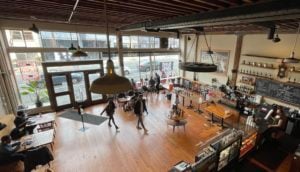
Guide
10 Amazing Cafes to Grab a Coffee in Seattle
Guide
10 Independent Bookstores in Seattle

Guide
Your Guide to Coffee in the U District
Guide
4 Best Hot Chocolate Spots In Seattle
Guide
Cherry Blossoms in Seattle
Guide
6 Vintage Pike Place Market Shops
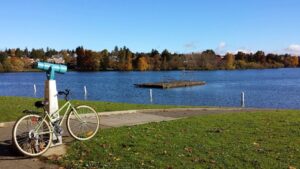
Story
Spending a Day in Seattle’s Green Lake Neighborhood
Story
Hailey Bohlman’s Seattle
Story
Marlee Thiel’s Seattle
Story
Paul Tolmé’s Seattle
Story
Seattle’s Southside with Mark Everton
Story
Victoria Clipper Review: Seattle to Victoria
Guide
National Parks in Washington State
Story
Passing Through SoDo
Story
First Time Visit to Pike Place Market
Guide
Exploring Coffee Culture in Seattle

Guide
Five Must Try Eats in Pike Place Market
Story
Exploring Discovery Park in Seattle

Guide
Top Spots for a Taste of Asia in Northgate
Guide
Visiting Used Bookstores Near Seattle
Story
A Trip to Sweet Mickey’s in Ballard
Guide
5 Killer Cafes in Seattle
Story
A Visit to Third Culture Coffee
Story
Getting to Know Good & Well Supply Co.
Guide
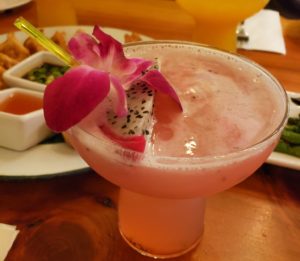
Top 5 Places in Seattle for a Unique Cocktail Experience

Story
Visiting Neko Cat Cafe in Seattle
Story
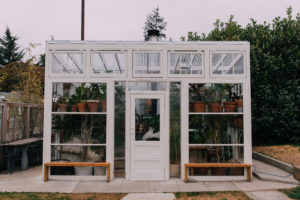
The Seattle Greenhouse
Story
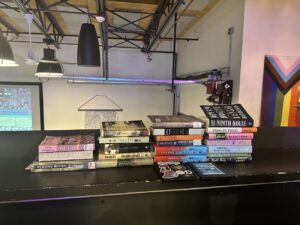
Find Community at Seattle’s Silent Book Club
Story
Visiting the Fremont Troll

Story
Seattle Samurai with Kelly Goto
Guide
Seattle’s Best Spring Brunch Spots
Story
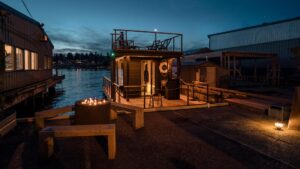
A Unique Sauna Experience with Wild Haus PNW
Guide
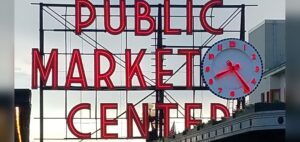
Best Time to Visit Pike Place Market

Directory
Green Lake Pitch and Putt: Rates, Tee Times and Scorecard
Guide
Woodinville, Washington: Where to Taste, Eat and Stay in Wine Country
Guide
Bothell, Washington: Trails, Pubs and Things to Do Where Two Counties Meet
Directory
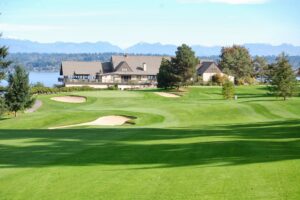
Sand Point Country Club: Scorecard and Course Guide
Planning a Washington trip?
That is the whole idea behind the Explore Washington State Card. Free to carry, with a little something waiting at participating places when you visit. Your zip code is a vote for which towns we sign up next, and our weekly Washington travel newsletter starts landing right away.
Get your free cardFrequently Asked Questions
What is Seattle known for?
Coffee, water and software, in roughly that order of visibility. Starbucks started at Pike Place Market in 1971, the city sits between Puget Sound and Lake Washington so water is visible from almost everywhere, and Amazon and Microsoft anchor an economy that reshaped the city in twenty years. It is also the largest city in Washington State by a wide margin.
Is Seattle worth visiting?
Yes, with one caveat worth saying plainly. Seattle rewards visitors who pick two or three neighborhoods and actually walk them, and frustrates visitors who try to tick off scattered landmarks by car. The geography punishes that second approach. Come for the neighborhoods, the water and the food, and treat the Space Needle as one stop rather than the point.
How do you get around Seattle without a car?
Better than most American cities. The Link light rail 1 Line connects the airport, downtown, Capitol Hill and the University District. Buses cover the neighborhoods light rail misses, the West Seattle Water Taxi crosses Elliott Bay in about 10 minutes, and Washington State Ferries sail to Bainbridge and Bremerton from the downtown waterfront. Downtown parking is expensive enough that skipping the car often saves both money and time.
When is the best time to visit Seattle?
July through September for reliable dry weather and long evenings. Late spring is a good compromise if you want lower rates and can accept grey mornings. November through February is the darkest stretch, though it is more overcast than genuinely rainy, and the city is at its quietest.
How many people live in Seattle?
About 816,600 as of the 2025 state estimate, making it the largest city in Washington. The wider Seattle metro area is well over four million.
Which Seattle neighborhood should I stay in?
Downtown or Pike Place for a first visit, because you can walk to the market, the waterfront and the light rail. Capitol Hill if you care more about food and bars than sightseeing. Ballard if you want somewhere quieter and more residential and do not mind a bus ride. The University District is the cheapest walkable option and sits directly on the light rail line.