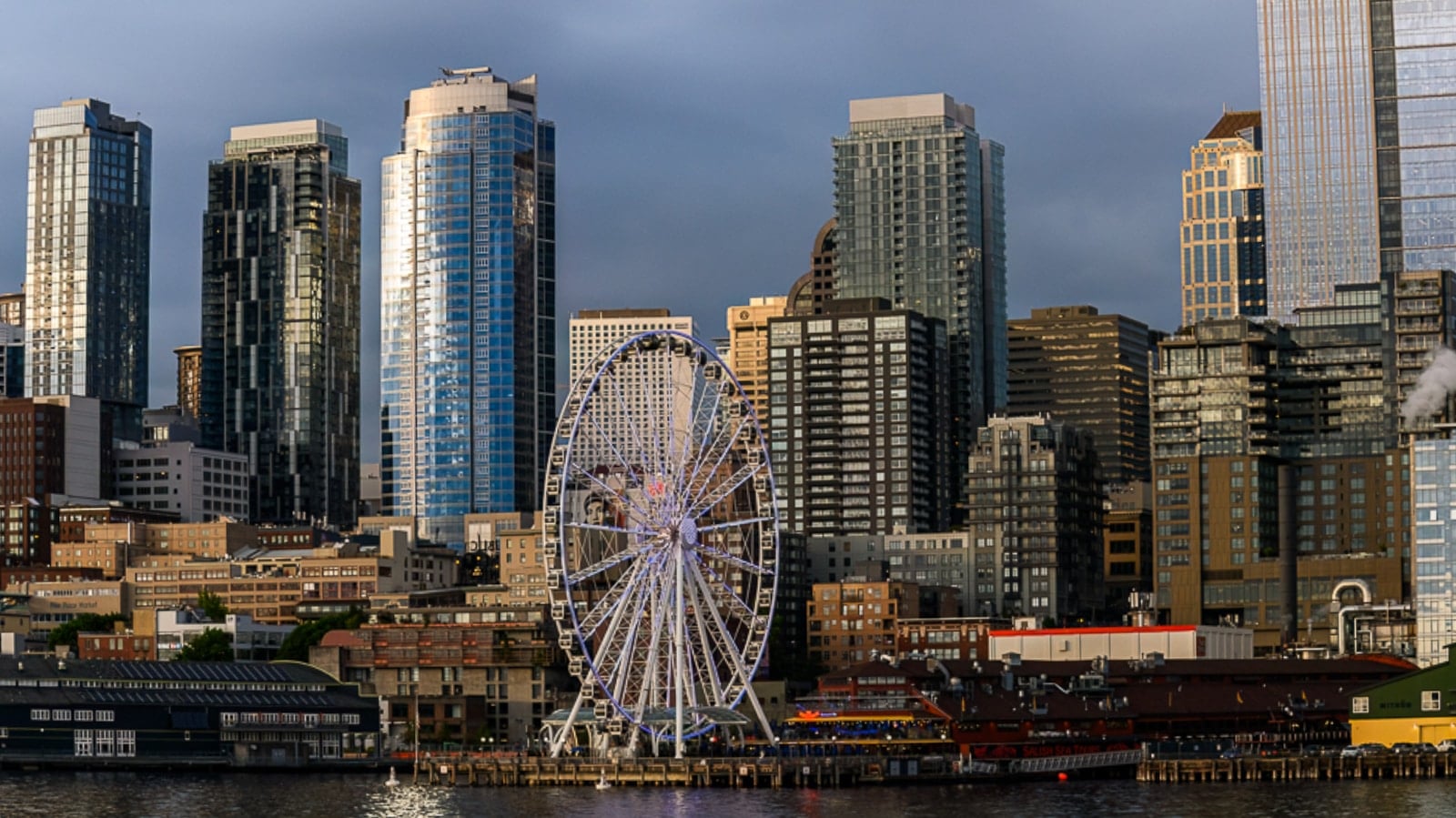
Best Things to Do in Seattle (A Local’s Guide)
The Saturday Verdict: Handle the icons fast, then go find the neighborhoods. Most lists of things to do in Seattle hand you the same six attractions and call it a city. Pike Place, the Space Needle, a harbor cruise, done. That is the airport flyer version of Seattle, and it is the least interesting day you can have here. The city that residents actually use is in Fremont, Ballard, Georgetown, and Capitol Hill, and it is mostly walkable and mostly free. Give the checklist a morning. Give the neighborhoods the rest.
Here is the thing every top ten list gets wrong: the icons are not the city. They are the postcard. The Space Needle is a nice looking elevator, Pike Place is a working market that is genuinely worth seeing, and both of them are surrounded by a downtown that empties out the moment you walk ten blocks in any direction into an actual neighborhood. That is where Seattle lives.
So this guide is built the way a local would show you around. The icons first, triaged honestly, with a straight answer on which ones earn your time. Then the neighborhoods, on foot, one at a time, plus the outdoors, the coffee, the stuff for kids, the free stuff, and the odd stuff that never makes the lists. It is built for a first time visitor but written by someone who spent ten years living in these neighborhoods, which means it will tell you when something famous is not worth the line.
In this guide: Who Seattle Is For · The Icons · Fremont · Wallingford · Green Lake · U District · Ballard · Capitol Hill · SODO · Georgetown · West Seattle · Getting Outside · Coffee and Where to Eat · Seattle with Kids · Free Things to Do · The Offbeat Seattle · A Perfect Seattle Day
Who Seattle Is For
Seattle is for people who like a city that is really a collection of small towns wearing a skyline. If you come expecting one dense walkable core like San Francisco or Chicago, you will be underwhelmed by downtown and you will miss the point. The reward here is neighborhood texture. Each one has its own main street, its own bar you would become a regular at, and its own reason to exist. The trip is good in direct proportion to how much of that you go see. The best things to do in Seattle are, almost without exception, neighborhood things.
It is for people who do not mind gray. Seattle is at its prettiest in July and August, when the mountains come out and the evenings run long, but the city has a personality on an overcast day that the sunshine version does not. The coffee, the bookstores, the covered market, the underground history all make more sense when the sky is low. Do not let a forecast talk you out of a visit.
It is not really a city for people who want everything in one place. You will move around. And that raises the one logistics question that shapes the whole trip: do you need a car? Downtown, no. The light rail runs from the airport through downtown to Capitol Hill and the University District, and the core is walkable. But the neighborhoods are spread out. Georgetown, West Seattle, and Discovery Park are not casual walks from downtown. The realistic plan is transit and your feet for the downtown day, then a car or a stack of rideshares for the neighborhood day. Sort that out before you arrive and the rest of the guide falls into place.
The Icons, and How Much Time to Give Them
Start here, get it done, and do not feel guilty about moving fast. These are the things you have already seen in photos. Some of them are worth it in person. Some are not.
Pike Place Market is worth it. This is the one downtown attraction that fully earns its reputation. It is a working public market, more than a century old, stacked down a hillside with fishmongers, produce stalls, tiny restaurants, and a warren of lower levels most visitors never find. See the fish throwers if you must, but the market is better the deeper you go.
Get a piroshky at Piroshky Piroshky, a mac and cheese at Beecher’s, and wander down into the lower floors where the odd little shops are. The original Starbucks at 1912 Pike Place is here too, with a line out the door that is not worth standing in. The Gum Wall in Post Alley below the market is exactly what it sounds like, free, and worth about ninety seconds.
One thing nobody tells you: go early. Pike Place at 9 in the morning, before the tour groups land, is a completely different and much better experience than Pike Place at noon. The vendors are setting up, the light comes in off the water, and you can actually move. By early afternoon in summer it is a slow moving crowd. First thing in the morning it is a market.
The Space Needle is the icon you can skip. It is a ticketed elevator ride to a view, and you can get the same view, arguably a better one, for free from Kerry Park on Queen Anne, which has the added advantage of putting the Space Needle itself in your photo. Ride it if it is a bucket list item or the kids are set on it. Otherwise, keep the money.
What is worth your time at Seattle Center is Chihuly Garden and Glass, the ticketed exhibit at the base of the Needle. Dale Chihuly’s glasswork is the rare thing that photos undersell, and the garden and glasshouse are the paid downtown attraction that most people walk out of impressed. If you do one ticketed thing in the icon cluster, do this instead of the Needle.
Down on the water, the Seattle Great Wheel at Pier 57 is a Ferris wheel with a view, and it is a skip unless you are already on the waterfront with time to kill. The better waterfront news is the Overlook Walk, which opened in 2024 and finally connects Pike Place Market directly down to the water and the aquarium on foot. It is free, it is new, and it fixed the single most annoying thing about downtown Seattle, which used to be that the market and the waterfront felt a mile apart. The Olympic Sculpture Park at the north end of the waterfront is also free and worth a stroll.
That is the icon layer. A good morning, maybe a morning and a lunch. Now the actual city.
Fremont
Fremont is where the neighborhood tour should start, because it is the neighborhood that most obviously has a sense of humor about itself. It calls itself the Center of the Universe, it is only half joking, and it has the public art to back it up.

The Fremont Troll is the anchor and it deserves the hype. Eighteen feet of concrete monster crushing a real Volkswagen Beetle in one hand, lurking under the north end of the Aurora Bridge. It is free, it is there all day and night, and it is one of the few pieces of public art that is genuinely fun to stand next to. Kids climb it. Everyone photographs it. Our full guide to visiting the Fremont Troll has the parking and logistics if you want them.
But the Troll is the start, not the whole stop. Fremont is a public art scavenger hunt. Walk a few blocks and you hit the Statue of Lenin, a sixteen foot bronze rescued from Slovakia and now standing, privately owned and quietly for sale, in the middle of a capitalist neighborhood.
There is the Fremont Rocket, a Cold War rocket fuselage bolted to the corner of a building and marked as the official center of the aforementioned universe. And Waiting for the Interurban, the aluminum sculpture of commuters that locals dress up in costumes for birthdays, weddings, and grievances. On Sundays, the Fremont Sunday Market runs year round with vintage, antiques, food, and the usual good street market chaos.
For lunch, Paseo at 4225 Fremont Avenue N is the move. Caribbean sandwiches, and specifically the pork sandwich, which has a citywide reputation for a reason. It is cash friendly, casual, and cheap ($). Note that the Fremont location is closed Sundays, which is a trap if you planned your Fremont day around the Sunday Market and a Paseo lunch. Plan around it.
Wallingford
Wallingford sits between Fremont and the U District, and it is the low key residential neighborhood that rewards a slow walk down North 45th Street. There is no single blockbuster attraction here. There is just a pleasant Seattle main street with a couple of stops worth planning around.
The one that belongs on every offbeat list is Archie McPhee at 1300 N 45th Street, the novelty and gag gift store that has supplied the world with rubber chickens, bacon bandages, and horse head masks for decades. It has a free Rubber Chicken Museum inside, which is exactly as ridiculous and as great as it sounds. Down the street, Molly Moon’s Homemade Ice Cream at 1622 N 45th is the original location of what grew into Seattle’s beloved local ice cream chain. The Wallingford Center, a converted 1904 schoolhouse, anchors the middle of the strip with a small run of shops and places to eat.
The local move: Wallingford and Fremont share the 45th Street corridor, so walk them as one afternoon rather than two separate trips. Gas Works Park sits at the neighborhood’s south edge on Lake Union and is covered in the Getting Outside section below.
Green Lake
Green Lake is a park and the neighborhood wrapped around it, and it is where Seattle goes to move. The Green Lake loop is a flat, paved path of just under three miles around the water, and on any decent day it is full of runners, walkers, roller skaters, and stroller traffic. It is the closest thing the city has to a communal front yard, and doing one lap is the fastest way to feel like a resident instead of a visitor.
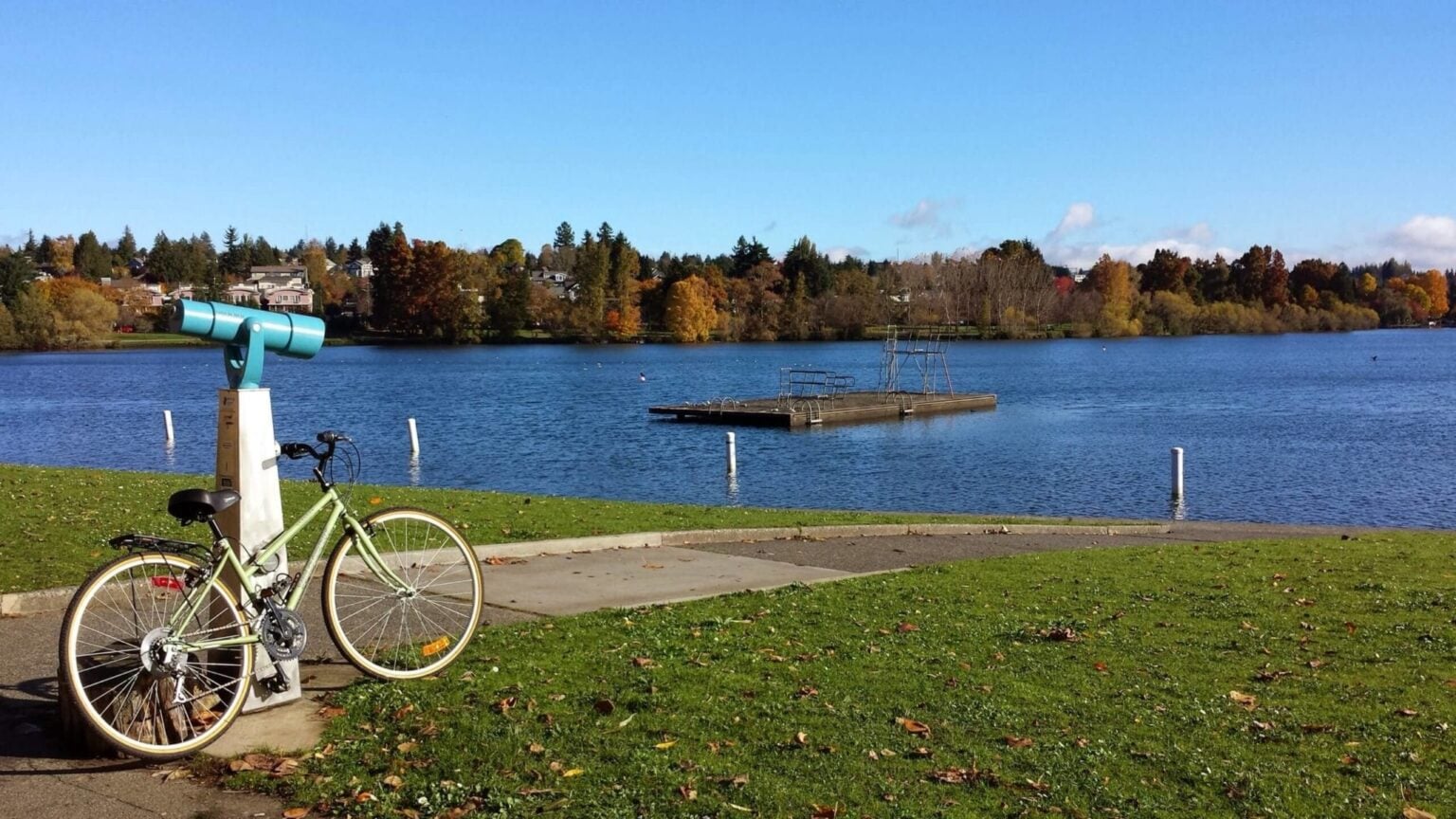
On the water, the Green Lake Boathouse on the northeast shore has rented kayaks, paddleboards, and rowboats since 1974, weather permitting, with a coffee shop attached for when you are done. The Green Lake Pitch and Putt, a nine hole par three course on the south side, is open roughly March through October, first come with no tee times, and it is one of the more relaxing cheap afternoons in the city. Woodland Park Zoo borders the lake on the west side and is covered in the Seattle with Kids section.
For the fuller version, our day at Green Lake guide covers the loop and the food around it.
U District
The University District is the neighborhood built around the University of Washington, and the campus itself is the reason to come. It is one of the prettier urban campuses in the country and it is open to the public to wander.
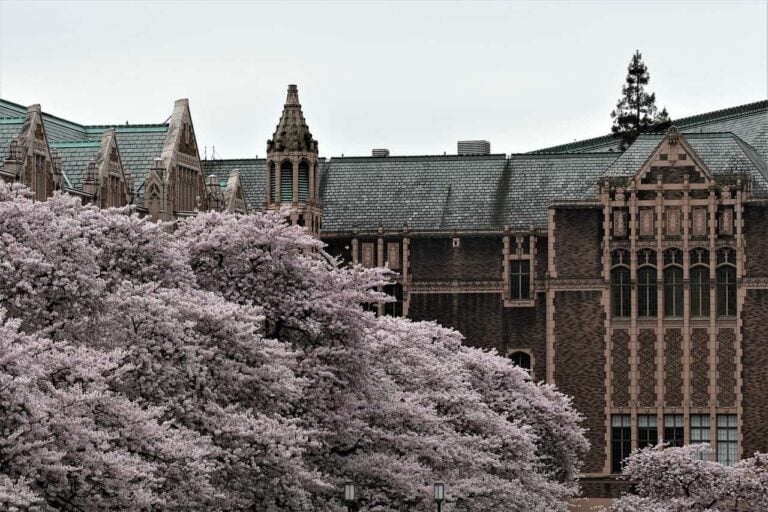
The UW campus delivers the set pieces. Red Square, the Suzzallo Library and its Graduate Reading Room, a soaring gothic hall that gets called the Harry Potter room for obvious reasons and is open to quietly walk through, and the view down Rainier Vista from Drumheller Fountain toward the mountain on a clear day. In spring, the Yoshino cherry trees in the Quad bloom for about two weeks in mid to late March and draw real crowds.
The Burke Museum of Natural History and Culture, in the building that opened in 2019, is the state’s natural history and Native art museum and one of the best rainy day stops in the north end. The Henry Art Gallery on campus is free and worth a look for contemporary art.
Off campus, the Ave, University Way NE, is the cheap eats and student energy strip, and the University District Farmers Market runs on Saturdays year round, the oldest farm only market in the city. Come on a clear spring Saturday and you catch the neighborhood at its best: the market and the Quad cherry blossoms in one trip.
Ballard
Ballard is the old Scandinavian fishing neighborhood that turned into one of the best walking and eating stretches in the city without losing its bones. Two anchors carry the visit, and they could not be more different.
The Hiram M. Chittenden Locks, which everyone just calls the Ballard Locks, are free, fascinating, and the most quietly Seattle thing you can do. This is a working set of locks that raises and lowers boats between the salt water of Puget Sound and the fresh water of the ship canal, right in the middle of the city. You can stand a few feet from boats going up and down. There is a botanical garden on the grounds, and there is a fish ladder with an underwater viewing room where you can watch salmon climb their way inland.
One thing nobody tells you: the fish ladder is a summer show. The sockeye run peaks in the back half of June and into July, and that is when the underwater glass is worth the trip on its own. Come in October and you will still enjoy the boats and the garden, but the salmon are the main event and they are seasonal. Time it if you can.
The other Ballard anchor is Ballard Avenue itself, a landmark district of brick storefronts, bars, restaurants, and shops that is made for aimless walking. The Ballard Farmers Market takes over the avenue every Sunday, year round, one of the first year round farmers markets in the city and still one of the best. For dinner, Un Bien out toward Shilshole is where the original Paseo family recipes live now, and the Caribbean roast pork sandwich there is, to a lot of locals, the definitive version. Cap the day at Golden Gardens, the sandy beach at the north edge of the neighborhood, where the fire pits, the Olympic Mountains across the water, and the sunset do the rest.
Capitol Hill
Capitol Hill is the dense, walkable, slightly chaotic heart of the city, and it is the neighborhood you go to when you want to be around people rather than industrial quiet. It is nightlife, food, coffee, bookstores, and a big beautiful park, all packed close enough to do on foot.
Elliott Bay Book Company at 1521 10th Avenue is the anchor and one of the great independent bookstores in the country, a huge warm space of cedar shelves with a cafe in the back and the kind of staff picks that actually change what you read. Cal Anderson Park is the neighborhood’s front lawn, and up the hill, Volunteer Park is the grand one, with a Victorian glasshouse Conservatory and, inside the old brick water tower, a free observation deck. Climb the stairs to the top of the tower and you get a wraparound view of downtown, the Space Needle, and the Sound, for exactly nothing.
Capitol Hill is also where you eat and drink well without a plan, especially along the Pike and Pine corridor. For coffee, this is home turf: Victrola on E Pike and Caffe Vita a block away are both roasters that helped define the modern Seattle cafe. And for the cheap Seattle institution everyone should hit once, Dick’s Drive-In on Broadway has been selling the same burgers, fries, and shakes since 1955. It is not gourmet. That is the point. It is $ and it is part of the city’s DNA.
SODO
SODO, short for South of Downtown, is the industrial strip below Pioneer Square, and it is the most honest neighborhood on this list. It is warehouses, two stadiums, and not much pretending otherwise. You come here for a game or an event, not for a stroll.
The anchors are the stadiums. T-Mobile Park, home of the Mariners, is one of the best ballparks in baseball, with a retractable roof and behind the scenes tours on many game and non game days. Next door, Lumen Field is home to the Seahawks and the Sounders and runs tours year round, and in 2026 it is hosting World Cup matches. Running alongside them, the SODO Track is a corridor of more than fifty large murals you can take in from the Link light rail between the Stadium and Beacon Hill stations, or on foot.
If you want a drink in the district, Métier Brewing pours at its Steelheads Alley taproom across from T-Mobile Park, Washington’s first Black owned brewery, and Emerald City Beer runs its Beer Lab down on Airport Way.
Time your visit to a Mariners afternoon and SODO makes sense. On a random Tuesday with nothing on, there are better neighborhoods to walk. If you do end up down there with time before a game, our walk through SODO covers the district on foot.
Georgetown
Here is the neighborhood nobody else will tell you about, which is exactly why it is in this guide. Georgetown is Seattle’s oldest neighborhood, an old industrial district south of downtown that artists took over and never gave back. It is brick warehouses, vintage shops, dive bars, working studios, and almost no tourists. If you want to feel like you found something, come here.

Fantagraphics Bookstore and Gallery at 1201 S Vale Street is the retail arm of one of the most important comics and graphic novel publishers in the country, and it is a destination in its own right for anyone who cares about the form. Equinox Studios at 6555 5th Avenue S is a warren of working artist studios, and while it is a workspace most of the time, it throws its doors open to the public on the second Saturday of every month for the Georgetown Art Attack, roughly 6 to 9 in the evening, when the whole neighborhood turns into an open gallery.
Jules Maes Saloon on Airport Way S is the neighborhood dive with live music and a long history. It bills itself as one of the oldest bars in Seattle, a claim that gets debated, but the beer is cold and the room is real either way. And the Georgetown Steam Plant, a preserved early 1900s power plant that is a National Historic Landmark, opens to the public for free guided tours on the second Saturday of the month, roughly 10 to 2. The building is a cathedral of old industrial machinery and it is striking inside. For the full slow version of a day down here, our day in Georgetown guide walks the whole neighborhood.
The scheduling catch is worth saying plainly: Georgetown rewards a second Saturday visit. Equinox and the Steam Plant both do their public opening then, and that is the day the neighborhood is most alive. Build your Georgetown afternoon around a second Saturday if the calendar allows it.
West Seattle
West Seattle is far enough across the Duwamish to feel like its own beach town, and getting there is half the fun. From April into October you can skip the bridge entirely and ride the West Seattle Water Taxi from Pier 50 downtown across to Seacrest Park, a ten minute crossing with a skyline view that beats most paid harbor cruises. That is the way to do it.
Once across, Alki Beach is the long sandy stretch that is the closest Seattle gets to California, with a beach promenade, the 1913 Alki Point Lighthouse, and a miniature Statue of Liberty that has stood watch since 1952. Inland, the West Seattle Junction at California Avenue SW and SW Alaska is the walkable business district, home to Easy Street Records, a record store and cafe that has been an institution since 1988, and Husky Deli, a third generation deli and ice cream counter open since 1932. The murals around the Junction are worth a look, though a couple are mid restoration.
For a longer outdoor stretch, Lincoln Park on the south end has forest trails, a saltwater shoreline, and the heated Colman Pool in summer. It is also home to one of the Thomas Dambo giant trolls, Bruun Idun, in the trees near the pool. Right by the water taxi dock, Marination Ma Kai serves Hawaiian and Korean plates on a waterfront patio, which lets you close the loop: taxi over, eat, walk Alki, taxi back.
Getting Outside in Seattle
Some of the best things to do in Seattle are outdoors, because part of what makes this city itself is that you are never far from the real thing, right in the middle of town. You do not have to drive to the mountains to get the payoff, though you certainly can.
Discovery Park is the big one, 534 acres on a bluff in Magnolia, the largest park in the city, with meadows, forest, beach, and the West Point Lighthouse at the bottom. The loop trail is a couple of miles of genuine getting away from it all inside city limits, and the walk down to the beach delivers a Puget Sound view that does not feel like it belongs to a city of this size. Our Discovery Park guide covers the trails and the parking situation, which is the one thing to plan for.
Bring a thermos. A gray morning on the Discovery Park bluff with a cup of Island Time Coffee’s Deception Dark, before the trails fill up, is one of the better ways to start a Seattle day, and the low sky over the water is the version of the Sound most postcards leave out.
Gas Works Park, on the north shore of Lake Union at the south edge of Wallingford, is the strange and wonderful one, an old gasification plant left standing as rusted sculpture on a green hill with the best downtown skyline view in the city and a kite flying mound to match. Kerry Park on Queen Anne is the other essential viewpoint, the postcard one that gets the Space Needle, downtown, and Mount Rainier in a single frame. Between them you get the two best free skyline views in the city, one looking north across Lake Union and one looking south from the hill.
Coffee and Where to Eat
You cannot write about Seattle without coffee, and you should not try to see it without drinking a lot of it. This is the city that exported cafe culture to the rest of the country, and the good news is that the best coffee here is almost never the most famous coffee here.
Skip the line at the original Starbucks. The better cups are everywhere else. Storyville Coffee on the top floor of the Corner Market building at Pike Place is a beautiful room with a market view. Anchorhead at 1600 7th Avenue is the downtown pick. And Capitol Hill’s Victrola and Caffe Vita, mentioned above, are the roaster cafes that define the local style. For the deeper list, the whole reason people take coffee seriously here, we keep a running guide to the best coffee in Seattle with ten cafes worth going out of your way for.
On food, the honest local truth is that you do not eat well in Seattle by planning a restaurant crawl downtown. You eat well by eating where you already are in the neighborhoods. Pike Place for the quick market bites. Paseo or Un Bien for the Caribbean sandwiches. Ballard Avenue and the Pike and Pine corridor on Capitol Hill for wandering into a good dinner without a reservation. Dick’s on Broadway for the cheap classic. Seattle is a graze as you go city, not a single destination dinner city, and the food is better for it.
Seattle with Kids
Seattle is an easy city to travel with kids, because a lot of the best family stuff is clustered and a lot of it is fun for adults too.
Seattle Center is the hub. The Pacific Science Center, under its white arches, has hands on exhibits, an IMAX, a planetarium, and a tropical butterfly house. The Seattle Children’s Museum is right there under the Armory for the younger set, open Wednesday through Monday. And in summer, kids run straight through the International Fountain, the giant dome fountain in the middle of the campus, which is free and beloved. MoPOP, the pop culture museum in the Frank Gehry building, skews to older kids and music and science fiction fans.
Off the Seattle Center campus, the Museum of Flight down at Boeing Field is the sleeper highlight of the whole city for any age, with more than 175 aircraft, a walk through Air Force One, and a real Concorde. The Seattle Aquarium on the waterfront opened its big new Ocean Pavilion in 2024. Woodland Park Zoo up on Phinney Ridge is a proper day out. And the salmon fish ladder at the Ballard Locks and the beach at Golden Gardens are free family wins. For the full family rundown, our guide to things to do in Seattle with kids goes deeper on ages and logistics.
Free Things to Do in Seattle
Here is the part that surprises people: you can have a great full day in Seattle and never buy an admission ticket. The free layer of this city is deep.
Most of it is scattered through the sections above, so this is the shortlist in one place. Pike Place Market costs nothing to wander. The Fremont Troll, Gas Works Park, Kerry Park, the Ballard Locks and fish ladder, the Olympic Sculpture Park, and the Volunteer Park water tower observation deck are all free. The Overlook Walk to the waterfront is free.
The genuinely free stop most people miss is the Klondike Gold Rush National Historical Park in Pioneer Square, at 319 2nd Avenue S in the old Cadillac Hotel. It is a small, well made National Park Service museum about the 1897 gold rush that turned Seattle into a boomtown overnight, with two floors of exhibits and a short film. Admission is free, it is open Wednesday through Sunday, and it is one of the best twenty free minutes downtown. String four or five of these together and you have a full day that cost you bus fare and lunch. We even keep a budget guide for broke college students that runs the same playbook across Seattle and Tacoma.
The Offbeat Seattle
This is the layer the top ten lists never reach. Seattle is a genuinely weird city under the postcard, and the weird stuff is a lot of the fun.
Ye Olde Curiosity Shop on Pier 54 is a working souvenir shop that is also, improbably, a free museum of oddities, home to actual mummies, shrunken heads, and a century of maritime strangeness. It survived the entire waterfront rebuild and it is still exactly where it has always been. Up in Pike Place, buried in the lower levels, the coin operated Giant Shoe Museum is a peep show of enormous shoes behind little curtains, and it is exactly as odd as it sounds.
Down in the Chinatown-International District, the Seattle Pinball Museum at 508 Maynard Avenue S is not really a museum, it is a room full of playable pinball machines spanning decades, where one flat admission buys you unlimited play (around twenty dollars, open Thursday through Monday). It is one of the best rainy afternoon moves in the city.
In Pioneer Square, Smith Tower was the tallest building west of the Mississippi when it opened in 1914, and its 35th floor observatory is an open air deck with a bar, a better and more atmospheric view than the Needle for the price of a ticket. Also in Pioneer Square, Bill Speidel’s Underground Tour takes you beneath the sidewalks into the buried storefronts of the original city, a strange 75 minutes of history that most residents have never done and should.
And the newest offbeat draw is not in the city at all, which is fitting. The Danish artist Thomas Dambo built a set of giant wooden trolls scattered around the region, the Way of the Bird King, and the ones nearest Seattle are worth the small pilgrimage: Bruun Idun in West Seattle’s Lincoln Park, mentioned above, and Oscar the Bird King out on Vashon Island. A newer one sat in Ballard at the National Nordic Museum, though that placement was only ever confirmed as temporary, so check before you go. Our full giant trolls of Washington guide maps all of them, because chasing the whole set is its own excellent weekend.
A Perfect Seattle Day
If you only have one day, here is how a local would pack the best things to do in Seattle into it and still see the most real city in the fewest hours.
Morning. Pike Place Market by 9, before the crowds. Piroshky for breakfast, a walk down through the lower levels, out to the Overlook Walk and the waterfront. Coffee at Storyville on the way through.
Midday. Up to Kerry Park for the skyline photo, then over to Seattle Center for Chihuly Garden and Glass, skipping the Space Needle line entirely. Cheap lunch is easy anywhere in here.
Afternoon. Pick one neighborhood and actually walk it. Fremont for the public art hunt and a Paseo sandwich, or Ballard for the Locks and Ballard Avenue, or the water taxi across to West Seattle for Alki, or Georgetown if it is a second Saturday. This is the part of the day that separates a good Seattle trip from a checklist.
Evening. Dinner in whatever neighborhood you landed in, then either the Smith Tower observatory bar for the view or Golden Gardens for the sunset, depending on which side of the city you are on.
If you have two days, run the downtown icons and one neighborhood on day one, and give the entire second day to the neighborhoods and Discovery Park. Two days is enough for a first visit, as long as you refuse to spend both of them downtown.
One More Thing
Depth beats breadth here, and that is the part a list will never tell you. Pick one neighborhood and actually walk it, into the bookstore, down the side street, into the dive bar or the coffee shop, until you have the feel of one real corner of Seattle instead of a phone full of the same photos everyone else took. You will see less and understand more.
The city does not open up from the top of a tower. It opens up at street level, one neighborhood at a time, and it does it best on the gray days when the crowds thin out and the coffee makes sense. Start with one neighborhood. You will come back for the others.
When you have done the city and you are ready to go bigger, the water and the mountains are close: our guide to day trips from Seattle covers the best escapes within a couple of hours in every direction.
Frequently Asked Questions
What are the best things to do in Seattle?
The honest local answer is to handle the icons fast and spend your real time in the neighborhoods. See Pike Place Market early in the morning, get the skyline view from Kerry Park instead of paying for the Space Needle, and then go walk Fremont, Ballard, Georgetown, or Capitol Hill. Add Discovery Park or the Ballard Locks for the outdoors, a coffee stop anywhere, and one offbeat thing like the Fremont Troll or the Underground Tour. That combination beats the standard downtown checklist.
How many days do you need in Seattle?
Two full days is the right length for a first visit. One day is enough to see Pike Place, the waterfront, and Seattle Center and get a feel for downtown. The second day is where Seattle actually gets good, because that is when you have time to walk a neighborhood or two on foot. Three days lets you add Discovery Park, a museum like the Museum of Flight, and a slower pace.
Is the Space Needle worth it?
For most people, no. The Space Needle is a ticketed elevator ride to a view that you can get for free and arguably better from Kerry Park on Queen Anne, which also puts the Space Needle itself in the photo. Do the Space Needle if it is a bucket list item or you are traveling with kids who want the experience. Otherwise, spend the money and the hour somewhere else. Chihuly Garden and Glass at the base is the more rewarding paid stop at Seattle Center.
What are the best free things to do in Seattle?
A lot of the best of Seattle is free. Pike Place Market, the Fremont Troll, Gas Works Park, the skyline view from Kerry Park, the Ballard Locks and its fish ladder, the Olympic Sculpture Park, the Volunteer Park water tower observation deck, and the Klondike Gold Rush museum in Pioneer Square all cost nothing. You can build an excellent full day in Seattle without paying for a single admission ticket.
Is Seattle walkable and do you need a car?
Downtown Seattle is walkable and the light rail connects the airport, downtown, Capitol Hill, and the University District, so you do not need a car to see the core. Individual neighborhoods like Ballard, Fremont, and Capitol Hill are very walkable once you are in them. You will want a car, a rideshare, or a bus for the neighborhoods that are farther apart, like Georgetown, West Seattle, and Discovery Park. A realistic plan is transit and walking downtown, plus a car or rideshares for the neighborhood day.
What can you do in Seattle with kids?
Seattle is strong for families. The Pacific Science Center and the Seattle Children’s Museum are both at Seattle Center, the Museum of Flight is a genuine highlight for any age, and the Seattle Aquarium added its Ocean Pavilion in 2024. Woodland Park Zoo, the salmon fish ladder at the Ballard Locks, running through the International Fountain at Seattle Center in summer, and the beach at Golden Gardens or Alki round out an easy few days with kids.
Before you go
That is the whole idea behind the Explore Washington State Card. Free to carry, with a little something waiting at participating places when you visit. Your zip code is a vote for which towns we sign up next, and our weekly Washington travel newsletter starts landing right away.
Get your free card- About the Author
- Latest Posts
Explore Washington State has been covering the real Washington for more than a decade. State parks, small towns, back roads, rest stops, and the people who make this place worth exploring. What started as a hyperlocal project covering individual communities grew into a full media project with more than 340 podcast episodes, a weekly newsletter with over 6,200 subscribers, and coverage of all 146 Washington State Parks. The content here comes from people who have actually been to these places: locals, regulars, and lifelong Washington residents who care more about getting it right than getting clicks.