Whale Watching in Washington: The Complete Shore Based Guide
You do not need a boat to see a whale in Washington. You need a parking spot, a pair of binoculars, and enough patience to stand at a headland and watch the water.
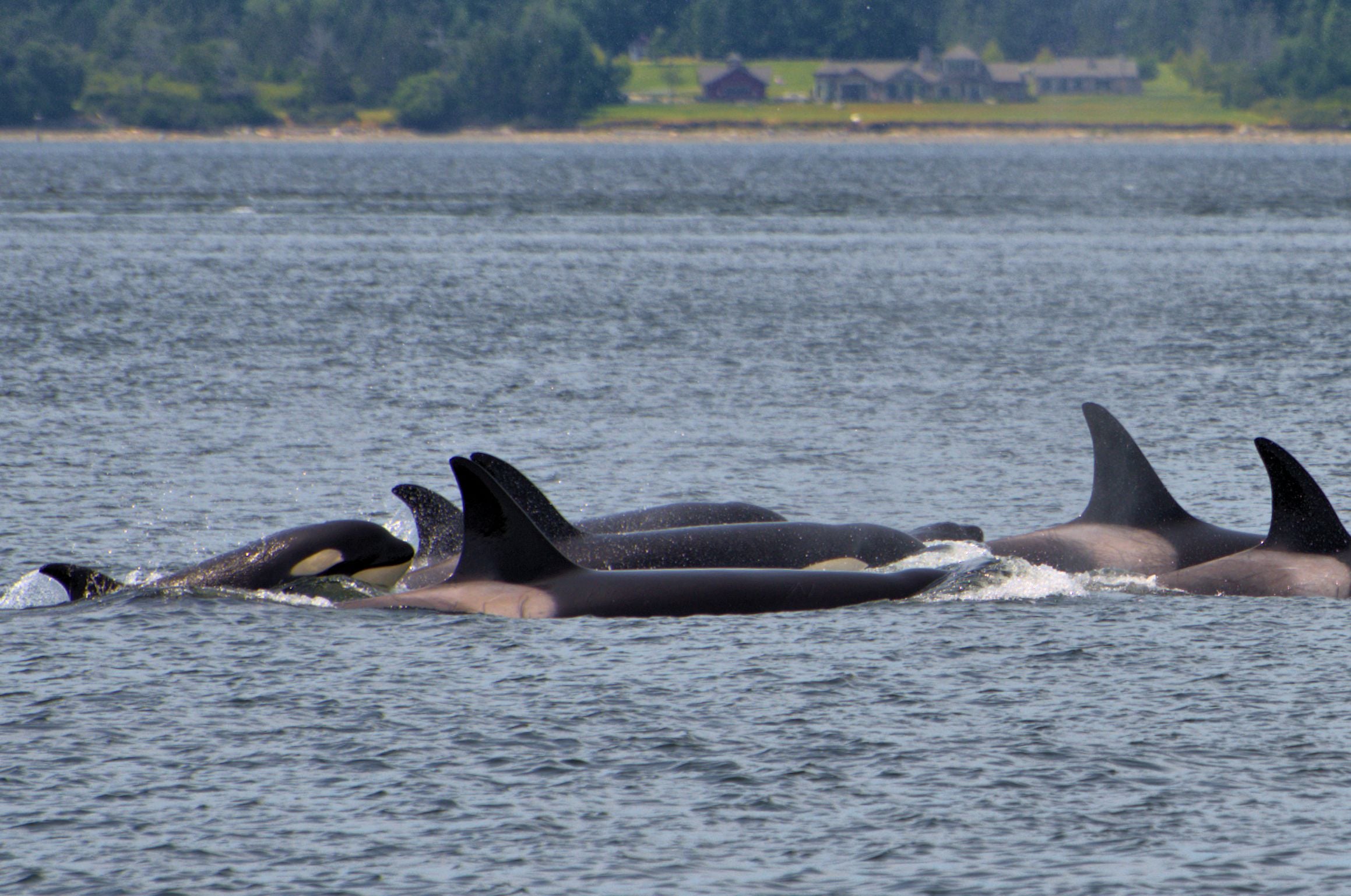
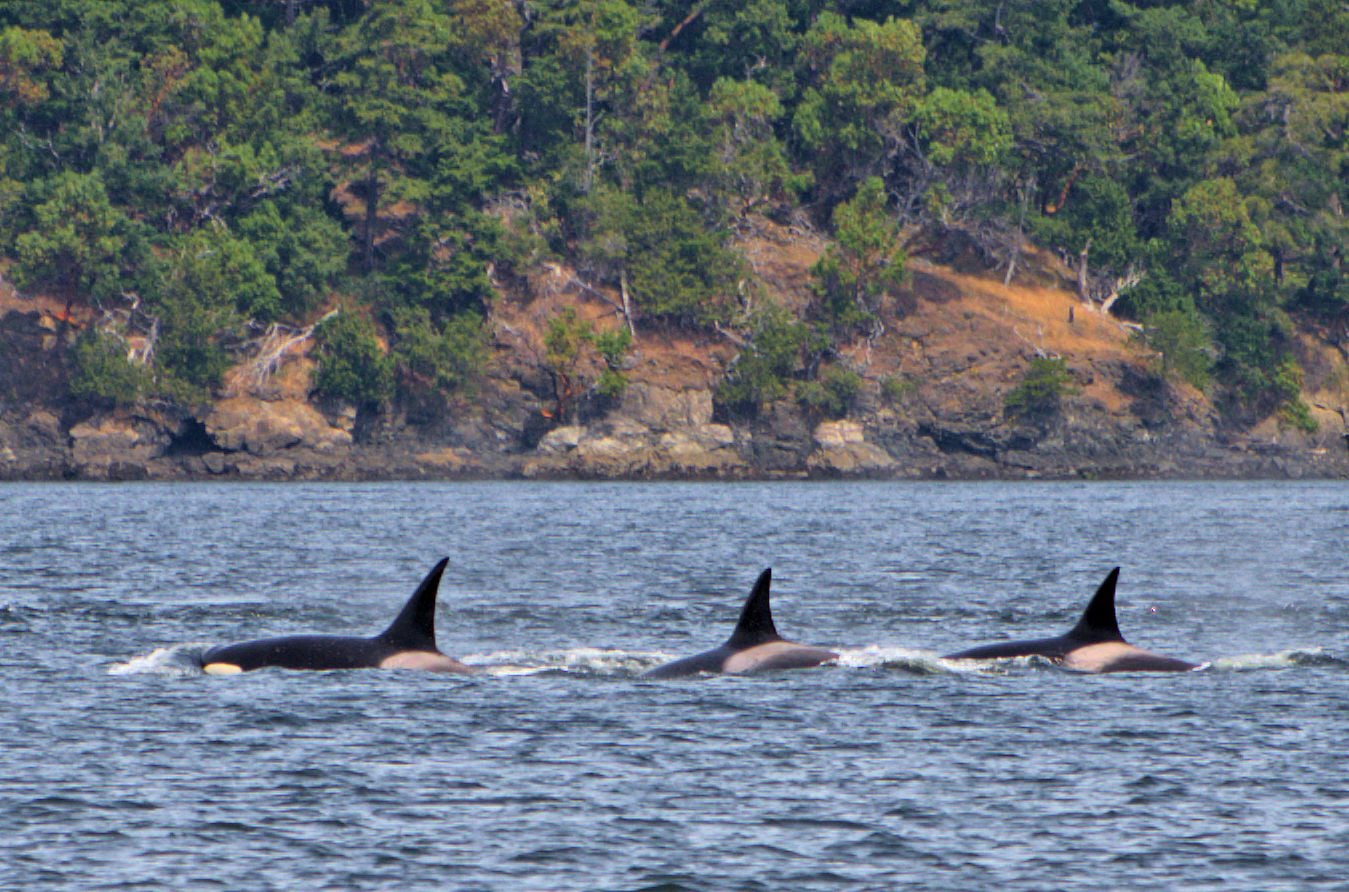
Whale watching Washington state offers some of the best shore based viewing in the world. Orcas, gray whales, humpbacks, and minkes all pass within sight of public shorelines. The Southern Resident killer whales cruise Haro Strait close enough to San Juan Island that people watch them from a lighthouse lawn. Gray whales migrate past the outer coast twice a year. Humpbacks have been returning to Washington waters in growing numbers for a decade.
The Whale Trail, a nonprofit network of designated viewing sites stretching from British Columbia to California, has mapped more than 40 of these locations in Washington alone. This guide walks through the best of them. What to look for, when to go, and exactly where to stand once you get there.
At a Glance
- Best single month: July — all five species present simultaneously
- Shore-based sites in this guide: 12 Whale Trail locations across Washington
- Species: Southern Resident orca, Bigg’s (transient) orca, gray whale, humpback, minke
- Southern Resident population: 74 individuals as of July 2025 (Center for Whale Research)
- Gray whale migration: 12,000 miles round trip between Baja California and Alaska
- Peak season: April through October
- Best site for first timers: Lime Kiln Point State Park, San Juan Island
- No boat required: Every site in this guide is accessible from shore
Quick Reference: Washington Whale Watching by Season
| Species | Peak Season | Where to Look |
|---|---|---|
| Gray whale | March to May (north migration), Oct to Dec (south) | Westport, Cape Disappointment, La Push, Alki |
| Southern Resident orca | April to September | Lime Kiln Point, Salt Creek, Point No Point |
| Transient (Bigg’s) orca | Year round | All salt water sites |
| Humpback whale | May to October | San Juan Islands, Strait of Juan de Fuca |
| Minke whale | Year round, peak June to Sept | San Juan Islands, offshore |
The short version: if you can only go once, go in July. Every species on this list is in Washington waters in July.
Best Whale Watching Washington Locations from Shore
1. Lime Kiln Point State Park, San Juan Island
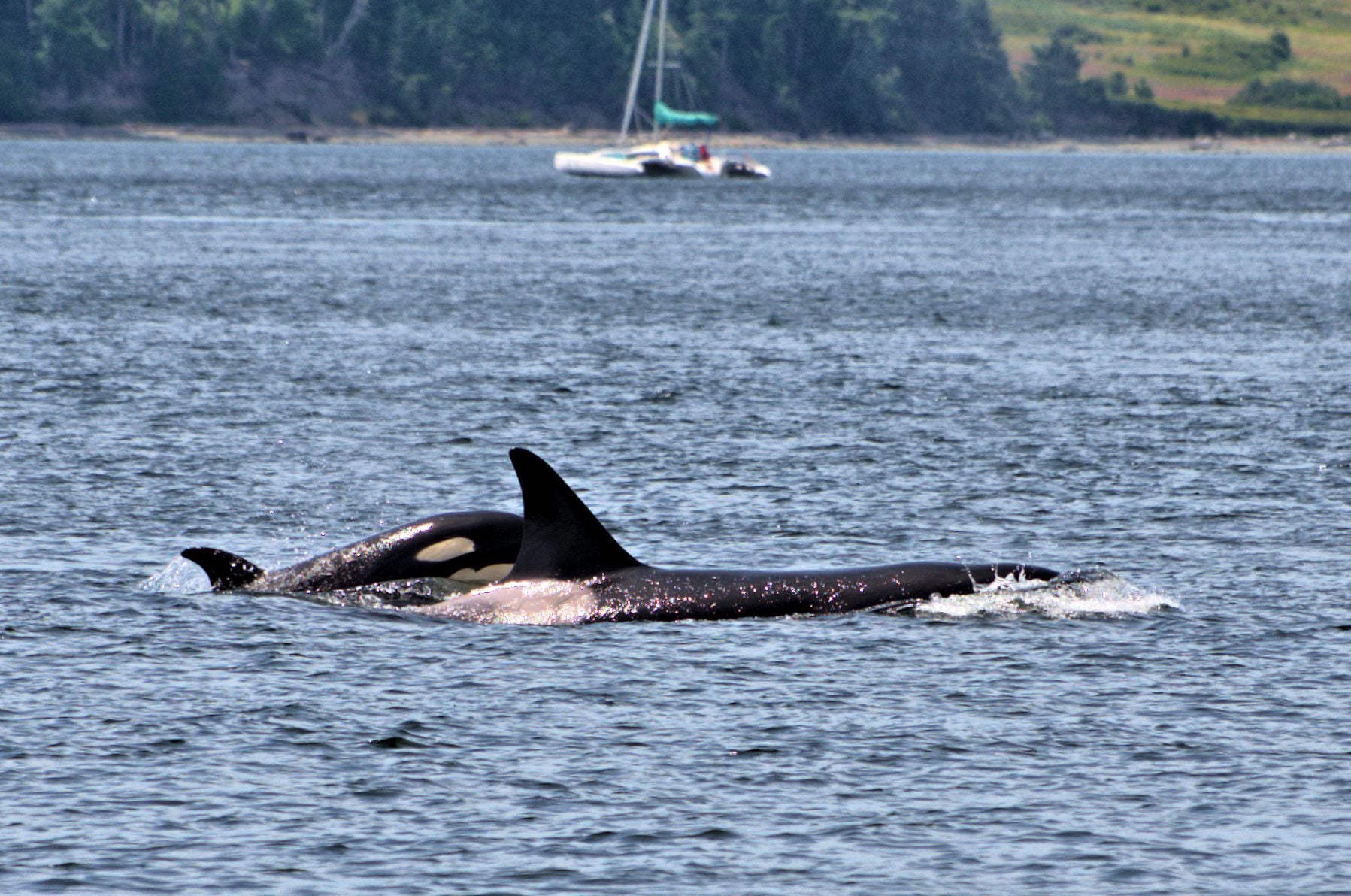
The crown jewel. There is no other land based whale watching site in North America with Lime Kiln’s reputation. The nickname, Whale Watch Park, is literal. Southern Resident orcas follow Haro Strait north along the west side of San Juan Island, and the current pulls them within 100 yards of the lighthouse lawn on a regular basis in summer.
- Species: Southern Resident orcas (peak), transients year round, humpbacks, minkes.
- Best months: May through September. June and July are peak.
- Best time of day: Late morning through early evening. Whales often travel north on the flood tide and south on the ebb. Check the tide chart and aim for a changing tide.
- Vantage point: The lawn and rocks directly below the 1919 lighthouse. Arrive early on summer weekends. The good rocks fill by mid morning.
- Accessibility: Paved path from the parking lot to the lighthouse lawn is short and mostly flat. The rocks below the lawn require scrambling. Viewing from the lawn is ADA accessible.
- Access: Washington State ferry from Anacortes to Friday Harbor, then 20 minute drive to the park. Discover Pass required.
- Tip: The Whale Museum in Friday Harbor posts recent sightings. Check before you drive out.
2. Salt Creek Recreation Area, near Port Angeles
A Clallam County park on a high bluff above the Strait of Juan de Fuca. The water pinches between Washington and Vancouver Island here, and whales traveling the strait get funneled through. Less crowded than Lime Kiln and easier to reach without a ferry.
- Species: Southern Resident and transient orcas, gray whales in spring migration, humpbacks, minkes.
- Best months: April through October.
- Best time of day: Morning. Afternoon wind on the strait builds chop that makes spotting harder.
- Vantage point: Tongue Point and the bluff trail east of the campground. The Whale Trail sign is near the main day use area.
- Accessibility: The day use parking area has flat paved paths to the main overlook. Tongue Point requires a short unpaved walk and some uneven ground.
- Access: 13 miles west of Port Angeles off Highway 112. Clallam County parking fee, not Discover Pass.
- Tip: Low tide at Tongue Point is also one of the best tidepool areas on the Olympic Peninsula. Make it a two part visit.
3. Deception Pass State Park, Whidbey Island
The current at Deception Pass is legendary. It brings bait fish. Bait fish bring whales. Both West Beach and the north side viewpoints work, and the bridge itself offers a dramatic upper vantage if you are willing to park and walk across.
- Species: Gray whales in spring, transient orcas, humpbacks.
- Best months: March through May for grays, June through September for orcas and humpbacks.
- Best time of day: Around the tidal change. Whales are most active when the current shifts. Morning and late afternoon tend to be calmer for viewing.
- Vantage point: West Beach faces the Strait of Juan de Fuca and catches grays on migration. North Beach looks into Rosario Strait where transients hunt harbor seals. Both have parking.
- Accessibility: West Beach has a paved parking lot and paved paths to the beach overlook. The bridge sidewalk is paved but narrow and exposed. North Beach parking is close to the viewing area.
- Access: No ferry required. North on I-5, west on Highway 20 to the park. Discover Pass required.
- Tip: The tidal change at the pass itself is a draw even without whales. Time your visit near a flood tide.
4. Washington Park, Anacortes
Often overlooked because it sits in Anacortes next to the ferry terminal. The Loop Road drives the perimeter of Fidalgo Head with multiple pullouts that face Rosario Strait. Transient orcas hunt this water year round.
- Species: Transient orcas, minkes, occasional humpbacks.
- Best months: Year round. Spring and fall are underrated.
- Best time of day: Morning through midday for calm water. Late afternoon light is best for photography.
- Vantage point: Green Point, about halfway around the Loop Road. Pull off and walk to the overlook.
- Accessibility: The Loop Road is drivable, and most pullouts allow viewing from or right next to your vehicle. Green Point requires a short walk on a dirt path.
- Access: Anacortes city park. Free. The Loop Road is one way. A portion is closed to vehicles on certain days and during certain morning hours for walkers and cyclists. Posted at the entrance.
- Tip: Combine with Cap Sante Park on the other side of Anacortes for the 360 degree view of whale water.
5. Fort Worden Historical State Park, Port Townsend
The bluff above Point Wilson Lighthouse overlooks Admiralty Inlet, where the Strait of Juan de Fuca meets Puget Sound. Every whale heading in or out of the Sound passes this chokepoint. Fort Worden also has a hydrophone installed off Point Wilson that streams live underwater audio. When orcas are in range, you can hear them vocalizing in real time from the Port Townsend Marine Science Center before you ever see one. The stream is only productive when whales are nearby, which is not guaranteed on any given day.
- Species: Transient and Southern Resident orcas, gray whales, humpbacks, minkes.
- Best months: Year round. April through October is peak.
- Best time of day: Early morning. Admiralty Inlet gets wind by afternoon, and the chop kills visibility.
- Vantage point: Point Wilson Lighthouse bluff. The hydrophone stream is available at the Port Townsend Marine Science Center and on its website.
- Accessibility: The bluff trail is mostly flat and accessible via paved road. The beach requires stairs.
- Access: From Seattle, Bainbridge ferry plus 90 minutes. Discover Pass required.
- Tip: Check the hydrophone feed on your phone before you drive out. If whales are vocalizing, the odds of seeing something from the bluff jump.
6. Westport Light State Park
The outer coast of Washington, at the south jetty of Grays Harbor. Gray whales pass here twice a year on their 12,000 mile round trip between Baja and Alaska. Spring migration is when mothers and calves travel close to shore, and the viewing from the jetty can be exceptional.
- Species: Gray whales (primary), occasional humpbacks.
- Best months: March through May (north), October through December (south).
- Best time of day: Calm mornings. The open coast gets rougher as the day goes on.
- Vantage point: The observation tower at Westport Light and the paved path to the beach. The jetty itself during calm weather.
- Accessibility: The paved Westport Light Trail runs 1.3 miles between the state park and Westhaven State Park. The observation tower has stairs. The beach and jetty are uneven.
- Access: Southwest of Aberdeen on Highway 105. Discover Pass required.
- Tip: The Westport Maritime Museum runs an annual Gray Whale Watching event in March. Good for first timers who want someone else spotting.
7. La Push, First Beach
On the Quileute Reservation at the mouth of the Quillayute River. First Beach is open to visitors and is tribal land. Respect posted signage and stay on public beach areas. Gray whales pass close to the beach during spring migration and mothers with calves sometimes rest in the nearshore waters. James Island sits just offshore and frames the view.
- Species: Gray whales (primary), occasional orcas.
- Best months: March through May.
- Best time of day: Any. Weather on the outer coast matters more than time of day.
- Vantage point: The beach at the north end near the jetty and the overlook from the jetty itself.
- Accessibility: Beach access is from a parking area with a short sandy walk. The jetty overlook is a short flat walk. No paved beach access.
- Access: Drive the length of Highway 101 to Forks, then west on La Push Road. About 4 hours from Seattle without stops. Free parking for First Beach visitors.
- Tip: This is a long drive from most of Washington. Build it into an Olympic Peninsula loop, not a day trip.
8. Alki Beach, Seattle
Not a joke. Transient orcas regularly hunt harbor seals in Elliott Bay and along the West Seattle shoreline. Sightings from Alki happen several times a year, sometimes with the Seattle skyline behind them. It is the most accessible whale watching in the state.
- Species: Transient orcas, gray whales during migration, occasional humpbacks.
- Best months: Year round. Late spring through early fall is busiest.
- Best time of day: Whenever the alert comes in. Sightings can happen any time of day when transients enter the bay.
- Vantage point: The beach promenade from 57th Avenue SW north to Alki Point Lighthouse. The lighthouse itself is a Whale Trail site.
- Accessibility: The Alki promenade is paved and flat for its full length. Fully ADA accessible.
- Access: West Seattle. Free street parking or the Water Taxi from downtown.
- Tip: Sign up for Orca Network sightings alerts by email or Facebook. When transients enter Elliott Bay, the window to get to Alki is often under an hour.
9. Point No Point, Kitsap Peninsula
The north tip of the Kitsap Peninsula, where Admiralty Inlet meets the Main Basin of Puget Sound. Another chokepoint. Every whale moving between the ocean and South Sound passes this point. The county park has a lighthouse, a pebble beach, and low bluffs with clean sight lines.
- Species: Transient and Southern Resident orcas, gray whales, humpbacks.
- Best months: Year round. Spring and fall are productive.
- Best time of day: Mid morning to early afternoon for sight lines. Slack tide is often the most productive single window.
- Vantage point: The lighthouse lawn and the driftwood line on the beach.
- Accessibility: Paved parking lot close to the lighthouse. The lawn is flat and accessible. Beach access is over loose driftwood and pebbles.
- Access: Kingston ferry from Edmonds, then 15 minutes north. Free parking.
- Tip: Combine with Hansville and the Port Gamble area for a full day. The Kitsap Peninsula side of the Sound is quieter than the Seattle side.
10. Cape Disappointment State Park
The southernmost shore based whale watching in Washington, at the mouth of the Columbia River. Gray whales pass here on both legs of migration. The Lewis and Clark Interpretive Center and North Head Lighthouse both offer elevated vantage points.
- Species: Gray whales (primary), rare orcas.
- Best months: March through May, October through December.
- Best time of day: Morning before coastal fog burns off or after it lifts. Clear air is critical on the open coast.
- Vantage point: North Head Lighthouse overlook and the cliff trail between the two lighthouses.
- Accessibility: The Lewis and Clark Interpretive Center is paved and ADA accessible with panoramic windows. North Head Lighthouse requires a short walk on a paved road. Cliff trails are uneven.
- Access: Southwest corner of Washington, near Ilwaco. Discover Pass required.
- Tip: This is part of the same migration route visible from Westport. If you are on a coastal road trip, hitting both parks during April gives you two shots at the same pod.
11. Rialto Beach, Olympic National Park
Just north of La Push along the same road, Rialto Beach is one of the most dramatic gray whale watching spots on the outer coast. Sea stacks rise from the water, weathered logs line the shore, and gray whales on the northbound migration pass close to the beach. The rugged scenery makes the drive worthwhile even without a sighting.
- Species: Gray whales (primary), occasional orcas.
- Best months: March through May.
- Best time of day: Any. Outer coast weather matters more than time of day. Mornings tend to be calmer.
- Vantage point: The beach north of the parking area toward Hole in the Wall. Scan the water between the sea stacks.
- Accessibility: Short flat walk from the parking area to the beach. The beach is cobble and driftwood with uneven footing. No paved beach access.
- Access: Follow La Push Road from Forks, then north on Mora Road to the Rialto Beach trailhead. America the Beautiful Pass or Olympic National Park day use fee. About 4 hours from Seattle.
- Tip: Pair with First Beach at La Push, 2 miles south. Same road, same migration window. Visit midweek — Rialto draws crowds on spring weekends.
12. Fort Columbia State Park, near Chinook
The Columbia River estuary offers a whale watching experience unique to Washington. Humpback whales follow smelt and other prey upriver in spring and summer, and the river keeps them close to shore. The water constrains them in a way the open ocean does not, and people watching from the riverbank get side-by-side views of tail flapping and breaching that would normally require a boat. This is the one site on this list where the geography does the work.
- Species: Humpback whales (primary), occasional gray whales in the estuary.
- Best months: April through July, coinciding with smelt runs.
- Best time of day: Morning before wind picks up on the river.
- Vantage point: The riverbank along the Columbia River side of the park, near the historic fort grounds.
- Accessibility: Flat access from the parking area to the riverbank. The fort grounds are mostly paved and level.
- Access: Highway 101 to Chinook, just east of Cape Disappointment. Discover Pass required. About 3.5 hours from Seattle.
- Tip: Combine with Cape Disappointment, 4 miles west. Two different whale experiences in one coastal visit: open ocean gray whales at Cape Disappointment, river-bound humpbacks at Fort Columbia.
13. Port Susan Bay and Camano Island — The Sounders
A group of about a dozen gray whales known as the Sounders returns to North Puget Sound every spring. Rather than completing the full migration to Alaska, they spend March through May feeding in Port Susan Bay near Camano Island, around the Stillaguamish River delta, and along the Possession Sound shoreline. Watching a gray whale surface in calm inland water with the Cascades in the background and no ferry ticket required is one of the least known wildlife encounters in Washington.
- Species: Gray whales (the resident Sounders feeding group).
- Best months: March through May.
- Best time of day: Morning on calm days. Port Susan is sheltered but can get afternoon chop.
- Vantage point: The west shore of Port Susan Bay near Stanwood and the bluff at Camano Island State Park, which overlooks the bay from the south end of the island.
- Accessibility: Camano Island State Park has paved parking and a trail to the bluff. No ferry required at either location.
- Access: From I-5, exit at Stanwood and cross the bridge to Camano Island. About 1 hour north of Seattle. Discover Pass required at Camano Island State Park.
- Tip: The Sounders return to the same feeding grounds year after year. Researchers have identified individual whales by their markings. If you visit in April, you are very likely watching whales that fed in this same bay last April.
What to Bring for Shore Based Whale Watching
Short list. Shore watching is low tech.
- Binoculars. 8×42 is the sweet spot. Steady enough to handhold, wide enough to find a whale quickly. 10x is harder to hold steady.
- Layers. Washington shoreline weather changes fast. Even in July, wind off the water can drop the temperature 15 degrees in minutes.
- A folding chair or sit pad. You will be there longer than you think.
- The Whale Alert app. Shows recent sightings from researchers, tour operators, and reporters up and down the coast.
- Orca Network sightings map. Updated continuously. Bookmark it.
- Snacks and water. You do not want to leave for lunch when a pod is 10 minutes away.
- Patience. This is not a zoo. Plan 2 to 4 hours on site. Sometimes you see nothing. Sometimes you see everything.
Washington Whale Species Guide
Whale watching often comes with a misconception: that a trip means seeing the famous Southern Resident orcas. Tracie Merrill, Education Director at The Whale Museum in Friday Harbor, explains what visitors are actually most likely to encounter:
“Sightings of SRKWs peak in mid to late summer through the fall, when Chinook salmon are most abundant locally for them to eat. However, they can potentially show up anytime year round, they follow the salmon. Transient, or Bigg’s, are the marine mammal eating group of killer whales we also see in our area, and sightings of them occur year round. In fact, sightings of transient killer whales are higher now than SRKWs. SRKWs are endangered (as of the last population count, only 74). If folks go whale watching, they are most likely going to see Transients and humpback whales, although there are certainly other cetacean species they could potentially see.”
Tracie Merrill, Education Director, The Whale Museum
Southern Resident orcas. Three pods (J, K, and L) that rely on Chinook salmon and spend summers in the Salish Sea. 74 individuals as of the July 2025 count, per the Center for Whale Research. Endangered. Identifiable by saddle patches and a slower social pace compared to transients.
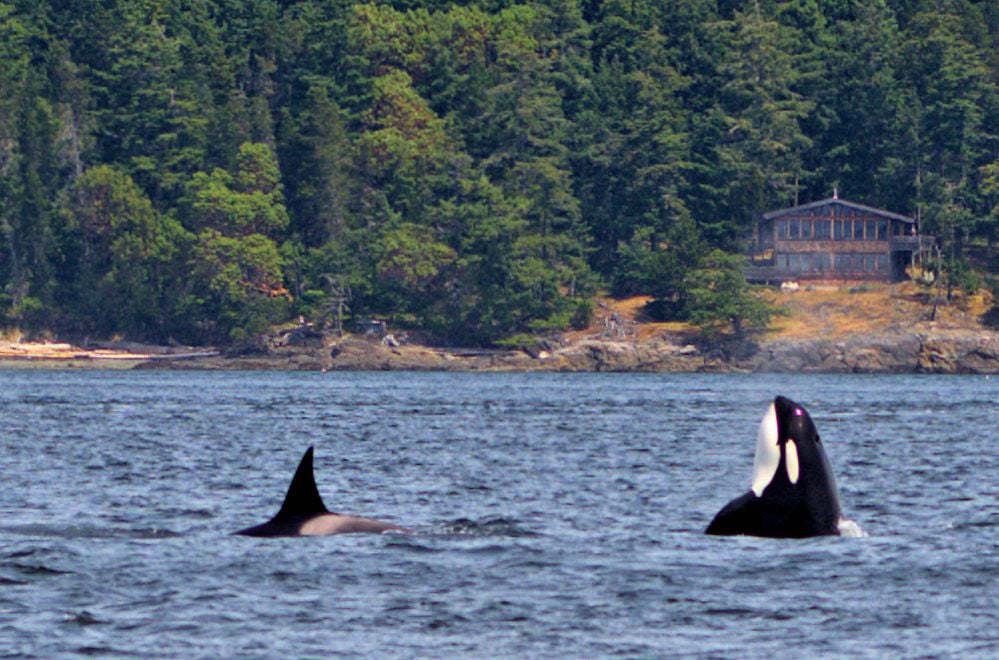
Transient (Bigg’s) orcas. Marine mammal hunters. Healthy population. Travel in smaller groups, often silent while hunting, then vocal after a kill. Present year round and increasingly common in Puget Sound as seal populations have grown.
Gray whales. Migrate 12,000 miles a year between Baja calving lagoons and Alaska feeding grounds. Pass Washington coastlines in both directions. Mottled gray skin, no dorsal fin, barnacle covered heads. A group of around a dozen resident gray whales known as the Sounders feeds in North Puget Sound March through May.
Humpback whales. Large baleen whales with long pectoral fins. Nearly absent from Washington waters for most of the 20th century, now returning in growing numbers. Distinctive tail flukes that are unique to each individual.
Minke whales. The smallest of the baleen whales at 20 to 30 feet. Usually solo. Surface briefly and do not show a fluke. Easy to miss but common in the San Juans.
Responsible Whale Watching from Shore
Shore based whale watching is the lowest impact way to see whales. Keep it that way.
- Stay on designated paths and viewpoints. Headlands and bluffs are fragile. Cutting switchbacks degrades the habitat that makes these sites work.
- Keep voices and sound down. Orcas use echolocation to hunt
. Human noise from shore is not the main problem, boat noise is, but being quiet is still the right default.
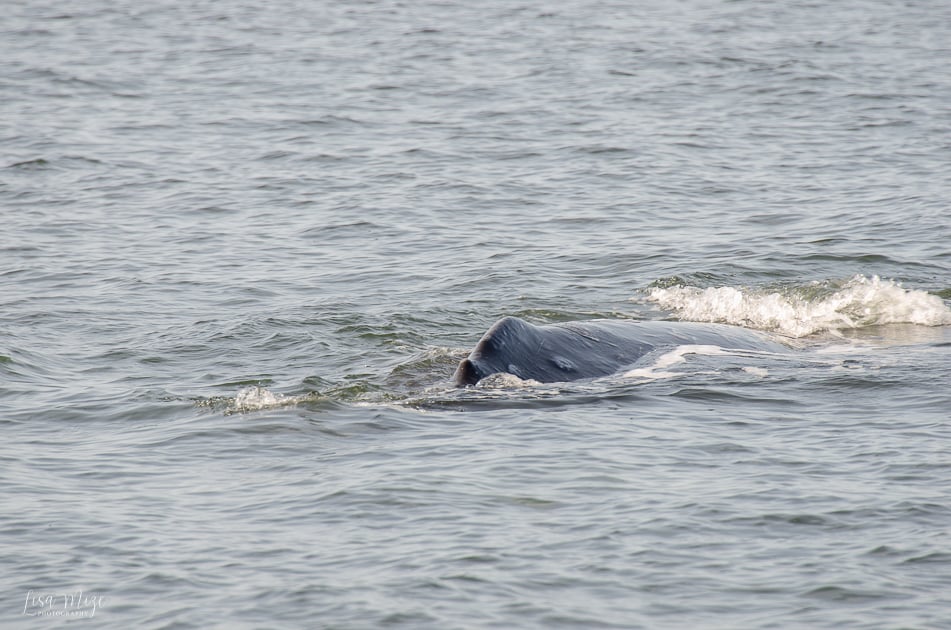
Photo courtesy of Lisa Mize Photography - No drones. Washington law prohibits drones over marine mammals. Federal law prohibits harassment. A drone near a whale is both.
- Do not use a flashlight or camera flash on nocturnal sightings. Rare but possible in summer at Lime Kiln and Point No Point.
- Report your sighting. Orca Network and the Whale Alert app both take citizen reports. Your Tuesday afternoon sighting helps researchers track movement patterns.
The Be Whale Wise guidelines, published jointly by NOAA Fisheries, the Washington Department of Fish and Wildlife, and Canadian partners, are the standard. Full guidelines at bewhalewise.org.
Plan Your Visit
If this is your first time, go to Lime Kiln in July. That is the highest probability, best infrastructure introduction to Washington whale watching available.
If you cannot make the ferry to the San Juans, Salt Creek or Point No Point will show you whales without the island logistics.
If you are in Seattle and want the lowest friction option, watch Orca Network for a Puget Sound sightings alert and drive to Alki when one comes in.
The whales are here. The water is public. Bring binoculars and stand still long enough for something to surface.
Frequently Asked Questions
What is the best time of year for whale watching in Washington?
It depends on the species. Gray whales pass Washington coastlines in spring (March through May) and fall (October through December). Southern Resident orcas are most commonly seen April through September in the San Juan Islands. Humpbacks show up in late spring and summer. Transient (Bigg’s) orcas and minke whales are present year round. If you want the highest chance of seeing any whale, April through September is the broad window.
Can you see whales from shore in Washington without a boat tour?
Yes. Whale watching Washington state is one of the best shore based viewing destinations in the world. Lime Kiln Point State Park on San Juan Island is globally recognized for land based orca viewing. Salt Creek Recreation Area, Deception Pass, Point No Point, and Westport Light State Park all offer regular sightings from shore. A boat is optional, not required.
What is the Washington Whale Trail?
The Whale Trail is a nonprofit network of designated shore based whale watching sites across the Pacific Coast, with a heavy concentration in Washington. Each Whale Trail site has signage explaining what species to look for and when. The trail was created to promote land based viewing as an alternative to boat based tourism.
Where is the best place to see orcas in Washington from land?
Lime Kiln Point State Park on the west side of San Juan Island. It is called Whale Watch Park for a reason. The Haro Strait current runs close to shore and Southern Resident orcas frequently pass within 100 yards of the lighthouse. Peak season is May through September. Salt Creek Recreation Area on the Strait of Juan de Fuca is a strong second.
Do you need a Discover Pass for whale watching in Washington?
Yes, for any state park. Lime Kiln, Deception Pass, Fort Worden, Cape Disappointment, and Westport Light all require a Discover Pass ($45 annual or $10 daily). Salt Creek is a Clallam County park with its own parking fee. Alki Beach, La Push, and Point No Point do not require a pass.
Can you see orcas from Seattle?
Yes. Transient (Bigg’s) orcas enter Elliott Bay and hunt harbor seals along the West Seattle shoreline several times a year. Alki Beach is the best spot in the city. Southern Resident orcas also pass through in summer and fall. Sign up for Orca Network sightings alerts and head to Alki when a report comes in for Elliott Bay. The viewing window can be under an hour so move quickly.
What are the Sounders gray whales?
The Sounders are a group of roughly a dozen gray whales that skip the full Alaska migration and spend March through May feeding in North Puget Sound, primarily in Port Susan Bay near Camano Island and along the Stillaguamish River delta. They return to the same feeding grounds year after year. Researchers have identified individual whales by their unique markings. They are one of the most accessible and least publicized whale encounters in Washington.
Before you go
That is the whole idea behind the Explore Washington State Card. Free to carry, with a little something waiting at participating places when you visit. Your zip code is a vote for which towns we sign up next, and our weekly Washington travel newsletter starts landing right away.
Get your free card- About the Author
- Latest Posts

Explore Washington State has been covering the real Washington for more than a decade. State parks, small towns, back roads, rest stops, and the people who make this place worth exploring. What started as a hyperlocal project covering individual communities grew into a full media project with more than 340 podcast episodes, a weekly newsletter with over 6,300 subscribers, and coverage of all 146 Washington State Parks. The content here comes from people who have actually been to these places: locals, regulars, and lifelong Washington residents who care more about getting it right than getting clicks.