
Deception Pass State Park
Region
Northwest
Washington’s most-visited state park. 4,134 acres spanning Fidalgo and Whidbey Islands, connected by the 1935 Deception Pass Bridge that rises 180 feet above the water. The park has 14.6 miles of saltwater shoreline, three freshwater lakes, 38 miles of hiking trails, and over 300 campsites across three campgrounds. Open year-round.
At a Glance
| Detail | Info |
|---|---|
| Location | 41229 State Route 20, Oak Harbor, WA 98277 |
| Phone | (360) 675-3767 |
| Deception.Pass@parks.wa.gov | |
| Size | 4,134 acres across two islands |
| Shoreline | 14.6 miles saltwater |
| Season | Year-round (Quarry Pond campground open all year; Cranberry Lake and Bowman Bay seasonal) |
| Hours | 6:30 AM to dusk (summer), 8:00 AM to dusk (winter) |
| Entry | Discover Pass required ($45/year or $10/day) |
| Reservations | Yes, Washington State Parks reservation system |
| Pets | Dogs allowed on leash |
| Fires | Allowed in designated fire pits and grills; check current burn ban status |
Getting There
The park straddles both sides of the Deception Pass Bridge on State Route 20. From the south (Whidbey Island), the main entrance and Cranberry Lake campground are about 9 miles north of Oak Harbor. From the north (Fidalgo Island), Bowman Bay and Rosario Beach are about 9 miles south of Anacortes.
The park is roughly 80 miles north of Seattle. Take I-5 to exit 230 (Burlington), then follow Highway 20 west through Anacortes and south across the bridge. From Anacortes, the Fidalgo Island side of the park is about 15 minutes.
Camping
Over 300 campsites across three campgrounds, plus a retreat center and island cabin. Each standard site has a picnic table and fire pit. Hookup sites add electricity and water.
See how Deception Pass State Park compares to the rest of Washington’s campgrounds
| Campground | Total Sites | Standard (no hookups) | Partial Hookup (water/electric) | Other |
|---|---|---|---|---|
| Cranberry Lake | 230 | 147 | 83 (up to 60 ft) | 5 hiker/biker, 1 group camp (up to 50 people) |
| Bowman Bay | 20 | 18 | 2 | Most secluded campground |
| Quarry Pond | 56 | 7 | 49 | Year-round. Best option for RVs |
Restrooms and showers: Flush toilets and hot-water showers at all three campgrounds. 20 restrooms total (four ADA). Ten showers (four ADA). Two dump stations.
Which Campground to Pick
The three campgrounds serve very different needs.
- Cranberry Lake is the largest and most popular. It sits between Cranberry Lake and North Beach. The Forest Loop (sites 1 to 78) has most of the hookup sites and more shade. The Lower Loops are primarily standard sites. Roads and sites are tight. Not ideal for large rigs despite the 60-foot hookup limit.
- Bowman Bay is on the Fidalgo Island side and is the most secluded option. Only 20 sites. Close to the kayak launch, Rosario Head, and Lighthouse Point trails. Best for tent campers who want a quieter base.
- Quarry Pond is the only campground open year-round. Most of its sites have hookups. The most RV-friendly of the three.
Other Accommodations
- Cornet Bay Retreat Center. 16 cabins, 2 duplexes, and a lodge. Accommodates up to 186 people. Reservable for groups.
- Ben Ure Island Cabin. A single modern cabin on a private island. Accessible only by personal watercraft.
52 Things to Do at Washington State ParksA free printable checklist: one adventure per week for a full year.
Get the Free ChecklistReservation Tips
Summer campgrounds book out. Every day from late June through Labor Day is typically full, and weekends fill as early as April. Reservations open nine months in advance. If you want a specific site at Cranberry Lake in July or August, book the day your window opens. Midweek shoulder season (May, September) is the realistic window for a walk-in site.
Trails
38 miles of hiking trails, 3 miles of bike trails, 6 miles of horse trails, and 1.2 miles of ADA-accessible trails. The terrain ranges from dense forest to rocky shoreline to freshwater lake basins. The Pacific Northwest National Scenic Trail (PNT) runs through the park with nearly 10 miles of trail.
Featured Trails
- Goose Rock Trail. 2.2 miles round trip, 567 feet of elevation gain. The park’s signature hike. Goose Rock is the highest point on Whidbey Island at 484 feet, with views of Deception Pass, the San Juan Islands, and Mount Baker. Moderate difficulty with a steep final push.
- Lighthouse Point and Lottie Point Loop. 2.5 miles, moderate. The most popular trail in the park. Follows the coastline along Bowman Bay with views of the bridge and surrounding islands.
- Rosario Head Trail. 1.5 miles out and back. Coastal walk to Rosario Head. Connects to the Lighthouse Point loop for a longer 5-mile route through forests of hemlock and Pacific madrone.
- Sand Dunes Interpretive Trail. 0.8 miles, paved, ADA accessible. A loop with interpretive panels and an observation deck at West Beach.
- Goose Rock Summit Trail. 1.1 miles, 308 feet of elevation gain. The shortest route to the Goose Rock summit if you want the views without the full perimeter loop.
Current Trail Alerts
- West Beach ADA Trail: approximately 150 feet of the northeast corner washed out and no longer accessible.
- Bowman Bay: trail damage between Lottie Point and Lighthouse Point loops.
Activities
On the Water
- Swimming. West Beach and North Beach are the main swimming areas. Saltwater. No lifeguards. Cranberry Lake also offers freshwater swimming.
- Kayaking and paddleboarding. Bowman Bay is the primary launch point. Anacortes Kayak Tours operates guided tours from April through September.
- Boating. Five watercraft launches in the park. Over 1,100 feet of dock and 1,980 feet of moorage. Bowman Bay pier is closed indefinitely. Bowman Bay boat launch is closed to trailered vessels but open to kayaks, paddleboards, and canoes.
- Fishing. Both saltwater and freshwater. Coho salmon, lingcod, herring, and smelt in the salt water. Cranberry Lake and Pass Lake offer freshwater fishing. Washington State fishing license required.
- Crabbing. Bowman Bay is the popular spot. Recreational license required. Check WDFW for current season status in Marine Area 8-1 before heading out.
- Shellfishing. Available in designated areas. The tidelands from the northern park boundary to Rosario Head are closed year-round to protect tidepool habitat.
- Scuba diving. Rosario Beach and Bowman Bay are popular dive sites. The tidal exchange through Deception Pass brings strong currents that support dense marine life including giant Pacific octopus, lingcod, greenlings, rockfish, and colorful invertebrates. For experienced divers only. Currents are serious.
On Land
- Hiking. 38 miles of trails. See the Trails section above for featured routes.
- Biking. 3 miles of designated bike trails. Mountain biking is available on select trails.
- Horseback riding. 6 miles of designated equestrian trails.
- Bird watching. The mix of saltwater, freshwater, and forest habitats makes this one of the better birding parks in the system. Bald eagles, great blue herons, and ospreys are common sightings.
- Whale watching. The Strait of Juan de Fuca sees regular orca and gray whale activity, and the North Beach shoreline puts you right on the water for whale watching from shore. Orca sightings are most common May through September.
- Tidepooling. Rosario Beach has accessible tidepools. The area from the park boundary to Rosario Head is a protected zone. Look but do not collect. Ranger-led tidepool tours run seasonally at Rosario Beach, following yellow rope trails that protect fragile habitat. Check the park’s interpretive program schedule for current tour times.
- CCC Interpretive Center. The Civilian Conservation Corps built most of the park’s trails, campgrounds, and facilities in the 1930s. The CCC Interpretive Center, housed in the original 1930s bathhouse, covers that history. Open seasonally.
- Ranger programs. Interpretive talks and guided walks available seasonally. Amphitheater on site.
- Geocaching. Available in the park. Search Geocaching.com for active caches.
On-Site Services
| Service | Season | Details |
|---|---|---|
| The Lake Store | Seasonal | Firewood, ice cream, gifts, basic supplies |
| Campstuff Coffee | Memorial Day to Labor Day | Coffee and snacks |
| Anacortes Kayak Tours | April to September | Guided kayak tours from Bowman Bay |
| Deception Pass Tours | April to September, daily | Boat tours of the pass |
Good to Know
- Nearest groceries. A small convenience store with basic supplies and gas is near the Quarry Pond area. For a full grocery run, Oak Harbor is about 9 miles south and Anacortes is about 9 miles north. Both have full grocery stores.
- Gas. Available at the park entrance area. Oak Harbor and Anacortes both have stations if you need to fill up before or after.
- Cell service. Coverage is generally adequate near the main roads but can be spotty on trails and in forested campground loops.
- Tides and currents. The water flowing through Deception Pass moves fast. At peak exchange the current can exceed 8 knots. This is not a place to casually paddle through. Check tide tables before any water activity near the pass itself.
- Crowds. This is the most visited state park in Washington. Summer weekends are packed. The bridge viewpoints, West Beach, and North Beach parking lots fill early. Arrive before 10 AM on summer weekends or visit midweek.
- Bridge. The Deception Pass Bridge has pedestrian sidewalks on both sides. Walking across is free and does not require a Discover Pass. The views straight down into the pass are the park’s most photographed sight.
- Two islands. The park spans both Fidalgo Island (north side: Bowman Bay, Rosario Beach, Lighthouse Point) and Whidbey Island (south side: Cranberry Lake, West Beach, North Beach, Goose Rock). Plan your day around one side or the other to avoid constantly driving back and forth across the bridge.
- Winter camping. Quarry Pond is open year-round. Winter visits are quieter and the bridge views can be dramatic in fog and storm conditions, but many facilities and trails may be closed or limited.
Fees
| Fee | Amount |
|---|---|
| Discover Pass (annual) | $45 |
| Discover Pass (one day) | $10 |
| Watercraft launch | $7/day |
| Nightly moorage (buoy) | $23 |
| Nightly moorage (dock) | $1/ft of vessel |
| Trailer dump | $5/use |
| Overnight unattended vehicle | $10/night |
Campsite fees vary by type and season. Check the Washington State Parks reservation system for current rates.
Nearby
- Oak Harbor. 9 miles south on Whidbey Island. Full services, groceries, fuel, dining.
- Anacortes. 9 miles north on Fidalgo Island. Full services, groceries, fuel, dining. Ferry terminal to San Juan Islands.
- La Conner. About 20 miles east. Small art and antique town on the Swinomish Channel.
- San Juan Islands. Ferry from Anacortes. A full day trip or overnight destination.
- Whidbey Island. The park is on the north end. Coupeville, Ebey’s Landing, and Fort Casey are further south and worth the drive.
Official Source
What to Do
Activities
Common Questions
Frequently Asked Questions
Do you need a Discover Pass to visit Deception Pass State Park?
Yes. Washington State Parks requires a Discover Pass for all vehicles parking at state recreation lands. A daily pass costs $10 and an annual pass costs $45. You can purchase one online at discoverpass.wa.gov, at a sporting goods retailer, or at the park entrance. Camping fees are charged separately and do not include a Discover Pass.
Are dogs allowed at Deception Pass State Park?
Yes, leashed dogs are welcome at Deception Pass State Park. Dogs must be kept on a leash no longer than 8 feet at all times and must have proof of a current rabies vaccination. Dogs are not permitted in designated swimming areas or inside park buildings. Please clean up after your pet to keep the park enjoyable for everyone.
Can you camp at Deception Pass State Park, and how do you make a reservation?
Yes, Deception Pass State Park is one of Washington's most popular camping destinations, with hundreds of sites spread across several campground areas including Bowman Bay, Cranberry Lake, and Quarry Pond. Reservations are strongly recommended and open months in advance at reservations.washington.gov. Plan early for summer weekends as sites fill almost immediately when the reservation window opens.
Is Deception Pass State Park open year round?
Deception Pass State Park is open year round, though some facilities and services are seasonal. Day use areas and trails are generally accessible throughout the year. Campgrounds typically operate from spring through fall. Winter weather can affect road conditions and access, particularly at higher elevation parks. Check the Washington State Parks website for current conditions and seasonal closures before your visit.
What are the best things to do at Deception Pass State Park?
Deception Pass State Park packs an extraordinary range of experiences into one destination. The iconic Deception Pass Bridge offers breathtaking views of the churning tidal currents below, while the park's beaches, freshwater lake, forest trails, and marine shoreline provide something for every visitor. Top activities include hiking the extensive trail system, kayaking through the passes, swimming at Cranberry Lake, and watching for bald eagles, harbor seals, and deer. It is consistently ranked among the most visited state parks in Washington.
Do you need to take a ferry to visit Deception Pass State Park?
No ferry is needed to reach Deception Pass State Park. The park spans both Fidalgo Island and Whidbey Island, connected by the iconic Deception Pass Bridge on Highway 20. You can drive to the park directly from Anacortes on the Fidalgo Island side or from the south via Oak Harbor on Whidbey Island. Both approaches are accessible by car with no water crossing required.
Trip Planning
What to Pack
Required Pass
Required for parking at all Washington State Parks. One pass covers your vehicle for a full year.
$46.99
Hiking Gear
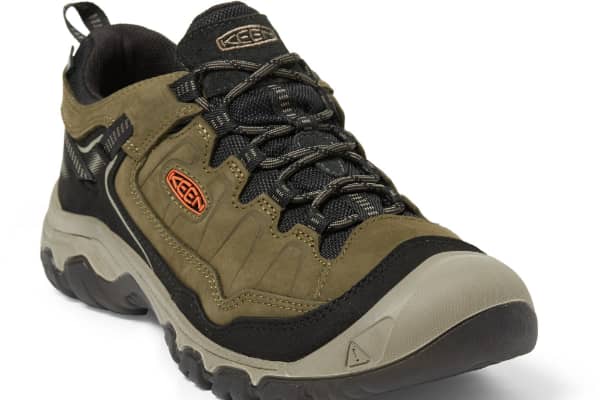
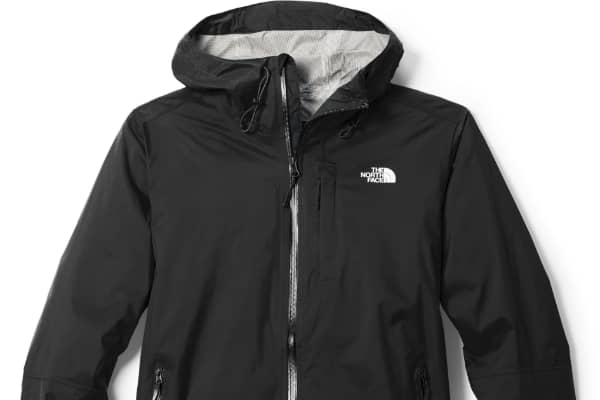
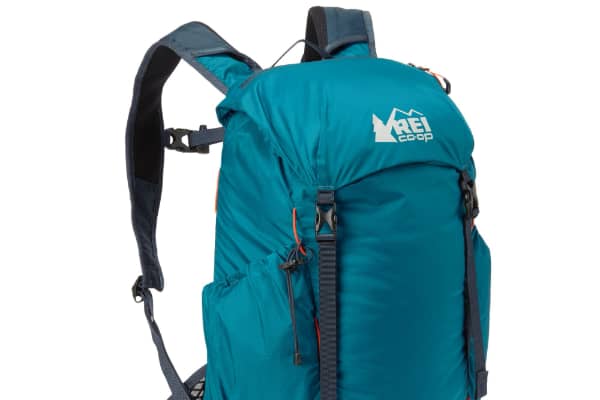
Kayak & Paddle Gear
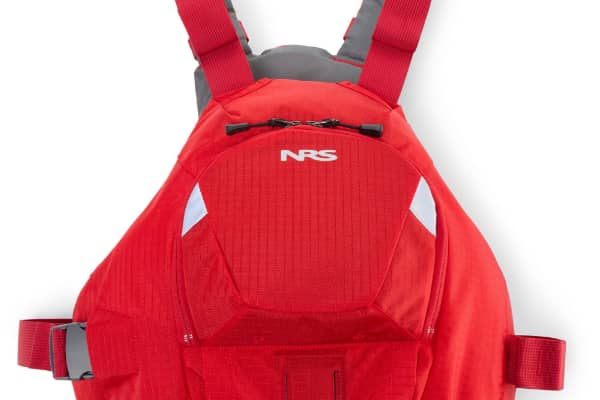
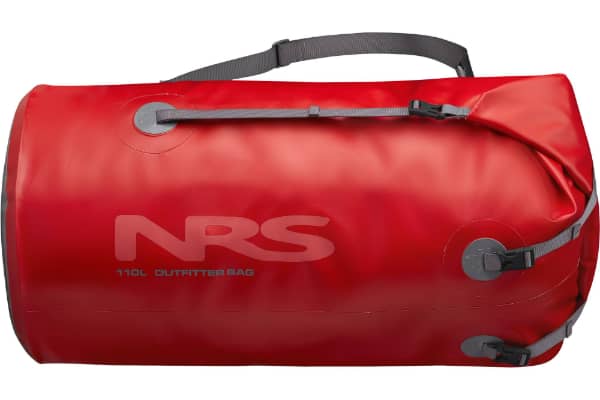
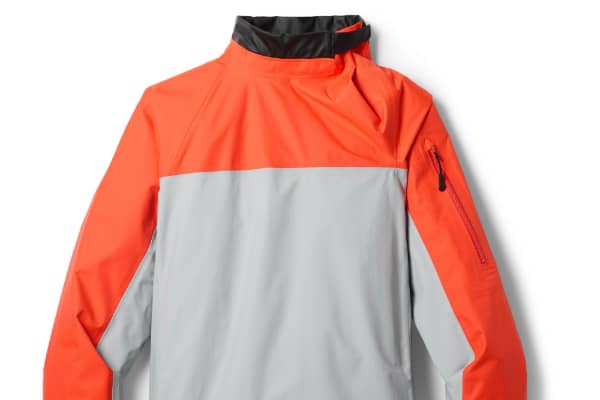
Some links on this page are affiliate links. If you purchase through them, Explore Washington State may earn a small commission at no extra cost to you. We only recommend gear we believe in.
Washington State Parks Directory
The Washington State Parks Directory covers all 146 state parks across Washington — from saltwater shores and mountain meadows to ancient lava tubes and desert canyons. Find trails, camping, activities, and detailed visitor information for every park in the state.
Browse All Washington State Parks