January 1, annually
Statewide state parks
First Day Hikes
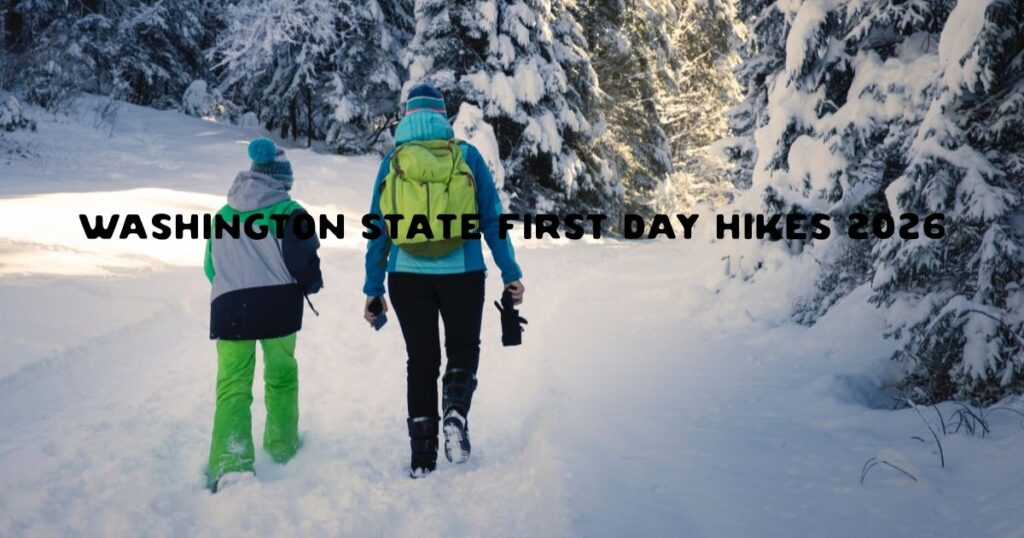
Free, ranger led hikes to start the year outdoors, with no Discover Pass needed on January 1.
Learn More →
The lights come down and the real winter sets in. January is Washington at its quietest and snowiest, deep powder in the mountains, eagles thick along the Skagit, and gray whales sliding past the coast. It belongs to anyone willing to layer up and go looking.

January is the month the crowds finally disappear. The holiday lights come down, the travelers go home, and Washington settles into a deep, quiet winter that the locals secretly love. The mountains are buried in their best snow of the year, the ski resorts running at full strength, and the backcountry is laced with snowshoe and Nordic tracks. It is cold and often gray on the west side, cold and bright on the east, and the whole state slows to a winter pace that makes a hot drink and a fire feel like the whole point.
It is also the best wildlife month in Washington. Along the upper Skagit River, hundreds of bald eagles gather to feed on the spent salmon, crowding the bare cottonwoods in numbers you can count from the road. Out on the coast the gray whales are mid migration, streaming south past the headlands at Westport and Cape Flattery, and the harbor seals and sea lions haul out on the rocks. Add the trumpeter swans and snow geese still wintering on the Skagit flats and the eagles overhead, and January is a month built for binoculars.
The trick to a Washington January is to embrace the weather instead of fighting it. The passes get their deepest snow now, so carry chains and check the reports, but that same snow makes for the best skiing, snowshoeing, and sledding of the season. The coast still gets its winter storms, the rainforest is lush and dripping, and the east side stays cold and clear. Dress in real layers, plan around the short daylight, and January rewards you with a Washington that feels wide open and entirely your own.
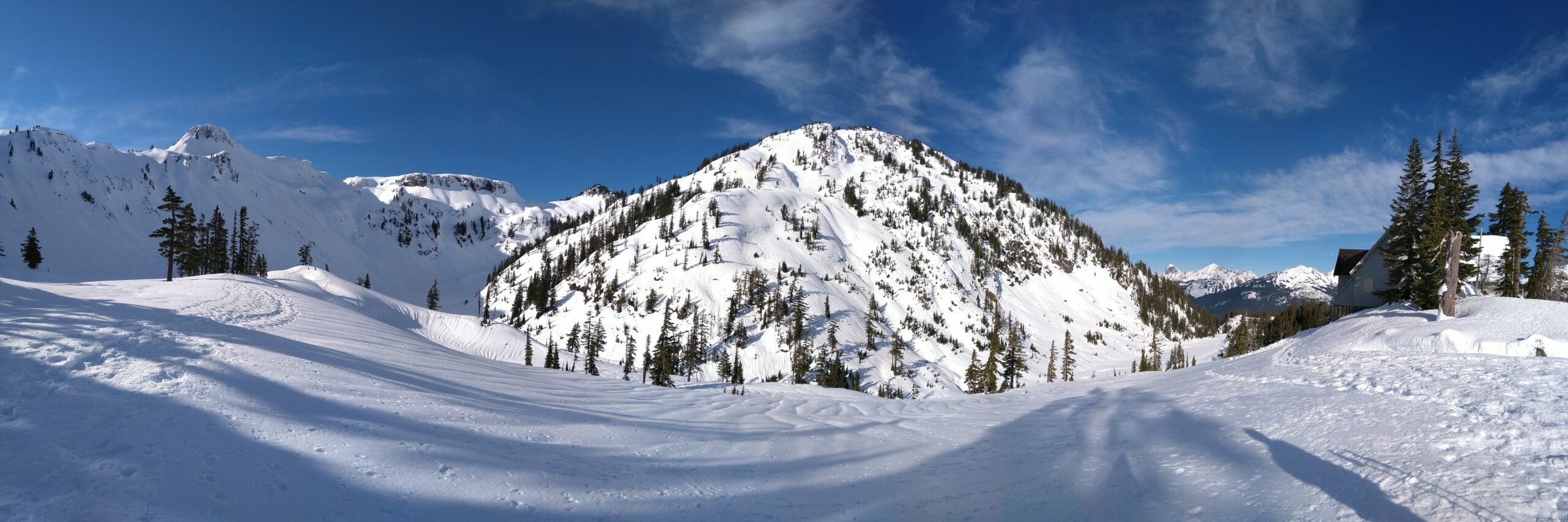
January is the heart of the ski season, and Washington’s mountains are loaded. Mount Baker, which holds the world record for snowfall in a single season, piles up the deepest powder in the state, while Crystal Mountain, Stevens Pass, the Summit at Snoqualmie, and White Pass run at full strength. You do not have to ride a lift to play: snowshoe to Artist Point under Baker’s shoulder, sled the snow parks, or kick and glide the Nordic trails. Bring chains, watch the avalanche and pass reports, and end the short day with cocoa by a fire. This is the month the mountains pay off.
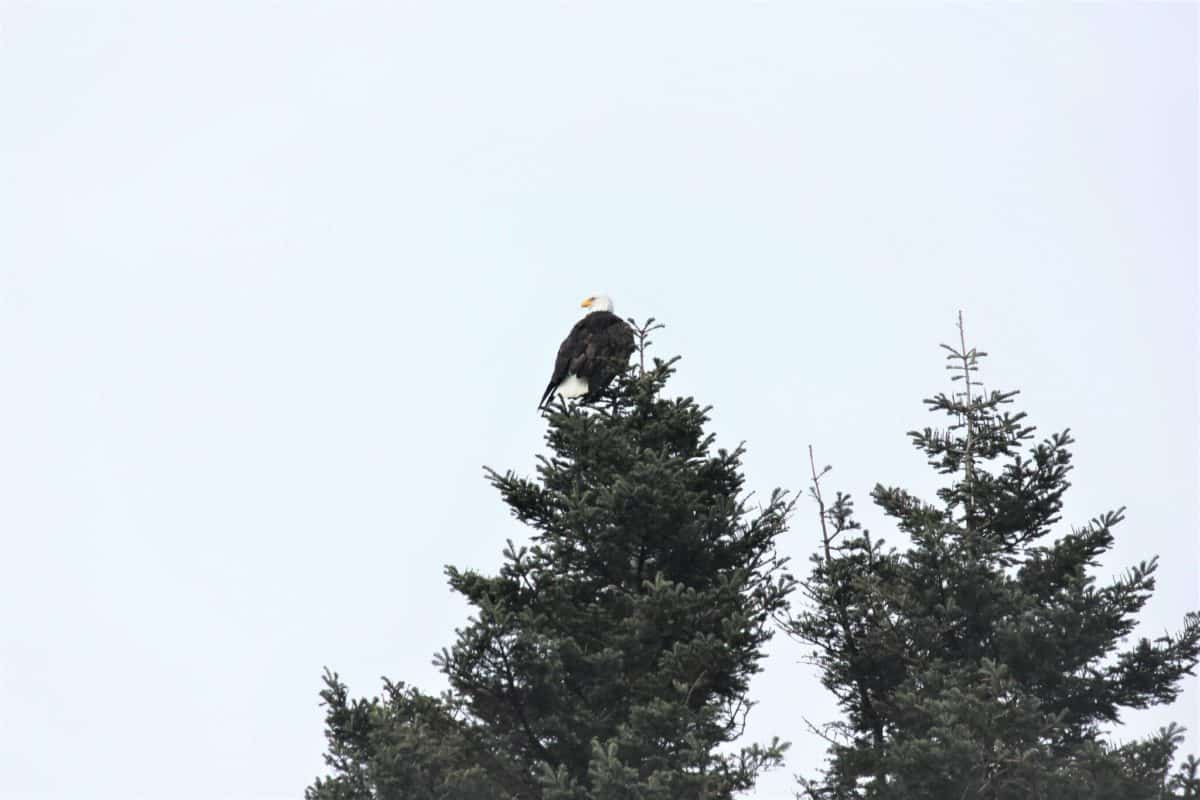
Every January, hundreds of bald eagles crowd the upper Skagit River around Rockport, Marblemount, and Concrete, drawn by the salmon that spawned and died in the fall. Drive Highway 20 along the river at first light and you will count dozens perched in the bare cottonwoods or wheeling over the water, one of the great winter wildlife shows in the Northwest. Pull over at the marked viewpoints, bring binoculars and patience, and keep your distance so the birds can feed. Down on the Skagit flats the trumpeter swans and snow geese are still wintering, so the whole valley is alive with birds.
January puts the coast back in motion. The gray whales are mid migration, sliding south past the headlands, and the overlooks at Westport, Cape Flattery, and the Long Beach Peninsula give you a shot at a spout on the horizon. Between whale scans there is plenty to do: the winter storms are still rolling in for the storm watchers, the beaches are huge and empty, and the chowder houses are warm. Harbor seals and sea lions haul out on the rocks, and the whole coast trades its summer crowds for gulls and gray light. Dress for wind and rain, and keep well back from the surf.
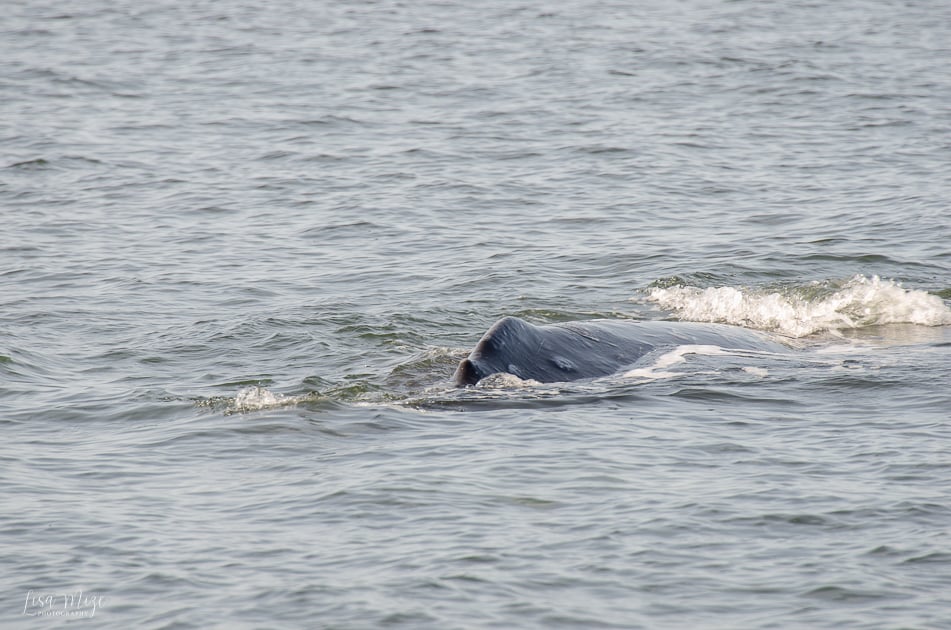 Photo: Lisa Mize Photography
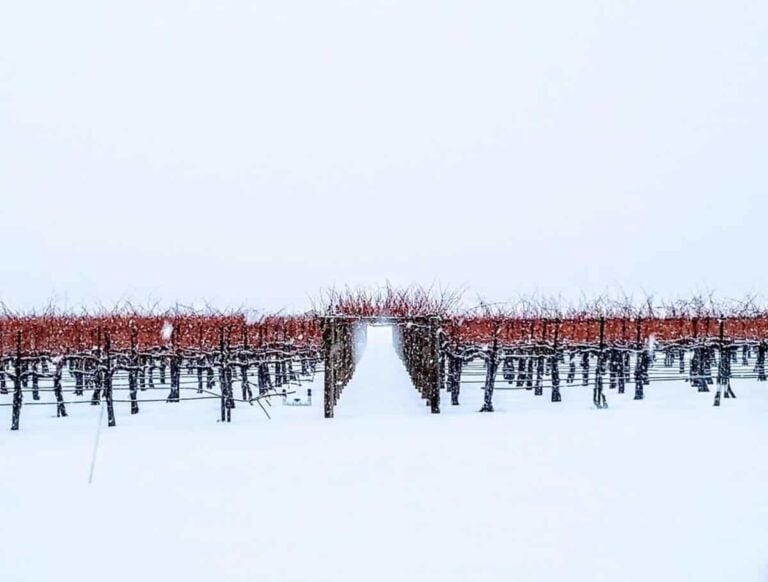
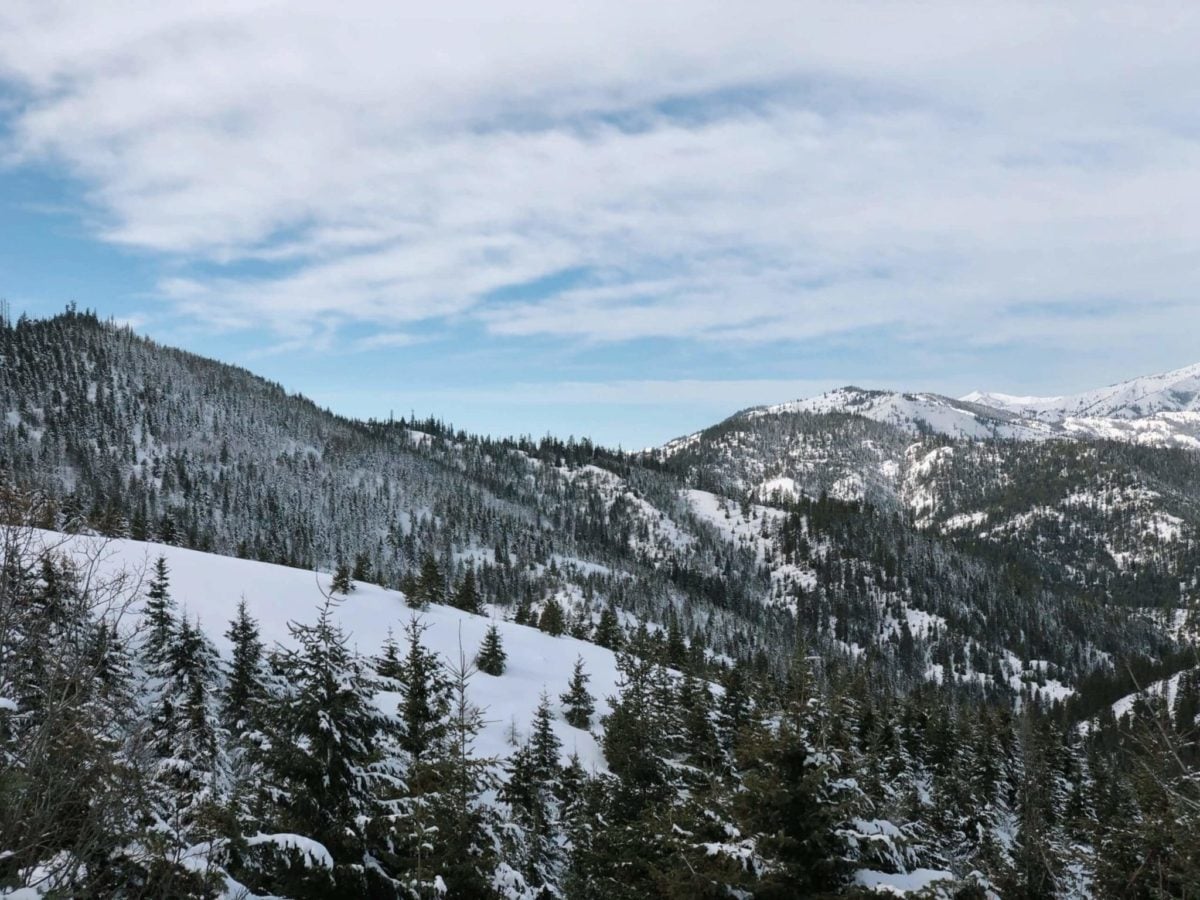
East of the Cascades January turns cold and bright, the dry air making for light powder and hard blue skies. Mount Spokane laces its slopes with downhill and Nordic trails above the city, Mission Ridge catches the light dry snow above Wenatchee, and the Methow Valley spreads out the largest cross country network in the country. Beyond the slopes, the Palouse rolls white to the horizon and the channeled scablands turn stark and beautiful under snow. The cold bites harder here, but the sun shows up more often, and a bluebird day on the east side is a Washington winter at its finest.
Free, ranger led hikes to start the year outdoors, with no Discover Pass needed on January 1.
Learn More →Hundreds of eagles gather along the upper Skagit to feed on spawned salmon, peaking now.
Gray whales stream south past Westport, Cape Flattery, and the Long Beach Peninsula.
Learn More →The first big ski weekend of the new year fills the resorts with powder seekers.
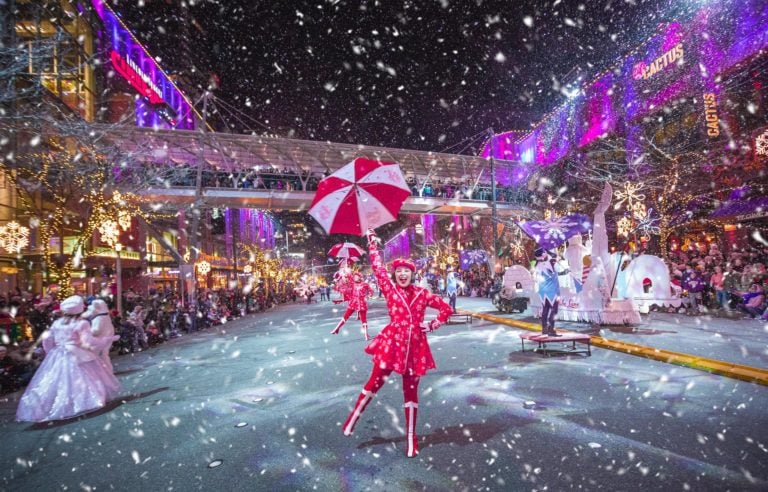
Weekends of live ice carving, fire dancers, alphorns, and fireworks over the village while the holiday lights stay lit.
Learn More →Peak cross country skiing and snowshoeing across the state Nordic networks.
Conditions
January hiking is a winter sport. The high country is deep snow and the realm of skis, snowshoes, and avalanche awareness, while the lowland, coastal, and east side trails stay walkable between systems. Daylight is short and the weather swings fast, so start early, carry traction and a headlamp, and always check WTA and the avalanche and pass reports before you go.
Highway 20 is closed for winter; the high country is deep snow and avalanche terrain for experienced backcountry travel only.
Open for skiing and snowshoeing; trails are buried, highways may require chains, and avalanche danger can run high.
Hurricane Ridge is a winter snow zone with weekend dependent access; lowland rainforest and coast trails stay open and green.
Paradise is prime snowshoe and ski terrain when the road is open; check gate hours and chain requirements.
Long Beach, Westport, and the southwest beaches are open for winter walks, whale scanning, and storm watching; mind the surf.
Cold and snowy; Nordic and snowshoe trails are in their prime, and valley and urban paths are walkable on clear days.
My pick for January is chasing a storm cycle up to Mount Baker. This is the mountain that holds the world record for snowfall in a single season, and in January it earns the title, stacking up powder so deep it feels unfair. I go for the snow, but I stay for the setting: Mount Shuksan looming over the runs, the quiet of a weekday up high, and the drive up the Nooksack with the river running dark between white banks. You do not have to be an expert or even ski at all, because a snowshoe up toward Artist Point gets you the same jaw dropping views. Bring chains, check the avalanche report, go midweek if you can, and let the deepest snow in the state do the rest.

Planning a Washington trip in January?
That is the whole idea behind the Explore Washington State Card. Free to carry, with a little something waiting at participating places when you visit. Your zip code is a vote for which towns we sign up next, and our weekly Washington travel newsletter starts landing right away.
Get your free card
January is the quietest travel month of the year, so rooms are easy and rates are low almost everywhere. Here is where we would point you by region.
Base in Glacier on the Mount Baker Highway for the deepest powder in the state, with the slopes, snowshoe trails, and Artist Point views minutes up the road. Cozy cabins and a short winter drive to the snow.
Explore StaysWinter turns the Methow into the largest cross country ski network in the country, with Winthrop cabins and lodges right on the trails and the dry cold and big skies just outside.
Explore StaysA snowy Leavenworth in January trades the holiday crowds for Winter Karneval, frozen waterfalls, and quiet Bavarian streets, with skiing and snowshoeing minutes away.
Explore StaysYes, if you embrace winter. January brings the deepest powder of the ski season, hundreds of bald eagles along the Skagit River, gray whales migrating past the coast, and the year’s quietest travel. Just pack real layers, plan around short days, and watch the mountain weather.
Wet, cold, and often gray on the west side (upper 30s to upper 40s), and cold and dry with more sun on the east side and in the mountains (low 20s to upper 30s). The passes get their deepest snow of the year, and daylight is short but slowly lengthening.
The upper Skagit River around Rockport, Marblemount, and Concrete draws hundreds of bald eagles in January to feed on spawned salmon. Drive Highway 20 at first light, stop at the marked viewpoints, and bring binoculars.
Yes. Gray whales migrate south past the outer coast in winter, and you can scan for spouts from Westport, Cape Flattery, and the Long Beach Peninsula. Resident harbor seals and sea lions are out year round.
Yes, January is peak ski season. Mount Baker, Crystal Mountain, Stevens Pass, the Summit at Snoqualmie, White Pass, and Mission Ridge are all running with the deepest snow of the year. Carry chains and check avalanche and pass reports.
Plenty: watch bald eagles on the Skagit, scan for gray whales on the coast, snowshoe to Artist Point, join a ranger led First Day Hike on January 1, catch Leavenworth’s Winter Karneval, or storm watch on the empty beaches.
Keep planning