
Pacific County, Washington · Southwest
Long Beach
Twenty-eight miles of drivable Pacific beach, two lighthouses at the mouth of the Columbia River, and the town that holds one of the world's largest kite festivals every August.
POPULATION
~1,600
BEACH
28 miles drivable
FROM PORTLAND
2 hrs via US-101
FROM SEATTLE
3.5 hrs via US-101
COUNTY
Pacific
KNOWN FOR
Kite festival, Cape Disappointment
The Long Beach Peninsula is a 28-mile barrier spit between the Pacific Ocean and Willapa Bay, running north from the mouth of the Columbia River to Leadbetter Point at its tip. The town of Long Beach sits near the peninsula’s midpoint in Pacific County, roughly 2 hours from Portland and 3.5 hours from Seattle. It is not a convenient destination. The people who come here know that and come anyway.
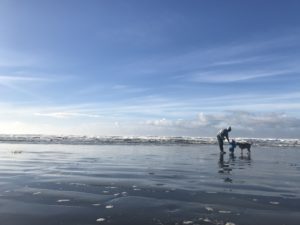
The beach is the primary reason. Long Beach is one of the longest uninterrupted stretches of drivable Pacific beach in the world, and the Washington coast at this latitude has a character that the Oregon and California coast do not: wider, wilder, foggier in summer, dramatic in winter. Kite flying has been part of Long Beach since the 1980s, and the Washington State International Kite Festival held every August brings some of the world’s best competitive kite fliers to a beach that already has wind-reliable enough to fly year-round.
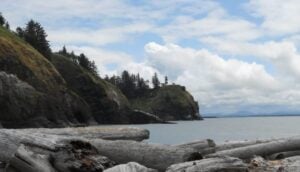
At the southern tip of the peninsula, Cape Disappointment State Park marks the spot where the Columbia River meets the Pacific. Lewis and Clark reached this point in November 1805 after 18 months of travel from St. Louis. The park has two lighthouses, the Lewis and Clark Interpretive Center, and ocean and river beaches within the same park boundary. At the northern tip, the Oysterville National Historic District preserves what remains of a town that boomed and nearly collapsed with the Pacific oyster trade in the 1850s.
Getting Here
From Portland, Long Beach is about 2 hours via US-101 north across the Astoria Bridge over the Columbia River, then north on US-101 along the coast. The Astoria Bridge is the longest continuous truss bridge in the United States at 4.1 miles. From Seattle, the drive is approximately 3.5 hours via I-5 south to Olympia, then west on US-101 through Aberdeen and north along the coast, or via SR-4 from Longview west to US-101.
There is no public transit to the Long Beach Peninsula. A car is required, and it is essential for reaching Cape Disappointment at the southern end, Oysterville at the northern end, and the state parks spread across the peninsula’s length. Parking is generally free throughout the peninsula.
Beach access for vehicles is available at multiple designated approaches along the oceanside. Driving on the beach requires a valid Washington beach driving permit. Sand conditions vary by tide and season; avoid soft sand above the tide line to prevent getting stuck.
Things to Do
History
Cape Disappointment State Park
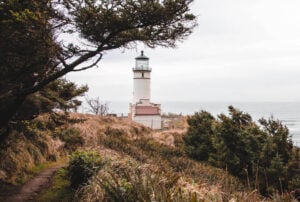
The 1,882-acre state park at the mouth of the Columbia River is the most historically significant piece of ground on the Washington coast. Lewis and Clark arrived here in November 1805 after 18 months of travel from St. Louis. The park has two working lighthouses: Cape Disappointment Light (1856) and North Head Light (1898). The Lewis and Clark Interpretive Center on the headland traces the Corps of Discovery's route to this exact location. Ocean and river beaches, campgrounds, and a Coast Guard station are all within the park. Allow a full day.
Culture
World Kite Museum
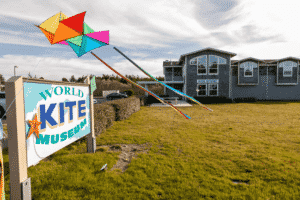
The only kite-dedicated museum in the United States, at 303 Sid Snyder Dr in Long Beach. The collection covers kite history from ancient China through modern competitive sport kiting, with rotating exhibitions and a permanent hall of fame. Open Friday through Sunday 11am to 4pm. The museum hosts the Washington State International Kite Festival annually in August, which draws competitors from around the world.
Outdoors
Long Beach Boardwalk
A half-mile elevated boardwalk above the dunes connecting downtown Long Beach to the ocean beach access. The Discovery Trail runs beneath the boardwalk and extends 8.5 miles south through Beard's Hollow and Cape Disappointment to Ilwaco, tracing the final stretch of Lewis and Clark's route to the Pacific. The boardwalk sunset is a consistent stop on any Long Beach visit.
History
Oysterville National Historic District
The northernmost community on the peninsula and a national historic district preserving the built environment of a town that boomed in the 1850s when Pacific oysters from Willapa Bay were shipped to San Francisco. The bay oysters were effectively harvested to extinction by the 1890s. The remaining buildings date to that era, and the church, cemetery, and farmhouses are largely unchanged. Oysterville Sea Farms still operates here. Allow 90 minutes to walk the entire historic district.
Nature
Leadbetter Point State Park
A 1,500-acre park at the northern tip of the peninsula where the Pacific Ocean and Willapa Bay converge. The Snowy Plover nesting area closes part of the park seasonally (April through August), but the beach and bay trails remain open. The point is one of the premier shorebird migration sites on the Washington coast, with peak counts in spring and fall.
Recreation
Razor Clamming
The beaches around Long Beach are among the most productive razor clam beaches in Washington when WDFW opens the season. Clamming typically runs in fall, winter, and early spring during minus-low tides. You need a shellfish license (age 16 and older) and a clam gun, which can be rented locally. The daily limit is 15 clams per person. Check the WDFW website for current season dates and closures before planning a clamming trip.
Arts
Washington State International Kite Festival
One of the world's largest kite festivals, held annually at Long Beach each August. Competitive kite fliers come from across the United States and internationally for a week of events including precision flying, ballet kiting, and team competitions. The consistent coastal wind that makes Long Beach a year-round kite destination makes the festival conditions reliable.
Outdoors
Ocean Beach Driving
Washington permits vehicle access on Long Beach at multiple designated beach approaches, making it one of the few places in the state where you can legally drive to the waterline. Hard-packed sand near the surf line is drivable with most vehicles at low tide. A Washington State beach driving permit is required. The 28-mile uninterrupted stretch from the Columbia River mouth to Leadbetter Point is the longest drivable beach on the Pacific Coast north of Mexico.
“Lewis and Clark reached the Pacific here in November 1805. On a clear day you can stand at the same point and see roughly the same view.”
Explore Washington State
Where to Stay
Adrift Hotel
A boutique hotel in downtown Long Beach with a coastal modern design that anchors the best food and lodging combination on the peninsula. Pickled Fish restaurant operates on site, working with Willapa Bay oysters and local seafood. The hotel sits within walking distance of the boardwalk and the Kite Museum.
Book at Adrift HotelShelburne Inn
The oldest continuously operating hotel in Washington State, built in 1896 in the community of Seaview one mile south of Long Beach and listed on the National Register of Historic Places. The inn has 15 rooms with antique furnishings and the Shelburne Restaurant on site. A specific choice that delivers the Pacific Northwest historic inn experience fully and without pretension.
Book at Shelburne InnCape Disappointment State Park Campground
Camping inside the state park puts you within walking distance of both lighthouses, the Lewis and Clark Interpretive Center, and the Columbia River beach. The campground has full hookup and tent sites. Reservations are recommended for summer. Reserve at parks.wa.gov.
Reserve at Washington State ParksFind a Cabin Near Long Beach
Find a Cabin Near Long Beach
Food & Drink
Pickled Fish at the Adrift Hotel is the best kitchen on the peninsula, working with local seafood and seasonal Pacific Coast ingredients in a casual room attached to the boutique hotel. The Willapa Bay oysters are the item to order when they are on the menu.
Shelburne Restaurant inside the historic Shelburne Inn in Seaview is the fine dining anchor of the peninsula. The restaurant has run continuously since 1989 and uses local farms and fishermen as its primary sourcing. The setting in an 1896 inn on the National Register makes the meal feel like an event.
Oysterville Sea Farms at the north end of the peninsula near the historic district has an outdoor deck with Willapa Bay views and serves clam chowder and fresh oysters sourced directly from their beds in the bay. The combination of the setting and the provenance is hard to beat on the Washington coast.
Cottage Bakery is the downtown Long Beach morning institution, open since 1987, with housemade pastries, cinnamon rolls, and espresso. Arrive early on summer weekends.
Festivals & Events
August
Washington State International Kite Festival
One of the world's largest kite festivals, running annually in August at Long Beach with competitive and recreational flying across multiple categories. The event draws international competitors and kite enthusiasts from across the Pacific Northwest for a week of demonstrations, battles, and precision events on a beach with some of the most reliable coastal wind in Washington. Free to spectate.
October
Cranberry Harvest Festival
Pacific County is one of the largest cranberry-growing regions in Washington State. The annual harvest festival in October coincides with peak harvest season and includes bog tours, cranberry-themed food and drink, vendor markets, and a tour of the working bogs that stripe the interior of the peninsula.
November
Washington Coast Razor Clam Festival
A celebration of the peninsula's most hunted shellfish held each April in Long Beach, with clamming demonstrations, seafood vendors, live music, and cooking competitions. The event coincides with the spring razor clam digging season.
Day Trips
Astoria, Oregon (30 miles south via US-101): Cross the Astoria Bridge into Oregon and you are in one of the Pacific Northwest’s most historically dense small cities. The Astoria Column sits on Coxcomb Hill, the Columbia River Maritime Museum covers the bar crossing history, and Pier 39 has been rebuilt as a working waterfront with restaurants and marine industry. The Lewis and Clark National Historical Park at Fort Clatsop is 5 miles south of Astoria. Budget a full day for Astoria; half a day covers the highlights.
Ilwaco (5 miles south via US-101): The commercial fishing fleet base at the mouth of the Columbia River, with the Columbia Pacific Heritage Museum, charter fishing operations, and direct access to Cape Disappointment State Park. Worth a half-day combined with the cape.
Willapa Bay Oyster Loop (north on US-101 from Long Beach): Willapa Bay is one of the most productive shellfish growing areas in the United States, with oyster operations visible from the highway shoulder for most of its length. Raymond and South Bend, the county seats, have a handful of seafood operations and the Pacific County Courthouse, one of the most ornate county courthouses in Washington. A good half-day drive for seafood buyers and those interested in the aquaculture geography.
Planning Your Visit
The Long Beach Peninsula has two distinct visitor seasons. Summer (late June through September) brings warm temperatures relative to the rest of the Washington coast, busy beach access, and the Kite Festival in August. Book lodging months ahead for festival weekend. The peninsula runs relatively uncrowded even in peak summer by Seattle-area standards; the distance from I-5 is a natural filter.
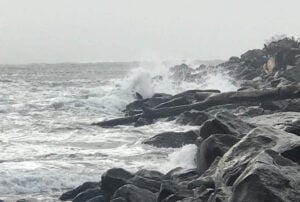
Winter and early spring (November through March) deliver the storm-watching experience: massive Pacific systems pushing 20-foot swells onto the beach, dramatic skies, and a quietude that summer does not offer. Several lodging properties specifically market storm packages for winter guests. Rates drop substantially. Cape Disappointment in a winter storm is a specific and memorable experience.
Plan two nights minimum. One day for Cape Disappointment and the Discovery Trail. A second day for Oysterville, the Kite Museum, and a meal at Pickled Fish or the Shelburne. A third day opens Leadbetter Point for birding, razor clamming if the season is open, or a day trip to Astoria. The peninsula rewards slow travel.
More Long Beach on EWS
Planning a Washington trip?
That is the whole idea behind the Explore Washington State Card. Free to carry, with a little something waiting at participating places when you visit. Your zip code is a vote for which towns we sign up next, and our weekly Washington travel newsletter starts landing right away.
Get your free cardFrequently Asked Questions
What is Long Beach, Washington known for?
Long Beach is known for its 28-mile drivable Pacific beach, the Washington State International Kite Festival held every August, and Cape Disappointment State Park at the southern end of the peninsula where the Columbia River meets the Pacific. Lewis and Clark reached this point at the end of their 1804 to 1806 expedition. The town also has the World Kite Museum, the only kite-dedicated museum in the United States, and the Oysterville National Historic District at the northern tip of the peninsula.
How far is Long Beach, Washington from Portland?
Long Beach is about 2 hours from Portland. Drive north on US-101 across the Astoria Bridge over the Columbia River and continue north along the coast to the Long Beach Peninsula. The Astoria Bridge is 4.1 miles long and is the longest continuous truss bridge in the United States. From downtown Portland, budget 2 to 2.5 hours depending on traffic through Astoria.
Can you drive on the beach at Long Beach, Washington?
Yes. Long Beach is one of the few places in Washington where beach driving is permitted. Designated access points along the peninsula allow vehicles onto the hard-packed sand near the surf line. A Washington State beach driving permit is required. The drivable beach runs for 28 miles from the Columbia River mouth to Leadbetter Point, making it one of the longest drivable beaches on the Pacific Coast.
When is razor clam season at Long Beach?
Razor clam seasons at Long Beach are set by WDFW based on biotoxin testing and are typically open in fall, winter, and early spring during minus-low tides. Seasons can open or close quickly depending on test results. Check the WDFW website at wdfw.wa.gov for current season dates before planning a clamming trip. You need a valid Washington shellfish license for anyone age 16 and older, and the daily limit is 15 clams per person.
What is Cape Disappointment and why is it called that?
Cape Disappointment is a headland at the mouth of the Columbia River named by British fur trader John Meares in 1788 after he failed to find the river’s entrance through the treacherous bar. The headland now anchors an 1,882-acre state park with two lighthouses, the Lewis and Clark Interpretive Center, and ocean and river beaches. Lewis and Clark arrived here in November 1805 after 18 months of overland travel, reaching what they called the Pacific Ocean at last.