Clark County, Washington · Southwest
Vancouver
The other Vancouver, and the older one. A Columbia River waterfront with a 90 foot pier, a reconstructed fur trading fort, and Washington's oldest public square, all fifteen minutes across the river from Portland.
POPULATION
About 199,700 (2025)
FOUNDED
Fort built 1825
FROM SEATTLE
3 hrs south on I-5
FROM PORTLAND
15 min
COUNTY
Clark
KNOWN FOR
Fort Vancouver and the waterfront
Vancouver, Washington is the Pacific Northwest’s original Vancouver, founded around a Hudson’s Bay Company fur trading post in 1825, more than thirty years before the Canadian city borrowed the name. It sits on the north bank of the Columbia River directly across from Portland, close enough that Portland International Airport is a fifteen minute drive, far enough to feel like its own place with its own history. For most of the last two centuries that history was the whole story: the reconstructed fort, the Army barracks that followed it, and the Victorian homes of Officers Row on the bluff above. A pedestrian land bridge now arcs over the highway to tie the fort site back to the river, tracing a Native trail that ran here for centuries before either fort existed. Then in 2018 the city opened a new waterfront on a former industrial mill site, and the balance shifted. Today Vancouver reads as two towns stacked on one riverbank. The historic downtown centers on Esther Short Park, the oldest public square in the state, ringed by the 1936 Kiggins Theatre and a growing roster of restaurants and taprooms. A few blocks south, the Vancouver Waterfront district runs its own restaurants, wine tasting rooms, and a cable stayed pier that reaches out over the Columbia. You can walk from one to the other on a flat paved trail in about twenty minutes, which is the best way to understand how the city fits together, and why so many travelers now treat Vancouver as the calmer, cheaper base for a Portland area trip rather than an afterthought across the bridge.
Getting Here
Vancouver sits right on Interstate 5 at the Washington side of the Columbia River, so getting here is simple from almost any direction. From Seattle it is a straight run of about 160 miles south on I-5, roughly three hours without traffic. From Portland you are fifteen minutes away across the Interstate Bridge on I-5 or the Glenn Jackson Bridge on I-205, and Portland International Airport is the closest major airport at about fifteen minutes by car. Downtown and the waterfront district are on the west side of I-5; take the Mill Plain or City Center exits. The historic downtown around Esther Short Park has metered street parking and several garages, and the waterfront has paid lots and garages that fill on summer weekends, so arrive early if you are coming for a Saturday on the river. Once you are downtown, the waterfront, the park, and Fort Vancouver are all within about a mile of each other and easy to cover on foot or by bike.
Things to Do
History
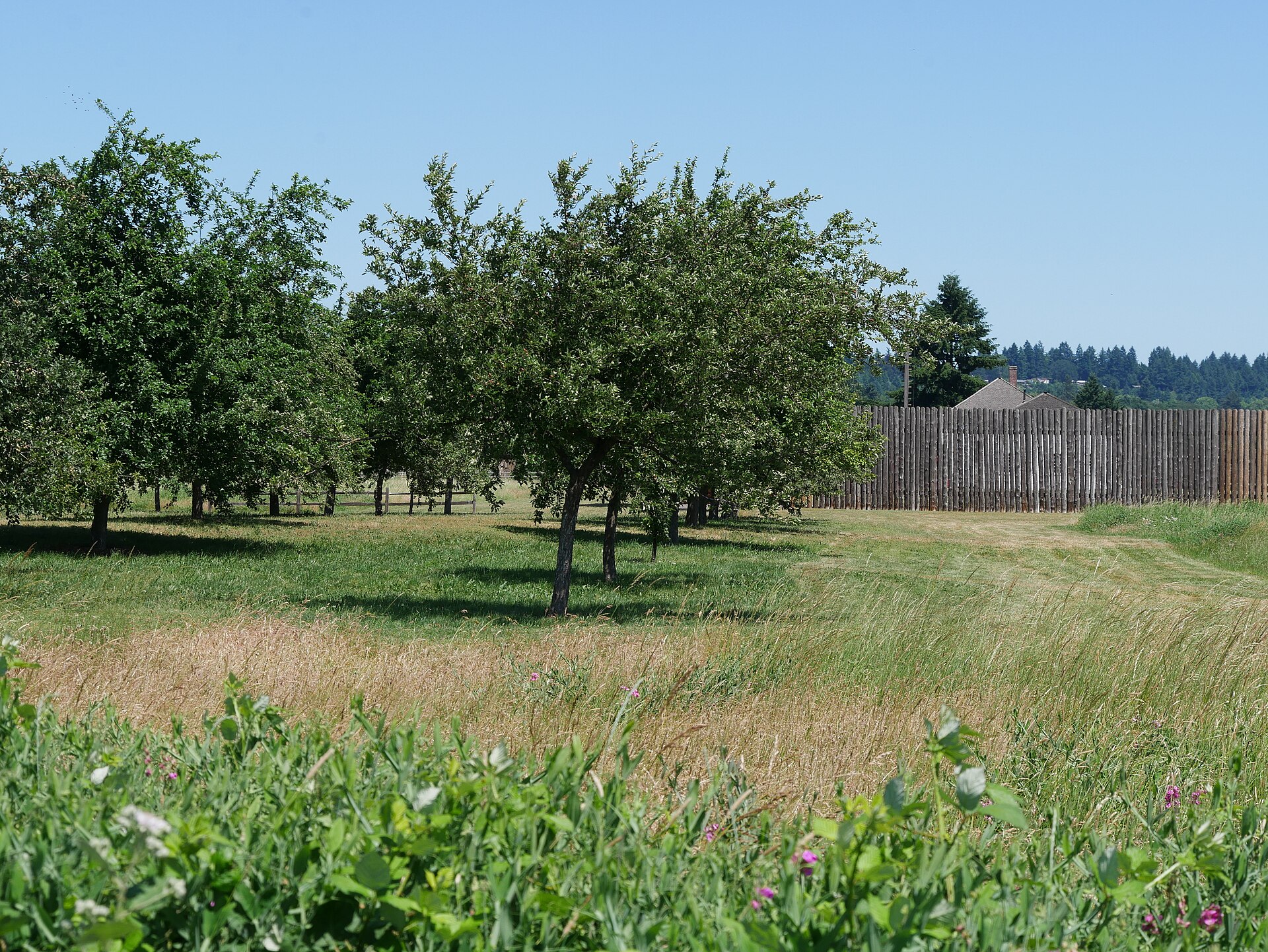
Fort Vancouver National Historic Site
The reconstructed Hudson's Bay Company fort stands on the ground where the company ran its entire Columbia District from 1825, a territory that once stretched from Alaska to California. Costumed interpreters work the blacksmith shop, bakery, and counting house inside the stockade. The Visitor Center and grounds are open daily, generally 9am to 4pm.
Water
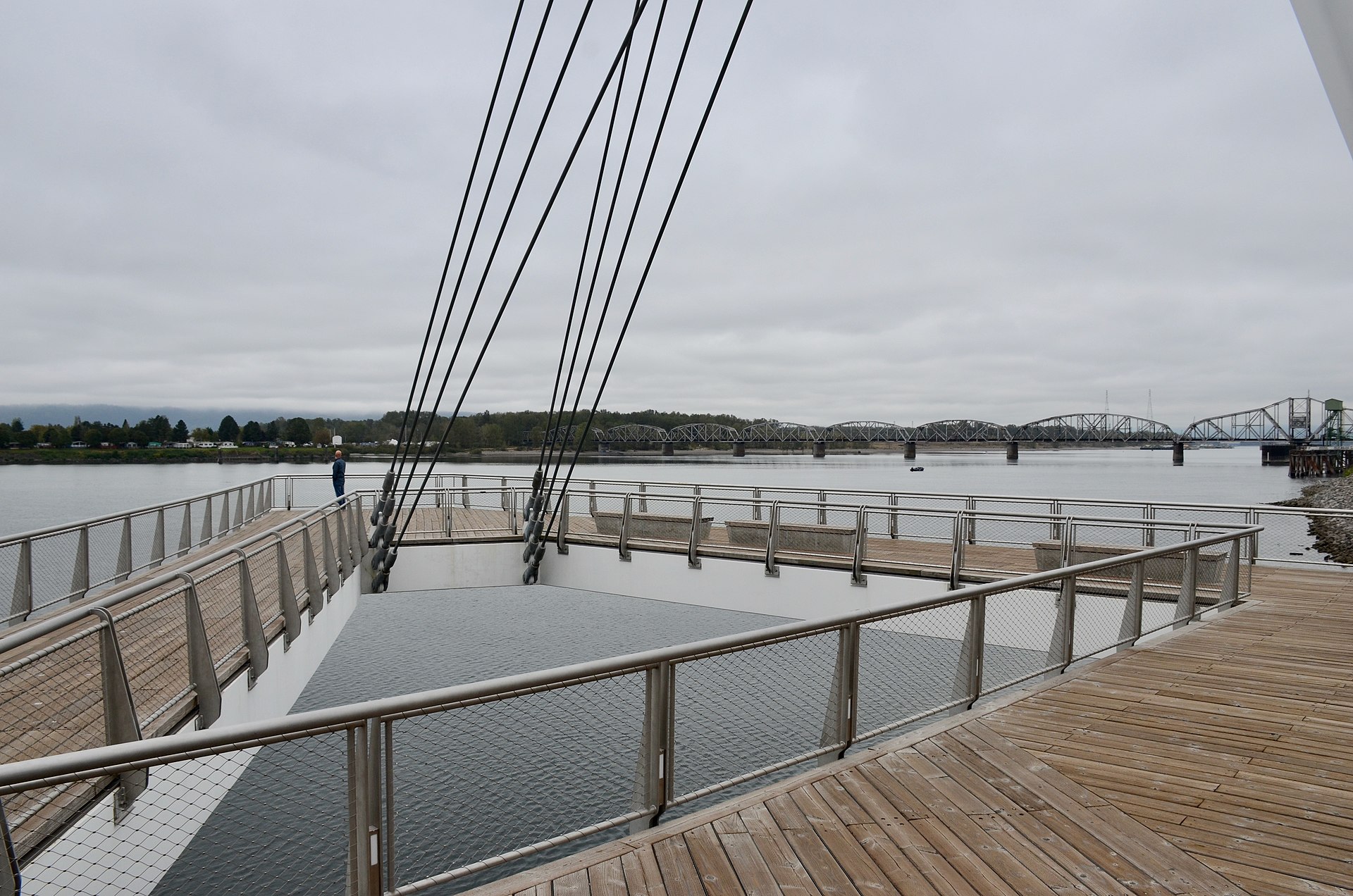
Grant Street Pier and Waterfront Park
The cable stayed Grant Street Pier reaches 90 feet out over the Columbia River, hung from a single leaning mast, and it is the signature view of the new waterfront. The seven acre park below has a sandy beach, direct river access, and a play area built around bronze salmon sculptures.
Parks
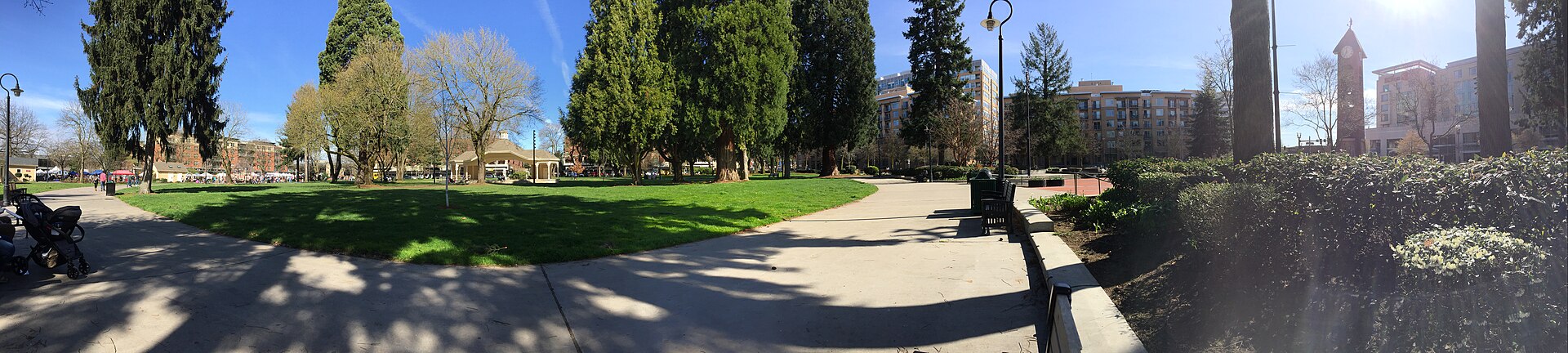
Esther Short Park
Set aside in 1853, this is the oldest public square in Washington, and it still anchors downtown with a rose garden, a playground, and the Salmon Run bell tower. It is the stage for the summer festival calendar and the weekend farmers market.
Recreation
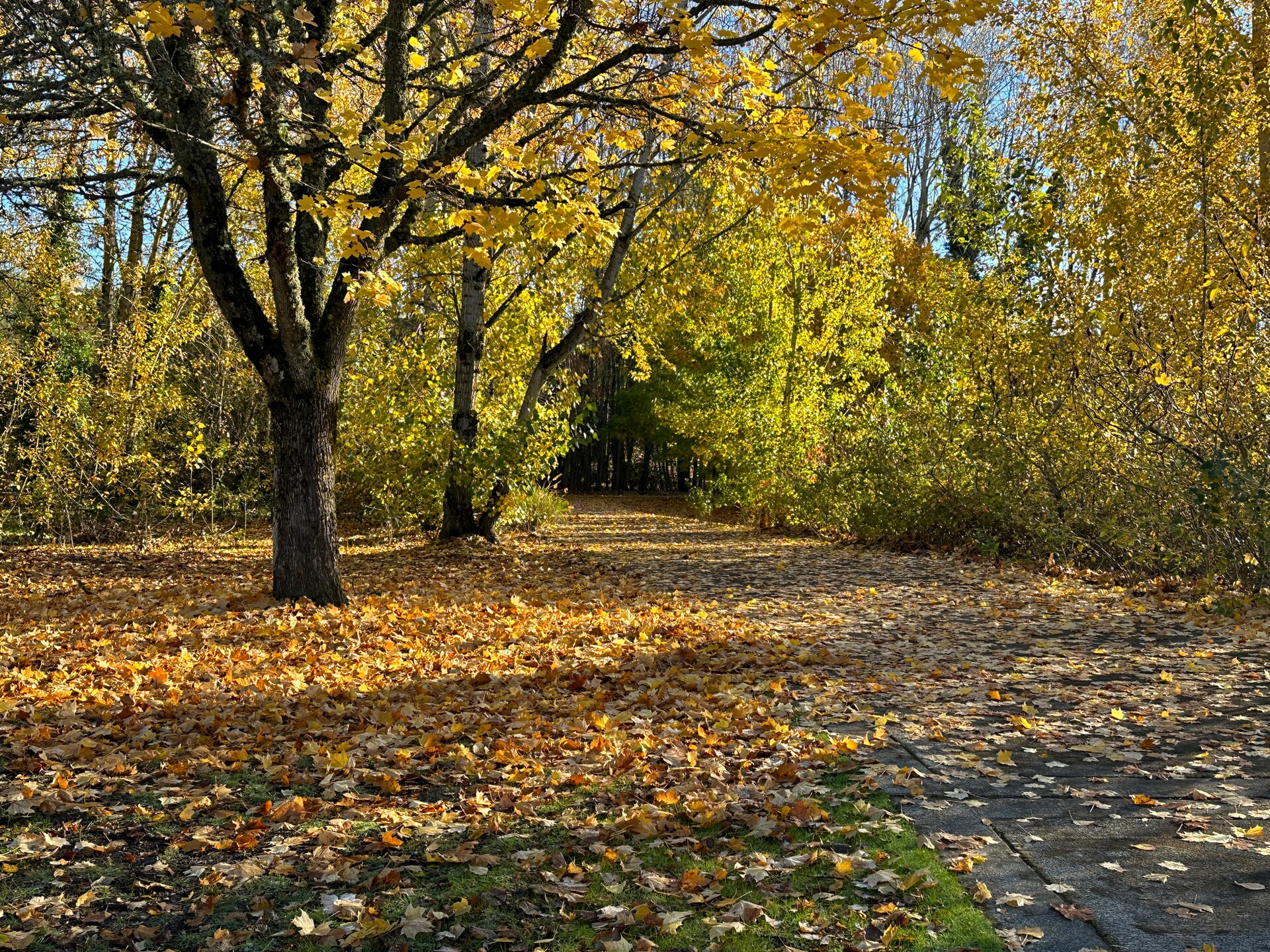
Columbia River Waterfront Renaissance Trail
A five mile paved path runs along the Columbia from Esther Short Park to Wintler Park, flat and accessible the entire way. It links the historic downtown to the new waterfront district and passes right under the Interstate Bridge.
History
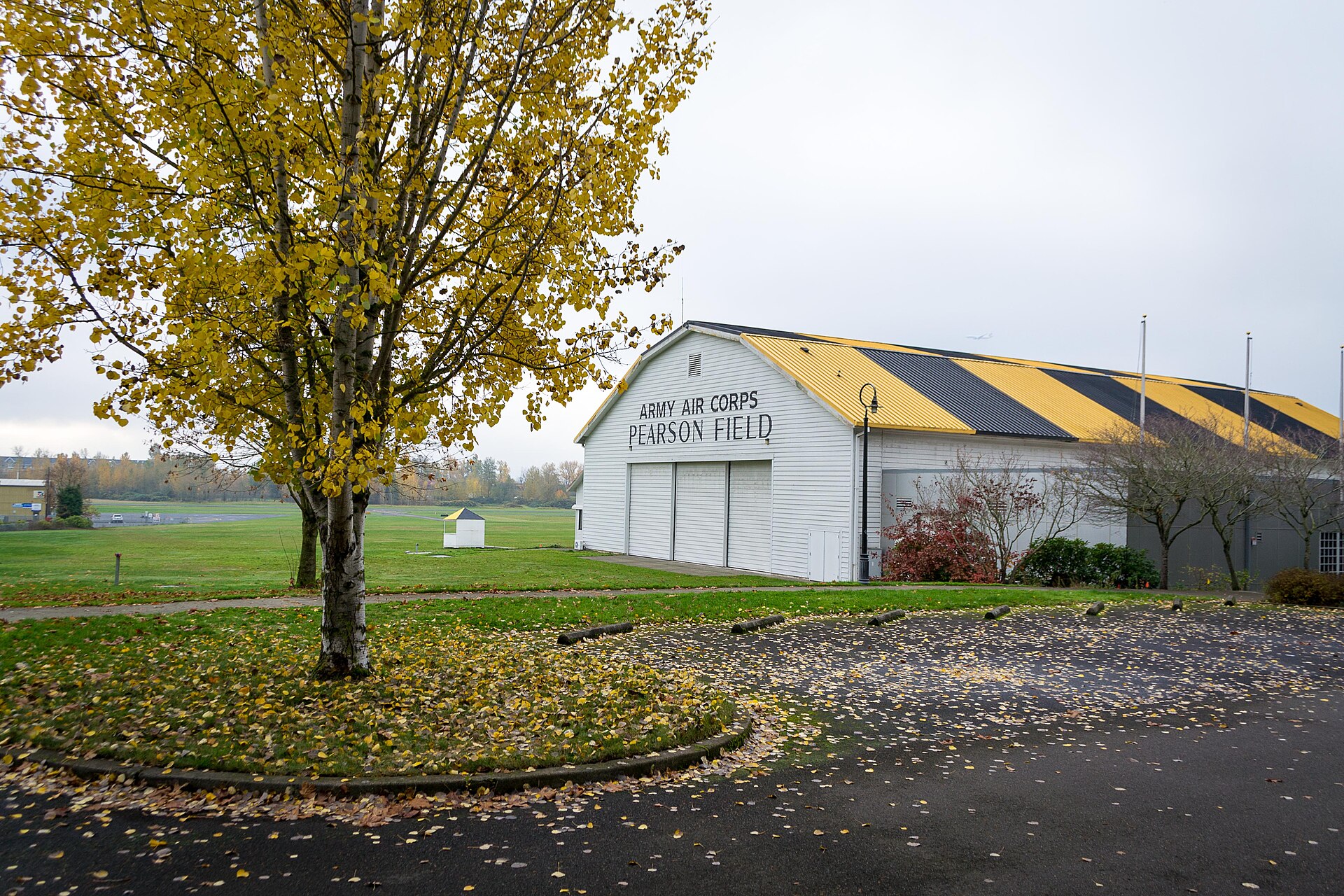
Pearson Air Museum
Part of Fort Vancouver National Historic Site, Pearson sits on one of the oldest operating airfields in the country. The hangar holds early aircraft and tells the story of the 1937 Soviet transpolar flight that surprised the world by landing here.
History
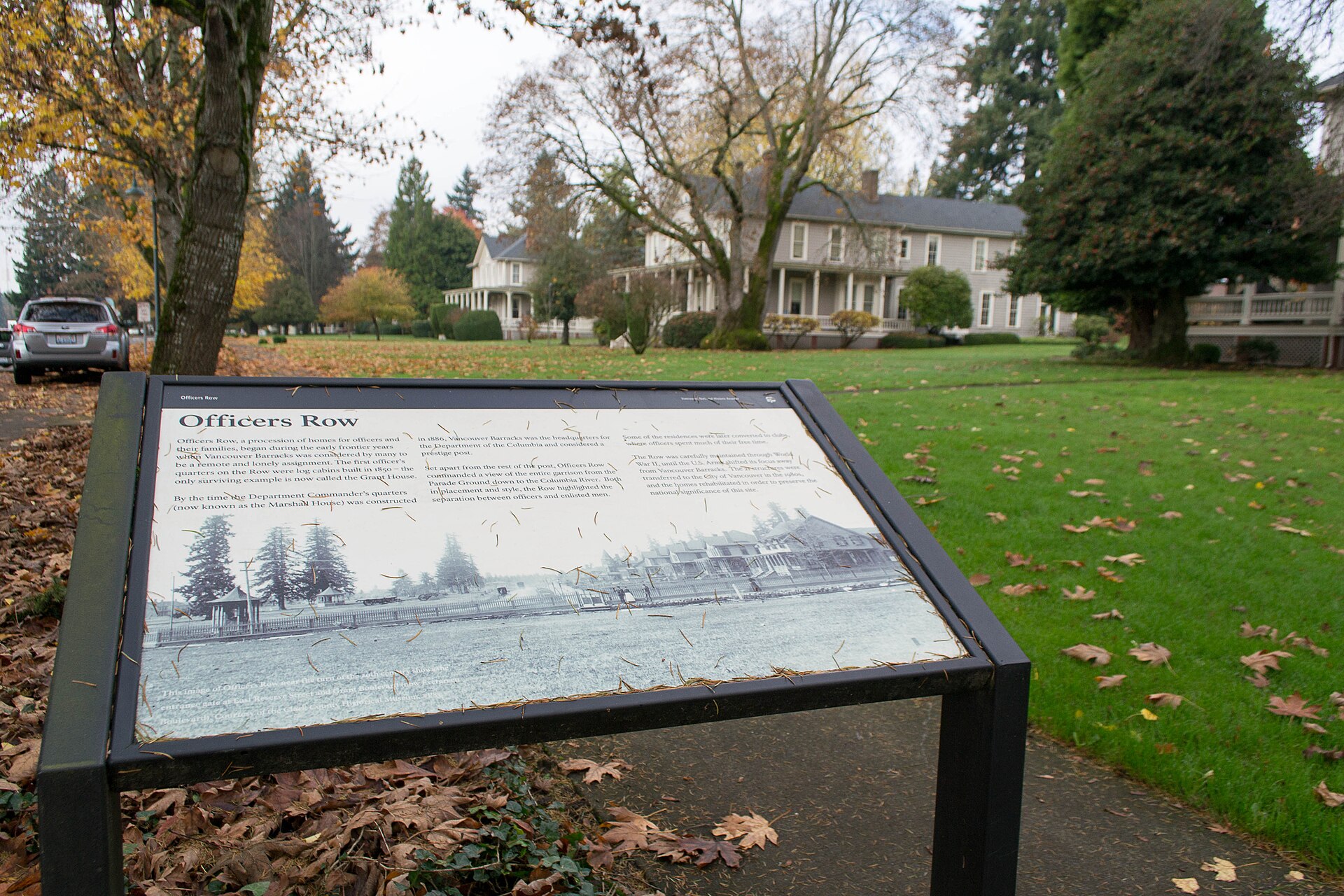
Officers Row
Twenty two restored Victorian homes line a shaded street above the fort, all on the National Historic Register. The Grant House and the Marshall House are open to the public; George Marshall lived in the largest of them while stationed at the barracks.
Food
Clark County Breweries
Vancouver and its neighbors have grown into one of the denser brewery clusters in Washington, from riverside taprooms to neighborhood brewhouses. See our guide to the breweries of Clark County, linked below, for where to start.
Shopping
Vancouver Farmers Market
More than 150 vendors fill the streets around Esther Short Park on weekends from spring into early December, the largest open air market in Southwest Washington. Expect produce, prepared food, live music, and local makers.
Recreation
Golf in Vancouver
The Vancouver area has a deep bench of public courses for a city its size, from riverside layouts to parkland courses. Our roundup of where to golf in Vancouver, linked below, covers the options.
Outdoors
Cougar Trails at WSU Vancouver
The Washington State University Vancouver campus sits on a hillside north of town laced with free walking trails through oak woodland and meadow. It is an easy, quiet leg stretch that most visitors never hear about.
Arts
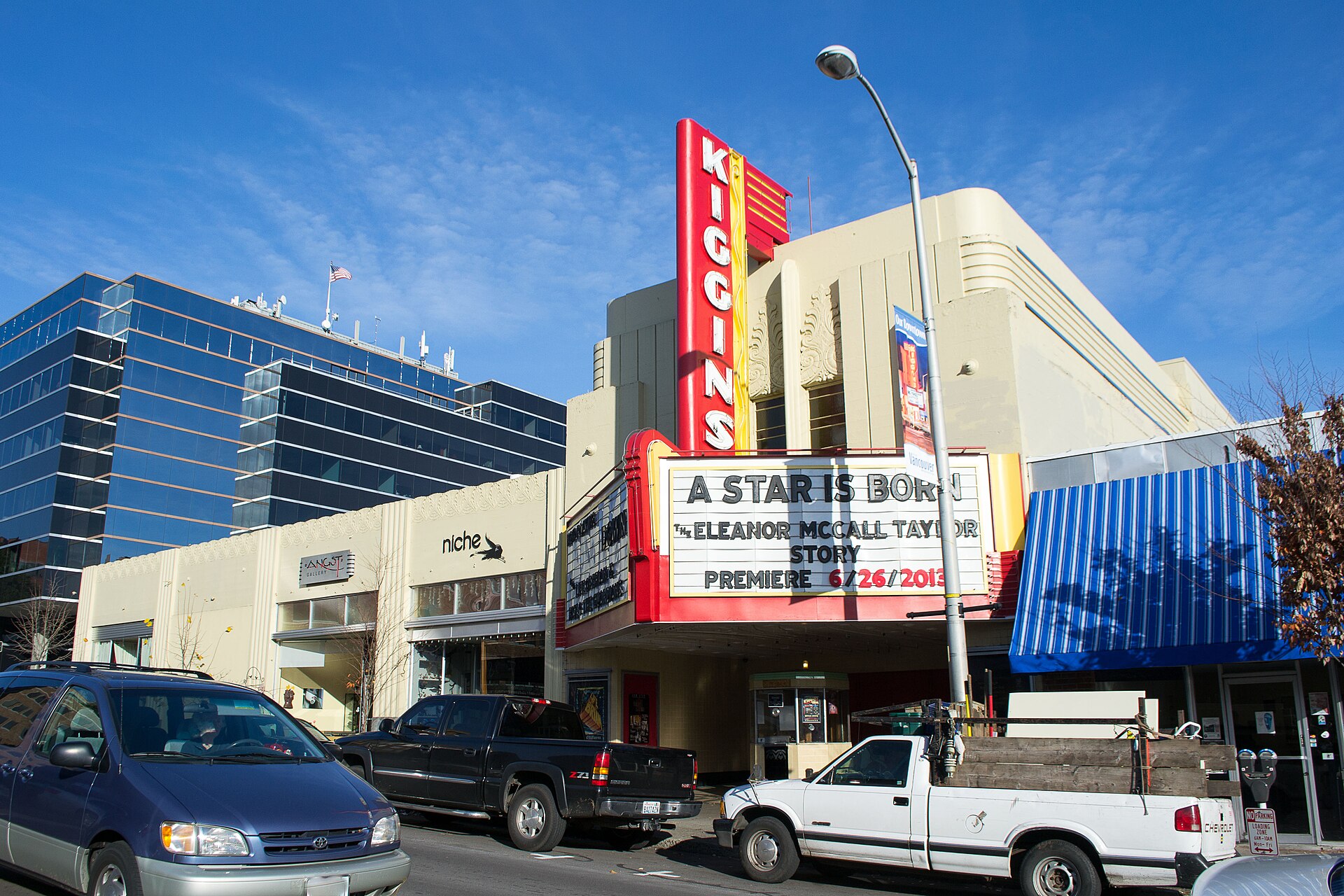
Kiggins Theatre
The Kiggins Theatre has run films from a single Art Deco screen at 1011 Main Street since 1936, named for a former Vancouver mayor and listed on the National Register of Historic Places. Beyond first run and independent movies it hosts comedy nights, science talks, and live scores for silent films, and it anchors the walkable stretch of downtown Main Street.
History
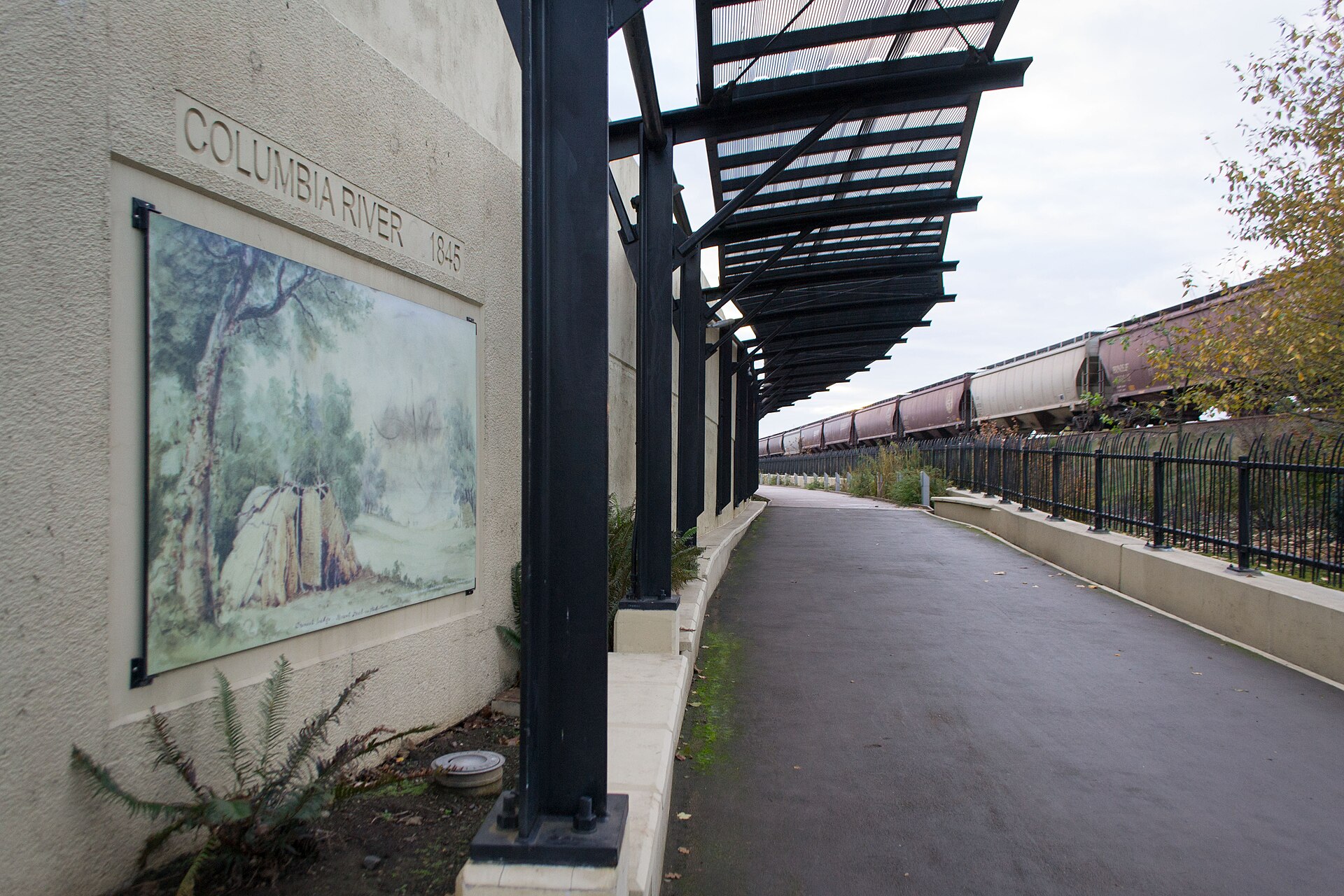
Vancouver Land Bridge
A 40 foot wide pedestrian bridge arcs over State Route 14 to connect Fort Vancouver with the Columbia River waterfront, tracing the old Klickitat Trail that Native people traveled for centuries. The span carries Indigenous art, native plantings, and a carved Welcome Gate, and it is the walking link between the fort and the river.
“Vancouver reads as two towns stacked on one riverbank: the historic square up the hill, the new waterfront down at the river, a twenty minute walk apart.”
Explore Washington State
Where to Stay
Hotel Indigo Vancouver Waterfront
Vancouver's first boutique hotel, 138 rooms right on the river with a rooftop lounge and the El Gaucho steakhouse and 13 Coins downstairs. The place to stay if you want to walk out the door onto the waterfront.
Visit websiteAC Hotel by Marriott Vancouver Waterfront
A modern boutique hotel on the waterfront with Columbia River views and the Mediterranean Ondus restaurant on site. Clean, current, and steps from the pier.
Visit websiteHeathman Lodge
A timber and stone lodge northeast of downtown near Vancouver Mall, decorated like a national park lodge with a koi pond and a big stone fireplace. The most distinctive non waterfront option in town.
Visit websiteHomewood Suites by Hilton Vancouver
Apartment style suites east of I-5 with a pool and free breakfast, an easy pick for families or anyone staying more than a night or two.
Visit websiteFind a Cabin Near Vancouver
Find a Cabin Near Vancouver
Food & Drink
The Vancouver Waterfront is where most visitors eat, and two spots anchor it. WildFin American Grill works the seafood and steak side with a big patio and unobstructed Columbia River views, open for lunch through dinner daily and until 10pm on Fridays and Saturdays. A few doors east at 801 Waterfront Way, Twigs Bistro and Martini Bar does Pacific Northwest plates and a long martini list, with a weekend brunch that starts at 10:30am. Between and around them the waterfront has a cluster of wine tasting rooms if you would rather graze than sit down to a full meal. Beyond the river, Vancouver has quietly built one of the denser craft beer scenes in the state, which we cover in our guide to the must visit breweries in Clark County. For the morning, our roundup of the coziest Vancouver coffee shops points you to the independent roasters downtown and in the Uptown Village neighborhood. The Vancouver Farmers Market rounds out the picture on weekends with more than 150 food, produce, and craft vendors around Esther Short Park.
Festivals & Events
July
Independence Day at Fort Vancouver
One of the largest fireworks shows in the Northwest fills the sky over the fort grounds every Fourth of July. The reconstructed fort, Pearson Air Museum, and Visitor Center are open free during the day, and the fireworks begin around 9:45pm.
August
Vancouver Wine and Jazz Festival
Three days of live jazz and blues, Northwest wines, and fine art take over Esther Short Park in late August, August 21 through 23 in 2026. Kids 12 and under get in free.
April through December
Vancouver Farmers Market
More than 150 vendors set up around Esther Short Park on Saturdays from 9am to 3pm and Sundays from 10am to 3pm, running spring through early December. It is the largest open air market in Southwest Washington.
Day Trips
Vancouver is a good base for a whole region. The Columbia River Gorge starts just east of town: follow State Route 14 along the Washington shore and you are inside the National Scenic Area within about twenty miles, with Beacon Rock, waterfalls, and river overlooks the whole way. Camas is ten minutes east, a former mill town with a walkable brick main street that we cover in spending a day in downtown Camas. A short drive north on Interstate 5, the Ridgefield National Wildlife Refuge has an auto tour route and boardwalks that fill with sandhill cranes and waterfowl through the cooler months. Mount St. Helens is about ninety minutes north, close enough for a day trip to the blast zone and the Johnston Ridge viewpoints in summer. And for a shorter woodland outing, Moulton Falls Regional Park northeast of the city has a stone arch bridge, swimming holes, and a waterfall on the East Fork Lewis River.
Planning Your Visit
Summer is the obvious season: the waterfront, the festivals at Esther Short Park, and the Gorge day trips all peak from June through September, and the Columbia River weather here is milder and drier than the coast. A weekend is enough to cover the historic downtown, the waterfront, and Fort Vancouver at an easy pace, with a third day if you want to add the Gorge or Mount St. Helens. Spring and fall are quieter and still pleasant, with the farmers market running from late April into December. Winter is low season and rainy, though the downtown restaurants and tasting rooms stay busy year round. Because Portland is so close, many travelers base in one city and visit the other, and Vancouver tends to be the calmer, cheaper side of the river to sleep on.
Photos: Grant Street Pier and the Columbia River waterfront by Steve Morgan; Esther Short Park by Buhadram; Officers Row, Pearson Field, the Kiggins Theatre, and the Vancouver Land Bridge by Visitor7. Via Wikimedia Commons, CC BY-SA. Fort Vancouver by the National Park Service, public domain.
More Vancouver on EWS
Story
A Day in Downtown Vancouver, WA
Story
Weekend Getaway at the Vancouver Waterfront
Story
Why We Love Vancouver
Guide
Must-Visit Breweries in Clark County

Guide
Top Five Cozy Vancouver Coffee Shops

Guide
Where To Go Golfing in Vancouver, Washington
Story
Walking The Cougar Trails at WSU Vancouver
Story
Hiking in Moulton Falls Regional Park
Story
Spending a Day in Downtown Camas
Story
Celebrate Fall at Bi-Zi Farms Pumpkin Patch
Directory
Pine Crest Golf Course: Rates, Tee Times and Scorecard
Planning a Washington trip?
That is the whole idea behind the Explore Washington State Card. Free to carry, with a little something waiting at participating places when you visit. Your zip code is a vote for which towns we sign up next, and our weekly Washington travel newsletter starts landing right away.
Get your free cardFrequently Asked Questions
What is Vancouver, Washington known for?
Vancouver is known for Fort Vancouver, the Hudson’s Bay Company fur trading post that founded the city in 1825, and for its Columbia River waterfront with the cable stayed Grant Street Pier. It also holds Washington’s oldest public square at Esther Short Park and a growing craft brewery scene. It is a separate city from Vancouver, British Columbia, and the older of the two.
Is Vancouver, Washington worth visiting?
Yes, especially in summer. The historic downtown, the reconstructed fort, and the new waterfront district give you a full weekend within a walkable mile, and the city is a strong base for day trips into the Columbia River Gorge and up to Mount St. Helens. It is also a quieter and less expensive place to stay than Portland across the river.
How do you get to Vancouver, Washington?
Vancouver sits on Interstate 5 at the Columbia River. From Portland it is about fifteen minutes across the Interstate Bridge, and Portland International Airport is the nearest major airport at roughly the same distance. From Seattle it is about three hours south on I-5.
Is Vancouver, Washington the same as Vancouver, Canada?
No. They are two different cities about 300 miles apart, and Vancouver, Washington is the older one. It was named for the fort built here in 1825, decades before the Canadian city took the name. Locals sometimes call it Vancouver USA to avoid the confusion.
When is the best time to visit Vancouver, Washington?
June through September is the peak, when the waterfront, the festivals at Esther Short Park, and the Gorge day trips are all at their best and the weather is mild and dry. Spring and fall are quieter but still pleasant, and the farmers market runs from late April into December.
How far is Vancouver, Washington from Portland?
About ten miles and fifteen minutes, straight across the Columbia River. The two cities share a metro area, and many travelers visit both on the same trip.
How many people live in Vancouver, Washington?
About 199,700 as of the 2025 Census Bureau estimate, which makes it the fourth largest city in Washington after Seattle, Spokane, and Tacoma.