Columbia River State Parks Washington | Ultimate Guide to All 14
There are 14 Columbia River state parks Washington has designated along its shores, and most visitors only know a few of them. The Columbia runs more than 300 miles through the state, from the Canadian border to the Pacific coast, and each park on its shores is completely different from the last.
What makes this list fun is how different these parks are from each other. No two columbia river state parks washington offers are the same. You’ve got an island only accessible by boat, a couple of world class wind sports beaches with almost no facilities, a petrified forest on a cliff, ancient petroglyphs, Lewis and Clark history, and some of the best family camping in the state. Same river, completely different experiences.
Here’s every Washington state park on the Columbia, starting at the river’s mouth and heading upstream.
Cape Disappointment State Park
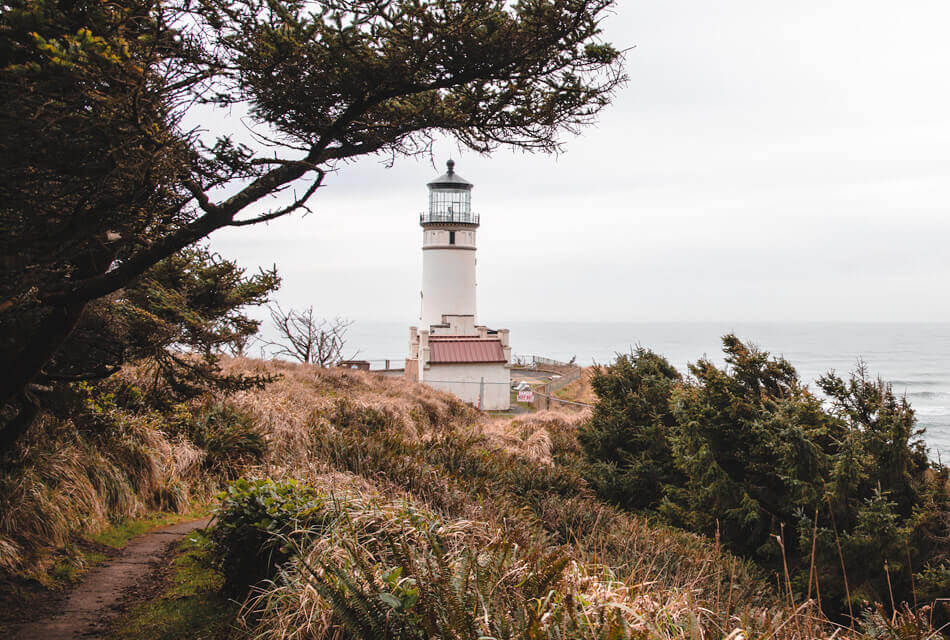
Don’t let the name fool you. There is nothing disappointing about this place. Cape Disappointment sits right where the Columbia crashes into the Pacific Ocean, and it’s one of the most spectacular settings in the entire state park system. Two historic lighthouses perch on rugged cliffs, the Lewis and Clark Interpretive Center tells the story of the expedition’s final push to the coast, and trails through old growth forest lead to viewpoints that genuinely take your breath away.
The camping here is excellent too. Yurts, cabins, and full hookup sites. If you’ve never been, bump it up your list. If you have been, you already know.
[Read our full guide to Cape Disappointment State Park]
Reed Island State Park
Reed Island is a 518 acre island in the middle of the Columbia near Washougal, and you can only get there by boat. That one detail changes everything. No cars, no pavement, no crowds. Just primitive camping and quiet shoreline paddling surprisingly close to the Portland metro area. If you’ve got a kayak or canoe, this is one of the most peaceful spots on the river.
[Read our full guide to Reed Island State Park]
Beacon Rock State Park
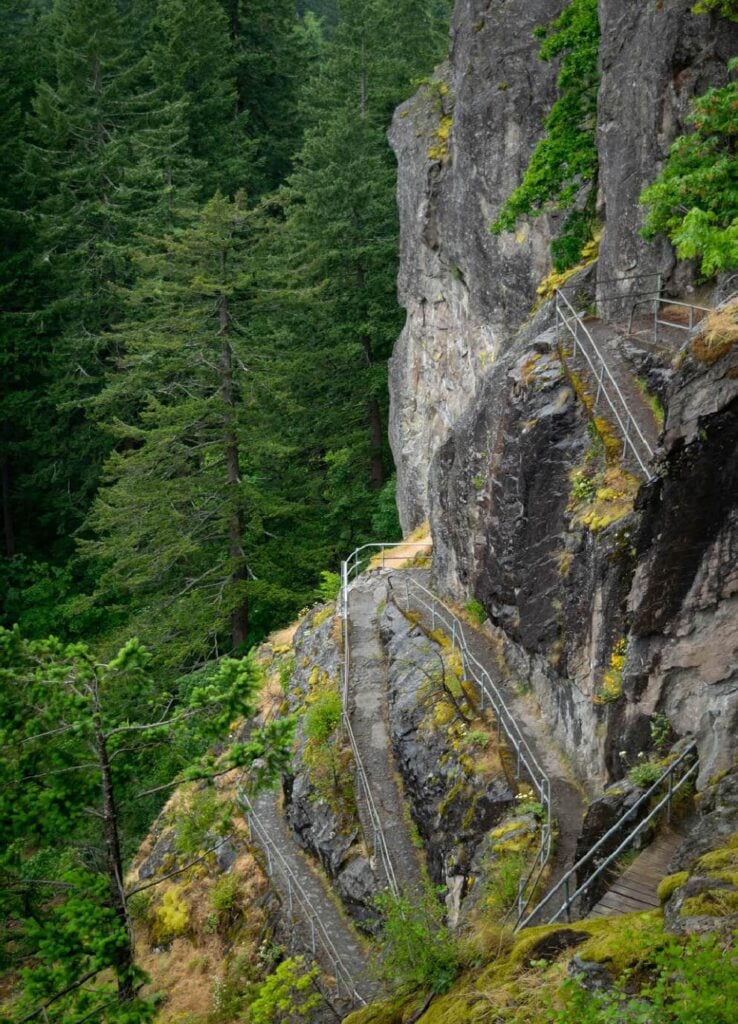
If you’ve driven through the Columbia River Gorge, you’ve seen Beacon Rock, that massive chunk of basalt rising 848 feet straight up from the river. What you might not know is that you can hike to the top. A trail with 52 switchbacks, handrails, and catwalks takes you right up the face, and the views from the summit are everything the Gorge promises.
But Beacon Rock is way more than one hike. The park covers over 4,400 acres with 26 miles of trails, including Hamilton Mountain and the Pool of the Winds. Year round camping, mountain biking, horseback riding, and some of the best traditional rock climbing in the Northwest. It’s a place you can visit a dozen times and still find something new.
[Read our full guide to Beacon Rock State Park]
Doug’s Beach State Park
Doug’s Beach is not for everybody, and that’s kind of the point. It’s an undeveloped day use site with limited facilities that draws experienced windsurfers and kiteboarders who come for the consistent Gorge winds and direct Columbia River access. No campgrounds, no frills. Even if wind sports aren’t your thing, it’s worth a stop on a breezy day just to watch the action.
[Read our full guide to Doug’s Beach State Park]
Spring Creek Fish Hatchery State Park
Another Gorge wind sports spot, Spring Creek pairs windsurfing and kiteboarding with views of Mount Hood across the river. What sets it apart is the neighboring Spring Creek National Fish Hatchery, where you can learn about Columbia River salmon conservation efforts. Day use only, but it’s a nice combination of recreation and education that works well for families.
[Read our full guide to Spring Creek Fish Hatchery State Park]
Columbia Hills Historical State Park
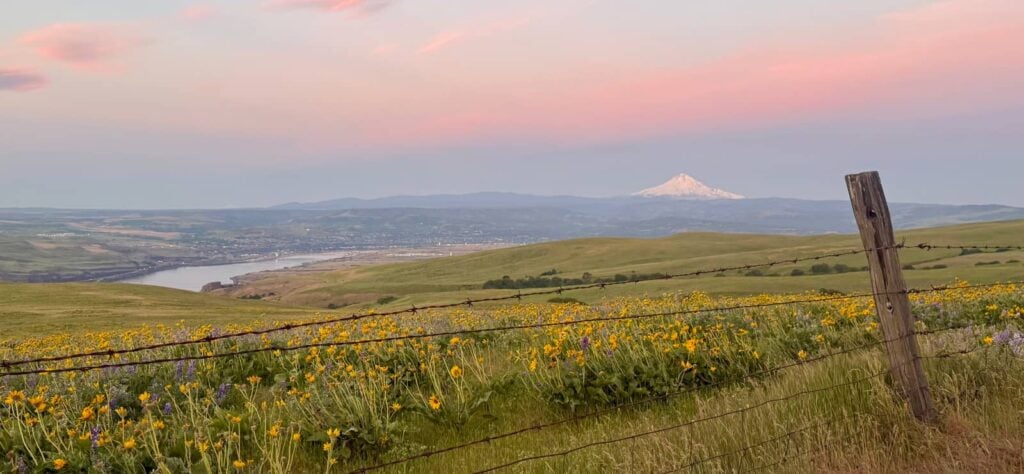
This one is special. Columbia Hills sits where the Gorge transitions into high desert, and the landscape alone is worth the visit. Wide open shrub steppe, Horsethief Lake, and sweeping Columbia River views. But what puts this park on the map is Tsagaglalal, or “She Who Watches,” a Native American petroglyph that has been overlooking the river for centuries. You’ll need to book a tour in advance to see it, and you absolutely should.
In spring, Dalles Mountain Ranch turns into one of the best wildflower displays in the state. Camping is available at Horsethief Lake, and the park offers over 3,300 acres for hiking, biking, climbing, and horseback riding. Just know that it can get seriously windy out here. This is the Columbia River Gorge, and it earns that reputation.
[Read our full guide to Columbia Hills Historical State Park]
Maryhill State Park
Maryhill is one of those parks that families discover and then come back to every summer. It’s got over 4,700 feet of Columbia River shoreline, full hookup campsites, and a laid back waterfront vibe that’s hard to beat. Swimming, paddleboarding, kiteboarding, fishing. It’s all right there.
Nearby, you can visit the Maryhill Museum of Art and the full scale Stonehenge replica overlooking the Gorge, which adds a dose of unexpected culture to your camping weekend. One heads up: the BNSF rail line runs along the park and carries about 24 trains a day. Kids and train fans love it. Light sleepers, maybe bring earplugs.
[Read our full guide to Maryhill State Park]
Sacajawea Historical State Park
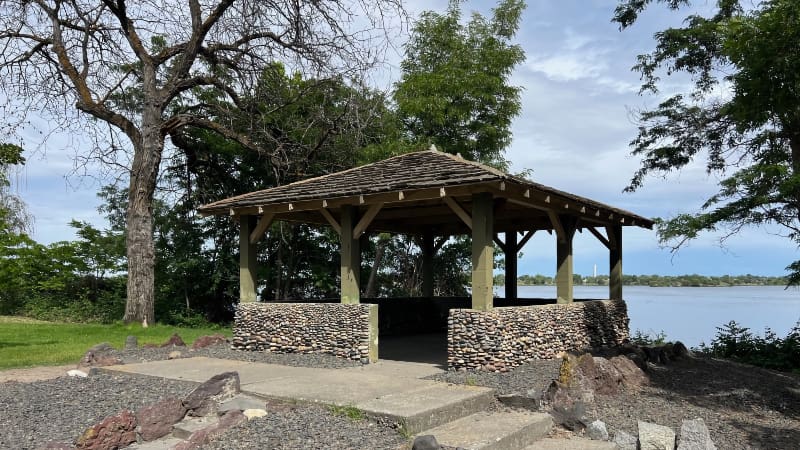
Stand at Sacajawea Historical State Park and you’re looking at the exact spot where the Snake River flows into the Columbia, the same confluence where Native American tribes gathered for thousands of years and where the Lewis and Clark Expedition camped on October 16, 1805. That kind of history hits different when you’re actually standing there.
The Sacajawea Interpretive Center has interactive exhibits on the Corps of Discovery and the Sahaptin speaking tribes of the region, and the outdoor Story Circles by artist Maya Lin are worth taking your time with. The park is day use only and serves as the starting point for the paved Sacagawea Heritage Trail, which connects communities across the Tri-Cities.
[Read our full guide to Sacajawea Historical State Park]
Ginkgo Petrified Forest State Park and Wanapum Recreation Area
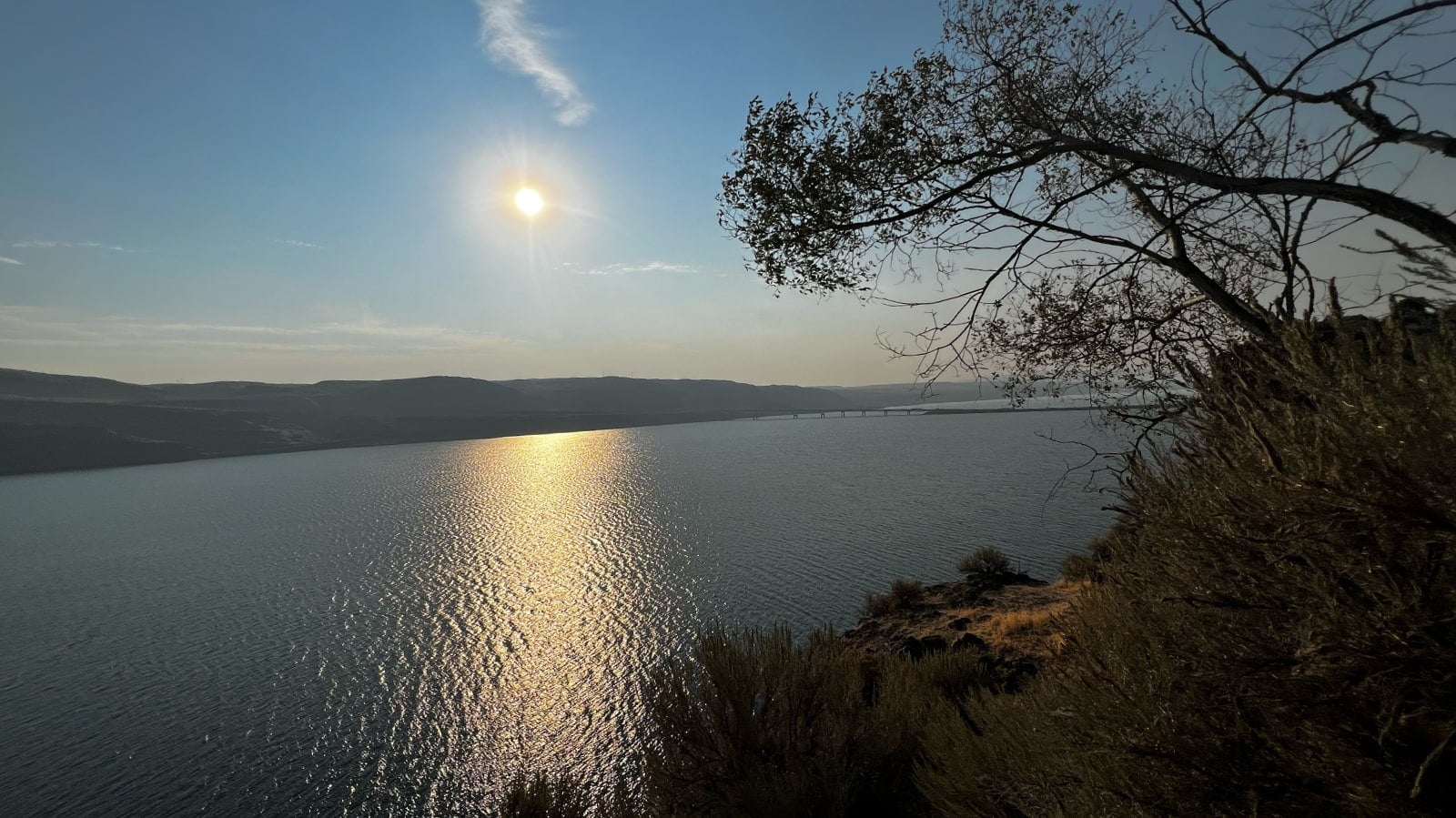
Two parks, one stop. Up on the basalt cliffs above the Columbia River at Vantage, Ginkgo Petrified Forest is one of the most diverse fossil forests in North America and home to Washington’s official state gem, petrified Ginkgo wood. The Interpretive Center and Trees of Stone trail put you right in the middle of ancient geology with the Columbia River and Vantage Bridge stretched out below.
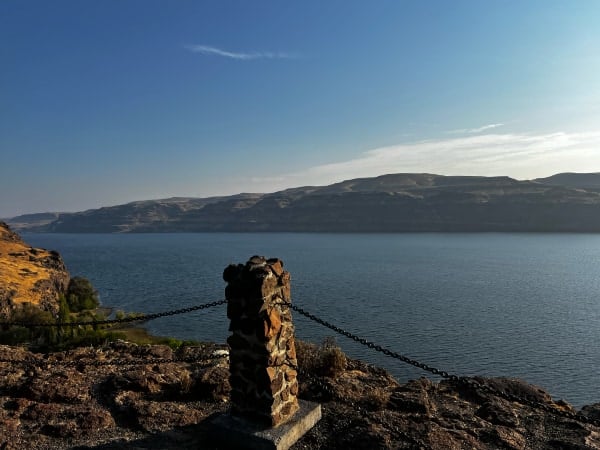
Down at water level, Wanapum Recreation Area has camping, a boat launch, and swimming access on the reservoir. Ancient natural history on the cliffs, riverside recreation down below. It’s a great pairing.
[Read our full guide to Ginkgo Petrified Forest State Park]
Wenatchee Confluence State Park
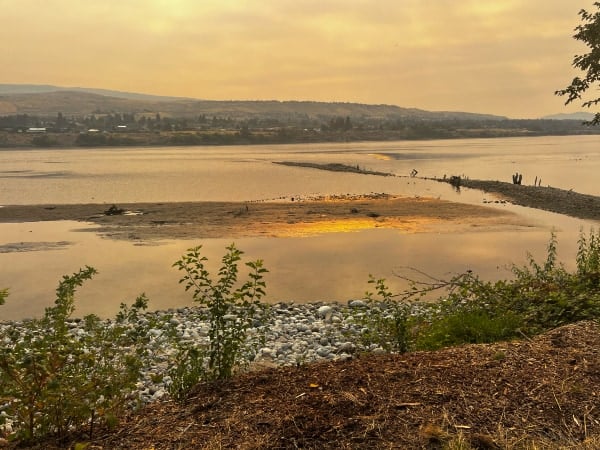
Right where the Wenatchee River flows into the Columbia on the edge of town, Wenatchee Confluence is a 197 acre park with two very different personalities. The north side is all recreation: camping, a swim beach, sports fields, a boat launch, and access to the 10 mile Apple Capital Loop Trail for biking, running, and walking. Cross the pedestrian bridge over the Wenatchee River and you’re in the Horan Natural Area, a quiet wetland preserve where you might spot muskrat and beaver.
It’s year round camping with 52 full hookup sites and 8 standard sites, and it connects directly to the Rocky Reach Trail that runs 5.5 miles up to Lincoln Rock State Park. If you’re looking for a home base to explore the Wenatchee Valley with easy Columbia River access, this is it.
[Read our full guide to Wenatchee Confluence State Park]
Lincoln Rock State Park
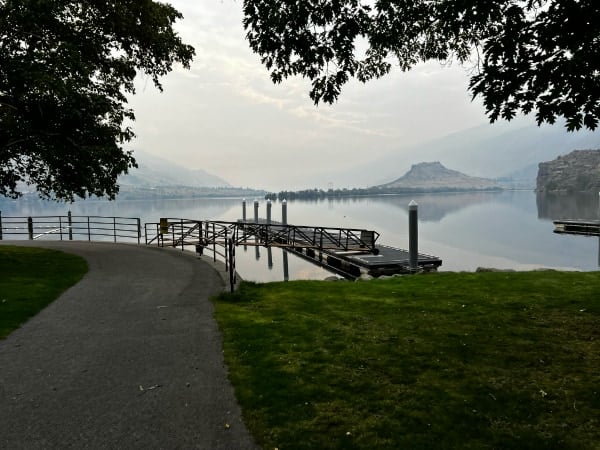
Lincoln Rock gets its name from a basalt outcropping across the water that supposedly looks like Abraham Lincoln’s profile. Whether you see the resemblance or not, the park itself is a solid family friendly spot on Lake Entiat near Wenatchee. Shaded campsites, a swim beach, ball fields, a playground, tennis and basketball courts, and a boat launch with mooring docks. It connects to the Rocky Reach Trail, a paved, ADA accessible path that links up with the Apple Capital Loop Trail, great for biking and walking.
[Read our full guide to Lincoln Rock State Park]
Daroga State Park
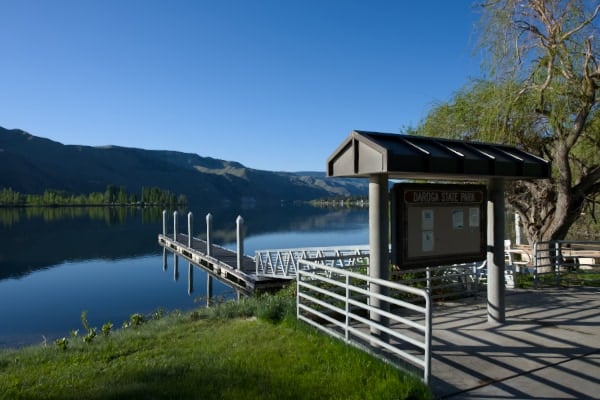
Daroga is a green little oasis tucked along Highway 97 between Wenatchee and Chelan. The surrounding hills are dry and brown, and then suddenly there’s this park with a calm lagoon, green lawns, and shaded campsites. The lagoon is perfect for beginner swimmers and young paddlers, which makes Daroga a favorite for families with little ones. At 127 acres it’s compact, but there are hiking and biking trails, a playground, sports fields, and walk in campsites with some breathing room. The park closes October through March, so it’s a warm weather destination.
[Read our full guide to Daroga State Park]
Beebe Bridge State Park
Beebe Bridge is the newest addition to the Columbia River state parks family. Owned by Chelan County PUD and transitioning to the Washington State Parks reservation system in 2026, this 56 acre park sits on the Columbia about four miles east of Chelan along Highway 97. What sets it apart from the other river parks is the sports facilities. Tennis courts, pickleball courts, ball fields, volleyball, and horseshoe pits make it feel more like a community recreation center that happens to be right on the water.
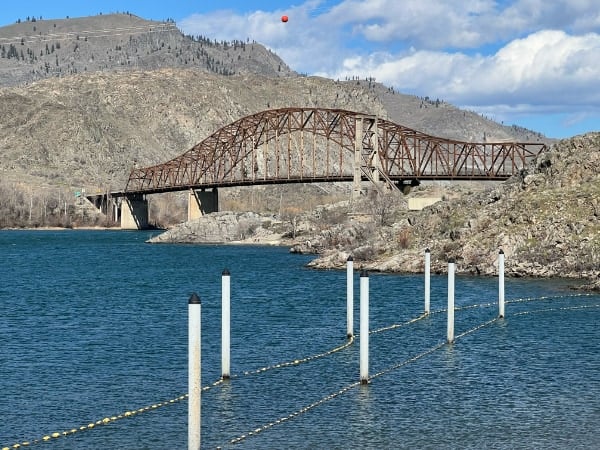
The camping is excellent too: 46 spacious sites with electricity and water, including 23 pull throughs that can handle rigs up to 90 feet. A sandy swimming beach, two lane boat launch, and three fishing docks round it out. And with Chelan just a short drive away, you’ve got wineries, restaurants, and Lake Chelan all within easy reach. Chelan County PUD customers can get a free day use parking pass, which is a nice perk worth knowing about.
[Read our full guide to Beebe Bridge State Park]
Bridgeport State Park
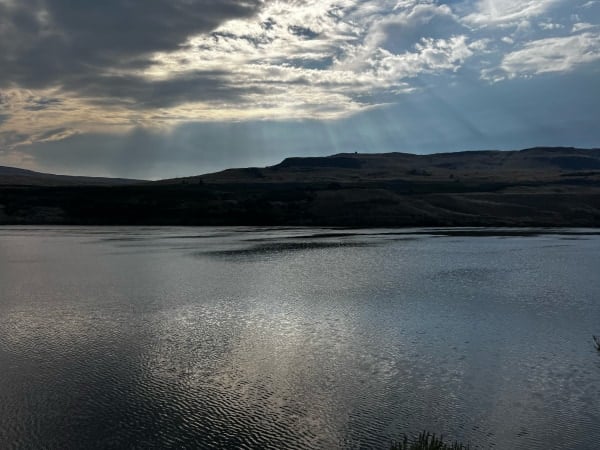
Bridgeport sits on Rufus Woods Lake near Chief Joseph Dam, about as far north on the Columbia as you can get and still be in a state park. It’s quiet. It’s uncrowded. The big skies and open Eastern Washington landscape reward people who are willing to make the drive. Camping, a boat launch, fishing, water sports. The essentials are covered, and you’ll likely have plenty of room to enjoy them.
[Read our full guide to Bridgeport State Park]
Columbia River State Parks Washington: What to Pack
These parks span two very different climates. The Gorge parks and Cape Disappointment can be wet and windy even in summer, while the Central and Eastern Washington parks bake in dry heat from June through August. Pack for both if you are doing a river-length road trip.
For camping, a freestanding tent handles the wind at Doug’s Beach and the exposed sites at Daroga. A quality camp tent and a warm sleeping bag rated to at least 30 degrees are worth the investment given how cold the river corridor gets at night, even in July. A compact camp stove rounds out the kitchen since most of these parks have fire restrictions in summer.
If camping is not your style, most of these parks are within 30 minutes of a town with lodging. Search nearby accommodation on Booking.com before you go, especially for summer weekends in the Gorge.
Before You Go
You’ll need a Discover Pass for day use parking at all of these parks. An annual pass runs $45 and covers every state park in Washington, so if you’re visiting more than a couple, it pays for itself fast.
The Gorge parks are accessible year round, with spring wildflowers at Columbia Hills and fall color throughout the Gorge being seasonal highlights. Most of the Central and Eastern Washington parks are best from late spring through early fall, and several close during winter months.
Fourteen parks, one river, and more variety than most people expect. Whether you pick one park or try to hit them all, the Columbia won’t let you down.
This article is part of the Explore Washington State Parks Directory, showcasing all of Washington’s state parks from the rugged Pacific coast to the Cascade peaks. Whether you’re camping under old growth forests, hiking scenic trails, or discovering local history, we’re highlighting the places where people connect with the state’s incredible natural and cultural heritage, all year long.
Frequently Asked Questions
Whether you are planning your first visit or working through all 14, the columbia river state parks washington has are worth making time for. Each one is different, and most are far less crowded than you would expect.
How many state parks are on the Columbia River in Washington?
Washington has 14 state parks along the Columbia River, running from Cape Disappointment at the river’s mouth all the way north to Bridgeport near the Canadian border. They cover a wide range of experiences, from the rugged Pacific coastline to the dry canyon country of Eastern Washington.
What is the best state park on the Columbia River in Washington?
That depends on what you are looking for. Cape Disappointment is the most dramatic, with ocean beaches and historic lighthouses. Beacon Rock offers one of the best short hikes in the state. Ginkgo Petrified Forest is the most unique. And Wenatchee Confluence is the best home base for exploring the Wenatchee Valley.
Which Columbia River state parks have camping?
Most of them do. Cape Disappointment, Beacon Rock, Maryhill, Sacajawea, Wenatchee Confluence, Lincoln Rock, Daroga, Beebe Bridge, and Bridgeport all have overnight camping. Reed Island and Doug’s Beach are day use only.
Do you need a Discover Pass to visit Columbia River state parks in Washington?
Yes. A Discover Pass is required for vehicle access at all Washington State Parks. Day passes are available at the park or online through the Washington State Parks website. An annual pass covers all 14 parks on this list and pays for itself after two visits.
Is the Columbia River Gorge only in Oregon, or does Washington have parks there too?
Both states have parks in the Gorge. On the Washington side, Beacon Rock, Doug’s Beach, Spring Creek Fish Hatchery, and Columbia Hills Historical State Park all sit inside the Columbia River Gorge National Scenic Area. The Washington side tends to be less crowded than the Oregon side.
- About the Author
- Latest Posts

Founder and editor of Explore Washington State since 2017. A lifelong Washington resident who has lived across Tacoma, Ellensburg, the west side, and now Wenatchee, Scott curates the most comprehensive guide to experiencing Washington State. He also hosts the Exploring Washington State podcast.