
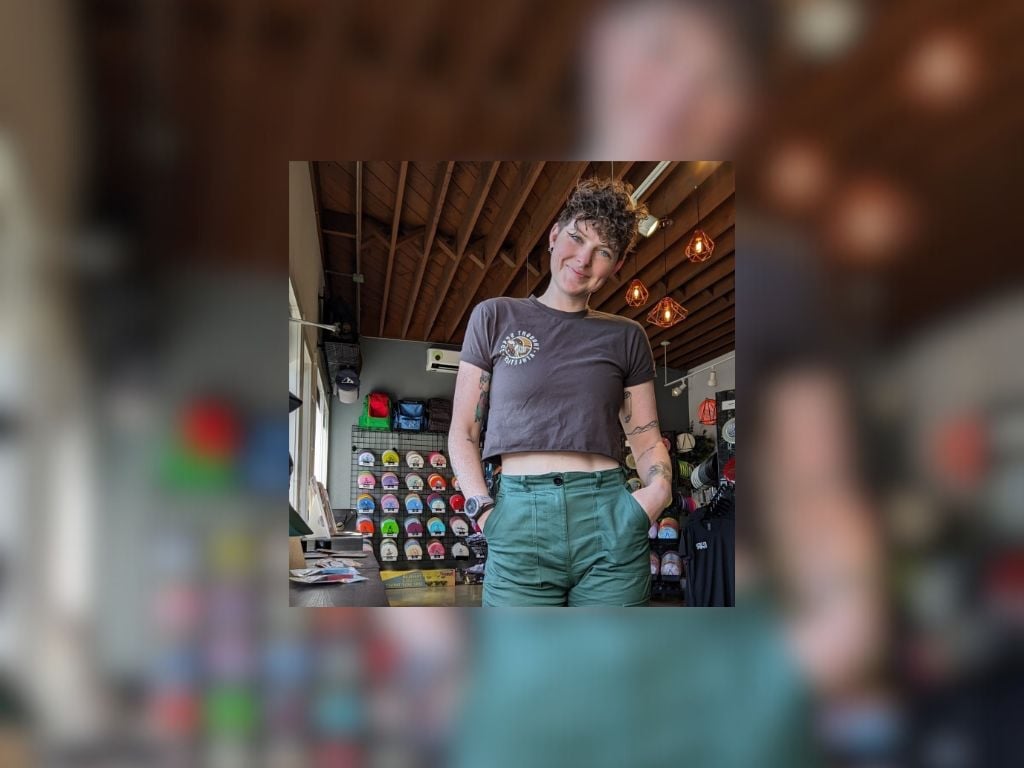
Lost Discs, Found Community: Daisey James on Growing Disc Golf in Bellingham
When Daisey James picked up a disc during COVID, she didn’t plan on becoming a leader in Bellingham’s disc golf scene. Fast forward a few years, and she’s co-owner of Far From Par Disc Golf Pro Shop, president of the Whatcom Disc Golf Club, and the driving force behind a lost disc rescue service that has returned over 2,200 discs to their owners.
Planning a trip to Bellingham? Start with our complete Bellingham Visitor Guide →
But this episode isn’t just about disc golf. It’s about how small community actions—like cleaning up neglected parks and creating new spaces for play—can spark real local impact.
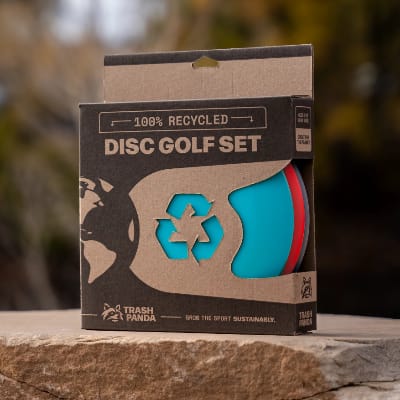
Subscribe to the Explore Washington State Newsletter by 11:59pm August 13, 2025 to have a chance to win a disc golf starter set from the good folks at Far From Par Disc Golf Pro Shop. The set is a box of 3 discs from Trash Panda.
In this episode, you’ll hear:
- How Daisey turned a COVID hobby into a full-blown community movement.
- The surprising role of lost discs in building connections.
- An inside look at Bellingham’s growing disc golf scene.
- The challenges (and wins) of running a disc golf shop in the Pacific Northwest.
- Scott’s beginner questions about disc golf (spoiler: left-handed throwers, he’s got you covered).
- Local Bellingham favorites for coffee, food, and where Daisey would take you for a casual round.
Whether you’re a seasoned disc golfer, a curious local, or someone who loves stories of grassroots community building, this conversation will leave you inspired to get outside and get involved.
Listen to the episode above — and don’t forget to sign up for the EWS Newsletter for future giveaways and stories like this.
Daisey James Far From Par Disc Golf Episode Transcript
Scott Cowan [00:00:05]:
Welcome to the Exploring Washington State Podcast. My name is Scott Cowan, and I’m the host of the show. Each episode, I have a conversation with an interesting guest who is living in or from Washington state. These are casual conversations with real and interesting people. I think you’re going to like the show, so let’s jump right in with today’s guest. All right, everyone. Welcome to this episode of the Exploring Washington State Podcast. My guest today is Daisy James.
Scott Cowan [00:00:33]:
Daisy’s in Bellingham. She’s a disc golfer. She’s a graphics designer. I stumbled across her because I’m doing this other side project, and I found the Whatcom County Disc Golf Group Club is the official word.
Scott Cowan [00:00:52]:
And. And she is the current president of it. So I reached out to her. She responded back. We. I know nothing about disc golf. Well, that’s not true. I know a little bit now, but when I first talked to her, I knew nothing about it, and she was kind enough to.
Scott Cowan [00:01:05]:
To talk to me. And now she’s going to be here today, and we’re going to talk Bellingham, and we’re going to talk disc golf. So, Daisy, welcome.
Daisey James [00:01:11]:
Hey, thanks for having me.
Scott Cowan [00:01:15]:
Let’s. Let’s set the table. What brought you to Bellingham originally?
Daisey James [00:01:22]:
School. I just kind of picked it on a map and came to Western after doing a couple years at a school in New Hampshire. I knew I wanted to come back to the west coast, and I kind of picked Western on a whim. Honestly, that’s.
Scott Cowan [00:01:36]:
Hey, that’s cool. So, look, obviously it worked. You stayed. You stayed. So you’re now local. And I was just up in Bellingham this last weekend. I hadn’t been to Bellingham since before COVID and I had a great time, which I’m sure we’ll get. Bits and pieces of that will come out in this conversation, because you’re probably going to mention places that I actually went to.
Scott Cowan [00:02:02]:
How did you get started in disc golf?
Daisey James [00:02:06]:
I picked it up as a Covid sport, and when the world shut down and there weren’t really other athletic opportunities, I took to running a lot more than I used to run. I’ve never been a big runner, but I ran a lot. I biked a lot, mountain biked, road biked, and came to find disc golf because it was a really good outdoor activity that you could still do and see your friends while socially distanced.
Scott Cowan [00:02:33]:
And how’d you get. So who introduced you to it? How, you know, did you stumble across the disc golf course and go, hey, what’s this?
Daisey James [00:02:39]:
Or I had some Friends that kind of carried over from ultimate Frisbee, and they made that jump make sense of. They had all played ultimate, so they were like, let’s try this other sport that involves different types of Frisbees.
Scott Cowan [00:02:52]:
Okay.
Scott Cowan [00:02:53]:
Where was the first course you ever played? Where’d they take you out to?
Daisey James [00:02:57]:
Cornwall Park.
Scott Cowan [00:02:59]:
Okay.
Scott Cowan [00:03:00]:
I walked around there a little bit this weekend. This really kind of a cool park, given it’s, like, in town. It didn’t feel like it was in town. I was walking on one of the trails, and all of a sudden I, like, realize I’m at somebody’s back fence, and it’s like, this doesn’t feel like I’m.
Scott Cowan [00:03:15]:
Should.
Scott Cowan [00:03:16]:
There shouldn’t be houses here is what it felt like to me.
Scott Cowan [00:03:18]:
Okay.
Daisey James [00:03:19]:
Yeah, it’s very unique. It’s a very unique urban forest. I actually just met with the city of Bellingham Parks yesterday about. About Cornwall park and getting some protection for trees and stuff like that to protect those forests. That forest, because it is very unique.
Scott Cowan [00:03:33]:
Yeah.
Scott Cowan [00:03:34]:
So you went out. Were you into instantly. Did you get. Did you get the bug instantly, or did you. Did you have to, like, ease your way into disc golf?
Daisey James [00:03:44]:
I wouldn’t say I got the bug instantly. I didn’t think I was very good at all and was mostly frustrated at the beginning playing with people that had played Frisbee for so long. And I do not have a background in Frisbee, and I’m a pretty competitive person, so I did not love not being very good at it, but after some time, I realized that I was okay at it and I could get better.
Scott Cowan [00:04:09]:
All right.
Scott Cowan [00:04:11]:
And so this was, you know, four years ago, five years ago, basically, because Covid seems like it was yesterday and yet so long ago. Whenever I think back to Covid now that you. So you compete in tournaments and all that, which I think we’re going to talk about. Well, I know we’re going to talk about it, but you indicated you’re competitive. Okay, but how long was it before you went in your first official tournament?
Daisey James [00:04:42]:
It was August 2021. I mean, there were obviously. No, nothing happened in 2020. And even kind of the beginning of 2021, I don’t think there was a ton of stuff happening. So it took August. August 2021 was my first event.
Scott Cowan [00:04:58]:
And how’d you do? Did you. How did you do in the tournament?
Daisey James [00:05:06]:
Sorry, what was that?
Scott Cowan [00:05:07]:
How did you do in the tournament?
Daisey James [00:05:12]:
I think I took second.
Scott Cowan [00:05:14]:
Okay. All right.
Daisey James [00:05:16]:
I think there were four or five of us in the division that I was Playing at that time.
Scott Cowan [00:05:20]:
Okay, all right.
Scott Cowan [00:05:23]:
You’re a co owner in this store called Far from Par, which is a disc golf pro shop in Bellingham. And I went there on Saturday, and when you and I talked on the phone, you said something to me. It’s not that I didn’t believe you. It was an unbelievable statement, let’s put it that way. You said, we have about 4,000 discs in the store. And I was just like going, there’s.
Scott Cowan [00:05:45]:
How do you.
Scott Cowan [00:05:47]:
No way. How do you do that? And then I walked into your store and I went, oh, wow, there’s a lot. There’s a lot of disks here. And the store is pretty busy. And I was there pretty early on Saturday, a little after 11 o’ clock or so. So, like right when you guys open and people came in and they were buying discs and a kid came in because he lost a disc. And you guys, we operate this disk, you know, service for lost discs, which I think I’d like to address that in a little bit. But I was really impressed with the store.
Scott Cowan [00:06:20]:
But I’m lost. And so I’d like you to help me understand basic differences in disc golf. Discs. You just don’t take one disc out there and throw it around a course. You’re using discs that are designed for specific functions.
Daisey James [00:06:41]:
Yeah, I mean, you definitely can just take one disc out there. There’s plenty of people that do. And especially starting out, that’s what makes disc golf such an accessible sport. You can start out as simple as one disc, or you can get a set or get more. They’re kind of like your set of golf clubs. So they have different purposes. They’re intended to fly further, faster, different directions. So unlike golf clubs that you angle the face to make it go a different direction, Disc golf discs have actual intended flight paths like one disc will want.
Daisey James [00:07:16]:
If you’re throwing right hand backhand, one disc will want to go left really hard, really fast. Some discs can be the exact opposite, where they’re going to want to have the opposite flight path.
Scott Cowan [00:07:29]:
Okay.
Daisey James [00:07:30]:
It all has to do with the rim diameter, depth, profile. There’s a whole bunch of factors of how the discs are designed, but they have different intended flight paths.
Scott Cowan [00:07:41]:
So I want you to play along with me. I’m walking into your store right now. You at the time we’re recording this, you’re not open, but you are for this. This little story I’m going to tell. And I want to get started in disc golf. How are you gonna. How are you gonna advise me on this? What Would you say, Scott, you need to. Do you need.
Scott Cowan [00:07:59]:
You want to go out and give this, this board a try? You know, what would you say? How does one dip their toe in the sport?
Daisey James [00:08:08]:
Well, my first question would be, have you ever played before at all? I have a lot of people that come in that have been taken out once, maybe twice by a friend and have a concept, but don’t really know where to go. So that’s that first. And if it’s like brand new, absolute first time, give them a basic rundown of. It’s just like ball golf in terms of scoring, getting to the hole to finish the hole, and then recommend a starter set. It’s the most cost effective. So kind of see what the budget is that they’re looking to spend. And if they don’t want to do a starter set, if they want just one disc or two discs, give them some options of really easy to throw mid ranges and maybe an easy to throw fairway driver. Usually I recommend things that have higher glide are going to be more neutral, so the disk isn’t going to want to have its own very drastic flight path.
Daisey James [00:09:03]:
It’s going to be more contingent on this angle, the release of the disc, and then a nice easy to throw fairway driver usually.
Scott Cowan [00:09:13]:
So let’s say I told you I wanted a, a starter kit. What would you, what would you say at that point? And by the way, I don’t know what I’m doing. I’ve never played disc golf starter kit. Those are my parameters.
Daisey James [00:09:24]:
Perfect. We usually have two to three starter kit options in stock, so they’re all between 30 and $35 for three discs. One set gets you four discs. But I don’t recommend that one specifically for beginners because they’re not as easy to throw discs. Really good bang for your buck, but not as easy to throw. So I always warn people away from that one if they’re actual first time throwers.
Scott Cowan [00:09:47]:
Okay, so.
Daisey James [00:09:48]:
So we always have a set from a manufacturer called Trash Panda. They’re definitely the most popular set that we sell because they are 100% recycled discs. They’re made in Colorado, which is pretty cool. That usually wins people over, especially in Bellingham, because it’s fun and eco friendly. So that’s definitely the most popular set and it’s the best price by far. So it gets you a easy to throw fairway driver, a nice neutral mid range, and a easy to throw putter. Okay, so get all that for 38 bucks after tax.
Scott Cowan [00:10:22]:
And that’s the kit that I walked out With. So in an effort to help spread the word, I’m going to give that kit away to somebody. So how should we do that? Got any ideas? I’m putting you on the spot. And folks, if you can see your eyes right now, they kind of like.
Scott Cowan [00:10:38]:
What?
Scott Cowan [00:10:39]:
Why are you doing this to me? I want to give this trash panda starter kit away. I’ll just do it. I’ll just make the command decision. There’ll be a link in the show notes for seven days after this episode goes live. And I have to cheat and look at when this episode’s going to go live. Hang on one moment, please. This episode is going to go live August 6th in 2025. So you have until August 13th to click the link.
Scott Cowan [00:11:07]:
Sign up for my newsletter and I’ll pick one Random winter. And on behalf of Far From Park Disc Golf, you guys get set to start.
Scott Cowan [00:11:17]:
There you go.
Scott Cowan [00:11:17]:
Easy. Now that. That leaves me with the other kit that’s harder to throw, which is going to frustrate me. And I’m going to go out and learn how to throw those discs and I’ll come back and report to you. But, yeah, lean on them.
Daisey James [00:11:31]:
Lean on the mid range. Throw the mid range more than the drivers in that set.
Scott Cowan [00:11:34]:
Okay, cool.
Scott Cowan [00:11:36]:
So you’ve got a driver, you’ve got a mid range, you’ve got a putter. Walk me as a beginner through, like, how long is it? And I know this is an impossible question to ask. I understand that, but like Cornwall, let’s go to that hole number one. How long is that hole? Approximately.
Daisey James [00:11:57]:
About 200ft.
Scott Cowan [00:11:58]:
About 200ft. So walk me through. What would I do? I have those three discs. So what? Which. How would you advise me? You’re going to be my. You’re going to be my caddy and my coach simultaneously. Don’t know what I’m doing. We have a lot of fun with this, Scott.
Scott Cowan [00:12:13]:
Throw it at the trees. But no. What. Which. Which disc would you recommend I take.
Daisey James [00:12:20]:
And I throw for your very first hole? I would tell them to throw all three of them so you can see what they do differently.
Scott Cowan [00:12:28]:
Okay.
Daisey James [00:12:28]:
But I would start with the fairway driver and then the mid range and then the putter so you can see the different flights.
Scott Cowan [00:12:34]:
So you’re saying stand on the tee box and throw all three?
Daisey James [00:12:37]:
Yep.
Scott Cowan [00:12:37]:
And just see what happens.
Scott Cowan [00:12:39]:
All right.
Daisey James [00:12:40]:
Separate times, of course. Not all three at the same time.
Scott Cowan [00:12:42]:
Oh, come on. No. All right, so what. What do you expect? I would. Assuming that I threw them acceptably, what would I. What would I Notice when, when I’m done, I, I’ve thrown three discs out and they’re down the, down the hole a little ways. What am I going to notice?
Daisey James [00:13:03]:
If you throw them reasonably well, hopefully you’ll notice that the fairway driver is going to go a little bit farther and it’s going to want to go a little bit more to the right from where you start from. The mid range is going to go a little bit less distance, should be a little bit straighter. And the putter in that set also is going to be pretty straight, but it’s not going to go as far as it should be. Kind of staggered by distance.
Scott Cowan [00:13:27]:
Staggered by distance. Okay, so now what would you throw for that same hole? You obviously know what you’re doing. What are you going to reach into your bag? What are you going to throw on that hole?
Daisey James [00:13:38]:
I usually throw a four speed, which is kind of right on the cusp of being a mid range. It’s a approach mid range kind of in that range. I usually throw that a slightly under stable. I throw a disc called a peach on that hole.
Scott Cowan [00:13:53]:
Okay.
Scott Cowan [00:13:54]:
You said something that makes no sense to me. You said four speed. I’m thinking of transmission in my car.
Daisey James [00:13:59]:
Yeah.
Scott Cowan [00:14:01]:
What. And what I was overhearing when I was in the shop was they were talking about speed and the ratings on these things. So can you, can you break that down for me what that means and what I should look for?
Daisey James [00:14:15]:
Yeah. So basically back in like 2006 or 2007, somewhere around there, one of the major manufacturers had kind of developed a flight numbering system that gives you a concept of what a disc’s intended flight is supposed to be. And that involves four numbers that in order of how you see them listed on a disk is speed, glide, turn and fade. Speed ranges from one to. At this point there are a couple 14 and a half speed discs, but that ranges from one to 14. Glide ranges from a one to a seven. Turn ranges from a minus five to a positive one and fade ranges from a zero to a five. And so going through those in order speed basically speaks to the aerodynamics of the disc, how far it will travel and can travel.
Daisey James [00:15:09]:
But with a more nuanced piece of that, the getting the full flight out of a disc, you have to have an arm speed that correlates to the speed of that disc. So it’s actually harder to throw a 14 speed and get full flight out of it than it is like a seven speed disc. Because it’s easy. The slower the disc correlates to the arm speed. So professionals, for instance, roughly throw with like a 70 mile an hour arm speed and they are getting full flight out of a 13, 14 speed disc. Whereas someone like me does not throw with that arm speed. My arm speed is around 50, 52. I do not get full flight.
Daisey James [00:15:50]:
I do not throw discs that fast because they do not suit my skill set. So that’s speed. The glide is 1 to 7. And that just speaks to how much a disc wants to stay in the air. Some discs, usually putters are going to be much lower glide, which makes them not want to fly as far as seven. They want to stay in the air, they want to float longer. But it also makes them a little bit more susceptible to being impacted by the wind. So that’s always a little bit of a factor with glide.
Daisey James [00:16:18]:
But starting out, the higher the glide, the easier to throw. Is what I will always tell people. Okay, turn and fade are where we get into the more complicated pieces. Turn speaks to the high speed turn. So when the disc is spinning the fastest, that is how much the disc wants to go left or right. So minus five is if we are throwing as right handed people throwing backhand the way you would normally throw a frisbee. Negative 5 is how much the disc wants to go to the right before it starts to fade. As it slows down, which is that fourth number of how hard it wants to come back to the left.
Daisey James [00:16:57]:
So minus five it wants to go as far to the right as it possibly can. When you release it flat, it’s going to want to go to the right and then come back. A positive one is that disk immediately wants to start going left. So that’s kind of the speaks to the stability of a disk. And then that fade comes into that because as the disk slows down, that fade number is how hard and how aggressively I suppose it wants to finish to the left. So zero is it’s just going to slow down, kind of level out naturally, come down gently. And a five is that thing wants to start diving left and like really.
Scott Cowan [00:17:34]:
Coming down now does do those numbers are those numbers impacted by the speed with which the disc is thrown A little bit?
Daisey James [00:17:45]:
Yes, a bit. It the level of stability changes based on the speed of the disc. So like, like I said, like a seven speed is going to be easier to throw than a 14 speed. And so the stability of that disc is going to be impacted a bit based on like if you have an arm speed that should be throwing a seven speed, but you throw a 14 speed, you’re going to see a much more over exaggerated flight of something that might have the same turn and fade. So you could throw a disc that is like a 75 03. And then if you throw a disc that’s a 145 03, you’re going to see a much more aggressive right to left fade from the 14 speed than you will the seven speed.
Scott Cowan [00:18:32]:
What happens? So you said you throw about 50 miles an hour, so you, you throw about a seven.
Daisey James [00:18:39]:
I throw up to an 11.
Scott Cowan [00:18:41]:
Okay, but, but let, let’s just say kind of for the sake of this, your, your, your sweet spot is a seven. Just. And I don’t throw that fast. I don’t, I don’t have the arm speed that you do because I’m old and out of shape and all that stuff. If you, I guess what I’m trying to say is can you under throw a disc as well? Like let’s just say making up these numbers, you throw a seven, maybe you say, Scott, you should throw a five.
Scott Cowan [00:19:06]:
Okay.
Scott Cowan [00:19:06]:
I’m just, you know, okay, but if I don’t give it enough arm, does that impact the other numbers as well? Does that. Am I making any sense?
Daisey James [00:19:15]:
Like a little bit. There’s. Yeah. I mean it all connects. But again that’s the slower disc, easier to throw with less, less arm speed, basically.
Scott Cowan [00:19:27]:
All right.
Daisey James [00:19:28]:
And then there’s a whole other side of you can get into weight class because the weight of the disc also varies. So you can get a much lighter weight disc and that’s going to be easier to throw, but that gets much more complicated.
Scott Cowan [00:19:40]:
Now if I take this to regular, original, you know, ball golf, if you.
Scott Cowan [00:19:48]:
Will.
Scott Cowan [00:19:50]:
There’S limitations to what clubs can have. I mean you can’t have a, you know, a driver with a head that’s the size of a coffee can. You’ve got a. There’s parameters in the sport when you compete. Are there parameters with these discs? Can size and weight. Are there, are there things like that, that impact or is it kind of a free for all?
Daisey James [00:20:10]:
There are a lot of restrictions. All discs that you’re using for competition have to be actually approved by the PDGA. So the molds that are used are approved and vetted. And you can go to the PDGA website and see a list of all of the discs that have ever been approved. The Discraft Ultra Star, the classic Frisbee is an approved disc. It’s one of the originals back before they like refined disc golf technology. But there is, there’s restrictions around those. They can’t be made modified to past a certain extent.
Daisey James [00:20:45]:
Like, obviously, discs become modified when you hit trees. You throw them into things, they start to, they start to, you know, get different shapes depending on the plastic. They’ll get kind of little nicks, notches out of them. That is all normal wear and tear. But you can’t have a disc that you have like painted or sanded or put stickers on. Anything that modifies the disc beyond a certain point is not an approved disc anymore. And then there’s also an approved weight. I’m not positive if there’s a minimum weight.
Daisey James [00:21:20]:
I think it’s around 140 for. At least for the approved discs that exist. I think the lowest weight class is around 140 grams and they can be up to technically 200 grams. But you don’t see disc that heavy. The, the most discs, like mid ranges are usually the heaviest and they will max out around 180 grams.
Scott Cowan [00:21:41]:
All right, so when you started, friend of yours took you out to the course, handed you a disc or two, you know, whatever, and you started. You, you, you didn’t, you, you said earlier you didn’t get bitten by the bug right away because you, you know, you’re competitive and you didn’t think that you were good yet. But when you got bit by the bug, like a lot of sports, you know, people, we go out and we just buy gear. I mean, I’m sure we all have friends that have. You look at, you know, whether, whatever the sport might be, they’ve got just so many things and you’re like, do you really need those things? But do you remember what was the first disc that you bought?
Daisey James [00:22:28]:
Oh, man. I mean, I was definitely handed and given discs to start. And so I think the first disc that I went and bought myself, there was a game store in Bellingham that had a small selection of discs. And I went in and just started picking random things off the shelf. And I think I picked up three discs that day, and one of them was a spear from Gateway discs that, knowing now what I know was not a terrible disc to start with. It wasn’t great. I couldn’t throw it at all. But it wasn’t objectively a terrible disc to start with.
Daisey James [00:23:14]:
And then I think I got a Thunderbird from Innova, which became a staple in my bag. It was actually one of my favorite discs for a long time. And I think I picked up maybe a putter.
Scott Cowan [00:23:27]:
Okay.
Daisey James [00:23:29]:
But I don’t remember what putter.
Scott Cowan [00:23:31]:
All right, now I want you to think back. When was the last time you were On a disc golf course.
Daisey James [00:23:39]:
Sunday.
Scott Cowan [00:23:40]:
Sunday. How many?
Daisey James [00:23:41]:
Well, technically, I was at Cornwall on Monday, but I wasn’t actually playing. I was just meeting with the city.
Scott Cowan [00:23:46]:
Okay, so Sunday. How many discs did you have with you on Sunday?
Daisey James [00:23:52]:
Man, I should have prepared for this one.
Scott Cowan [00:23:54]:
Oh, no. It’s kind of half the fun of this is putting you on the spot in good natured ways.
Daisey James [00:24:00]:
I think I had 17. I had two extras because I was trying out some different discs that I hadn’t thrown yet.
Scott Cowan [00:24:07]:
Okay.
Daisey James [00:24:07]:
Because the course I was playing was pretty big and open, so I was trying some different discs. I think I had 17 in my bag.
Scott Cowan [00:24:14]:
You had 17? And how many did you use that day?
Daisey James [00:24:17]:
14.
Scott Cowan [00:24:18]:
Okay.
Scott Cowan [00:24:18]:
So you use a lot.
Scott Cowan [00:24:20]:
Okay.
Scott Cowan [00:24:22]:
And if you go out just for a round of fun, do you take 17 with you all the time? It’s probably easy because it’s not like they’re heavy. I mean.
Daisey James [00:24:29]:
Yeah, it depends on the course. I have like a small, A much more compact travel bag that fits nine discs.
Scott Cowan [00:24:39]:
Okay.
Daisey James [00:24:40]:
So I’ll like. If I’m just going to play Cornwall park, I’ll just grab that bag and instead of my. My full bag. So it depends. Sometimes just for fun, I’ll just do like at Cornwall, for instance, I’ll just bring three discs specifically to make that more of a challenge of throw the different disc, make it a little bit harder.
Scott Cowan [00:24:58]:
Okay. All right.
Scott Cowan [00:24:59]:
So you can kind of handicap yourself with your. With your choices if you will Make a little bit.
Daisey James [00:25:03]:
Yeah.
Scott Cowan [00:25:04]:
Take a course that you’re very familiar with and you know, you know very well and go well, I’ll make it. Make it a little more challenging today by throwing this instead of my go tos.
Scott Cowan [00:25:14]:
Okay.
Daisey James [00:25:15]:
Yeah.
Scott Cowan [00:25:15]:
All right.
Scott Cowan [00:25:17]:
From what I can gather, it seems like the disc golf community is pretty vibrant in pockets. For example, Bellingham, Whatcom county. Seems like there’s a large number of courses between, let’s say from. From Bellingham to Blaine and into Canada.
Daisey James [00:25:38]:
Yeah.
Scott Cowan [00:25:40]:
What I’m noticing is there seems to be a lot of courses down south in. Near Vancouver, down the other end of the state and Olympia. The Olympia area has some. But then there seems to be, like, in Wenatchee, we’ve got two courses, and I drove by one of them today. And honestly, I mean, it looks like the baskets are like 10ft apart from each other. I mean, there’s just. It’s just in the middle of a little city park and there’s. There doesn’t appear to be any challenge to it at all.
Scott Cowan [00:26:11]:
You know, I mean, it’s Just.
Scott Cowan [00:26:12]:
Okay.
Scott Cowan [00:26:12]:
But there’s not a lot I’m not aware of as many golf courses, disc golf courses here in Central Washington. Now there’s more in Spokane and there appears to be some down in Tri Cities. But it, it’s not like ball golf where it seems like every small town in Washington state has their own, you know, know, golf course.
Daisey James [00:26:34]:
Yeah, it definitely doesn’t. There’s definitely not as many courses in the smaller communities in the. Once you get east of the Cascades, it seems like there’s a lot of small courses pretty much up and down the i5 corridor.
Scott Cowan [00:26:48]:
Yeah.
Daisey James [00:26:49]:
And then there’s some in the mountains. Like there’s one at Stevens Pass. It’s only open in the summer, obviously. There’s one in Cle Elum. Yeah, there’s one there. There’s one at Snoqualmie Pass. There’s a couple like kind of seasonal courses out that direction.
Scott Cowan [00:27:08]:
Okay.
Daisey James [00:27:08]:
But yeah, looking at, looking at the map of courses, there’s definitely there. There looks to be a good number of like small nine hole community courses in some of the smaller areas. Like, it looks like there’s a nine hole course out in Grand Coulee. So they have something out there.
Scott Cowan [00:27:23]:
Oh, interesting.
Daisey James [00:27:24]:
But definitely not as many like full scale 18 hole courses. Looks like there’s two in Moses Lake and Yeah. A bunch in Spokane and Tri Cities. But.
Scott Cowan [00:27:35]:
Right.
Scott Cowan [00:27:36]:
No, it’s interesting. So. But it seems like, it seems like the people that participate in the sport seem pretty. Pretty friendly, pretty welcoming. Open. When you and I talked on the phone, you mentioned. And I’m going to paraphrase for you, but you. But, but I think there was.
Scott Cowan [00:27:59]:
Anytime a sport has rapid growth, there’s always this like, well, we were here first and you’re new and you know, kind of, you know.
Scott Cowan [00:28:08]:
Yeah.
Scott Cowan [00:28:09]:
And disc golf grew rapidly during COVID Right. Because there was lots of people like you who. Yeah. Do you think that the old established players are welcoming the influx of new people to the sport? Is it making it more vibrant or do you think they’re like being gatekeepers?
Daisey James [00:28:30]:
I think disc golf is a very welcoming community overall. I think there’s a little bit of people that sometimes get frustrated when a course that used to get almost no activity so it kind of felt like their private course gets too busy, then that could be a bit of a bummer if you want to just go play a quick round. But there’s a lot of people there. When you’re used to there not being a lot of people, but for the most part Disc golf is very, it’s a welcoming community. I mean so many people when you’re new will just hand you a disc and give you something.
Scott Cowan [00:29:04]:
Well and, and that’s really cool. I think that’s really cool. And not to diminish the fact that they’re being generous, the discs aren’t that expensive. Where if you’re on a.
Scott Cowan [00:29:16]:
You know.
Scott Cowan [00:29:16]:
You were a regular golf course, no one’s gonna hit. Very few people are probably gonna go here, have my driver. Because they, you know, they’ve spent.
Daisey James [00:29:25]:
Yeah, well, I mean also obviously golf clubs are actually fitted to a certain extent depending on your skill level and then flex and all of that. There’s a lot more. It’s harder to hand someone that because might be different.
Scott Cowan [00:29:38]:
Right.
Daisey James [00:29:39]:
And obviously discs are of course ambidextrous. You can, there are no left handed discs. You don’t have to get a set of different things being left handed or right handed, that’s easy.
Scott Cowan [00:29:51]:
So I am left handed. So everything you’re saying. So if it breaks to the right for you, it’s going to break to the left for me. So I just have to invert exactly these numbers.
Scott Cowan [00:29:59]:
Okay.
Scott Cowan [00:29:59]:
But it’s not like, like when I was younger and I wanted to golf back. Back in the day it was really hard to find left handed golf clubs. I mean it was just you couldn’t go to the local sports store and buy left handed golf clubs. They just a little special order them for you but they just didn’t have. Or if I went to a, a golf course and I wanted to go to the driving range, I didn’t bring any clubs. Oh we, yeah, here’s a left handed club and it was like from like 1950s, it was just, you know, and I can’t do anything right handed. So it was like there was no way.
Daisey James [00:30:30]:
Yeah, yeah, you just obviously the more common way is to use that right hand backhand as an example. So when you can look up like flight charts online, it’ll usually default to right hand backhand but then you can flip that. So basically you would just mirror it for left hand backhand, right. And then you can throw, sidearm, forehand, whatever you want to call it more like a classic throw. And that if for a right handed person mirrors the flight of a left handed backhand throw.
Scott Cowan [00:31:04]:
As, as you have become more immersed in the, in the sport, you know you’re co owner of a shop. I mean you’ve got a retail space, you’re all in. I mean you’ve, you’ve pushed all the discs into the center of the table, if you will. You know, you’re like, I’m into this thing, but you’re also the president of the Whatcom Disc Golf Club. Tell me a little bit about that. What’s that organization? What’s its purpose? What’s it striving to accomplish?
Daisey James [00:31:35]:
Yeah, the Whatcom disc Golf Club is a group that has grown pretty massively since COVID also of passionate disc golfers that want to grow the sport in Whatcom county to develop more courses and maintain the courses that we already have. We have a pretty unique property out in Sudden Valley that we have access to that we as the club maintain, we ensure so that people can access it through a club membership. And then we have the course that we put in on private property, but is open free to the public access. At Bellis Fairways, right behind the Bellis Fair Mall, there’s a course that is city put, city built, that’s on Lake Patton golf course. That is a pay to play that has restricted hours during the summer. But that is a. That’s kind of outside of the club realm. But then we have Cornwall park, we have Blaine disc golf course up right next to the border, and then we have Ferndale that is also a nine hole course with alternate tee pads.
Daisey James [00:32:44]:
So we maintain most of those as much as we can. Some of that is kind of hand in hand with the cities of those respective courses. And we’re always working to develop more courses and just support more disc golf in the community.
Scott Cowan [00:32:59]:
Let’s, let’s talk about the Bellis Fair course because I actually went there and I walked up to it and hole number one and I promptly tripped on a route and fell. Fell on my face. It was pretty comical actually. I’m like, okay, I’m not sure the sport is going to be for me if I’m going to fall down while walking. But what I noticed, and this is, this is coming from my background and I’m in real estate. That parcel of land appears to be for sale.
Daisey James [00:33:26]:
Yeah, okay. That land is a. It was a series of camps for a while, kind of got cleared out and it was just sitting. It has always been slotted for development. But Covid hit that property didn’t get developed and it was just kind of deteriorating. And so the past club president kind of had this idea to find the property owners and try to reach out and contact them and see if we could put in a course there. And they were game because the disc golf club and the community went and cleaned that property ourselves.
Scott Cowan [00:34:04]:
Oh, wow.
Daisey James [00:34:04]:
To develop that course. So we cleaned thousands of pounds of garbage. A lot of other not great stuff to clean up. And we put that course in. And now that is a area that people in the neighborhood. Not that that area feels much like a neighborhood, but there’s a lot of housing there. People can actually kind of walk through that area as a cutoff to get to the mall and back. It’s definitely safer and cleaner than it was before.
Daisey James [00:34:33]:
And we have that land for as long as we do until they start to develop it, basically.
Scott Cowan [00:34:40]:
I didn’t think I’d ask this technical of a question. This is the legalities of it, though. If I were the owner of the property, I would be apprehensive as somebody were to trip and fall and sue me for being on, you know, know, for not maintaining the property. Is there. Have you arranged insurance for people that go out there?
Daisey James [00:35:00]:
We do. Y. That is another property that the club maintains insurance for. So we have a LA agreement with the owners and then we maintain insurance as the club.
Scott Cowan [00:35:10]:
That is so cool. I mean, coming from the real estate space, this is a parcel of land that probably isn’t going to sell anytime soon. Just because development’s kind of sluggish right now and it’s, you know, and it’s sitting there. And when you have camps gets very expensive, very complicated. There’s all sorts of baggage that comes along with that.
Scott Cowan [00:35:36]:
Right.
Scott Cowan [00:35:37]:
And your club is giving that ownership group a lot of. I think it’s a lot of value. I mean, to both here. The public has a place to go play disc golf. Probably can walk through the course. You know, it’s like it was. I was impressed with how clean it was.
Daisey James [00:35:53]:
Yeah. And it’s great because obviously Cornwall park is only a nine hole course and it gets very busy and it’s a mixed use park. And so having an actual public access 18 hole course in Bellingham has been huge. The plate counts are. It’s crazy how many people go play that course.
Scott Cowan [00:36:14]:
And that’s awesome. So how does. So about how many members does the Wacom Disc Club have.
Daisey James [00:36:25]:
Right now for annual members that renew their annual dues? We are sitting at 364.
Scott Cowan [00:36:35]:
Wow. Okay.
Daisey James [00:36:37]:
And we do a kind of member numbering system. So when you become a member, you get a member number that sticks with you forever. And so in the time of people that have come through the club, and a lot of that is people. The course that I mentioned out in Sudden Valley, that’s on private property is a main reason that a lot of people become club members. Because it’s behind a locked gate. You have to be a member to be on that property because of the insurance and the land use contract there. So we have a lot of members that came through before. Before the club launched a separate membership that we call a Nomad membership that is specifically for people that are visiting the course and they’re only going to play it once or twice.
Daisey James [00:37:18]:
So the numbers are a little bit high based on that because we have a lot of. There’s a. There’s a good section of people that have never renewed because they came to Bellingham for one weekend and became a member. But we have total member numbers that have ever been assigned. We have 1382 members that have come kind of through the club. But then on top of that, since we launched that Nomad membership, we have. We launched that in. Actually, I have it right here.
Daisey James [00:37:49]:
July 2023, we launched this kind of traveling short term membership option. And since we launched that, we have registered 325 Nomad members. So that’s people that just come through for the weekend or visit a couple times a year and want to access that course. So we have that, too.
Scott Cowan [00:38:12]:
So I’m on the membership page right now, and complete membership is 40 bucks to join, and then it’s a $30 renewal.
Daisey James [00:38:23]:
Yep.
Scott Cowan [00:38:25]:
I was talking to somebody the other day. They were thinking about joining a private golf club. The starter fee for the private golf club was 100 grand.
Daisey James [00:38:38]:
Crazy.
Scott Cowan [00:38:39]:
I’m like, you know, this is. This is insanely inexpensive.
Daisey James [00:38:47]:
Yeah.
Scott Cowan [00:38:48]:
And.
Daisey James [00:38:48]:
And that said, you have access to so many courses. I mean, the main thing for membership is it obviously supports the club and what we do as the club. And here, the biggest thing is that it gets you access to Mossy Rock, which is that course in Sudden Valley that is very unique. It’s on an old campground, so there’s a lot of elevation. It’s a. It’s a very unique old wooded course that people love. And it’s worth becoming a member and supporting the club for that reason alone for most people. But on top of that.
Daisey James [00:39:21]:
Yeah, it gets you. I mean, it gets you a $5 discount on a PDGA membership, which is the. The National International Professional Disc Golf Association. Usually that’s enough to.
Scott Cowan [00:39:35]:
Yeah.
Scott Cowan [00:39:36]:
Seal the deal.
Daisey James [00:39:37]:
Yeah.
Scott Cowan [00:39:38]:
Okay.
Scott Cowan [00:39:38]:
Putting you on the spot. This is that. This is that question where if you ask a parent which one of your kids is your favorite, you know, it’s an impossible question. Well, it might be in the moment. You know, little Timmy just threw up all over you. He’s no longer my favorite because she’s. I didn’t have to clean up. But anyway, of your golf courses, which is your favorite?
Daisey James [00:39:58]:
My favorite is Lake Patton.
Scott Cowan [00:40:00]:
Why?
Daisey James [00:40:02]:
Well, around here, actually.
Scott Cowan [00:40:03]:
No, no. Of your courses, what comes. Disc golf clubs of these courses, the specific set. And I know my camera’s frozen so you can’t see me on my. Moving my hands around. Sorry. So why. Why Lake Patton? What is it about that course that you like?
Daisey James [00:40:18]:
I like that it’s a really good blend of utilizing some woods, but. But having open fairways that incorporate out of bounds and hazards, so it incorporates more of those traditional golf elements. So you have to be a little bit more strategic.
Scott Cowan [00:40:35]:
All right.
Daisey James [00:40:36]:
And you get some big open holes where you just get to throw as hard as you can and not have to worry about hitting trees.
Scott Cowan [00:40:43]:
Okay.
Scott Cowan [00:40:44]:
Now I’m going to open it up. The requirement is Washington State courses only because this is the Exploring Washington State podcast. What’s your favorite course in Washington State?
Daisey James [00:40:55]:
Roche harbor on San Juan Island.
Scott Cowan [00:40:58]:
Okay.
Scott Cowan [00:40:59]:
Besides being on the San Juan’s, which is absolutely fabulous. What about that course? Why do you like that course?
Daisey James [00:41:06]:
It. I mean, I love going out to the islands, so that’s always. It always makes it even better. But it is one of the. The best maintained courses I have played to date. And it has so much shot variety. They have built it out so that there’s actually three separate baskets for each hole.
Scott Cowan [00:41:26]:
Oh.
Daisey James [00:41:27]:
So you can play A red being the most beginner, inter. B beginner intermediate friendly. A blue layout that’s going to be a little bit more intermediate, advanced and then a gold layout which is like advanced professional level. Okay. And so there’s a. There’s just so much variety in it that you can go and play different layouts without it being a fully different course. So you can basically go through, go play three courses effectively all in the same day. And it’s just.
Daisey James [00:41:57]:
It’s beautifully maintained. It’s peaceful. It. Because it’s out on the island, it’s never terribly busy, so it’s. It’s great. All right. Destination for me.
Scott Cowan [00:42:09]:
Is there a course in Washington that you haven’t played that you’re. It’s on the list. Like you go, I want to go here.
Daisey James [00:42:16]:
There are quite a few. I don’t make it all the way down south a ton. I played a good chunk of courses, but I still have not been to Evergreen State College. That’s one that a lot of my friends recommend to me. And I’m actually going to finally be going to the course in North Bend, South Fork Landing. That one people recommend to me all the time, and I just haven’t made it out there. Okay. And then the other one that is on the list that I’m probably gonna hit when I make a trip down not to in a couple weeks is Gaffney’s Grove.
Daisey James [00:42:50]:
I hear a lot about that one. It’s kind of.
Scott Cowan [00:42:52]:
Where’s that?
Daisey James [00:42:53]:
From what I’m told, it’s out in Maple Valley.
Scott Cowan [00:42:56]:
Okay. All right.
Daisey James [00:42:59]:
But then there’s some other courses around the state, too, that I still haven’t played and want to. Like Stevens Pass the summer only course. I want to go there but haven’t had a chance.
Scott Cowan [00:43:08]:
I think they should have that open year round.
Daisey James [00:43:10]:
Then I’ll want to go play it.
Scott Cowan [00:43:13]:
But I think they should have that one open year round. The snow would make it a little more challenging.
Daisey James [00:43:17]:
Yeah, my bury the baskets, though.
Scott Cowan [00:43:20]:
Well, maybe, but, you know, I mean, you could. You make sure you have brightly colored discs so you can find them in the snow. I mean, I just, you know, kind of. Let’s make it a little more challenging for people.
Daisey James [00:43:29]:
Yeah. I mean, you can. You can play in the snow. I’ve played. I’ve played in the snow.
Scott Cowan [00:43:34]:
You do? All right. So Western Washington. Lived there almost all of my life. I think it is gray and rainy and dreary 11 and a half months of the year. I know I’m wrong. It’s. It was really beautiful in Bellingham this last weekend.
Daisey James [00:43:50]:
Yeah, it’s lovely in the summer.
Scott Cowan [00:43:52]:
How. How many months of the year do you golf in Whatcom County?
Daisey James [00:43:59]:
12.
Scott Cowan [00:44:00]:
You do? You golf all 12?
Scott Cowan [00:44:02]:
Okay. Do you.
Scott Cowan [00:44:03]:
Do you find that what’s in your bag changes with the seasons?
Daisey James [00:44:08]:
Not in terms of discs, but I certainly have to pack a lot more towels in the winter.
Scott Cowan [00:44:13]:
Okay. All right.
Scott Cowan [00:44:16]:
This is an embarrassing question for you. I love asking these type of embarrassing questions. This is kind of fun. It’ll be fun. How many discs do you think you’ve lost.
Daisey James [00:44:27]:
Pro? Less than 15.
Scott Cowan [00:44:29]:
Really? Okay.
Scott Cowan [00:44:31]:
You’re not trying hard enough.
Daisey James [00:44:32]:
Those are. There’s, you know, one sacrificial one recently that I intentionally threw into Blackberries because I was just not really having it with that disc anymore. It was not doing what I wanted it to do. So I was just like, well, throw a really bad shot, and I can’t get it back. So it was a good way to say goodbye. The rest of all been lost to water.
Scott Cowan [00:44:51]:
Okay.
Daisey James [00:44:51]:
Ones you can’t recover now.
Scott Cowan [00:44:56]:
Far from par, has a lost disc service and On Saturday when I was there, this teenage kid comes in, he goes, hey, I lost my, you know, I can’t remember what he said. And it was there, you know. And so how did you guys get the idea to help people do this? Because I think it’s awesome. So if I’m out doing disc golfing and I find somebody’s disc and if it’s marked with their name on it and a phone number.
Scott Cowan [00:45:22]:
Right.
Scott Cowan [00:45:23]:
I can take it to your store and you guys will reach out to that person and hold the disc for a period of time and they can come into the store and pick up their disc, right? Yeah, it’s brilliant. It’s a great service.
Daisey James [00:45:36]:
Yeah, it’s. We. So the club, initially, a couple years ago, we partnered with a brewery that’s actually right around the corner from us, not too far. Menace Brewing. They kind of gave us a public space to have a lost and found shelf. It wasn’t really monitored in any way and so it gave us a space. But then a lot of people kind of would get a text that a disk had been left there and then they’d go to get it two days later and that disk would be gone because people would see them and just kind of think that they were like, kind of like a little free library of disks.
Scott Cowan [00:46:08]:
Right.
Daisey James [00:46:10]:
So that was a great option while we used that. And then when we opened here, it made sense for us to kind of shift that over so that it was a safe space so that people’s disks were not just walking off. And originally it was much smaller and I would just have it out in the open where people could actually just go and look for their own disk. And then it got to be a little take up, taking up a bit too much space. And. And I wanted to be sure people were actually getting their disks back and not just grabbing some, some. Something that they wanted. And so now I have a full.
Daisey James [00:46:46]:
Every disk that comes in through the lost and found gets fully inventoried. A picture gets taken, and then we send texts and we have an actual spreadsheet that you can find on our website that has a public facing side of the lost disk inventory. So if you lose a disk that you don’t actually put your name or number on, but you can identify it by the picture or mold, type, color, etc. All of that information has a public facing site. So you can actually go and browse if your disk has been returned yet.
Scott Cowan [00:47:13]:
And how long do you hold the disks for?
Daisey James [00:47:17]:
If it has a name or number, we hold them for two months. If it does not have any information, I hold them for one month.
Scott Cowan [00:47:25]:
What do you do with them after that?
Daisey James [00:47:28]:
It depends on the quality of the disc and the type of disc. If it is a really chewed up disc that nobody came to collect because they don’t want to throw it again, then we send it to Trash Panda in Colorado for their disc recycling program so it can be recycled and turned into future discs. Some discs we pull aside for donations to school programs or just people that can’t afford discs or that sort of thing. So I have a whole bin. Usually I try to set aside the ones that are going to be easier to throw good discs for, like youth programs, PE programs, that kind of thing, to go in the donation bin. And then other discs will put on a discount shelf to be sold.
Scott Cowan [00:48:13]:
Awesome. Okay.
Scott Cowan [00:48:14]:
That’s really cool. I just think that’s a really cool program.
Daisey James [00:48:19]:
Yeah, yeah, it’s great because I like stats and information. I actually keep, obviously a record. And since opening In February of 2024, we have returned about 2200 disks.
Scott Cowan [00:48:37]:
Wow.
Daisey James [00:48:37]:
To their owners. And that includes shipping some, like some people visit, lose them here and ship them. So I think we’ve. I’ve shipped about 20 disks back to people in different states. We’ve donated about 170 and we’ve sent 200 discs to recycling.
Scott Cowan [00:48:56]:
Wow.
Scott Cowan [00:48:56]:
That’s really.
Scott Cowan [00:48:57]:
Wow. Okay.
Scott Cowan [00:48:59]:
What does my listener need to know about Far from Par?
Daisey James [00:49:06]:
If you want to get into disc golf and you’re in the Bellingham area, come see us. We’ll get you set up. We’ll give you the information that you need to get started and then get you out on the course and just go have fun.
Scott Cowan [00:49:19]:
So I saw a basket with Far From Par on it at Rome.
Daisey James [00:49:24]:
Yes.
Scott Cowan [00:49:26]:
I chuckled. I stopped in there for coffee and I chuckled when I saw it. I was like, oh, that’s pretty cool. Whose idea was it to put a basket there?
Daisey James [00:49:37]:
That was actually the owner of Wander Brewing, Chad. This will be our fourth year. It’s coming up actually in August we do a tournament called Wander the Woods and we have partnered with Wander Brewing as the title sponsor of that. They have always given, put in some added cash for payouts and prizes for the tournament. And then every year we do an after party kind of get together at Wander Brewing. Okay. Last year we actually did a two day thing and we did a trivia night, a disc golf trivia night at Wander Brewing between the two rounds. So Saturday night before Sunday’s round.
Daisey James [00:50:13]:
And so that was Chad’s idea. He had that strip of grass there next to the parking lot that he wanted to utilize that space for some sort of recreation activity option. And so he approached us about getting a basket to put there. And we thought it was a great idea and we helped him out with that. And by doing that, we agreed that we would put our little band on it because we’re right down the street from them and it’s great.
Scott Cowan [00:50:41]:
So really cool. Do you have any baskets anywhere else around town?
Daisey James [00:50:45]:
Not. Not our baskets, but.
Scott Cowan [00:50:47]:
Okay.
Daisey James [00:50:49]:
When’s your next tournament to player host?
Scott Cowan [00:50:54]:
Let’s go both. Well, let’s go host first. What, what, what’s coming up?
Daisey James [00:50:58]:
So like I mentioned, we have wander the woods. That’s our kind of. That’s our big flagship far from park tournament. Each year that is on August 16th, we play two rounds at Blaine Disc Golf Course. That is a PDJ sanctioned B tier event. So there’s some added cash, some extra, extra goodies there. Then I have a couple more tournaments that I’m playing currently on the schedule. Next Sunday, I’m playing an event at kayak point called Throwchella.
Daisey James [00:51:28]:
That is a unique specific layout that blends three of their four courses into one. One course of, I think it’s 27 hole layout.
Scott Cowan [00:51:38]:
Okay.
Daisey James [00:51:40]:
So I have that. And then the following weekend I’m going to a tournament down in north Bend. So I’m going to be playing that course for the first time for a two day tournament.
Scott Cowan [00:51:47]:
All right.
Scott Cowan [00:51:50]:
When you’re not golfing, what do you do? What’s. Well, let me, let me, let me back up a second. When you’re not disc golfing, when you’re not running a shop, when you’re not doing your day job, when you’re not walking your dog, what do you do? What, what do you like to do for fun? What. What do you find enjoyable in Bellingham?
Daisey James [00:52:12]:
I really. I really love going to trivia nights. I’m a big trivia person. I love jeopardy. So I go to trivia nights at least two nights a week, depending on scheduling. Sometimes more. Sometimes I’ll get three or four in there. I like to cycle, mountain bike, road bike, gravel bike.
Daisey James [00:52:33]:
I like most athletics. Last year I was on a softball team. I’m not on a team this year because it didn’t quite fit the schedule and I couldn’t commit to a full. To the full season. But I like to play softball. I like to go throw in the field. Just throw discs and get some field work in.
Scott Cowan [00:52:55]:
All right, putting you on the spot. Now. I was just up in Bellingham And I’m going to see if your answer matches any of my experiences. Where should I go to get a great cup of coffee in Bellingham?
Daisey James [00:53:10]:
Depends on the type of coffee you want. If you want like a really unique seasonal latte or something a little bit fancier, My goto’s are Camber coffee or Hammerhead coffee.
Scott Cowan [00:53:24]:
All right.
Scott Cowan [00:53:25]:
I went to both. Went to both.
Daisey James [00:53:28]:
Okay.
Scott Cowan [00:53:29]:
And I had. At Camber. I would have never ordered this, but it was a cherry cola cold brew.
Daisey James [00:53:39]:
Oh, yeah. Delicious.
Scott Cowan [00:53:41]:
Oh, my God. It was so good.
Daisey James [00:53:44]:
Yeah.
Scott Cowan [00:53:45]:
It was worth the.
Daisey James [00:53:46]:
Their seasonal stuff is. It’s so good.
Scott Cowan [00:53:49]:
Yeah. I was. I was like, wow, this is. This is really, really like. It might be the best coffee drink I’ve ever had. And it’s not when I would. It’s not when I would order all the time, but it was. It was amazing.
Scott Cowan [00:54:06]:
And what got me is I was. I was at Camber on Sunday morning and the line was out the door.
Daisey James [00:54:11]:
Yeah.
Scott Cowan [00:54:12]:
And I grabbed a. I grabbed a table, you know, I had to wait like 20 minutes from. And what. What. What got me was the line was out the door the entire time.
Daisey James [00:54:21]:
I always order online.
Scott Cowan [00:54:24]:
Smart. And then at Hammerhead, I had their sparkling espresso, which was very interesting. And I enjoy Joy it at first, but I don’t think I would like. I would have it again, but I would get a smaller size. I did. I didn’t need that much.
Scott Cowan [00:54:48]:
Okay.
Scott Cowan [00:54:49]:
Now let’s just go. Maybe a little more boring, though. Not seasonal stuff. Where else? Where else? Because you guys have tons of coffee shops.
Daisey James [00:54:56]:
There’s. Yes. Lots.
Scott Cowan [00:54:59]:
Any other.
Daisey James [00:55:04]:
I mean, I go to Rome.
Scott Cowan [00:55:06]:
Yeah. I had a really nice cortado there. I mean, it was really.
Daisey James [00:55:10]:
Yeah. For a classic coffee, simple coffee shop, nice down to earth vibes. Rome would be a top choice.
Scott Cowan [00:55:19]:
Yeah. That was solid. Okay.
Scott Cowan [00:55:22]:
Where’s a great place for lunch in Bellingham?
Daisey James [00:55:26]:
You know, my question is going to be what kind of food you’re in the mood for?
Scott Cowan [00:55:28]:
I know, but it doesn’t matter. What’s. Let me put you on the spot. It’s. We’re recording this. It’s a little before lunch on a weekday. If you didn’t have to be at the shop today and you could go out to lunch, what are you in the mood for?
Daisey James [00:55:42]:
I’ve been in the mood for fried chicken recently, so I think I would probably go to Bantam.
Scott Cowan [00:55:49]:
Bantam, which is right down.
Daisey James [00:55:51]:
It’s right down on Railroad, next to Mallard ice cream.
Scott Cowan [00:55:54]:
Okay.
Daisey James [00:55:55]:
I don’t think they’re open for lunch these days. I think they only do lunch on the weekend on Saturdays, but. So that wouldn’t be a lunch option if I had to pick a backup. I. Oh, I don’t know. I also just ate, so it’s hard to pick because I’m not hungry. I really like juxt as a nice option that usually has some sports on.
Scott Cowan [00:56:24]:
Okay.
Daisey James [00:56:24]:
They have great cocktails on tap.
Scott Cowan [00:56:28]:
Okay.
Daisey James [00:56:29]:
And a nice. A varied lunch menu. So you kind of have options for. Depending on what you’re in the mood for. So I think I would probably go with that.
Scott Cowan [00:56:36]:
And if you were having a cocktail with lunch, what would you go for?
Daisey James [00:56:40]:
Oh, man. There they have this. Oh, what? It’s like a Earl Gray gin lemon kind of riff. That’s. That’s usually my go to there.
Scott Cowan [00:56:55]:
That’s your go to.
Scott Cowan [00:56:56]:
All right.
Scott Cowan [00:56:58]:
What’s underrated in Bellingham? Off the beaten path a little bit. Somebody should go check out.
Daisey James [00:57:08]:
I don’t know. That’s hard. Honestly. So much of Bellingham gets so much attention that there’s not a ton that feels too off the beaten path.
Scott Cowan [00:57:18]:
Okay.
Scott Cowan [00:57:22]:
What’S this? Is it container park?
Daisey James [00:57:26]:
Yeah, Trackside.
Scott Cowan [00:57:27]:
What. What’s going on there? I drove. I drove through there. It was packed, and there was no parking available. So I got lazy and just said, I’m not gonna stop. But it looked like there’s a bike, like, BMX bike track there.
Daisey James [00:57:40]:
Yeah.
Scott Cowan [00:57:41]:
What else is going on there? It looks like a lot of food trucks.
Daisey James [00:57:44]:
Yeah. Trackside is Kulshan Brewing put in a location there. So there’s a huge beer garden that Kulchan runs and has kind of grown up around that to incorporate more options. There’s a wine bar. There’s a container that has a Zeke’s Pizza location. There’s a container that has. Oh, I’m gonna blank the name on it. The Riviera Club, something like that, that has some.
Daisey James [00:58:15]:
Some cocktails and small food options. There’s a couple food trucks. There’s a little mini. Mini putt golf portal putt. There’s the pump track for the. For bikes. There’s a kids like Skill Park. So like a smaller little bike park with some bridges and ramps and like, little things.
Daisey James [00:58:39]:
And then obviously the very large scale pump track with some. Some big jumps. And then there’s an ice cream place and a container that is a rotating option now that, like, small businesses can, I think, rent. Like, I think by the month, it might be by the week. I’m not positive on that. That’s kind of a new thing that I think started this year, and it’s just kind of a good location for festivals and events now. Northwest Tune Up Festival just happened a couple weekends ago, which is a huge mountain bike festival. So using the pump track, that whole area, there was a stage.
Daisey James [00:59:15]:
It’s definitely a destination for Bellingham now.
Scott Cowan [00:59:20]:
Yeah, that was very interesting to me. When I drove. When I drove there and they had live music, there was a stage with live music going on. And, yeah, it was. It was very cool. I think that’s. That is a really interesting. I like.
Scott Cowan [00:59:38]:
I like when we take areas that are kind of, you know, gritty and industrial and underutilized and then convert them into use, you know?
Daisey James [00:59:48]:
Yeah.
Scott Cowan [00:59:49]:
The other thing I noticed, like, a.
Daisey James [00:59:51]:
It’s a recreation and event destination for Bellingham. It’s a nice space to have access to.
Scott Cowan [00:59:57]:
The other thing I noticed while I was up there, that seemed really prevalent to me, disproportionately prevalent, was the number of bike racks on vehicles, with bikes. It seemed like everywhere. Everywhere was people in their vehicles, a wide range of vehicles. Right. And they all had bike racks with four mountain bikes on the back. I mean, that’s just kind of. I was like. And there was lots of people out riding around, too.
Scott Cowan [01:00:30]:
I was like, wow, you guys really are into the bikes up here. That’s very cool. All right, I got two last questions for you. This one’s my cheat card. What didn’t we talk about that we should have.
Daisey James [01:00:44]:
I don’t think anything. I think you. We covered a lot.
Scott Cowan [01:00:47]:
Okay, cool. This is a very important question. Then we’re going to wrap up with this very important question, and you agreed to play along. So here’s the question. Cake or pie? And why.
Daisey James [01:01:00]:
Oof. Oh, man. It’s just what I’m in the mood for right now. I’m going to go with pie because something fruity sounds fruity and a little bit less dense than cake.
Scott Cowan [01:01:14]:
All right.
Scott Cowan [01:01:14]:
There’s no wrong answer there, by the way.
Scott Cowan [01:01:16]:
I mean.
Daisey James [01:01:16]:
Yeah. I mean, both options, it just. It’s all based on what you’re in the mood for in that moment.
Scott Cowan [01:01:21]:
So in this moment, what would the pie be?
Daisey James [01:01:25]:
Blueberry.
Scott Cowan [01:01:26]:
Blueberry. Okay.
Scott Cowan [01:01:27]:
Solid. With ice cream.
Scott Cowan [01:01:28]:
Without.
Daisey James [01:01:29]:
With. Always. With.
Scott Cowan [01:01:31]:
Okay.
Scott Cowan [01:01:32]:
You gotta check. I mean, people, you know, so interesting. People’s food choices and, you know, it’s just some people have asked that question to, you know, instant answer, you know, fight me, tell me I’m wrong. Like, you can’t, you know, Pie. You’re not gonna ever convince me that cake is edible like that, you know? And then other people are like, I don’t know. I can’t decide. And, you know, they’re. They’re sweating, and it’s like, just pick one.
Scott Cowan [01:01:55]:
It’s. There’s no wrong. The only wrong answer for me, honestly, is pumpkin pie. Pumpkin pie is wrong. That’s just not my thing.
Daisey James [01:02:04]:
Oh, I love a pumpkin pie.
Scott Cowan [01:02:06]:
See? All right, well, we’re gonna. We’re gonna end on that.
Daisey James [01:02:09]:
It’s not one that I’m gonna go for in the summer.
Scott Cowan [01:02:11]:
Yeah. No. Daisy, thank you so much. I. It was. I’m glad I tied this into my visit up there. I had a great time. Really cool.
Scott Cowan [01:02:21]:
Bellingham was a really cool. I don’t want to call it a city, but I also don’t want to call it a town. It punches above its weight. You guys have so much going on there that you don’t first for a community the size that you are, you have. To me, you have so many more options than most communities that size.
Daisey James [01:02:41]:
Yeah, Bellingham is great. It’s. As long as you are able to find work that is sustainable up here.
Scott Cowan [01:02:48]:
Right.
Daisey James [01:02:48]:
Then it’s great. Yeah, it’s a little. There’s a little bit more population than I think a lot of the jobs can handle right now, kind of post Covid still. But if you can make that work, then Bellingham is an amazing place to be.
Scott Cowan [01:03:01]:
All right, well, thank you so much for being on the show.
Daisey James [01:03:04]:
Yeah, thanks for having me.
Scott Cowan [01:03:06]:
Hope you enjoyed the show. You can reach me on Twitter Explore State. I’d love to hear your comments. You can also visit our website@explorewashingtonstate.com if you know anyone who would like the show, it’d be amazing if you’d share the show with them. This is the biggest way that we grow this show. Good old word of mouth. Glad you were here with me today, and I hope to have you listening to the next episode. See you then.
Before you go
That is the whole idea behind the Explore Washington State Card. Free to carry, with a little something waiting at participating places when you visit. Your zip code is a vote for which towns we sign up next, and our weekly Washington travel newsletter starts landing right away.
Get your free card- About the Author
- Latest Posts
Explore Washington State has been covering the real Washington for more than a decade. State parks, small towns, back roads, rest stops, and the people who make this place worth exploring. What started as a hyperlocal project covering individual communities grew into a full media project with more than 340 podcast episodes, a weekly newsletter with over 6,300 subscribers, and coverage of all 146 Washington State Parks. The content here comes from people who have actually been to these places: locals, regulars, and lifelong Washington residents who care more about getting it right than getting clicks.


