
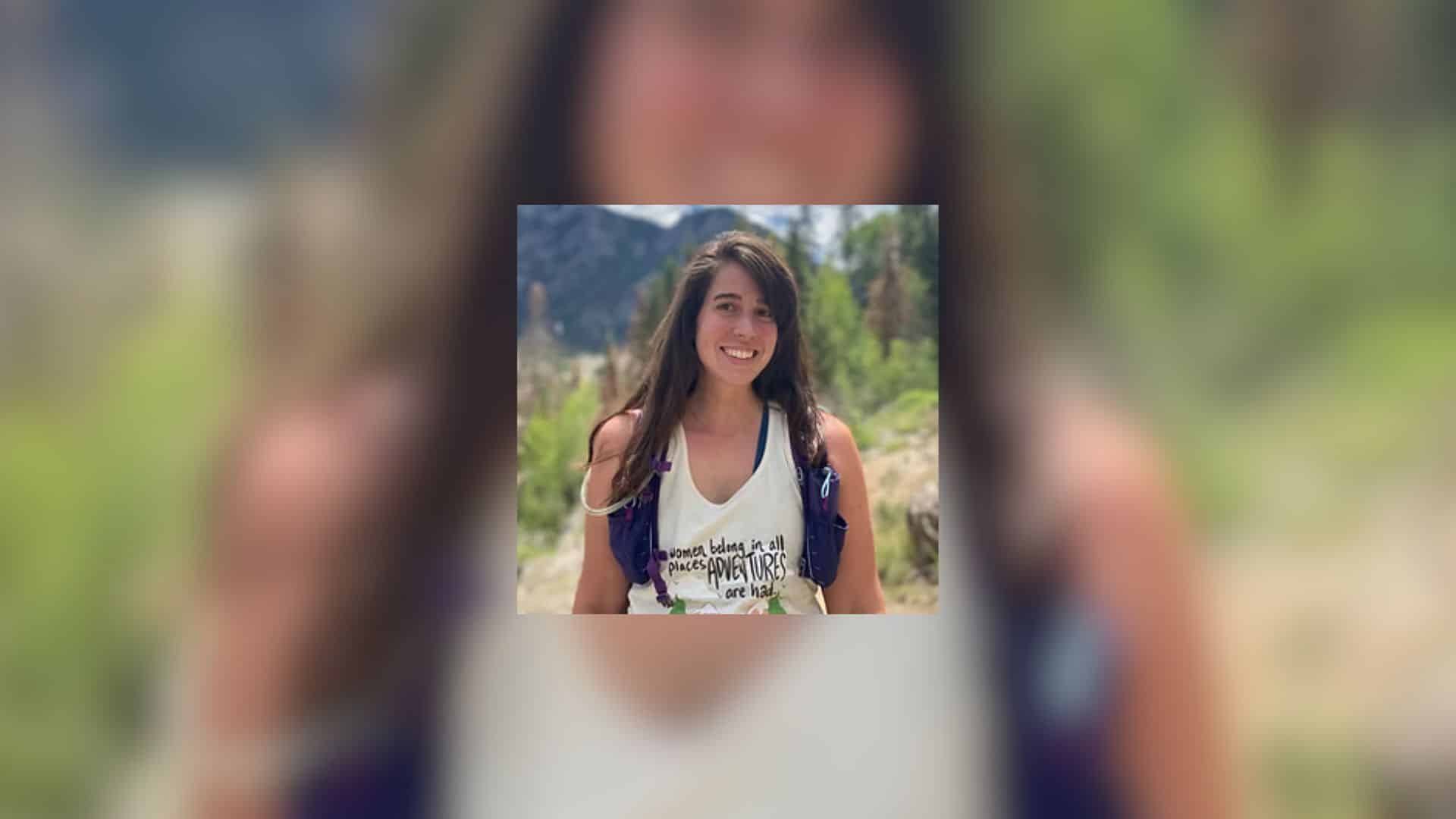
Christine Reed: Alone in Wonderland. Hiking the Wonderland Trail Around Mount Rainier
In this episode we are joined by Christine Reed author of the outdoor adventure memoir Alone in Wonderland. Chronicling Christine’s journey hiking the Wonderland Trail around Mount Rainier.
Scott Cowan [00:00:00]:
About the author. Christine discovered long distance backpacking while surfing the Internet at work. Are you supposed to be surfing the Internet at work? Come on. Welcome to the Exploring Washington State podcast.
Here’s your host, Scott Cowan. So my guest today is Christine Reed, and Christine is the author of Alone in Wonderland, a story about backpacking. And I must say before I turn the microphone over to Christine, when, MacKenzie said, hey, we should have her on as a guest, she hiked the Wonderland Trail. And I’m like, what’s that? And literally, I was like, literally like, what’s that? She goes, it’s in around Mount Rainier.
Scott Cowan [00:00:57]:
I’m like, oh, well, my bad. So, Christine, I’m asking you to enlighten me, about the Wonderland Trail in this episode. But I’d like just for a second, go ahead and introduce yourself to our guests and tell us a little bit about you.
Christine Reed [00:01:11]:
Sure. I’m Christine. I recently wrote a book. But before that, I, you know, I was just like a military brat kid growing up in the world doing school and normal stuff. Normal stuff. Okay. And I you know, my family wasn’t super outdoorsy. I wasn’t raised doing any, like, hiking or, like, camping trips and things like that.
Christine Reed [00:01:34]:
And in my early twenties, I kinda just got to a point where I realized I wasn’t really happy with my life, and I needed to try something new. And backpacking presented itself to me. Thank you, Internet. And I I discovered, the Appalachian Trail was actually my key in. And I hiked 650 miles of BAT in 2015. And then after that sort of went off on this, exploration of just figuring out who I was and and what I wanted and and using the outdoors as a tool in that and finding my relationship with the world. And and then in 2018, I kinda stumbled upon the Wonderland Trail myself. And I had heard about it a little bit from the hiking community, but I happen to find myself in Mount Rainier, and I crossed, a sign for it.
Christine Reed [00:02:23]:
And it triggered that, like, oh, yeah. I’ve heard of that. And and I googled it, and I a 93 mile trail, and I thought, I’m gonna just do that. I’m just gonna see if I can get a permit and hop on. And I got on the trail the next week.
Scott Cowan [00:02:36]:
So did you know that the trail was because I did okay. Even though I didn’t know anything about the trail, I did a little bit of research, not a lot, but it does not it’s certainly not a flat trail. So it had some elevation gains throughout it. So were you aware of that before you strapped on the boots and went going, or were you as naive as I am about this thing?
Christine Reed [00:02:57]:
I was pretty naive. I yeah. I Googled it, and I saw that it was 93 miles. And I had done the six fifty miles at the AT before. And so I was like, cool. Like, I mean, that sounds great. I got this.
Scott Cowan [00:03:09]:
Yeah,
Christine Reed [00:03:10]:
no big deal. And it wasn’t until I was on the trail that I heard somebody say there’s 22,000 feet of gain and loss on the Wonderland Trail. And I was like, Oh, no wonder this is so hard.
Scott Cowan [00:03:23]:
Alright. Well, we’re gonna we’re gonna we’re gonna get to that a little bit, but I I wanna go back because I’m reading something on your website right now, and I’m reading it straight from your website. About the author, Christine discovered long distance backpacking while surfing the Internet at work. Are you supposed to be surfing the Internet
Christine Reed [00:03:41]:
at work?
Scott Cowan [00:03:41]:
Come on. That was I love that. I was like, oh, and I wasn’t working. I was finding out what to do.
Christine Reed [00:03:47]:
Just in my free time, I was clicking on, like, baby articles.
Scott Cowan [00:03:51]:
Okay. Was that what it was? Is that kind of how it happened? Was it
Christine Reed [00:03:54]:
kind of a clickbait type title that got you going? What was it? Oh, gosh. I don’t remember exactly how I, like, clicked you know, I was just kind of surfing around to different things. And I, you know, I clicked on something, clicked on the next thing, clicked on the next thing, and then I found myself on this really old school blog forum called White Blaze Okay. That I don’t know if it even still exists, but it was kind of the old bulletin board format where people would ask questions and then other people would answer. And then there was blogs, and I just, you know, found these questions, people saying, what’s the best way to dehydrate spaghetti sauce for the AT? And I was like, this is fascinating. There is just this whole world of information and and culture and people doing something together and coming together on the Internet in such an interesting way to share information about something that I had no idea existed. And I found it fascinating. Alright.
Scott Cowan [00:04:51]:
So, well, no, no, this is this is interesting to me. This is very interesting. So you’re on an old school forum. People are talking about dehydrating spaghetti sauce. First off, that’s funny to me. I don’t know why. I just think that’s kind of funny. Had and you hadn’t really done any hiking before.
Scott Cowan [00:05:10]:
You didn’t just go out and put a bunch of miles on the Appalachian Trail, did you? Or did you
Christine Reed [00:05:16]:
Not exactly.
Scott Cowan [00:05:17]:
Okay. So you did a little
Christine Reed [00:05:19]:
prep. Yeah. I had about a year between the time that I discovered the AT and then I set foot on the AT. And in the in the mean the the meantime between those things, I did a week of volunteer work on the Appalachian Trail with the Conservancy Building Trail.
Scott Cowan [00:05:36]:
Okay.
Christine Reed [00:05:36]:
Because I wanted to see the trail. There was something about, like, physically seeing it. That was kind of my deciding point. So I had found out about it and was pretty sure I wanted to do it. So I volunteered, with the ATC and went to see the trail. And that was my, like, yes, I definitely wanna do this. And then my lease was gonna be up where I was living in Arkansas. And so I so there was this period of time between about six months between when I wanted to start the trail and when my lease was gonna be up and instead of wanting to sign a six month lease, plus I really wanted to quit my job.
Christine Reed [00:06:06]:
And so I googled, jobs that provide housing and the first thing that came up was national parks. And so I was like, oh, that’s perfect. I’ll be able to hike. I’ll, like, meet cool outdoorsy backpacking people. And then it’ll, like, bridge that time. And then I can, like, work some crappy minimum wage, like, grocery store job in the national park. So I got I got a job in Yosemite Okay. For six months.
Christine Reed [00:06:31]:
And I didn’t do almost any hiking at all while I was there. It was over the winter, and and all the summer employees were kind of leaving when I got there in August. And I made some amazing friends and, like, hung out in the outdoorsy community, but I really I didn’t do very much hiking at all. So I think the preparation I did for the AT while it was a year, and I researched gear, and I figured out how to do food. And I, like, you know, I I read a lot, and I learned a lot, and I did a lot of mental preparation, not any physical preparation.
Scott Cowan [00:07:06]:
Oh, okay. Well, so did food prep include dehydrating spaghetti sauce? I mean,
Christine Reed [00:07:15]:
did you actually It did. Okay. It
Scott Cowan [00:07:18]:
did. Okay. Well, I’m gonna, you know, I’m gonna break my rules. Let’s let’s talk about the that trail just a little bit more. Where did you start on the trail, and where did you end up at?
Christine Reed [00:07:28]:
So the southern terminus of the AT is at Springer Mountain in Georgia. Okay. So I started there. I actually started on the approach trail. There’s, like, an eight mile, approach trail to the start of the trail because it’s at the top of the mountain. So, there’s great debate about whether they should just include the approach trail in the official trail. But at this time, it’s not.
Scott Cowan [00:07:50]:
Okay.
Christine Reed [00:07:50]:
Alright. So I started there, and I hiked 650 miles north to Parisburg, Virginia.
Scott Cowan [00:07:56]:
And how long did that take you?
Christine Reed [00:07:58]:
Seventy days.
Scott Cowan [00:07:59]:
Wow. Okay.
Christine Reed [00:08:01]:
That includes, like, zero days, days off, trail days festival, things like that.
Scott Cowan [00:08:06]:
Okay. Alright. Now we’re gonna abruptly shift over here to the Wonderland. Sweet. 93 miles. Should have been easy for you. You know? I’m I’m kidding because of just how many miles you just walked on the other trail. Where did you let’s just start.
Scott Cowan [00:08:24]:
Where where did you get on the trail at to start?
Christine Reed [00:08:29]:
So there’s several places you can start the Wonderland Trail because it’s a circle. Mhmm. And I started at Mauich Lake. If you’re familiar with Mount Rainier National Park, you may never have heard of that because it’s kind of obscure. So there’s like Longmire and Sun I always get it wrong. Sunrise. Thank you. Of course.
Christine Reed [00:08:48]:
And then Paradise.
Scott Cowan [00:08:50]:
Right.
Christine Reed [00:08:50]:
And so those are kind of the three places that people know. And then Mowch Lake is sort of, like, off on the side, and you have to go through this tiny little town and then drive 10 miles out of dirt road to get to Mowch Lake.
Scott Cowan [00:09:03]:
Okay. So somebody dropped you off because you didn’t leave your car there. I’m gonna ask you.
Christine Reed [00:09:07]:
Leave my car there.
Scott Cowan [00:09:07]:
Oh, you did leave there.
Christine Reed [00:09:08]:
Okay. Because it’s kind of out in the middle of nowhere, they have a big parking lot, and you can leave your car there.
Scott Cowan [00:09:13]:
Okay. Why did you pick there to start?
Christine Reed [00:09:17]:
I got a walk up permit. So the permitting system for the Wonderland is really competitive, and they only give out about two thirds of the permits via lottery ahead of the season. And so then there’s, like, a third of the permit spaces or the camping spaces available for walk ups. And people don’t do walk ups very often because it’s a big commitment to, like, take the time off and be available to hike, and then maybe or maybe not get a permit.
Scott Cowan [00:09:43]:
Right. And
Christine Reed [00:09:44]:
so they’re actually easier to get than you might think.
Scott Cowan [00:09:47]:
Right. Yeah. That makes sense.
Christine Reed [00:09:49]:
Yeah. So I walked up, and and I just said I wanna hike the trail, the whole trail. And and, like, I can go any direction. I can start at any place. I’m super flexible. Cause that’s the best way to get a walk up is just to be open to whatever. And so Mhmm. It just worked out that that’s how the campsites were available for me to start from there.
Scott Cowan [00:10:05]:
So they assigned basically they told you where to start because of the campsites. Yeah. Because one of the things in my very limited now we’re just about to exhaust my knowledge of the Wonderland Trail is that you have to my understanding is you have to camp in certain spots. You can’t just, like, call it a day at 02:00 in the middle of the forest. You have to continue on to the next campsite space.
Christine Reed [00:10:27]:
Okay. Yeah. And and the the campsites are assigned. So Okay. Like, it’s you know, there are, like, 20 campsites in Mount Rainier National Park, but your permit says you are staying at this site on this day.
Scott Cowan [00:10:40]:
And what would I mean, just total squirrel moment, because if you look at me, you can see that I am not a hiker. What would happen if you wanted to deviate? Let’s say just say let’s just say you found a part between Campsite A and Campsite B, and you really wanted to take a little bit more time and just really like, maybe you’re a painter and you wanted to paint something, so you’re there, blah, blah, blah. You know, what can you do? Do you are you completely locked into this script?
Christine Reed [00:11:09]:
There’s I don’t wanna encourage people to break the rules. But sometimes you have to break the rules. And and more for if there’s safety reasons that you need to not go to where you’re going, if you’re injured or if the weather or the rivers or something like that. Like, the park rangers are gonna be understanding to those kind of things. But the reason that they have the designated camping sites in Mount Rainier is because the alpine tundra there is really fragile. And, like, the just the ecosystem of the plant life and the animals and stuff, like, they they are managing it the best they can by consolidating our impact as humans in these camping areas. And so, like, in terms of wanting to do what’s right for the park and the space and the animals and the beauty of the space, like, you really shouldn’t vary from your schedule unless there’s, like, a good reason to. And What if
Scott Cowan [00:12:03]:
you wanted to stay in a campsite? You’re scheduled once again Campsite B, right? And you’re scheduled to be there on Tuesday night, and you’re like, I really want to take an extra day here because I want to do something artistic, like paint, like not, I’m not encouraging anybody to go out and trample through the forest. But you know, if you want to take an extra day, is that an option, or is it is it super regimented?
Christine Reed [00:12:27]:
It’s pretty regimented. And and the reason I would say for that is that, someone else is probably reserved in that campsite the next day. So if you’re there hanging out and then they show up and they’re supposed to be camping there, then there’s gonna be like and I would like to think that we’re all, like, friendly enough and outdoorsy people, like, community enough that someone could come and you’d be like, oh, like, let’s just share this campsite. It’s plenty of food for both of us. But of course, that’s not
Scott Cowan [00:12:51]:
Might not be the case. Okay. Could that.
Christine Reed [00:12:54]:
Yeah. So
Scott Cowan [00:12:56]:
how many days did this take you?
Christine Reed [00:12:58]:
I hiked for eleven days.
Scott Cowan [00:13:00]:
You hiked for eleven days. So about what, eight miles a day on average? Yep. Okay. So it doesn’t sound too bad.
Christine Reed [00:13:08]:
It was not insane. Yeah. I definitely when I got my permit, I said I wanna spend as much time as I can out there. I really wanna, like, take it all in. Mhmm. Of course, with a walk up permit, like, the way they kind of finagle you into what campsites are available, sometimes you end up with, I had one day where I hiked two miles, and then I had a day where I hiked 14 miles. So
Scott Cowan [00:13:29]:
Okay.
Christine Reed [00:13:30]:
It it definitely wasn’t evenly distributed.
Scott Cowan [00:13:33]:
Well, the two mile day, if it was really steep might not be so bad. 14 miles, if it was really steep, it’d be terrible. So how was the elevation gain? Was it a lot of work?
Christine Reed [00:13:44]:
It was really hard. Yeah. Okay. The 14 mile day actually had three really steep climbs in it and two steep descents between the two the three climbs.
Scott Cowan [00:13:57]:
So they worked you that day?
Christine Reed [00:13:58]:
It was a rough day for sure. Probably definitely my hardest. And when you look at an elevation profile of the Wonderland Trail, it’s all up and down. There’s no flat spots. Like, it’s not like there’s a really steep climb, and then you get to, like, walk flat for a while. It’s then you’re going straight back down where you came up. So it’s pretty rough on the body.
Scott Cowan [00:14:19]:
Let me let me pause. Do why is it called the one do you know why it’s called the Wonderland Trail and how it came into existence? I guess maybe we should have asked that to begin with, maybe?
Christine Reed [00:14:32]:
I should know that. I
Scott Cowan [00:14:35]:
I don’t. I mean,
Christine Reed [00:14:38]:
I don’t know the exact historical story of how it came to be called the Wonderland Trail. But when you hike it or even just go out for a day on it, like, it’s obvious why it’s so beautiful out there. The views of Mount Rainier are some of the most epic. And I was out during wildflower season, which made it just, like, super magical.
Scott Cowan [00:14:58]:
Did you take a camera? Were you did you do
Christine Reed [00:15:02]:
I actually
Scott Cowan [00:15:03]:
shaking your head no, folks.
Christine Reed [00:15:06]:
No. I at the time, I had been living in a van for a while, and my phone kinda had that, like, my battery’s gotten hot too many times, and it died immediately. And I just thought I would just enjoy being there. You know? Alright. Alright.
Scott Cowan [00:15:20]:
But you missed out on a bunch of wildflower photo ops and mountain shots.
Christine Reed [00:15:24]:
Yes. Definitely. But those are available on the Internet. So
Scott Cowan [00:15:30]:
Yes. Yes. I’m sure they are. Well, from a takeaway standpoint, what sort of takeaways did you have on the trail that you might not have thought? Was there did anything like we can talk about the categories in your book, if you will. But what surprised you on the trail besides a grizzly bear or something? I mean, kidding. But, you know, did was there anything that happened on the trail, maybe, you know, mindset or whatever that was a surprise to you that you weren’t expecting?
Christine Reed [00:16:10]:
Yeah, I think the biggest thing that I took away was just the idea that as humans, and then I guess more specifically, as backpackers and outdoors people, that we’re all experiencing a lot of the same things. I think that we as like individuals like to claim our hardships and our difficulties and our self doubts and all of those things as, like, uniquely ours. Mhmm. And and backpacking is such a beautiful way to kind of strip away all of our, facades and the the ways we present ourselves in the world and to show a bit more of our raw selves. And so in that experience, being around other people who were doing the same thing I was, who are pushing themselves to really difficult physical extremes, and who are, like, out in the woods with nothing but what they could carry on their back. Like we see each other in in more vulnerable ways in that type of environment. And it just allowed me to recognize that like, the things that I was really struggling with that kind of drew me on to the trail weren’t gonna be solved by the trail. They were gonna be solved by recognizing that like, everyone else is also experiencing those difficulties, and that I don’t have to own them and carry them on my shoulders.
Christine Reed [00:17:33]:
Like we can share those things. And that’s a big reason why I wrote the book was to share to share the difficulties that I was experiencing that led me to the trail and the things I was seeking while I was out there and the realization that, like, my my pains and difficulties in life are universal. And that talking about them and sharing them with other people and making yourself vulnerable by doing things like backpacking and also by telling your story about it. That’s how you’re gonna connect with other people and share that load a little bit.
Scott Cowan [00:18:06]:
Okay. Well, before we get too much into the book, let’s go back to the trail. What were some other takeaways? Like, what was like, share with us, if you will. I mean, this is an audio production, but, you know, paint a picture for us, if we can, of some of the takeaways that you saw visually on on the map. What was, like, magnificent for you that you saw? I mean, Rainier, for those of us that have grown up around it, I think we take it for granted. It’s just there. It’s it’s always there. Well, if you’re I grew up in the Tacoma area, which you may not know where that’s, but, you know, just North Of Rainier and it’s cloudy, so you don’t see it every day.
Scott Cowan [00:18:49]:
It’s not like it’s there every day. But when it’s when the mountain’s out, you know, it’s the mountain out and you just kind of go, Yeah, it’s there. Yeah. For you, that was a whole new thing. And if you were in school in Arkansas and you didn’t probably that’s a much bigger mountain than anything you were hanging out with before. So what did you what did you see? What was inspiring to you?
Christine Reed [00:19:14]:
Yeah. I’m gonna give, like, a tiny bit of backstory. Kind of my first experience with big mountains was living in Yosemite Valley. And, if you’ve seen photos of the valley, Half Dome and El Cap, and there’s just these beautiful, rugged, just kind of strange rock formations that are sort of otherworldly, and there’s like a really magical power to them. And after living there, every national park that I’ve visited since is either like as good as Yosemite or not. And that’s a pretty high bar. Oh, okay. And so, you know, I went you know, I then I went on the AT and I went to The Smokies and I was like, Yeah, Smokies are okay.
Christine Reed [00:19:57]:
So you just you know, I just I had this bar in my head of, like, magnificence and what it was. And and when my friend invited me to come meet her in Mount Rainier for a day hike, I was like, oh, it’s like a national park that just has one mountain in it. Like, that’s probably kinda lame. And I I just didn’t know. And I got up there, and when I saw it, I thought, oh my god. It’s so beautiful. And it has that otherworldly, like, it’s an entity of sorts. And when you stand in the presence of Mount Rainier, like close to it, there’s gravity there and just such epic power.
Christine Reed [00:20:32]:
And it’s, you know, it’s I there’s a reason people talk about it the way they do. And that the mountain being out is like a cultural thing in Washington.
Scott Cowan [00:20:41]:
It is a thing. You’re right. It’s a thing.
Christine Reed [00:20:44]:
And I love that. And since writing the book, I’ve gotten a bit more of Washington culture because I’m participating and interacting with these communities in Washington. And, and it’s such a fun thing. But yeah, walking around it. There are a few things I took away, which is one, like, I may be interested in summiting a big mountain someday, which was not something I had any interest in before.
Scott Cowan [00:21:06]:
Okay.
Christine Reed [00:21:08]:
But also, there was something really spectacular about how Mount Rainier stands kind of alone. And you can really like, the Waterland Trail is a circle around it. And so you spend almost the whole time with Mount Rainier in view, and you see it from every angle. And I just don’t feel like that’s an experience we get with something so big and magnificent very often in the world is to just really see it from every side and know that you’ve stood all around it and, like, encircled it. Okay. That was a really powerful experience.
Scott Cowan [00:21:42]:
Alright. So we’re gonna put you on the spot. What’s better? Yosemite? Rainier.
Christine Reed [00:21:49]:
Cool. I definitely think the hiking in Rainier is better.
Scott Cowan [00:21:54]:
Way to cover your bases.
Christine Reed [00:21:55]:
I’m awesome. Well, because I just, like, think there’s there’s just different things about them. And I’m also a rock climber, And I know you can do some climbing in Rainier, but, you know, Yosemite is known for its rock climbing. But I actually wrote a little bit about the hiking in Yosemite and about how, like, unpleasant it is. Because everything you hike from the valley in Yosemite is straight up a rock face, essentially. And they’ve just, like, chiseled stairs into it. And that is as unpleasant as it sounds.
Scott Cowan [00:22:26]:
Yeah, that does not can you imagine being the people that are chilting the stairs into the rock?
Christine Reed [00:22:31]:
Yeah. I mean, think about that. It was the conservation corps from way back that they set up that stuff. But so I definitely think like, like, Yosemite has a a kind of a rugged rocky, and that is its own type of beauty. But I’m I’m very much drawn to things that are lush and green and the wild flowers and the rushing rivers, the glacial rivers in Rainier were so powerful and amazing. And, like, that stuff all really speaks to me.
Scott Cowan [00:22:59]:
Okay. Good cover. Well, now you did say that you, you know, you’ve you’ve kind of learning the Washington state language and all that stuff. But but before we hit record, I asked you a very important question to me, and, well, you didn’t answer it right. So you don’t like coffee. Well, yeah. What? You don’t like coffee. You already disclosed that.
Scott Cowan [00:23:25]:
So that’s a Washington state thing. You’ve got to. But because I’m not a hiker, help me out and help our listeners out a little bit. How much did you pack in? What sort of stuff did you pack in? What would you have? I mean, you didn’t take coffee, which I would have absolutely my pack would have been that was, you know
Christine Reed [00:23:48]:
Nothing but coffee.
Scott Cowan [00:23:50]:
I wouldn’t have I would have gone barefoot if I could have put more coffee in. What did you what did you what did you pack? And how did you, you know, how did you manage yourself on the trail while you were out there?
Christine Reed [00:24:01]:
Yeah. So there’s three, like I was saying before, Longmire and Sunrise and, now I’m clicking on the other one. Paradise. Thank you. So those three places where there’s, like, a ranger station and kind of touristy things, they have places where you can drop off a food cache. And so I had food caches around the trail, so I only ever had to carry I think four days was the maximum of food, so I picked up food twice. But I am kind of a super minimalist when it comes to, hiking food. And I like to keep it really simple because I know what is not gonna upset my stomach when I’m out on the trail.
Christine Reed [00:24:37]:
Because the last thing you wanna do is like have a tummy ache when you’re hiking. So I mostly ate, like, ramen with dehydrated vegetables. Yeah. And then oats with freeze dried, like, strawberries, bananas. There were wild blueberries while I was on the trail. So I got to, like, add, blueberries and I think huckleberries, to my oats, which is great. And then, almond butter and then, like, granola bars, Lara bars. I’m a big fan of GoMacro.
Scott Cowan [00:25:12]:
So it would have gone it would have gone all so much better with coffee. Just would have. Just saying.
Christine Reed [00:25:17]:
I did do I had, like, an electrolyte drink mix pre workout that had a tiny bit of caffeine in it.
Scott Cowan [00:25:24]:
That’s not the caffeine. I’ll drink decaf
Christine Reed [00:25:26]:
in it.
Scott Cowan [00:25:27]:
I mean, I really will.
Christine Reed [00:25:27]:
You just like coffee.
Scott Cowan [00:25:29]:
I like coffee. I mean, I will drink decaf. I mean, anyway, so did you primarily then just drink water? Was that kind of the the the beverage of choice? Yep. Are you a tea drinker? Or, you know
Christine Reed [00:25:45]:
I’ve packed tea on backpacking trips, and I usually end up not it’s just too much effort to, like, do the boiling water. The electrolyte mixes are great. And and especially if you’re sweating a lot and you’re sweating out a lot of your salts, it can get to a point where it’s hard to keep drinking water because your body is telling you stop, because you’ve lost a lot of salt. And so those electrolyte drinks and even things like people do Gatorade mixes or even like Kool Aid mixes or country time lemonade mix like powder, just something so you can get more liquid in.
Scott Cowan [00:26:17]:
Okay.
Christine Reed [00:26:17]:
Can be helpful. Yeah. That’s not really my thing. Coffee.
Scott Cowan [00:26:21]:
You get more liquid in with coffee.
Christine Reed [00:26:22]:
You can get more liquid in with coffee.
Scott Cowan [00:26:26]:
Well, that’s kinda cool, though. So you were able to have a couple of food caches. So you didn’t have to so how how heavy was your pack when you started, approximately, Down to the ounce.
Christine Reed [00:26:34]:
Down to the ounce. Between thirty five and forty pounds, with water and food. So base weight, maybe in their low twenties.
Scott Cowan [00:26:44]:
Okay. Yeah.
Christine Reed [00:26:46]:
So that’s not too bad. And and carrying four days of food is not too bad. I’m getting ready now to hike the Colorado Trail, and our first leg is gonna be seven days. And I’m not even sure how I’m gonna fit that much food in my pack. So, the Wonderland Trail is set up really nicely that you can break it up and not have to carry too much food at one time.
Scott Cowan [00:27:06]:
So what was something you should have packed that you didn’t?
Christine Reed [00:27:09]:
Sunscreen.
Scott Cowan [00:27:11]:
Oh, so you bought the hype that it rains all the time and that it’s never sunny here. Gotcha.
Christine Reed [00:27:15]:
So it’s actually that’s a funny story because I had sunscreen. And then at the first resupply stop, I left it behind because I talked to somebody else. And I was like, yeah. I’ve just been in the forest the whole time. Like, I don’t need the sunscreen, do I? And they were like, no. You’re good. And then, of course, the east side of the mountain is completely exposed. And so so for the first four days, I didn’t need it, and I dropped it off.
Christine Reed [00:27:37]:
And then immediately, I regretted that decision.
Scott Cowan [00:27:41]:
Okay. Alright. If you were to hike the trail again, would you make any would you what what would you do differently?
Christine Reed [00:27:50]:
I would start in a different place and maybe go the opposite direction. Okay.
Scott Cowan [00:27:55]:
Because you
Christine Reed [00:27:55]:
can go
Scott Cowan [00:27:55]:
With the sunscreen to start with.
Christine Reed [00:27:57]:
Yes. And then I could leave it behind after. Right.
Scott Cowan [00:28:00]:
There you go. Good to know.
Christine Reed [00:28:03]:
You know, I definitely did the trail alone, because I was, like, looking for solitude and and that kind of experience. I think it would be something that would be fun to do with a friend. And I actually saw a group out there for I just passed them one day, and they it was a group of five, and they were having just like a party time the whole time. And I was definitely jealous. And then later, I found out they had filmed a music video while they were out there. I’ll see if I can find a link and send it to you.
Scott Cowan [00:28:31]:
Yeah. I do. That’d be kinda cool.
Christine Reed [00:28:32]:
Yeah. I mean, I just saw, you know, I saw this. Oh, this group went and hiked the Wonderland Trail, and they filmed this music video. And I watched it. And I was like, oh, like, I saw those people while I was
Scott Cowan [00:28:39]:
out there. I know those folks. Yeah. Well, how was it? I mean, a woman by herself in the wilderness. Did you have concerns? And if not, if you didn’t, why? I mean, I would I mean, that’s a terrible statement, really. But, I mean, yeah. How did how how did you how do you get your mindset around that?
Christine Reed [00:29:04]:
Yeah. This is a question that I’ve fielded a lot from women and, you know, from backpackers, from not backpackers. And and it is something I talk about in the book is just the idea of safety and and how we’re socialized in the world as women to believe that everything is dangerous. And I definitely was raised that way. And backpacking has been sort of a way for me to defy that idea because I hate the idea that the world is not safe for women, even though it’s true in a lot of ways. It’s just upsetting to me. Okay. But I also you know, it’s it’s finding that balance between recognizing that there are really dangers out there and how to prepare yourself for those dangers.
Christine Reed [00:29:46]:
And then also not letting the dangers scare you away from doing things that are good for you and that you wanna do. And in in on my hike on the Wonderland Trail, I was approached by two bears. And when I say a person It
Scott Cowan [00:30:02]:
doesn’t matter if you’re a woman or a man. Bears are very Yeah.
Christine Reed [00:30:05]:
Well and that’s, you know, and that’s one of the questions too when when people talk about those things. Things. I always think, would they be saying this if I was a man? But, like, this is a valid danger for all humans, Yes. Bears. And and I’ve I have had enough experience with the AT and other things talking about black bears, knowing people who’ve had experiences with black bears to know that generally speaking, black bears are not super dangerous. And so when they when I asked the ranger about bears in the park, she told me there had never been a violent bear incident in the history of Mount Rainier National Park. And I thought, oh, we’re good. Wow.
Christine Reed [00:30:43]:
And also, I was really surprised by that.
Scott Cowan [00:30:47]:
Yeah. That’s that’s Yeah.
Christine Reed [00:30:48]:
But she did say there were some bears that were hanging around at one of the campsites that had been reported a bunch of times, but they they were just being nosy. And if you left your backpack out, they would come rummage through your stuff. And so she said, put your stuff away, put your food up where it goes. Like, don’t don’t give them any temptation. And so I was prepared for that, and I wasn’t worried about it. And I got to that campsite, and I did what I was supposed to do. And I got in my tent with the rainfly off so I could see out. But I was reading a book, and a marmot ran through my campsite.
Christine Reed [00:31:17]:
And then immediately after, two bears came chasing it. And they, like, turned on a dime when they saw me and came up to me instead. So I was like, I was in a tent and like a tiny little backpacking tent. So I was sitting down, I couldn’t stand up if I wanted to. And they came up and sort of like flanked me on each side. I could have reached out and touched them with my hands. They were so close. And that is by far the scariest thing that’s ever happened to me in the outdoors.
Christine Reed [00:31:45]:
And they like, looked me in the eyes, I could see their nostrils flaring as they were like, sniffing me. And then they just went on their way. And-
Scott Cowan [00:31:57]:
Because you didn’t have coffee.
Christine Reed [00:31:59]:
They knew I was coffee less. But it I mean, it really scared me a little bit. I can only
Scott Cowan [00:32:08]:
imagine. Did you have were you carrying like bear spray or anything?
Christine Reed [00:32:12]:
I was not. But I also at that range, and I was in a tent. Like, I couldn’t have bear sprayed them anyway.
Scott Cowan [00:32:19]:
Well, that’s a good point.
Christine Reed [00:32:20]:
Yeah. So
Scott Cowan [00:32:21]:
Wow. See, I would have, yeah. Oh, no.
Christine Reed [00:32:24]:
It’s one of those, like, what what would you have done? Because I couldn’t do anything. I was just I I mean, I was like, my heart was beating so fast. I was breathing really hard, and I was like, please just go away. Please just go away. Like, I can’t there’s nothing I can do in this situation.
Scott Cowan [00:32:39]:
Oh, my gosh. Wow. Okay. That’s crazy. And then so they just went on their way?
Christine Reed [00:32:47]:
They just went on their way. Yeah. And then, of course, I moved my tent after.
Scott Cowan [00:32:53]:
Why? I mean, just
Christine Reed [00:32:55]:
I wasn’t going to. I wanted to be like a tough guy about it. I was in the campsite. There was a couple girls who were camped at the shelter down below. And I I walked down there and I was like, hey, like, if you guys wanted to see some bears, they, like, just went that way. And they were like, you saw a bear? And I said, two bears. And they, like, came right up to me. And they were like, oh, my gosh.
Christine Reed [00:33:15]:
Are you okay? And I kinda calmed down a little bit by then. And I was like, yeah. Yeah. And it was probably only, like, 6PM. It wasn’t late. And it was still daylight out. And so they were like, do you wanna come bring your tent and camp next to us so we’re all together? And I said, no, I think it’ll be fine. Like, they they came, they sniffed me, they saw me, they left.
Christine Reed [00:33:33]:
Like, they know I’m here now, and I’m sure they’re not that interested, or they would have stayed longer to see what I was up to.
Scott Cowan [00:33:41]:
Right.
Christine Reed [00:33:42]:
So I kind of told myself that. And then of course, I like, go back to the tent, put the rainfly on so I can’t see out. And then I’m like, reading a book in there. And I just like every noise outside my tent. I was like, oh, my God, it’s bears. Like, I couldn’t I couldn’t let go of that energy after they had left. So I then did get my tent and moved down by the other girls just so I wasn’t alone.
Scott Cowan [00:34:02]:
I’m probably gonna think of Barris tonight when I’m comfortable in my house, thanks to this story. Oh my gosh.
Christine Reed [00:34:08]:
And so, you know, in terms of safety, like, the Wonderland Trail is a great medium between being alone and being like, you’re at designated campsites. There are other people at those campsites. So even though you can spend the whole day alone if you want to, you can even go to your particular campsite and not talk to anybody if that’s what you wanna do. But there are other people pretty close by. So if there’s an emergency of sorts, like, you’re
Scott Cowan [00:34:31]:
not How many people alone? How many unique people by unique, we’re not gonna count the same person twice if we count here. How many unique people do you think you ran into during the trail? A lot or, you know, just a a handful? Or
Christine Reed [00:34:50]:
on the days that I wasn’t crossing through one of the main tourist areas, maybe maybe four or five people a day. So, like, 50.
Scott Cowan [00:34:59]:
Pretty pretty sparse.
Christine Reed [00:35:00]:
Yeah. And then, of course, when you’re, like, hiking in and out of Sunrise, like, you’re gonna see Sure. A hundred busy people that day. Yeah.
Scott Cowan [00:35:06]:
Right. Yeah. No. But but on the trail itself, if you will, the the remote the remote part of the trail. So it’s
Christine Reed [00:35:12]:
Yeah.
Scott Cowan [00:35:14]:
It reads, her rugged outdoors woman persona started as a joke. And I’m looking at a picture of you sitting on a rock, pouring something that’s not coffee into a a water container. You don’t and and I’m looking at you as we’re recording this. And rugged’s not the word that I would would would assign there. Not dainty by any means, but rugged is, you know, I I wouldn’t. How did this come up? It was a joke. So how did this come about?
Christine Reed [00:35:48]:
Yeah. When I moved to Yosemite and I told people that I didn’t know and was just meeting that I was gonna go hike the Appalachian Trail, I got a lot of, like, wow, that’s really cool. Like, you’re so hardcore. And then I would go do, like, a short day hike with this person, and then they’d be like, you’re really slow and, like, struggling a lot. And we’d be doing something not that hard, and I’d be like like, this is really hard. And they’d be like, this is not that hard. Like so it just it was this kind of, like, I was telling people I was gonna go do something really cool, and so they had this expectation of
Scott Cowan [00:36:25]:
Right.
Christine Reed [00:36:26]:
Like, who I was and what my abilities were. And then we would get out there to do something together. And they would be like, are you sure you’re gonna hike the Appalachian Trail? Because it doesn’t really seem like you could. And my defense, like, I kind of took on this, like, when someone would question me in that way, I would say, I’m a rugged outdoors woman. What are you talking about? So it became sort of like a jokey defense when I was embarrassing myself in the outdoors, and someone was calling me out on my, like Okay. Princess, which is a word that is, like, I I don’t think of myself.
Scott Cowan [00:37:01]:
Well, you don’t come across the gun. You don’t that’s not a
Christine Reed [00:37:04]:
word that I’m trying to figure. Princess and rugged. There’s like a big Yeah. I’m somewhere in the middle of that.
Scott Cowan [00:37:11]:
Right. Okay. Yeah. Because I’m just, you know, I’m looking at this and I’m like, miss photo. I’m looking at you. And I’m like, okay. Rugged is not the word I would go with.
Christine Reed [00:37:23]:
So rugged. I have actually also like made friends because my my Instagram is rugged outdoors women, which stemmed from that joke. And now because I do all the outdoors things, and I post about it, and now I’ve written a book about backpacking, and like, people really do think I am that. I guess it’s the same joke it always was. It’s like people think that I am more hardcore because of the way that I present myself and the things that I do. But I’m a big believer that you don’t have to be good at something to do it.
Scott Cowan [00:37:51]:
Okay. I’m looking at a picture on your Instagram. It’s your book and a cat. Is that your cat?
Christine Reed [00:38:01]:
No. A reader sent me this photo.
Scott Cowan [00:38:04]:
Does the reader a reader sent you this photo. And the cat’s like, what is this thing doing on me? Okay.
Christine Reed [00:38:10]:
But I get a lot of dog pictures with my book because people apparently read with their dog slot. And that was the first cat picture I got, so I was really excited about it.
Scott Cowan [00:38:18]:
Gotcha. Okay. That’s alright. Interesting. Any other takeaways from the well, I’m not trying to avoid the book. That’s I’m trying to get to the book in a different direction. So but you’ve also, you know, so I’m reading here, you know, it is a story about backpacking, but it’s also a story about and then we’ve got a whole bunch of words. What other takeaways from the trail for you that we that you want to share with us? What what else did you what else did you learn about yourself? On is there a nugget you can share that and then we’ll we’ll work our way into the book.
Scott Cowan [00:38:57]:
But what else did you learn about yourself?
Christine Reed [00:39:00]:
Yeah. I think, one of the other main things that that has come of this journey, which culminated in the Wonderland Trail, was this idea of feminine independence and that I needed to be a strong independent woman and do things alone and know that I didn’t need anybody else. And I had been kind of exploring that in the entire time between the Appalachian Trail and the Wonderland Trail. And and part of my story is that my mom died when I was hiking the Appalachian Trail in 2015. So that is something that I was sort of dealing with over the course of this time. And and a lot of my actions, sort of stemmed from this idea that right before my mom died, I was trying to strike out on my own and figure out who I was and kind of break away from the expectations of my family and and not end up like my mom in some, you know, grand scheme of when you’re 25, and you wanna not be like your mom. And and backpacking was a huge part of that for me. It was something my mom would have never done.
Christine Reed [00:40:10]:
And it was something that really scared her that I wanted to do it alone. And Mhmm. And when you are in the process of something like that, and then the person whose expectations you’re trying to defy is suddenly gone, and it no longer matters whether you defy their expectations to anyone except for yourself. It just brings a lot of things into question in terms of why you’re doing things and what you’re trying to accomplish. And and one of the things that I really left the Wonderland Trail with was the idea that there are, like, more options in life than trying to either be or not be the person that my mom wanted me to be.
Scott Cowan [00:40:50]:
K.
Christine Reed [00:40:52]:
And one of the metaphors that I that I made in the book about Mount Rainier is just that Mount Rainier does stand independent and, you know, she’s tall and strong and and beautiful in all of these ways. But when you get up close and you’re in kind of the foothills of Mount Rainier, you’re just around, you realize, like, there are all these other small mountains around, and there are these rivers coming down. And it’s just so intertwined, the whole ecosystem there. And, like, Mount Rainier could not exist if not for all of the smaller stuff around her.
Scott Cowan [00:41:27]:
Well, well, yeah, the whole cascade range.
Christine Reed [00:41:29]:
Yeah. And No. Yeah. And and just this idea of independence and, like, what does independence really mean? And can you ever truly, truly be independent? Like, there is no such thing. We are all on this earth together and society together. And as much as you wanna separate yourself from it, like, you’re always beholden to the forces of everyone around you.
Scott Cowan [00:41:51]:
So when you started the hike, did you have a book plan? Or where did the inspiration for the book yeah. Why the book? How’s that? Let’s put it right.
Christine Reed [00:42:04]:
I did not. I did not have a book planned. I was not a writer before. Before. Okay. But I was dealing with all of these questions about who I was and what I was looking for in life. And and the experience of hiking the trail just I had so many experiences meeting other people on the trail, having conversations, with people. I had a few people ask me why I was hiking, and I had one person ask me very pointedly, why are you alone? And those questions kind of, like, dug at me in a way that they probably wouldn’t have if I wasn’t struggling with that question already.
Christine Reed [00:42:40]:
And and I I was really trying to explore those ideas with other people, and there were a few other solo hikers that I talked to about independence and being alone and and backpacking by yourself and, like, why we do these things. And and that’s when I realized, like, a lot of us are having the same experiences, the same doubts, the same fears. And and that’s what made me wanna write the book. Because I realized talking to other people and hearing them say the same things that I was feeling made me feel better and less alone. And I thought, I bet there are hundreds and thousands of people out there who are feeling the same things I’m feeling. And if I share my story, it might make them feel less alone.
Scott Cowan [00:43:19]:
Absolutely. That’s awesome. So on the trail, you started talking to these people. And so the the idea of a of a book started to to percolate at that point. See, coffee reference percolate. Were you journaling, taking notes while you were hiking? I mean, are you a journaler?
Christine Reed [00:43:37]:
I’m not a journaler.
Scott Cowan [00:43:39]:
Okay.
Christine Reed [00:43:39]:
I get asked that a lot. I’ve just never been consistent with stuff like that. But I did once I realized I wanted to write a book, which was actually the last day on the trail, it all kind of like came to a head. It had been raining all day, and I spent most of the day in my tent reading a book. And I thought, books. I could do that. And so I I had my map that they had given me at the the ranger station when I got my permit. And so I just wrote, like, in a little column on the side of the map, like, who I met every day and then, like, things that I wanted to remember.
Christine Reed [00:44:13]:
And so then when I got back from the trail, I got my computer and I started, kinda cataloging what all had happened to write from, so I didn’t forget anything.
Scott Cowan [00:44:23]:
So what I’m noticing, there’s a trend here. You use the Internet, and then you went on the Appalachian Trail, probably underestimating the scope of what you’re trying to accomplish. Then you decide to hike the Wonderland Trail without noticing that, oh, there’s 22,000 feet of elevation gain on this thing. And then to top it off, you go, hey. I’m gonna write a book because why not? And writing a book is not exactly the easiest thing in the world either. So I applaud you for your selective ignorance because you’re not letting it stop you. You’re just like going, I wanna do this, and you have done it. So you’ve done the trail, you’ve done the Wonderland Trail, you’ve published a book.
Scott Cowan [00:45:13]:
Most of us would have stopped ourselves after doing a little bit of research or having a bad day on the trail. I don’t have my sunscreen. We would have turned back. I mean, that’s just kind of human nature as I observe it. So the book, super easy. Right? Yeah. Piece of cake, one draft, done.
Christine Reed [00:45:32]:
A breeze. Send it off,
Scott Cowan [00:45:33]:
published it. Yeah.
Christine Reed [00:45:35]:
It’s funny because I kinda thought it would be like that. I do have, like, a bit of a cocky personality in some aspects in terms of, like, if I just decide I’m gonna do something, I I feel very sure I can. Mhmm. And sometimes I underestimate the amount of work it’s gonna take. You know, there’s certain points of no return, I like to say. And on the Wonderland, my point of no return was that I hiked from Mauch Lake down 3,000 feet and then started going uphill. And then on the uphill, I was like, oh my god. This is really hard because downhill is easy.
Christine Reed [00:46:06]:
And so then I thought, if I turn around right now,
Scott Cowan [00:46:10]:
I have to go
Christine Reed [00:46:10]:
back up. I just came down. And that really kept me from quitting the first day. Because I definitely considered it. I got down and I was just like, I don’t, do I like backpacking? I got out there and I just, I thought, Oh, I’ve made a horrible mistake. And a lot a lot of times things are like that at the beginning. Right? It’s uncomfortable. Like, you have Absolutely.
Christine Reed [00:46:31]:
You haven’t adjusted yet to the discomfort.
Scott Cowan [00:46:34]:
Right.
Christine Reed [00:46:35]:
Yeah. But the the book thing, I definitely thought I’m gonna write this book in the next four months. I thought I was gonna do it in four months. That was my imagined timeline. Okay. It took about two years from from, like, getting off the Wonderland Trail to holding a physical book in my hand was just just over two years.
Scott Cowan [00:46:57]:
So let me pause. Let me ask you something. What was it like when you when you held the book for the first time?
Christine Reed [00:47:04]:
I imagine it was like giving birth to a baby. I haven’t done that, and I don’t intend to, but I I’m I’m claiming this as my giving birth moment.
Scott Cowan [00:47:14]:
Were you super excited, though? I mean, was it like
Christine Reed [00:47:17]:
Yes.
Scott Cowan [00:47:18]:
A life moment? One of those memorable moments in your life, like, you launched this thing.
Christine Reed [00:47:25]:
Absolutely. Like, I, you know, I worked my butt off for two years to do it. And then and then, of course, I was, like, waiting for it to come once I’d ordered the printed copy. And I was just like, you know, ten days of, of
Scott Cowan [00:47:41]:
The longest ten days of your life.
Christine Reed [00:47:43]:
Yeah, absolutely. I do have a great video of me opening the book for the first time on my Instagram if you scroll back a bit.
Scott Cowan [00:47:51]:
Okay. Alright. Was there a lot of screaming and yelling and jumping up and down? Or
Christine Reed [00:47:55]:
I’m not quite so emotive as that, but it was more like
Scott Cowan [00:47:59]:
Okay. Alright. So from the rehashing your venture in the effort of writing the book, what other takeaways did you find out? Like, did did your did your thoughts of the hike and the trail change as you were revisiting them over the the months that it took you to write the book?
Christine Reed [00:48:27]:
I don’t know if my thoughts changed, but I do think I I will remember the details of Hiking the Wonderland Trail in a way that I do not remember other big things that I’ve done in my life because of the process of writing. And and thinking about the conversations I had and thinking about the scenery and describing the what I was experiencing, I just feel like that eleven days of my life is, like, forever ingrained in such minute detail in my memory. And that is a really cool experience. And it’s also made me think a little bit more about how I, take in and remember things, like, from that point forward. So now when I go hiking, I’m I’m more observant than I used to be, and I pay more attention to things. And then I also have just very recently started writing sort of like trip reports, for trip for backpacking trips and like other outdoorsy things I do. Almost so that I can later revisit them and remember the details that I’m going to forget inevitably. Right.
Christine Reed [00:49:32]:
So I really cherish the object that I have the book so that I can go back and reread it and remember the little things that are going to eventually fade from my memory.
Scott Cowan [00:49:43]:
That’s, that’s very cool. How long has the book been out?
Christine Reed [00:49:48]:
It launched at the January, so about six months.
Scott Cowan [00:49:52]:
And how has it been received?
Christine Reed [00:49:55]:
Really positively. I’ve been humbled and also, like, proud and and so joyful to have connected with people with it. The overwhelming feedback that I’ve gotten is this is so relatable. You know?
Scott Cowan [00:50:15]:
Well, Kenzie Kenzie loved it. She, you know, she she absolutely loved reading it. And, I was talking to her this morning, before we recorded this, and and I was saying I was disappointed because I didn’t have time before we had scheduled this because you’re getting ready to go on a hike, so we wanted to talk to you now before, before you went on your next hike, that I wasn’t able to get a copy in hand to read it before I was able to talk to you. So I will read the book. I will. I will because I love to read and I’m intrigued by it because it’s in our backyard. So that’s cool. And you’re interested to see what lessons and takeaways you’ve got from it.
Scott Cowan [00:50:57]:
So that’s very cool. On a completely random note, the cover art, who who did that and and why why did you select the cover art like that?
Christine Reed [00:51:09]:
So I went back with a friend the year after I hiked and took photos, of my favorite section of the trail. And so the cover came from those photos. And and I actually wasn’t really sure what I was trying to do with the cover. I self published the book, so all of the, like, design choices and stuff were mine to make. And and I had one actually, one graphic design person working on the cover, and they were using that photo, and it was still just a photo. And and everything was coming back feeling really, like, cheesy and, like, not professional. Mhmm. And then a friend recommended this other artist, and and I talked to him a little bit.
Christine Reed [00:51:52]:
And actually, one of the photos the first artist had done was almost like a little cartoony feeling, but it was still a photo. It was just, like, so heavily edited. And, someone I showed it to to get, like, ideas said, oh, it kinda reminds me of those National Park postcards. And I thought, oh, what if it was more like one of those National Park postcards? Like, let’s lean into that. And so the second artist who does a lot of vector art, was actually really perfect for the job because this is sort of what he does.
Scott Cowan [00:52:23]:
And so I said, can you take this
Christine Reed [00:52:23]:
photo and just make it, like, super a lot like a National Park postcard in terms of, like, the style of the art and then the text?
Scott Cowan [00:52:32]:
Mhmm. Yeah. It definitely has that that retro feel to it, which is cool in as far as I’m concerned. So I think it’s a cool cover.
Christine Reed [00:52:42]:
Yeah. I was really happy with it. And I think, you know, they say that don’t judge a book by its cover. But if you’ve ever published a book, you know that the cover is really important when it comes to getting your book out in the world.
Scott Cowan [00:52:54]:
Well, let’s let’s let’s talk about that for a second. So you you independently published this. Once again, I’m sure that’s just gone flawlessly without any any challenges. How has that experience been? What what have you had to do? And one of the things we wanna make sure we we talk about is where where people can find your book, you know, available. But how is that yeah. How’s that process been? Now now you’re not only are you a hiker and an author, now you’re a publisher. So you’re wearing all these hats.
Christine Reed [00:53:28]:
Uh-huh. It’s been actually really good. I I made the choice to self publish, pretty early on in the process, and I really did weigh my options. I had a few other published authors tell me you should really try to get published from an agency because this book is is good enough, and you would get picked up if you if you did some querying. And I just felt like it was something I wanted to do on my own. And I was really interested in the marketing process and and also the process of, like, taking what I thought in my words and making them into a finished product. And, you know, I worked with professional editors. I worked with a professional graphic designer.
Christine Reed [00:54:11]:
I worked with a designer for the interior of the book. So I still I it went through all the normal stages that a professionally, like, big publishing house, would go through. But then the marketing, and the the outreach to bookstores has been kind of an ongoing process since January. I’ve been reaching out to independent bookstores. I just recently started reaching out to, gear shops in Washington, Oregon, and Idaho because I’m gonna be planning, a book tour there in the spring. So I’m hoping to get the book on shelves at places where people are gonna see it and read it and be interested. And then when I come for a book tour, they’ll be people who’ve heard of the book when I get there. Mhmm.
Christine Reed [00:54:53]:
And some of that outreach has been really great. Like, one store in Washington, I sent them an email and I said, hey. Like, here’s my book. Here’s what it’s about. Here’s why I think you should be interested in it. And they immediately emailed back and said, we’ll take six copies. And I thought, oh, that was too easy. You know, and so if it’s a a little more legwork and and I’ve sent emails and then it’s like, okay, now should I call these people too? And and it’s been a lot of research in terms of how to get on podcasts and get, you know, interviewed and how to get into these communities.
Christine Reed [00:55:22]:
And and I did a a live interview with David from Mount Rainier watch. Mhmm. And that was great. And he’s got a huge community that’s super excited about Mount Rainier. And and, like, same thing with you and Mackenzie. Like, you’ve got a great community that’s really excited about, like, specifically what I’ve done. And I think that that is a cool thing about doing it myself is I can really target people who are, like, truly involved in what I’m doing and saying and and interested in what I have to offer, in a more specific way than I think when you go with a big publishing house. They’re kind of just splattering you all over the world.
Christine Reed [00:56:01]:
And it’s not as targeted, right, because they have their channels that they go through. So in some ways, I’m able to be more targeted and more specific with who I’m interacting with and who I’m trying to market to. And in some ways, like, just this, the spray method is effective. And and they do have connections that I don’t have that I’m having to to fight through some of that. But,
Scott Cowan [00:56:26]:
So so if I asked you to summarize the book, how would you summarize the book? Like, your thirty second elevator pitch. So you’re an author. What’s the name of your book? What’s it about?
Christine Reed [00:56:40]:
This is the hardest question. Okay. I generally tell people it is called Alone in Wonderland. It’s a story of my thru hike on the Wonderland Trail around Mount Rainier, but it’s also a story about, the freedom and the independence that we seek when we go outdoors and and the idea of leaving your life behind and reinventing who you are and how to how the outdoors can be an access point for that.
Scott Cowan [00:57:11]:
Oh, okay. That’s great. Nicely done. Nicely done. Kenzie mentioned something. You alluded to it, so I’d like to just ask a little bit more about this. So you said you lived in a van for three years? What type of van?
Christine Reed [00:57:27]:
I had two vans during that time. The first one was a 02/2003 Dodge Ram van.
Scott Cowan [00:57:34]:
Okay.
Christine Reed [00:57:35]:
It’s black, stealthy, had those little accordion curtains on the windows. And then it was a low top, not like the extended. And it was unreliable at best and broke down on me a whole whole lot. And k. So, eventually, I got sick and tired of that, and I bought a 02/2018 Ford Transit.
Scott Cowan [00:57:59]:
So selfishly, let’s talk more about that.
Christine Reed [00:58:01]:
Are you a van guy?
Scott Cowan [00:58:02]:
Tell me okay. So my challenge is I’m I’m almost six foot four, and I am enamored with the idea. Kind of like you search on the Internet for things to do. I search on the Internet for vans, And if my wife hears this, she’ll Jeff, don’t tell anybody. Edie, stop listening now. No, I am curious. So your new van, is it a taller top? Is it the the the tallest one, or is it the mid one?
Christine Reed [00:58:35]:
So it was I’ve sold it now. Sad day. Oh. But it was a mid I think the mid height.
Scott Cowan [00:58:42]:
Okay.
Christine Reed [00:58:42]:
I have a friend who’s six three, and he had, maybe still has the Dodge ProMaster. Mhmm. And he was able to put in a very thin lining on the roof and still be able to stand up. Right. The thing when you’re really tall is, like, then you’re you might have to lose, like, your insulation on the floor and the ceiling, but it can be done.
Scott Cowan [00:59:06]:
So yours, was it was it completely converted out? And so the three years that you were living in a van, in one location, or were you moving around?
Christine Reed [00:59:16]:
Moving around. Yeah.
Scott Cowan [00:59:18]:
Okay. And we could go down a whole rabbit hole of of conversations about that. Did you enjoy it? I mean, three years is a long time to to do something if you don’t enjoy it.
Christine Reed [00:59:31]:
True. So
Scott Cowan [00:59:34]:
did but did you overall, was it an enjoyable experience?
Christine Reed [00:59:37]:
Yeah. Absolutely. Okay. One of the things so I had been living in the van for about only six months when I did the Wonderland Trail. And and one of the things I talk to people about when they’re interested in living in a van, especially if they’re gonna do it alone, is that you it’s really easy to isolate yourself.
And if you’re not a social butterfly, and you’re not forcing yourself to be in social situations, it gets lonely. And that’s one of the reasons I went on the Wonderland Trail because I was I was feeling that pain of loneliness and just like, why doesn’t anyone wanna travel with me? And like, where can I make friends?
And it’s hard to make friends when you’re moving all the time and you live in a van. Like, you’re it’s really easy to kinda go in your turtle shell.
Christine Reed [01:00:19]:
Right? You’re taking your home everywhere you go. And you you can just be in there and it’s comfortable. It’s your space. And and it can become a habit to not put yourself out there, which is funny when you’re living such an alternate lifestyle that you think you you are constantly putting yourself out there. Okay.
Scott Cowan [01:00:38]:
Well, we could we could go way overboard on that. So we’ll we’ll just we’ll abruptly end that, but that’s very cool and fascinating to me. So, you know, I normally would ask you, Hey, where do you go to get a cup of coffee? But we already know the answer to that is you don’t drink coffee. So I want to ask you this question. Where can people find your book and find out more about you? Yeah. Share, please.
Christine Reed [01:00:59]:
So the best place to find me is on Instagram at rugged outdoors woman. The best place to buy the book is at aloneinwonderland.com. That is my personal website. If you order just the book from there, it comes with a snazzy bookmark and a sticker. And if you you can also order the book plus version, which is a signed copy of the book. And it also comes with a set of photo postcards from when I went and took photos, that are really beautiful. And if you want to support your local bookstore, any bookstore can order the book. I have a distributor, so they can look it up, and order it for you if you have a local bookstore you really like.
Christine Reed [01:01:42]:
If you wanna buy it online, you can do that too from lots of other places that sell books online. But it won’t be with a bookmark and a sticker. And it won’t be shipped it won’t be shipped from me with love, you know?
Scott Cowan [01:01:54]:
Right. From Denver.
Christine Reed [01:01:55]:
Yes. From Denver.
Scott Cowan [01:01:57]:
From Denver. Well, thank you. This is, you know, I enjoyed this. This was this was great to hear about the trail and about you. And is there anything I should have asked you that I didn’t?
Christine Reed [01:02:10]:
I don’t think so.
Scott Cowan [01:02:12]:
Okay. Well, on that note, thank you for being a guest.
Christine Reed [01:02:15]:
Thank you so much.
Scott Cowan [01:02:27]:
Join us next time for another episode of the exploring Washington state podcast.
Before you go
That is the whole idea behind the Explore Washington State Card. Free to carry, with a little something waiting at participating places when you visit. Your zip code is a vote for which towns we sign up next, and our weekly Washington travel newsletter starts landing right away.
Get your free card- About the Author
- Latest Posts

The Exploring Washington State Podcast is your go-to source for discovering the diverse wonders of the Evergreen State. Whether you’re seeking inspiration for your next adventure, looking to savor local cuisine, or eager to learn about the businesses and artists that call Washington home, this podcast has something for everyone. Join us as we showcase the splendor of Washington State, reminding you that “there is always more to explore!”


