
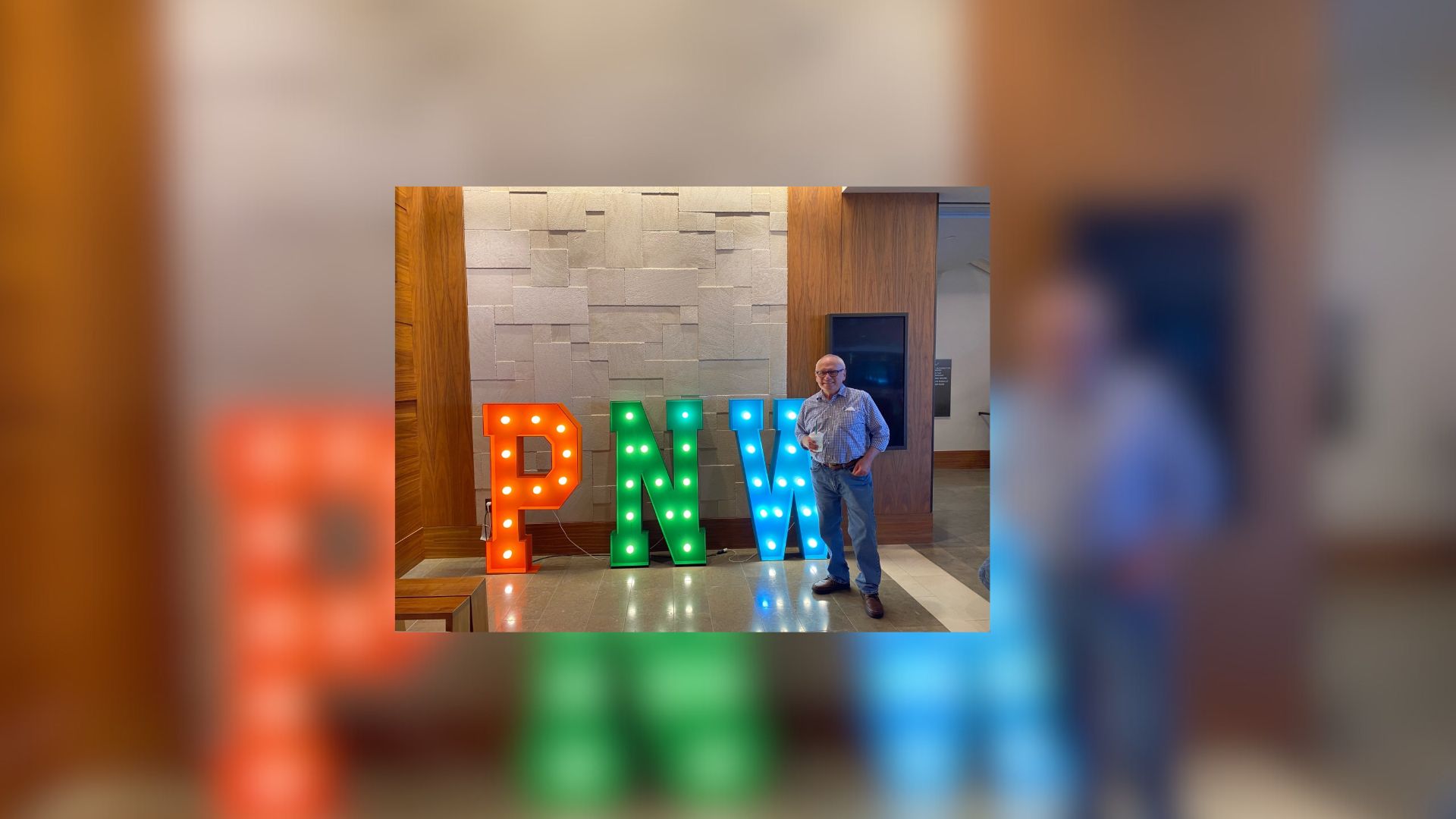
René Fabre: Washington State Real Estate History, Story of Renton, Music. A Far Flung Conversation.
René Fabre is my guest for this episode. René and I have known each other for over a decade During our conversation we cover a wide range of topics from Title Insurance, Washington State history. Renton, music and more.
René and I share a love of Washington State history. During our conversation we talk about process that was used to survey the State and how the land was divided up. We both have a real estate background so we geek out a bit on the historical aspects of title and real estate.
We also talk about Renton as René is amazingly knowledgable about Renton. We talk about the Seattle music environment over the past fifty years and more.
Join us as two good friends sit around and chat. This is one of my more fluid conversations. I enjoyed my time with René and I hope you will enjoy the episode.
Thanks for tuning into this episode of the Exploring Washington State Podcast! If the information in our conversations and interviews are enjoyable and valuable to you, please head over to iTunes, subscribe to the show, and leave us an honest review.
Your reviews and feedback will not only help us continue to deliver great, helpful content, but it will also help us reach even more amazing listeners just like you!
René Fabre Episode Transcript
René Fabre [00:00:00]:
To hold up a sign and dance around, and I kinda like, well, you know, so what’s this title company about?
Scott Cowan [00:00:26]:
Welcome to the Exploring Washington State podcast. Here’s your host, Scott Cowan.
Scott Cowan [00:00:32]:
Alright. Welcome to this episode of the Exploring Washington State podcast. Appreciate you tuning in to this episode. I am with a very good friend of mine today, René Fabre. This is gonna be a unstructured conversation. I mean, I think we know where we’re gonna go a little bit, but just hang in there. If you don’t like what we’re talking about, it’ll change in ten minutes, and you’ll have a new topic. So René welcome.
Scott Cowan [00:00:52]:
Thanks for being here.
René Fabre [00:00:54]:
Thanks, Scott, man. It’s good to get together with you.
Scott Cowan [00:00:57]:
Yeah. So, René , you and I have known each other for quite some time now, and, professional paths have crossed lots of times and all that. But we we also kinda have a shared, interest in in history, music, and community. So I thought today, I’d first off, I’d like you to give the audience your your background. Tell tell the audience who you are and a little bit about you.
René Fabre [00:01:21]:
Oh my gosh. Yeah. Well, there’s a story. Yeah. Well, I guess I’m, you know, kind of officially an old guy now since my birthday was yesterday. But, yeah, I what I’ve been in the title insurance business for this is my thirty eighth year, and I had a career before that, which was music. So I grew up in a music household in in a neighborhood called Arlington in Renton. My dad was a musician, so I had a an accordion strapped to me at about three and a half years old.
René Fabre [00:02:06]:
And I did that until I was well into my thirties. And then one day I showed up at a title company and kinda, just, you know, caught my interest. And it was kind of a neat blend of stuff. I mean, because I’ve, besides music, I’ve always been kind of a tech nerd and and a marketing kind of guy. So, yeah. So it was supposed to be a summer job. And,
Speaker D [00:02:36]:
I
Scott Cowan [00:02:36]:
think Or thirty eight summers worth.
René Fabre [00:02:38]:
Thirty eight summers worth. Yeah. So
Speaker D [00:02:41]:
what
René Fabre [00:02:42]:
my my introduction to the industry, ironically, was one of my musician’s friends and, Steve Johnson, great saxophone player. Oh my god. And we played a lot of years together, and he was a a manager for Manpower downtown Seattle. And out of desperation, one summer in ’84, he gave me a call and he goes, oh, man. I got a job to fill. Could you help me out? And I go, yeah. Sure. What’s up? And he goes, well, this title company called me.
René Fabre [00:03:23]:
I don’t know what they are. You know what? I what’s a title company? They’re like lawyers or something like that. You know? And and it was just like, god, could you just, you know, put a white shirt on and a tie and just, like, show up, you know, so I could fill this job. And he got and, you know, and, and and and to back up just a sec from from that, he goes, well, I got two jobs for you, actually. One’s a title company, and one was to be a Vlasic pickle on the corner of Fourth And University to hold up a sign and dance around. And I kinda like, well, you know, so what’s this title company about? Oh my god. Yeah. So you and that’s the story.
René Fabre [00:04:09]:
I mean, it just kinda went from there. And it’s like, talk about a square peg fitting in a round hole. I was just, like, not your usual candidate, but I just was kind of that oddball that fit in, that was always the guy with the weird idea. So, you know, I mean, in like a yeah. I mean, it’s amazing that it lasted thirty eight years. I mean, it’s just, yeah.
Scott Cowan [00:04:34]:
Well, let me let me pause you here for a second because one of the things that we all do is we all talk in the abbreviations and shorthand of our industries. Right? We all and you and I are both in, you know, the real estate business. But so to me, title insurance, I know exactly well, I don’t know what I don’t know that I know exactly what title insurance is. I shouldn’t say that. But for our listeners, what define title insurance.
René Fabre [00:05:01]:
In a nutshell, to keep it really, really simple, it’s an insurance that look that that looks backwards, not forwards. So we’re not insuring you, in a sense, into the future. We’re guaranteeing that the past was the past, and this is the way it is today. And our insurance policy will cover that and protect you.
Scott Cowan [00:05:29]:
So let’s let’s elaborate a little bit because once again, I understand, but I’m gonna let’s just assume that help me out for the next time I’m talking to a client and they’re asking me why why do I have to have title insurance? But so you’re looking at the chain of ownership and ensuring that what we call clouds on title. You’re ensuring that there’s nothing out there against that property
Speaker D [00:05:56]:
Right.
Scott Cowan [00:05:56]:
That could negatively harm the new owner. Is that fairly
René Fabre [00:06:03]:
That’s fairly. Yeah. I mean, you’re you’re spot on. And it also includes things like, when you buy a piece of property, sometimes it’s not always that neat and tidy because that property is subject to or includes things that go with the land. Even though you sell it, it doesn’t erase things from the past. I mean, everything from, like, an IRS lien to an easement to water and mineral rights to, you know, all that kind of stuff. And and then in a sense, what it it’s also doing is, did the person that sold you the property actually have the right to sell you that? And do they actually own it, or are there any skeletons in the closet that might have claim for that title?
Scott Cowan [00:07:01]:
Let’s jump off from there because let’s go back in time now using using this model. Washington state has been around since what 1869 is the statehood date.
René Fabre [00:07:13]:
Correct? Eighteen eighty.
Scott Cowan [00:07:16]:
Eighty ‘9? Wow. Here we are on the Exploring Washington State podcast, and we don’t know when the state is officially a state.
René Fabre [00:07:23]:
Is that what we’re like?
Scott Cowan [00:07:24]:
Oh, man. Here you go, folks. Fact check
René Fabre [00:07:26]:
everything in 1889. Something like that.
Scott Cowan [00:07:28]:
Okay.
René Fabre [00:07:28]:
Yeah.
Scott Cowan [00:07:29]:
So how was land ownership recorded historically going backwards? Because nowadays, everything’s in a computer. We can search for stuff. Boom, boom, boom. We got lots of data. But going back hundred plus years ago, how are those records kept, and how is how does the title insurance policy go all the way back there from a historical standpoint? Because that’s that’s what’s interesting because I buy a piece of land in Wenatchee. I’m not the first person to have bought it. It’s been owned by a series of other people or entities through through the years. How did we first start describing and saying, okay, this piece of land is blah blah blah.
Scott Cowan [00:08:23]:
From a historical standpoint, how do we how did that happen?
René Fabre [00:08:27]:
Well, yeah. I mean, to me, I’m just like a on a deep dive this whole year because I just wrote a new class on it. So, I mean, the whole thing there’s such a rich history, but really, it kind of gets going when Lewis and Clark came out here because, you know, Thomas Jefferson sent them out here to hurry up and get to the Oregon Territory. Because we had the Brits out here also. And we had just picked up the Louisiana Purchase, and the Southwest from you know, the Spanish Mexican whole thing. You know, all of this stuff is kind of happening at the same time. So there was a big urgency to get out here and fill up that Northwest corner and claim it. But we needed a way to do it because if you think back, our original 13 colonies used the British system, and that was meets and bounds.
René Fabre [00:09:32]:
So that’s basically, you know, I stick a stake in the ground, and I follow the creek, you know, bearing northwest 300 feet, and then I take a left at the big pile of rocks, and I walk down to the oak tree, you know, and, you know, all of this stuff is described. Well, if you’re trying to open up the West and do it quickly, how in the heck are you gonna do that if that’s what you have to deal with? Everybody is just literally staking out a claim, right? Putting a stake in the ground and describing the property, that’s going to be nuts. So they came up with a system that became the Public Land Survey System, and it was basically dividing everything into squares and rectangles. And the way they did that was in, like 1850, to incentivize people to settle here, they did the donation land claim. And that meant anybody in the Northwest here in the Oregon territory, not for the whole country, but just here in the Northwest, and that was like Oregon, Washington, Idaho, a little bit of Montana and Wyoming to begin with, is we need to base a survey from some sort of ground zero place. So the ground zero place is what we call now the Willamette Meridian. So in a little park, like not even two miles out of Downtown Portland to the west up on the hill, they drove a stake in the ground, and they said this is ground zero. And then they went north to the Canadian border from that stake and south to the California border.
René Fabre [00:11:33]:
And then they went east and west from the ocean to Idaho. So they, you know, put a, you know, kind of a, you know, just mark their matrix there. So they had a meridian and a baseline. What’s fascinating to me is you still see that in legal descriptions today. I mean, if you buy a property, even today, you know, it’ll say, you know, Section 18, Township 23 North, Range 5 East, Willamette, Meridian. And that’s referring to that ground zero point.
Scott Cowan [00:12:06]:
So what years was this happening?
René Fabre [00:12:09]:
And this started, like, in 1850.
Scott Cowan [00:12:12]:
Okay.
René Fabre [00:12:13]:
Yeah. So so they went north to Puget Sound. So they went through between Olympia and Yelp, and then, you know, through Centralia. I mean, they just drove a line north. Took them seventy four days from the initial date, in 1851. They marched through the woods and marked trees every half mile up to Puget Sound to start it.
Speaker D [00:12:41]:
Mhmm.
René Fabre [00:12:42]:
And then, yeah, it’s fascinating that they could do that. I mean, because like you said, we’re such in a digital world. Yeah. We could just do that from satellite now. You know what I mean?
Speaker D [00:12:56]:
Well, I
Scott Cowan [00:12:56]:
don’t know what traffic if it would take more than seventy four days to go from Portland.
René Fabre [00:12:59]:
I’m amazed that it only took them that long when you consider that there was probably only a couple of indigenous trails.
Scott Cowan [00:13:07]:
Yeah. That actually when you think about it like that, that is that is pretty amazing. So that’s how this that’s how the land, the description of land was started.
René Fabre [00:13:19]:
Right. So they did town, they did what’s called, townships. And a township is six miles by six miles. So there’s 36 secondtions in a township. So, I mean, if you just march north from that starting point in Portland, you know, every six miles is gonna declare a new township, so and then that would be a square of 36 miles. Now forever since the fifteen hundreds, you know, we kinda look one of the default descriptions of land is how many acres do you have.
Speaker D [00:14:01]:
Mhmm.
René Fabre [00:14:02]:
And so acre was a, you know, you know, kind of a, you know, very common term. So, you know, like in a section you got six forty acres, and they wanted to keep the math simple, so the recording of it would be simple. So, you know, if you divide six forty seven times, you end up with even numbers all the way down to five acres.
Scott Cowan [00:14:30]:
Okay.
René Fabre [00:14:31]:
And then of course, you know, we have lots of property these days, you know, that are under five acres, of course. But but, they were given the land away at, you know, 320 acres out of WACC.
Scott Cowan [00:14:45]:
K. And that was to spread out so that the British wouldn’t spread in, if you will.
René Fabre [00:14:53]:
Yeah. Because we need if we had Americans, you know, settling here, then we’re establishing a presence because what they were afraid of, and probably duly so because the British already had Canada, but the before the Oregon Territory, we had what was called the Oregon Country, and that went about halfway up through BC. And then in, what, 1848, they had, you know, they did a treaty or something like that, and then we end up drawing the 40 Ninth Parallel. But the Brits were claiming everything West Of The Columbia River, West and North Of The Columbia River. So Washington could’ve looked a whole lot different if they would’ve won that claim.
Scott Cowan [00:15:46]:
We wouldn’t have any left turn lanes.
René Fabre [00:15:48]:
We wouldn’t have any left turn lanes. No. We’d be out on the Columbia Plateau there. Okay.
Scott Cowan [00:15:57]:
So these documents were recorded then. Were they recorded at the state level? Or how did
René Fabre [00:16:04]:
They had like a territorial, land office. And that moved around a bit. It started out, I think, in in Olympia. And then as the as time went on, we had a land office in Seattle. So one of my favorite stories is the Shumway Farm in Kirkland, you know, and, you know, you had to go to the land office downtown Seattle. And and and it, you know, I mean, our joke is always today, you know, it’s like, well, it’s not a joke. I just mean in the sense of the way we perceive time nowadays, is the fact that same day recording. Well, there’s no same day recording back then because there was no way to record anything other than to bring your documents, the originals, show up at the office, and they had like a big track book, and they literally just copied everything off of whatever those documents were into a tracked book.
René Fabre [00:17:09]:
So it was all handwritten.
Scott Cowan [00:17:13]:
In your thirty eight years of doing title insurance, is there any stories that, I mean, there’s lots of stories, I know that, but is there any stories that really bubble up to the top for complexity issues? I mean, like a piece of land that you’re like, this this was amazing that this got moved around and, you know, you you you alluded to the Shumway, but things like that. What is what sort of stories do you have that you can share that might, you know, have a humorous tint to them if you will?
René Fabre [00:17:46]:
Oh, well, one of my favorite projects that I worked on a long time ago was, do do you know where, like, Brace Point is? It’s I
Scott Cowan [00:17:57]:
see not.
René Fabre [00:17:57]:
It’s near 3 Tree Point. It’s kind of over in the Burien Des Moines area. Okay. Well, I won’t mention names, but a famous builder, contractor, construction company, dude owned that, and he built a great big wall around his property. He had this huge mansion on the bluff overlooking the sound, you know, and and and the neighbors really got upset and alluded to, no, the neighborhood has a right to walk down this path to the beach. And so, I took it on, and what I found out was a captain Johnson got a land grant. And in, you know, in it and I had to go all the way back to, you know, like, 1851 or something like that. And lo and behold, yes, he rode into it.
René Fabre [00:19:03]:
The neighbors have a right to follow the that this kind of path that already existed when captain Johnson got the property, and he goes, oh, of course, the neighbors can walk down the path. So in current times, the owner had to actually tear down part of the wall and reopen that because it was it was written in there. So that wasn’t in our digital system. I had to go way, way back. I had to go to the courthouse a bunch of times and go through old documents. And,
Scott Cowan [00:19:38]:
so what prompted this? Was it a a buyer? Was it the the act of the wall going up by the the property owner? Or was it a a new buyer in the neighborhood that said, hey. Wait a second. Or
René Fabre [00:19:49]:
Yeah. It was the it was the neighborhood, and they were just declaring their rights that they had had up until the time that this guy bought the property.
Scott Cowan [00:19:59]:
Okay.
René Fabre [00:19:59]:
Yeah. And and so and they were saying, I know it’s in the record somewhere, you know, and so I I got I was the guy that went back and did the research, And, yep, here it is. You know?
Scott Cowan [00:20:12]:
So how long did that take you?
René Fabre [00:20:14]:
I spent a good couple weeks on that one.
Scott Cowan [00:20:17]:
Oh, okay. Yeah. But ultimately, the neighborhood was happy. The guy might not have been happy.
René Fabre [00:20:21]:
The neighborhood was so happy. Gosh, I don’t even know if it shares stuff like this, but but, it was I finished it up around the December, and about a week and a half later, one of the spokespeople, he was an Alaska Airlines pilot that lived in the neighborhood. And he comes walking in with this great big box, and he goes Merry Christmas, and puts it on my desk, and I open up the box, and it’s like, I got this whole box of booze. That was my that was my my little spiff for having done all of that. Yeah. Awesome. That was a really yeah. That was a cool project, though, too.
René Fabre [00:21:07]:
Justice prevails and all that.
Scott Cowan [00:21:09]:
What else what else about our state in land? It it from a historical standpoint, because one of the things that we’re we’re beginning to talk to about on the show is is we’re starting to look backwards at the state, you know, is from a historical standpoint, looking looking in the past now. And so I’m kind of hoping that you can help set some of a foundation.
René Fabre [00:21:37]:
Okay.
Scott Cowan [00:21:38]:
How yeah. Anything unusual about the way Washington State was divvied up? Anything unusual about the way that we kept records?
René Fabre [00:21:49]:
I would say not in the record keeping, but I would say from, a grassroots level about communities. I mean, we’ve always had that’s kind of one thing I spell out my latest class. I’m not here to solve all the wrongdoings of everybody forever. I’m just here to say this is what it is and how it happened. But one of the a couple of the coolest stories I discovered was, like, Centralia, And, a bit north of that is that, George Washington, not the same George Washington or president, but a guy named George Washington, and another guy named George Bush, and also not a George Bush president, were black. And they were two of our earliest settlers. And they were absolutely wonderful people, raised a family. Some of their kids served in, in government.
René Fabre [00:23:03]:
You well, hey. When you you’re a south ender. You know, when you go down into Olympia, off to the left is you’re coming into Olympia is Bush Prairie.
Scott Cowan [00:23:14]:
Right.
René Fabre [00:23:14]:
That’s George Bush, the settler that you know? That Okay. And that I mean, that is unheard of, and they were, like, one of the earliest, earliest settlers here. And and the community came together because Washington wasn’t like a lot of other states. We do we we didn’t have a lot of the racial stuff about owning property, but they still wouldn’t give them his patent. But the community came together because they were so integral to the community and had such good relationships that they all went to the state of Washington with, you know, with a protest in writing that said, no, you need to grant these guys this guy Okay. His property. So, I mean, that to me is, that that’s something I’m proud of to look back as a Washingtonian.
Scott Cowan [00:24:10]:
Yeah. No. That’s that’s that’s I did not know that. That’s interesting that, you know, George Washington and George Bush. Interesting.
René Fabre [00:24:22]:
But they escaped. I mean, because a lot of our early settlement I mean, we got so much stuff going on. I mean, we’ve got the War of Independence going on. And then we’re into the war of eighteen twelve, and then we’re into the civil war. And all through all of that mess, the West or the Northwest is being settled. The railroads really made a big difference as far as kind of bringing people here en masse, and I call it the Victorian internet, when the telegraph and the telephone showed up here. We actually had, just like today, we had people back east buying property on
Scott Cowan [00:25:04]:
spec. Right. Right. Yeah. When did, when did the telegraph get out here into into the South Carolina? Nineteen eighties. Yeah. Nineteen eighties. Okay.
René Fabre [00:25:13]:
Or, might even be before that because, the first telegraph that arrived in Seattle gosh. I forgot who sent it, but Seattle’s First telegraph out of Seattle was to Abe Lincoln, president.
Scott Cowan [00:25:37]:
Well, that was in the eighteen sixties then.
René Fabre [00:25:39]:
Eighteen sixties. Yeah.
Scott Cowan [00:25:40]:
Yeah. Yeah.
René Fabre [00:25:42]:
It’s Saturday. I’m not really clear on my dates.
Scott Cowan [00:25:48]:
He didn’t know this was gonna be a history test.
René Fabre [00:25:49]:
I didn’t know this was a history test. I was like, Yeah, I was prepared for something different. No.
Scott Cowan [00:25:54]:
Okay.
René Fabre [00:25:55]:
No. Just teasing. Just teasing.
Scott Cowan [00:25:58]:
Well, yeah, because one of the things is, you know, the the railroad, the Transcontinental Railroad, coming out here and ultimately ending in Tacoma. And then but what’s interesting what, you know, is Walla Walla was a big part of that.
René Fabre [00:26:13]:
Yes. You
Scott Cowan [00:26:14]:
know, Walla Walla was going to be a big Walla Walla certainly looked like it was gonna become a big place in the state of Washington.
René Fabre [00:26:23]:
It very much did. And who started that one was the Whitmans. Right? The Whitman mission and that that whole thing. Yeah. Yeah.
Scott Cowan [00:26:34]:
Right. And then, you know, with Tacoma getting the choice and they picked they picked the railroad and then settled and got the the college, that certainly seemed like the safe bet. Right? That that certainly seemed like that was gonna be the it would be Tacoma and then Seattle would be the the smaller place, but just didn’t work out that way.
René Fabre [00:26:55]:
No. And then there’s always been then the rivalry continues. Right?
Scott Cowan [00:26:59]:
Right. Yeah. The rivalry continues. And, no, Washington, we we’ve had a very interesting, an interesting, couple hundred years, if you will. And the the land though I mean, because, you know, underneath everything is land, not to sound like a yeah. Oh, what’s the word I’m looking for? The the realtors associations mantra, you know, underneath all his land. But that’s true. Oh, under land I mean, land is very important.
Scott Cowan [00:27:34]:
Ownership of land, ownership rights.
René Fabre [00:27:37]:
Yes. Yeah.
Scott Cowan [00:27:38]:
Water. All of these things are constantly evolving and changing. And, you know, and I’m sure that as we talk to other people, you know, we’re you know, it’s I’m gonna I’d like to get somebody on here to talk about how if you think about all the changes that happened on the Columbia and
René Fabre [00:27:56]:
Oh my god. All of the Yeah.
Scott Cowan [00:27:58]:
All of the all of the things that happened to the Columbia Basin because of, the reclamation projects and things like that. Lots of lots of very interesting things that have happened.
René Fabre [00:28:08]:
Well, like, for instance, you know, it’s like when they put the the ship canal in in Seattle
Speaker D [00:28:15]:
Mhmm. You know,
René Fabre [00:28:16]:
to connect Lake Union the Sound Lake Union and and and and Lake Washington, then I ended up lowering Lake Washington by like six feet, six and a half feet or something like that. And that, all of a sudden, wouldn’t you like to have waterfront property in those days, and all of a sudden the lake’s down six feet, you’ve got a whole bunch more. But we go back in history to, you know, we had coal and timber, And, gosh, even my, you know, my, like, my grandpa, he worked in in Newcastle in in the mines. Right? You know? And the railroad used to come around the lake. The shortest distance is Seattle around the lake through Renton up into Newcastle. So speaking of interesting layers of land, literally, hooking around the South End of Lake Washington, I mean, I I did a couple of projects down there where you had all these railroads going through there. Then you had the donation land claim. Then you had a couple of homesteads.
René Fabre [00:29:27]:
Then you had a plat, and all of these were vacated. I mean, so all this stuff ends up stacking up. I think what what people don’t know is your history on land exists in layers. Mhmm. And those layers never go away. They were there, and now there’s something else. So then it’s platted, and then a portion of the plat’s vacated, then it’s platted over again. You know? And I would say that’s down where, like, the landing is in Renton, you know, kind of around that.
René Fabre [00:30:00]:
You know? And I just go, man, that I mean, there’s so much stuff going on there. I got in a project. I was just like, I was down rabbit holes, like, every day trying to figure out who did what when. You know? Because back in the day, once again, you had to go I mean, before, we’re talking well, I was looking at it on microfiche, but when it was originally recorded, it was handwritten.
Speaker D [00:30:25]:
Mhmm.
René Fabre [00:30:25]:
And so the microfiche is only just copies of that handwritten documents, and you gotta go through and read all that stuff and figure it out. Like, you know, what layer are we on here, and and how does it progress? So on our modern day plats, you know, we don’t we have those issues, but and, you know, but there’s so much history in land around here. It’s been around for, you know, forever, but it is that we end up, having something on top of something on top of something on top of something. And every once in a while, you’re buying, yeah, you’re buying this cool old house that was built in 1928 on the outskirts of, I don’t know, you know, Maple Valley or something, and it’s near the river. And then all of a sudden, you know, it’s kinda like something comes up, and that’s an issue that needs to be investigated, so you got to go through all the layers.
Scott Cowan [00:31:19]:
Right.
René Fabre [00:31:21]:
Because back in, you know, ‘nine, somebody signed an agreement as a neighbor, and it’s in writing, and if it ended up on a deed that it goes it continues with the property, then, well, that’s the way it is. It continues with the property. Right.
Scott Cowan [00:31:39]:
Yeah. It’s always been, you know, as a real estate professional, it’s always been, you know, maddening because we find these things out when we’re trying to buy or sell a property. So it’s we never find them out when it’s convenient. Oh, of course not. No. It’s just a case. We always find them out when
René Fabre [00:31:51]:
it’s closing.
Scott Cowan [00:31:52]:
Right? Right. Right. Yeah. And then and then we then we have to do damage control and all of that. But but, you know, the the history of the of the area of the state and of in the Puget Sound region, particular, is is been, pretty fascinating to me. And actually, I think, you know, you you say you, you know, you might have taken a summer job, but, you know, I think as I’ve known you through the years, if it’s been, it’s it’s a job that fits you. It it it it it, you know, you you like to uncover and
René Fabre [00:32:27]:
dig. Oh, I love it. And there’s nothing more than I that I love than diving deep on something. If it cat catches my interest, I wanna know everything about it. So I’m just I just burrow in and go for it. But like I always preach in even my social media classes, it’s all about, you know, location, lifestyle, and community. I mean, those things oh, that I mean, that’s a resonating principle for me to how I, I perceive this whole thing.
Scott Cowan [00:33:00]:
But let’s transition pre pre real estate title now. Let’s go back. Let’s your your musical upbringing, your your your dad, your musical career, because recently we recorded an episode with with a a piano player who you played with
Speaker D [00:33:22]:
Yeah.
Scott Cowan [00:33:23]:
Back in Green River Green River College back in the in the 1970. So what was it like growing up so your dad was a a band leader, correct? Big band?
René Fabre [00:33:33]:
No. He was, an accordion player, and he played, clubs. He played all man, you know, in the late forties, fifties, sixties, seventies, into the eighties. He played all over all over the Northwest, in particular, you know, the the cool clubs downtown, Seattle and and Tacoma and stuff like that. You know? Like, Canlis. I mean, he knew Pete Canlis. He played there often. He played at the Serrano Hotel and stuff like that.
René Fabre [00:34:08]:
So we were totally the oddball family in the neighborhood because, you know, dad was a musician, played clubs. We had a lot of jam sessions on the weekends, and our hours were totally different because he didn’t work for Boeing or Pacific Card Foundry, you know, which which 90% of everybody in Renton did back in those days.
Scott Cowan [00:34:32]:
Right. So how were you introduced to music? I mean, obviously, with dad dad being a professional musician, but when did you start to you you mentioned when we started, you know, you had an accordion strapped on you at three, but, when did you yeah. When did you start really taking an active interest in in music and what instrument was it that got you started?
René Fabre [00:35:01]:
Yeah. So well, I did the accordion thing, and I was proud to do it, but then I hit about 12 years old or so. And then, you know, being a guy that was born in 1950, we’re talking 1962, and my next door neighbor, Cheryl, who was a kid that was probably about four years older, then, she had a friend in England that sent her, mailed her an album, And share shared that with me, invited me over, and we put it on, and it was Meet the Beatles. And I I think that’s the first time I got the the biggest emotional high about the possibilities of what music was. I was like I mean, even up even at that time, I was doing the local stuff, you know, like the Polar Gear and the Raiders and the Sonics and the Wailers and the Ventures and, you know, the whole fifties things. But it was just kind of like, that was like almost like a premonition because it took until another year and a half or so, ‘sixty three, and all of a sudden we had the English wave, the first English wave happening. And I was just, like, totally into that. You know? So I I mean, I always joke.
René Fabre [00:36:29]:
I I have, yeah, I’ve been I was, like, totally in in, like, rock bands all the way through my teens and twenties, and and, What?
Scott Cowan [00:36:40]:
I’m I’m you can see me, you know, since this is audio format, I’ll just, you know, I’ve kind of got this bemused look on my face, at least that’s what I’d like to think it looks like. Maybe it looks like I’m passing a kidney stone or something, I’m not sure. The fact that you can remember the first time you heard that album, because I don’t remember the first time I heard the Beatles, they just have always been there. Yeah. But I was watching have you seen the Get Back movie?
René Fabre [00:37:10]:
Yes. Yes.
Scott Cowan [00:37:14]:
So the the what what you just said, this is what it reminds me of. Watching Get Back and they’re playing, you know, Get Back over and over again. Right? They’re working on that song, and and then they go up on the rooftop and they’re playing it. And, you know, it’s a Beatles hit. Everybody knows Get Back. Right? It’s just been there. Yeah. But could you imagine what it would have been like the first time you heard that? I mean, you’re walking the street in London and, you know, the Beatles are, you know, five stories up or whatever it was they were, and you’re hearing this song, you’re like, what song is that? I’ve never heard that before.
René Fabre [00:37:50]:
Exactly.
Scott Cowan [00:37:50]:
And yet for me, it’s like, it’s always been there, and it’s always been well known. So I I love the fact that you can point to when you first met the Beatles.
René Fabre [00:38:02]:
Yeah, and that I had no idea what journey in life that would take me on. I mean, because I don’t like going around thumping a Bible for the Beatles, you know what I mean? I wasn’t totally obsessed with them, But they really shook me off my foundation and showed possibilities because I think I was just like the perfect age. I mean, I was a teenager with angst, playing a guitar, just doing the whole thing. And what was so cool about the Beatles is that every time a new record came out, it was almost a new direction. And and and that’s kinda if there is if there is a story of my life, it’s kinda like I call it the Tarzan theory of, you know, direction because I just swing from vine to vine and, you know, you just, like, you’re swinging along and you hey. That’s the one I can grab. And I just loved I just loved following that whole thing because when I love their early, early stuff, but I also really I mean, like, Revolver was the one that just blew me out of the room, you know? And it’s like, yeah, now we’re going, you know? It’s like, you know?
Scott Cowan [00:39:21]:
So let’s go back, though. Let’s let me let’s go back. You you mentioned Neil of the Wailers, the Sonics, Paul Revere, and the Raiders, and all that. What do you remember of your, you know, of your teen years in the Seattle written music scene? What was what was what was it like back then?
René Fabre [00:39:37]:
Oh, my gosh. You know, I always kinda joke that I made more money then than I do now. But I meant and by that, I just mean that every almost every restaurant, especially every tavern, had live local music at least two nights a week, if not three, and many had five nights a week you could go down and listen to live music. And it didn’t matter if it was Angelo’s Tavern or the Hilton Hotel or whatever. Everybody had live music. And, so I was playing I was a I joined the musicians union in 1965. So I was 15 years old. So I was a member of the musicians union before I got my driver’s license.
Scott Cowan [00:40:35]:
Okay.
René Fabre [00:40:36]:
So I had to have, you know, somebody you know? So one of the bass players that we had probably wasn’t one of my favorite bass players, but he had a driver’s license. So he got us to the gigs. You know?
Scott Cowan [00:40:51]:
Back then, mid sixties Seattle, Where was your favorite venue to play?
René Fabre [00:41:00]:
Oh, wow. Well, I did some of them. I think what in the early early days, those early days, I think that Target ball room was one of my my favorite place to play. It’s kind of a toss-up between that and the Spanish Ballroom over on 99.
Speaker D [00:41:16]:
Okay.
René Fabre [00:41:16]:
That I mean, because we, it wasn’t very sophisticated back then. You know? I mean, we just had about a dozen you know, thanks to Pat O’Day. Right? You know, we had, you know, because he kinda put the network of the local local scenes for for for dances. Yeah. My favorite kinda club, I forget the name of it now, but it’s it’s the rooftop at the Sorento Hotel in Seattle.
Speaker D [00:41:47]:
Okay.
René Fabre [00:41:47]:
I love that place. That was just such a cool venue to play. And I did that in a number of different guises. I mean, it was really fun. I had a I had a couple of bands that played there and then, but I also played with oh, god. I forget his name now, but, we were Sterling guitarists. Okay. Yeah.
Scott Cowan [00:42:07]:
I did a couple
René Fabre [00:42:08]:
things with that.
Scott Cowan [00:42:09]:
Let let’s flip that. Back then when you weren’t playing, where was a great place to go see music being performed at?
René Fabre [00:42:15]:
Oh, gosh. All the all the usual ones that everybody tells you, you know, Jazz Alley, Triple Door.
Speaker D [00:42:24]:
Okay.
René Fabre [00:42:25]:
Yeah. Yeah. Those are always good because they were so intimate.
Scott Cowan [00:42:30]:
Right.
René Fabre [00:42:30]:
Yeah. So
Scott Cowan [00:42:34]:
I can’t remember the answer to this question, and since I’m asking, I can ask. Did you see Hendrix at Sixth Stadium?
René Fabre [00:42:40]:
Oh, yeah. And I saw him at the Coliseum, and I saw him in Portland. And nice.
Scott Cowan [00:42:48]:
I joked that Oregon’s dead to us on the show, but
René Fabre [00:42:50]:
Yeah. Sorry. Oops. Stepped out of the boundary.
Scott Cowan [00:42:54]:
Well well well well well well well well well
Speaker D [00:42:55]:
well well well well well well well well well well well well well well well well well well well well well well well well well well well well well well well well well well well well well well
Scott Cowan [00:42:56]:
well no.
René Fabre [00:42:57]:
Yeah. Hendrix. So you saw No. Like the Beatles, Hendrix totally changed my life, because all of a sudden I saw guitar as orchestra. Because to me, he just brought so many different dimensions. It was sound, it was it was, you know, blues, it was, it was, yeah, I I don’t I think it took me years to appreciate that, but I I just, he just had a way of expressing himself with a guitar that nobody had ever done before. And it wasn’t like, you know, you know, excuse me, guitar players. I went I’m gonna say he was the most proficient mechanically as a guitar player, but he was probably the most succinctly emotional player of almost all time.
René Fabre [00:43:54]:
I I mean, to me, his stuff still holds up. It’s just like, I can’t believe you said it, and you said it that way. You know?
Scott Cowan [00:44:04]:
Mhmm. Okay. What other noticeable or memorable shows have you seen in the in the Greater Seattle area?
René Fabre [00:44:14]:
Oh my god. Well, in back in the day was, Eagles Auditorium. So I saw everybody coming through from Hendrix. I saw Kendrick’s there too. I saw the cream, you know, I I just the doors.
Scott Cowan [00:44:34]:
Did you see the dead?
René Fabre [00:44:35]:
I saw the dead. I saw I mean, I I I was all always there. I mean, I I hardly missed any of those because that just blew me away that we get to see these people, like, you know, in life and festival seating. Right? There was no chairs. We just sat on the floor.
Scott Cowan [00:44:53]:
Right. Right. Yeah. Seattle was a interesting place in the from all that I’ve gathered, you know, that that predates my concert, you know, lifestyle. But late, you know, mid seventies, late seventies, early eighties, Seattle is still a very interesting place to go see live music, before it got to, in my opinion, to, you know, corporate.
René Fabre [00:45:16]:
Yeah. Yeah. Yeah. Just just
Scott Cowan [00:45:19]:
the whole music industry in my it’s just gotten so corporate at that level.
René Fabre [00:45:24]:
And then when you get to kind of the, later half of the seventies and through the eighties, I kind of, checked out mentally to the rock scene. I was more into art music, you know. So I was getting into electronic music and, you know, more avant garde kind of stuff, you know.
Scott Cowan [00:45:46]:
So what got you going in that direction?
René Fabre [00:45:48]:
There’s just gonna be something more than playing cover tunes. Okay. Yeah. I so I just got I I kinda you know, because when you play clubs, it’s really hard to do original stuff because they just wanna hear they wanna hear what they wanna hear, and rightfully so because, you know, they’ve been working all week, and they wanna go out and have a few drinks and dance it up, and they wanna hear what’s in their repertoire. So
Scott Cowan [00:46:16]:
Right.
René Fabre [00:46:16]:
Like, so original music doesn’t really go off. And it was I kinda it’s just a joke, but if it was kinda like, if I have to play Proud Mary one more time, I’m going postal.
Scott Cowan [00:46:33]:
That just ruined what I was gonna ask you to do to close this episode. So okay.
Speaker D [00:46:37]:
Never mind.
René Fabre [00:46:38]:
But, you know, oh, man. But yeah. But I love those guys. You know? I mean, no. That was a a great band, but I would just, like I got really tired of playing cover. And I just was like, I wanna get more serious. So I was like, I was really into orchestra music, so I was really getting into Stravinsky and Bartok and all that kind of stuff. And I thought, that’s what I wanna do, you know? And then I went like, you know, good luck getting anything ever played by an orchestra.
René Fabre [00:47:11]:
And then all of a sudden, you know, and then at least playing bars was paying, you know, hey.
Scott Cowan [00:47:17]:
Paying the bills.
René Fabre [00:47:17]:
I was paying the bills. Yeah. So, I mean, it’s kinda like the more I got interested and wanted to evolve, the less money I made.
Scott Cowan [00:47:26]:
Yeah. You know, it’s talking to to my friends, you know, and and then people I’ve talked to on the show that aren’t necessarily friends at the time, you know, that’s that’s kind of been the, you know, did did you take the vow of poverty?
René Fabre [00:47:37]:
Yes. Of course.
Scott Cowan [00:47:38]:
Yeah. Yeah. Yeah. Yeah. It just seems so Seems so
René Fabre [00:47:43]:
You know, I’m a, you you know, I’m, I guess I’m a good Protestant in a way I still kind of carry it with me. And so there’s that little bit of got a little guilt on each shoulder that exchanges conversations as I walk through and share my opinions about life, you know.
Scott Cowan [00:48:05]:
So like I I mentioned when we started that, you in 1970 at at Green River, you were in the jazz band.
René Fabre [00:48:12]:
Yes.
Scott Cowan [00:48:13]:
At least I know I know you at least were in jazz band for 1970. And it is my understanding that one of your compositions was performed by the band on in competition? Is that
René Fabre [00:48:27]:
yeah. I wrote a ton of stuff for him. The one we chose to perform at the nineteen seventy two Olympic Jazz Festival, was a piece I wrote, foundation, basic, I Isaac Osmond novel. You know? That that was where my head was is I found that one. And it was fun. Yeah. And Brooke played piano in that. Grant Reeves, awesome, saxophonist and flotist, was in the band at the time.
René Fabre [00:49:02]:
Yeah. We had some great players. We were just, like, this really fun, out of the box collection of you know, I was gonna say weirdos. I don’t mean weirdos. Like, you know, everybody is weird, but we were kinda like, it just like our director was Pat Thompson, and he did an amazing job of just getting, like you know, like, normally, it wasn’t about our grades, and it wasn’t about did we look really, you know, clean and have the right haircut and all that kind of stuff. Most of us were pretty pretty out there, but we knew how to collaborate, and we knew how to play, and we knew just how to make stuff up and improvise. And, yeah. So I I even got a little award for the Olympic Jazz Festival for, for that.
René Fabre [00:50:01]:
But we we were kinda, like, under the auspices of the college, almost like a professional big band jazz band, because we are always on tour. And we played every college in the state of Washington. We went up to BC on tour and played about six or eight places.
Speaker D [00:50:21]:
We
René Fabre [00:50:21]:
were always just, you know, putting on a show somewhere for something.
Speaker D [00:50:24]:
Mhmm.
Scott Cowan [00:50:26]:
And how many years did you did you were you with the band at Green River?
René Fabre [00:50:30]:
Well, I started I actually went, and thanks to Pat Thompson, I went to, you know, he just said, hey, why don’t you go to school here? So I got into the music department in ‘seventy nine.
Scott Cowan [00:50:44]:
No. No. Sixty nine.
René Fabre [00:50:46]:
Sixty ‘9. Sorry. Sixty nine. And, and then I, you know, got my AA degree. I think it was in ’71. But but because of all of the work that I’ve I had already done, because I’ve been to Nashville, I played in bands, and I toured and all that kind of stuff. I ended up teaching at the same time, because I’ve I always kinda joke that I’ve always done everything bass afterwards because I you know? And so, like, oh, let’s go to school. Oh, no.
René Fabre [00:51:14]:
Let’s teach it at the same time that you’re going to school. So that’s kinda what was my thing. So I got and then I, I think it was about to about 73. So I was there from about 69 to 73.
Scott Cowan [00:51:30]:
So you slipped in. You’d gone to Nashville. You just kinda you just kinda, you know, threw that in there. Who did who did you go to Nashville with?
René Fabre [00:51:42]:
Bonnie Guittar. And, and her daughter
Scott Cowan [00:51:46]:
How’d you get connected to her?
René Fabre [00:51:47]:
Yeah. And her daughter who was known at the time as, you know, her stage name was Alexis. Mhmm. Yeah. And, and that was Paula Tutmar Johnson as we’ve known her. She’s she passed away a couple of years ago, but, we were just kids. I mean, I was like, what? Just barely 18.
Speaker D [00:52:07]:
Mhmm.
René Fabre [00:52:08]:
Yeah. We went down and, recorded in the RCA Nashville studio b, I think it is. It’s the small
Scott Cowan [00:52:17]:
How was that experience?
René Fabre [00:52:18]:
Yeah. Oh, that was mind blowing because I was hanging out with Chris Kristofferson and Bucky Wilkin and, you know, got all the all all of the country royalty, you know, at the time. Got to meet Johnny Cash there, Bobby Goldsboro, Chet Atkins. Really? Yeah.
Scott Cowan [00:52:44]:
In all the years that we’ve talked about this, I you haven’t shared those names with me before, so I’m I’m this is this is cool.
René Fabre [00:52:50]:
Yeah. Well, it’s yeah. I haven’t thought about it for a while, actually.
Scott Cowan [00:52:54]:
That’s cool, though, of you.
René Fabre [00:52:56]:
Yeah. Let it I mean, I I just, like, have really fond memories hanging out with Chris Kristofferson. I don’t know. Taking straight shots, smoking cigarettes, sitting in this little GT o o Opel Cadet.
Scott Cowan [00:53:13]:
Was a simpler time.
René Fabre [00:53:14]:
It was before he was on the Johnny Carson show or not the Johnny Carson, the Johnny Cash show before he, like it was just, like, right before he, you know, like, ta da. Here’s Christopher Stofferson. You know? But I was hearing all those songs already. It was really amazing. Yeah.
Scott Cowan [00:53:32]:
So going back to Green River and and Brook Lazat, you know, when so if somebody’s listening to this, depending on in what order they’re they’re listening to it, Renee, your episode will been published after Brooks, so they might be hearing this before listening to Brooks. So I apologize to those folks. Well, you’ll just have to go listen to Brooks. But one thing Brooks said, and he didn’t say it on mic, so this is you just have to trust me that this is what Brooks said, is that you had a chord, and he wants to learn this chord. And it was just it was really funny because so here here’s my observation of Brook Lasat. He has maybe the ideal setup for a musician.
René Fabre [00:54:17]:
Oh my gosh. Yes. Yeah.
Scott Cowan [00:54:19]:
Because he is has seemingly unlimited access to a wonderful studio space, with a amazing concert piano. Yes. Got it.
René Fabre [00:54:31]:
I I
Scott Cowan [00:54:32]:
really am busy. He practices yeah. And he and even I, who I’m not a musician, walked in and went, oh, well, that’s interesting look. I mean, it it’s it it it’s yeah. It’s it’s it’s a stunning piece of ins instrument. And so this guy practices, you know, more in one day than most musicians probably practice in a month. I mean, he’s just he is just able to hone his craft consistently. And so off off Mike, we were talking about you and and he was like, oh, yeah.
Scott Cowan [00:55:07]:
We did this song by Renee, and he has this chord and and I’m not a musician and you know that Renee, but I’m not a musician. But he goes, he has this chord and I need him to teach me that chord. And I’m thinking to myself, you practice all day every day. How is it you don’t know this chord? So help me out here because it’s like, what’s the secret? Is this what is this chord? And why does he want you to teach?
René Fabre [00:55:35]:
Yeah. I know. I
Scott Cowan [00:55:36]:
mean, what’s
Speaker D [00:55:36]:
the deal?
René Fabre [00:55:37]:
Well, it’s it’s
Scott Cowan [00:55:38]:
I feel like it’s a martial art
René Fabre [00:55:39]:
move or something. Totally. Yeah.
Scott Cowan [00:55:43]:
Yeah. Some some, you know, I don’t know. So what
René Fabre [00:55:48]:
Well, I I think, you know, it’s like being in a rock band, being in a country band, being in a jazz band. You know, there’s only so many notes, and we all play them.
Scott Cowan [00:56:00]:
Right.
René Fabre [00:56:00]:
But we use them and, you know, we cajole them in different ways that, you know, that are kinda are the emotional threads of whatever that style of music was. So when I was writing that stuff for for the jazz band, I was actually getting into 12 tone music. And so I was borrowing stuff from, like, Schoenberg and stuff like that, and I was just throwing these chords in, you know, and just and so I think, basically, what is it? A c 13 sharp nine something. I can’t you know, if my I don’t know. That’s, like, forty some years ago. I can’t remember exactly. But I have it on I have the score, so I was gonna copy the score, and I’ll email it to him. Because he in that piece that we played at the Olympic jazz festival, he did a piano entry and an exit.
René Fabre [00:56:56]:
So it was like Bookend’s piano. And, and and, you know, so I wrote that for him to play. And so I so I’m thinking that’s the chords that he’s he or at least the chord he’s thinking of. You know? But I was really getting into, like, pentatonic scales and chords based on fifths and and all that kind of stuff. So I’m not quite sure which chord in there he’s talking about, but I kinda have an idea that, that yeah.
Scott Cowan [00:57:25]:
Yeah. He was it was funny just the way he described it to me and the way I took it. Let let me put it to you way. Let’s let’s let’s now this is is that, like, you had this secret cord, and you you you you won’t share it with anybody. It’s it’s, you know, René Fabre, and you’ve Yeah. It’s your cord. And he’s he’s like, I need him to teach me that. I just I just kinda check all day.
Speaker D [00:57:46]:
It was
Scott Cowan [00:57:46]:
just it was kinda funny to me because it’s like, after all these years
René Fabre [00:57:51]:
It is. You know, and I think I you know, if I can claim kind of any kind of UD harmonic style in my writing was that I learned to compose from the guitar, and then I went to the piano. And on a guitar, it’s way more open. There’s way more space between the notes when you build a chord where, you know, on piano, you can do clusters if you want to. The notes can be right next to each other. But my hear my hearing, I always got, like, I I kinda think guitar. There’s a part of me that just thinks guitar. So that’s always kind of the way I I voiced things on the piano.
Scott Cowan [00:58:33]:
Are you doing anything musically nowadays?
René Fabre [00:58:35]:
I’m just kinda coming around circle to getting my back bedroom in my condo into a studio again. So I’m just at the point where I’m putting the Legos together again because I’ve got some ideas. And, yeah, I’ve done some stuff over the couple years, but I’ve been grabbing from here. I grab a little old, do a little new, and put them together and that kind of stuff. And I haven’t really been it’s really not about performing right now. It’s just about, like, what’s my new language? Where am I? I’m just kinda rediscovering kinda where I’m at right now.
Speaker D [00:59:17]:
K.
René Fabre [00:59:17]:
But I mean, because the world changed for me. I mean, smartphones coming coming about. That was a big change for me because I love doing video and putting music to it. And that’s kind of the direction I think I’m kinda moving in. And I’m not like making movies, like movie movies with a plot and all that kind of stuff. I just like doing visuals and then doing the music with it. So k.
Scott Cowan [00:59:46]:
Yeah. So I think of you as the Renton guy. Yeah. Grew up in Renton. You live in Renton. What’s going on in Renton these days that’s new and noteworthy in your opinion?
René Fabre [01:00:01]:
Oh, man. We’ve had, well, we’ve had the pandemic, but all those two years has been on the revitalization of downtown. So we got new curbs, new sidewalks, new sewers, new Internet, new everything. You know? I mean, they’ve just done a big refresh. And I love it because it’s really attracting. I think we’re finally over the hump because it’s been so up and then down and then up and then down. I think we finally had a place where the renaissance is truly beginning for for rent in downtown. And I can’t wait because I’m
Speaker D [01:00:41]:
not
René Fabre [01:00:41]:
a big fan of urban sprawl. I love little old downtowns that just scale that I just I I do.
Scott Cowan [01:00:50]:
So you I know you’ve listened to the show, and you know me quite well. So you know the next question’s gotta be, where’s a good place to get a cup of coffee in, Rhett?
René Fabre [01:01:01]:
Boon Boon is one of my favorites. Yeah. Yeah.
Scott Cowan [01:01:05]:
Why why do you like Boon Boona? Tell us elaborate on that.
René Fabre [01:01:08]:
Well, I don’t know how much I can elaborate, but, the the the coffees, from Africa, they, you know, it’s all done in house. They’re not just buying it and shipping it in. They’re doing it all there. And it is it’s just a wonderful big space and very comfortable.
Scott Cowan [01:01:28]:
It is it’s a remarkably large space.
René Fabre [01:01:31]:
Yes. Yeah.
Scott Cowan [01:01:32]:
Which I I like the space. The problem with a space like that is that five people in the space makes it still look empty. Yes. So you go, oh, is it it doesn’t it’s just that it’s like going into a large music hall that can hold, say, 500 people and there’s only a hundred and it looks like it’s not very popular yet. There’s a hundred people there. Yeah. Enjoying everything. So it’s Boon Boona’s space is, it’s it’s really kinda cool.
Scott Cowan [01:02:02]:
I don’t know. I was there pre pandemic and then I was there I think you and I, I think
René Fabre [01:02:11]:
We went there once together. Yeah.
Scott Cowan [01:02:13]:
Yeah. The last time the la I think the last time that you and I, met for coffee or we were trying to meet for coffee, and they were kind of, you know, it was they were it was in that awkward phase, mask, gotta you can’t sit in this, you know, blah blah blah, the whole thing. But they were doing the an Ethiopian, tea ceremony tea coffee ceremony there. You could and we we need to do that one.
René Fabre [01:02:34]:
I wanna do that, and I haven’t I’m guilty too, but, yeah, everything shut down kinda, and it was just like
Scott Cowan [01:02:40]:
a I don’t think they’ve been doing them. I don’t even know if they’re doing them right now. But in the near future, we we need to coordinate that. I think that would be a kind of a fun
René Fabre [01:02:48]:
And there’s a lot of good places. I look at the Liberty Cafe too if you just want, like, a really old school Renton.
Scott Cowan [01:02:54]:
Okay.
René Fabre [01:02:55]:
Yeah. Just
Scott Cowan [01:02:56]:
I wanna go grab a burger. Where’s a good place?
René Fabre [01:02:58]:
I like the, Whistle Stop. It’s one of my favorite places.
Scott Cowan [01:03:03]:
Alright.
René Fabre [01:03:04]:
Yeah.
Scott Cowan [01:03:05]:
And how I was gonna tease you about Home Depot, but, you know, McClendon’s. McClendon’s.
René Fabre [01:03:12]:
Oh, my god. Yeah. Well, I’m such a loyal McClendon fan, you know, because it was the family and then they sold it and then I think they bought it back. But that was the only place I just especially when I had a house, I haven’t had to deal with that, and then I’ve been a condo owner for quite a while. But I just I could I just remember so many Saturdays going there, because I had an old house, and then some old thing broke down, and I had to have it replaced. And you could just walk up to somebody and just go, well, I got this thing, and I am trying to figure out how to fix it or replace it. And he goes, give me a minute. I’ll run upstairs, see how I’m checked.
René Fabre [01:03:53]:
And it it would be it was probably some part from the forties or something like that, you know, that they haven’t made for, like, you know, 40 years or something. And, you know, they go find one, and I was like, I I just love that input or just anybody give him give me your opinion. I didn’t have to Google it. I actually got to talk to somebody.
Scott Cowan [01:04:13]:
I know. McClendon’s is a and for those of you that don’t know, McClendon’s is a is is a hardware store, and it’s a chain, a small chain. Yeah. And, I my experience with with McClendon’s is always you walk in and you’re like, well, first off, anybody that knows me knows I’m probably not walking into McLennan’s because I hate I am mechanically impaired. I I I am my wife would be the one walking in with the with the the odd part going, this just fell out of the the dishwasher and guy the person will look at it and go, well, that’s a blabbity blah 42 x. Go down to Aisle 7, Third Row from the top in the brown cardboard bin. We got three left. And, you know, I mean, you’re like, And you never question the pricing.
Scott Cowan [01:05:00]:
And not that the pricing is bad. You just you don’t go there to save money. You go there to save time.
René Fabre [01:05:05]:
Yes.
Scott Cowan [01:05:06]:
Yeah. Because they their their knowledge their their their their knowledge is superior.
René Fabre [01:05:11]:
I love that kind of stuff. Yeah. Other favorite places I like, well, being a bachelor, right, I hit the, Huachumaya buffet. At least
Scott Cowan [01:05:22]:
The Huachumaya buffet?
René Fabre [01:05:23]:
Once a week, you know, because, yeah, they have great food.
Speaker D [01:05:26]:
Okay.
René Fabre [01:05:26]:
Great food there. You know? Like I said, Whistle Stop’s one of my favorite hangs. So if you wanna run into somebody who’s been in Renton for a long time, it’s a good neighborhood. Hang out and
Speaker D [01:05:39]:
Okay.
René Fabre [01:05:39]:
What is it?
Scott Cowan [01:05:41]:
Last question about Renton. Tell us something about Renton that that people even most people in Renton wouldn’t know. Like, give us some obscure factoid about Renton.
René Fabre [01:05:55]:
Well, a lot of people do not know this, and that would go back to where we began this conversation, and that would be the, land donation claim thing in that, Tobin filed one of the first he number 35 in the Washington territory donation land claim. And and then, so he’s here. He builds a mill on the Black River. He’s at where Cedar River meets Black River, which it doesn’t anymore because, again, Lake Washington, when the ship canal was built, lowered. So the the Cedar River used to arc over, never go into Lake Washington, hook into the Black River, which went over to Tukwila into the Duwamish and then into the Sound. Okay. So but long story short was just that Tobin died, and his widow Diane ends up marrying the next door neighbor who has a 60 acres. And so they basically, all this whole valley right from south of the lake, almost to Kent, they had and it was a big farm.
René Fabre [01:07:14]:
And they never really made any money on the farm. They made money planning out rent and then selling lots. I mean, that’s where the money came from.
Scott Cowan [01:07:24]:
And when was that approximately?
René Fabre [01:07:26]:
Eighteen let’s see. Eighties.
Scott Cowan [01:07:33]:
Okay. And where did the name Ritten come from?
René Fabre [01:07:36]:
Captain Ritten, who was a local investor because what you know what, Tobin and all of that, Captain Renton was out here investing in timber and coal. So I live up the hill from Renton, and if you know where City Hall is or the s Curves in Renton, you know, the the the mine coal there used to be a coal mine right right there. And so they discovered coal and they had a timber mill. And, yeah, that’s where a lot
Speaker D [01:08:15]:
of that
René Fabre [01:08:15]:
money their money came from on that one, but Renton was a big investor in that kind of stuff.
Scott Cowan [01:08:21]:
Alright. I always ask this question to wrap things up. What didn’t I ask you that I should have asked you?
René Fabre [01:08:30]:
Oh, gosh. Well, one of the things we didn’t touch on, and I’ll make it really super brief is in between adventures, early eighties, I ended up at the Center for Contemporary Music
Speaker D [01:08:45]:
Okay.
René Fabre [01:08:45]:
At Mills College in Oakland. And, that was another adventure, and that’s kind of really where I got in to kind of my later phases. A lot of that’s but I always I mean, one of my pride and joy is I was studying for my master’s degree, and I didn’t I couldn’t afford the equipment nor did I have the space at that time. So I bought a Commodore 64, and that’s what I did my graduate thesis on.
Scott Cowan [01:09:19]:
You did your graduate thesis on a Commodore 64?
René Fabre [01:09:22]:
Totally. Because it has a three voice programmable synthesizer in it. Talk about a minimalist. Right? Yeah. But it totally works. It totally works. K. Yeah.
Scott Cowan [01:09:39]:
Okay. So thank you for making this happen. I’ve been wanting to do this for quite a while, and, you you’ve been a, a very kind listener and offered feedback, through the through the almost two years that we’ve been doing this. So I I I feel in some ways, I feel guilty that I didn’t have you on earlier, but I appreciate you taking the time today. And, oh, I know. I got a question for you. You do have some music available, like, on SoundCloud. Right?
René Fabre [01:10:14]:
On SoundCloud. Yeah. I got a bunch of stuff there.
Scott Cowan [01:10:17]:
Okay. And
René Fabre [01:10:17]:
I have also a YouTube channel that,
Scott Cowan [01:10:20]:
We’ll we’ll put a link to that. Is is there any other places that people could find out more about you?
René Fabre [01:10:26]:
That’s pretty much
Scott Cowan [01:10:26]:
everything. Social media to real estate
René Fabre [01:10:28]:
Facebook, Instagram, Twitter, LinkedIn, blah blah blah. You know?
Scott Cowan [01:10:33]:
I mean, you do teach social media to real estate agents. You you teach social media.
René Fabre [01:10:36]:
That’s kinda what that’s my gig. Yeah. Yeah. Yeah.
Scott Cowan [01:10:41]:
Alright, Rene. Well, I really appreciate you taking the time, and I’ve had a lot of fun.
René Fabre [01:10:45]:
Yeah. Thanks, Scott. I I hope this wasn’t, like, too too absolutely random.
Scott Cowan [01:10:50]:
No. And you know what? No. It’s not. It was fun. Thank you.
René Fabre [01:10:55]:
Yeah. I enjoyed it. Thank you, Scott.
Before you go
That is the whole idea behind the Explore Washington State Card. Free to carry, with a little something waiting at participating places when you visit. Your zip code is a vote for which towns we sign up next, and our weekly Washington travel newsletter starts landing right away.
Get your free card- About the Author
- Latest Posts

The Exploring Washington State Podcast is your go-to source for discovering the diverse wonders of the Evergreen State. Whether you’re seeking inspiration for your next adventure, looking to savor local cuisine, or eager to learn about the businesses and artists that call Washington home, this podcast has something for everyone. Join us as we showcase the splendor of Washington State, reminding you that “there is always more to explore!”


