Benton and Franklin Counties, Washington · South Central
Tri-Cities
Three cities at the confluence of the Columbia, Snake, and Yakima rivers. Three hundred days of sunshine. The most productive wine growing region in Washington.
METRO POPULATION
~323,000
FROM SEATTLE
3.5 hrs via I-82
FROM PORTLAND
3.5 hrs via I-84/US-730
COUNTIES
Benton and Franklin
KNOWN FOR
Columbia Valley wine country
SUNSHINE
300 days per year
The Tri-Cities is the collective name for Kennewick, Richland, and Pasco, three cities that grew up at the confluence of the Columbia, Snake, and Yakima rivers in southeastern Washington. The combined metropolitan area has a population of about 323,000, making it the third largest metro in Washington State. It is also the center of the Columbia Valley American Viticultural Area, the largest wine region in Washington, covering 11 million acres and producing over 99 percent of the state’s wine grapes.
Each city has a distinct character. Kennewick is the commercial and retail hub, with a walkable downtown wine corridor, the Toyota Center arena, and direct Columbia River waterfront. Richland carries the weight of Cold War history: the B Reactor at the Hanford Site, built in 1944 as part of the Manhattan Project, produced the plutonium for the Fat Man bomb dropped on Nagasaki. The REACH Museum in Richland interprets the full arc of Columbia River natural and human history, from Ice Age floods through the nuclear era. Pasco, anchored by a large and growing Hispanic community, has the Pasco Farmers Market at Peanuts Park, the riverfront at Sacagawea State Park, and one of the most distinctive food cultures in Eastern Washington.
What unifies the three cities is the Columbia River, which the Sacagawea Heritage Trail traces for 23 miles in a loop through all three. Three hundred days of sunshine per year keep outdoor activity viable year round. And the tasting rooms clustered along the Kennewick and Richland waterfronts put dozens of Columbia Valley producers within a few minutes of each other.
Getting Here
Tri-Cities is approximately 3.5 hours from both Seattle and Portland. From Seattle, take I-90 east through Snoqualmie Pass to Ellensburg, then I-82 southeast through the Yakima Valley. From Portland, take I-84 east along the Columbia River to Boardman, then US-730 north and I-82 into the Tri-Cities. Both routes cross high desert terrain and offer increasingly dramatic river valley scenery as you approach the confluence.
Tri-Cities Regional Airport (PSC) in Pasco operates daily service to Seattle and other West Coast hubs on Alaska Airlines and other carriers, making it a practical alternative to the drive.
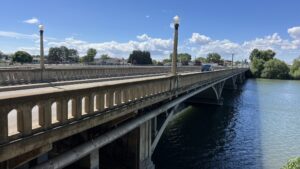
Within the metro, the Columbia River separates Pasco on the north bank from Kennewick and Richland on the south. The Blue Bridge (US-395) and the Cable Bridge (SR-397) connect Kennewick and Pasco, while the I-182 bridge links Richland and Pasco. Kennewick and Richland sit on the same side of the river, connected by SR-240. A car is essential for moving between cities, reaching winery areas, and accessing the Sacagawea Heritage Trail trailheads.
Things to Do
History
Hanford B Reactor and the Manhattan Project Park
The world's first full scale nuclear reactor, built in 1944 at Hanford as part of the Manhattan Project, produced the plutonium for the Fat Man bomb. The B Reactor is a National Historic Landmark within Manhattan Project National Historical Park. Tours are suspended for major construction and projected to resume in late summer 2027. Until then, the free Atomic Explorations ranger program runs at the park visitor center (2000 Logston Blvd, Richland) from late May through early September, and tours of the site's pre war historic landmarks run May through September via tours.hanford.gov.
History
REACH Museum
The regional interpretive museum in Richland covers the full arc of mid Columbia history from the Ice Age floods that carved the Columbia Basin through the Manhattan Project era. The Ice Age Floods exhibit shows the scale of the Missoula Floods that swept through the region 15,000 years ago, leaving the scablands, coulees, and river terraces that define the landscape. The Manhattan Project gallery matters more than ever while B Reactor tours are paused. Open Tuesday through Saturday 10am to 4pm and Sunday noon to 4pm, closed Monday. Adult admission $15.
Wine
Kennewick Downtown Wine Corridor
The Kennewick waterfront and downtown have concentrated a cluster of Columbia Valley tasting rooms within walking distance of each other, making car free wine tasting practical within a single part of the metro. The corridor is the most accessible entry point to Tri-Cities wine country without driving to estate wineries outside the city. The Columbia Valley AVA covering the region produces over 99 percent of Washington State's wine grapes.
Outdoors
Sacagawea Heritage Trail
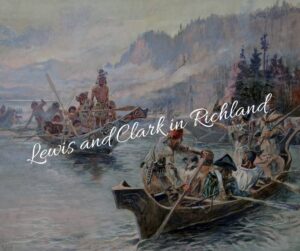
A 23 mile paved trail running along the Columbia and Snake river waterfronts through all three cities, connecting Kennewick, Richland, and Pasco in a loop. The trail is used by cyclists, runners, and walkers year round and provides river views along most of its length. Lewis and Clark traveled this same stretch of the Columbia in October 1805 on their westward journey to the Pacific.
History
Sacagawea State Park
A state park at the confluence of the Snake and Columbia rivers in Pasco, marking the point where Lewis and Clark's expedition encountered the confluence in 1805. Sacagawea, who accompanied the expedition as a guide and interpreter, is memorialized here. The park has a small interpretive center, picnic areas, and river access. The confluence view from the park is one of the more historically significant viewpoints in Washington.
Nature
Columbia River Waterfront
Howard Amon Park in Richland runs along the Columbia River with a beach, boat launch, picnic areas, and a riverside path that extends into the Sacagawea Heritage Trail system. The park is the most accessible Columbia River frontage in the Tri-Cities and serves as the embarkation point for Water2Wine river cruises. Sunset from the waterfront with the Cascade peaks visible on clear evenings is the standard Tri-Cities postcard view.
Food
Pasco Taco Truck Circuit
Pasco's large Hispanic community supports one of the densest concentrations of taco trucks in Eastern Washington, clustered along Lewis Street and the surrounding downtown blocks, with a consistency and quality that draws visitors from across the metro. The food culture here reflects the agricultural labor heritage of the Pasco area, and the taco trucks and taquerias are as distinctive to Pasco as Columbia Valley wine is to Kennewick and Richland. EWS has a full guide to the best stops.
Culture
Pasco Farmers Market at Peanuts Park
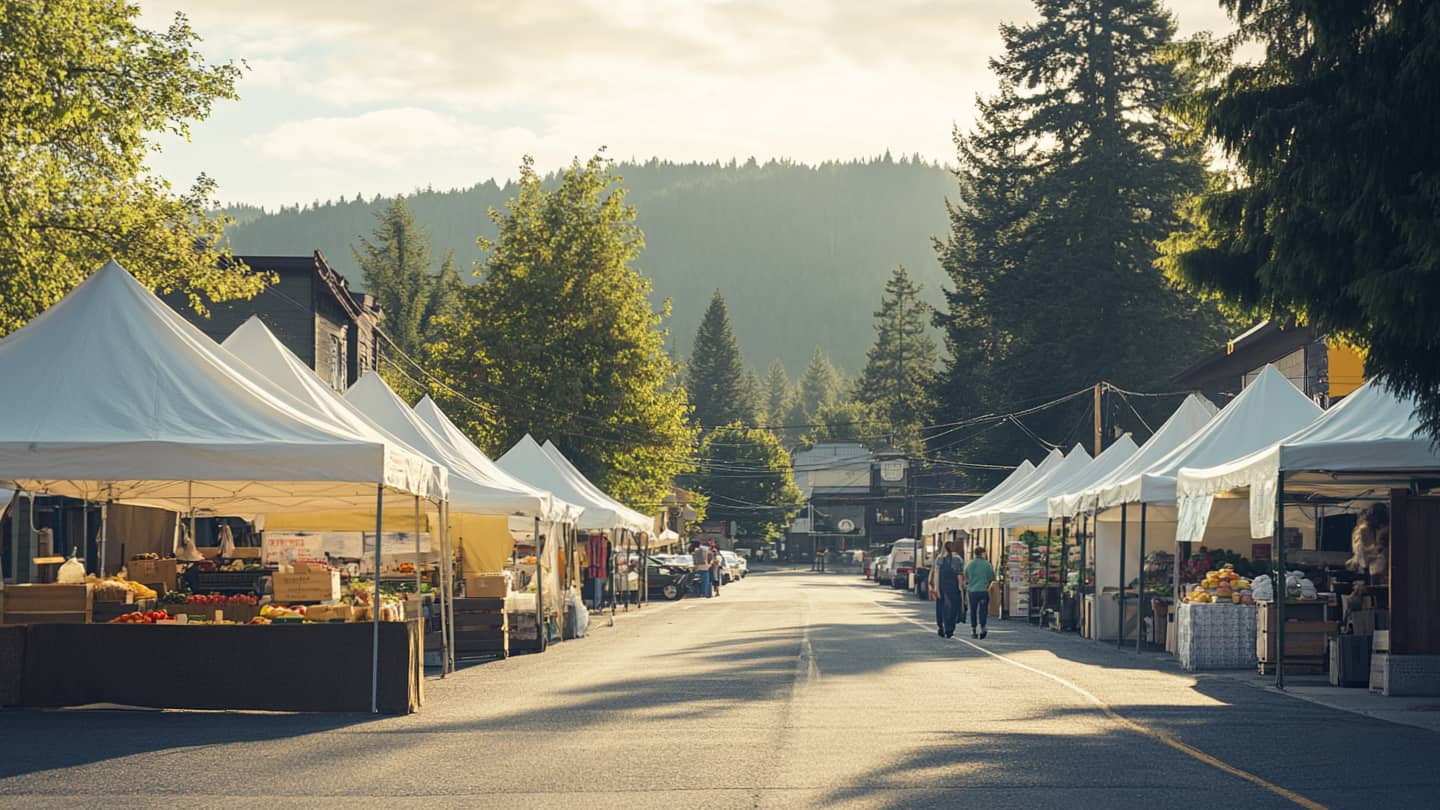
The Saturday farmers market at Peanuts Park in downtown Pasco draws produce vendors from the surrounding agricultural valleys with a selection that reflects the diversity of the region's farming: chilies, specialty fruits, Mexican herbs, and seasonal Eastern Washington produce. The market runs Saturday mornings 8am to noon from early May through the end of October and is the most culturally specific outdoor market in the Tri-Cities area.
Sports
Tri-City Americans Hockey
The Tri-City Americans are a Western Hockey League junior hockey team that has played in Kennewick since 1988. Home games at the Toyota Center run from September through March. The WHL plays at a competitive level between college and professional hockey, and the Toyota Center atmosphere is a strong entertainment option during the shoulder seasons when outdoor activity in the Tri-Cities is less compelling.
Recreation
Water2Wine River Cruises
The M/Y Chrysalis operates lunch and dinner wine cruises on the Columbia River from Columbia Point Marina in Richland, pairing Columbia Valley wines with river scenery along the mid Columbia. Public cruises sail Thursday through Sunday in season; book at water2winecruises.com.
“The Columbia Valley starts here. What gets bottled up and down the state often begins at these river bends.”
Explore Washington State
Where to Stay
The Lodge at Columbia Point
The most distinctive lodging option in Richland, positioned on a promontory at Columbia Point with Grand Cru riverfront rooms facing the Columbia River. The property is the closest thing in the Tri-Cities to a destination resort, with Water2Wine cruises departing from the adjacent marina, Riva Riverside Dining on site, and Howard Amon Park within walking distance.
Book at The LodgeHoliday Inn Richland on the River
The longtime Hanford House property on the Richland waterfront at 802 George Washington Way, now operating as a Holiday Inn after years as a Red Lion. The hotel sits beside the Columbia River near Howard Amon Park and remains the conference and business anchor of the Richland waterfront. A reliable full service option for visitors spending more than one night in the metro.
Book at Holiday Inn RichlandFind a Cabin Near Tri-Cities
Find a Cabin Near Tri-Cities
Food & Drink
LU LU Craft Bar + Kitchen is the most recognized farm to table kitchen in the Tri-Cities, on the Columbia Point waterfront in Richland, with a made from scratch menu that changes with the season and a craft cocktail program that draws from the Columbia Valley terroir. Open daily, with brunch service on weekends.
Riva Riverside Dining, the restaurant at the Lodge at Columbia Point in Richland, serves Italian dinners with Columbia River views plus daily breakfast service. Longtime visitors knew this space as Drumheller’s before its recent reimagining.
The Taco Truck Circuit in Pasco: Pasco’s Hispanic community supports one of the densest concentrations of taco trucks in Eastern Washington, clustered along Lewis Street and the surrounding downtown blocks. The experience is specific to Pasco and to the agricultural labor heritage of the region. EWS has a guide to the top taco trucks and the tamale trail.
Water2Wine Cruises: The M/Y Chrysalis offers lunch and dinner wine cruises on the Columbia River from Columbia Point Marina in Richland, pairing Columbia Valley wines with the river scenery. Public cruises sail Thursday through Sunday; book at water2winecruises.com.
Festivals & Events
July
Tri-Cities Water Follies
One of the largest hydroplane racing events in the country, held on the Columbia River at Columbia Park in Kennewick each July; the 2026 races run July 24 to 26. The Columbia Cup unlimited hydroplane race is the centerpiece, drawing drivers and teams from the full APBA racing circuit. The event has run since 1966 and includes an air show and multiple racing classes across the weekend.
November
Tri-Cities Wine Festival
An annual celebration of Columbia Valley wines held each November at the Three Rivers Convention Center in Kennewick, with wineries from across the region pouring in one room. Now past its 44th year, the festival is the most concentrated access to regional producers in a single evening.
October
Harvest and Crush Season
Not one festival but a season: wineries across the Tri-Cities and the surrounding Columbia Valley run grape stomps, harvest dinners, barrel tastings, and crush events through October, with Fall Release weekends following into November. Visit Tri-Cities maintains a current calendar of harvest and crush events each fall.
Day Trips
Walla Walla (1 hour east via US-12): The Walla Walla Valley AVA has more than 120 wineries and a walkable downtown tasting room district anchored by the Marcus Whitman Hotel. EWS hub at Walla Walla.
Yakima Valley (45 minutes northwest via I-82): The Yakima Valley AVA runs northwest from the Tri-Cities through Prosser and the Rattlesnake Hills, with estate wineries, hops farms, and the Yakima Valley Museum. EWS hub at Yakima.
Hanford Reach National Monument (north of Richland): The last free flowing, non tidal stretch of the Columbia River in the United States runs through the Hanford Reach, protected as a national monument in 2000. The White Bluffs stretch for miles along the eastern bank and are accessible by boat. The autumn chinook salmon run here is one of the last large wild salmon runs on the Columbia.
McNary National Wildlife Refuge (south of Pasco): A major migratory bird refuge where the Columbia and Snake rivers converge, with more than 200 species recorded and a productive fall waterfowl season.
Planning Your Visit
The Tri-Cities is a year round destination with its best weather from May through October. The combination of 300 annual sunny days and warm summers (highs regularly in the 90s in July and August) creates consistent outdoor conditions. Spring (April and May) and fall (September and October) are the ideal wine tasting seasons: cooler temperatures, harvest activity in the vineyards, and smaller crowds at tasting rooms that get busy in summer.
A note for atomic history travelers: B Reactor tours are suspended for major construction work, with tour operations projected to resume in late summer 2027. In the meantime, the National Park Service runs the free Atomic Explorations ranger program at the park visitor center (2000 Logston Blvd, Richland) from late May through early September, and the Department of Energy offers tours of the Hanford area’s pre war historic sites from May through September with registration at tours.hanford.gov.
Plan two nights minimum. One day for downtown Kennewick wine tasting, the REACH Museum, and the waterfront. A second day for Richland (Howard Amon Park and the riverfront) and Pasco (Sacagawea State Park, the Pasco Farmers Market, taco trucks). A third day opens Walla Walla or the Yakima Valley wine country.
More Tri-Cities on EWS
Guide
Richland, Washington: What to Do, Where to Eat and When to Go
Guide
Kennewick, Washington: Things to Do on the Columbia, Where to Eat and When to Go
Guide
Prosser, Washington: Wineries, Things to Do and When to Go

Story
Must-Visit Breweries in the Tri-Cities

Story
The Trail to Tamales in Tri-Cities
Story
Top 5 Taco Trucks in the Tri-Cities
Story
Washington's First Organic Winery
Story
A Season of Thanks in the Tri-Cities
Story
Lewis and Clark in the Tri-Cities: Three Days Where the Rivers Meet
Planning a Washington trip?
That is the whole idea behind the Explore Washington State Card. Free to carry, with a little something waiting at participating places when you visit. Your zip code is a vote for which towns we sign up next, and our weekly Washington travel newsletter starts landing right away.
Get your free cardFrequently Asked Questions
What are the Tri-Cities in Washington?
The Tri-Cities refers to Kennewick, Richland, and Pasco, three cities at the confluence of the Columbia, Snake, and Yakima rivers in southeastern Washington. The combined metro area has a population of about 323,000. Each city has a distinct character: Kennewick is the commercial hub, Richland carries the Manhattan Project and Hanford history, and Pasco is anchored by a large Hispanic community and the riverfront at Sacagawea State Park. The Tri-Cities is the center of the Columbia Valley AVA, Washington’s largest wine region.
What is Tri-Cities Washington known for?
The Tri-Cities is known for Columbia Valley wine country, Hanford and Manhattan Project history, and the Columbia River waterfront. The B Reactor at Hanford, built in 1944, is a National Historic Landmark and the centerpiece of Manhattan Project National Historical Park. The REACH Museum in Richland covers the full arc of regional history from the Ice Age floods through the nuclear era. The area also hosts the Tri-Cities Water Follies hydroplane races on the Columbia River each July.
How do you get to Tri-Cities, Washington?
From Seattle, take I-90 east through Snoqualmie Pass to Ellensburg, then I-82 southeast through the Yakima Valley. The drive is approximately 3.5 hours. From Portland, take I-84 east along the Columbia River to Boardman, then US-730 north and I-82 northwest. Tri-Cities Regional Airport in Pasco has daily service to Seattle and other West Coast hubs. The airport code is PSC.
Can you tour the Hanford B Reactor?
Not at the moment. B Reactor tours are suspended while the Department of Energy completes major construction work, and tour operations are projected to resume in late summer 2027. In the meantime, the free Atomic Explorations ranger program runs at the Manhattan Project National Historical Park visitor center at 2000 Logston Blvd in Richland from late May through early September, no reservations required, and tours of the Hanford area’s pre war historic sites run May through September with registration at tours.hanford.gov.
When is the best time to visit Tri-Cities, Washington?
Spring (April and May) and fall (September and October) are the best times for wine tasting, with cooler temperatures, harvest activity, and fewer crowds at tasting rooms. Summer (June through August) delivers the most outdoor recreation on the Columbia River, the Water Follies hydroplane races in July, and consistent hot weather above 90 degrees. The Tri-Cities averages about 300 sunny days per year, making weather rarely a reason to avoid a visit in any season.
Hero: Corbin Harder, CC BY-SA 4.0, via Wikimedia Commons