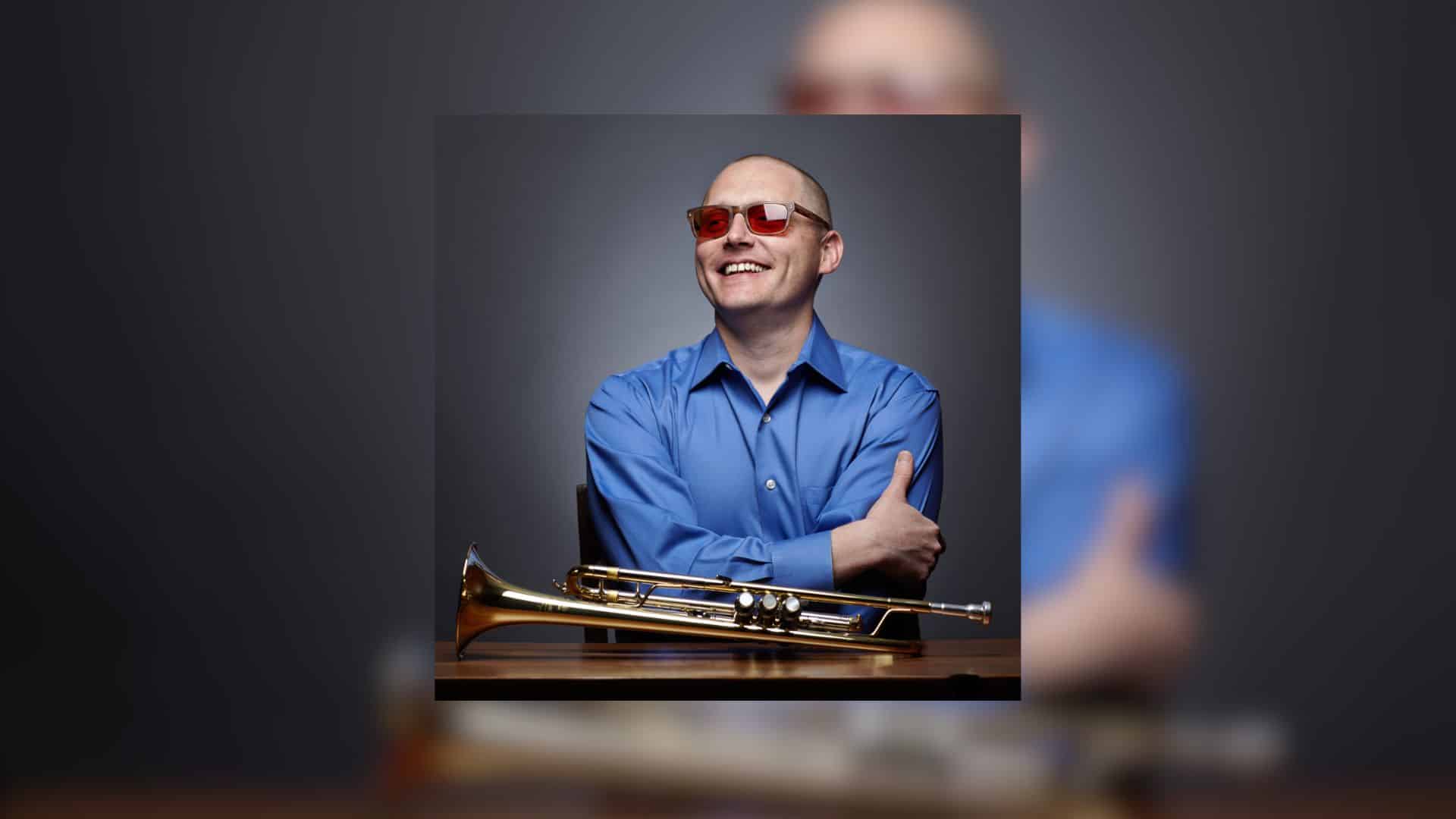
Tom Marriott of The Seattle Jazz Fellowship. Creating a Community of Jazz Musicians in Seattle.
Tom Marriott is our guest for this episode. Tom is Jazz Musician on a mission, to bring a sense of community to the Jazz music scene in Seattle.
Tom has started the Seattle Jazz Fellowship. A non-profit dedicated to providing mentorship to young aspiring talent. By working alongside experienced music veterans. The goal is a five day a week venue that will allow musicians to work together to pay their dues, learn the ropes, and develop their musical craftsmanship.
Currently The Seattle Jazz Fellowship is hosting Fellowship Wednesdays at Vermillion on Capitol Hill. Find out about the album listening sessions hosted by Artist in Residence Julian Priester. After the listening and social hour you will be treated to a showcase of two of the Seattle areas top jazz artists.
Tom shares his musical journey from growing up with a dad who was a radio DJ to going to Garfield High School and then the University of Washington. After graduation Tom went on tour with Maynard Ferguson. Eventually Tom settled back in Seattle where he is has produced 13 albums as a band leader.
Tom was a wonderful guest and you will enjoy listening to our conversation. The passion Tom has for music presents itself throughout the episode. If you enjoy Jazz you will love this episode.
Make sure you check out Tom’s website and The Seattle Jazz Fellowship.
Tom Marriott Seattle Jazz Fellowship Episode Transcript
Tom Marriott [00:00:00]:
It’s. We have room to grow, you know, our, our intention is to own a run a five night a week nonprofit jazz club.
Scott Cowan [00:00:26]:
Welcome to the Exploring Washington State podcast. Here’s your host, Scott Cowan. So my guest today of the Seattle Jazz Fellowship is Tom Marriott. Tom, thank you for taking some time out of your day to sit down and talk with me.
Tom Marriott [00:00:42]:
My pleasure.
Scott Cowan [00:00:43]:
I would love for you to explain the backstory of the Seattle Jazz Fellowship.
Tom Marriott [00:00:50]:
Okay, well, let me do that for you.
Scott Cowan [00:00:52]:
Awesome.
Tom Marriott [00:00:53]:
So I am a career professional jazz performer, I guess is the best way to put it. Locally based. I grew up here in Seattle. I’m definitely a product of the Seattle jazz music scene in terms of. I grew up in a community of elders who helped me along the way. I went on the road in 1999 to New York for five years. Came back to Seattle in 2004. This has been my career for a long time and it’s been my pursuit for a long time.
Tom Marriott [00:01:28]:
Since moving home, I’ve had the opportunity to travel and tour and I engage in other local jazz communities across the United States. Philadelphia, Atlanta, Chicago, and really even New York City is, is a local jazz community in a certain way. The entire global jazz community is not that big, you know what I mean? So I think what I have had an opportunity to learn is what makes a vibrant and thriving jazz community, seeing how it’s done in other places. So in Seattle, we’ve had a little bit of a breakdown in our jazz culture and our jazz community. We have a lot of jazz education, which is great for high school kids and even at the college level as well. But for the aspiring professional and even for the, for the fan, choices are limited. It’s not a huge jazz town to begin with, but what’s there is kind of faltering. So over the pandemic, like a lot of people, I started thinking about what is our community, what is our music scene? What’s it going to be like after we had lost our only full time local jazz venue before the pandemic, about three or four months.
Tom Marriott [00:02:45]:
It closed in September of 2019, 19. So we were going to be resuming operations at the end of the lockdowns without that already. And so we were looking at a situation where we had some music, some jazz music in some places some of the time, but a very hard thing. So if you were like a jazz fan getting off a plane in Seattle and you were like, hey, what do I go here to jazz tonight? That would be hard to find out. You know, you’d have to really do your homework. There’s no real hub. There’s Jazz Alley, but. And a few other places, but those really cater to touring bands and national acts.
Tom Marriott [00:03:21]:
There’s really no place for the local. So that plus we’ve kind of gotten, you know, this, this is kind of a northwest culture kind of thing. People like to do their own thing here, but jazz music doesn’t really function that way. It’s very much a collaborative, communal, social kind of music. And so for everybody to do their own thing, we. We lose some of the vibrancy in our community by not having sort of a. A hub, you know what I mean? And if we don’t create that vibrancy, nobody else is going to pay attention to it either. So, I mean, we see that this happens with every other kind of art form.
Tom Marriott [00:04:00]:
People really. If you’re into rock music, you go to the rock club and rock fans hang out. And jazz fans don’t do that as much in Seattle, they do in other places. So the Seattle Jazz Fellowship was created to sort of address some of the shortcomings in our community, but also with our music. And so we have sort of four major goals. The first one is to build community. And of course that’s the audience as well as the musicians. I talk about that a little more later.
Tom Marriott [00:04:28]:
But the other goal is to provide a sort of a brass ring to incentivize excellence. Because I feel like wages are quite low for jazz folks in Seattle relative to other places and definitely relative to our standard of living in Seattle. So when there’s not an opportunity to make a good paycheck, the incentive to really do your best work is not really there. So that’s part of what we’re trying to do. We’re trying to allow access to the mentorship cycle, both giving and receiving mentoring and being a mentee, and lowering barriers to access the music to both play and perform. So that’s kind of what we’re trying to get at. These are things that sort of naturally occur in other jazz communities that are local. But we don’t have this kind of thing in Seattle so much.
Tom Marriott [00:05:16]:
So we’re basically trying to incentivize participation in our community.
Scott Cowan [00:05:21]:
All right, question. Not being of Seattle anymore. And jazz is not my go to music genre. You mentioned a full time venue that closed. What was the name of that place?
Tom Marriott [00:05:35]:
Oh yeah, that’s Tula’s Jazz Club. And it was in Belltown and we used to have quite a few. There was the New Orleans Grill restaurant in Pioneer Square. I mean, there have been more than one at a time here for the last 60 years.
Scott Cowan [00:05:48]:
So in my naive understanding, I was thinking Jazz Alley when we talked on the phone the other day, I always thought of Jazz Alley as being this. And I think it is an institution, don’t get me wrong.
Tom Marriott [00:06:01]:
Absolutely.
Scott Cowan [00:06:02]:
But I thought it was. I didn’t think about it in the terms that it was a institution for touring acts to perform. I was also thinking that it was welcoming. I don’t want to say it’s not welcoming. I don’t mean like that, but that it was. Had more of a Seattle connection than it possibly has.
Tom Marriott [00:06:22]:
Yeah, it doesn’t really. Yeah. Local performers are lucky if they play there maybe once a year as a sideman with a national artist coming through. I mean, that’s a common thing. There’s been when. When things started to open up again, I think that they started to sort of see the value of having local artists because a lot of artists weren’t traveling, so they sort of were offering performances to some local folks. And I think they probably will still do that because the expense is lower for them, just, you know, the mathematics of it. But, yeah, they.
Tom Marriott [00:06:52]:
Again, the mathematics of it, they are a 400, you know, seat club. And in a jazz club situation versus a restaurant. So a restaurant, you might be open for five or six hours in a night, and you might sell the same tast table three or four or five times in that evening. A jazz club, it’s a supper club sort of situation. So the club can only sell the table one time. And if you have. I’m seating for 300 or 400 people, that’s a lot of. That’s a lot of seats you got to sell once.
Tom Marriott [00:07:21]:
And so you got to have an artist big enough to be able to do that. Local artists play all the time so that our. Our audiences are not that big, you.
Scott Cowan [00:07:29]:
Know, okay, we’re going to keep going on the sale. Jazz fellowship. I’m going to come back, we’ll talk about your career, because that’s important here also. So you had this inspiration to try to develop a mentorship community. You know, Hub, as you were calling it, was that met with open arms by the jazz community? Was it because you. Like you said earlier, you said, you know, we like to do things on our own. So how was this. This concept received initially?
Tom Marriott [00:08:07]:
I think that overall, the. The response has been positive. You know, I think the response to the idea has been positive. I think that we’ve changed people’s minds about the value of showing up for each other. Is still an open question, you know, have we done our work? Well, it’s too early to tell. Okay. I. We raised quite a bit of money right off the bat when we announced it.
Tom Marriott [00:08:29]:
So, I mean, I think that’s a good indicator that this is very. We were, you know, before we even had one show, we were profiled in the Seattle Times and Earshot Jazz magazine. And I think that there’s been a. A lot of interest. It’s. I think in one sense, it’s a. If you build it, they will come. We don’t have a place to play, and we have a few hundred jazz musicians who need gigs so that there’s a place where people play and a place where people can hear the music and actually just see each other.
Tom Marriott [00:09:01]:
Yeah, I think most people are into that.
Scott Cowan [00:09:04]:
So. But you guys are doing shows on Wednesdays, right?
Tom Marriott [00:09:07]:
So, yeah, we started in October with a series of Wednesday night shows. Yeah, it’s actually more than just a show. We have a listening session with our artist in residence, Julian Priester, who’s fantastic. One of the true veterans of the music and a real sort of icon of jazz music. He’s played with all of the heavyweights going way back. We’re lucky that he lives in Seattle. And so he sort of narrates some of the albums that he’s on by. With Duke Ellington and John Coltrane and Max Roach and Sun Ra and a bunch of different people, as well as his own recordings.
Tom Marriott [00:09:40]:
And then we have. So it’s a. It’s a. It’s a hang. It’s a listening hang. Now, this is something that normally people would just do at somebody’s house, but again, we don’t have that kind of community yet.
Scott Cowan [00:09:51]:
Right.
Tom Marriott [00:09:51]:
So we’re sort of socially engineering one to take place. You know, we’re hiring Julian to be there, inviting people. It’s free. You know, we want people to come out. We’re trying to make it as accessible as possible. Steps from the light rail.
Scott Cowan [00:10:04]:
What’s the name of the place?
Tom Marriott [00:10:05]:
It’s at Vermilion Art Bar and gallery. It’s on 5th. It’s on Capitol Hill on 11th between pike and Pine.
Scott Cowan [00:10:12]:
Okay. Very easily accessible.
Tom Marriott [00:10:13]:
Yeah. And it’s all ages, and so we do that. And then we have two bands. Usually each band sort of represents a different slice of jazz styling. So we might have somebody who’s more traditional, somebody who’s a little more avant garde, maybe a younger musician paired with an older musician, somebody who’s a vocalist paired with somebody who’s more heavily instrumental. Just some way we can get a one particular artist’s audience in the room with another particular artist’s audience. Because I think a lot of our successful musicians have developed their own followings, but they’re, they’re fans of that artist, not necessarily of the genre, because they don’t really know yet. And so we try to get them in the, in the room together to hear something else that they might like too.
Tom Marriott [00:10:58]:
But also we want those musicians to be in the room together so they get to know each other, which doesn’t always happen. It happens a lot, but it doesn’t happen all the time. Okay. And especially with particular. With people who play in particular styles of jazz, you know.
Scott Cowan [00:11:14]:
Okay.
Tom Marriott [00:11:16]:
So, yeah, that’s what we’re doing. It’s happening every Wednesday. And so far we have enough money to, you know, keep it running. We could always use more where we have it. We’re able to run it now into January. We have enough money to do it.
Scott Cowan [00:11:27]:
But how well has it been received?
Tom Marriott [00:11:30]:
Oh, I think it’s been great. It’s been well attended. The music has been incredible. There’s been a lot of buzz about it. People are talking about it, People are coming out. You know, I think it’s going well. It’s. We have room to grow.
Tom Marriott [00:11:42]:
You know, our intention is to own a. Run a five night a week nonprofit jazz club. You know, we are.
Scott Cowan [00:11:51]:
It’s very ambitious.
Tom Marriott [00:11:52]:
Well, I suppose it’s, I mean, five.
Scott Cowan [00:11:55]:
Nights a week of. I, you know, I hope I don’t offend you when I say this, but scheduling guests for this podcast musicians are the hardest ones to turn down.
Tom Marriott [00:12:07]:
I get that.
Scott Cowan [00:12:08]:
So five nights a week, you’re ambitious.
Tom Marriott [00:12:11]:
Yeah. I mean, yes. I mean, I think this is, this is with, you know, in our. Yeah. I mean, Tula’s was a six night a week jazz club. You know, the New Orleans was ahead of five night a week schedule too. So I think part of how we do this is that we would have a regular Tuesday night band and Wednesday night would be a jam session and then we would offer a Thursday, Friday, Saturday run.
Scott Cowan [00:12:33]:
Okay.
Tom Marriott [00:12:34]:
For our mentor artists. You know, there’s a lot of programs we like to run in that schedule. One of them being our mentorship program where we hire a more established musician to recruit a younger musician to play their three night run at the club and learn that artist’s music and really be able to sort of pay dues. This is something that we, you know, it’s not paying dues. Like we give up part of the paycheck. To the union. And it’s, it’s, that’s paying dues too, but just in terms of, in the old school sense of the rite of.
Scott Cowan [00:13:04]:
Passage and being vetted apprentice and journeyman.
Tom Marriott [00:13:07]:
Absolutely. Exactly.
Scott Cowan [00:13:08]:
So would this be in. If you’re designing this, is this an all ages venue or is it.
Tom Marriott [00:13:13]:
Yes, an all ages venue. And we, and because it’s, it would be not for profit. We know we’re not. I think this is something that has to change in the way that jazz music is sold. We have been almost always just a vehicle for selling drinks and that’s fine. And that’s been the case since like Louis Armstrong, like way, way back. And that’s part of jazz culture. We’re never going to change that.
Tom Marriott [00:13:35]:
But the idea that everything that is made by the jazz musician comes from the ticket price is the thing that has to change. So in other words, if you play in a smaller venue, if there’s a 15 or 20 cover charge, the club takes a piece of it and the band takes a piece of that. And that’s the mathematics for the end, for the evening, end of story, that’s fine. But the symphony, the opera, the ballet, the Mariners, the Seahawks, they don’t exist just on the ticket price. They have corporate sponsorships and take donations and have patrons and do all that stuff too. So they’re not expected to just get by on the ticket price. And I feel like that’s something that we, we need to do too. In other words, we’re not, we want to have good music on our stage, not just people that draw a crowd because there’s plenty of sad musicians that draw a crowd.
Tom Marriott [00:14:27]:
Like I know a lot of dudes that play at Microsoft, you know, and they have full time gigs at Microsoft. When they play that one gig in the club, they pack it out because all their friends, it’s a novelty for them.
Scott Cowan [00:14:37]:
Right.
Tom Marriott [00:14:37]:
They’re not jazz fans, they’re just fans.
Scott Cowan [00:14:40]:
They might not do well on a three day run. I mean, they might Thursday, they might crush it Friday, who knows? Saturday, it’s a crapshoot. Right?
Tom Marriott [00:14:48]:
Exactly. And I think even if they don’t do well, it’s not the point. I think the point is that we want artists that are compelling because we want the music to be compelling to our audiences. So they come back. And I think if you put something that’s not very good on the stage, regardless of how many people they bring in, it’s not very good. And that’s not the reputation we want. We’re trying to Uphold excellence.
Scott Cowan [00:15:11]:
So you’re trying to curate the experience and so that the venue would have a reputation. It doesn’t.
Tom Marriott [00:15:19]:
So that you know that every time you go there you’re hearing something excellent.
Scott Cowan [00:15:23]:
Right. So you just kind of got this started and off the ground and you’re using Vermilion to call it a launch. How do you. Okay. The Seattle real estate market is, you know, it’s. There’s nothing happening in Seattle. No, there’s plenty of. No, I’m kidding.
Scott Cowan [00:15:41]:
You know, that is. But the, the overhead to do this is presumably steep without.
Tom Marriott [00:15:51]:
Yes. I mean this is part of the reason we’re partnering with Vermillion rather than just trying to sign a lease on a place. I mean that’s just out of the question for us. I think it would be for anybody who’s trying to. And we. To open a performing arts space. Part of it is zoneage too. It has to be zoned for assembly.
Tom Marriott [00:16:07]:
And pretty much the only places that are zoned for assembly are restaurants, churches and community centers. And restaurants, you know, come with all that built in gear. We’re not trying to sell food and beverages so much. It’s really intended to be a performing arts space for jazz and. And so that makes it even a little more tricky. Although we’re still looking to find that perfect partner. There’s a lot of restaurants that have an empty back banquet room that’s not being used or somebody we could talk out of their pool table. You know, if they have a pool room in the back, get rid of that pool table.
Tom Marriott [00:16:40]:
Let’s put our grand piano in there and let’s. Let’s have some jazz. You. I mean I think that wherever we, we intended to be a pop up jazz club at first and occupy some of this vacant storefront that you see all over downtown in Pioneer Square. But there’s been some understandable reluctance from many of the property managers and landlords. There’s. There’s issues, you know, where, you know, sanitation issues, garbage issues for, for a pop up situation where there’s going to be a lot of people. So.
Tom Marriott [00:17:08]:
And not even a lot of people. 50 people, you know, is a good jazz crowd for a small room. So we sort of shifted tactics over time and Vermillion is sort of where we’re at now. We would probably partner with another space if, if, if one became available. But again, we’re, we are looking for. To expand our, our calendar of events to be more than just one night a week. But yes, you’re right, it’s. It’s expensive.
Tom Marriott [00:17:36]:
We are in talks with some of the city owned. There’s a, there’s a space at the Mount Baker station that’s a community based like a gathering space, a community center. It’s built into the plan and it’s right there in the light rail complex. It’s run by the port and the city. We are working it out to see if we might be able to do our events there on a long term basis. But these are, these are long term things we’re working on at this point.
Scott Cowan [00:18:07]:
Okay, how do you envision, let’s expand on the mentoring?
Tom Marriott [00:18:14]:
Sure.
Scott Cowan [00:18:17]:
How does that elaborate on that in the, in the jazz? What, in your, in your opinion, what does a good mentoring relationship look like?
Tom Marriott [00:18:28]:
Yeah, so I think a good mentoring relationship is one that’s based on honesty. And I think this is what’s different than a teacher. Certainly a teacher can be a mentor to somebody, but it’s a mentor is a trusted and experienced advisor. So that honesty has to work both ways in that the mentor is sort of, we put it this way. I’ve learned more from my mentors that told me to get lost in many cases than those that held my hand. And I think that’s the difference between a mentor and a teacher is that they’re going to pull your coat and tell you, don’t do that, you know, when it’s necessary. And they’re going to tell you good job when you actually did a good job, not just to sugarcoat it. And I feel like a mentor is somebody who is not just going to hand you a trophy, you know what I mean? Like, you’re going to have to earn it.
Scott Cowan [00:19:25]:
So no participation awards.
Tom Marriott [00:19:27]:
No, that’s, that’s what jazz education is for, you know, that’s what music school is for. The real world. Nobody cares about that. You know, you have to get up there and tell the, tell your truth. So I think honesty is part of it, but I think also respect, you know what I mean? If you don’t trust the person who is your mentor and you don’t value their experience, you’re not going to learn anything from that person. So it’s a two way street in that you have to be looking for advice and the person who is the mentor has to be willing to give it, you know, because not all of the older, established musicians in our community are willing to give advice. Some of them just like, it’s not my job to tell this dude anything, you know, and if he sucks, that’s his problem. It’s not my Problem.
Tom Marriott [00:20:16]:
I don’t see it that way. When I hear musicians who are scuffling and there’s a lot of them that don’t sound very good. I want to live in a place with a lot of really great musicians because I want to play with really great musicians, you know. So for me, it’s about trying to get, you know, we all have to play with people that are better than us to get better. That’s the only way we do it. So to have an opportunity to be on the bandstand with somebody who’s better than you and has experience, that’s what we want. Not every young musician sees it that way. You know, a lot of young musicians don’t want to be told anything.
Tom Marriott [00:20:52]:
And I think that’s where a lot of our mentors are sort of like, it’s not my job to tell that person anything. They’re not going to listen to me anyway to just offer up unsolicited advice. I certainly had a lot of unsolicited advice passed on to me when I was coming up. And some of it I was defensive about and some of it I really took to heart, but I appreciated that people weren’t. They told me because they cared, you know, they cared about the music being in good hands. And they saw that I was somebody who might be capable of, of keeping it in good hands. And so they told me what they thought about it and what I was doing. We need more of that.
Tom Marriott [00:21:33]:
That’s something that happens naturally in other places. Again, that this is not our culture here. So there’s a little bit of changing minds about, about that.
Scott Cowan [00:21:41]:
You know, my, my knee jerk reaction to what you were just sharing though, is that how. I guess the question I’ll ask you is, how do you get this younger artist who may have been in the school system, the teaching system, where showing up is good enough in some cases. Right. How do you begin to develop that rapport, that trust with that younger person who’s maybe not had an honest critique and you’re not trying to be, you know, the mentor is not trying to be mean or disrespectful, but is pointing out that this wasn’t quite what you thought it was. And how do we get kids, and I’ll say kids, younger artists, to embrace that constructive performance feedback?
Tom Marriott [00:22:42]:
It’s a great question. I mean, the first thing we have to do is get them in the room together so they have to have access to each other. That’s the very first thing. So that’s one thing we try to do is get them in the room together. How do we make the younger student want the advice? Is that what you mean?
Scott Cowan [00:23:00]:
Yeah, I mean, when they’re. Because I guess I’m. I mean, this is my perception of younger kids. I mean, you know that the school system isn’t necessarily challenging them.
Tom Marriott [00:23:12]:
Right. Well, I think this is the whole thing is that mentorship is there for people who want it. It’s not there for everybody who needs it though. So it’s something that you have to seek. It’s not something that’s just. We’re just going to foist on people on it because honestly, it’s too valuable for that. It’s the information that we’re trying to pass on. It’s not just for everybody and for the dabbler, you know, I mean, this is for definitely for people who are trying to understand the, I guess you would say, emotional nature of this music.
Tom Marriott [00:23:46]:
So if you think about the music as being physical, mental and spiritual or emotional, whatever word you’re comfortable with, the part that’s not the notes, you know what I mean? Jazz education in school is good at teaching you the notes, you know, the, the music theory and also how to manipulate your instrument. But how to reach out and touch somebody with the music, how to communicate, communicate with an audience, how to hold their attention, how to make them feel something. That’s what we do as artists. Well, you have to learn that from a mentor. Now, not every person who plays in school band wants to do that or cares about that or is interested in that or feels comfortable with that. So I think part of it is that they need to experience that from a listener’s point of view, right. And develop that kind of fan mentality. And that if it’s not life affirming for them, well, you know, maybe mentorship is not necessarily for them, but is becoming a journeyman electrician an important thing for somebody who just is trying to change a light bulb? No, it’s not.
Tom Marriott [00:24:56]:
You know, it’s for people who are looking for a career. You know what I mean? This is for people who are looking for a lifelong pursuit, okay?
Scott Cowan [00:25:04]:
So they’re more predisposed to the music. Music’s already spoke to them. It’s not just notes on a page performed in four, four time and technically correct.
Tom Marriott [00:25:18]:
It’s much more than that.
Scott Cowan [00:25:20]:
Wonderful about being technically correct. Don’t get me wrong, there’s music, at least the music that I enjoy, does invoke feeling, does invoke a sense of wonder in some cases. Sometimes that’s wondering why, why did they do that? I don’t understand sometimes, you know, but it’s. And the, and what little. Okay, so not that this is just jazz related, but my, the, the jazz music that I listen to and enjoy does invoke emotion.
Tom Marriott [00:25:54]:
And I mean it’s supposed to. I mean that’s, that’s our job as, as musicians and artists is to, is to make the listener feel something. If we’re not doing that, then we’re not doing our job. And if the music you’re listening to is not speaking to you in that way, then maybe that’s not the music for you, you know what I mean? Like I, there’s plenty of jazz that does not speak to me. Does that mean that it sucks? No, I’m not going to say that. It just doesn’t speak to me. But I think that this is the thing is that it, you know, the perception of jazz music has, has become that it’s just, it’s more athletic and mathematic than it is something that, that is for a salve for the soul, you know what I mean? Which is what it used to be. And it’s not music for musicians, despite what academia and musical training, what have you believe.
Tom Marriott [00:26:55]:
It’s not that this is a much more fundamental. I mean this is why I think jazz is an important art form is because it’s, it’s one of the most comprehensive art forms. It is both highbrow and gut bucket at the same time. You know, it has the ability to convey a whole range of emotional feelings and ideas. I think that’s what’s important about it is that it’s many, many, many dimensional. So it’s not something you’re just going to learn in the classroom. It has to be learned on the ban. But if we don’t have a bandstand for people to learn on or to see the example of, it’s just theoretical if we’re learning it in the classroom.
Scott Cowan [00:27:33]:
When did you, when did jazz first speak to you?
Tom Marriott [00:27:37]:
Boy, I, you know, I feel lucky that I was a fan of the music before I ever picked up my horn. You know, my, my dad was a jazz radio DJ and a collector of jazz records since his teenage years. Both of his parents were professional musicians and one of them was a classically trained pianist and the other was a self taught musician that played everything in, you know, piano, trumpet, trombone, guitar, saxophone, banjo, clarinet, flute, bassoon, like literally everything self taught and taught lessons in those, but also led a band and there was a lot of music in the house at all times, you know. So I grew up always hearing music and playing on all the instruments in my grandparents house. And so my dad’s jazz record collection was something that was very taboo for us, my brother and I, to play with his kids.
Scott Cowan [00:28:30]:
Okay.
Tom Marriott [00:28:31]:
So of course that’s what we did. And the names of some of the musicians we just thought were fun, you know, Zoot Sims, Dizzy Gillespie, Yardbird Parker, you know, Felonious Monk. We just thought that these names were hilarious, you know, so we would play these records and just crack up. But I do remember hearing the Dizzy Gillespie record when I was about 7, being like, wow, you know, I want to learn how to do that. You know, it was, it was the tune Salt Peanuts and, and the little break that he plays. And I had been playing for a little bit, but it just, I don’t know, it grabbed me and, and my dad was a fan. We always had jazz musicians in the house. Like a lot of my dad’s close friends were, were musicians and they would, they would come and hang out and I just like them.
Tom Marriott [00:29:15]:
And I remember going to the New Orleans Creole restaurant to hear Floyd Stanifer when I was like 13 or 14. And I, I think we probably have all had this experience where you, where you go, oh man, these are my people, you know what I mean? Like, this is, this is my tribe, you know, and from that minute on, I’ve always wanted to be a part of those people. And I am. I’m really grateful to say that I am and I feel a part of, and an acceptance from the jazz community, not just in Seattle, but everywhere. And that’s a really good feeling of connection.
Scott Cowan [00:29:53]:
So you and your brother would do what any self respecting kid would do, which is the opposite of what mom or dad told you to do.
Tom Marriott [00:30:00]:
Exactly.
Scott Cowan [00:30:01]:
When did it ever get to the point where your dad was sharing stuff like, hey, you need to listen to this?
Tom Marriott [00:30:09]:
Absolutely.
Scott Cowan [00:30:10]:
So when, when did that start happening?
Tom Marriott [00:30:12]:
Oh, very closely. After he caught us playing his records, we played a trick on him. We went, I live close to the library. So my brother and I would, went to the library and they had a copy of, of a record in particular that my dad also had a copy of. And so we, when he came home from work, we had it sort of laying out and, and we were playing it, you know, trying to goad him into getting mad at us for playing his records, even though it was the library’s record. And he came home and he wasn’t mad at all. He was like, oh, you guys are Checking out Duke Ellington or whatever, you know, and pretty much right after that, he was like, well, have you checked out this? You know, but also, anytime I would get in the car with my dad, he had jazz on, you know, had like a shoebox full of tapes. Bud Shank and George Cables and Stan Canton and the stuff that he was into.
Tom Marriott [00:30:58]:
Okay. So when my brother and I were about 13 or 14, my dad and my uncle would blindfold test us. I don’t know if you know what that is, but in Downbeat magazine, which has been the magazine that’s covered jazz since like the 40s or 30s maybe, okay, they always have a blindfold test in every issue where they. Somebody from the magazine sits down with an artist and plays albums for them without telling them who. Who the artist is. And so you have to ident identify and make commentary about who that person is. So in other words, they’d play you saxophone player playing a tune, and I go, name the saxophone player, you know, who is it? This is something that jazz musicians do all the time to really get their ears together. Like, you know, every musician is supposed to have a personal style, and so they should be immediately recognizable and identifiable.
Tom Marriott [00:31:46]:
And so if you’re a jazz musician and jazz comes on the radio, you know, usually in four or five seconds notes, you can, you know who it is if you’re. If you’re a fan. So when I was a kid, my dad and my uncle would blindfold test me. They, they. My uncle would send a tape and he would have, I know, like 15 songs on it, and he would be like, all right, write down your answers and mail them back to me, you know. Oh, wow. I think this one is Sunny Stitt, and I think this one is Cannonball. You know, I think this one is Miles.
Tom Marriott [00:32:16]:
And it would be some really obscure. It’s not the normal sort of stuff, but.
Scott Cowan [00:32:20]:
Right.
Tom Marriott [00:32:21]:
Yeah, it was fun. And then, and then the tables turn and we would blindfold test them, you know, on the stuff that we were into. So I.
Scott Cowan [00:32:28]:
So out of curiosity, how well did you typically do on your. On these blindfold tests?
Tom Marriott [00:32:34]:
Almost 100%. I mean, I’ve been listening to jazz records my whole life pretty much, so. I mean. Yeah, by 14 or 15, dad. Oh, definitely. Absolutely. Yeah. I mean, you know, as a musician, you’re always going to take it farther than somebody who’s not a musician, no matter how big of a fan you are.
Tom Marriott [00:32:49]:
You know what I mean? But I will say that that in and of itself has probably been the biggest leg up for Me in my career as a musician is just knowing the music, knowing the albums, knowing the musicians who made it, and having an intimate and personal relationship with the. With the records. Most of my heroes in the music have a similar relationship with the records, you know what I mean? And recorded music. And it’s. It’s a fundamental aspect. I think most people come to it after they’ve been playing the music for a while. They kind of become interested in, you know, its traditions and. And all of that.
Tom Marriott [00:33:28]:
But that was before I started playing.
Scott Cowan [00:33:32]:
Okay.
Tom Marriott [00:33:32]:
It’s been. It’s been a huge help.
Scott Cowan [00:33:34]:
Did your brother go into music?
Tom Marriott [00:33:36]:
Yeah, he’s trombonist.
Scott Cowan [00:33:38]:
Yes. Okay. All right. So in the, in the house, were you. I mean, some. Some parents, you know, they make their kids. She’s upset.
Tom Marriott [00:33:51]:
The mailman, of course.
Scott Cowan [00:33:52]:
Oh, the. The mortal enemy.
Tom Marriott [00:33:54]:
Yeah.
Scott Cowan [00:33:56]:
So did. Did your. Did your dad encourage you to be a musician? Did he require you to practice? Was it. It. How was it? Was it carrot or was it stick or.
Tom Marriott [00:34:08]:
It was. You know, we all had to take piano lessons as kids, and I would just sit at the piano and cry. And after, like three years, they were like, okay, you don’t take piano lessons anymore, and I hate it.
Scott Cowan [00:34:16]:
Okay.
Tom Marriott [00:34:17]:
But when they put the trumpet in my hand, they never told me to practice, and I practiced every day, all day. And I. I have pretty much since the age of seven or eight. And no, they never discouraged me. They never really encouraged me, although they were, you know, supportive. Definitely supportive. But no, I. I am very lucky because it’s okay.
Tom Marriott [00:34:35]:
It’s the mailman, because. Because they. They have. They were always there at every single gig, you know, and it wasn’t a scary thing. Like, my dad, like I said, he grew up in a household with two professional musicians making the income. And so I think there’s. That’s. The fear for most parents is like, yeah, you’re never gonna be able to make a buck, you know, but he grew up.
Scott Cowan [00:34:58]:
You’re gonna live on my couch forever.
Tom Marriott [00:35:00]:
Exactly. And. And that wasn’t the case. I think things have changed. Like, there was more work. Dad was a kid and his parents were working as musicians. But, I mean, you could have a more middle class kind of lifestyle that way. But no, they weren’t worried about it.
Scott Cowan [00:35:15]:
Okay. And you went to school in the cell area?
Tom Marriott [00:35:18]:
I went to Garfield High School and University of Washington.
Scott Cowan [00:35:21]:
Okay. And then after the U, you went.
Tom Marriott [00:35:25]:
I went on the road with Maynard Ferguson. Okay. I worked around Seattle for a couple of years. I mean, I was working I was working every Friday night my senior year of high school. I was already playing every Friday night. And in my sophomore year of high school, I played my first paid gig and started performing.
Scott Cowan [00:35:42]:
Where was that at? Where was your first paid gig?
Tom Marriott [00:35:44]:
It was at the New Orleans Creole restaurant where I had been hanging out as a teenager. And I was subbing for one of my heroes at the time, Jay Thomas. He called me. He heard me play at a high school jazz festival and was like, you’re gonna sub for me at this gig, and I’ll pay you $20. You know, I thought that was. I was the big time for me, because it was the venue where I’d heard all my favorite people play, Right? So, yeah, I was playing every Friday night at the. At. At the Speakeasy in Belltown, which is not there anymore, but gigged all the way through college.
Tom Marriott [00:36:17]:
And then I won this trumpet competition in 1999 and won $10,000 and was going to use that money to move to New York. But then I got the call to play on Maina Ferguson’s band. And it wasn’t a high point for his band necessarily. Like, I saw them play at the Alley was like, it’s not the most killing band, but, you know, he’s a legend. And all of my mentors at the time were like, you got to go on the road. You know, you got to. You got to do that. That’s part of paying dues.
Tom Marriott [00:36:47]:
So I did. I just did what they told me to do. I didn’t really think twice about it. I. You know, I packed up my stuff in a suitcase and lived on a bus for a year. And then when there was time off, I would live in New York looking for apartments.
Scott Cowan [00:36:59]:
Okay, so I gotta ask, because Maynard Ferguson’s the name that I’m familiar with.
Tom Marriott [00:37:01]:
Okay.
Scott Cowan [00:37:02]:
You know, so it’s. It’s a. It’s a. We’ll call, dare I say, a household name. Right. How on earth does a college kid. I mean, this seems so foreign to me that you not. And I’m not.
Scott Cowan [00:37:17]:
This has nothing to do with your ability to play music, though. I don’t mean like that at all, but an unknown guy in Seattle is. Gets a phone call from a national touring performer. How does that happen? How. What’s the mechanism in the. In the. In the industry that allows. I get.
Scott Cowan [00:37:35]:
Were you. Was it because you were cheap labor? I mean, I don’t mean.
Tom Marriott [00:37:39]:
Well, I mean, absolutely, yes. I mean, everybody. Yeah. And that’s true for every band leader. You know, you. You want to get the best people you can at the cheapest price. I mean, that’s. And this is part of how mentorship has existed in jazz.
Tom Marriott [00:37:52]:
You know, Art Blakey, famously, you know, he had all this band of young kids. Kids, because, you know, when all these musicians are young and he’s the old guy on the stage, A, people love to see that, and they go out and see it. But also B, you don’t have to pay him very much because they have no career yet. You know, you’re giving them the career. So for. For Maynard’s. In Maynard’s case, there were no names in the band. I mean, they were all people who are mostly right out of school.
Tom Marriott [00:38:17]:
I mean, I think the oldest person there was maybe 35 on the gig. They’re all pretty young, young people. And as far as, like, me personally, some trumpet fans somewhere said. Sent the road manager a tape and they were like, hey, there’s a guy lives in Seattle, you know, you guys should check him out. And they were here over the WTO riots, the band, and they were stuck in the hotel, you know what I mean? And the road manager called me. He was like, hey, we’re just sitting around. Why don’t you come over and. And let’s get lunch, you know.
Tom Marriott [00:38:50]:
So I went over and hung out because the. That. The gig at the Alley was closed. And then I went and sat in and they had a vacancy. Somebody was leaving and they asked me to join and I did. It’s not actually that uncommon. I mean, you think about, like, Quincy Jones going on a road with Lionel Hampton. You know, the band comes to town, they need somebody that dude’s available and is willing to drop everything and go right now.
Tom Marriott [00:39:12]:
Go. You know?
Scott Cowan [00:39:14]:
Right.
Tom Marriott [00:39:14]:
But that’s what I did.
Scott Cowan [00:39:17]:
So what was it like being on the road for a year?
Tom Marriott [00:39:20]:
Oh, I. You know, great and horrible. You know, you live on a bus. Yeah, you live on a bus and you eat at truck stops and you stay kind of dirty most of the time and broke. But on the other hand, you do realize that what a gift the music part of it is. So you really get paid to travel and then you get to play the music. And it did teach me to never, ever take that part of it for granted, because that really is the best part. Everything else is just in service of that, you know?
Scott Cowan [00:39:54]:
So I’m going to ask you. This might be a tough question, and I don’t mean it to be tough, but I’m just curious. So that year you spent on the bus tour in America, turn North America. Do any shows stick out? Like, was there. Was it. Or was it all just one big blur? But was there any. Like, you played somewhere and you went, wow, this is really special.
Tom Marriott [00:40:18]:
You know, this. The shows in Europe were kind of stand out. We went to Germany for. For two weeks and we played opposite Roy Hargrove’s band every single night. That was really great. And we rode the bus with them, too. That was really great and definitely memorable. But it was a lot of high school gymnasiums, you know what I mean? Like, a lot of high school gymnasiums.
Tom Marriott [00:40:41]:
There definitely were gigs that stood out. We did one in. In Boston with Arturo Sandoval at like, the big performing arts center there. That was incredible. I definitely remember that one pretty well. I remember one at this place called Two Nights, actually at this place called Rusty’s in Ohio. And it was a real jazz joint. And we didn’t play a lot of jazz joints because it was a big band, you know.
Scott Cowan [00:41:07]:
Right, right.
Tom Marriott [00:41:08]:
And we played two nights there, and it was great because it really felt like what I thought we would be doing. You know, in my mind, I thought we’d be playing jazz venues all across the US And I would be getting to know the people who booked those rooms and starting to, like, just get to know people who work there. That was not the case at all. I mean, it was mostly colleges and high schools.
Scott Cowan [00:41:26]:
You’re going to play in Peoria High. Peoria High School, totally.
Tom Marriott [00:41:28]:
Exactly.
Scott Cowan [00:41:30]:
All right, so you. You did that. You paid some dues. I don’t know. I don’t want to say that was all your dues. I don’t mean like that. But you paid.
Tom Marriott [00:41:38]:
You paid? Yes.
Scott Cowan [00:41:40]:
Yeah. Then is that when you moved to New York after that?
Tom Marriott [00:41:43]:
Yeah, sort of. While the time. Yeah. So you’d be out for maybe three or four weeks, and then you’d have three or four days off. Then you go back out for three or four days. So it was just cheaper that way. If they had. When I was on the band, they didn’t own a bus at the time.
Tom Marriott [00:41:57]:
They. They rented a coach, which is great because it was a legit tour bus, instead of just like a funky old Greyhound, and they would swap it out, you know, so if the tour took place on the. On the west coast, they’d fly you home, and then you re. Meet up with the van on the west coast and be on that bus for four weeks, and then they fly you home. And then maybe you’d be Texas in the south or someplace like that for that’s where that particular part of the tour. So it wasn’t totally non. Stop. There were little breaks, but when I had breaks, I would move to New York.
Tom Marriott [00:42:26]:
I would go to New York, stay with a friend and look at. Look for apartments.
Scott Cowan [00:42:31]:
And look for apartments.
Tom Marriott [00:42:31]:
Yeah. And I did find one while I was on the road and sublet it until I was. I gave notice and I was like, I’m ready to move into my place now.
Scott Cowan [00:42:41]:
So what was New York like? I mean, I know this is my podcast, all about Washington state, but I think we’re building up to, you know, you came home and ultimately the story. We know you moved back to the cellar, so. But what was it like being a young musician in New York City?
Tom Marriott [00:42:55]:
It was great. It was wonderful and terrifying and exciting and all of those things. I got to play with so many of my heroes. I mean, I would hesitate to even start to list, but I mean, talk about being able to pay dues. I mean, it was a great learning experience. You just have no idea where the music is until you go and live there for a while. But also, it’s surprisingly easy to make a living as a musician there. There’s a lot of work.
Tom Marriott [00:43:19]:
It’s not. I wasn’t doing the work that I moved there to do, but that’s again, paying dues. Like, you, you’re the new guy. It’s cool. When you live there, you might be number 300 on a list of trumpet players to get called for a particular gig, you know, but you’re actually on the list if you live there. If you live here, you’re not on the list for anybody’s gig. And every once in a while your number comes up and you get called and you’re like, wow. They’re like, they’re calling me to play Madison Square Garden.
Tom Marriott [00:43:47]:
Okay. You know, so things like that would come, would come up and it would be great, you know, it just. There wasn’t enough of them in a row after five years. Well, there were a lot of reasons I moved back, but it’s a long. It’s a long game. I mean, you have to be there 10, 15 years to move your way up those lists, you know, and to really. To really work your way in anywhere. And I just didn’t really love it enough.
Tom Marriott [00:44:15]:
After five years, I felt like I had learned a lot. I was ready to be playing more full time at the music that I wanted to play instead of like top 40 or whatever. There are other things, too. I had a crazy job when I lived there. I was a process server Working for serving legal papers. And my boss ended up going to prison while I was working there and I ended up having to run the office. So it became this very easy part time and lucrative gig for me that I could just do when I was in town when I had free time to all of a sudden being kind of handcuffed to it. Not, not to make a pun, I’m glad I actually was never handcuffed to it.
Tom Marriott [00:44:56]:
But I did move back to make sure I wasn’t going to be subpoenaed or something to testify because it turned out the guys I was working for were into a lot of other, other stuff that I was glad to be able to extricate myself from by moving back to Seattle.
Scott Cowan [00:45:14]:
Okay.
Tom Marriott [00:45:15]:
And while leaving.
Scott Cowan [00:45:16]:
So I’m gonna ask, I’m gonna ask you some questions now that will probably put you on the spot because you probably. You didn’t know that they were coming. So in your musical career, is there a particular venue that you’ve performed at that was like you mentioned Madison’s for a Garden. So can I put you on the spot? What was your favorite venue you’ve ever played? I know that’s probably next to impossible, but favorite venue?
Tom Marriott [00:45:43]:
Yeah, that would be a tough one. I mean there’s a few places I really like working still. I mean, honestly, Jazz Alley is a great place to work. It really is. They treat you great. It’s a very comfortable place to work. Of all the places, I mean, it’s got to be at the. Towards the top of the list.
Tom Marriott [00:45:58]:
I don’t get to do it that often, but it is a great place to work. I also love smalls in New York City, um, which is totally the opposite. It’s not comfortable. And that’s what’s great about it. It’s very small. The Green Room is like a closet. But I have. Stop, Papa.
Tom Marriott [00:46:14]:
I have met and been able to hang out with some incredible musicians just sitting in the Green Room because it’s just kind of, it’s. It’s where it’s located in the neighborhood there on 7th Avenue. It’s right next to a few other clubs, the Village Vanguard, which I’ve never had the pleasure to play at, but it’s my favorite place to hear music, you know?
Scott Cowan [00:46:32]:
Okay, okay.
Tom Marriott [00:46:35]:
Listen, puppy. It’s just the ups man.
Scott Cowan [00:46:38]:
The other. More.
Tom Marriott [00:46:39]:
Yeah, exactly. There’s a few of them out there. But yeah, you know, I like the places where, where the audience is right up close to you, you know, I mean, where you could see people and it feels like you’re right there like it’s ringside at a prize fight. You know, I, I feel like that’s where jazz is, really, really thrives. I mean, I’m all for putting it on the big stage and it needs that respect and I believe it’s, it’s earned that due. But to have the real feeling of the music. To me, when you’re all crowded in that small little space and the band’s right in front of your face, I love that. I really love that.
Scott Cowan [00:47:12]:
You. Well, all right. Now these are going to be Washington based questions. Okay, great. You already kind of gave the nod to Jazz Alley. And there’s other venues, of course. How about to see and hear music performed in Washington state? Where’s it? Where do you like to go be a guest, an audience member?
Tom Marriott [00:47:30]:
Well, it’s fun to go hear music of Vito’s, you know, which is on Madison. It’s very casual and it’s kind of a lounge and the band is, is right there. That’s really good. That’s really a good place to hear, you know. You know, a more casual kind of setting. Boy, some of you. The places I used to love to go, aren’t there. The Island Thistle is a great place to go hear music too.
Tom Marriott [00:47:50]:
It’s very vibrant, lively kind of place. And of course, at the more listenable level. Yeah. You know, Triple Door is a great venue. Jazz Alley is a great venue to hear music. I’ve seen great music in a lot of places I’ve seen, but those are, those probably are the standouts.
Scott Cowan [00:48:07]:
Those are the ones. Okay. Is there a stage you want to play on you haven’t played on in Washington? And we’ll go there first? Yes. In Washington?
Tom Marriott [00:48:16]:
I don’t think so.
Scott Cowan [00:48:17]:
Okay. How about now we can go beyond Washington.
Tom Marriott [00:48:21]:
I mean, I, I’ve never played Carnegie Hall. It’s not, not really on my bucket list. But it would be nice to say that I played there. But I have always wanted to play at the Village Vanguard. Someday, maybe I will.
Scott Cowan [00:48:31]:
Okay. Yeah, that’s. It’s always interesting listening to. When I talk to musicians about venues. And I’ll be honest with you, no matter what genre it is, the Triple Door gets mentioned by almost everybody. It’s. It’s. It’s interesting to me that musicians all speak very highly of that venue.
Tom Marriott [00:48:49]:
Yeah. I mean, well, consider they, they have thought about the performance aspect of the stage. You know, so the monitors are unobtrusively seen, but they sound good. And, you know, the audience, they’re not in the way the piano is excellent. You know, the gear and the people that are running the. The sound know what they’re doing. It’s. You know, I’ve been an audience member there where I thought it’s kind of a big room.
Tom Marriott [00:49:15]:
You know, sometimes it just feels like a big room. But I’ve also been, like, in the very front booth. I heard just before the lockdown, like, the last live music I really saw was at the Triple Door. I saw Branford Marsalis quartet, and I was right in the very front. Like, in the front booth in the middle. It was awesome. I mean, it was great because it was primarily an acoustical situation, really. I mean, it was, like, so close.
Tom Marriott [00:49:35]:
The. The mains were kind of going the other way, so it was great.
Scott Cowan [00:49:38]:
You know, is there. You mentioned Branford Marcellus, which is another name that. That everybody knows. You know, is there a musician you want to play with? Is there somebody that, you know. You know, we’ll call it that bucket List. Is there. Is there somebody you’d like to. To play?
Tom Marriott [00:49:58]:
Oh, sure. I mean, sure, I’d love to play with Wayne Shorter. I’d love to work with Herbie Hancock, you know. Yeah, of course there’s tons of musicians. I mean, I don’t know. The real. Is. The reality of that is probably highly low, you know, very low.
Tom Marriott [00:50:09]:
But I. Yeah, I mean, those would be the first two people I can think of.
Scott Cowan [00:50:17]:
All right, so now let’s go back historically. Is there somebody that’s no longer with us that you think would have been an amazing person to perform with?
Tom Marriott [00:50:26]:
Oh, well, I mean, yeah, of course. I mean, I mean, if. If time was no barrier. Sure. I would love to play with Charlie Parker, Art Tavia, him or John Coltrane. I would love to, you know, sit in Duke Ellington’s band. I’d love to play in the. In the Basie trumpet section.
Tom Marriott [00:50:43]:
Yeah, man, I’d love to hit with Max Roach. I mean, so many people. I mean, God, yeah, that’s. That’s what I lay awake at night dreaming about, you know, so help me out here is.
Scott Cowan [00:50:53]:
As a. As a layman, and that’s even being generous. Why. Why those names? What is it about. What is it that resonates there for you?
Tom Marriott [00:51:04]:
Yeah, I mean, well, first of all, I would love to just go hear them, to be a fly on the wall and hear them play, let alone participate in the music making, because all we have is the records, you know, So I obviously would love to see, like, the live thing and. And because there’s so much more to the music than just what’s on the record, you know, and also it’s a. It’s a. It’s a manufactured product. It’s not the live experience, you know, and how does the audience react to what’s happening in the room and how does that change what the musician is playing, you know, and all of those things that are incorporated in a live performance. So I mean, I would like to participate in that just on that level, but to be able to play with them. Why? Well, I think part of it is that that’s the bar has been set very, very high by those particular musicians. You know, it’s part of something that’s very special in terms of its collective thinking.
Tom Marriott [00:51:56]:
You know what I mean? Like, you think take like the Basie Band or whatever, everybody’s. And still the Ghost Band. Everybody’s on the same page about how. How it’s supposed to go. You know, there’s no. There’s no guesswork. You. You become a part of something that’s much, much, much, much, much bigger than you.
Tom Marriott [00:52:13]:
But you’re also an integral part of that thing that’s much bigger than you. I think that’s the kind of experience all people are looking for in some ways.
Scott Cowan [00:52:22]:
Yeah. Thank you. That was a wonderful answer. I’m on the Jazz Fellowship’s website on my. You keep seeing me look over to the right for this audio format. Nobody knows this, but you keep seeing me look over here. So your bios got you with recording 13 albums as the leader for Origin Records.
Tom Marriott [00:52:42]:
Yep.
Scott Cowan [00:52:43]:
Let’s look. No, I’m not. I’m kidding. When I say tell me about each album, just how’s. Where’s your musical career at now? Now I hate to bring this up because it’s, you know, and we bring it up every episode. Covid is impacted.
Tom Marriott [00:52:57]:
Sure.
Scott Cowan [00:52:58]:
So as we’re working our way out of this, what’s your musical career looking like right now?
Tom Marriott [00:53:06]:
That’s a good question. I don’t. It’s definitely in transition. Part of the reason being that I am engaged with the Seattle Jazz Fellowships work. So that’s being a whole. Yeah, I’m running a non profit, you know, and being a director of a non profit and raising money and all that stuff. So that’s a new part of my career that I’ve not, you know, experienced before. But other than that, I’m not sure it looks all that different.
Tom Marriott [00:53:33]:
I have two records in the can right now that are sort of projects that are irons in the fire. Which one will get. Get hottest first? I’M not sure but I’m always trying to figure out what is that next thing to try to stay busy. It’s a little tricky in Seattle. You sort of have to be a more self starting kind of musician, you know, I mean like that I’m self managed as well so I have to go out there and make the work work. But you know, travel is such a huge part of what we do as musicians. And of course none of us have really been. I haven’t been comfortable traveling.
Scott Cowan [00:54:06]:
So travel has been, you know, on hiatus.
Tom Marriott [00:54:09]:
Yeah.
Scott Cowan [00:54:12]:
Do you anticipate? You know, it’s hard to predict. We don’t know what the future holds. I mean that’s one of the things with my friends. We talk, it’s like we don’t know what 2022 is going to look like. We don’t know if are we going to be free to move about the cabin, seatbelt sign be taken off for all of us? I don’t know. We just don’t know. But what do you think? What’s the near future looking like for you? I mean if you, if I put you on the spot and said project after I just got done saying you can’t but you know what, what would you hope 2022 looks like.
Tom Marriott [00:54:41]:
In one sense a return to normalcy, but in another sense there are a lot of things about what was normal that I think we’d all like to change. You know, I think that’s the wonderful opportunity that we have here is that we get to define what is the normal once we return. So I’m part of a ensemble of musicians called Captain Black Big Band. They, they are sort of based in Philadelphia and New York City. So I haven’t played with them in a couple of years now because Covid, I would really looking forward to resuming those activities and getting back on the road and, and seeing and playing with them. That’s a great, incredible experience. So more of that, less getting paid, low wages. I think this is the other thing that I’ve learned in the pandemic is like I’m not that I’m a super hot commodity.
Tom Marriott [00:55:32]:
I’m not really. But I’m choosing. When you’re self employed, the only real control and power you have is to say no. And so I’m trying to make sure the opportunities I say yes to are meaningful either musically, financially, personally, whatever they happen to be. But I’m less likely to take a gig now just because.
Scott Cowan [00:55:56]:
How about this question for the Jazz Fellowship for 2022. What, what do you hope You’re a member of the board. Maybe talk about your other board members or something. But what do you hope is the next phase for the Jazz Fellowship?
Tom Marriott [00:56:11]:
Good question. So, yes, we’re coming to the end of our first year fiscally and with our board members and all of that, and we do have a great. I’m really happy with the composition of our board right now. We are going to probably be expanding in 2022. I would love to see us present more than just one night a week of music, but also to be able to present double bills and include touring bands and national acts and get. Get some of our, you know, rising stars to open for them and get those people in the same room, too. Obviously, a more robust fundraising mechanism is in the works for 2022, so that’s what we’re looking at. We’re now chipping away at our goals there.
Tom Marriott [00:56:54]:
How can we make the music more accessible to more people?
Scott Cowan [00:56:57]:
Yeah, I think. And I think as. As. As the communities open up more, you’ll get more people come out. We’re looking out. I love the idea that you guys are curating it. So it doesn’t. It’s not that I don’t want to say it doesn’t matter who’s playing, but that the.
Scott Cowan [00:57:12]:
The venue, your. Your organization’s got a reputation that no matter who’s playing, it’s going to be talent for, you know, a talented artist performing. Not my cup of tea, maybe that day. But it won’t be because they were not talented.
Tom Marriott [00:57:28]:
Exactly. I think this is. It’s not even about being talented. I mean, it certainly is, but I also feel like it’s just the way that the music is presented. You know, I think that because jazz music is improvisational, and then it’s also kind of part of an oral tradition, is that there’s a. A tendency, especially locally, to sort of present the music in a. In a. A loose and maybe even sloppy kind of way, that it has a kind of a thrown together kind of feel.
Tom Marriott [00:57:58]:
I mean, there’s that old saying, hey, it’s close enough for jazz. I know a lot of musicians that would really take exception to that. People who are extremely detail oriented and have worked extremely hard on their music, you know, they would never say, right, that’s not close enough, because they have very demanding standards of themselves. You know, but there are also people that don’t. I think that there’s a lot of reasons that people don’t like jazz, and I think there are a lot of valid reasons why people don’t like jazz. I don’t really like country western music, you know, but that’s not to say that there’s not incredible music being made in that genre. I just don’t know what a lot of it is. I’m sure that there’s.
Tom Marriott [00:58:35]:
There’s standouts in every genre, you know, And I think that we’re trying to have a showcase of local excellence, not just in the music. That’s definitely the number one priority. But we want artists that really know how to present a show, that really know how to. How to be respectful to the audience by being prepared.
Scott Cowan [00:58:56]:
And so part of the mentorship is helping definitely the younger generation learn that stage.
Tom Marriott [00:59:01]:
Absolutely. Absolutely.
Scott Cowan [00:59:04]:
Yeah. Because you’re right. When. When. When a performer knows their craft, it does show. I like. For example, you said country western. A few years ago, I went with a friend of mine down to the Hardly Strictly bluegrass festival in San Francisco.
Scott Cowan [00:59:24]:
I don’t know if. So it’s three days of free music in Golden Gate park and either seven or nine stages at the same time. A million people go through the park in three days for this event. It was mind blowing. And it’s free. It’s. It’s. And it’s not just country western music or bluegrass.
Scott Cowan [00:59:43]:
It’s. It’s all sorts of boss gags was, you know, plays there, Joe Jackson, things like that. My friend wanted to go see Dwight Yocum, and I kind of rolled my eyes, went, really? Come on. No, Come on. Trust me. You like this. I won’t say it was. I won’t say it was the first note that came out of the speaker system, but within the first note, first 10 seconds, I knew I was in for something.
Scott Cowan [01:00:07]:
I wasn’t. I hadn’t. I was just. Wow.
Tom Marriott [01:00:10]:
Yeah.
Scott Cowan [01:00:10]:
Like, just. That was a. That was a musical group that they took control from the. They. They delivered on what they wanted to deliver on. Whatever that was that they were just. It was.
Tom Marriott [01:00:24]:
It was compelling.
Scott Cowan [01:00:25]:
Wow.
Tom Marriott [01:00:25]:
It was compelling. Yeah.
Scott Cowan [01:00:27]:
Yeah.
Tom Marriott [01:00:27]:
And I get that.
Scott Cowan [01:00:28]:
Wow.
Tom Marriott [01:00:29]:
I won tickets. I want tickets to see Lou Rawls one time. And I was not a fan, but, man, I was a fan when I left is. It was killing.
Scott Cowan [01:00:35]:
Yeah. See, isn’t that kind of. That’s kind of the fun thing when you go and let’s say Lou Rawls has a reputation and well known performer and all that, and you’re like, still. I don’t know. But, you know, he’s got some credence.
Tom Marriott [01:00:49]:
Yeah.
Scott Cowan [01:00:49]:
And so you go and you’re like, well, I was wrong. And that was amazing. I Love, I love those, those evenings, like when I go see something that, or someone that I like, like I’ve heard good things about, you know, Maynard Ferguson.
Tom Marriott [01:01:02]:
The opposite can be true too. I’ve been really psyched to see a couple of bands and gone. That was actually not very good, you know, and, and you know, both things can be true. So I mean, I think this is the, this is what highlights the nature of needing to be open minded about music, you know?
Scott Cowan [01:01:18]:
Right.
Tom Marriott [01:01:20]:
This is also the, the, the mentality we’re trying to change amongst the musicians though, is that, that it’s not really so much about that. You know, when we show up for each other, it’s not saying that we love everything that that musician is playing. It’s that we want vibrancy around the music in general. You know, it’s not just about that particular artist or you or me. It’s much, much bigger than that. You know, when we, when we try to get people to come out, it’s not so much about, you know, this is the best stuff. Come check this out. This is the best music you’re going to hear.
Tom Marriott [01:01:53]:
Not at all. This is more about, hey, we’re trying to develop a whole thing here, a whole ecosystem here. It’s more than just this one artist. So we’re trying to like have a family, you know what I mean? Like, this is what’s required. Like, I don’t love soccer. In fact, I don’t really like soccer at all, but I go to all my kids soccer games. It’s not about soccer. Yeah.
Tom Marriott [01:02:17]:
In any way.
Scott Cowan [01:02:18]:
It’s about supporting. It’s about supporting the family. It’s about the family. Yeah. Last question is really kind of my get out of jail free card question. What didn’t I ask you that? I should have put it all on you.
Tom Marriott [01:02:34]:
Well, if this was a clinic, they would say, well, how much does a new trumpet cost?
Scott Cowan [01:02:39]:
Well, that’s a loaded question.
Tom Marriott [01:02:42]:
Yeah, sure. What did you not ask me? You didn’t ask me. How can people support the Seattle Jazz Fellowship?
Scott Cowan [01:02:51]:
That’s a great way to end this. I love it.
Tom Marriott [01:02:53]:
Because we’re a non profit, you know, we, we do exist and we run all of our programs strictly on donations. When people come in, they pay a suggested donation to our events, but that doesn’t cover nearly what the expense of it. So we were, it cost us about $2,200 every Wednesday. So we definitely do need people to support. And if this sounds like something that people would like to support, the best thing to do is to Just visit our website, that’s www.seattlejazzfellowship.org, and we’ll put.
Scott Cowan [01:03:26]:
A link to that in the show notes for this, too, so they don’t have to remember. They can literally just click a link.
Tom Marriott [01:03:31]:
Appreciate that.
Scott Cowan [01:03:32]:
Yeah. I appreciate you taking the time to make this happen, and I’m looking forward to. Now. I’m a fair weather traveler, and it’s about to snow, and I’m not going to come across the pass, but I will come over and I will attend a Wednesday event because it sounds awesome.
Tom Marriott [01:03:47]:
It’s a lot of fun. It’s a lot of fun. I mean, I think this is the whole thing. There’s music and there’s the hang, you know, and the hang is what makes the music fun, you know?
Scott Cowan [01:03:56]:
Right. No, I think that’s. That’s. It sounds great. I’m glad. I. Well, how I heard about you was your article, and they had an article on you in the Seattle Times, and I, you know, I reached right out to you and you responded, and I was like, this is. This is.
Scott Cowan [01:04:09]:
I think what you’re doing. That sounds awesome. So keep it up.
Tom Marriott [01:04:12]:
I appreciate that, and thanks for shining a light on our work.
Scott Cowan [01:04:16]:
All right, well, you have a good day.
Tom Marriott [01:04:17]:
Take care.
Scott Cowan [01:04:29]:
Join us next time for another episode of the Exploring Washington State Podcast.
Before you go
That is the whole idea behind the Explore Washington State Card. Free to carry, with a little something waiting at participating places when you visit. Your zip code is a vote for which towns we sign up next, and our weekly Washington travel newsletter starts landing right away.
Get your free card- About the Author
- Latest Posts

The Exploring Washington State Podcast is your go-to source for discovering the diverse wonders of the Evergreen State. Whether you’re seeking inspiration for your next adventure, looking to savor local cuisine, or eager to learn about the businesses and artists that call Washington home, this podcast has something for everyone. Join us as we showcase the splendor of Washington State, reminding you that “there is always more to explore!”