
Nolte State Park
Region
Northwest
Nolte State Park: William Nolte’s 1913 Dance Hall Became a Day-Use Swimming Sanctuary on Deep Lake
Nolte State Park delivers accessible day-use recreation on Deep Lake near Enumclaw, where William Nolte’s 1913 resort with a dance hall extending over the water transformed into the forest sanctuary his sister Minnie left for Washington families in 1971. You’ll swim at sandy beaches, fish from wooden piers, and complete an easy 1.4-mile loop around a 39-acre lake that drops 76 feet deep, though you’ll arrive early to beat the parking crunch and hear traffic noise from adjacent Veazie Cumberland Road. This is the laid-back neighborhood park Minnie envisioned when her will stipulated the land be used “for the benefit of the public and especially, and if possible, for children and young people.”
Fast Facts
| Feature | Detail |
|---|---|
| Location | Enumclaw, King County, Washington |
| Address | 36921 Veazie Cumberland Road SE, Enumclaw, WA 98022 |
| Phone | (360) 825-4646 |
| Size | 117 acres |
| Established | 1971 (donated by Minnie Nolte) |
| Key Features | Deep Lake with 7,174 feet of shoreline, old-growth forest, former resort property |
| Activities | Swimming, fishing, hiking, biking, kayaking, paddleboarding, picnicking |
| Trail System | 1.4-mile flat loop trail around Deep Lake, short interpretive trail |
| Lake Features | 39-acre surface area, 76-foot maximum depth, no outlet (percolates through Ice Age gravels) |
| Water Access | Sandy beach, fishing pier, carry-in boat launch (non-motorized only) |
| Hours | 8 a.m. to dusk year-round |
| Park Type | Day-use only, no camping |
| Distance from Cities | 6 miles northeast of Enumclaw, 40 miles from Seattle, 40 miles from Mount Rainier |
Park Overview
Nolte State Park sits where Frederick Nolte’s coal mining fortune met his son’s entrepreneurial vision for waterfront recreation, creating a resort that entertained visitors for six decades before becoming a state park that continues the Nolte family’s commitment to accessible outdoor enjoyment. The park encompasses Deep Lake—a 39-acre glacial lake that reaches 76 feet deep and stays refreshingly cool from Deep Creek flowing in from the Cascade Mountain foothills. The lake has no visible outlet; water percolates through gravel deposits left when Ice Age glaciers filled the Puget Sound lowlands, creating the perfect conditions for swimming, fishing, and non-motorized boating surrounded by towering old-growth forest.
The park lies within the traditional territories of Coast Salish Indigenous people whose present-day descendants include members of the Muckleshoot Indian Tribe, Snoqualmie Indian Tribe, and Confederated Tribes and Bands of the Yakama Nation. For thousands of years, the lands around Deep Lake provided habitat for a diverse community of life that formed the basis of their cultures, especially around the harvest, preservation, and stewardship of salmon in the nearby Green River.
Traditionally, resource gathering was performed with temporary summer residences at specific resource sites and larger permanent winter villages in locations protected from cold-season weather. Local tribes ceded ownership of the area to the US federal government under duress in the Treaty of Point Elliott in 1855, keeping rights to harvest natural resources in their usual and accustomed places.
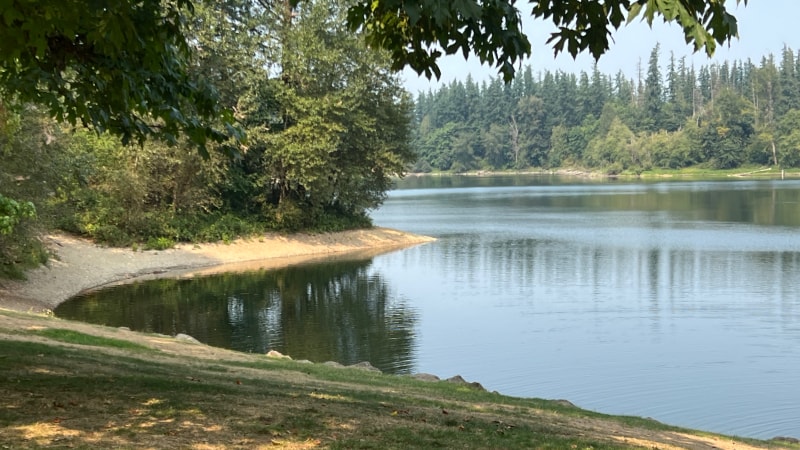
Frederick Nolte purchased the land surrounding Deep Lake in 1889 after making his fortune as a mining engineer who opened the Naval and Sunset coal mines near Cumberland. After Frederick died in 1909, his son William recognized the growing demand for recreation among Seattle’s expanding population and opened the Deep Lake Resort in 1913. To attract visitors, William built a dance hall that extended over the water and a floating high jump platform for thrill-seekers—features that made Deep Lake Resort a popular destination for decades.
When William died in 1930, his sister Minnie Nolte, a Seattle nurse, continued operating the resort with a concessionaire. Minnie died on July 27, 1971, at age 89. She had initially planned to bequeath the property to the Archdiocese of Seattle, but they declined due to the burden of property taxes. Minnie then left the property to Washington State Parks with the stipulation that it be used “for the benefit of the public and especially, and if possible, for children and young people.” The park was officially accepted into the state park system on September 13, 1971, and the former Nolte family home now serves as the park administration building.
Activities & Recreation
| Activity | Details | Season | Difficulty |
|---|---|---|---|
| Swimming | Sandy beach with calm, deep waters; occasional summer lifeguard service (don’t count on it) | Memorial Day-Labor Day | Easy |
| Lake Loop Hiking | 1.4-mile flat trail around Deep Lake with numerous benches for lake views | Year-round | Easy |
| Fishing | Pier fishing and non-motorized boat access for rainbow trout, coastal cutthroat trout, kokanee, crappie, brown bullhead | Year-round | Easy |
| Kayaking/Canoeing | Calm 39-acre lake perfect for paddling, carry-in launch only | April-October | Easy |
| Paddleboarding | Protected lake environment with minimal wind, SUP-friendly conditions | April-October | Easy |
| Biking | Lake loop trail suitable for easy cycling, flat terrain | Year-round | Easy |
| Interpretive Trail | Short self-guided trail highlighting local flora and fauna near parking area | Year-round | Easy |
| Picnicking | Numerous tables along shoreline, two reservable kitchen shelters (up to 50 people) | Year-round | Easy |
| Wildlife Viewing | Turtles sunning on logs, ducks, geese, herons, bald eagles | Year-round | Easy |
Facilities & Amenities
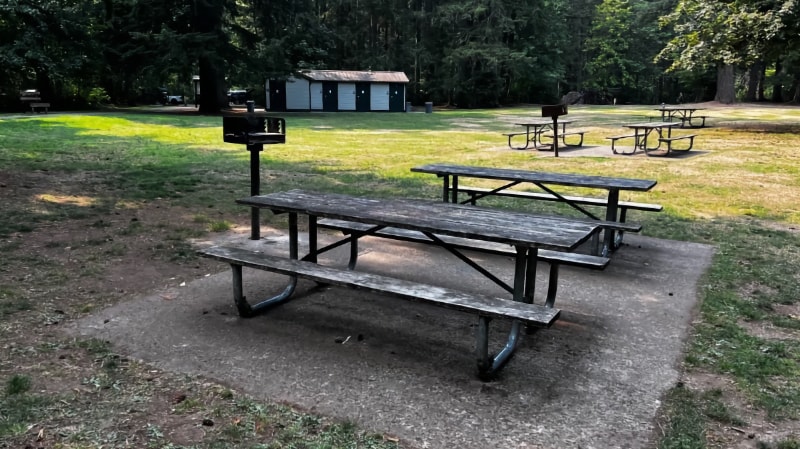
Nolte State Park provides comprehensive day-use facilities designed around its heritage as a family resort, with abundant picnic areas, playground amenities, and that signature flat loop trail that welcomes visitors of all ages. The park features dozens of picnic tables and grills scattered along Deep Lake’s shoreline—prime lakeside spots fill quickly on sunny weekends, so locals know to arrive before 10 a.m. to claim their territory. Two kitchen shelters accommodate groups, including one reservable shelter that holds up to 50 people with electricity, sinks, and grills—perfect for family reunions or birthday parties (you’ll see the occasional setup with balloons marking the way from the parking lot).
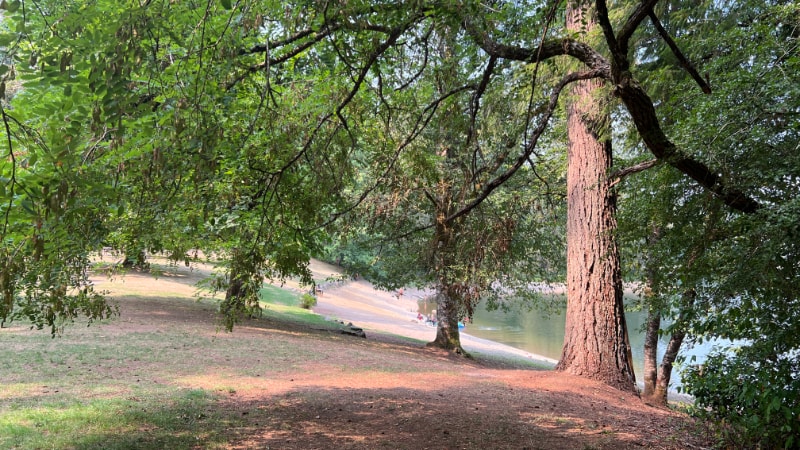
Recreation amenities include a playground near the main beach area, horseshoe pits, and large grassy fields perfect for frisbee or lawn games. The fishing pier extends into Deep Lake and sees steady use from shore anglers targeting the lake’s stocked rainbow trout, wild cutthroat, and kokanee—jumping from the pier is prohibited, as it’s designated for angling only. Restrooms are large and well-maintained with accessible facilities and drinking water, though they close for the season after October 1. The carry-in boat launch accommodates kayaks, canoes, and paddleboards—motorized boats are prohibited, maintaining Deep Lake’s peaceful character and calm surface conditions.
The 1.4-mile loop trail winds through old-growth forest with relatively flat terrain, offering lake views at multiple points and featuring benches positioned for rest stops and wildlife observation. You’ll likely spot turtles sunning on logs, waterfowl paddling near the shore, and if you’re patient, bald eagles fishing from the trees. Parking fills completely on summer weekends—the main lot holds maybe 40-50 vehicles, and overflow parking across the street near the north boat launch gate adds limited capacity. During winter months when the parking lot gates close, visitors park along Veazie Cumberland Road’s shoulder and walk into the park.
Camping & Accommodations
Nolte State Park operates exclusively as a day-use facility with no camping accommodations available. The park closes at dusk year-round, requiring visitors to complete their activities and depart before dark. This is a day-trip destination, not an overnight camping park—if you’re looking for camping near Enumclaw, you’ll need to look elsewhere like Kanaskat-Palmer or Federation Forest state parks.
During winter months after October 1, Nolte State Park officially reduces operations but remains accessible for those seeking solitude. Restrooms close for the season, the parking lot gates are locked (park on the road shoulder), and there are no garbage cans—you’ll need to pack out everything you bring in. The trade-off is peaceful winter walks around the lake without the summer crowds, though you’ll want to dress warmly and bring rain gear for typical Pacific Northwest winter conditions.
Planning Your Visit
Entry to Nolte State Park requires a Discover Pass, which costs $45 for an annual pass or $10 for a daily pass as of October 2025. You can purchase passes online at the Discover Pass website or at the park entrance if available. The park operates daily from 8 a.m. to dusk year-round, located 6 miles northeast of Enumclaw via Highway 410 to Farman Street North, then following Veazie Cumberland Road for about 2 miles until you see the park entrance on the left.
Best Time to Visit Nolte State Park:
Summer (June-September): Peak season brings families, swimmers, and the biggest parking challenges. The sandy beach fills with kids, kayakers paddle the calm waters, and picnic tables are claimed early. Occasional lifeguard service happens during summer months, but don’t count on it—supervise your swimmers. The lake warms to comfortable swimming temperatures, wildflowers bloom along the trail, and you’ll encounter plenty of other visitors enjoying the forest. Arrive before 10 a.m. on weekends to secure parking, and bring bug spray for mosquitoes near the forested trail sections. Temperatures typically reach the 70s-80s.
Fall (September-November): Shoulder season offers fewer crowds, pleasant hiking conditions, and beautiful fall colors reflecting in Deep Lake’s calm surface. The water stays warm enough for swimming into early October, though you won’t find lifeguard service. Parking becomes easier as families return to school schedules. This is an excellent time for kayaking, fishing, and completing multiple loops of the trail without summer congestion. Expect temperatures in the 50s-60s and increasing rainfall.
Winter (December-March): The park transforms into a peaceful retreat for hardy visitors seeking solitude. Restrooms close, parking shifts to the road shoulder, and you’ll pack out all trash, but the trade-off is having the trail nearly to yourself. The lake reflects winter skies, waterfowl congregate in large numbers, and rain-soaked forest trails offer that quintessential Pacific Northwest experience. Dress in waterproof layers and expect temperatures in the 40s-50s with frequent rain. The park stays accessible, just more primitive.
Spring (April-May): Spring brings wildflowers, warming weather, and the return of casual visitors. The lake begins warming for early-season swimming (for the brave), fishing picks up as stocked trout become active, and the trail dries out from winter rains. Mosquitoes emerge as temperatures rise, making bug spray essential. This is a sweet spot for visiting—pleasant weather, lighter crowds than summer, and full park services resume. Temperatures range from the 50s-60s.
Nearby Attractions:
- Green River Gorge Conservation Area (adjacent) – Hiking trails, river access, and dramatic canyon views
- Enumclaw (6 miles southwest) – Full services including grocery stores, restaurants, and the charming downtown district
- Mount Rainier National Park (40 miles southeast) – Paradise, Sunrise, and other iconic mountain destinations
- Federation Forest State Park (15 miles east) – Old-growth interpretive trails and Civilian Conservation Corps picnic shelters
- Flaming Geyser State Park (20 miles northwest) – Green River access, kayaking, and unusual natural gas seeps
Picnic Shelter Reservations:
The park’s kitchen shelters can be reserved by calling (888) 226-7688 or visiting washington.goingtocamp.com. Reservations cost $8 online or $10 by phone, plus the shelter rental fee. Only one shelter can accommodate up to 50 people with electricity, water, sinks, and grills. These shelters are available first-come, first-served outside the peak season (May 15-September 15).
What to Bring & Know
- Arrive early on summer weekends – Parking lot fills completely by 10 a.m. on sunny days; consider arriving when gates open at 8 a.m. or parking on Veazie Cumberland Road and walking in.
- Bug spray essential in warm months – Mosquitoes are persistent along forested trail sections, especially near the lake in shaded areas. Bring spray or wear long sleeves.
- No lifeguard – supervise your swimmers – Despite occasional mentions of summer lifeguard service, don’t plan on it. Deep Lake reaches 76 feet deep with cold water from Deep Creek. Always supervise children.
- Non-motorized watercraft only – Only carry-in kayaks, canoes, and paddleboards are permitted; no motors of any kind allowed on Deep Lake.
- Fishing license required (16+) – Washington fishing license needed for anyone 16 and older targeting rainbow trout, cutthroat, kokanee, crappie, and brown bullhead.
- Winter means road parking – After October 1, parking lot gates close and restrooms shut down; park on Veazie Cumberland Road shoulder and pack out all trash.
- Traffic noise is noticeable – Veazie Cumberland Road runs adjacent to the park; expect road noise especially on the lake’s south side, not silent wilderness.
- No jumping from fishing pier – Pier is designated for angling only; swimming off the pier is prohibited for safety reasons.
- Bring wheels for an easy workout – The flat 1.4-mile loop is perfect for bikes, but also works great for skates, scooters, or strollers—locals lap it multiple times.
Frequently Asked Questions
Do I need camping reservations?
No camping is available at Nolte—this is a day-use park only. You’ll need to leave by dusk and find accommodations in nearby Enumclaw or Cumberland if you’re staying overnight in the area.
Is there a lifeguard at the beach?
Don’t count on it. While the official park information mentions “occasional summer lifeguard service,” multiple visitor reports confirm this is unreliable at best. Visit Rainier’s guide says lifeguards are “occasionally on duty in summer months,” and TripAdvisor reviews consistently note “no lifeguard.” Plan to supervise all swimmers yourself, especially since Deep Lake reaches 76 feet deep and stays cold from mountain water flowing in from Deep Creek.
How early should I arrive in summer?
Before 10 a.m. on weekends if you want parking. The lot holds 40-50 vehicles and fills completely on sunny summer days. Locals arrive right when the gates open at 8 a.m. to claim the prime lakeside picnic tables. You can also park on the road shoulder and walk in if the lot is full.
Can I visit in winter?
Yes, but conditions are more primitive. After October 1, restrooms close, parking shifts to Veazie Cumberland Road’s shoulder (lot gates locked), and there are no garbage cans—pack everything out. The trail stays accessible and you’ll have peaceful solitude, but bring rain gear and dress warm. It’s a splendid option for winter walks if you don’t need full facilities.
Is this good for families with kids?
Absolutely. The flat loop trail works for strollers, the sandy beach is gentle for young swimmers (with supervision), and the playground near the beach keeps kids entertained. Just be aware of parking challenges on summer weekends, bring bug spray, and note that lifeguard service is occasional at best. This park was literally willed “especially for children and young people” by Minnie Nolte.
What makes this different from other lakes near Seattle?
Nolte State Park is fundamentally a neighborhood park that happens to have a beautiful lake and old-growth forest—not a destination park with unique features. You’ll see the same locals on daily walks, families claiming their regular picnic spots, and a laid-back rhythm that reflects its resort heritage. Unlike remote wilderness lakes, you’ll hear Veazie Cumberland Road’s constant traffic noise, struggle for parking on sunny weekends, and share the trail with dog walkers treating it as their local loop.
The difference is accessibility and community feel—this is where William Nolte wanted his neighbors to gather in 1913, and it still serves that role today. If you want dramatic scenery or solitude, go elsewhere. If you want an easy swim, a flat trail your grandmother can walk, and the feeling of a beloved local park that welcomes everyone, Nolte delivers exactly that.
Final Word on Nolte State Park
Nolte State Park won’t give you remote wilderness—you’ll hear Veazie Cumberland Road’s traffic, struggle for parking on sunny weekends, and swat mosquitoes along the forested trail—but it will give you exactly what William Nolte envisioned when he built that dance hall over the water in 1913, and what his sister Minnie preserved when she willed the property for “children and young people” in 1971: an accessible, welcoming retreat where families gather at lakeside picnic tables, kids splash in calm waters under old-growth trees, and a simple 1.4-mile loop trail offers forest sanctuary just minutes from town. This is day-use recreation at its most democratic, honoring the Nolte family’s century-long commitment to sharing Deep Lake’s beauty with everyone.
52 Things to Do at Washington State ParksA free printable checklist: one adventure per week for a full year.
Get the Free Checklist
What to Do
Activities
Trip Planning
What to Pack
Required Pass
Required for parking at all Washington State Parks. One pass covers your vehicle for a full year.
$46.99
Hiking Gear
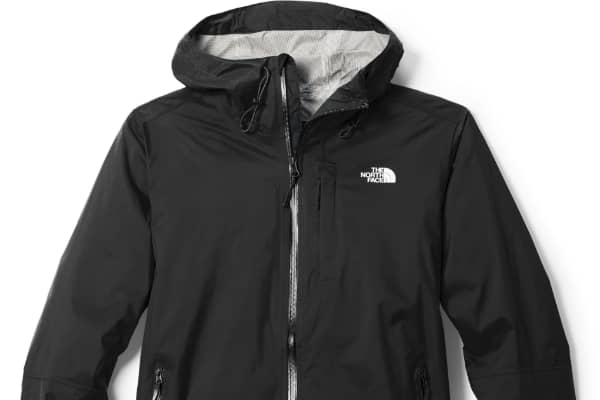
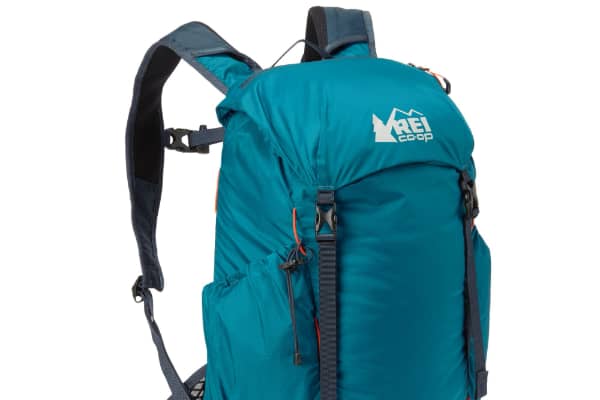
Kayak & Paddle Gear
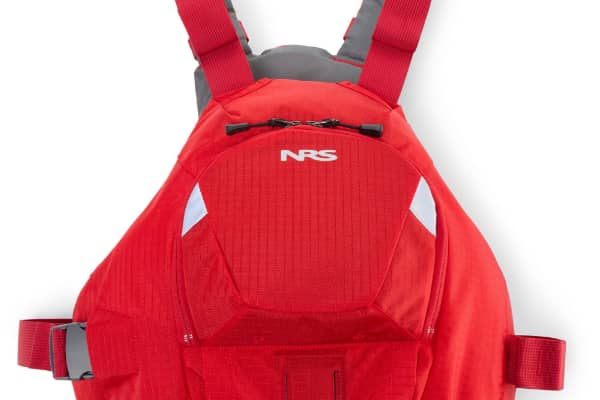
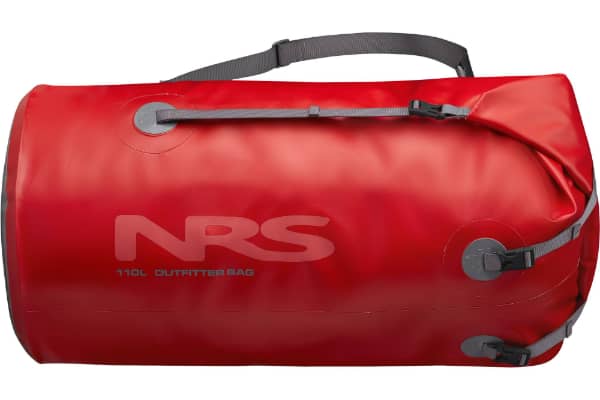
Some links on this page are affiliate links. If you purchase through them, Explore Washington State may earn a small commission at no extra cost to you. We only recommend gear we believe in.
Washington State Parks Directory
The Washington State Parks Directory covers all 146 state parks across Washington — from saltwater shores and mountain meadows to ancient lava tubes and desert canyons. Find trails, camping, activities, and detailed visitor information for every park in the state.
Browse All Washington State Parks