Pacific Northwest
Washington State
Washington runs from rainforest to desert, volcano to saltwater, without ever leaving the state line. Whatever you are looking for, it is probably here and it probably comes with a view.
State Parks
147
Miles of Coastline
3,026
Highest Peak
Rainier at 14,411 ft
National Parks
3
Regions
7
State Founded
1889
There are more things to do in Washington State than most visitors expect and more than most residents have gotten around to. The state spans roughly 500 miles east to west, which means a weekend in Seattle and a weekend in the Palouse are two entirely different trips in terms of landscape, pace, and what the weather is doing.
The west side gets the rain and earns its reputation for green. The Cascades divide the state into two climates and two personalities. East of the mountains, the sky opens up, the hills turn gold in summer, and the Columbia River anchors a wine region that has been quietly outgrowing its reputation as a niche curiosity.
In between, you get the Olympics and the rainforest coast, the San Juan Islands via ferry, Mount Rainier dominating the southern horizon, North Cascades glacier country, and a handful of small towns that each have a reason to stop.
Seattle is the obvious anchor and earns its place. But the coffee, the market, and the skyline are the starting point, not the whole story.
This guide is organized the way you are probably thinking about it: by region if you know where you are going, by type if you know what you want to do, and by season if timing is the constraint. Each section links out to deeper EWS guides for places where a paragraph is not enough.
Washington is a state that rewards exploration at every scale. Day trip, weekend, or longer stay, there is something specific and worth the drive.
Getting Here
Western Washington
Seattle anchors the region, but the I-5 corridor is the least interesting part of western Washington. Head toward the water and you get ferry routes to the islands, Puget Sound shoreline towns like Port Townsend and Poulsbo, the state capital Olympia at the south end of the Sound, and the Olympic Peninsula a few hours west. The Cascades start about 90 minutes east of Seattle and fill in fast with hiking, skiing, and river country.
Eastern Washington
Spokane is the hub and worth more than the drive-through most people give it. The Palouse rolls out southeast of the city in a landscape unlike anything else in the state. The Columbia Basin and Yakima Valley hold the wine country. Walla Walla and the Tri-Cities are worth building a trip around, not just passing through.
The Coast
Ocean Shores, Westport, and the Long Beach Peninsula are the main beach towns. The coast is cold and often overcast, which keeps the crowds manageable and is part of the appeal. Cape Disappointment State Park anchors the southwest corner. La Push and the wild coast near Forks are a different experience entirely.
The Mountains
Mount Rainier, Olympic, and North Cascades national parks cover the main mountain zones. Each is genuinely different. Rainier is the classic Washington landscape. The Olympics have the rainforest and the most variety. North Cascades is the least visited and the most remote. Plenty of state park and national forest land fills in around all three.
The Islands
The San Juan Islands are reachable by Washington State Ferry from Anacortes. Lopez is the quiet one. Orcas is the one with elevation and views. Friday Harbor and San Juan Island have more to do. Peak season runs June through September. The shoulder seasons are fine and less crowded. Whale watching is best June through August.
Things to Do
Outdoors
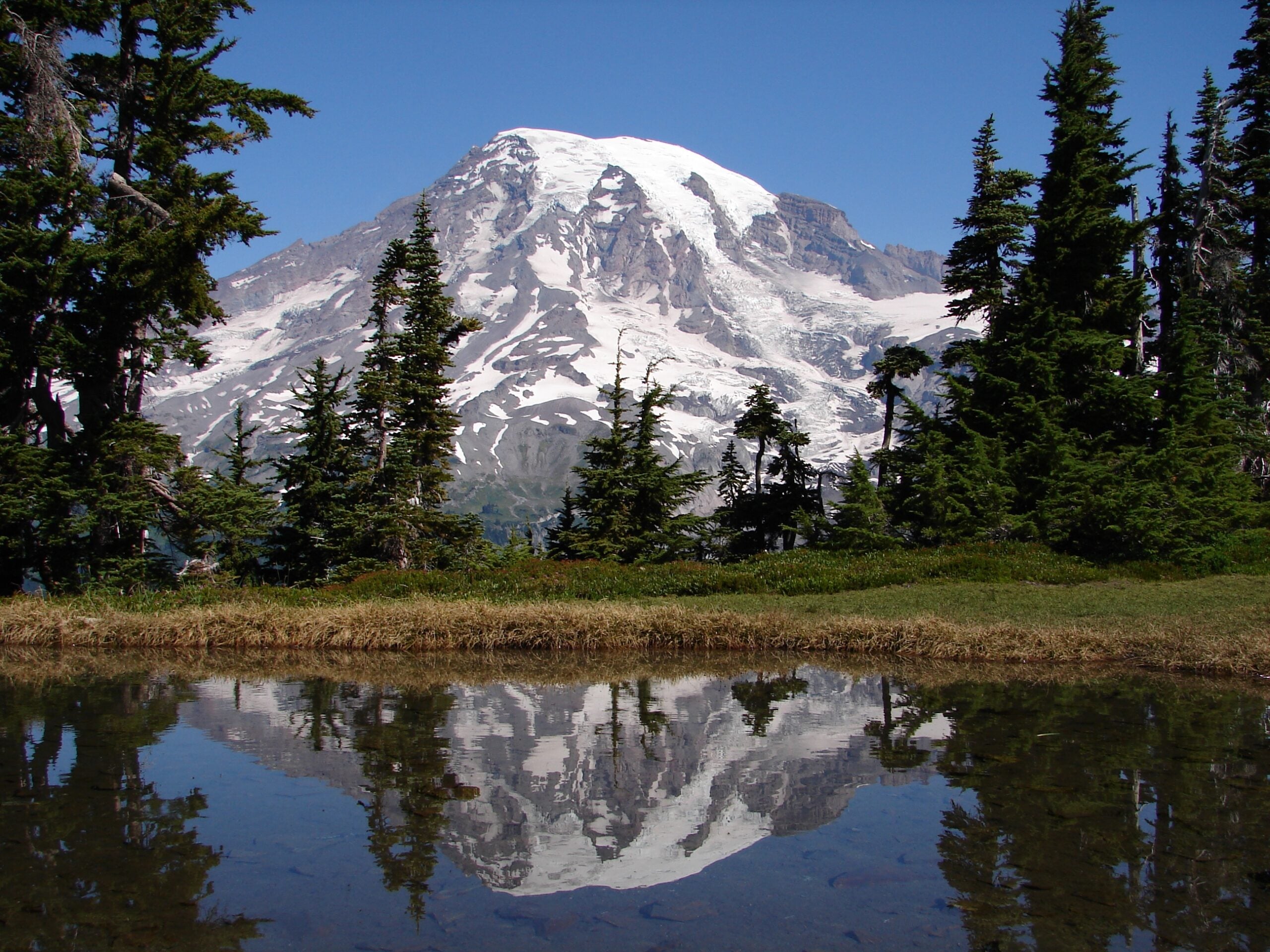
Hike the Trails at Mount Rainier National Park
Mount Rainier's trail network ranges from the easy Skyline Trail loop at Paradise to multi-day wilderness routes circling the mountain. The wildflower meadows at Paradise and Sunrise peak late July through mid-August and are worth building a trip around. Entry is covered by an America the Beautiful pass. Trailhead parking fills by 9am on summer weekends. Arrive early or use the park shuttles from Ashford.
Food
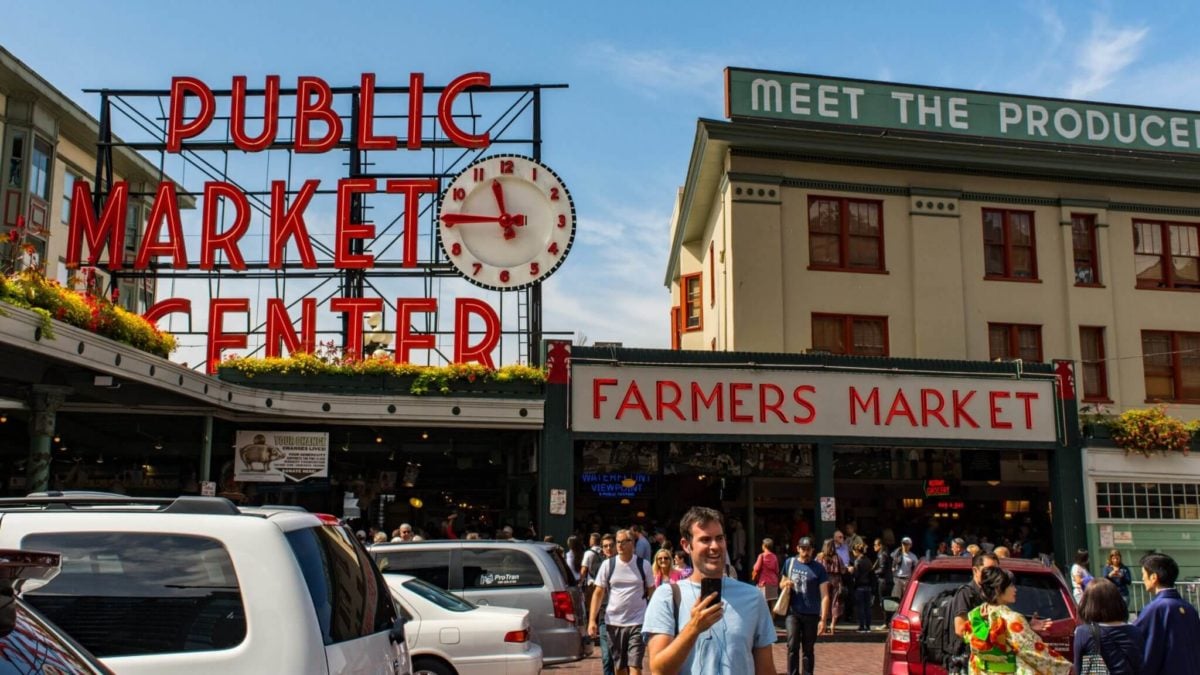
Spend a Morning at Pike Place Market in Seattle
Pike Place has been Seattle's central market since 1907 and remains a working public market, not a theme park version of one. The fish throw is real, the produce is local and seasonal, and the original Starbucks location is tucked into the corner if you want to say you went. Go on a weekday before 11am to move without fighting crowds. Rachel the Pig at the main entrance is the landmark.
Outdoors
Drive the Cascade Loop
The Cascade Loop connects Seattle to Leavenworth, Chelan, Winthrop, and back over a different pass in roughly 440 miles of mountain and river scenery. The full loop takes a minimum of three days done properly, though most people spread it over five or six. Fall color in the Methow Valley peaks mid-October. Summer is the busiest. Highway 20 over Washington Pass closes in winter.
Outdoors
Explore Olympic National Park
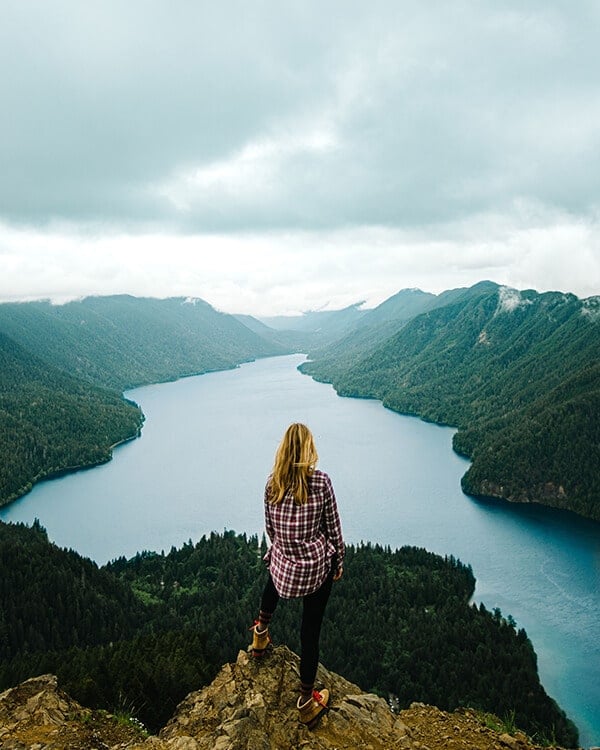
Olympic is three parks in one: temperate rainforest in the Hoh and Quinault valleys, glacier-capped peaks in the interior, and a wilderness coast that stretches 70 miles along the Pacific. No single road connects all of it, which keeps different sections genuinely separate trips. The Hoh Rain Forest visitor center and the Hall of Mosses trail take about two hours and cover the rainforest experience without a backcountry permit.
Water
Take the Ferry to the San Juan Islands
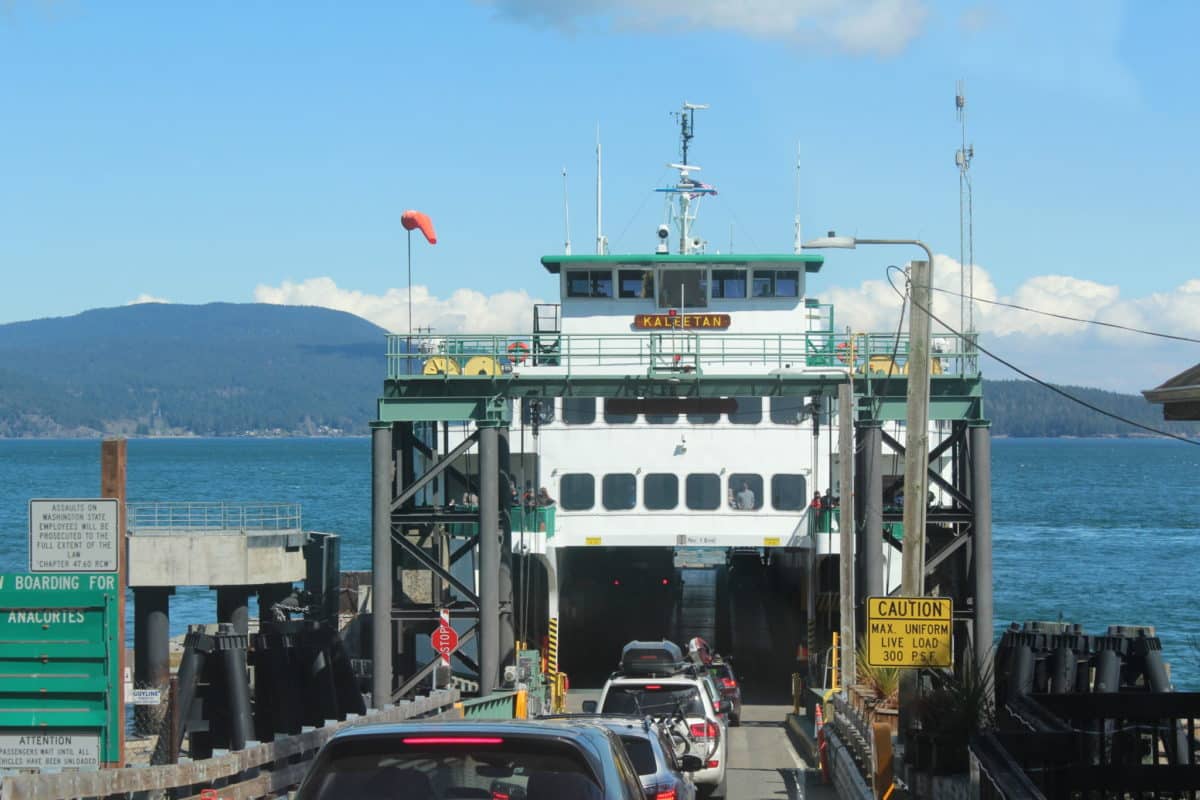
Washington State Ferries run from Anacortes to the four main San Juan Islands year-round. The route itself is the experience: 60 to 90 minutes through island-dotted Puget Sound with Cascades and Olympics visible on clear days. San Juan Island has the largest town (Friday Harbor), whale watching from Lime Kiln Point, and English Camp and American Camp historical sites. Orcas Island has Mount Constitution for elevation and views over the archipelago.
Recreation
Visit the Palouse in Eastern Washington
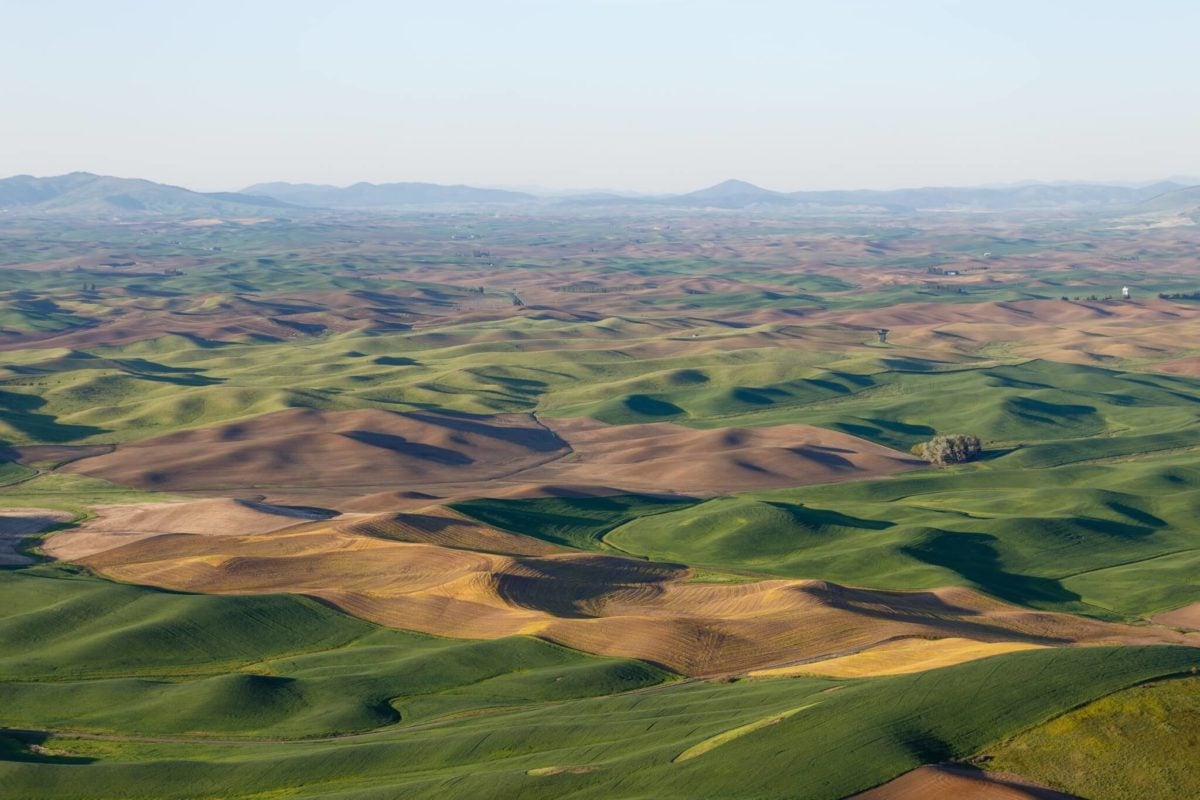
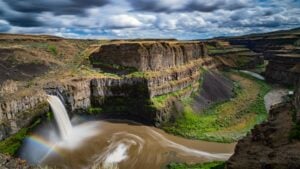
The Palouse is a rolling agricultural landscape of wheat and lentil fields southeast of Spokane with no direct equivalent anywhere else in the state. Steptoe Butte rises out of the middle of it and offers a 360-degree view of the grid of hills that goes on farther than you expect. Palouse Falls is a 198-foot waterfall that drops into a deep canyon on the Snake River and draws photographers from across the region.

Culture
Tour Walla Walla Wine Country
Walla Walla has built a legitimate wine region over the past 30 years and is now home to more than 120 wineries concentrated in and around a small city that is genuinely worth exploring on its own. The downtown is walkable, the tasting rooms are mostly open without reservations on weekends, and the grapes include strong Syrah and Cabernet programs alongside the Bordeaux blends the region is best known for. Harvest season runs September through October.
Outdoors
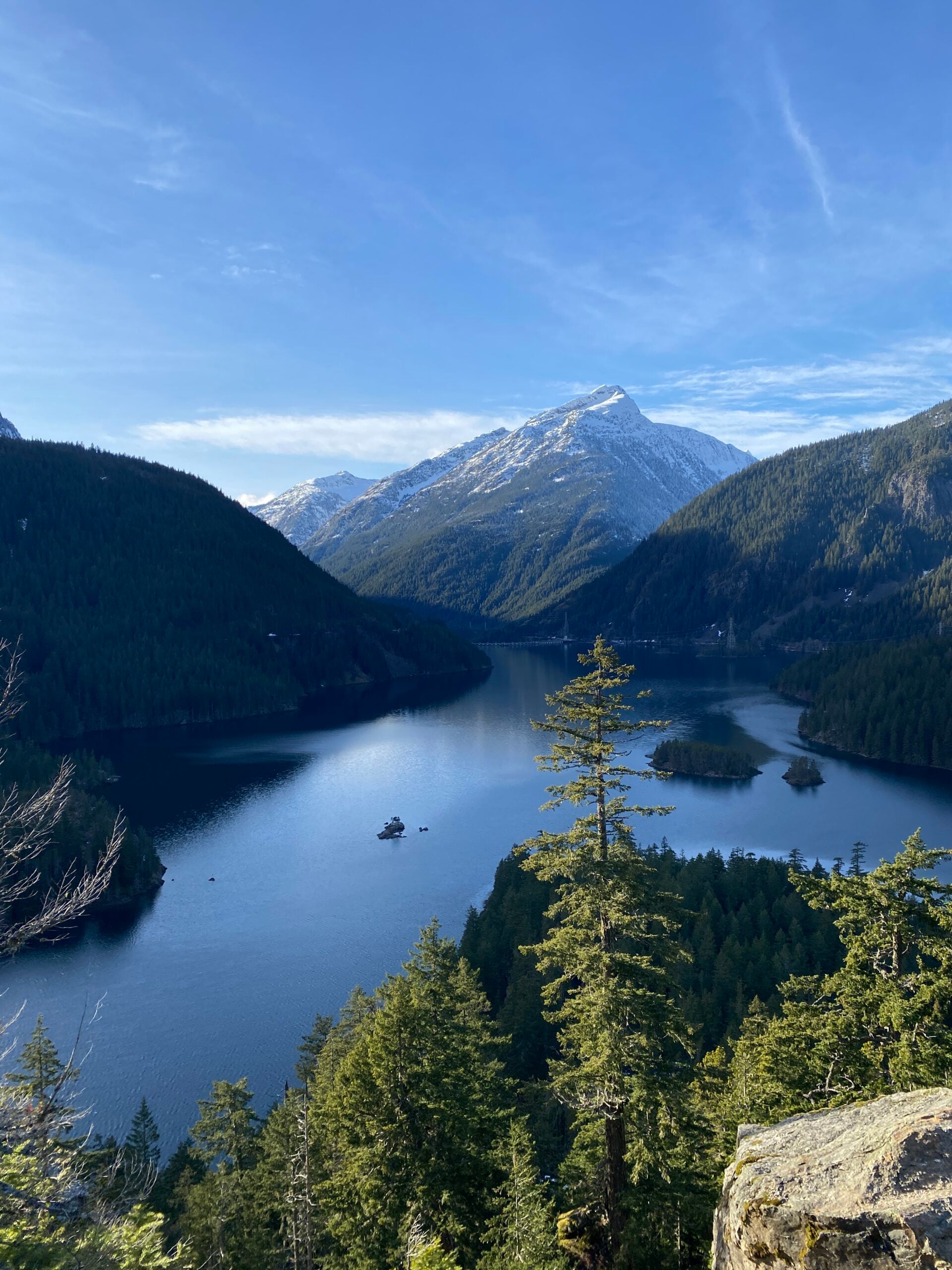
Explore the North Cascades
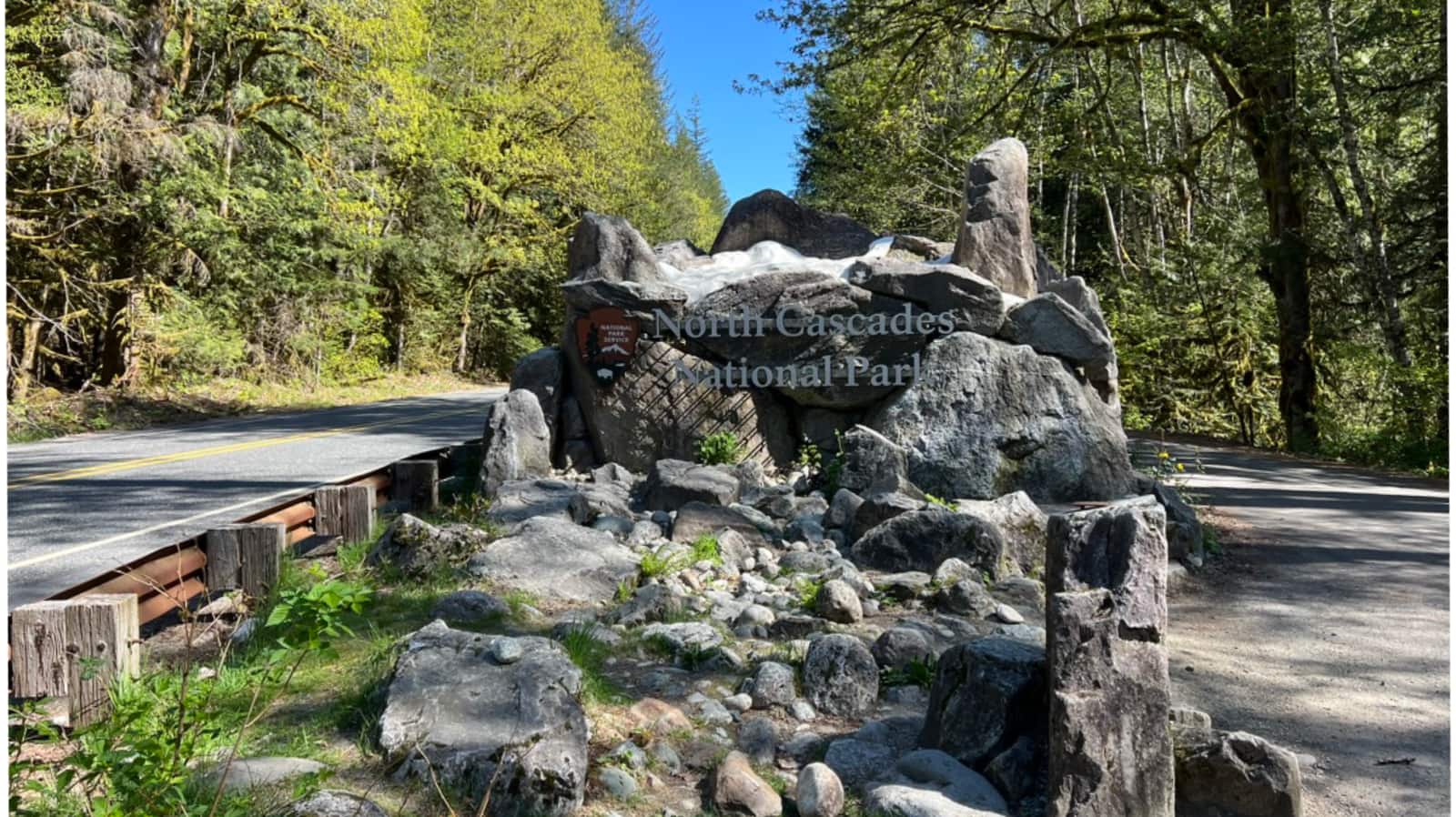
North Cascades National Park is the least visited of Washington's three national parks and has the terrain to justify the reputation for seriousness. Highway 20 over Washington Pass is one of the best mountain drives in the state and is reason enough to come even without a hiking plan. Diablo Lake is a glacially fed turquoise reservoir visible from a roadside pullout. The park closes much of Highway 20 in winter.
History
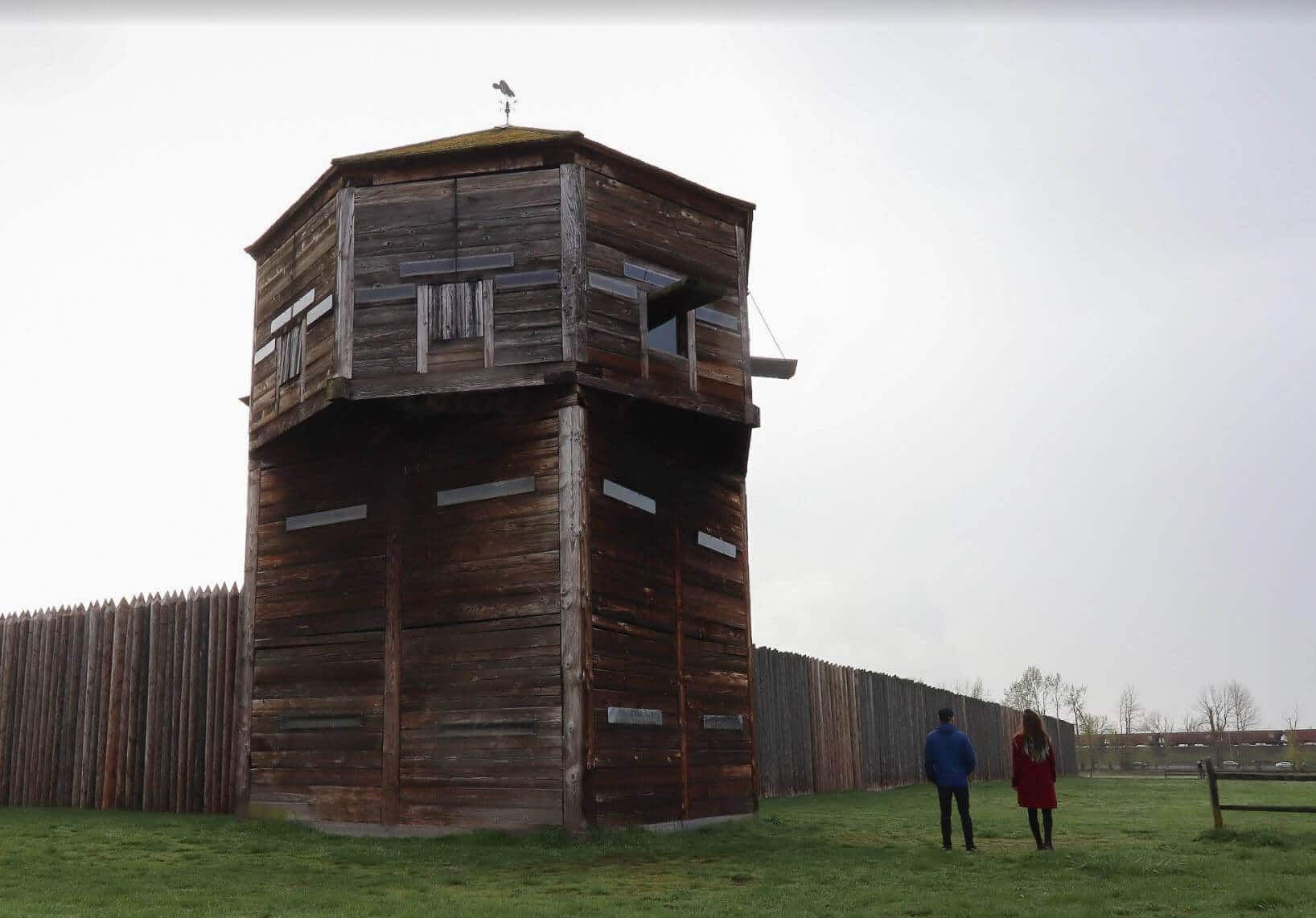
Walk Through Fort Vancouver National Historic Site
Fort Vancouver on the Columbia River near Vancouver, Washington was the commercial hub of the Pacific Northwest fur trade in the early 1800s. The reconstructed fort and grounds are free to enter with a National Parks pass or for $5 per vehicle. The adjacent Officers Row historic district has 21 Victorian homes dating to the 1880s. It is 30 minutes from Portland and consistently undervisited given what is there.

Family
Spend a Day at Deception Pass State Park
Deception Pass is Washington's most-visited state park and sits at the north end of Whidbey Island where the Strait of Juan de Fuca forces through a narrow channel under a pair of 1930s bridges. The tidal current through the pass runs fast enough to watch, the shoreline trails are short and varied, and the park has both saltwater and freshwater access. Entrance requires a Discover Pass. Peak summer weekends fill the parking lots by 10am.
“Washington is a state that rewards exploration at every scale. Day trip, weekend, or longer stay, there is something specific and worth the drive.”
Explore Washington State
Plan Your Trip
Hiking
Mount Rainier, the Enchantments, the Olympic coast wilderness strip, the Palouse to Cascades trail corridor, and 147 state parks collectively offer more trail mileage than most people will cover in a lifetime of visits. WTA (wta.org) has the best trail database with current conditions. EWS state park guides cover specific parks with what to expect on arrival.
History and Culture
The Lewis and Clark Trail runs through eastern Washington. Fort Vancouver is on the Columbia River near Portland. The Whitman Mission site is near Walla Walla. Steilacoom is the oldest incorporated town in Washington and is rarely on the tourist map. The Eastern State Hospital Ruins near Medical Lake are one of the more unusual historical sites in the state.
Water and Paddling
The San Juan Islands, Lake Chelan, the Columbia River water trail, and the lowland lakes around Seattle all have paddling access at different scales. Quartermaster Harbor on Vashon Island is one of the better flat water paddles near Seattle. Lake Roosevelt behind Grand Coulee Dam is 80 miles long and sees a fraction of the traffic of the more marketed lakes.
Family Trips
Olympic National Park has tide pools at Ruby Beach and Rialto that work well for kids. Mount Rainier has short subalpine meadow walks that do not require serious hiking gear. The Woodland Park Zoo in Seattle and the Point Defiance Zoo in Tacoma are both solid. Leavenworth is designed for it. Chelan and the waterfront towns have the low stakes summer vacation formula down.
Road Trips
The Cascade Loop is the classic Washington road trip: out through Stevens Pass, north through the Methow Valley and Chelan, back over a southern pass. Roughly 440 miles with a week to do it properly. The Olympic Peninsula loop covers rainforest, coastline, and the Strait of Juan de Fuca in a long weekend. Highway 14 along the Columbia River Gorge east from Vancouver is underrated.
Where to Stay
Washington State Parks Camping
Washington's 147 state parks collectively offer thousands of campsites ranging from full-hookup RV pads to primitive hike-in sites. Reservation windows open 9 months in advance through the Washington State Parks reservation system, and popular sites at Deception Pass, Moran, and Lake Wenatchee fill within hours of opening. A Discover Pass covers day use; camping fees are separate. Dispersed national forest camping is free in most areas with a self-issued permit.
Reserve a campsiteThe Inn at Ship Bay (Orcas Island)
A 12-room waterfront inn on Orcas Island in the San Juans, with a restaurant using produce from the on-site farm and direct views of East Sound. It is the right combination of remote and comfortable for a San Juans trip that is not camping. Getting here requires the ferry from Anacortes plus a 20-minute drive from the Orcas ferry landing.
Visit websiteHotel Murano (Tacoma)
A full-service hotel in downtown Tacoma with art glass throughout the building as a nod to the city's glass art identity. Walkable to the Museum of Glass, the Chihuly Bridge of Glass, and the waterfront. A practical base for exploring Tacoma and the south Sound without the Seattle price point.
Visit websiteSun Mountain Lodge (Winthrop, Methow Valley)
A full-service resort above Winthrop with direct access to the Methow Valley trail system, with 120 miles of groomed cross-country skiing in winter and mountain biking and hiking in summer. The location is remote enough that Sun Mountain functions as a destination in itself. About a 4-hour drive from Seattle over Highway 20, which closes in winter (approach via Twisp from the east in that case).
Visit websiteFind a Cabin Near Washington State
Looking for a cabin or vacation rental in Washington State?
Food & Drink
Seattle has the density for a food focused trip on its own. Pike Place Market, the coffee scene, and the neighborhood restaurant clusters in Capitol Hill and Ballard hold up. Outside Seattle, the Yakima Valley and Walla Walla wine regions are the destination draws. Spokane’s food scene has grown enough to plan around. Port Townsend and Bellingham both punch above their size.
Day Trips
Spring (March through May)
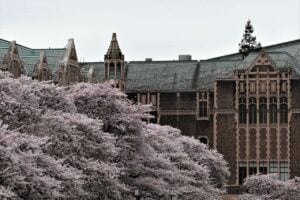
Cherry blossoms peak in Seattle around late March and in the Skagit Valley tulip fields through April. Mount Rainier’s lower trails open in May while the summit stays buried. Spring is the best time to visit the coast before the summer crowds arrive and while the rivers are running full.
Summer (June through August)
Peak season statewide. Mount Rainier meadows hit wildflower peak in late July and early August. The San Juans are in full swing. Eastern Washington hits triple digits in July, which is worth planning around unless you are after the wine country harvest prep. North Cascades opens fully in June.
Fall (September through November)
The best season for eastern Washington. Harvest in the wine regions, fall color in the Leavenworth area and upper Cascades, fewer crowds everywhere. The coast gets moody and photogenic. Rain returns to the west side by October, which is fine if you are dressed for it.
Winter (December through February)
Ski season runs at Crystal Mountain, Stevens Pass, Mount Baker, and several smaller areas. The Methow Valley cross-country ski network is one of the best in the country. Cities like Seattle and Spokane have their indoor rhythm. The coast in winter is its own experience: big surf, empty beaches, storms worth watching from inside somewhere warm.
Planning Your Visit
Washington does not have a single trip shape that works for everyone. A first-timer wanting the greatest hits in a week would do well to base in Seattle for a few days, take a day to Mount Rainier, and catch a ferry to one of the San Juan Islands. That covers the three most iconic parts of the state.
If you have more time or have done the classic loop already, the Olympic Peninsula and eastern Washington both reward a dedicated trip. Neither is well-served by a rushed drive-through.
A Discover Pass ($45/year or $10/day) covers entry to all 147 Washington State Parks and is worth having for any trip that includes outdoor recreation. America the Beautiful passes cover the three national parks.
More Washington State on EWS
Story
A Weekend in Ellensburg
Story
A Weekend in Ocean Shores
Story
Spending a Day in Poulsbo
Story
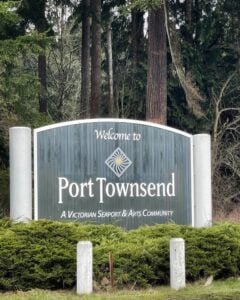
A Weekend in Port Townsend
Story
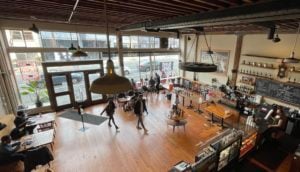
10 Cafes to Grab a Coffee in Seattle

Story
Best Brunch Spots in Spokane

Story
Bakeries in Spokane

Story
Top 5 Lakes to Paddleboard in North Spokane
Story
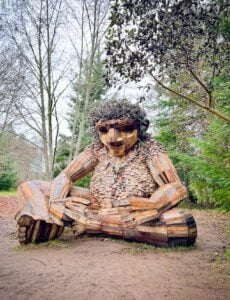
Giant Trolls in Washington
Directory
Palouse Falls State Park
Directory
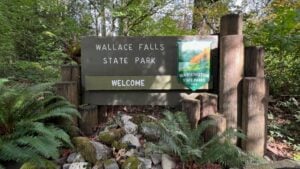
Wallace Falls State Park
Directory
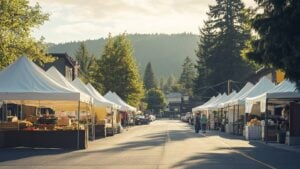
Washington State Farmers Markets
Guide
UW Cherry Blossoms Guide
Guide
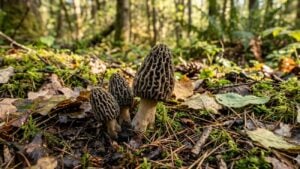
Morel Mushroom Hunting in Washington State