Benton County, Washington · South Central
Richland, Washington: What to Do, Where to Eat and When to Go
In 1943 the federal government condemned this farm town of 247 people and rebuilt it for Hanford workers. Today it is a riverfront city where the Yakima meets the Columbia, with the Red Mountain wineries a short drive west past Benton City.
POPULATION
66,290 (OFM, 2026)
INCORPORATED
1910 (as a city, 1958)
FROM SEATTLE
3 hr 29 min drive
RIVERS
Columbia and Yakima
ANNUAL RAINFALL
7.6 inches
KNOWN FOR
Hanford and the B Reactor
Richland, Washington sits where the Yakima River empties into the Columbia, one of the three Tri-Cities along with Kennewick and Pasco, and home to about 66,290 people. On the surface it is a tidy riverfront city with parks, trails and a farmers market. Underneath, it is a town the federal government owned outright until the late 1950s.
Richland started as a farm village named for Nelson Rich, incorporated in 1910, and had 247 residents when World War II arrived. On March 6, 1943, registered letters told those residents that their homes, farms and businesses had been condemned for an undisclosed war project. The project was the Hanford Engineer Works, part of the Manhattan Project, and the government built a new Richland almost overnight to house its workers. By 1944 the town had 11,000 people. Spokane architect Gustav Albin Pehrson designed the houses, and each floor plan got a letter, which is why locals still call them alphabet houses. Houses, schools, shopping centers and even the furniture belonged to the federal government until the late 1950s; on July 15, 1958, residents voted four to one to incorporate as a first class city.
That history is the reason to come. Start at the Manhattan Project National Historical Park visitor center on Logston Boulevard and the REACH Museum at Columbia Point, then walk the river path in Howard Amon Park, land Howard Amon deeded to the town in 1911. The Sacagawea Heritage Trail runs 23 paved miles along the rivers, and Red Mountain’s wineries sit just past Benton City, about 16 minutes away.
One thing to know before you plan around it: the B Reactor is closed to tours during major construction, and no public tour date is set: the Department of Energy projects a restart in late summer 2027, while the REACH Museum says the 2027 season is off and 2028 is undecided.
Getting Here
Driving From Seattle: Three and a Half Hours, Two Good Routes
Richland is 201.7 miles and about 3 hours 29 minutes from Seattle by car. The standard route is I-90 east to Ellensburg, then I-82 southeast through Yakima and Union Gap to the I-182 junction near Richland; I-182 carries you into town, where SR 240 splits off. The National Park Service points Hanford visitors to a second option: leave I-90 for SR 24, then follow SR 240 for the last 30 miles along the desert to Logston Boulevard and the park visitor center. Use a map app for the exact turnoff from I-90. From Portland, the park counts 222 miles by way of I-84 east and US 97 north.
Kennewick and Pasco are the other two Tri-Cities. See our Tri-Cities guide, the Kennewick guide, Spending a Day in Pasco and our Benton County page.
Flying Into Tri-Cities Airport: 11 Nonstops, 14 Minutes From Richland
Tri-Cities Airport (PSC) is in Pasco at 3601 N 20th Avenue, 10.5 miles and about 14 minutes from Richland by car. Five airlines fly there: Alaska, Allegiant, American, Delta and United. The airport’s destinations page lists 11 nonstops: Seattle, Portland, Los Angeles, Orange County, Las Vegas, Phoenix Sky Harbor, Phoenix Mesa, Denver, Salt Lake City, Minneapolis and San Francisco. Seattle is the easy hop, on both Alaska and Delta. Portland is the newest return: Alaska restarted twice daily nonstops on June 10, 2026, the first PSC to Portland service since 2018. The terminal opens two hours before the first flight of the day.
Getting Around: Bring a Car, but Save a Morning for the River Trail
Richland is a driving town, and the day trips below all need a car. Ben Franklin Transit runs the local buses across the Tri-Cities: the adult cash fare is $1.50, an all day pass is $4 from the driver, and youth, seniors 65 and over and veterans ride fixed routes free with a BFT pass. Downtown parking is free, though some lots carry posted time limits. The best way to see the riverfront is on foot or by bike. The Sacagawea Heritage Trail is a 23 mile paved route through Richland, Kennewick and Pasco that passes the REACH Museum; walk the Richland stretch along Howard Amon Park in the cool of the morning. Our Hiking Trails in the Tri-Cities story has more.
Things to Do
Museums
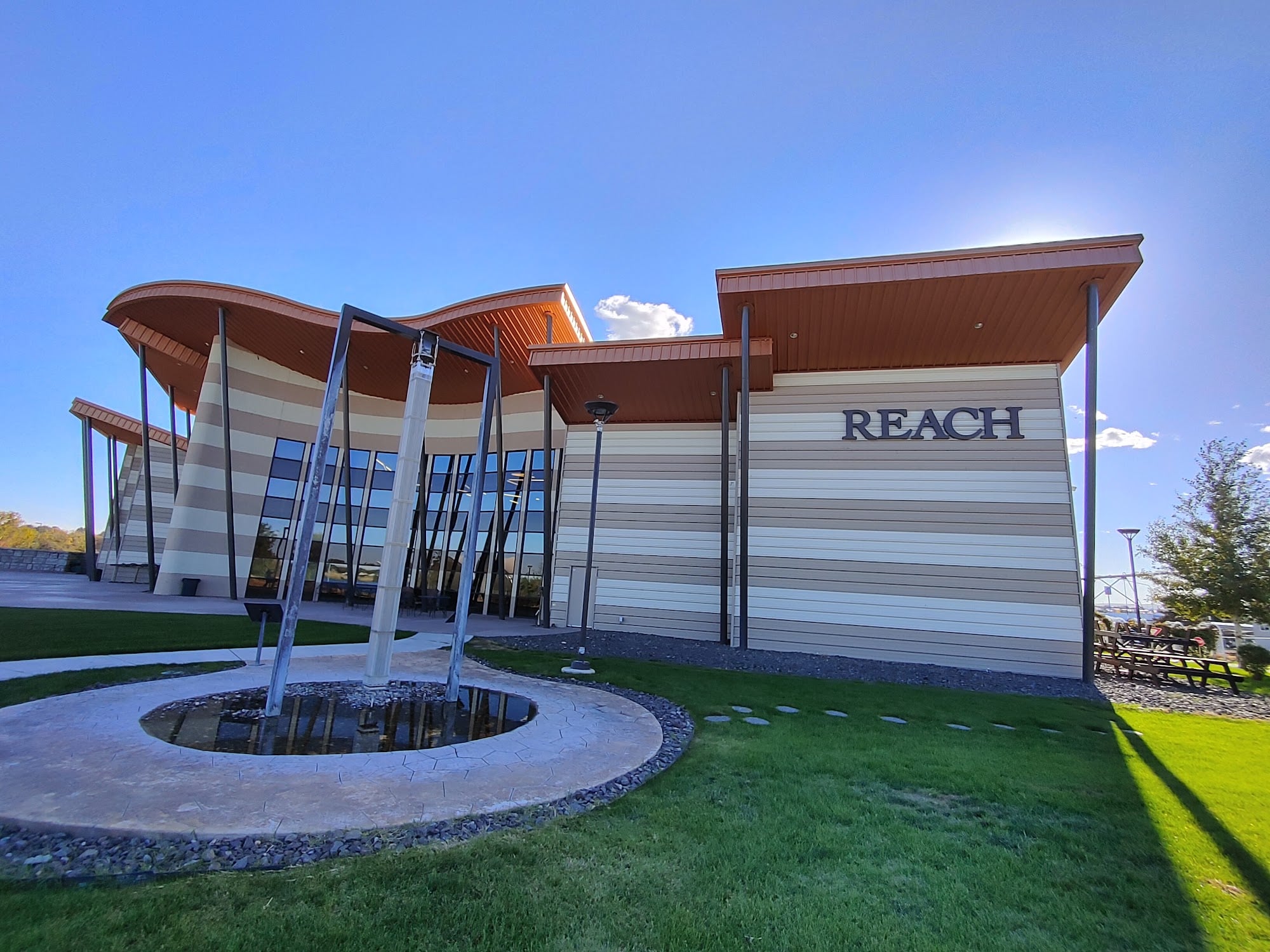
REACH Museum: Ice Age Floods to Hanford in One Stop
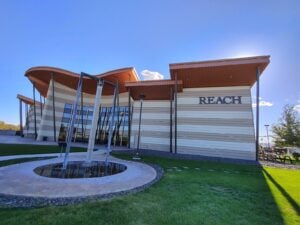
The REACH Museum at 1943 Columbia Park Trail tells the story of this stretch of the Columbia from the Ice Age Floods through the Manhattan Project, with an electronic fossil dig where kids piece together mammoth bones and Cold War artifacts including work by Manhattan Project photographer Robley Johnson. It is open Tuesday through Saturday, 10 AM to 4:30 PM, and 2026 admission is $15 for adults, $10 for seniors, $8 for students and military, and free for kids 5 and under. Plan on 45 to 60 minutes, and read our REACH Museum guide first.
History
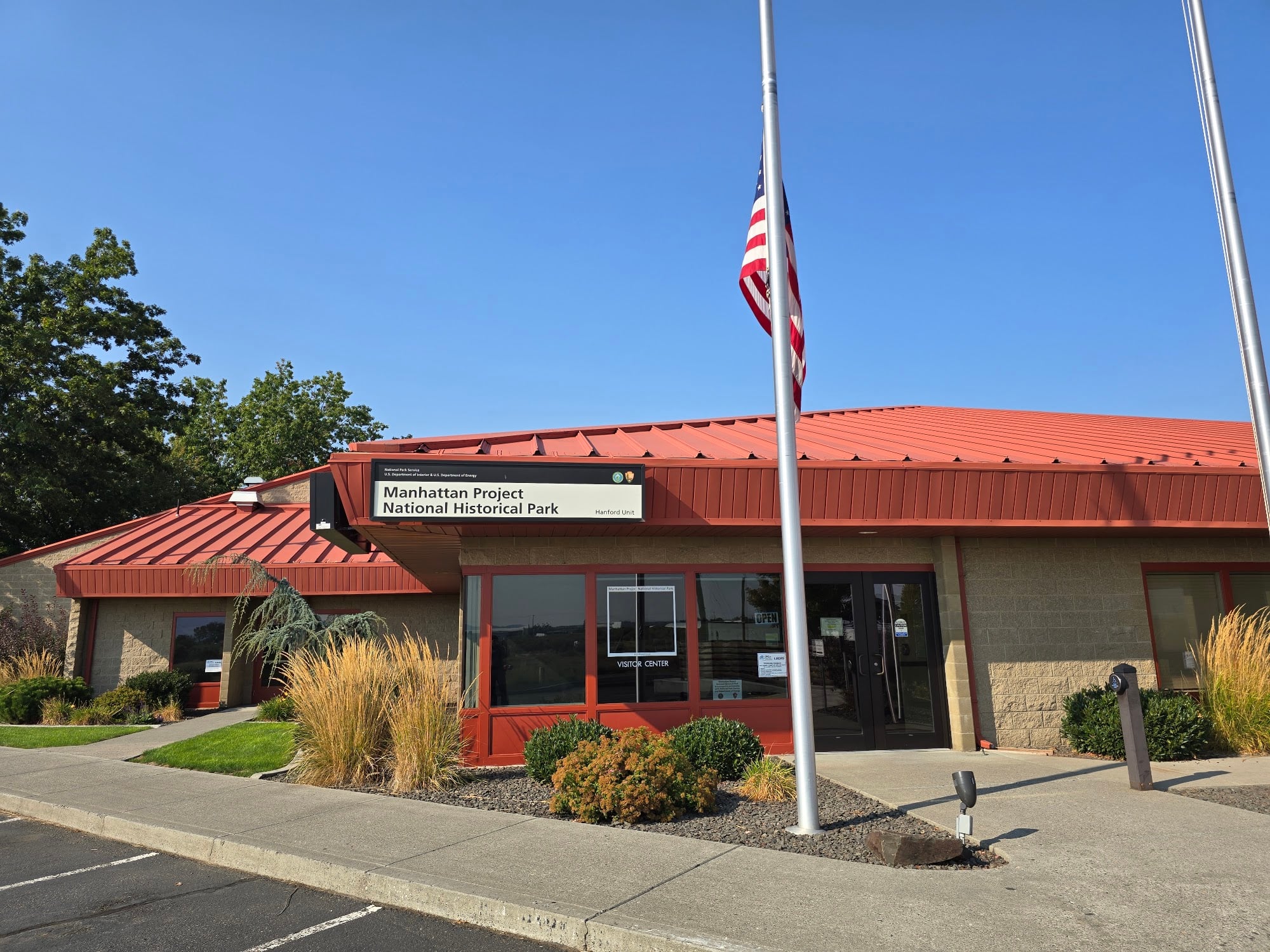
Manhattan Project National Historical Park: Start at the Visitor Center While B Reactor Is Closed
B Reactor tours are suspended for construction: the Department of Energy tour site, last updated April 22, 2026, projects a restart in late summer 2027, while the REACH Museum now says tours are suspended for the 2027 season and 2028 is undecided. That makes the park visitor center at 2000 Logston Blvd your Hanford starting point; in summer 2026 rangers ran a free Atomic Explorations program there Monday through Saturday at 2 PM from May 25 to September 5, no reservation needed. Read our Manhattan Project Hanford Site listing and our Manhattan Project story with Becky Burghart before you go.
History
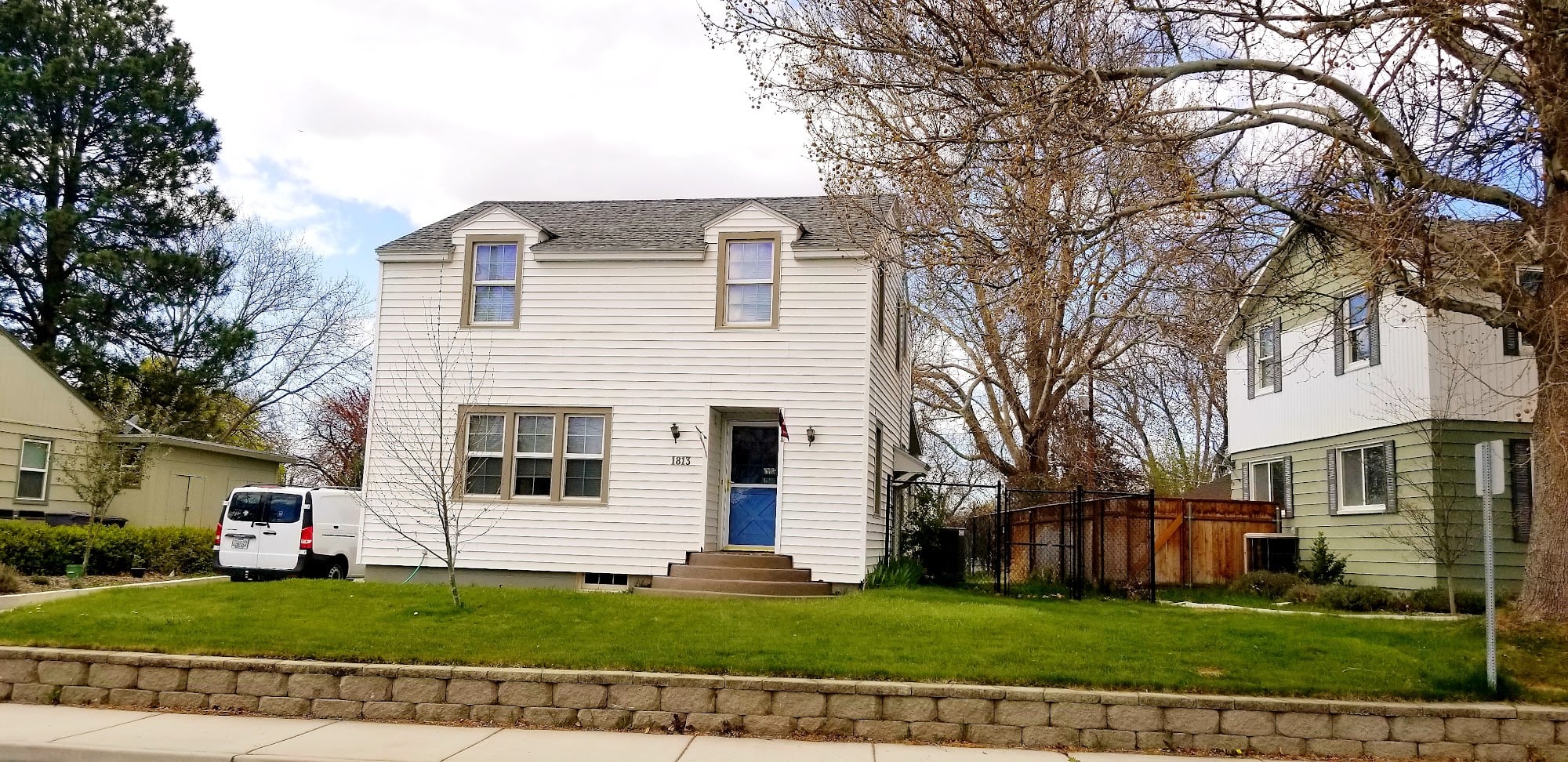
Alphabet Homes and the Gold Coast: Walk Through the Secret City
Richland grew from about 250 people in 1940 to about 15,000 in 1945, and the government built roughly 2,500 standardized alphabet homes for the workers. The Park Service points visitors to Rodney Block Park to see wartime alphabet homes, then to the Gold Coast Historic District near Leslie Groves Park, where larger homes went up in 1949 as Hanford's Cold War work grew; these are lived in homes, so look from the sidewalk. Finish at 710 The Parkway, where the 1915 brick building that was Gress's Meat Market until 1943 now houses Frost Me Sweet Bakery and Bistro.
History
USS Triton Sail Park: A Cold War Submarine Sail on the Columbia
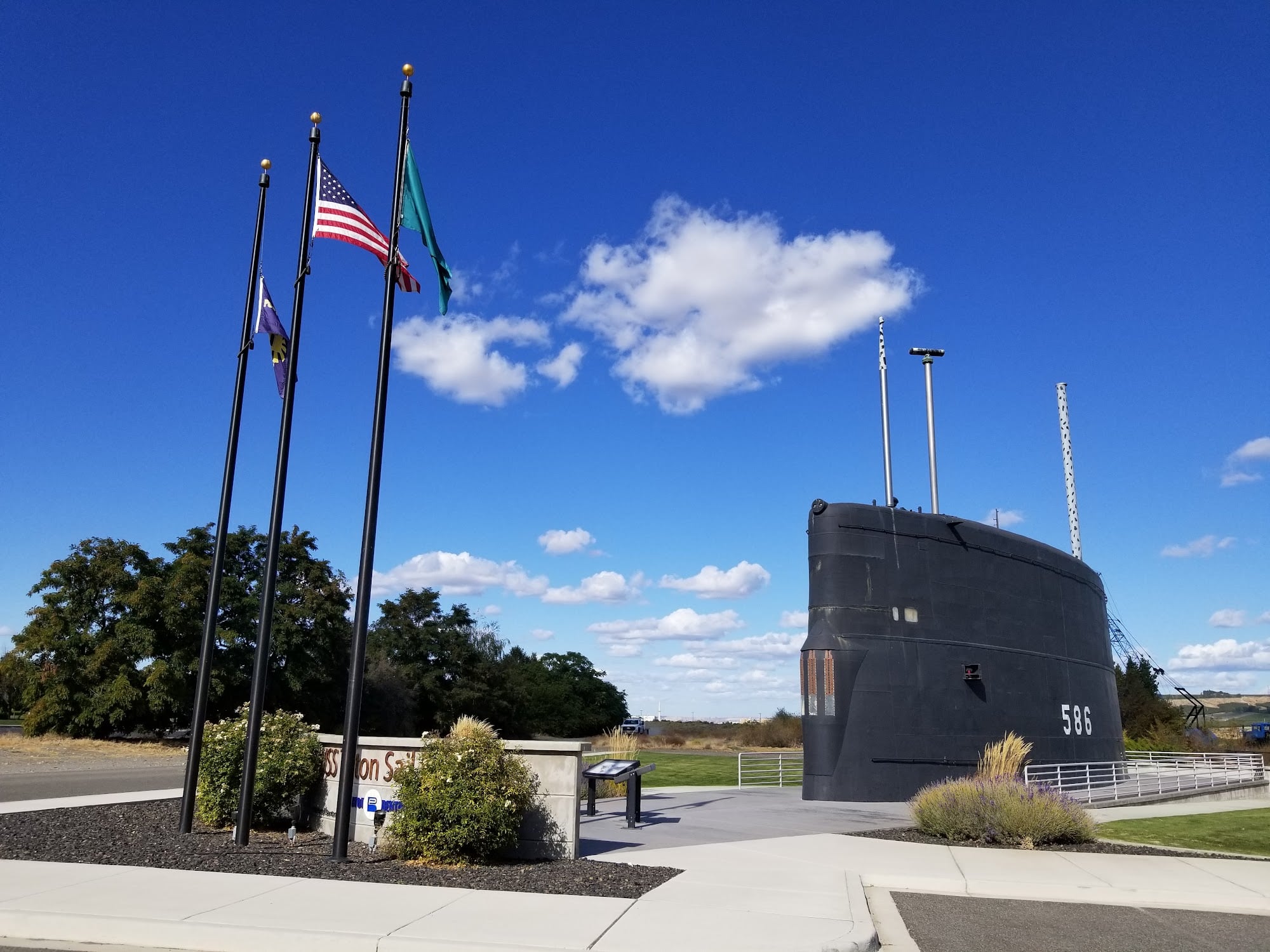
In 1960 the USS Triton became the first submarine to circle the earth underwater, and in 2011 the Port of Benton installed its sail, 75 feet long and 20 feet tall and the largest ever on an American submarine, in this Richland park. The park is open all year for a self guided look at the exterior and a wall naming every sailor who served aboard, and on the third Thursday of each month from March to November you can reserve a tour inside the conning tower, where the original instruments are still in place. The parking lot connects to the Riverfront Trail if you want to walk or bike toward downtown.
Parks
Howard Amon Park: Richland's 1911 Riverfront Lawn
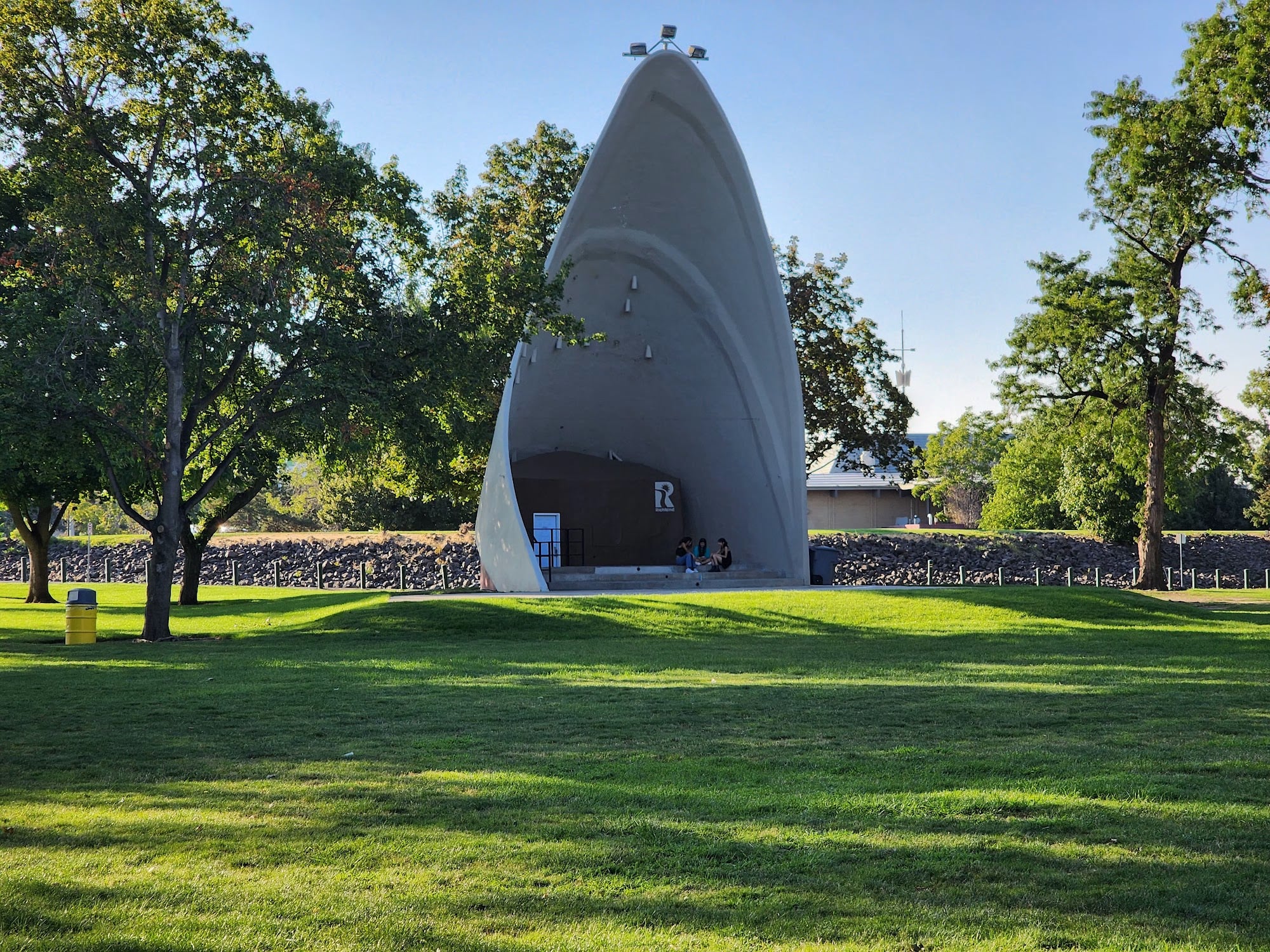
Howard Amon deeded this park to the town in 1911, and its 45.9 acres of lawn and century old trees run along the Columbia at the east end of Lee Boulevard, with a replica of the original 1912 stone archway that was dedicated on July 4, 2010. The paved Riverfront Trail runs the full length of the park and continues north toward WSU Tri-Cities and south toward Columbia Point and the Sacagawea Heritage Trail. Kids get a playground with a short zip line and a climbing area, there is a swimming dock and a boat launch, and the park hosts the annual Art in the Park show in late July.
Parks
Leslie Groves Park: 149 Acres Named for the General Who Chose Hanford
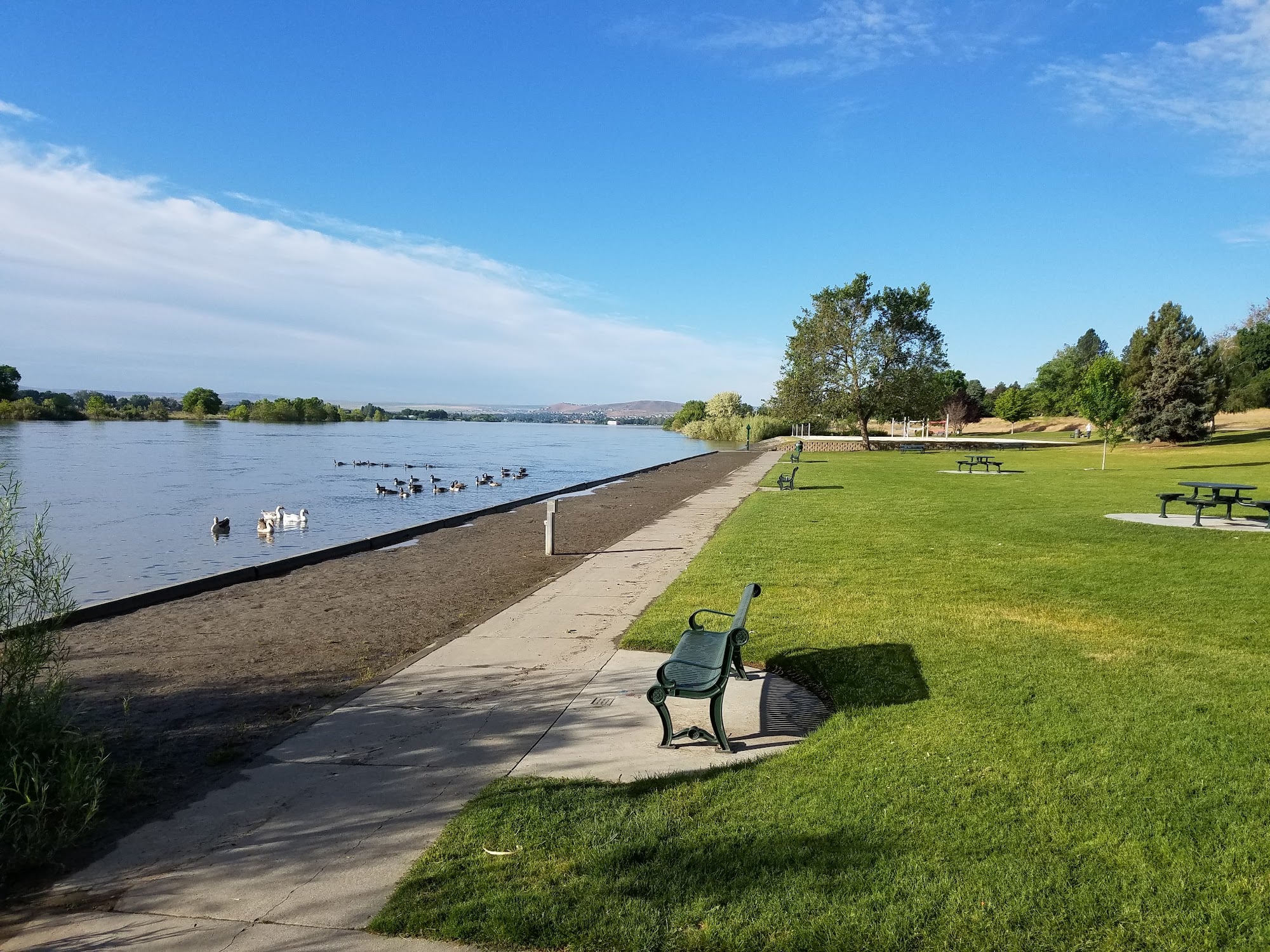
The park honors General Leslie R. Groves, the Army officer in charge of the Manhattan Project, who approved the Hanford Site in January 1943. It runs long and narrow for 149 acres along the Columbia, with a boat ramp, sand volleyball courts, a playground, covered picnic pavilions and restrooms, and the Riverfront Trail follows its shoreline. Stay on the trail and it connects to the Sacagawea Heritage Trail toward Kennewick and Pasco; our Lewis and Clark story and Tri-Cities guide fill in the rest.
Hiking
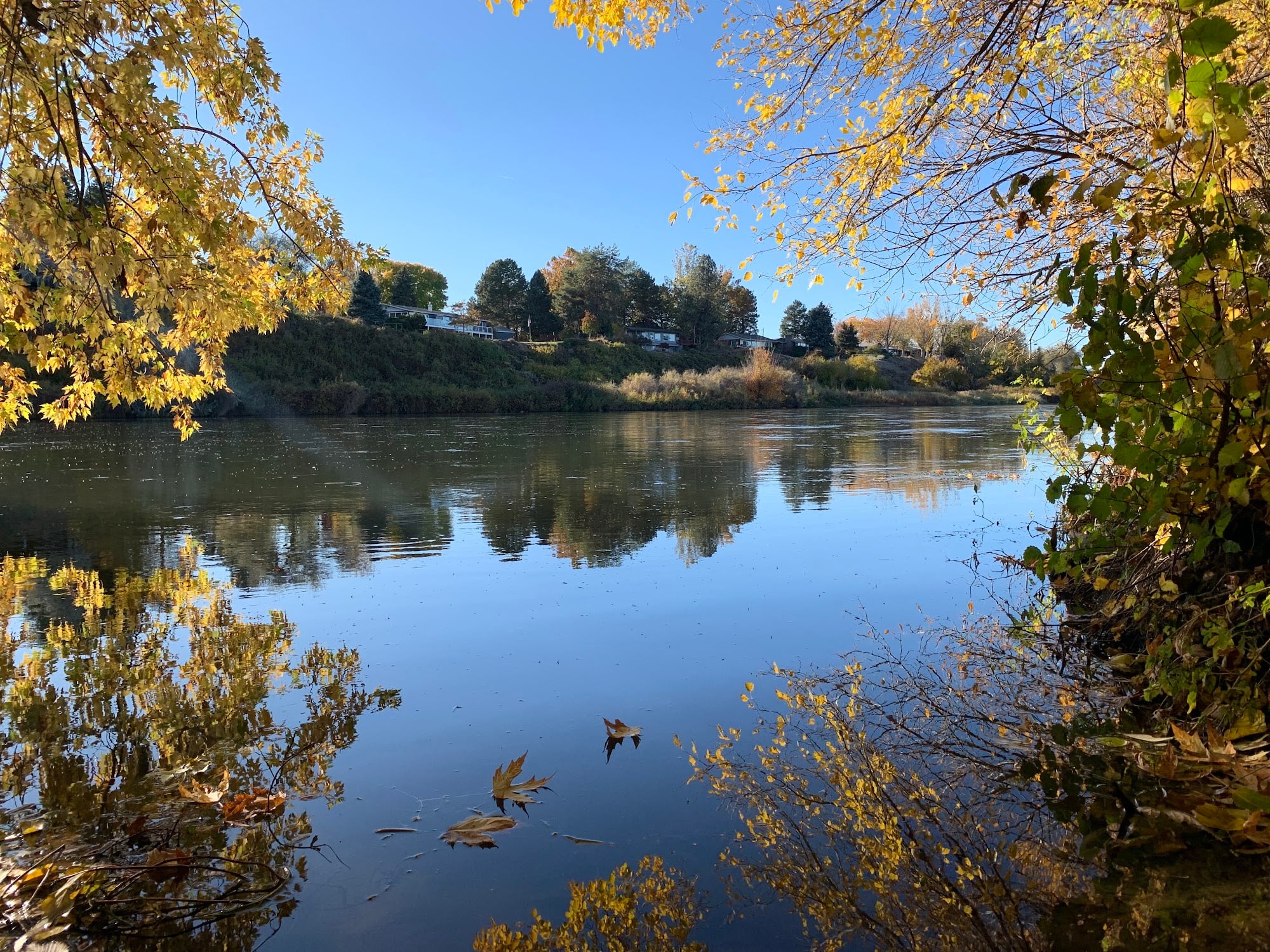
Badger Mountain Centennial Preserve: 800 Feet Up for the Best View in Town
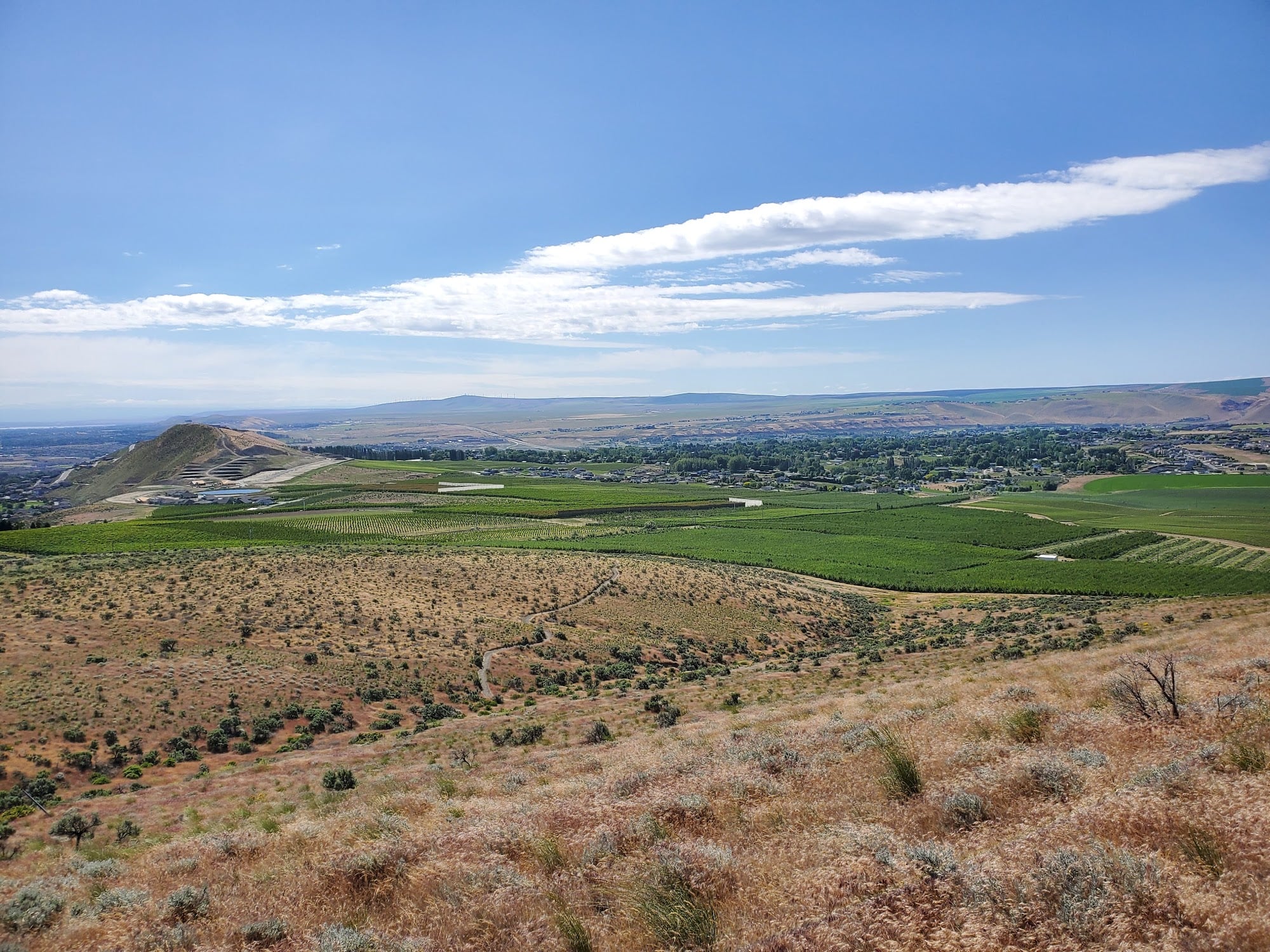
Badger Mountain rises to 1,579 feet over south Richland, and its busiest route, the Canyon Trail from Trailhead Park, sees more than 100,000 users a year and climbs about 800 feet in a little over a mile on crushed rock with no shade. It is the one trail on the mountain closed to bikes and horses, and on clear days the summit shows Mount Rainier, Mount Adams and Mount Hood. Trailhead Park has restrooms and water, and the Skyline Trail from the Westgate lot runs 5.8 miles round trip with 1,100 feet of gain; more routes are in our Tri-Cities hiking guide.
Outdoors
Chamna Natural Preserve: 11 Miles of Trail on the Yakima River
Chamna Natural Preserve covers 276 acres along the Yakima River just south of Route 182, with more than 11 miles of trail through shrub steppe, riparian and wetland habitat. Watch for black tailed jackrabbits, river otters and deer, and look for remnants of the grape and asparagus crops and old concrete irrigation pipe from its farming years. Reach it by Jadwin Avenue and Carrier Road, keep dogs leashed, and expect the River and Peninsula Loop trails to flood in late winter and early spring.
Nature
Amon Creek Natural Preserve: An Easy 1.9 Mile Loop With Wildlife Platforms
Amon Creek is the largest tributary of the lower Yakima River, and this preserve protects 75 acres of riparian habitat along it. The Washington Trails Association loop runs 1.9 miles with just 79 feet of gain, starting at the west end of the Claybell Park lot, following the rim of the basin and returning along the creek past two wildlife viewing platforms. A second trailhead sits off Leslie Road, and the preserve has ticks, so check yourself after the walk.
Market
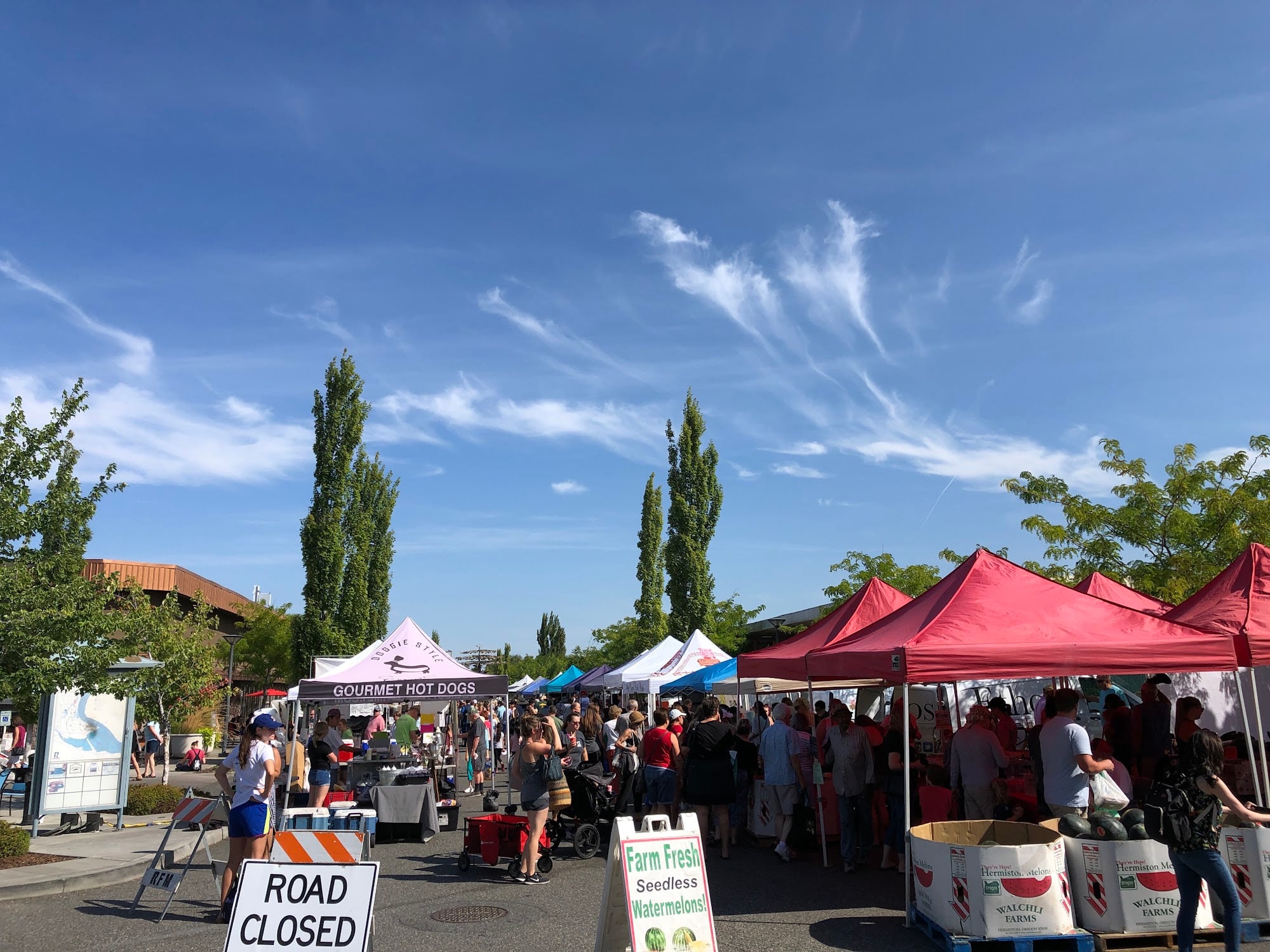
Richland Farmers Market: Friday Mornings on The Parkway
The Richland Farmers Market fills The Parkway on Fridays from 9 AM to 1 PM, June through October; the 2026 season opened June 5. It is run by volunteers through the nonprofit Richland Parkway Improvement Association. The market sets up at the roundabout on Lee Boulevard and The Parkway and skips the Art in the Park Friday; see our Richland Farmers Market listing.
Golf
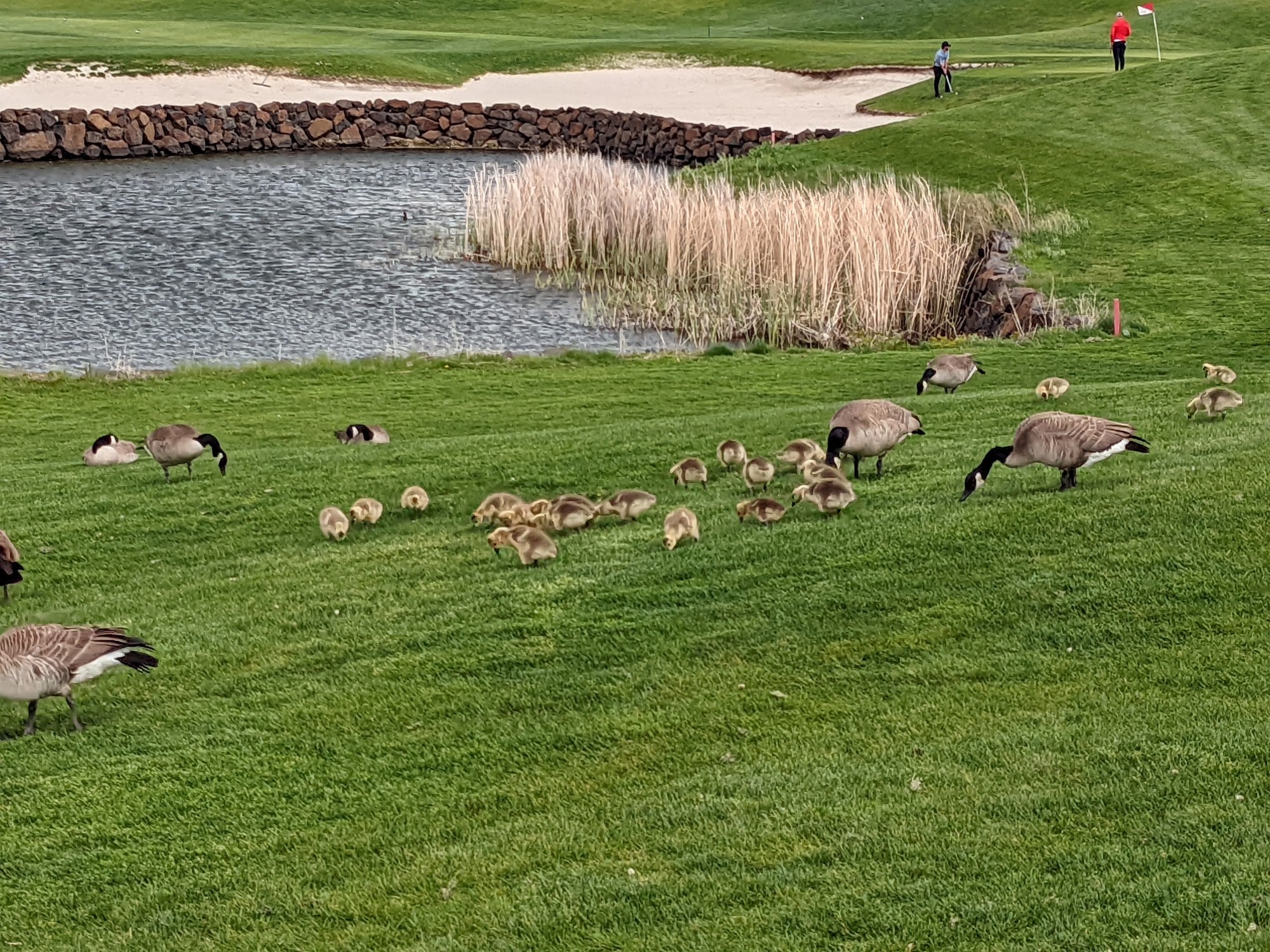
Columbia Point, Horn Rapids and Meadow Springs: Three Very Different Richland 18s
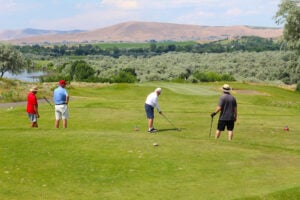
Columbia Point Golf Course, a James J. Engh design that opened in 1997 at 225 Columbia Point Drive, plays 6,571 yards beside the river with mounded fairways, large undulating greens and a covered patio over the front nine. Horn Rapids, a Keith Foster layout in northwest Richland that opened in 1994, is the harder test at 6,990 yards and a 137 slope from the Black tees, with every par 3 measuring 200 yards or more from the back and 2026 green fees starting at $33 for a twilight nine. Meadow Springs Country Club, host of the 2022 Washington Men's Amateur, is a private club.
Shopping
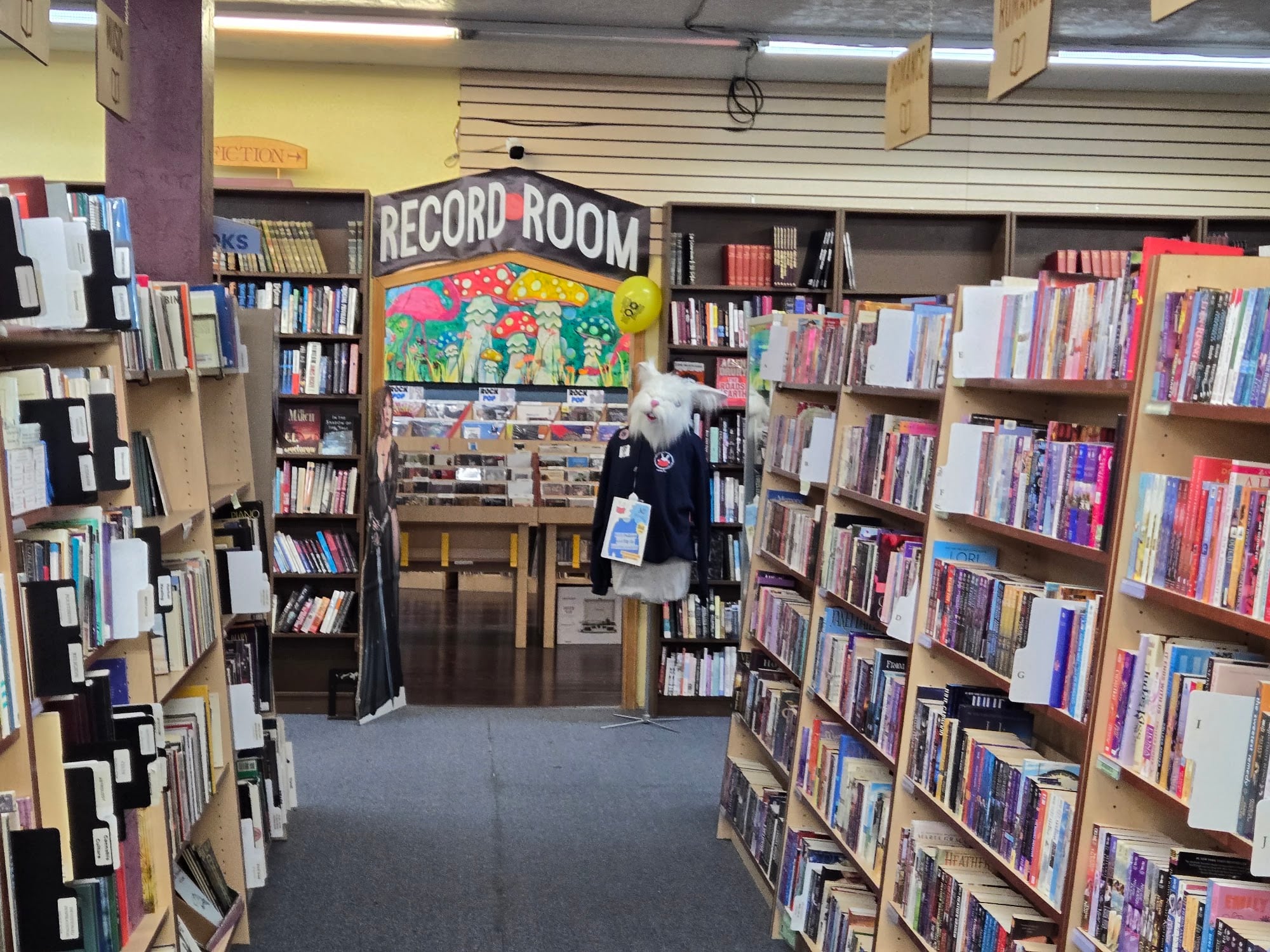
Uptown Shopping Center: Antiques in a 1949 Atomic Age Mall
The Uptown Shopping Center opened in 1949 as one of the first car oriented shopping malls in the country, built for Richland's Cold War boom, and atomic age design still covers its walls. Today its blocks along George Washington Way and Jadwin Avenue hold six antique and vintage shops in the center's own directory, along with the Spudnut Shop, Thai and Laotian kitchens and a handful of bars. Make it a slow browse after doughnuts, and check the Uptown Richland site for its Art Walk and Chalk Art Festival.
“On the surface it is a tidy riverfront city. Underneath, it is a town the federal government owned outright until the late 1950s.”
Explore Washington State
Where to Stay
The Lodge at Columbia Point
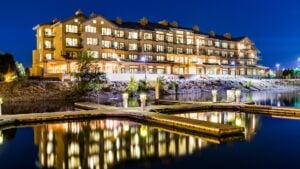
The splurge: the Lodge calls itself the Tri-Cities' only four star hotel, with 80 rooms on a quiet inlet of the Columbia at 530 Columbia Point Drive, a spa and Riva Riverside Italian Dining on site. Its Tulip Lane wine tasting package, offered Tuesday through Saturday at $220 per couple, is a built in way to work through the tasting rooms on Tulip Lane; see our Found on EWS listing.
Visit websiteCourtyard Richland Columbia Point
Directly on the Columbia at 480 Columbia Point Drive, with an indoor pool that opens onto a river view patio and an on site bistro looking over the river and marina. Parking is free, a 23 mile paved walking and biking trail starts outside the front door, and pets are not allowed except service animals.
Book directHampton Inn Richland/Tri-Cities
The pick for Howard Amon Park, which sits right at the hotel's door at 486 Bradley Blvd on the river. Free hot breakfast, an indoor pool, free parking and a complimentary shuttle to Tri-Cities Airport, and pets are allowed for a nightly fee.
Book directHoliday Inn Richland on the River
At 802 George Washington Way with river walking paths, a seasonal outdoor pool and hot tub, an on site restaurant and a kids eat free program. Pets are welcome for $75 a stay, and guests must be 21 to check in.
Book directFind a Cabin Near Richland
Find a Cabin Near Richland
Food & Drink
Spudnut Shop: Potato Doughnuts in Richland Since 1948
The Original Spudnut Shop at 228 Williams Blvd, in the Uptown Shopping Center, has been frying doughnuts made with potato flour since 1948, and the current owners say they kept the same recipe, the same techniques and the same team when they took over. Get a classic glazed. One fan quote on the shop’s own site sets the house rule: “Don’t call them donuts, these are spudnuts.” The doors open at 4 AM Monday through Saturday and close at 2 PM, Sunday runs 6 AM to noon, and the shop warns that it sells out every day, so call ahead if you want a dozen.
Atomic Ale Brewpub and Eatery: Beer Soup on Wartime Ground
Aaron Burks opened Atomic Ale at 1015 Lee Blvd in 1997, and it bills itself as the Tri-Cities’ first brewpub with the area’s original wood fired oven. Order the red potato soup, made daily with the house hefeweizen, Canadian bacon and a hint of thyme, then a pizza from that oven. The brewpub says the wartime women’s barracks stood across the street and an A&W drive in with roller skating servers later occupied this lot, so walk the hallway of historical photos. Ask your server whether a brewer is free to show you the brewhouse. More taprooms are in our Tri-Cities breweries guide.
Barnard Griffin: A Tulip Lane Tasting Room With a Full Kitchen
Rob Griffin and Deborah Barnard started Barnard Griffin in 1983 with borrowed fruit and rented cellar space, and the winery has been at 878 Tulip Lane since 1996. Rob reached his 40th Washington harvest in 2016, which the winery says made him the longest tenured winemaker in state history. You do not need a reservation to taste, and unlike most tasting rooms this one runs a full kitchen: the 2026 example menu lists soft pretzel bites with warm Cougar Gold dip and a chicken pot pie under puff pastry. The campus closes on select weekends in January, March, May and October for wine club events, so check before a weekend trip.
Anthony’s at Columbia Point: Alder Planked Salmon Over the Marina
Anthony’s sits at 550 Columbia Point Drive, overlooking Columbia Point Marina and steps from Marina Park, and it is the Richland dinner that comes with a river view. The alder planked wild king salmon with melting leeks, $55 on the current menu, is the Northwest plate to order. Happy hour runs Monday through Friday, 3 to 6:30 PM, in the bar only.
Porter’s Real Barbecue: Get There Before the Brisket Sells Out
Porter came home to the Tri-Cities from South Carolina in 2009, started smoking meat on a $99 offset smoker, ran a food truck, and opened the first Porter’s in Richland in March 2015. The Richland shop at 1092 George Washington Way smokes its meats for up to 14 hours and cuts them to order, which is why the menu sells out. Get the prime grade brisket by the third of a pound, or the Jonny sandwich, a quarter pound each of brisket and pulled pork plus smoked bacon, for $16. Burnt ends are Tuesday only and beef ribs are Friday and Saturday only; hours are 11 AM to 8 PM Sunday through Thursday and 11 AM to 9 PM Friday and Saturday, or until sold out.
Festivals & Events
June
Richland Farmers Market
Fridays from 9 AM to 1 PM on The Parkway, Lee Blvd between George Washington Way and Jadwin Ave. The season runs June through October, Friday mornings, with no market on the Art in the Park Friday. See our Richland Farmers Market listing.
June
Cool Desert Nights
The Richland Chamber of Commerce's car weekend: a Friday evening cruise that stages at the Federal Building and City Hall lot on Swift Blvd, a free Party in the Park at John Dam Plaza, and a Saturday Show N Shine. The 2026 edition ran June 26 to 27, free for spectators.
June
Richland Regatta
Limited hydroplanes that can top 100 mph race on the Columbia off Howard Amon Park, with races starting at 9 AM each day. The 2026 regatta ran Saturday, June 27 and Sunday, June 28, with free admission.
July
Art in the Park
Nearly 300 artists fill Howard Amon Park for two days, with live music and food trucks, and entry is free. The 2026 festival ran Friday, July 24 and Saturday, July 25, with free Ben Franklin Transit shuttles every 15 minutes.
August
National Night Out and City Fair
A free evening at the Fingernail Stage in Howard Amon Park with food trucks, hands on displays and public safety demonstrations from city departments. It is usually held the first Tuesday in August at Howard Amon Park; in 2026 smoke pushed it to August 20.
September
Tumbleweed Music Festival
The Three Rivers Folklife Society's acoustic folk festival takes over Howard Amon Park every Labor Day weekend, with performances and workshops on four outdoor stages and two indoor stages. The 30th festival ran September 4 to 6, 2026; everything is free except the Saturday benefit concert ($15 adults) and the Sunday contra dance ($10).
December
Winter Wonderland
The city's holiday season, usually opening the first weekend of December. The 2025 edition ran December 5 through January 2, with a nightly dancing light show at John Dam Plaza, a lighted vehicle parade, a lighted boat parade at Howard Amon Park and Mr. and Mrs. Claus at the Richland Community Center. The city posts the new dates each fall.
Day Trips
Red Mountain: Cabernet Country Just Past Benton City
Benton City, the town at the foot of Red Mountain, is 12.9 miles and about 16 minutes from Richland. Red Mountain is an American Viticultural Area known for Cabernet Sauvignon, Syrah and Merlot. The first vines were planted in 1975, and the AVA is planted mostly to red grapes. It is the easiest wine afternoon you can take from Richland. Read Spending a Weekend at Red Mountain before you go.
White Bluffs: The Last Free Flowing Columbia, With Hanford Reactors Across the Water
The Hanford Reach National Monument protects the nation’s only remaining nontidal, free flowing stretch of the Columbia River, and the White Bluffs are the place to see it. The North trail is 7 miles round trip with about 500 feet of gain, past sand dunes and white cliffs, with the old Hanford reactors visible across the river. To get there, take SR 240 north 29 miles, SR 24 for 19 miles past the Vernita Bridge, then about 5 miles of refuge road, the first 4 on gravel. There is no water and few facilities, so carry what you need and skip midday in summer. The South Slope trail, 10 miles round trip, starts off Ringold Road north of Pasco. There is no entry fee at either trailhead.
Palouse Falls: A 200 Foot Drop, an Hour and 38 Minutes Out
Palouse Falls State Park Heritage Site is 74.2 miles and about 1 hour 38 minutes from Richland. The Palouse River drops 200 feet into a basalt bowl here, and it is Washington’s official state waterfall. The park is a 94 acre day use site with three viewpoints, the highest being the Fryxell Overlook. All trails into the canyon and to the base of the falls are permanently closed. Parking is extremely limited, weekends bring long waits, and trailers and RVs are not allowed, so go on a weekday morning. A Discover Pass is required. See our Palouse Falls State Park Heritage Site page and The Obsession with the Palouse Falls.
Walla Walla: An Hour East, and Worth the Overnight
Walla Walla is 57.6 miles and about 1 hour 5 minutes from Richland. It works as a day trip, but it rewards a night. Start with our Walla Walla guide, then read An Overnight Stay in Walla Walla and the Fort Walla Walla Museum listing.
Planning Your Visit
Best Time to Visit Richland: May, June and September, Not Late July
Richland is desert. On the 1981 to 2010 climate normals, the average high is 88.3 degrees in July and 87.5 in August, and the city gets just 7.62 inches of precipitation a year. May, June and September give you warm days without the worst heat, and they line up with the calendar: Cool Desert Nights and the Richland Regatta in late June, Tumbleweed on Labor Day weekend, and the Department of Energy’s free historic site tours from May through September. Winter is cold and quiet, with average January highs near 41 degrees.
What Is Closed or Changing in 2026 and 2027
The big one: B Reactor tours are suspended for major construction. The National Park Service says the reactor is closed to public access while the Department of Energy replaces the roof and completes other preservation work, and the Department of Energy tour site projects a restart in late summer 2027, though the REACH Museum says the 2027 season is off and 2028 is undecided. In the meantime the Department of Energy runs a free Pre World War II Historic Facility tour, about 4 hours long, from the visitor center at 2000 Logston Blvd. It stops at the Bruggemann Warehouse, the Allard Pump House, the White Bluffs Ferry Landing, the First Bank of White Bluffs and Hanford High School, and passes the B Reactor with visitors staying on the bus outside the fence. The 2026 season ran May 1 through September 26, and registration opened April 1 at 8 AM, so watch for the 2027 dates in early spring. In the air, Alaska’s Portland nonstop came back to Tri-Cities Airport on June 10, 2026.
How Long to Stay
One full day covers the Manhattan Project story in town: the park visitor center, the REACH Museum, a slow drive past the alphabet houses and an evening on the river at Howard Amon Park. Stay two nights to add Red Mountain and a morning at White Bluffs. In July and August, plan anything outdoors for early morning.
More Richland on EWS
Story
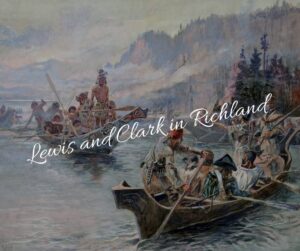
Lewis and Clark in the Tri-Cities: Three Days Where the Rivers Meet
Story
The Manhattan Project National Historical Park: One park, three sites, countless stories with Becky Burghart
Story
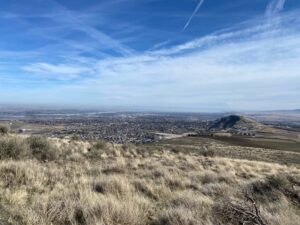
Hiking Trails in the Tri-Cities

Story
Must Visit Breweries in the Tri-Cities

Story
Top 5 Taco Trucks in the Tri-Cities

Story
Spending a Weekend at Red Mountain
Guide
Tri-Cities Guide
Guide
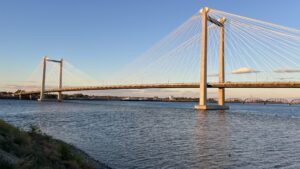
Kennewick, Washington: Things to Do on the Columbia, Where to Eat and When to Go
Guide
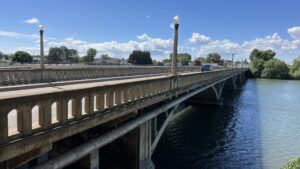
Prosser, Washington: Wineries, Things to Do and When to Go
Directory
REACH Museum
Directory
Manhattan Project Hanford Site
Directory
LIGO Hanford Observatory
Directory
Richland Farmers Market

Directory
Columbia Point Golf Course
Directory
Horn Rapids Golf Course

Directory
West Richland Golf Course
Directory
The Lodge at Columbia Point
Planning a Washington trip?
That is the whole idea behind the Explore Washington State Card. Free to carry, with a little something waiting at participating places when you visit. Your zip code is a vote for which towns we sign up next, and our weekly Washington travel newsletter starts landing right away.
Get your free cardFrequently Asked Questions
What is Richland, Washington known for?
Richland is known for its role in the Manhattan Project. The government condemned the farm town in 1943 and rebuilt it to house workers for the Hanford Engineer Works, which made the plutonium used in the Nagasaki bomb. Hanford’s B Reactor was the world’s first full scale plutonium production reactor, and the Manhattan Project National Historical Park visitor center is in Richland. Richland is also home to Pacific Northwest National Laboratory. Hear the park’s story on our podcast episode The Manhattan Project National Historical Park with Becky Burghart.
Is Richland, Washington worth visiting?
Yes, especially if you care about history. Richland tells the atomic age story where it happened, and the riverfront parks, the Sacagawea Heritage Trail and the Red Mountain wineries a short drive west make it more than a museum stop. Plan a full day in town and two nights if you want the day trips.
How far is Richland from Seattle?
Richland is about 201.7 miles and 3 hours 29 minutes from Seattle by car, usually by I-90 and I-82. Alaska and Delta both fly nonstop from Seattle to Tri-Cities Airport in Pasco, 10.5 miles from Richland.
Is Richland part of the Tri-Cities?
Yes. Richland, Kennewick and Pasco make up the Tri-Cities, a name that grew out of an informal marketing alliance in the 1960s and 1970s. West Richland is a separate city of 18,820 people next door. Kennewick, Pasco, Richland and West Richland together count about 260,000 residents (OFM, 2026).
What was Richland's role in the Manhattan Project?
Richland was the bedroom community for the Hanford Engineer Works. After residents received condemnation letters on March 6, 1943, the Army Corps of Engineers and DuPont built a new town for Hanford workers, and the population went from 247 to 11,000 by 1944. Spokane architect Gustav Albin Pehrson designed the homes, each style named with a letter, which is why they are called alphabet houses, letter houses or ABC houses. Many are still lived in today.
How many people live in Richland, Washington?
About 66,290 people as of April 1, 2026, according to the Washington State Office of Financial Management, up from 60,560 in the 2020 Census.
When is the best time to visit Richland?
May, June and September. July and August average highs run in the upper 80s, and the June car and hydroplane weekends, the July art festival and Labor Day’s Tumbleweed Music Festival all fall in the warm months. The Department of Energy’s free historic site tours run May through September.
Can you tour the B Reactor?
Not right now. B Reactor tours are suspended for major construction, including a new roof. The Department of Energy projects a restart in late summer 2027, but the REACH Museum says the 2027 season is off and 2028 is undecided, so check before you plan around it. Until then, the Department of Energy’s free Pre World War II Historic Facility tour passes the reactor from outside the fence, and the National Park Service offers a virtual tour of the B Reactor online.