Anastasia Allison: Kula Cloth More Than Just a Piece of Gear, a Community!
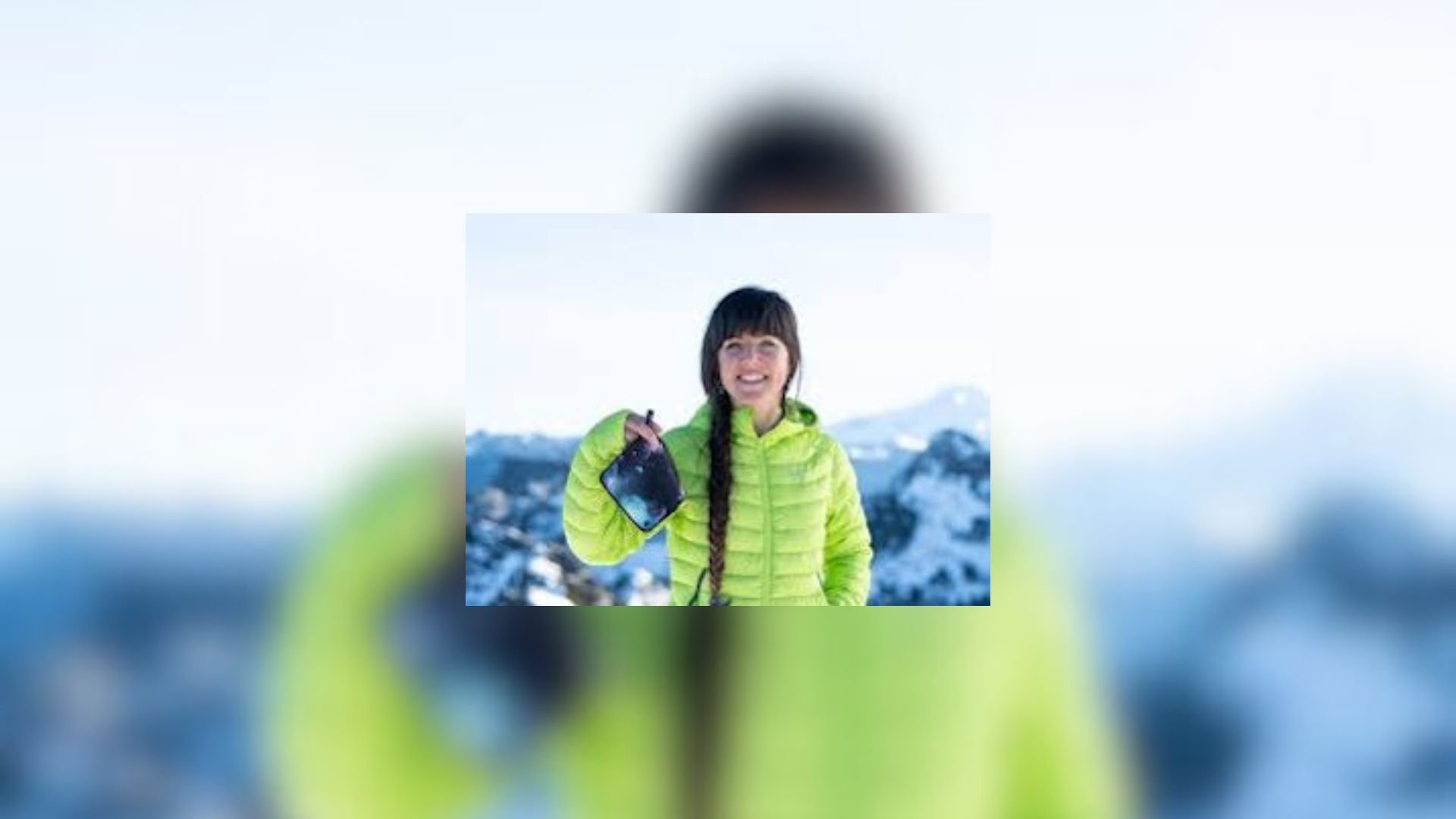
Anastasia Allison is our guest for this episode.
Kula Cloth is Anastasia’s company one that she has grown in a genuine and unique way. Hear her story and get ready to be inspired.
Anastasia has always been passionate about the outdoors. She was sidetracked during college by heading down the path to go to medical school because everyone in her school was going to medical school. After realizing this might not be the path she wanted….listen to hear what Anastasia did next.
We chat about Kula’s origin and how taking photos of her original “pee cloth” in epic wilderness settings inspired her to make the the cloth “cooler” and an actual piece of gear. No where in her imagination did she expect to create a movement.
Kula Cloth is more than an outdoor product. It is a community, a community that dances together five days a week at 6:30 am. One that learns together at Kula Academy. A community connected by humor, values, and a commitment to leave the wilderness better than it was before.
KULA MEANS MORE THAN JUST A PIECE OF GEAR
The Kula Cloth® gets its name from Kula Khangri – the tallest mountain in Bhutan. Anastasia completed a trek in Bhutan in 2011, and it was a life-changing experience for her. Including the name of a peak symbolizes the process of accomplishing anything in life – mountains are climbed one step at a time.
Anastasia is a joy to listen to. We talk hiking, dancing, business, and much more during our conversation.
Kula Cloth Anastasia Allison Episode Transcript
Anastasia Allison [00:00:00]:
It kinda hit me like, oh, man. I had no clue what I was in for.
Scott Cowan [00:00:24]:
Welcome to the Exploring Washington State podcast. Here’s your host, Scott Cowan. Welcome back to the Exploring Washington State podcast. My guest today is Anastasia Allison, the creator of Kula Cloth amongst many other things. But we’re gonna start with Kula Cloth, I guess. But can you please give our audience a little bit of your backstory as it applies to Kula Cloth?
Anastasia Allison [00:00:53]:
Yeah. I would love to. Thanks for having me, Scott. My name is Anastasia. I’m the founder of a small company called Kula Cloth. And I got my start in the outdoor industry, I guess, at a young age. I’ve always loved being outside, hiking, spending time camping. That was always a place where I felt like I could be myself.
Anastasia Allison [00:01:20]:
And growing up, I volunteered for the National Park Service. I had a dream of being a park ranger. And somewhere in college, I sort of got lost from that dream a little bit. I ended up being, strangely enough, a pre med Latin major, which has nothing to do with anything. I thought that I needed to go to medical school because everybody in my college was going to medical school. So I sort of, like, lost sight of my original dream of being a park ranger. And at the end of college, I was sort of flailing around wondering what to do, and I was volunteering out at the national park still, this small national park in Pennsylvania called Hopewell Furnace National Historic Site. And I was really feeling lost because I had sort of set myself up with this idea that I was gonna go to medical school, but there was a part of my heart that was just telling me, no.
Anastasia Allison [00:02:23]:
This isn’t really what you want to do. This is what you think that it’s going to make other people happy. And the superintendent of the national park said to me, what do you wanna do, Anastasia? And I said, I wanna do this for a living. I just wanna be here at the park. And he said, well, why don’t you go to school to become a park ranger? And it was sort of like a lightning bolt hit me and I remembered, oh, wait. That’s right. That had been my plan all along. So I started looking into police academies that would certify me to be a park ranger.
Anastasia Allison [00:03:00]:
At the time, this was a few years after nine eleven, and most national parks were not hiring interpretive rangers, but you could apply to be a law enforcement ranger. So So I ended up going to a police academy and becoming a law enforcement ranger, which was really my dream. I moved to Washington from Pennsylvania and was just totally enthralled and awestruck by the mountains here and got out here, started working on the Hood Canal at a park where I became a ranger and spent all of my time hiking and backpacking. And it was around that time that I got affiliated with an organization called Washington Outdoor Women. It’s a nonprofit. And I started teaching a beginner’s backpacking class teaching people who had never gone backpacking how to backpack. And I was out on a personal backpacking trip in the Alpine Lakes wilderness and I remember coming around this tree. It was beautiful and picturesque right at sunset.
Anastasia Allison [00:04:11]:
And I walked around this tree and there was just this giant heap of toilet paper laying there. And I remember thinking like, ugh, that’s disgusting. So I went home after that trip, and I did a quick Google search for leave no trace options for toilet paper. And I came across this article talking about the idea of using a bandana or a piece of a t shirt as a pea cloth. And I remember thinking that is the most disgusting thing I’ve ever heard. Like, who would do that? That is gross. But I was a backpacking instructor, so I thought, well, I should at least try it. And if I like it, maybe it’s something I could recommend to my backpacking students.
Anastasia Allison [00:04:55]:
So I bought this piece of fabric on Amazon, I think, I started carrying it around as a pea cloth, and I was shocked to discover how much I loved it because it was saving me from carrying in and out a ton of toilet paper. I felt more comfortable while I was hiking, especially when I was out there for five or six days. And I just loved it. And I was on a personal backpacking trip with my husband, Aaron, in 02/2016. We did a route in Wyoming called the Wind River High Route, And I was taking photographs of my pea cloth in beautiful locations at sunset. And the reason that I was doing this I don’t know what this says about me as a friend, so just take it for what it’s worth. But but I was I had this idea to make a series of cards, greeting cards with a pea cloth on it. And this was gonna be a joke for me.
Anastasia Allison [00:05:58]:
I was just gonna have a set of them printed. It was gonna be a joke to give to one of my girlfriends for Christmas. And, so I’m I’m in this this beautiful campsite. I mean, probably one of the most beautiful places I’ve ever camped in my life. High in the continental divide and I have this photo sort of set up. My pea cloth is, like, hanging off of my trekking pole. And all of a sudden out of nowhere, I mean, it just felt like this thought sort of arrived in the ether. It was just sort of this idea like why isn’t that a real piece of gear? Or I I wish it looked Kula, like, you know, not just this ugly scrap of fabric.
Anastasia Allison [00:06:47]:
And I kinda wondered, hey. Has anybody ever designed something to be like a legit pea cloth? And I thought about all this gear I was taking up there that had had a lot of thought put into it. And yet this one piece of fabric that arguably I’m putting in a relatively sensitive part of my body looked like I had, you know, grabbed it out of some rag bin. And so I thought, I bet people would be less squeamish about this whole concept of using a pea cloth if it felt like a real piece of gear. So I went home after that trip and I did a little bit of research on what it would take maybe to design something like that And immediately got scared away because I saw a lot of money that I didn’t have. I saw a lot of knowledge that I didn’t have. I saw just a lot of what ifs.
Scott Cowan [00:07:51]:
Mhmm.
Anastasia Allison [00:07:51]:
Right? Why would people even buy this? And so I pretty much talked myself out of it right away. And it wasn’t until a couple years later, and I will shorten this part of the story unless you want me to go deeper into it, but it basically involves, a near death experience and me sort of realizing that all the fears that I had in my mind were just being made up by me and that really I was the one holding myself back. And so I started taking little steps and that was how Kula Cloth came into existence in the world.
Scott Cowan [00:08:33]:
Alright. So I’m gonna pause you there because I don’t know how else this lines up. You were previously on our show as part of the musical mountaineers. How did that come about?
Anastasia Allison [00:08:53]:
So that’s a really interesting question because I feel like the musical mountaineers important part of Kula Cloth as well. So I mentioned that I was a park ranger. What I failed to mention is that I got laid off from being a park ranger back in 02/2011, and I took a job as a railroad police officer in 02/2012. And I had done that job for about four or five years by the time I had had this sort of idea for this pea cloth kind of come into my mind. I was still teaching backpacking.
Scott Cowan [00:09:34]:
Right.
Anastasia Allison [00:09:34]:
And I had this near death experience. At some point in there, I had also simultaneously had this additional experience, and it’s hard for me to describe this without it sounding a little bit woo woo. But I came home from work one night, and I mentioned I was a police officer. I worked night shift. Came home from work one night and a little thought popped into my mind that just said, go play your violin on the summit of a mountain. And I remember thinking, yes. This is my ticket out of working for the railroad. Because at the time, I was very unhappy working for the railroad.
Anastasia Allison [00:10:16]:
I was working extremely long shifts, and it was a relatively traumatic job. As you can imagine, trains and people don’t mix very well. And I was really sort of looking for my way out and I didn’t know what that was. And I was really scared to leave because just leaving an $80,000 a year job has a lot of fears that go along with that. And through a really serendipitous series of events, I ended up meeting this woman named Rose who, unbeknownst to me, had a dream of playing her piano in the mountains. And I finally made the decision to leave my job. So I left my job at the railroad and Rose and I started doing these sunrise serenades as the musical mountaineers. Never really expecting that to be anything more than just two friends going out into the mountains and playing music.
Anastasia Allison [00:11:16]:
But very quickly, the musical mountaineers started to grow. And so almost on this parallel track, there was me having ideas for Kula Cloth and beginning to sort of pursue the design of this product and try to figure that out. And then simultaneously, there’s me and Rose taking our instruments out into the mountains. And I really feel as though in some way, the musical Mountaineers was this way of bringing me back to the present moment and keeping me focused on moving forward without needing to know all the answers. Like when you’re creating a product or building a business, it’s really easy to get stuck in your head and like obsess about all the stuff you don’t know or just be fearful. I mean, I was petrified. I had given up my job and I had no money. I was dumping it all into this business.
Anastasia Allison [00:12:16]:
I was making $0. And when you are living in that place of lack, the most important thing you can do is to do something, anything that makes you feel abundant. Because staying in that fear and worry is only going to attract more of it into your life. And so it was like, as I moved forward with Kula and would sort of get into these little blocks to my creativity or my momentum or my motivation or just feeling really frustrated or like I didn’t know what to do next. It’s like I would go out and play my violin in the mountains and then I would come back felt like, okay, magically the answers started to line up for me. And so it was really amazing how playing music in nature sort of became this, like, I I almost wanna call it the lubrication for the the path for Kula to flow really easily. I think if I hadn’t had that outlet, I think that it would have been much easier for me to get stuck and give up.
Scott Cowan [00:13:35]:
I I agree a % that you it’s easy for somebody who’s whether entrepreneur or creative to get stuck trying to figure out the answer to something that seems important, but in the reality is it’. Whether that’s a self limiting belief, I’m only speaking from personal experience here, or or, you know, I so it’s interesting that these coincided. Mhmm.
Anastasia Allison [00:14:05]:
Yeah. I don’t think that Kula could exist if it had not been for the musical mountaineers, really.
Scott Cowan [00:14:13]:
Okay.
Anastasia Allison [00:14:14]:
I think that’s what got me through those really early stages of entrepreneurship where everything feels so raw and impossible. Right? Because it’s this dream you have and you tell people about it. And in those early stages, people give you very well meaning advice, but most of the time, it is very fear based. You know, people told me a lot of things early on, like, nobody will ever buy a pea cloth that has art on it or what are you gonna do when everybody has bought one, which that comment always sort of makes me giggle now because I’m like, if everybody who could realistically use a Kula had bought one, I’ll just go buy, like like, an island. Yeah.
Scott Cowan [00:15:08]:
Because that’s like You’ll be that’s
Anastasia Allison [00:15:10]:
like still
Scott Cowan [00:15:10]:
be just fine.
Anastasia Allison [00:15:11]:
That’s like billions of people.
Scott Cowan [00:15:13]:
You’ll be just fine. Even if 10% of the world’s female population buys, you’re just fine. Yeah. And
Anastasia Allison [00:15:19]:
it’s it’s so people also they, you know, would ask, like, oh, what’s your business plan? Or, and it’s interesting because it would have been easy, I think, to talk myself out of it and tell myself, you know, when you’re spending thousands of dollars that you don’t have on fabric, it would be easy to just be like, what am I doing? And especially on a a piece of fabric that’s meant to to absorb urine. I mean, I remember just laying on the couch in our house, like, sobbing. Like, what have I done? You know, I gave up my job literally for a piece of fabric that is designed to absorb urine. Like, I’m just I had this idea that when this product launched, I was either going to be sort of the laughing Scott of the outdoor industry or brilliant. And I figured, well, either way, I’m going down in a blaze of glory. So just have to go for it.
Scott Cowan [00:16:25]:
I have a couple of quick couple of questions come out of that for me now. Question number one. You were married at the time you’re starting Kula Cloth. Correct?
Anastasia Allison [00:16:32]:
Mhmm.
Scott Cowan [00:16:34]:
What did your husband say? I mean, obviously, we we know we know where you are, so we know that you came to an agreement, you know, as as a as a couple, you you came to an agreement. You just but so what was that like over dinner? Did you just sit down and go, hey. I I think I’ve got this idea. You’re you know? And has has he yeah. What was his response when you when you when you broached this for the first time?
Anastasia Allison [00:17:05]:
So my husband’s name is Aaron. And when I first started talking about leaving my job and, you know, wanting to do something else, there really weren’t any clear plans, if I’m being honest. Like, Kula Cloth, The idea for Kula Cloth had happened back in 02/2016, and then it had sort of faded away. But I kind of had this vague idea of I’m gonna do something in the outdoor industry. I’m gonna teach backpacking, and I’m gonna do this coaching thing. And it was very vague, but I have to give it to Aaron from the very, very beginning. He had 100% full belief that I was gonna do something. And he didn’t really need to know all the details of what it was gonna look like, which he he’s an incredibly supportive person, and he really sort of felt like he knew that I was gonna do something really Kula.
Anastasia Allison [00:18:08]:
And he wanted his role in it to sort of be that he would keep working while I was gonna build whatever this was. And, so he’s been really unbelievably supportive since the very beginning. And what is really, really exciting to me is that my goal from the very, very beginning was to get Kula to a point where he would be able to leave his job and focus on something that he loves. Because he has never really had the opportunity in his life to do that. He just sort of went from job to job, like, kind of ending up where he was. And, what’s very exciting to me is that in thirty seven days from today, it will be his last day at Oh. At his job. So he, has started his own stained glass business.
Anastasia Allison [00:19:08]:
He’s a stained glass artist and he’s gonna be pursuing that full time. And that is not because of me. It’s definitely because of both of us. Because Kula would not be what it was or what it is today if he hadn’t sort of given me that chance. And I’m really excited now that he gets a chance to do something he’s really passionate about.
Scott Cowan [00:19:35]:
That’s that’s great. That’s wonderful. I had a feeling that, you know, you we probably wouldn’t be sitting here talking about Koolikoth if if you didn’t have a good support network to get started. Every entrepreneur, it’s very lonely at times, but you also need, I think, you have to have people that believe in they might not understand what you’re doing. My grandfather, worked in the electrical trades as a as an electrical wholesale warehouse selling, like, electrical supplies to electricians. Right? And his advice to me was, get a union job, save 10% of your pay, and you’ll be fine. That was that was what he that was what, you know, he grew up. That was his his thing.
Scott Cowan [00:20:27]:
My dad worked for one corporation for thirty nine years before he retired. I’ve never fit into the box of good I I basically say I’m unemployable. And and my family, my my mom, my dad, luckily for me I mean, my father passed away a few years ago, and he basically said to me very near the end that he was proud of me, which is something I think every kid wants to hear from their their their parents. And he and then he goes, I finally get it for you. I’m like, okay, cool. So, you know, you have to have but I’ve had friends through the years who have, you know, they you’re gonna do what? You talk about Washington Scott? What? What? And then my you know, so you have to have that.
Anastasia Allison [00:21:23]:
You do. And and even when you do have it, I think what you said about it being lonely at times is is also still true because no as the entrepreneur and somebody who has been gifted an idea. Right? You almost have this compulsion to, like, bring this thing to life. And nobody else has that in their mind like you do. And so it does feel sometimes very lonely because it’s almost like you watch this thing come to life and it is literally like an extension, not to get too cliche, but it’s like an extension of your soul, like, birthed out there into the world. And it feels very vulnerable and raw to put it out there the first few times. And I still remember the first few months, maybe even year of telling people what I was doing. And, like, it was like the I vision I had for myself and what I wanted to do wasn’t quite matched up yet with, like, what I was actually doing.
Anastasia Allison [00:22:41]:
And so every time I would tell people that I worked in the outdoor industry or what I did, I felt like I was just might as well have just been putting a sock in my mouth because I I felt like such a fraud, at first. Like, who am I to to do this? And it was easy to, like, look at other people who were on day 10,000 of their journey and here I am on day one and Right. Feel like such a a failure. And really you I had to get out of that comparison mind and into a more collaborative creative spirit. And the more and more you do that, then it’s like you get this momentum going. And the people that you once thought were your quote unquote competition, a lot of times they’re the first ones who when you’re really, like, going for it and they can see that. Like, they’re the first ones who will be there to uplift you and
Scott Cowan [00:23:43]:
Mhmm.
Anastasia Allison [00:23:43]:
That’s really exciting.
Scott Cowan [00:23:47]:
I think to keep to keep us within the navigational beacons of time for this for this episode, I’m gonna I’m I’m gonna do you a disservice, and we’re not gonna talk about the conceptualization getting it to market. We’re gonna just skip over that.
Anastasia Allison [00:24:04]:
Perfect.
Scott Cowan [00:24:04]:
Because it okay. Poof. Done. There was no problems. You had an idea. It worked flawlessly.
Anastasia Allison [00:24:09]:
Flawless. Nothing went wrong. It was amazing. Right.
Scott Cowan [00:24:13]:
We’ll have you back on another episode for, like, blooper reel, and we’ll talk about all the things that went wrong. Okay. But I’d like you to think about the day you went public with product to sell. What what happened that day? Because how did you bring how did you bring Kula to market? What what what was your first and I’m not talking about, you know, prototypes that you gave to friends or, you know, or, you know, industry people, but it’s the retail product. Anybody with with money can buy your products. It’s available to the public. Yeah. How what was that day like?
Anastasia Allison [00:24:59]:
Well, I felt sick for most of the day, if I’m being completely honest. Like, literally nauseous, pit in my stomach. I was about to tell people about this thing that I had poured my heart and soul into, lost sleep over, cried over, everything over. And the scariest part for me was that I decided to launch Kula Cloth as a presale because I really didn’t have the funding to do that first run of products. And so I thought, well, I’ll sort of do, like, my own version of a Kickstarter, except except without using the Kickstarter platform. I’ll just try to get it out there organically. And so I had a factory in Pennsylvania who was gonna make the product for me. And I was sort of all set up on the mac manufacturing side of things.
Anastasia Allison [00:25:50]:
I had had sourced all the materials, like, everything was good to go, I think, sort of. And I put I I made the website live, and I just remember I was sitting in my guest bedroom, and I just hit, like, make website live. And I just remember, like, I was barely able to breathe. Like, as if anybody was gonna see the website in the first minute. Right? Nobody even knew it existed. And I went on to my personal Facebook account because that was really the only social media that I had. I don’t even know if I had started an Instagram yet. I went on to social media or to Facebook I did this post saying, hey, this is what I’ve done.
Anastasia Allison [00:26:36]:
I created this product and it’s available for presale. And I remember that within the first one minute of me launching that on on Facebook, I had my first order. And what was exciting about it was that I previously mentioned that people were either gonna say that I was sort of the the laughing Scott of the outdoor industry or that I was brilliant. And the person who placed the order, she also commented on my Facebook post and she just her entire comment to me was just Anastasia, you’re brilliant. And all of a sudden, it was like this incredible release, right, of like, oh my gosh. Like, I got to this point. And then it felt like this deciding moment of, like, what’s gonna happen? And then it was like this incredible feeling of, like, validation that I wasn’t totally nuts for thinking that this was a good idea. Because Okay.
Anastasia Allison [00:27:44]:
me, the Kula Cloth felt like a great idea, but I didn’t really know until that moment if other people were gonna get it or not. And I ended up having about 850 preorders. That’s what helped fund the very first run of Kula Cloths. And it was sort of off to the races after that. And and it’s been, it’s just been sort of nonstop now for the past. I guess I launched the company in July of twenty eighteen.
Scott Cowan [00:28:27]:
Okay.
Anastasia Allison [00:28:27]:
Yeah. So
Scott Cowan [00:28:28]:
you’re coming up on four years?
Anastasia Allison [00:28:29]:
Coming up on four years. Yeah.
Scott Cowan [00:28:33]:
When so when did you start doing custom artwork?
Anastasia Allison [00:28:42]:
Mhmm. So we launched our first artist series, I believe it was in February of twenty nineteen. Now the way in which we did that was slightly different than how we do now. Originally, I only had the ability to print on rolls of fabric. So that meant that you had to use these repeating patterns, which really limits the art you can put onto a product. I later found another factory to work with in Colorado that has the ability to do these one off sublimations, and sublimation is just a type of printing on fabric. But instead of needing to print on a massive roll of fabric, they were able to print individually on each Kula cloth. And that opened up a whole door of possibilities for me because we’re able to do these custom orders.
Anastasia Allison [00:29:47]:
We’re able to do these one offs. So it looks like a single painting on the Kula Cloth, which is much more accessible for artists and designers because creating a repeating pattern is pretty technical and it really limits your design. So we started doing the the one off artist series, I believe it was probably sometime in mid twenty nineteen and gradually have, we’ve really grown that area of the company as well. And then since then, I’ve even purchased an in house small sublimation printer and heat press, so we’re able to make very, very limited designs. So people can now go on our website and just buy, like, a one off. Like, if you want your photograph printed on a Kula cloth, you could have that or maybe a photo of somebody you don’t like.
Scott Cowan [00:30:50]:
I could see a whole line of lots of things there.
Anastasia Allison [00:30:53]:
Oh, yeah. We have a lot of fun with it.
Scott Cowan [00:30:56]:
So in layman’s terms is this almost like a commercial grade cricket
Anastasia Allison [00:31:06]:
machine? It is. So the the sublimation machine is probably similar ish to a Cricut machine. It essentially what it’s doing is it’s printing with a special type of ink on a special type of paper. And then
Scott Cowan [00:31:22]:
And then you use a heat press to transfer it.
Anastasia Allison [00:31:24]:
And you use a heat press to transfer it. Yep. Exactly. And then the paper is specific to the different type of of fabric that you are using. But I can also sublimate on ceramic or other other types of things, but it’s probably a little bit higher, great.
Scott Cowan [00:31:41]:
It’s a yeah. It’s a commercial version versus a hobbyist Yes. Machine. Okay. I don’t normally ask business owners specific numbers. I I’d like to ask you a specific number here and you can decline to answer it. But what is your number one selling design?
Anastasia Allison [00:31:59]:
I would say that our number one selling design right now is probably we have a print called Twinkle Tent, and it’s a really cute, fun, sort of bright colored print with tents and twinkle lights on it. And that one is consistently popular and has been since we’ve released it. That was the print that REI purchased. Okay. And so people just really resonate to that one. And the artist series prints, we do those in pretty limited batches. The highest quantity of those that we usually do is around a thousand per per print. But most often it’s less than that.
Anastasia Allison [00:32:49]:
So, but with some of our stock prints like the twinkle tent print, we’re printing that in large rolls of fabric, and so we have the capacity to make thousands and thousands and thousands of them versus much smaller quantities of the artist series.
Scott Cowan [00:33:07]:
Alright. So now the flip side to that question is, what was a great idea? This is gonna be a great Kula Cloth. This one’s gonna be, you know and it just didn’t take off. It just didn’t sell like you you and the team thought it would sell.
Anastasia Allison [00:33:26]:
There you know, it’s so interesting to see what prints sell when and where, like stealth. That’s just black fabric. That one, you would think that it’s not super popular because it’s, like, kind of boring, but that one actually is pretty popular. For a time period, we had a plain gray Kula that was called Stone, and I would say that that was probably our least popular one. We also had one called Tarn, and it was just plain blue. It was very boring, and that was Okay. Not very popular.
Scott Cowan [00:34:14]:
Well, see, like, the black one though, you’re you know, you could you could mark it as discreet.
Anastasia Allison [00:34:21]:
It is. And and that’s why I call it stealth because not everybody out there necessarily wants people to know what that thing is hanging off of their backpack. And the traditional Kula, they’re very bright and colorful, and they sort of invite conversation, whereas the stealth coola, nobody really even notices that it’s there.
Scott Cowan [00:34:43]:
So you’re gonna go back to that first day with the comment. The person said you were brilliant, and you sold 800 and some presales. How much after that, when did you realize, when did you, you know, wake up and go, I actually have a real business here. This is not just a project. You know what I’m saying? It’s like, you know, if you could sell a thousand one time, that’s not a business. It’s a successful project. Yeah. When did you realize, wow, this is really a viable business?
Anastasia Allison [00:35:26]:
There’s a pretty specific moment for that, and I believe it was when I started getting customer service emails. Because in my mind, I had put so much effort into shipping this product out, creating the product, getting it out there. And I sent out all these pre orders and there it went, there it goes out into the world. And what I hadn’t really thought about was was that, okay, you’ve just sent something to another human. You have had a transaction and there’s now a relationship that doesn’t just disappear. And there might be a problem that that customer has. Like, maybe it gets damaged in the mail or maybe it gets lost or maybe they decide they wanna change it out for something different. They want a different print.
Anastasia Allison [00:36:18]:
And it was when I these customer service emails started rolling in that I was blissfully unprepared for with my Gmail account that all of a sudden, I was like, oh my gosh. Like, I have to manage this all the time. This is not I’m not messing around anymore. This was not just like a one time thing where I send stuff out and now that’s it. Good job, Anastasia. You’re done. This is not going to end. And Mhmm.
Anastasia Allison [00:36:50]:
I would start to see the orders come in. People would post about it on social media. More orders would come in. And then all of a sudden I started to find myself really juggling things and having to do stuff all the time. And that’s when I sort of it kinda hit me like, oh, man. I had no clue what I was in for.
Scott Cowan [00:37:14]:
And the truth of it is if you would have known what you’re in for, you probably wouldn’t have done it.
Anastasia Allison [00:37:18]:
Yeah. Probably not.
Scott Cowan [00:37:19]:
You probably like
Anastasia Allison [00:37:21]:
It would have been way too much work.
Scott Cowan [00:37:23]:
So at the time that we’re recording this is is basically April of twenty twenty two. I don’t know if you know the exact number, so we’ll allow you to say approximately. Approximately how many different designs are you currently selling? And you can cheat and look at your website. It’s okay.
Anastasia Allison [00:37:41]:
Oh, my gosh. Yeah. I was literally about to cheat and look at my website. I think we have
Scott Cowan [00:37:47]:
It’s an open book interview.
Anastasia Allison [00:37:49]:
Okay. Good. It’s if it’s open book well, I just looked at my website and it says that we have 56 different products on there.
Scott Cowan [00:37:58]:
56.
Anastasia Allison [00:37:59]:
Not all of those are Kula, I will say. We do have one of the things that we added to Kula Cloth was we added something called the Kula Marketplace, which is something that I’m pretty proud of. It’s a marketplace that features products that are made by members of the Kula community, other small businesses. And so we’ve featured different items that are not necessarily Kula Cloths. And then I think we have a couple of joke items for sale on our website too that nobody will ever buy because I’ve priced them at about a hundred thousand dollars each. So,
Scott Cowan [00:38:44]:
I’m on your website now too, so I have to, gotta wait wait a second.
Anastasia Allison [00:38:49]:
But, yeah, 56 different items. And and when I, you know, when I started, when I started, I had I had two items. I had Mhmm. Galaxy cloth, galaxy print, Kula cloth, and I had a print called nice axe, which had an ice axe on it. And I had those two prints and that was it.
Scott Cowan [00:39:15]:
I haven’t clicked into the item, but we’re gonna talk about two items.
Anastasia Allison [00:39:23]:
Cowan.
Scott Cowan [00:39:23]:
Number one. Number one, I’d like you to explain to me the hand forged sustainable Kula Cloth display branch. What is the process that those are sourced?
Anastasia Allison [00:39:35]:
Well, okay. So that the hand forged sustainable cool cloth display branch is, I will preface this by saying that it’s for sale on our website for $3,800, and it is a joke. It is a branch that I found in my backyard and Okay. Took a photo of.
Scott Cowan [00:39:55]:
One of a kind it’s a one of a kind
Anastasia Allison [00:39:57]:
It is a one of a kind branch forged by me, and it was listed on the website as part of a social media spoof that we did Scott of turning our brand into a luxury brand. We had a friend of ours is an artist, and she designed this sort of high end vibe for Kula Cloth just to be funny. And so we basically listed these two items, and people started writing reviews about them. And
Scott Cowan [00:40:31]:
I’m reading the reviews. This is hysterical.
Anastasia Allison [00:40:33]:
The reviews are literally priceless, and that’s the reason we keep them up there is because, I will say if somebody buys a hundred thousand dollar Kula Cloth, I am fully prepared to offer them a refund on that. Well, okay.
Scott Cowan [00:40:50]:
So that’s the other product. So you’re offering a Kula Cloth for premium urinators
Anastasia Allison [00:40:55]:
Yes.
Scott Cowan [00:40:55]:
Priced at $100,000.
Anastasia Allison [00:40:57]:
Yeah. Nobody has bought one yet, which is a real disappointment because I’ve really I’ve I’ve thought to myself, you know, all I really have to do is sell one of those.
Scott Cowan [00:41:06]:
Well, I I appreciate the fact that it’s not recommended for use on anything smaller than a 50 foot yacht. Yeah. Yeah. 20,000 thread
Anastasia Allison [00:41:17]:
I don’t even know if 20,000 thread count is a thing. But Well,
Scott Cowan [00:41:21]:
it you’re gonna have to find out if if if, Elon Musk orders one of these, you know, for for some reason.
Anastasia Allison [00:41:27]:
I’m ready for you, Elon. Oh my gosh. I feel you know, we the the thing about Kula is that we don’t really follow too many rules when it comes to social media. It’s just more about, like, having fun and making people laugh and encouraging this creative playfulness. And that’s where those two products came from. And originally, it was sort of this one off joke. And so I put them on the website to be funny. But then a whole bunch of people chimed in with these reviews.
Anastasia Allison [00:41:59]:
And people, when they discover those products on the website, they love reading the reviews so much that I’ve just left them up on the website.
Scott Cowan [00:42:08]:
Shifting gears to not traditional, you know, referencing that. Yeah. What inspired you? Where did this Victorian cat come from?
Anastasia Allison [00:42:23]:
So
Scott Cowan [00:42:23]:
Because like I told you before we went live, I read your newsletter and I find your newsletter to be entertaining.
Anastasia Allison [00:42:33]:
I really appreciate that.
Scott Cowan [00:42:34]:
And this Victorian cat cracks me up. What’s the deal?
Anastasia Allison [00:42:37]:
Well, I put a lot of work into writing our newsletters. And so it genuinely means a lot that you enjoy them that much because I have intentionally meant for them to be real content and not just spammy. The Victorian cat was a image I had seen on social media, and I thought it was adorable. I love cats. I have three of them, and it was just really funny. And I thought we should do a meme with this Cowan. And my sister and I came up with this idea for this meme, and I think the very first meme that we ever posted was back in June of last year. And the cat is sort of standing there wearing these Victorian pajamas, and it kind of has a stunned look on its face.
Anastasia Allison [00:43:29]:
And I think our caption was, the look on your face when somebody grabs your Kula Cloth off your backpack. It was something silly like that. And people really liked it. And the next day, we were trying to come up with content for to post the next day. We my sister helps me run social media, and we are both very much, people who cannot work with, like, a social media content calendar. We’re very, like, in the creative flow type of creation. Mhmm. That’s just how we work.
Anastasia Allison [00:44:04]:
And I thought to myself, wouldn’t it be really funny if we posted the same meme again? Because to me, that had this layered feel to it. Because not only is it a funny meme, but now you’re making fun of the fact that posting the same thing two days in a row on social media is this sort of, like, no no. So to me, the joke felt like there were some layers there, especially for somebody who spends a lot of time on Instagram. And then the third day comes around and we’re like, let’s post the meme again. Right? Because that’s just ludicrous. Nobody would ever post the same thing three days in a row. And so we did it, and the Victorian cat kind of started to take on a life of its own. And people love this cat, and they really it was like Kula and the creepy Victorian cat sort of merged into one.
Anastasia Allison [00:45:00]:
And the amount of laughter and, like, camaraderie and humor and playfulness that really emerged out of this cat was really shocking to me. We ended up making a bunch of creepy Victorian cat Kula that we used to do some fundraisers with for some really amazing organizations. So it really sort of turned into something very positive, and we are just about to launch actually an entire collection of products based entirely on this creepy cat. And I never imagined that this cat would play a part in my business, because, I mean, seemingly, it has nothing to do with a pea cloth other than the fact that people have, like, adopted it and love it. And it’s been really fun to I mentioned that I just am a person who loves to, like, go with the flow and see where it takes me. And Right. I think had I had a structured plan, it wouldn’t have left things open for, like, this very unexpected path. And I’ve just loved doing everything with this silly cat.
Anastasia Allison [00:46:18]:
And people really like the cat and it makes them smile. And I think, ultimately ultimately, to me, what the cat represents is connection. Like, if you have a thing for this creepy cat and you see somebody else with that creepy cat, it’s like instant, like, a a connection on, like, a real human level that you can have. And to me, that’s, like, a moment of goodness that wouldn’t have otherwise existed.
Scott Cowan [00:46:47]:
I’m I’m on your you know, I’m looking at your your your sales cart right the creepy cat stocking, you know, the knit cat cap. I’m just I’m laughing because there’s this guy you’ve got this guy wearing it. Right? The cap is the model. And I’m like, you can’t really see what it is. And then I just I went to the photograph where it’s blow I’m like, oh my god. Yeah. That’s hysterical.
Anastasia Allison [00:47:09]:
Yeah.
Scott Cowan [00:47:10]:
I’ll put you on the spot. You said you have a a new line. Can you share more about that at this time? Or is that Absolutely can. Still secret.
Anastasia Allison [00:47:19]:
No. It’s not secret at all. We have Okay. So we have two different Kula an original painting of the creepy Victorian cat who’s done by our creative director, Amanda McIntyre. So she did this beautiful painting of the creepy cat and made this beautiful background for it. And so we have two different coolas. We worked with the folks at Pride Socks to create our own creepy Victorian socks. So these are, like, socks with this beautiful design on it and then a creepy cat on both sides.
Anastasia Allison [00:47:54]:
We have a pair of pants jogging. So I’m into dancing big time. And Right. This is a pair of joggers that was designed by my good friend Mallory who owns a apparel company called Your. She’s based out of Missoula, Montana, and they helped us create a pair. I’m calling them the creepy Victorian cat dance pants, but they’re a pair of joggers with creepy cats and bright colors and patterns all over it. And then we have a small selection of backpacking food cozies, with the pattern on it as well. And then the last sort of, I guess the the biggest piece in the collection, and there’s only two of them available.
Anastasia Allison [00:48:47]:
I have a friend who started an ultralight quilt making business, and these are like technical quilts to go backpacking with. And she printed, had custom fabric printed and made two ultralight technical quilts that have the creepy cat on them. So we’re gonna be selling these two two sleeping bags. And so this is the little collection that’s gonna be launching. And I’m really excited to see all of these creepy cats getting out into the world. I love just thinking about the people who will be wearing these items or using them and, like, the conversations and the laughter that will surround those moments. And to me, that is the really exciting part of it. So, yeah, it’s been it’s been fun to put it together and figure out how to, like, launch a collection because that’s something I’ve never really done before.
Anastasia Allison [00:49:52]:
It’s usually just, like, individual products, and this will be interesting to see how my tiny team handles fulfilling a bunch of orders in one day.
Scott Cowan [00:50:04]:
So when does this when do these drop?
Anastasia Allison [00:50:07]:
They drop on Tuesday, the twenty sixth at 11:11AM Pacific time.
Scott Cowan [00:50:15]:
Of April?
Anastasia Allison [00:50:16]:
Of April. Yeah.
Scott Cowan [00:50:17]:
Okay. So this will go out after that. Sorry, folks. If you’re hearing about this now, they’re gone. Yeah. You have to wait till the next time. Get the newsletter. Follow along.
Scott Cowan [00:50:25]:
Creepy cat.
Anastasia Allison [00:50:26]:
Creepy cat. There will be more creepy cat. He’s not going anywhere.
Scott Cowan [00:50:31]:
Kula Academy. Yeah. How did that come about?
Anastasia Allison [00:50:37]:
So the Kula Academy is our it started out as a virtual learning platform. And as the world has reopened a little bit, we’ve been able to do some smaller in person events. But the Kula Academy really started during COVID. We had had a large scale in person event in October of twenty nineteen called Kula Palooza. And we held that at the North Cascades Institute. It was really successful. We were really excited to start doing more in person events. Yay.
Anastasia Allison [00:51:15]:
And then March 2020 happened, and that didn’t allow us to do any in person events. And we were trying to come up with ways to really bring people together. And the woman that helps us with events is a woman named Allison who who helps coordinate who basically does coordinate the academy. And we came up with this idea to play online Pictionary. And so we just put it out there on social media. Hey, free online Pictionary game. And it was so much fun. People loved it, and we decided to do it again.
Anastasia Allison [00:51:52]:
And so we started doing these monthly free Pictionary games. And then at some point, we started asking people to teach classes. And in the time that the Kula Academy has existed, I think we’ve hosted close to maybe close to 400 different events, I believe.
Scott Cowan [00:52:21]:
Wow.
Anastasia Allison [00:52:22]:
Yeah. We’ve we’ve hosted just a a tremendous amount of events over the past few years. Everything from painting to backcountry cooking, to, Kula Hooping. We have a book club that meets twice a month. We’re we have a dance experiment that meets daily where we get together and dance. We have a self defense class coming up. We have, we’re now doing white water rafting. We have hiking meetups.
Anastasia Allison [00:53:00]:
We’re trying to start doing those all over the country, as we sort of get more and more people within the community who want to lead those types of trips for us. But the idea with the Kula Academy really was in the beginning, especially was just to connect with other people because so many people were really isolated during COVID and. I think that the mission of that has stayed the same. It’s to provide these classes that give people the chance to connect more deeply, not only with themselves, but also with others. And really to be a place where people feel like they belong without needing any particular amount of experience or expertise. To me, the the subject matter of the class is is not what I am particularly focused on. It’s more about, like, what’s the connection that that person can get from taking a class? Like, are they going to walk away feeling something elevated about themselves or about others, about the planet? And so it has become this sort of fun assortment of classes that, I mean, we have people from all over the world who dance with us every single day or, you know, take a painting class. And it’s been really fun to see that grow.
Anastasia Allison [00:54:38]:
I think the thing that I’ve really liked about it is that because we’ve built the academy in the way that we have, it has allowed us to reach more people than if we were only doing like in person events. Obviously, you can only have so many people show up and you’re limited by time. But when you start doing some of these virtual events, like I think one of my dance classes, we had close to 300 people registered to to dance, virtually with me. And that kind of stuff really excites me. Like, giving people, surprising like, they they come to Kula because of a pea cloth. Right? And I it’s my hope that they leave with a lot more than just a piece of gear.
Scott Cowan [00:55:30]:
You’ve mentioned dancing. Please elaborate. Yeah.
Anastasia Allison [00:55:36]:
I I hope you have another three hours for this episode. No. I’m kidding. We’ve
Scott Cowan [00:55:42]:
got time. We’ve got time. But how did that get started?
Anastasia Allison [00:55:45]:
Yeah. So back in ’20 this was the end of twenty twenty. I was actually making a promotional video for the Kula Academy on Instagram, mostly as a joke, and I was pretending to be one of Britney Spears’ backup dancers. And so I was just dancing on Instagram. It was just very silly. And I realized after I sort of did this fake dancing video, like, I felt this just sense of, like, bubbliness and excitement and joy and just realized, like, how much fun it was. And I I was always one of those people who said, oh, I don’t know how to dance or I’m not good at dancing. And I would sort of be the wallflower during weddings.
Anastasia Allison [00:56:32]:
Right? Like never ever venturing onto the dance floor. And for some reason, I decided, you know what? I had a lot of fun dancing doing this fake Britney Spears video. I am just gonna try dancing every single day and see what happens. I’m not gonna there’s no expectations. I’m not doing this to become a good dancer. I’m not doing it to get in shape. Like, no expectations whatsoever. I’m just going to see what happens.
Anastasia Allison [00:57:00]:
And so I started dancing every day. I would do it for about twenty minutes, and I would film little clips of it and share it on Instagram. I don’t know why, because I was terrified to do it. In the beginning, I kinda made it a joke because I thought, well, everybody’s gonna be laughing at me anyway. So I might as well, like, turn it into a joke and beat them to the punch. And so I would be dancing to, like, Green Day in my headphones, but I would set the song to smooth jazz on Instagram so that it just so it, like, looked really funny. And of about two or three weeks into this, I realized like, hey, I really like this. I am having a blast dancing.
Anastasia Allison [00:57:43]:
And so I started, like, actually lining up my dancing with the real music that I was dancing to. And Okay. I would catch myself anytime I heard myself saying something like, well, I’m not good at dancing. Right? Because that’s sort of something that we all do is we we try something new and then we immediately offer this disclaimer about how we aren’t good at the thing. And I stopped doing that and I just said, you know, this is where I am with my dancing. Not I’m not good, just this is where I am. And I started doing it every day. I started watching like a couple YouTube tutorials and really over the first few months, I mean, it was tiring and I think I had a couple dance related injuries, but I never stopped.
Anastasia Allison [00:58:31]:
And I never never expected it to become anything. It was really just meant to be an experiment of, like, let’s just see what happens. And what happened is that I’ve now been dancing for, I think, today is probably, like, four hundred and seventy seven days in a row. Like, consecutive days, I’ve never missed a day. And I’ve really redefined what dancing means too. We dancing could be sitting and listening to music and just, like, moving your body and your hands. It doesn’t have to be this, like, physical thing, and it’s not about precision and doing it a certain way, like, for TikTok or for Instagram. It’s about, like, really moving your body and connecting with yourself and, like, allowing yourself to have this beautiful emotional release.
Anastasia Allison [00:59:24]:
And, in January of this year, in January of twenty twenty, I decided, you know what? This has been so life changing for me that I’m going to share it with the Kula community. And I opened it up for a month of dancing in January with whoever wanted to join me. And I think close to 300 people signed up. And not all of them, but many of them, are still dancing with me. So we started out with, you know, I had no plan for it to go longer than a month, and that was in January. And now we’re going into May, and the same group of people and more gets added every month, but the same group of us are still dancing every single morning at 06:30AM. We meet on Zoom and I have hired five additional people who help lead the dance class, in addition to myself. So I lead it twice a week.
Anastasia Allison [01:00:25]:
And then these other five women who help me out, they lead it the other five days. And we’ve built this, like, beautiful little community around dancing together. And it’s just been super fun for me to watch that grow. Definitely could have never predicted that. Right? Like, when I started a pee cloth company, did I ever think that dancing or creepy Victorian cats would be a part of that journey? No.
Scott Cowan [01:00:55]:
That’s it wasn’t on your business plan that you took to the small business association and said, hey, what do you think of this?
Anastasia Allison [01:01:00]:
And that is exactly why I didn’t do that. Because if if I had written Scott a business plan, it would have been so boring. And I love how open I have been to, like, all the possibilities. I feel like when you sort of box yourself into this idea and I’m not telling people don’t plan or don’t write a business plan. Absolutely. If you wanna do that and it’s helpful, but also somewhere in your business plan, like, don’t be so linear that you can’t be open to, like, the infinite things that could help your business grow. The things and what’s so cool is, like, the it’s the unexpected magical things that have helped my business grow way more than anything like metrics or ROI or, you know, like, all that mumbo jumbo. I don’t know.
Anastasia Allison [01:01:53]:
But, like, I can dance with people. I can, like, make them laugh and that that grows my business from a place of, like, genuine love and care for other humans. Scott just like, oh, how many customers can I acquire? And, you know, because for me, ultimately, that is not what is important. I think when you come from a genuine place, it’s the connection that’s the most important. The customers will appear as a side effect of genuine love and kindness, and people know and can sense like what is genuine and what isn’t. And I think that they will stay if they know that your heart is really in the right place.
Scott Cowan [01:02:49]:
Okay. So I’ve got specific questions for you.
Anastasia Allison [01:02:51]:
I’m ready.
Scott Cowan [01:02:52]:
First off, we’re gonna still talk dancing. So this 06:30AM zoom call, Are you all dancing to the same music or do people okay. So you’re all dancing to the
Anastasia Allison [01:03:04]:
same music.
Scott Cowan [01:03:05]:
We’re all
Anastasia Allison [01:03:05]:
dancing to the same music. Yep. We send out the playlist the night before. And then on the Zoom call in the morning, what I’ll do is sort of welcome everybody into the class. We start the class with a meditation. So I actually share my computer audio so people will be listening through their headphones or wherever. But we start out the call. We all do, like, about a ten minute meditation together.
Anastasia Allison [01:03:30]:
And then I turn on the music and everybody just free dances on their own. So they are not Okay. Like, trying to copy my moves. And we have had we have people of all different ability levels. We’ve had folks who’ve just recovered from surgery and they’re literally laying in a bed, like, moving their arms, and that is what they can do. And I think that’s what I really enjoy about the class is it’s like everybody’s just at their on their own pace. They don’t have to turn their cameras on. Some people do.
Anastasia Allison [01:04:00]:
They like to, but you don’t have to.
Scott Cowan [01:04:04]:
All right. Who who who who makes the playlist?
Anastasia Allison [01:04:09]:
We so the we call them joy facilitators. So it would be myself and the other five women who lead the class. We all make the playlists, and, sometimes they have fun themes to them.
Scott Cowan [01:04:25]:
Okay.
Anastasia Allison [01:04:25]:
Sometimes they don’t, but they’re always, like, very energized.
Scott Cowan [01:04:30]:
So do you have a playlist available to you that you could read off maybe today’s or tomorrow? Because remember tomorrow is already in the past because this is being part of Yeah.
Anastasia Allison [01:04:40]:
I would I would love to. So tomorrow, we we’re actually doing eight songs tomorrow. So we have twenty three minutes and twenty five seconds of dancing. We have a song called Life’s Too Short by two friends and Fitz. We have a song called I Scott a Feeling by Felix Jane, a song called Move Yourself by Midnight Riot, Win Anyway by Walk the Moon, Sunshine by One Republic, Beautiful Life by Cobra Starship, Hello Hello by Trixie Mattel, and Live a Little by Chaz Cardigan. So that’s a playlist that I came up with. My playlists tend to all be, like, very, very, focused on, like, living your best life and, you know, like dancing and having fun.
Scott Cowan [01:05:40]:
Alright. Somewhere that I read about you the following certain things. As a child, you wanted to be a rock collector.
Anastasia Allison [01:05:47]:
Yeah.
Scott Cowan [01:05:50]:
What’s your favorite rock?
Anastasia Allison [01:05:51]:
Oh, boy. I love actually, I recently, I have a thing for emeralds. I don’t know. I don’t know exactly why there’s something ethereal about them, but I love emeralds. And my husband was kind enough to give me to give me one on a ring.
Scott Cowan [01:06:14]:
That’s very nice. Since this is all about Washington Scott and you’re an outdoors person, share a hike with our listeners that is maybe not incredibly well known that is worth worth the effort or where you like to go. Not your secret spot that you don’t wanna share with people, not that tree that had the toilet paper and the beautiful view. But give us a suggestion of a good hike in Washington.
Anastasia Allison [01:06:46]:
Oh, my gosh. There’s so there’s so many hikes that I’m thinking of. Okay. I have I have one in mind. I love Thunder Mountain. Actually, okay. Take that one back. I have I’m forgetting the name of the lakes.
Anastasia Allison [01:07:05]:
Okay. It’s Thornton Lakes. I had my two tea lakes mixed up there. So Thornton Lakes, it’s in the North Cascades National Park And you can hike the Thornton Lakes. And then if you are a little bit more adventurous, you can scramble. You don’t necessarily have to go to Thornton Lakes, but you can scramble sort of beyond Thornton and you can climb up to the summit of a peak called Trappers Peak. And it is just some some of the most spectacular views of the North Cascades.
Anastasia Allison [01:07:41]:
And it’s a I have never seen too many crowds when I’m up on that trail before. It’s gorgeous. Like, absolutely stunningly gorgeous. I will say that the route up Trappers is a little scrambly at points, a little steep. It’s a long hike, but, it’s definitely worth worth the effort. Okay.
Scott Cowan [01:08:06]:
You also in your social media, wherever I saw this that you drink coffee.
Anastasia Allison [01:08:12]:
I do.
Scott Cowan [01:08:15]:
Your preferred type of coffee.
Anastasia Allison [01:08:17]:
Right now, I have been drinking j five espresso, Emperor’s Blend Espresso. So j five is a little coffee stand in Leavenworth. And if you’ve never been to j five, you should absolutely go. It’s probably one of my favorite coffee places in in Leavenworth or in Washington rather. The other coffee place that I love, love, love going Cowan they don’t roast their own beans, but they buy from a lot of amazing coffee roasting places is narrative coffee. And narrative has two locations. They have one in Everett and one in Bellingham.
Scott Cowan [01:08:59]:
I’ve been to the Everett One. That is a really cool space.
Anastasia Allison [01:09:02]:
It is an amazing, amazing coffee shop.
Scott Cowan [01:09:06]:
I really like how they treat coffee, like, you know, bars have, you know, rotating taps or, you know, I love how they have rotating coffee going through there. Yeah.
Anastasia Allison [01:09:16]:
Yeah. I think it is hands down probably. I would say j five is is fantastic. I think narrative is, like, if you want to have, like, a next level coffee experience, then go to narrative.
Scott Cowan [01:09:33]:
Chocolate chip cookies. Any any any places you wanna share?
Anastasia Allison [01:09:42]:
Well, I make them. And and I’m so partial to mine that I’ve sort of ruined myself to any else, any other brands. In fact, I have tried some very well known chocolate chip cookies, and I don’t want to to bad mouth any any brands. But I was highly disappointed in some, like, professional professionally baked chocolate chip cookies before. And, I have sort of over the past decade or so, I’ve kind of turned chocolate chip cookie baking into an art form, and I have kind of perfected my own recipe. And I think it’s really ruined me to every other cookie in existence.
Scott Cowan [01:10:31]:
Let me ask you about a commercially available chocolate chip cookie. Chips Ahoy.
Anastasia Allison [01:10:40]:
Oh, no. Those are too crunchy. Yeah.
Scott Cowan [01:10:43]:
Well, what about the chewy ones?
Anastasia Allison [01:10:45]:
No. Just two.
Scott Cowan [01:10:47]:
Completely off by the Yeah. That’s completely fine answer.
Anastasia Allison [01:10:49]:
Yeah. That would that would I used That would just it wouldn’t like to me when I eat a chocolate chip cookie, it is probably a similar experience to somebody like drinking a fine wine. Like, I am going to just share this random fact because it is it’s somewhat embarrassing. But when I eat a chocolate chip cookie, I don’t just eat it in large pieces. I have this, like, little knife, and I will literally, like, cut off little slivers of this cookie to, like, savor it.
Scott Cowan [01:11:19]:
So
Anastasia Allison [01:11:19]:
this is this is very fine chocolate chip cookie eating process for me.
Scott Cowan [01:11:24]:
Okay. When you’re not running your pea cloth empire. Probably had never thought of it in those terms. What do you like to do for fun? Obviously, you’re gonna say outdoor stuff, but what what else? What do you and your husband like to do? What what what’s entertaining for you guys?
Anastasia Allison [01:11:44]:
You know, I used to be on the go all the time, and this is before Kula Cloth. I was hiking or backpacking and always had to have something. Always had to have something. Or I would literally almost have an anxiety attack if I didn’t have something planned. And over the past few years, and I don’t know if it’s maybe because COVID sort of forced everybody into relaxing their ways a little bit, it was probably good for me in some sense because I was sort of running at this very exhausting pace and had this almost unhealthy desire and need to like always be doing something. And I now sort of jokingly refer to myself as the most boring exciting person you’ll ever meet because I really love, doing very simple things now. I my husband and I are incredibly fortunate enough to live in a house that is located in the mountains and we have access to a lake. And so we spend a lot of time here just hiking around the property near our house and paddle boarding out on the lake and spending time with our cats.
Anastasia Allison [01:13:04]:
And I love rollerblading. So I live near Arlington, Washington, and I spend a lot of time rollerblading on the Centennial Trail.
Scott Cowan [01:13:14]:
We
Anastasia Allison [01:13:14]:
also like to play music together, go out to dinner. And if we do go on vacation together, we often like to go to desert environments just because it’s a little bit different than Washington. So I love going to Utah and exploring canyons or Death Valley and seeing lots of different environments. So but I also sort of jokingly call myself a little bit of a hermit and I refer to my house as a hermitage because it takes a lot for me to leave. And yeah. I just I love being home.
Scott Cowan [01:13:52]:
Okay. Last personal preference question. Pizza or tacos?
Anastasia Allison [01:13:58]:
Pizza. If if I could pick one food to eat the rest of my life and I didn’t have a choice, like, I could not eat anything else, it would hands down be pizza. I love pizza.
Scott Cowan [01:14:11]:
What is your go to pizza toppings?
Anastasia Allison [01:14:18]:
Mushrooms, caramelized onions, bacon, eggplant, sun dried tomatoes, mozzarella, and basil. And I love making my own sourdough pizza crust.
Scott Cowan [01:14:35]:
Pineapple on a pizza. Yay or nay?
Anastasia Allison [01:14:37]:
I don’t personally put it on mine usually, but I will eat it on a pizza.
Scott Cowan [01:14:44]:
You get the last two questions.
Anastasia Allison [01:14:45]:
Okay.
Scott Cowan [01:14:46]:
Where can people find out more about you and about Kula Cloth?
Anastasia Allison [01:14:49]:
So you can find me and Kula both on Instagram, at Kula Cloth. That’s k u l a c l o t h. My personal Instagram is just my first and last name, Anastasia dot Allison. That’s where I share a lot of just personal stuff and dancing. And our website is just KulaCloth.com. We’re easy to find.
Scott Cowan [01:15:18]:
Alright. What didn’t I ask you that I should have?
Anastasia Allison [01:15:22]:
I think you asked me everything and then some and gave me some fun questions to think about that I wasn’t expecting. So I feel like any interview or I’ve talked about Kula dancing, musical mountaineers, cookies and pizza, like, that is up there on, like, best podcast interview of my life.
Scott Cowan [01:15:46]:
Well, don’t forget the creepy cat.
Anastasia Allison [01:15:47]:
And the creepy cat.
Scott Cowan [01:15:48]:
It’s a creepy cat too. Come on now.
Anastasia Allison [01:15:50]:
This is like the, the penultimate interview, I think. Like, I feel like my whole I peaked.
Scott Cowan [01:15:59]:
There we go. Well, I really appreciate you taking the time to, play along and answer the questions. And, you’ve been a great guest, and I’m looking forward to the next newsletter and, seeing what oh, I know I didn’t ask you that shit about. Two well, what’s next for Kula? What’s what’s the next, you know, couple years look like?
Anastasia Allison [01:16:23]:
So I’m gonna have to quote, Herman Herman Melville here because I, I sort of live by this quote. It’s my favorite quote from from Moby Cowan. And he wrote, I know not all that may be coming, but be it what it will, I’ll go to it laughing. And I think that’s sort of my I have visions for where Kula is headed. I don’t necessarily know all the pieces. I would say one big, tangible thing that I am sort of actively wanting for Kula in the next couple of years is a physical space, like a real building that Kula owns. Right now Okay. We’re running out of, addition to a shop.
Anastasia Allison [01:17:20]:
And I would love to own a little building and, like, have a little dance studio and a little art gallery in it. So that’s something I’m working on. And otherwise, I’m just excited to to watch it grow into what it wants to become as maybe corny as that sounds.
Scott Cowan [01:17:42]:
Okay. Well, I’m not gonna ask the other question because you didn’t talk about how you named the company. People will just have to look elsewhere and find that information because I know it’s out there.
Anastasia Allison [01:17:53]:
It’s on the website.
Scott Cowan [01:17:55]:
Exactly. Go visit the website. If you’re curious why it’s called Kula Cloth, go to the website. Again, thank you so much. This was a lot of fun. And, like I said, I’m waiting for the next newsletter.
Anastasia Allison [01:18:06]:
Thanks so much for having me, Scott.
Scott Cowan [01:18:18]:
Join us next time for another episode of the Exploring Washington State podcast.
- About the Author
- Latest Posts

The Exploring Washington State Podcast is your go-to source for discovering the diverse wonders of the Evergreen State. Whether you’re seeking inspiration for your next adventure, looking to savor local cuisine, or eager to learn about the businesses and artists that call Washington home, this podcast has something for everyone. Join us as we showcase the splendor of Washington State, reminding you that “there is always more to explore!”