Visiting Fort Simcoe Historical State Park
Have you ever had a place entirely to yourself? I pulled into the Fort Simcoe Historical State Park parking lot on a September afternoon and found it completely empty. Not a single other car. For a park that preserves one of the few surviving frontier forts from the 1850s in the Pacific Northwest, that kind of solitude felt almost surreal. I spent about an hour walking the grounds alone, and I left already thinking about when I could come back.
Located about 30 miles west of Yakima near the town of White Swan, Fort Simcoe is the kind of place that rewards a slow visit. There is more here than first meets the eye.
History of Fort Simcoe
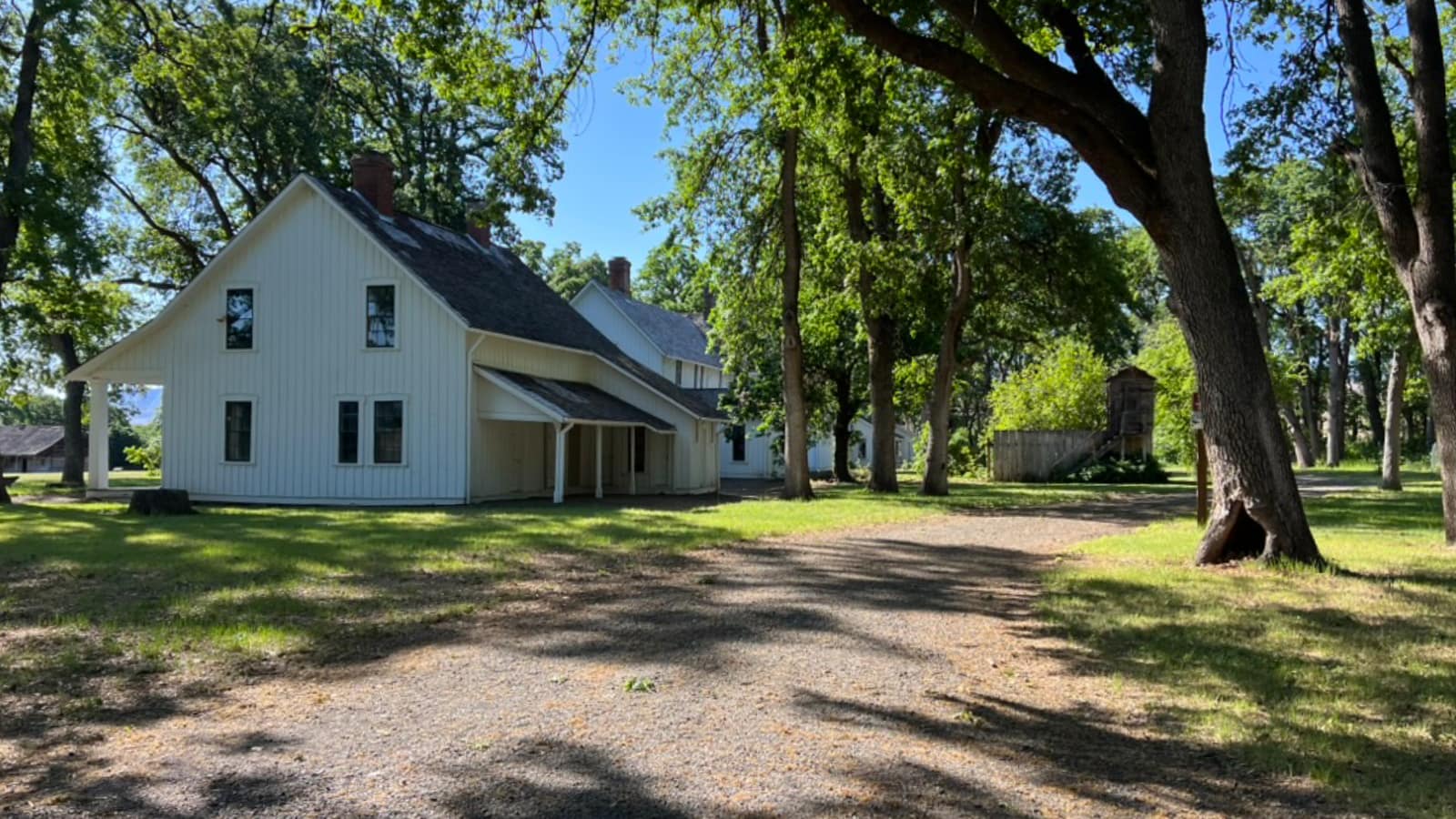
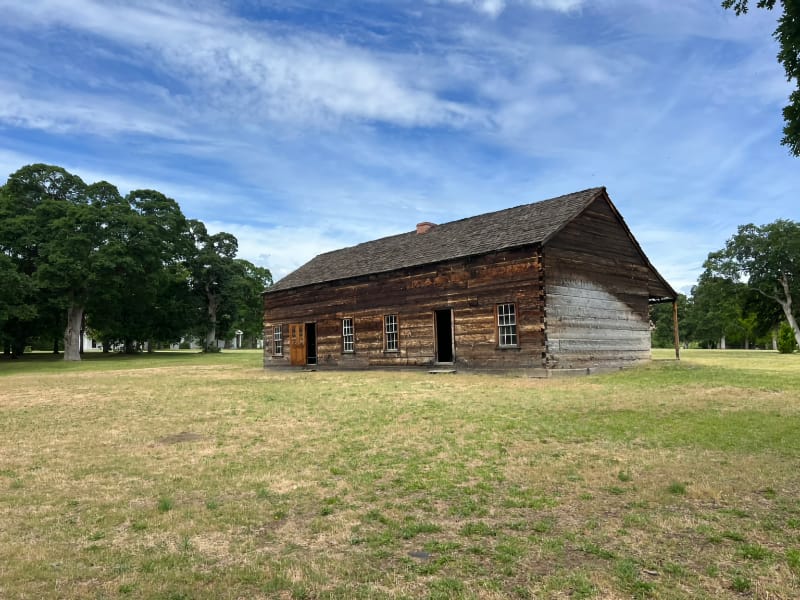
Fort Simcoe was established in 1856 as a United States Army outpost during the Yakima War, a period of intense conflict between the U.S. military and Indigenous tribes of the Washington Territory. What makes Fort Simcoe unusual among frontier forts is the architecture. The commanding officer’s house and several officers’ quarters were built in the Gothic Revival style, an unexpected design choice that gave this remote posting a sense of domesticity and permanence.
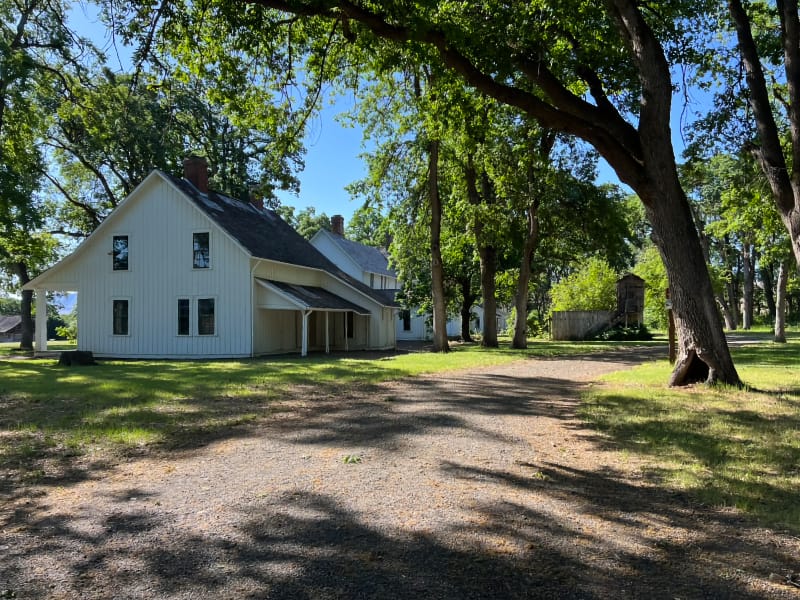
By 1859, just three years after its founding, the military withdrew. Rather than being abandoned, the fort became the headquarters of the Yakama Indian Agency, shifting its role from conflict to negotiation. That layered history is what gives the park its depth. Fort Simcoe is now listed on the National Register of Historic Places, recognized for its significance to both Pacific Northwest and national history.
Walking the Grounds
On my September visit, the interpretive center and historic building interiors were not accessible. Plan your visit with that in mind and call ahead to confirm hours before making the drive out. The buildings do have staffed hours during the spring and summer season, and I already have a return trip in mind for spring when I can get inside and spend more time with the exhibits at the Fort Simcoe Historical State Park interpretive center.
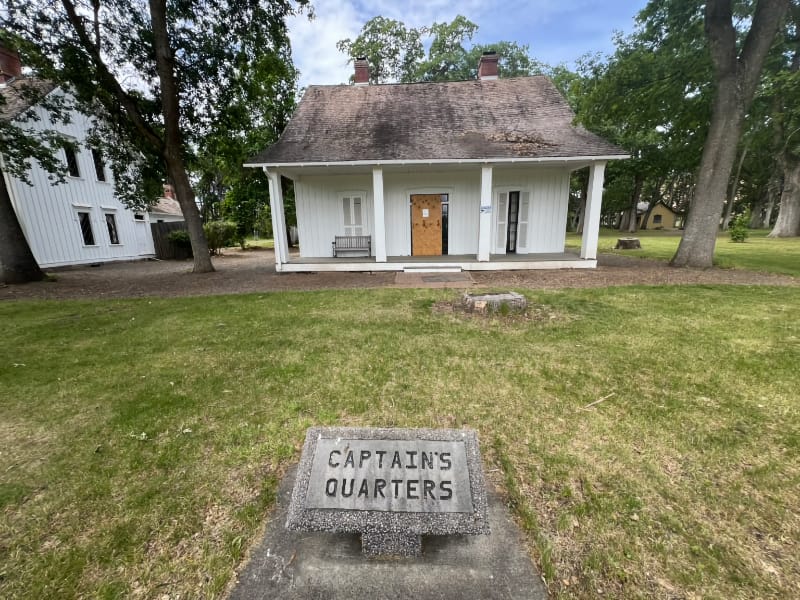
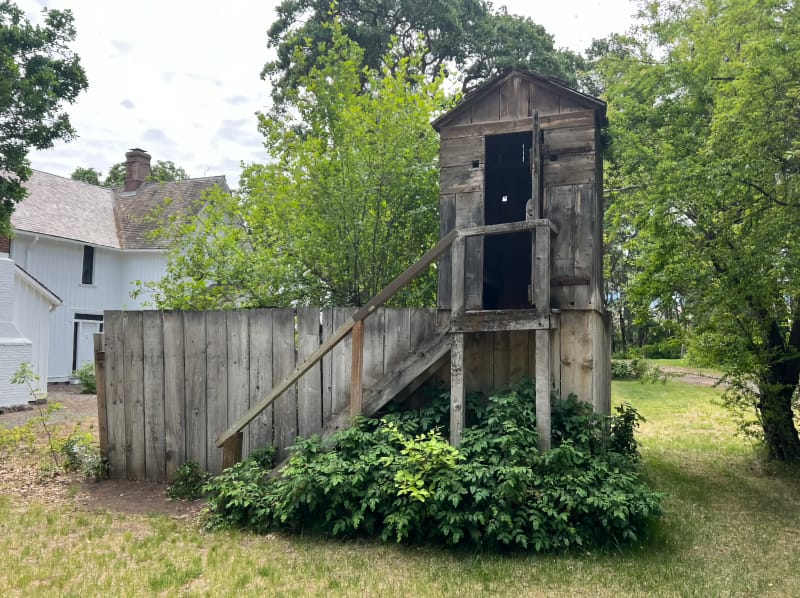
That said, the exterior experience alone is worth the stop. The grounds are well maintained and easy to walk. The most striking structures are the blockhouses anchoring the fort complex, built from hewn timber and designed purely for defense. Standing next to them, the Gothic Revival officers’ quarters feel almost out of place in the best possible way. Carefully maintained homes with decorative trim and peaked rooflines that look more like a New England neighborhood than a frontier military outpost. The commanding officer’s house is particularly photogenic.
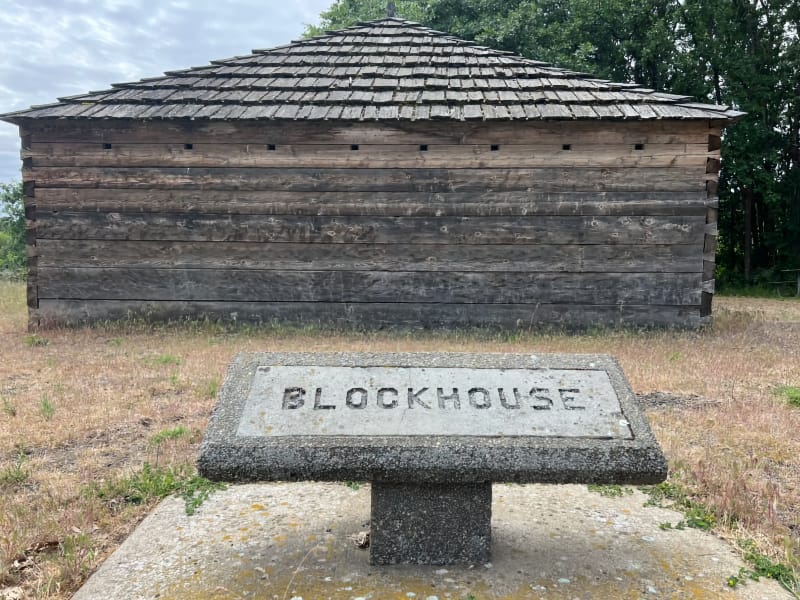
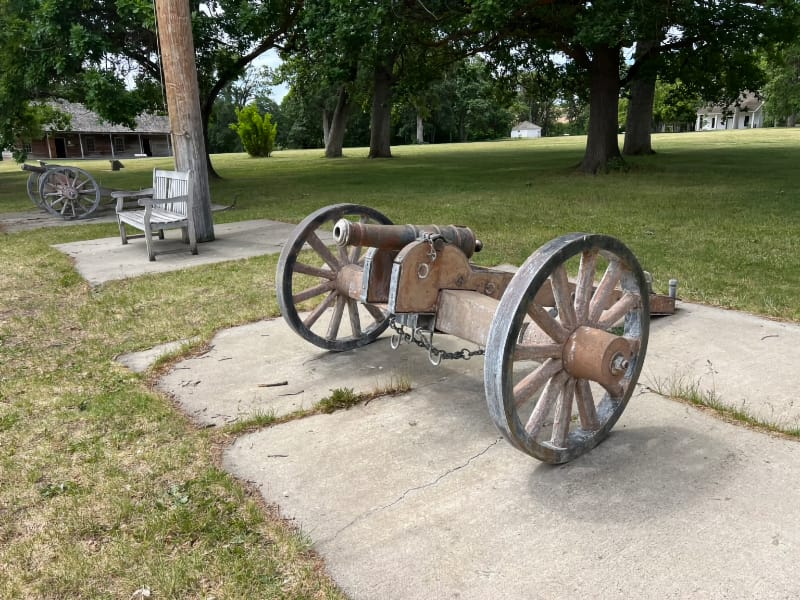
Historical markers throughout the grounds fill in the story as you walk, and the open space gives you room to slow down and let the place sink in. Having it entirely to yourself, as I did on that September afternoon, makes that even easier.
Wildlife and Natural Features
Fort Simcoe sits within a remnant of old growth oak and ponderosa pine, a habitat type that has mostly disappeared from the Yakima Valley due to agricultural conversion. That makes the park a genuinely good birdwatching stop. Lewis’s Woodpecker, closely tied to open ponderosa pine habitat, is regularly spotted here alongside owls, hawks, eagles, and wrens. What you see will shift with the season.
Beyond birds, deer, elk, bobcats, and badgers have all been spotted in and around the park. The proximity to Yakama Nation lands means the wildlife corridors here are intact in a way that is increasingly rare in this part of the state.
Planning Your Visit
Fort Simcoe is a day use only park with no camping. A Discover Pass is required for parking: $10 for a daily pass or $45 for an annual pass. Dogs are welcome on leash. Alcohol is not permitted and fires are limited to designated areas. Picnic tables and restrooms are available on the grounds.
The park is generally open Wednesday through Sunday from late spring through early fall, but hours vary by season. If seeing the interpretive center and building interiors is important to your visit, call ahead or check the Washington State Parks website before you go. I learned that lesson the easy way.
Getting There
From Yakima, head west on US Highway 12 toward Naches, then turn south toward White Swan via Fort Road, which becomes Fort Simcoe Road. The drive takes about 35 to 40 minutes. The park address is 5150 Fort Simcoe Road, White Swan, WA 98952.
Fort Simcoe pairs well with a broader Yakima Valley trip. If you are making a weekend of it, check out this guide to spending a weekend in Yakima for dining, wine tasting, and other stops worth building into your itinerary.
Frequently Asked Questions
Is Fort Simcoe State Park free to visit?
A Discover Pass is required for parking. A daily pass is $10 and an annual pass is $45. There is no additional admission fee to walk the grounds.
Can you go inside the buildings at Fort Simcoe?
The interpretive center and some historic buildings are open during staffed hours, generally on weekends during spring and summer. Hours vary, so call ahead to confirm access before making the trip.
How far is Fort Simcoe from Yakima?
About 30 miles west via US Highway 12 and Fort Simcoe Road. Plan for roughly 35 to 40 minutes of driving.
Is Fort Simcoe worth visiting if the buildings are closed?
Yes. The grounds, the architecture, and the setting tell the story even without interior access. That said, if seeing the exhibits is your priority, aim for a spring or summer weekend visit and confirm hours in advance.
What wildlife can you see at Fort Simcoe State Park?
The park is a strong birdwatching spot, with Lewis’s Woodpecker, hawks, owls, and eagles commonly sighted. Deer, elk, bobcats, and badgers also inhabit the surrounding area.
- About the Author
- Latest Posts

Founder and editor of Explore Washington State since 2017. A lifelong Washington resident who has lived across Tacoma, Ellensburg, the west side, and now Wenatchee, Scott curates the most comprehensive guide to experiencing Washington State. He also hosts the Exploring Washington State podcast.