
Fort Columbia State Park
Fort Columbia State Park: One of America’s Most Intact Coastal Defense Sites
Fort Columbia State Park preserves one of the most intact historic coastal defense installations in the United States, featuring twelve original wood-frame military buildings and artillery batteries overlooking the Columbia River estuary near Chinook. This 618-acre historical park showcases the complete 1896-1904 “Triangle of Fire” fortification system while offering spectacular views of the Columbia River mouth where Lewis and Clark completed their historic expedition. The estuary also draws humpback whales during spring and summer smelt runs, making Fort Columbia one of Washington’s most accessible spots for shore based whale watching.
Fort Columbia State Park Fast Facts
| Feature | Detail |
|---|---|
| Location | Chinook, Pacific County, Washington |
| Address | Located on Highway 101, Chinook, WA |
| Size | 618 acres |
| Shoreline | 6,400 feet of Columbia River frontage |
| Key Features | 12 historic buildings, artillery batteries, interpretive center |
| Established | Fort built 1896-1904, state park since 1950 |
| Historic Buildings | Commanding Officer’s House, Steward’s House, gun batteries |
| Trail System | 5 miles of forested hiking trails |
| Activities | Historic tours, bird watching, hiking, Columbia River views |
| Interpretive Center | Open June-August, Thursday-Sunday |
| Contact | Available through Washington State Parks |
Park Overview
Fort Columbia State Park stands as the nation’s premier example of an intact turn-of-the-century coastal defense installation, where twelve authentic wood-frame buildings and three artillery batteries showcase the sophisticated military engineering that protected the Columbia River from 1896 to 1947. The park’s position atop Chinook Point provides commanding views of the Columbia River estuary and represents the strategic high ground that made this location ideal for the “Triangle of Fire” defense system alongside Fort Canby and Fort Stevens.
52 Things to Do at Washington State ParksA free printable checklist: one adventure per week for a full year.
Get the Free ChecklistThis historical preserve serves visitors seeking immersion in military history and Pacific Northwest exploration heritage, as the site holds significance as both a National Historic Landmark and part of the Lewis and Clark National Historical Park. The park combines authentic period buildings with interpretive programming that brings to life three centuries of history, from Chinook Indian Nation territory through fur trading era to modern coastal defense strategies.
Activities & Recreation
| Activity | Details | Season | Difficulty |
|---|---|---|---|
| Historic Building Tours | Self-guided exploration of 12 authentic military structures | Year-round | Easy |
| Interpretive Center | Fort history exhibits and early exploration displays | June-August | Easy |
| Forest Hiking | 5 miles of trails through mature forest on Scarborough Hill | Year-round | Easy to Moderate |
| Bird Watching | Bald eagles, hawks, falcons, and diverse songbirds | Year-round | Easy |
| Columbia River Views | Panoramic estuary vistas from historic gun battery positions | Year-round | Easy |
| Artillery Battery Tours | Three preserved coastal defense installations | Year-round | Easy |
Fort Columbia State Park offers exceptional historical immersion through its preserved military complex, where the Commanding Officer’s House features turn-of-the-century furnishings and the interpretive center provides comprehensive exhibits on fort operations and regional exploration history. The self-guided interpretive trail connects gun batteries with informational panels featuring historic photos and original blueprints that detail the fort’s defensive capabilities.
Facilities & Amenities
The park provides comprehensive day-use facilities including 25 unsheltered picnic tables available on a first-come, first-served basis throughout the historic fort grounds. The Fort Columbia Interpretive Center operates June through August with exhibits focused on military history, early exploration, fur trade, and westward settlement, maintaining Thursday through Sunday hours from 11 AM to 3 PM.
Historic building amenities include the restored Commanding Officer’s House with period furnishings, open for tours during summer months, plus interpretive panels positioned throughout the fort complex near gun batteries and military structures. The park features observation stations strategically positioned to showcase both military engineering and Columbia River estuary scenery.
Camping & Accommodations
Fort Columbia State Park offers two historic vacation house rentals including the Steward’s House and Scarborough House, providing unique overnight accommodations within authentic military structures. These historic buildings offer visitors the opportunity to stay overnight in period settings while exploring the fort complex.
No standard camping facilities are available, making the historic vacation houses the exclusive overnight option for visitors seeking extended exploration of this remarkable coastal defense site.
Planning Your Visit
Fort Columbia State Park operates as a day-use facility requiring a Discover Pass for vehicle access. Located on Highway 101 in Chinook, two miles west of the Astoria Bridge, the park provides convenient access from both Washington and Oregon via multiple route options.
The Interpretive Center and Commanding Officer’s House maintain seasonal hours from June through August, with Thursday through Sunday operations from 11 AM to 3 PM. Best visiting times include summer months for full interpretive programming, while the historic buildings and trails remain accessible year-round for self-guided exploration of this exceptional coastal defense heritage site.
What to Bring & Know
- Camera equipment for historic building architecture and Columbia River estuary panoramas
- Comfortable walking shoes for exploring fort grounds and 5-mile trail system
- Weather protection for coastal conditions and changing Columbia River maritime climate
- Binoculars for bird watching opportunities including bald eagles and diverse raptor species
- Interest in military history to fully appreciate the authentic preserved fortification systems
Final Word
Fort Columbia State Park delivers an unparalleled glimpse into American coastal defense history where intact military installations and Columbia River estuary views combine in one of the nation’s most significant historical preserves.
What to Do
Activities
Common Questions
Frequently Asked Questions
Is Fort Columbia State Park free to visit?
Yes, Fort Columbia State Park does not charge a day use fee and no Discover Pass is required. The park is open year-round with free access to the grounds, interpretive displays, and historic buildings. The Interpretive Center may charge a small fee for guided tours depending on the season.
Can you stay overnight at Fort Columbia State Park?
Fort Columbia does not have traditional campgrounds. However, the park offers unique overnight lodging in the historic Steward House, a fully restored Victorian-era home available for group rentals. Contact Washington State Parks to check availability and reservation requirements.
What is the history of Fort Columbia State Park?
Fort Columbia was built by the United States Army in the late 1800s to defend the mouth of the Columbia River. It served as an active military installation through World War II before being transferred to Washington State. The park preserves original gun batteries, barracks, and officer quarters from that era.
Are dogs allowed at Fort Columbia State Park?
Yes, leashed dogs are welcome at Fort Columbia State Park on the grounds and trails. Keep your dog on a leash no longer than eight feet at all times. Dogs are not allowed inside historic buildings or interpretive center exhibits.
Where is Fort Columbia State Park located?
Fort Columbia State Park is located near Chinook, Washington, on the north shore of the Columbia River just west of the Astoria-Megler Bridge. It sits at the mouth of the Columbia River where it meets the Pacific Ocean, about two hours from Portland and three hours from Seattle.
Is the Fort Columbia Interpretive Center open year-round?
The Fort Columbia Interpretive Center is typically open seasonally, with expanded hours in summer and limited or closed access in winter. Check the Washington State Parks website for current hours before your visit. The outdoor grounds and gun batteries are accessible year-round during daylight hours.
Trip Planning
What to Pack
Required Pass
Required for parking at all Washington State Parks. One pass covers your vehicle for a full year.
$46.99
Hiking Gear
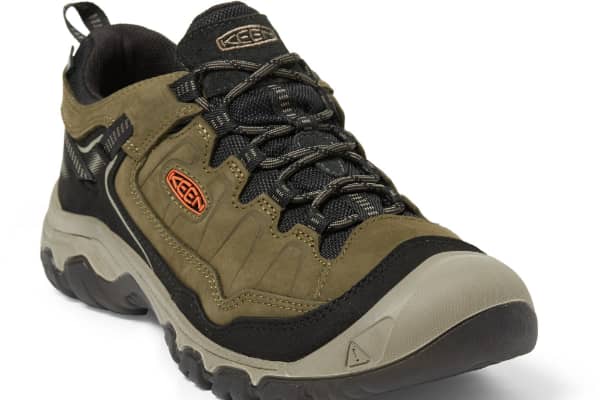
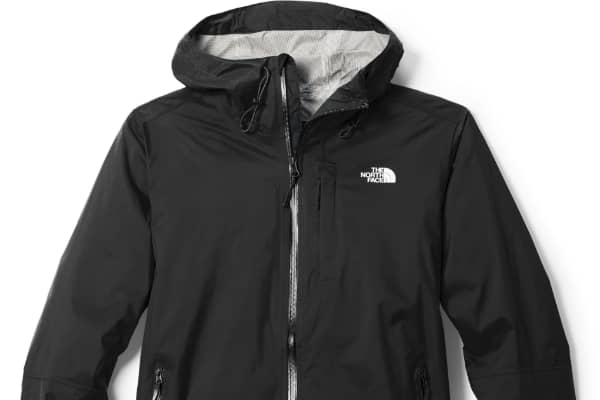
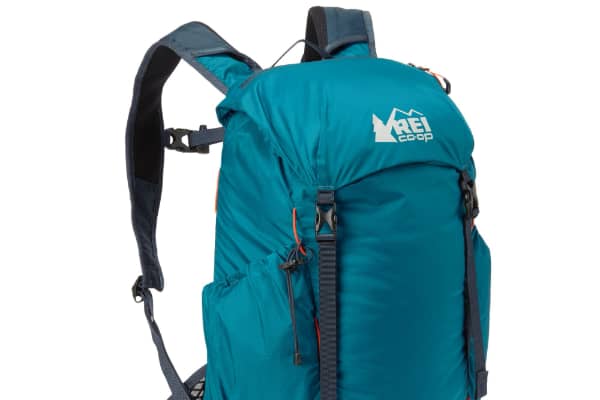
Some links on this page are affiliate links. If you purchase through them, Explore Washington State may earn a small commission at no extra cost to you. We only recommend gear we believe in.
Washington State Parks Directory
The Washington State Parks Directory covers all 146 state parks across Washington — from saltwater shores and mountain meadows to ancient lava tubes and desert canyons. Find trails, camping, activities, and detailed visitor information for every park in the state.
Browse All Washington State Parks