
Fort Flagler Historical State Park
Region
Olympic
Acres
1,451
Camping
116 sites
Pass Required
Discover Pass
Season
Year round
Max RV
55 ft
Fort Flagler Historical State Park occupies the northern tip of Marrowstone Island, 1,451 acres where 1890s military fortifications meet saltwater beaches on three sides. One of three forts built to defend Puget Sound at the turn of the 20th century, Fort Flagler formed the “Triangle of Fire” with Fort Worden in Port Townsend and Fort Casey on Whidbey Island. The gun batteries, military buildings, and museum are intact and open to visitors. Open year round.
At a Glance
| Detail | Info |
|---|---|
| Location | 10541 Flagler Road, Nordland, WA 98358 |
| Phone | (360) 385-1259 |
| fort.flagler@parks.wa.gov | |
| Size | 1,451 acres |
| Shoreline | 3.6 miles saltwater beach |
| Season | Year round (Upper Campground seasonal April to October; Lower Campground open all year) |
| Hours | 6:30 AM to dusk (summer), 8:00 AM to dusk (winter) |
| Entry | Discover Pass required ($45/year or $10/day) |
| Reservations | Yes, Washington State Parks reservation system (April to October). First come, first served November to March. |
| Pets | Dogs allowed on leash. No off-leash areas. |
| Fires | Allowed in designated fire pits and grills; check current burn ban status |
| Horses | Not allowed in the park |
Getting There
From the Kingston ferry or Highway 104, take Highway 19 south toward Port Townsend, then turn left on Highway 116 toward Indian Island and Marrowstone Island. Follow Highway 116 across the Indian Island bridge and continue to the northern tip of Marrowstone Island. The park is at the end of the road.
From Port Townsend, head south on Highway 20, turn left on Highway 19, then left again on Highway 116. About 20 minutes total.
The park is roughly 60 miles northwest of Seattle via the Kingston ferry, or about 90 miles via Tacoma and the Hood Canal Bridge.
Camping
116 campsites across two campgrounds with very different settings. The park also rents five historic military buildings as vacation houses.
| Campground | Total Sites | Standard (no hookups) | Full Hookup (water/electric/sewer) | Other |
|---|---|---|---|---|
| Lower Campground | 69 | 14 | 55 | Year round. Beach adjacent. RVs up to 50 ft. |
| Upper Campground | 47 | 47 | 0 | Seasonal (April to October). Forested. 4 walk in sites. |
Restrooms and showers. Flush toilets and hot water showers at both campgrounds. Dump station on site.
Which Campground to Pick
- Lower Campground is open year round and sits near the beach with open views of Admiralty Inlet. Level, spacious sites. Most sites have full hookups. Best for RVs and campers who want water views and easy beach access.
- Upper Campground is in the forest with natural shade and more privacy between sites. Standard sites only, no hookups. Best for tent campers and smaller rigs (20 to 25 feet max). The four walk in sites offer the most seclusion.
Vacation House Rentals
Five historic military units are available as vacation rentals, each with full kitchens and bathrooms. Linens are not included. No pets or smoking. Check in 4:00 PM, check out 11:00 AM. Reservable up to nine months in advance.
52 Things to Do at Washington State ParksA free printable checklist: one adventure per week for a full year.
Get the Free Checklist- Hospital Steward’s House. Overlooks the parade ground. Two bedrooms (one queen, two twins), sleeps four. One bathroom with claw foot bathtub. Pressed tin ceilings, hardwood floors, full kitchen. Private porch with views of Admiralty Inlet and Marrowstone Point Lighthouse.
- NCO Quarters North. One half of a 1903 duplex overlooking Admiralty Inlet, built above the shoreline. Two bedrooms (one queen, two twins), sleeps four. One bathroom with claw foot bathtub. Full kitchen, living room.
- NCO Quarters South. The other half of the same 1903 duplex. Identical layout to NCO North. Two bedrooms (one queen, two twins), sleeps four. One bathroom with claw foot bathtub. Full kitchen, living room.
- Engineer’s House. A single story 1896 home overlooking Marrowstone Point beach. 800 square feet. Two bedrooms (one queen, one daybed with trundle), sleeps four. One bathroom with shower. Full kitchen, living room.
- Waterway House. The largest unit. Built during World War II, set above Admiralty Inlet with water views. Four bedrooms (two queens, four twins), sleeps eight. Two bathrooms with showers. Spacious open kitchen, dining area, and living room.
Reservation Tips
April through October requires reservations. Book nine months in advance through the Washington State Parks reservation system. Summer weekends fill quickly but midweek availability is more realistic than at parks closer to Seattle. November through March the Lower Campground operates first come, first served.
Historical Context
Kelsey Lang is the interpretive specialist who runs the museum here, and she lives on site. She walked us through the fort on the Exploring Washington State Podcast, including the greasy fingerprints a group of bored soldiers left on a storehouse beam.
Fort Flagler was established in 1897 and activated in 1899 as part of the coastal defense of Puget Sound. Along with Fort Worden (Port Townsend) and Fort Casey (Whidbey Island), it formed the “Triangle of Fire,” a system of overlapping artillery positions designed to prevent hostile ships from entering Puget Sound through Admiralty Inlet. The fort was named for Brigadier General Daniel Webster Flagler, a Civil War veteran and Army Chief of Ordnance. It remained active through both World Wars and was decommissioned in 1953. Washington State Parks acquired the property in 1955.
Many of the original military structures survive, including ten gun batteries, noncommissioned officers’ quarters, and the 1905 hospital building.
Fort Flagler Museum
Housed in the historic Quartermaster Storehouse. Exhibits cover the fort’s strategic role and daily life for soldiers in the early 1900s. Features a seven minute film, hands on activities including Army field phones and a button making machine, and a nature touch table. Open daily late May through September. Free admission; donations appreciated.
1905 Hospital Building
Guided tours run Wednesdays, Saturdays, and Sundays at 2:00 PM from mid May through early September. The first floor (kitchen, ballroom) is also available for event rentals. The building was awarded the Mary P. Johnson Award for Historic Preservation in 2012. Restored by the Friends of Fort Flagler beginning in 2005.
Gun Batteries
Ten gun batteries from the 1890s are accessible throughout the park grounds. The Bluff Trail passes eight of the ten batteries along the coastal edge. Bring a flashlight for the interior passages, tunnels, and ammunition magazines.
Trails
Over 5 miles of inland trails plus 3.6 miles of beach shoreline. The terrain includes forested bluffs, coastal lagoons, and open beach. Views of the Olympic and Cascade ranges, Port Townsend Bay, and Admiralty Inlet.
- Bluff Trail (Battery Row). The most historically significant walk in the park. Follows the coastal bluffs along the north and east sides of the point, passing 8 of the 10 gun batteries with views of Admiralty Inlet, Port Townsend, and Whidbey Island. Flat to gently rolling terrain on packed gravel and dirt. Accessible to most visitors including families with young children. Bring a flashlight to explore the battery interiors, tunnels, and ammunition magazines along the way. This is the walk to do if you only have an hour.
- Fort Flagler Trail. 3.4 miles, 242 feet of elevation gain. A loop through the park’s forested interior and along the bluffs. Moderate.
- Anti Aircraft Battery Trail, Bluff Trail, and Lagoon Loop. 4.7 miles, 387 feet of elevation gain. The longest loop in the park. Passes through forest, along coastal bluffs, and around a lagoon. Moderate.
- Beach and Bluff Trail. 2.25 miles. Starts on the beach, climbs to the bluff, loops around the lagoon, and returns to the starting point.
Activities
On the Water
- Swimming. Saltwater beaches on three sides of the park. No lifeguards. Water stays cold year round.
- Kayaking and paddleboarding. Beach launches available. Olympic Kayak Tours operates guided wildlife viewing tours from the park.
- Boating. Single lane boat launch with gently sloped beach entry. 256 feet of seasonal moorage. Dock and buoy moorage available year round.
- Fishing. Saltwater fishing from the beaches and pier. Washington State fishing license required.
- Crabbing. Popular from the beaches and pier. Recreational license required. Check WDFW for current season status before heading out.
- Shellfishing. Available in designated areas. Subject to seasonal closures. Check the WDFW shellfish hotline before harvesting.
- Scuba diving. Dive access from the beaches. The waters around Marrowstone Island support diverse marine life.
On Land
- Hiking. Over 5 miles of trails. See the Trails section above for featured routes.
- Biking. Paved and unpaved roads throughout the park are suitable for cycling.
- Bird watching. The three sided saltwater shoreline and forested interior support a wide range of shorebirds, raptors, and forest species. Bald eagles are common.
- Tidepooling. Rocky shoreline areas on the north end of the park. Look but do not collect.
- Paragliding. The coastal bluffs overlooking Port Townsend Bay are a launch site for paragliders. The combination of consistent onshore wind off Admiralty Inlet, bluff elevation, and unobstructed open fields makes this one of the more reliable coastal launch sites on the Olympic Peninsula.
- Metal detecting. Allowed in the park.
- Geocaching. Available in the park. Search Geocaching.com for active caches.
- Ranger programs. Interpretive talks, guided walks, and hospital tours available seasonally. See the Historical Context section for museum and tour details. We have done a podcast episode with Kelsey Lang, the interpretive specialist who runs the museum here and lives on site.
On-Site Services
| Service | Season | Details |
|---|---|---|
| Beachcomber Cafe | Weekends April, May, September. Daily Memorial Day to Labor Day. | Hot sandwiches, burgers, espresso, snacks, camping supplies. 11 AM to 4 PM. |
| Olympic Kayak Tours | Seasonal | Guided wildlife viewing kayak tours |
| Fort Flagler Museum | Daily 11 AM to 4 PM (summer). Saturdays only November through March. | Free. Military history exhibits, 7-minute orientation film, hands-on activities including Army field phones and button making. |
Good to Know
- Nearest groceries. The Nordland General Store on Marrowstone Island carries basic supplies. It reopened in 2024 as a community owned co-op after a fire. For a full grocery run, Port Hadlock is about 15 minutes south and Port Townsend is about 20 minutes.
- Gas. No gas on Marrowstone Island. Fill up in Port Hadlock or Port Townsend before driving out to the park.
- Cell service. Expect spotty coverage on Marrowstone Island, particularly at the northern end of the park.
- Cougars. Cougar sightings are reported occasionally. Keep small children and pets close.
- Wind. The exposed northern tip of the island gets consistent wind. Good for kite flying and paragliding, but stake down tents and canopy shelters.
- Three forts. Fort Flagler, Fort Worden (Port Townsend), and Fort Casey (Whidbey Island) are all state parks. Visiting all three in a weekend is a realistic itinerary and covers the full Triangle of Fire history.
Fees
| Fee | Amount |
|---|---|
| Discover Pass (annual) | $45 |
| Discover Pass (one day) | $10 |
| Watercraft launch | $7/day |
| Nightly moorage (buoy) | $23 |
| Nightly moorage (dock) | $1/ft of vessel |
| Trailer dump | $5/use |
| Overnight unattended vehicle | $10/night |
Campsite and vacation house fees vary by type and season. Check the Washington State Parks reservation system for current rates.
Nearby
- Port Townsend. About 20 minutes. Full services, groceries, fuel, dining. Historic Victorian seaport with a strong arts and maritime culture.
- Port Hadlock. About 15 minutes south. Groceries, fuel, basic services.
- Fort Worden State Park. In Port Townsend. The second fort in the Triangle of Fire. Larger park with its own campground, museum, and Marine Science Center.
- Fort Casey State Park. On Whidbey Island, accessible via the Port Townsend to Coupeville ferry. The third fort in the Triangle of Fire. Restored gun batteries and Admiralty Head Lighthouse.
- Nordland General Store. On Marrowstone Island near Mystery Bay. Basic groceries, supplies, and community gathering spot.
Official source: Washington State Parks: Fort Flagler Historical State Park
What to Do
Activities
Overnight
Camping
| Site Type | Count | Details |
|---|---|---|
| Standard Sites | 61 | Restrooms and facilities nearby. Check availability before visiting. |
| Utility Hookup Sites | 55 | Electric and/or water hookups. Reserve in advance. |
| Max RV Length | 55 ft | |
Common Questions
Frequently Asked Questions
What is Fort Flagler Historical State Park?
Fort Flagler Historical State Park sits on the north tip of Marrowstone Island near Port Townsend, a 1,451 acre park where 1890s military fortifications meet saltwater beach on three sides. With Fort Worden and Fort Casey it formed the Triangle of Fire that guarded the entrance to Puget Sound. The gun batteries, historic buildings, and museum are open to visitors.
Can you camp at Fort Flagler?
Yes. Fort Flagler has an Upper Campground, open seasonally from April through October, and a Lower Campground near the beach that is open all year. Sites can be reserved through Washington State Parks from April to October and are first come, first served from November through March.
Do you need a Discover Pass for Fort Flagler State Park?
Yes. A Washington State Discover Pass is required for day use parking, which costs $45 for an annual pass or $10 for a day. Camping fees cover your vehicle during an overnight stay, so a separate day pass is not needed while you are camped.
What are the hours at Fort Flagler?
The park is open year round. Day use hours run from 6:30 a.m. to dusk in summer and 8:00 a.m. to dusk in winter. The historic gun batteries and beaches are the main draws, along with the museum on the grounds.
Are dogs allowed at Fort Flagler?
Yes. Dogs are welcome throughout Fort Flagler when kept on a leash no longer than eight feet and cleaned up after. They are allowed at campsites and on the miles of saltwater beach that wrap around the point.
Trip Planning
What to Pack
Required Pass
Required for parking at all Washington State Parks. One pass covers your vehicle for a full year.
$46.99
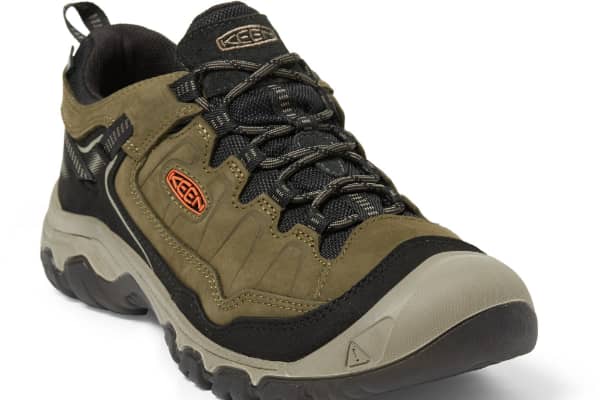
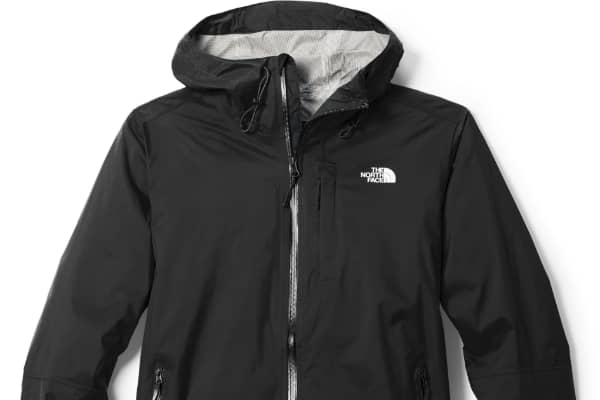
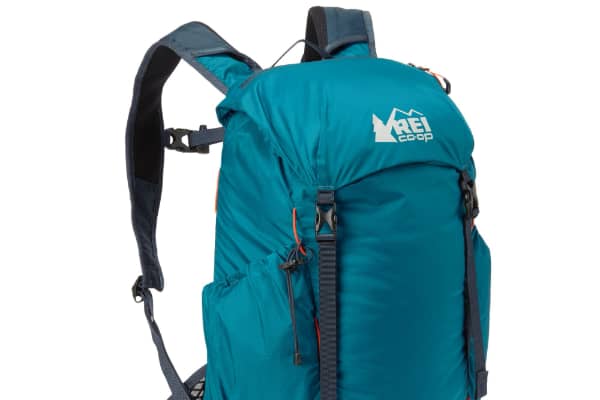
Hiking Gear
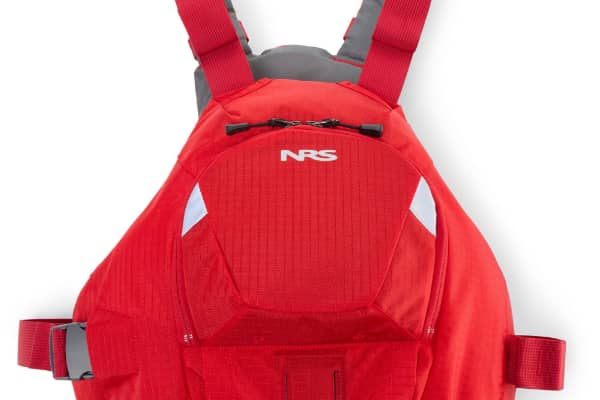
Kayak & Paddle Gear
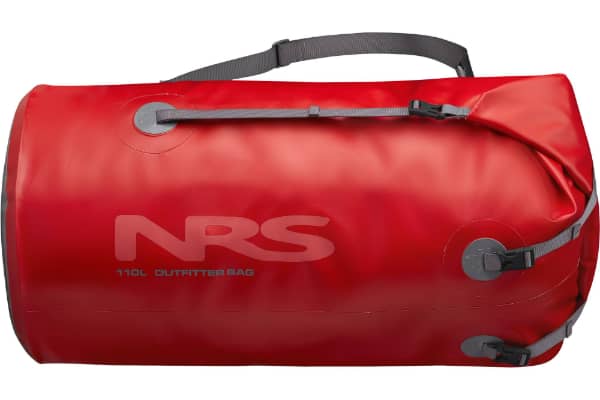
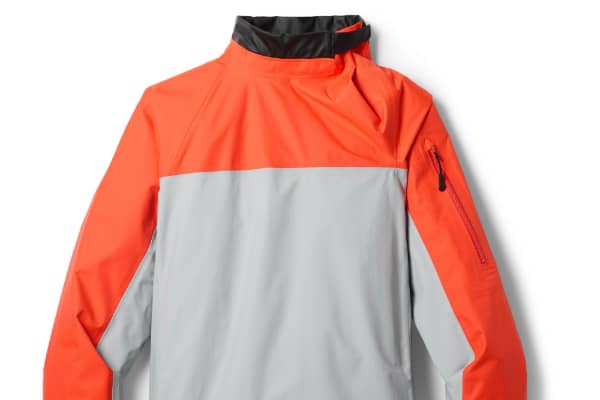
Some links on this page are affiliate links. If you purchase through them, Explore Washington State may earn a small commission at no extra cost to you. We only recommend gear we believe in.
Washington State Parks Directory
The Washington State Parks Directory covers all 146 state parks across Washington — from saltwater shores and mountain meadows to ancient lava tubes and desert canyons. Find trails, camping, activities, and detailed visitor information for every park in the state.
Browse All Washington State Parks