
Profile
Fort Flagler Historical State Park: Your Complete Guide to Camping & Exploring the Historic Fort
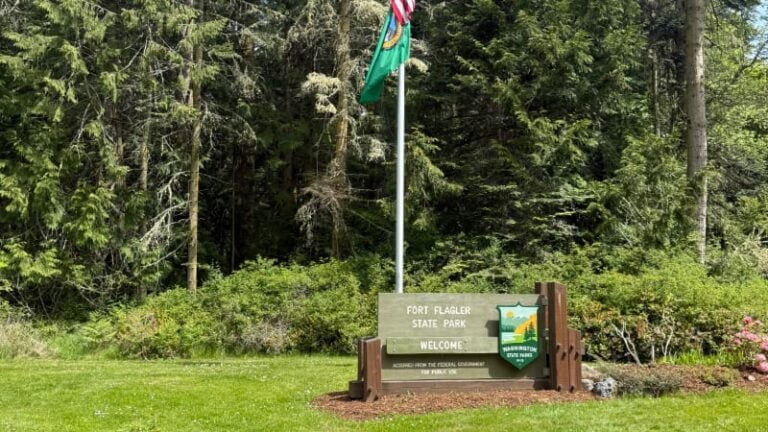
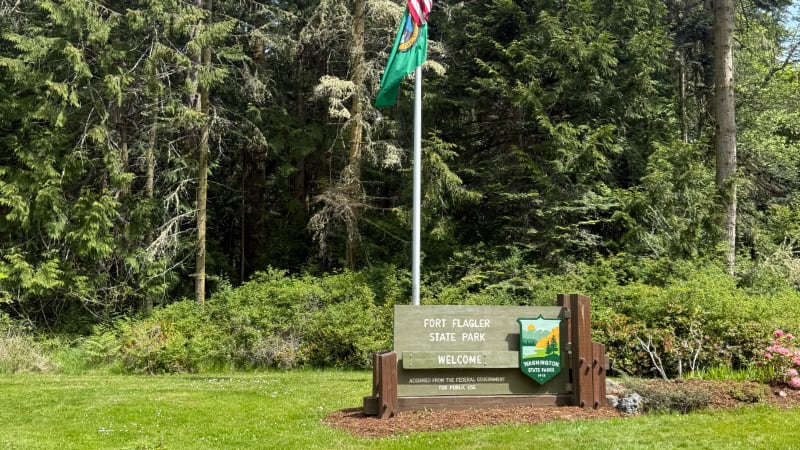
Fort Flagler Historical State Park is one of those rare places where you can explore ten authentic gun batteries from the 1890s in the morning, then spend the afternoon paddling saltwater beaches on three sides of Marrowstone Island. This 1,451-acre park gives you two completely different camping options: a cozy, wooded upper campground perfect for tent campers and smaller RVs, or a beach-side lower campground with full hookup sites that can handle RVs up to 50 feet. Whether you’re a history buff who wants to walk through the old fort buildings or a beach lover looking for waterfront camping, Fort Flagler has you covered.
Fort Flagler Historical State Park Fast Facts
| Feature | Detail |
|---|---|
| Location | Nordland, Jefferson County, Washington |
| Address | 10541 Flagler Road, Nordland, WA 98358 |
| Coordinates | 48.0917° N, -122.6902° W |
| Size | 1,451 acres |
| Shoreline | 19,100 feet (3.6 miles) on three sides |
| Key Features | 10 historic gun batteries, free museum, 5 vacation homes |
| Total Campsites | 116 sites in two distinct campgrounds |
| Full Hookup Sites | 55 sites (water/electric/sewer) |
| Max RV Length | 50 feet (Lower Campground) |
| Reservation Window | 9 months in advance |
| Hours | Summer: 6:30 AM-dusk; Winter: 8 AM-dusk |
| Contact | (360) 302-7840 |
Park Overview
Fort Flagler Historical State Park is the northern anchor of Puget Sound’s famous “Triangle of Fire” defense system, working alongside Fort Worden and Fort Casey from 1899 to 1953. Named after Brigadier General Daniel Webster Flagler, this amazingly well-preserved military fort takes you straight back to the turn of the 20th century with ten intact gun batteries, the original parade ground, hospital, and officers’ quarters.
Sitting at the northern tip of Marrowstone Island near Port Townsend, you’ll get incredible views across Admiralty Inlet to the Olympic Mountains, Cascade Range, Mount Baker, and Mount Rainier. What really makes Fort Flagler special is how it gives you two totally different camping experiences in one park: the quiet, forested Upper Campground or the beach-adjacent Lower Campground with modern RV hookups.
INSIDER TIP: Fort Flagler is less crowded than Fort Worden and has more beach access (3.6 miles vs 2 miles). Visitors consistently say the gun batteries here are better preserved and more fun to explore.
Activities & Recreation
| Activity | Details | Season | Difficulty |
|---|---|---|---|
| Historic Fort Tours | Self-guided exploration of 10 gun batteries; guided tours available | April-August | Easy |
| Museum Visits | Free admission; interactive displays on fort life | Year-round (hours vary) | Easy |
| Kayaking & Paddleboarding | Launch from beaches; bioluminescence tours available | Spring-Fall | Easy to Moderate |
| Boating & Fishing | Single-lane boat launch ($7/day); salmon, trout, perch, flounder | Year-round | Easy |
| Beach Activities | Beach combing, swimming, clamming, crabbing on 3.6-mile shoreline | Year-round | Easy |
| Hiking & Biking | 5 miles of forest trails plus beach paths | Year-round | Easy to Moderate |
| Wildlife Viewing | Bald eagles, seals, Northern Harriers, Pileated Woodpeckers | Year-round | Easy |
Exploring the Historic Fort
Fort Flagler is a history lover’s dream with its incredibly well-preserved gun battery complex. You can explore all ten historic batteries on your own, or join volunteer-led tours from April through August. The free Fort Flagler Museum has great displays and interactive exhibits that show what life was really like at this strategic military post in the early 1900s.
BRING A FLASHLIGHT: Many gun battery tunnels are dark inside with birds nesting in them. A headlamp or flashlight is essential for exploring the batteries safely.
Water & Beach Activities
With saltwater on three sides, Fort Flagler is perfect for water lovers. The single-lane boat launch gets you out on Admiralty Inlet for fishing, and there’s 256 feet of seasonal moorage. You can launch kayaks and paddleboards right from the beaches, and Olympic Kayak Tours runs guided bioluminescence tours, wildlife viewing trips, and sunset paddles during summer.
When shellfish seasons are open, you can try clamming and crabbing, but always check for marine biotoxin closures before harvesting. Scuba divers love exploring Admiralty Inlet’s cold waters full of marine life.
Camping & Accommodations
Fort Flagler has 116 total campsites split between two really different campground settings. You’ll need reservations from April through October (book nine months ahead at washington.goingtocamp.com), but the Lower Campground goes first-come, first-served from November through March.
Upper Campground (Sites 1-47)
Season: May 1 to September 30
The Upper Campground is your classic forest camping experience with 47 standard sites (no hookups) tucked among trees that give you natural shade and privacy. This seasonal campground is perfect for tent campers and smaller RVs (20-25 feet max). There are also four reservable walk-in sites if you want even more privacy.
Rates (2025, effective May 15):
- Summer: $30-42/night
- Shoulder season: $22-34/night
Lower Campground (Sites 48-116)
Season: Year-round
The Lower Campground runs year-round with 69 sites right near the beach, open views, and modern RV amenities. This bigger campground handles RVs up to 50 feet and has:
- 55 full hookup sites with water, electric, and sewer
- 12 standard sites without hookups
- 2 partial hookup sites with water and electric
Lower Campground sites put you close to the waterfront with easy beach access and amazing sunset views.
Rates (2025, effective May 15):
- Full Hookup: $45-57/night (summer), $40-51 (shoulder), $40 (off-season)
- Partial Hookup: $40-51/night (summer), $34-45 (shoulder), $34 (off-season)
- Standard: $30-42/night (summer), $22-34 (shoulder), $22 (off-season)
BOOKING TIP: Summer weekends book up within days of becoming available (9 months out). Full hookup sites are most competitive. Book weekdays for better availability.
Group Camping & Vacation Homes
Fort Flagler has two group camps (Wagon Wheel Camp fits 100 people, Scout Camp for youth groups) that need advance reservations. You can also rent one of five authentic historic military buildings including the Hospital Steward’s House, Waterway House, and NCO Quarters. These have period architecture with modern amenities like full kitchens and bathrooms.
Facilities & Amenities
Campground Facilities:
- 4 restroom buildings (1 ADA accessible)
- 8 showers (2 ADA accessible)
- Dump station ($5 for non-campers, free if camping)
- ADA accessible sites throughout
Marine Facilities:
- Single-lane boat launch ($7/day)
- 256 feet of seasonal moorage
- 3 Cascadia Marine Trail campsites ($12/night)
Food & Services:
- Beachcomber Café: Burgers, espresso, snacks, camping supplies (weekends April/May/Sept; daily Memorial Day-Labor Day; 11 AM-4 PM)
- Olympic Kayak Tours: Guided tours at olympictourco.com
Other Amenities:
- Free museum with gift shop
- Reservable picnic shelter
- Playground and basketball half-court
- Pets welcome on 8-foot max leash
- Generators allowed 8 AM-9 PM
Planning Your Visit
Getting There
Fort Flagler sits at the northern end of Flagler Road (SR 116) on Marrowstone Island, about two hours northwest of Seattle.
From Seattle: Take I-5 north to SR 104 west, continue to Hood Canal Bridge, follow SR 19 north to SR 116, then head to the park at the end of the road.
From Port Townsend: Take SR 20 south across Indian Island to Marrowstone Island, turn north on Flagler Road (SR 116), and follow it to the park.
Hours & Seasons
Park Hours:
- Summer: 6:30 AM to dusk
- Winter: 8 AM to dusk
Museum Hours (11 AM to 4 PM):
- April-May & Sept-Oct: Wednesday-Sunday
- June-August: Daily
- November-March: Saturdays only
Campground Seasons:
- Upper: May 1 through September 30
- Lower: Year-round
- Reservations required: April-October
Fees & Passes
Entry: $10 daily Discover Pass or $45 annual pass
Reservation Fees: $8 online, $10 by phone
Other Fees:
- Watercraft launch: $7/day
- Dump station: $5 (free for campers)
- Moorage: Seasonal fees apply
Best Time to Visit Fort Flagler Historical State Park
Late May through September is when you’ll get the full experience with both campgrounds open, daily museum hours, and perfect beach weather (60-75°F).
April-May and September-October offer shoulder-season pricing with lower camping rates and fewer crowds.
November through March is winter solitude time with only Lower Campground open first-come, first-served. Great for storm watching and eagle viewing.
IMPORTANT SAFETY INFO:
- Cell service is limited/nonexistent. Download maps before arriving.
- Cougar sightings occur occasionally. Keep kids and pets close at dawn/dusk.
- Always check for shellfish biotoxin closures before harvesting.
- Prickly sandmat plants grow near Lower Campground. Wear shoes in grassy areas.
Fort Flagler vs Fort Worden: Which Fort Should You Visit?
Both forts are part of the historic Triangle of Fire, but they offer really different experiences.
Choose Fort Flagler if you want:
Peaceful, isolated camping. Fort Flagler sits at the end of Marrowstone Island with limited cell service and that true “end of the road” feeling. Perfect if you want to unplug.
Better preserved gun batteries. Visitors consistently say Fort Flagler’s ten batteries are in better condition and more fun to explore. You can walk through dark tunnels that feel more authentic.
More beach access. With 3.6 miles of saltwater shoreline on three sides, Fort Flagler gives you way more beach than Fort Worden.
Lower crowds. Fort Flagler sees fewer visitors, meaning more space on beaches and a generally more peaceful experience.
More camping variety. 116 sites split between forested upper campground and beach-side lower campground with 55 full hookup sites.
Choose Fort Worden if you want:
Arts and cultural programming. Fort Worden hosts Centrum concerts, workshops, theater performances, and educational events year-round.
Closer to Port Townsend. Fort Worden is basically in town, making it easy to walk or drive to restaurants, galleries, and shopping. Fort Flagler requires an 18-mile drive.
More dining options. Fort Worden has more food choices and a marine science center with aquarium.
The Bottom Line
Fort Flagler is perfect for authentic coastal camping, serious history exploration, and peaceful isolation. Fort Worden is better for cultural activities, easy town access, and more amenities. The good news? They’re only 15 miles apart, so you can visit both during one trip.
Frequently Asked Questions
How much does camping cost at Fort Flagler?
For 2025, standard sites run $22-42/night, partial hookup sites $34-51/night, and full hookup sites $40-57/night depending on season. You’ll also need a $10 daily Discover Pass or $45 annual pass, plus an $8-10 reservation fee.
What’s the difference between Upper and Lower Campground?
Upper Campground (sites 1-47) is forested with no hookups, perfect for tent campers and smaller RVs up to 25 feet. It operates May-September only. Lower Campground (sites 48-116) is year-round by the beach with 55 full hookup sites accommodating RVs up to 50 feet.
Can you visit Fort Flagler without camping?
Absolutely! Day-use visitors are welcome with a Discover Pass. You can explore all ten gun batteries, visit the free museum, walk beaches, use the boat launch, and hike trails without camping.
Are dogs allowed?
Yes, pets are welcome on leashes 8 feet or shorter. No off-leash areas. Keep dogs close since cougar sightings happen occasionally.
Do you need reservations?
Reservations are required April through October and open nine months ahead at washington.goingtocamp.com. Summer weekends book fast. November-March, the Lower Campground is first-come, first-served.
What should you bring to explore the batteries?
Definitely bring a flashlight or headlamp! Battery tunnels are dark inside. Also bring comfortable walking shoes, water for longer trails, and a camera.
Is there cell service?
Cell service is limited and spotty, varying by carrier. Download maps and info before arriving.
What is the Triangle of Fire?
The Triangle of Fire was a coastal defense system of three forts (Flagler, Worden, Casey) built in the 1890s to protect Puget Sound. Positioned with overlapping fields of fire, their guns could deliver 29 tons of explosives to defend Seattle and Bremerton. The forts never fired in combat and were deactivated by 1953.
Nearby Attractions
Extend your visit by exploring the Olympic Peninsula’s northeastern corner:
Port Townsend (12 miles): Victorian seaport with galleries, restaurants, Fort Worden, and maritime museums.
Fort Worden Historical State Park (15 miles): Complete the Triangle of Fire tour with Centrum arts programs and conference facilities.
Fort Casey Historical State Park (25 miles via ferry): The third Triangle of Fire fort on Whidbey Island with Admiralty Head Lighthouse.
Olympic National Park (45+ miles): Access Hurricane Ridge, Hoh Rainforest, and coastal wilderness.
Whidbey Island: Catch the ferry to visit Deception Pass State Park and Ebey’s Landing.
Final Word
Fort Flagler Historical State Park is one of those rare places where amazing military history meets great beach camping. You can walk through authentic 1898 gun batteries in the morning, then spend the afternoon on 3.6 miles of saltwater beaches. Whether you camp in the quiet Upper Campground or the beach-side Lower Campground with full hookups, Fort Flagler gives you options that few state parks can match.
What makes this place special is how it balances serious military history with fun coastal camping. With year-round access to the Lower Campground, vacation home rentals, and retreat facilities for groups up to 250 people, Fort Flagler works for quick weekend trips or longer family vacations. It’s one of the Pacific Northwest’s most unique state parks, and once you visit Marrowstone Island’s northern tip, you’ll understand why.
This park is part of the Explore Washington State Parks Directory, showcasing all of Washington’s State Parks from the rugged Pacific coast to the Cascade peaks. Whether you’re camping under old-growth forests, hiking scenic trails, or discovering local history, we’re highlighting the places where people connect with the state’s incredible natural and cultural heritage all year long.
- About the Author
- Latest Posts
Explore Washington State has been covering the real Washington for more than a decade. State parks, small towns, back roads, rest stops, and the people who make this place worth exploring. What started as a hyperlocal project covering individual communities grew into a full media project with more than 340 podcast episodes, a weekly newsletter with 3,800 subscribers, and coverage of all 146 Washington State Parks. The content here comes from people who have actually been to these places: locals, regulars, and lifelong Washington residents who care more about getting it right than getting clicks.
Recommended Locations

- About the Author
- Latest Posts
Explore Washington State has been covering the real Washington for more than a decade. State parks, small towns, back roads, rest stops, and the people who make this place worth exploring. What started as a hyperlocal project covering individual communities grew into a full media project with more than 340 podcast episodes, a weekly newsletter with 3,800 subscribers, and coverage of all 146 Washington State Parks. The content here comes from people who have actually been to these places: locals, regulars, and lifelong Washington residents who care more about getting it right than getting clicks.