Micah Rice: The Columbian Vancouver’s Local Paper. Talking Sports and Community.
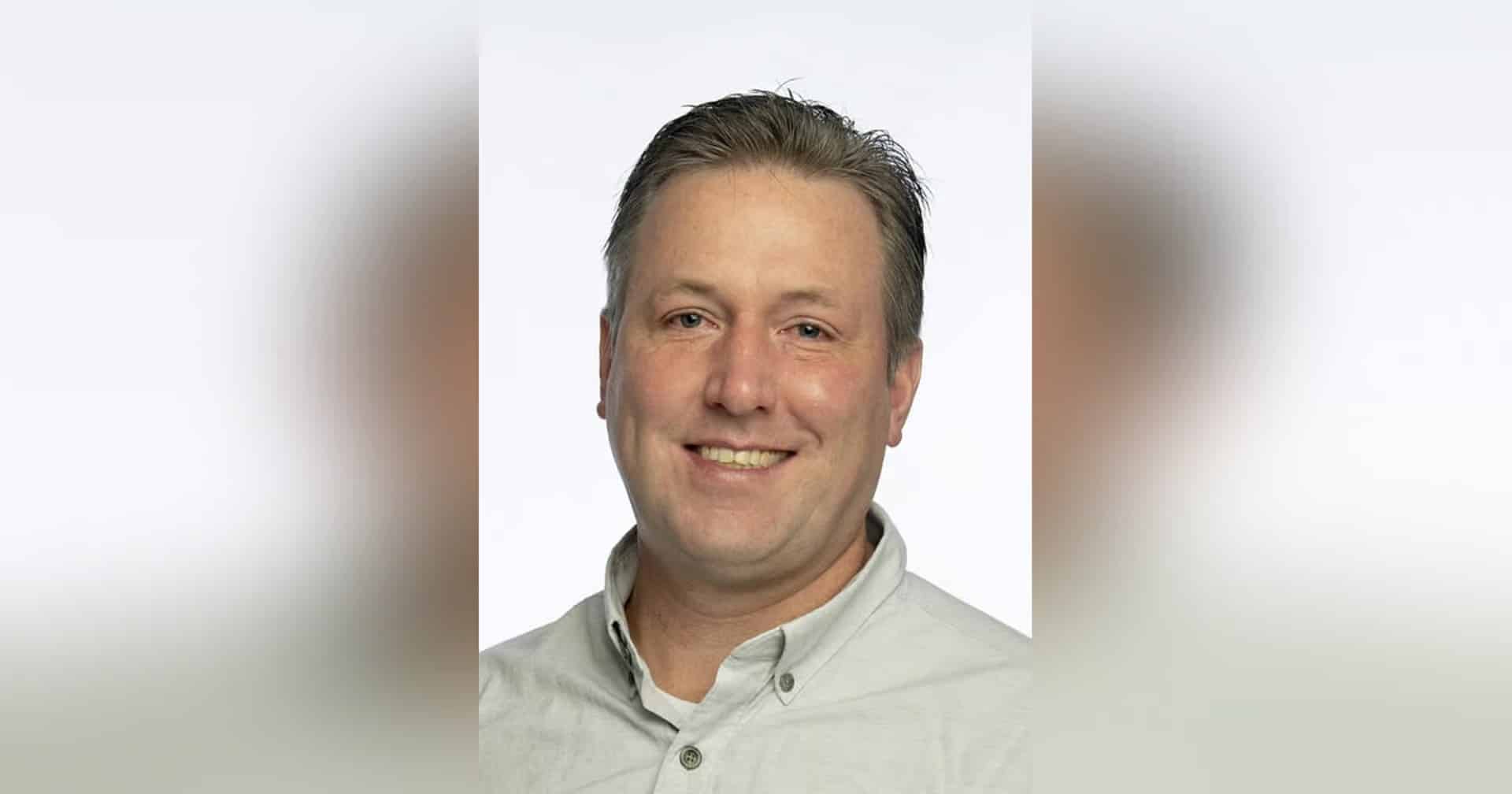
Micah Rice Sports Editor for The Columbian Newspaper is my guest.
Micah has been a newspaper reporter and editor for over 20 years in Washington State. We talk about how the newspaper industry has changed, Vancouver, and of course sports!
I find it interesting to learn about how the media landscape is changing rapidly, especially when it comes to sports.
One way the Columbian has adjusted is to go hyper-local with their news coverage. Focusing on high school sports, and minor league sports teams like the Ridgefield Raptors.
Of course coffee is discussed. Micah offers some great restaurant suggestions as well.
Find out more about Vancouver and about Clark County is this episode.
Micah Rice The Columbian Newspaper in Vancouver Episode Transcript
I’ll call the Columbian up and pitch that for you. Okay? We’ll make the Welcome to the Exploring Washington State podcast. Here’s your host, Scott Cowan. Well, welcome back to this episode, the Exploring Washington State podcast. My guest today is Micah Rice. Micah is the well, your LinkedIn says you’re the sports editor at the Colombian, but it also says that you’re the news editor. So, Micah, why don’t you tell my listeners about you? How let’s just go that way.
Micah Rice [00:00:48]:
Current sports editor, former news editor, which actually is a bit of a misnomer. What I what I actually did was manage the copy desk and kind of guide our transition from being grammar police and sticklers over style to more, managing, the content on the, the website. And so, that, after that transition, I’ve always, loved sports. And when the opportunity came to rejoin my roots, in the sports department there at the Colombian, I, jumped at it. And, other than that, just in in that perpetual, wonderment of will this be the year the Mariners finally make the playoffs?
Scott Cowan [00:01:33]:
Oh, you had to go there right away, didn’t you? I
Micah Rice [00:01:37]:
I I yeah. I then I saw an anecdote yesterday, obviously. Sue Bird got an amazing send off, on her final, home game at with the Seattle storm. I saw someone mentioned that between the Mariners, last making the playoffs, Sue Bird managed to fit a twenty one year professional basketball career in.
Scott Cowan [00:02:01]:
That’s that’s painful. Alright. So we’re gonna we’re gonna stop. I’m gonna get your background, but let’s let’s talk Mariners for a second.
Micah Rice [00:02:10]:
Yes.
Scott Cowan [00:02:13]:
Put you on the spot. Are they gonna are they gonna make the playoffs this year?
Micah Rice [00:02:17]:
I believe this is the year. And, call me a a Pollyannaish optimist, but, I I just think the moves they’ve made and not standing pat and especially the Luis Castillo, acquisition, yeah, it it they they really, I believe, have the tools to survive that wild card, chase. Are they as good as the Astros? No. Are, they, you know, who who knows what’s gonna happen once you get in the postseason, but just making it, I think, and having baseball be relevant in August and September for us long suffering Mariners fans is a treat.
Scott Cowan [00:02:57]:
Should they have gotten So to? Should they have mortgaged the future?
Micah Rice [00:03:05]:
I would say no because you I I don’t think you can keep what whatever kind of, group they’re trying to build there, and if you bankrupt your franchise or bankrupt your farm system. And, I think being able to make three or four good acquisitions over the course of a year is probably more effective than one blockbuster acquisition. And so I think even though, yeah, Suarez, Winker, I’d you’d like to see their batting averages a little higher. I love the Carlos Santana acquisition. Look the way he’s done to that. You know, it it was amazing when he joined the, yeah, the the team really came together and kinda put their early season struggles behind, not just for what he’s done on the on the field, but also in the clubhouse. And then I just think that Castillo, acquisition is the missing piece to, put their that rotation in a position to have a real strong finish in the, you know, down the home stretch.
Scott Cowan [00:04:06]:
Did they overpay for Castillo?
Micah Rice [00:04:08]:
I don’t think so. No. I think that’s that’s a move you gotta make. Young arm, electric stuff. Yeah. You you have Robbie Ray, and that so you basically have an ace and a one a or, you know, an a and a one a at the top of that rotation.
Scott Cowan [00:04:26]:
Well, Gilbert’s Gilbert’s an interesting arm. You know? I I I don’t disagree with Anthony saying. I I’m just sitting here and as a long suffering Mariners fan, I would have preferred to see them bring back Roberto Clemente, Mickey Mantle, and, you know, Don Drysdale. It just guarantee us a playoff. Please guarantee us a playoff victory. Get us into the, you know it’s not even get us into the world. I guess, get us into the world series. Just get us back to the American League championship series.
Scott Cowan [00:04:58]:
That would seem like a, that would put a lot of that would put a lot of fans in the seats and do a and do a lot to bring back, you know, Mariner mania. I used to work down by the by the ballpark in ’95. And do you remember in ’95, you know, about this time in ’95, they were they were not relevant, and then they went on a run. And that downtown Seattle was electric, and I would love to see that happen again.
Micah Rice [00:05:31]:
I was a freshman at the University of Puget Sound in Tacoma that year. And, I remember kind of momentum building and then, that Yankees series, being in the basement of, the dormitory I lived in at my freshman year with probably about 20 other people. And when, Edgar hit that double and Griffey comes tearing around third and slides head first in and they win, it it was a mosh pit in front of the television down there. I’ve I’ve never, seen a team kind of captivate a a a community like that Mariners team did. And, obviously, you have the Seahawks that kinda followed that. And and, when they were winning Super Bowl or the Super Bowl, it was, you know, they captivated the whole but but that was the first time I had really experienced that. And so, you know, twenty plus years have hurt after that. I mean, it’s just the price to pay for getting hooked at that age.
Scott Cowan [00:06:32]:
No. We’ve we’ve paid way more. I mean, what really hurt was in 02/2001, a 16 wins and then and then out. That that was
Micah Rice [00:06:41]:
Yeah. That
Scott Cowan [00:06:42]:
was bitterly painful because that was an amazingly talented team too. Anyway well, like I warned you, we kinda go down rabbit holes when we have these conversations. So what we’re trying to do is find out a little bit about you, and now we’ve talked about the Mariners. So you went to UPS. Where did you before UPS, where did you grow up?
Micah Rice [00:07:02]:
I grew up in Eugene, Oregon. So Okay. Obviously, northwest sky full and through and through. Once I, Eugene was a great place to grow up following the Oregon Ducks. Father was a professor at University of Oregon, ran the geology department there for, a while, and, I decided I wanted to be rebellious and leave, leave the nest. And so, head up north to Tacoma where, it wasn’t long before I figured out I wanted to go into sports journalism. And, the I believe it was the end of my sophomore year, maybe beginning of my junior year. The news tribune had, an opening for a part time, position and kinda just answering phones and, you know, taking scores in their sports department.
Micah Rice [00:07:55]:
And, got in there and, it’s like, it wasn’t long before my, opportunities at the newspaper to write and and, delve into the reporting went up, and my grades went down. It’s you’re my senior year. I kinda knew what I wanted. I kinda kinda Okay. Wanted to do. Mhmm.
Scott Cowan [00:08:18]:
So I got a couple questions out of all that.
Micah Rice [00:08:21]:
Sure.
Scott Cowan [00:08:21]:
Oregon Ducks fan. And I probably should have disconnected you, but, you know, we won’t. Yeah. How you answer this question will determine if we’ll continue our conversation. Did you like the old Oregon Ducks helmets with Donald Duck on them?
Micah Rice [00:08:38]:
In retrospect, it they kinda have, like, kind of a cool, funky, kinda, you know I I I don’t know. I I get nostalgic when I see that. Everything is so polished now with the, you know, basically being the Nike they they are Nike u, and everything is polished and cool. And, you know, they they last time they played in the national championship game, they didn’t have any green and yellow. I believe they wore, like, all white on their and, so, yeah, it’s kind of a someone who grew up watching the Oregon Ducks in the mid eighties and late eighties. I remember when them making it to the Independence Bowl in Shreveport, Louisiana was enough that restaurant I believe that they had a a nice restaurant, the Oregon Electric Station, and they, for years, had the front page of the register guard framed of the Oregon Ducks making the Independence Bowl. And now now you look at what the standards are, and and it’s, you know Right. Basically Rose Bowl or bust or, you know, compete for a a conference championship every, every year, hopefully.
Micah Rice [00:09:47]:
But, it used to be where just, you know, Bill Musgrave taking them to the Independence Bowl was a huge deal.
Scott Cowan [00:09:56]:
Okay. I I I so I I grew up in Washington. I grew up in Tacoma. I went to Central, so I can root both for and against the Huskies and the Cougars depending on, you know, how what what bandwagon I wanted to jump on. But I I’m not a big fan of either school. Like, I don’t bleed Crimson or Purple. Just I I I appreciate them because they’re the local teams. But I just remember Oregon having this kind of I don’t know what the word is I wanna use, but just I I appreciated them when they were wearing the the Donald Duck helmets.
Scott Cowan [00:10:30]:
I don’t enjoy this never ending smorgasbord of uniforms that they come out with that are so you know, it it doesn’t look like football to me anymore. And I’m old, I guess, but I I like their helmet with the o on it. I do I do the helmet’s okay, but I wish that they would go back to the duck once in a while. I just wish they would pay tribute to that. Alright. That was question number one. Question number two, do you remember the first article you wrote for the Tribune?
Micah Rice [00:11:01]:
Believe believe it was covering a basketball game at Foss High School, I believe.
Scott Cowan [00:11:09]:
Okay.
Micah Rice [00:11:10]:
That might have been it. I started off basically doing, high school sports, which at the time was kind of like, oh, that that’s how you pay your dues and maybe eventually, we’ll let you go up and help out with, the Seahawks coverage or the Mariners coverage and and things going full circle. Now, with us being sort of a a locally focused, sports department and locally focused newspaper here at at at the Colombian in Vancouver, high school sports is a majority of what we do. So in a way, it’s kinda come full circle with that. But I’ve always I’ve always viewed high school sports as, you know, you meet a lot of interesting people. You you you don’t run into some of the the roadblocks and the the egos that you you find at at some of the professional levels. You know, you get great access to to coaches and and kids. And really, these are the kids that are on the front line to represent your community.
Micah Rice [00:12:07]:
When you you go to a gymnasium or a high school football game, you know, those are those are the people that that live there and and are invested in the community and and putting their best foot foot forward. And so when will we have a team that makes a run to the state championship game in football or any other sport, it it’s really kind of a neat energy to kind of piggyback off of. So, yeah, I would I would say, seeing high school sports sort of evolve from the, you know, the late nineties when I first got into this industry to now has been kind of an interesting case study and and just how society and sports develop. But, there there there’s kind of a purity of of it that I I always like.
Scott Cowan [00:12:52]:
Okay. So once you you graduated from UPS, where was your first job?
Micah Rice [00:13:00]:
I actually, got hired down here at the Colombian in in Vancouver, two weeks before finals at, University of Puget Sound my senior year. So it was a an interesting two week window where I would come down here, show up to work, and then, commute back up north to take a final. I think I had to do that with two or three classes. So, I was like, okay. I’d I’d better not blow these finals because kind of, the the job I have down here is contingent upon me me being a college graduate.
Scott Cowan [00:13:34]:
College graduate.
Micah Rice [00:13:35]:
We kind of
Scott Cowan [00:13:36]:
Alright.
Micah Rice [00:13:36]:
So, don’t screw this up.
Scott Cowan [00:13:40]:
What was your first position with the Colombian then?
Micah Rice [00:13:44]:
It was, again again, just sort of a sports reporter job, focusing on high school sports at the time. Okay. I forget the situation, what it was, but, we had a staff of about seven or eight people, and they needed someone to kinda take the reins of the high school sports, beat and, kind of thrown in the deep end. Out, get to know who the coaches are, get to know who the people are, and and come up with some ideas. So, good luck.
Scott Cowan [00:14:19]:
And better graduate on time. So no pressure at all. Alright. So the for for the for those of us like myself, but, I’m I’m hopeful that if I ask this question, there’s others out there that would like to know the answer too. Can you walk us through what the newsroom like, what’s the difference between a reporter and an editor? You know, what how does walk me through let me give you a scenario. It’s Friday night, and I I don’t know the high school’s down there, so give me give me two high schools just played each other. And you’re you’re you were to be the reporter for that game. Walk us through what you were doing.
Micah Rice [00:15:06]:
Alright. Let’s let’s just take, kind of the biggest rivalry that we have down in here. Camas versus Union Football. Both have won state championships in the last, five or six years. Yeah. They always play kind of at the end of the season. Let’s let’s say the game’s at Camas, which typically draws some of the biggest crowds, of any high school team down here. You’re gonna wanna get to that stadium, probably about two hours before the game.
Micah Rice [00:15:37]:
So if it’s a 07:00 kickoff, you’re there at five. You know, there’s probably already gonna be a line waiting to get in. This is not the goal for every high school football game, but just picking kind of the, most exciting example. You get there, get, get your roster, get your stat sheet ready, wait for the game, kind of, you know, just take it all in. Thankfully, we keep a a lot of stats, for high school football as the season goes along on our own. So we’ll have a a good idea who the leaders of of each team are. We’ll watch the game. I usually try to keep a kind of running stat total going.
Micah Rice [00:16:22]:
So I know, you know, this kid has 20 yards on six carries. This quarterback, you know, he’s 10 for 12, for a 80 yards and and a touchdown. And so I’m keeping those as as we go, but also, giving updates on social media, really, you know, that that’s been the biggest change I’ve seen in the industry as far as, day to day reporter’s job is, having that social media presence where, basically, no one wants to wait for the, you know, the next day’s paper. They want the information now. And so whether that’s giving, updates on social media or, posting your story right when it’s ready for the website so people can read it within half an hour of of the game ending. That’s, that’s what, what Rapport has to do. So say the game ends, it’s, you know, last second touchdown. You’ll go down, find a a, you know, maybe a key player, usually a couple of them.
Micah Rice [00:17:30]:
I I try to videotape all my interviews with, my phone so that, that can be something else I share either on social media or embed it with, with the article online. I I think there’s there’s kind of a transparency that goes hand in hand with posting a raw interview. Not only do you get to see especially in the aftermath of a really big win or, an exciting game. You get to kinda share in in the excitement of that and see that on the kids’ faces. But, also, you know, you you you can see a quote I might use in its full context. And so, after, after doing that, after getting a few interviews and getting all that, depending on the situation and depending on the time of night, I might, have a a laptop computer with me, and I’ll I’ll, write the story there in the stadium. You know, maybe I’m in the the top row of the bleachers with, you know, while they’re locking the the fences and shooing everybody off. You know, I’ll be putting the finishing story or touches on my story.
Micah Rice [00:18:41]:
I’ll either email it in to the, the person who’s kind of managing everything back in the office. So that person usually is, you know, putting together the next day’s print, products. They’re they might be responding to emails for some games that are, outside of the area. But, yeah, it’s a it’s a team effort, definitely. We’ll have, five people working on a given Friday night.
Scott Cowan [00:19:13]:
Yeah. Okay. So alright. Where where do you watch the game from? Are you in the press box? Are you sitting in the stands? Are you on the field?
Micah Rice [00:19:23]:
It sort of depends on the stadium. Some stadiums will have, room in the press box. Many don’t. I I I just prefer I honestly prefer to just sit in the stands. There’s there’s times also when, you know, depending on on what the the situation is, I’ll walk along the sideline with my, notepad, taking stats by hand. But I I think an ideal situation, I’ll just find kind of a a corner of the stadium and just sort of set up there and knock it in a one’s way and and just, take in the game.
Scott Cowan [00:19:59]:
Okay. So you’re there a couple hours before. Sounds like you’re there probably an hour afterwards, give or take.
Micah Rice [00:20:06]:
Yeah. And and now the to to be fair, for if it’s a game that doesn’t involve two of the most popular teams in the area, I’ll probably you could get away with showing up half an hour before, but, no. I just kinda gave you the most extreme example.
Scott Cowan [00:20:23]:
Does the paper have a photographer with you? Are you are you taking the photographs?
Micah Rice [00:20:30]:
That’ll depend. If it’s if it’s kind of our big game of the night, we’ll have one of our professional photographers there as well. And and that’s another, thing that we cannot that that’s changed with the industry versus how I, you know, was when I first got in. At at the start, you’d have a photographer taking, you know, 50 photographs and maybe two or three would be published in the print edition. Now Mhmm. A a photographer will, you know, give us 20 photographs, and we’ll put them all on the website and have a big photo gallery and share a few on our Instagram page. You know, it’s amazing that that that’s really where, you know, the next generation of consumers, that’s how they digest their information. It’s very visual.
Micah Rice [00:21:17]:
I’d say a a photo of a high school football game on Instagram will get more eyeballs than probably the, you know, a a story on our website proper or definitely on in our print edition. So, you know, we’ll we’ll see those things get shared thousands of times over if it’s a real good photo that takes off.
Scott Cowan [00:21:38]:
So it’s 2022 when we’re having this conversation. You started working what year did you start working for the Colombian? Ninety nine?
Micah Rice [00:21:47]:
That would have been 1999.
Scott Cowan [00:21:49]:
Alright. So you’ve been doing this twenty three years. Now did the Colombian have much of an online presence in ’99 when you started? Okay.
Micah Rice [00:21:59]:
I was there when when it’s basically I don’t know. The the the dial up version of of what you’d consider a website. It was basically a repository for alright. That that thing that story was published in print. You know, I I guess put it put it somewhere online and maybe a a hundred people will look at it. And Okay. And now, now we’ve really, the the tables have completely flipped in the industry. It’s it’s it’s all online now.
Scott Cowan [00:22:33]:
So the so the question I have then so and that’s kinda what I anticipated you saying. So, and let’s just say in February, just because it sounds easier than ’99. In February, it was primarily a print paper. And in 2022, it sounds like the online presence is larger than the print version. Fair fair statement?
Micah Rice [00:22:57]:
Yes. Okay. Substantially. Okay. Substantially.
Scott Cowan [00:23:01]:
But for print okay. So you can you can type up yeah. I mean, you can sit in the stands with your iPhone, really, and type up an article or send something to Instagram instantaneously. But you’re gonna sit down and and well, let’s go back to this game, this Camus versus Union. About how many words would the article be? Especially if it was a a a a an exciting game with a an interesting finish.
Micah Rice [00:23:25]:
I would say probably between 507.
Scott Cowan [00:23:29]:
Okay. So you’re gonna you’re gonna write that out Yeah. And you’re gonna send it to somebody at at the paper who’s putting together the print, the print version for Saturday. Is it Saturday morning? Is that when your paper comes out? Sorry. Let’s just say it’s Saturday morning. Yeah. How much editing are they doing now? Because I guess what my question is back in the day, you’d sent your story to an editor, and were they the grammar police? And did they did they correct you for, you know, not you know, you buried the lead or whatever, blah blah blah. And do they, like, almost rewrite your work? But now is there that attention to the story? I don’t wanna I don’t I’m not trying to say, like, there’s not being there’s not attention, but I don’t mean like that.
Scott Cowan [00:24:11]:
But is there an editor reworking for print?
Micah Rice [00:24:19]:
In our department, no. Okay. And, sometimes, you know, with some of the you know, get called out on our mistakes when
Scott Cowan [00:24:27]:
we make them.
Micah Rice [00:24:28]:
But, unfortunately, that’s a that that that’s a layer that’s been more or less, kind of it’s not something that that, happens as diligently in the sports department because we we kind of work on different protocol than, say, the news side, which, you know, they have a dedicated copy desk, and they have, you know, a a couple of different editors that that work with that. But, with us, we, we’re we’re basically a a hands all hands on deck situation on a Friday night where, everyone that can be out at a game is out at a game. Okay. And then the one person who’s back in the office is crunching trying to make our deadline, which, you know, it used to be a little later, but now it’s, now it’s probably about 09:30
Scott Cowan [00:25:24]:
Wow.
Micah Rice [00:25:24]:
That you have to be at ten at the latest. And so it’s, with it it’s a it’s a flood of stories and content and information that comes in all about the same time. So 08:57. There there isn’t the the chance to really yeah. There isn’t a chance to, you know, give a real thorough edit to something
Scott Cowan [00:25:48]:
Okay.
Micah Rice [00:25:48]:
Right before deadline. So we we just kinda have to rely on our instincts and
Scott Cowan [00:25:54]:
Okay.
Micah Rice [00:25:54]:
Do the best we can. And and, then after after deadline, we can always go back online and edit and clean up the circle or clean up a mistake. And but, again, it’d be nice to not make it in the first place.
Scott Cowan [00:26:08]:
Well, of course. But I’m just try I’m trying to get a feel for how how your workflow is now because, like you said and and I watched this sitting this season in the in the press box with the Apple socks. I’m watching our radio guy send out social media updates too. Right? And you’re right. The people are consuming that probably more than is consuming it in the in the Wenatchee paper the next day. I mean, that’s just my assumption.
Micah Rice [00:26:40]:
I would think that would be correct. Yeah. I I would I would describe our workflow as, it’s, it’s it it increases you know, as the night goes on, the intensity increases, and it reaches a fever pitch when when our deadline is. And then it takes a long time to wind down for that. You know, it’s app we’re probably there, you know, and then if you know, maybe we have a highlight video that we edit. And so, we’re after the words are done, we’ll be hopping on a video editor program and highlight, or put together some, you know, footage of the touchdowns we record with our phone and and, interviews that we’ve done. And and so it’s not unusual for it to be well after midnight, and we’re still working at the newspaper at the office putting together that next day’s, content.
Scott Cowan [00:27:39]:
Now I’m gonna put you on the spot with this question. And before I ask this question, Micah’s answer is his personal opinion only. K. What is your favorite sport to cover?
Micah Rice [00:27:52]:
I would say football just because it feels like a big event. It’s always you know, what we’re there’s so much content out there right now. There’s so many games. You know, there there’s, you know, you can watch anything on TV all year. The reason I think football resonates with, the American sports audience is that it it doesn’t it’s not all year long. It’s not every day. There still is something special about Friday night lights at high schools or, Saturday afternoon on colleges or Sunday NFL. I think, the fact that, these high school teams, they have nine games over a a two and a half month period to, you know, determine whether their their season is a success or or not.
Micah Rice [00:28:47]:
And and so it’s not like baseball where, you know, you can have a a bad day or a good day and, you know, you just kinda brush it off and keep a level head and move to the next one. With a with a football game, if your if your kicker makes a game winning kick that shifts a loss from for what would be loss into a win, I mean, that’s a big deal. And I think that’s reflected in in the excitement and the emotion after a a a game. You know, it’s it’s I mean, I, you you hardly ever see kids cry after a regular season bay basketball or baseball game, but, I can cite several examples when it’s been a a really intense football game. And there’s, the, you know, tears of joy or or tears of, frustration even after a game in the middle of the season. And so I I think, you know, one one of my favorite parts of why I wanted to get into this industry in the first place is, you know, you you get to be a you know, you get to ride along with a lot of emotion and drama and and, and see that and live through it vicariously. And and, you see that, I think, more on a football night than you do with any other sports. Now there are obviously exceptions.
Micah Rice [00:30:09]:
You go to state basketball tournament or the state volleyball tournament, and you have a a few days of pretty intense competition and stories and, you know, emotion, but, just consistently, fall is is, something that where the emotional investment of those who are participating and watching and supporting k. Is just at another level.
Scott Cowan [00:30:32]:
Alright. Next question. You can pick any sporting event to cover. What would be what would you want like, what would be the the holy grail, if you will, of, like, somebody’s the the Colombians assigned you to go and cover x. What would that be for you?
Micah Rice [00:30:56]:
Well, I think I’ve actually already done it. We used to cover the Seahawks. Not not not anymore. And so I was, I was down there at the ill fated Super Bowl when, they did not give the ball to Marshawn Lynch at the one yard line. So I but now that that answer comes with a caveat. Okay. Probably, it it was maybe the most amazing, event I’ve covered, but I wouldn’t wanna do it again. Yeah.
Micah Rice [00:31:30]:
There’s something about when you’re at a real big event and it’s you know, we call it pack journalism. You know, good luck getting any sort of exclusive quote or angle or or or, you know, when when there’s 50 people crowding around Russell Wilson
Scott Cowan [00:31:52]:
Right.
Micah Rice [00:31:52]:
You’re not gonna get you’re not gonna get anything that you wouldn’t be able to get by just watching the event online. And and, you know, but I’m glad to have seen sort of the, the spectacle of covering a Super Bowl and, just kind of how big and oversized and unusual and and, just crazy that is. But if I had to do that every year, I think I’d you know, it it’s not my coverage.
Scott Cowan [00:32:25]:
That’s actually amazing, though. You you you were able to cover cover Super Bowl. Alright. So that that would have been your pinnacle thing. Alright. Let me rephrase the question. Now that you’ve done that, what would you like to cover? Like, would you like to cover, I don’t know, pro golf tournament? I don’t know. What what what what else would be fun for you? And not and not that high school’s football.
Scott Cowan [00:32:51]:
I don’t mean it like that. But, like, you know, you got the unlimited budget. The paper’s gonna pay for you to go somewhere. You get to pick. What what would that
Micah Rice [00:33:00]:
really often fan now you’re really in fantasy land.
Scott Cowan [00:33:03]:
I know. I know. We’re gonna if we’re gonna dream, we’re gonna we’re gonna make it completely unrealistic. But, you know, the the paper says, Micah, you tell us. We’ll send you. Where would you wanna go?
Micah Rice [00:33:15]:
Oh, I’d like to do the soccer World Cup. K.
Scott Cowan [00:33:18]:
Alright.
Micah Rice [00:33:19]:
Always been a big fan of international soccer.
Scott Cowan [00:33:23]:
Okay.
Micah Rice [00:33:23]:
That, you know, that you you obviously are gonna run into sort of the same issues you do with, you know, covering any big events, whether, you know, it’s the world series or, the Olympics or, yeah, you’re you’re you’re gonna not have you you you’re basically not gonna have any sort of, you know, special access that you you that anyone else wouldn’t have. But I I think, you know, I’d I’d wanna do kind of like, offer a a series of postcards traveling around with the host nation and interacting with the different fans from all over the world. I’ve always been a big, you know, fan of international travel and, you’ll experience different you know, meeting different cultures and people in their terms where they live.
Scott Cowan [00:34:14]:
Okay.
Micah Rice [00:34:15]:
And, and so I I think probably a World Cup would be, probably the the the most conducive, venue
Scott Cowan [00:34:24]:
to that. That’s that’s a very interesting, I like the angle of, you know, doing quote unquote postcards from the the from the country. That’s very cool. I’ll I’ll call the Colombian up and pitch that for you. Okay? We’ll make we’ll
Micah Rice [00:34:39]:
Well, we do have a community funded journalism initiative going on where where, local donors, our community can, help support what we do. And so if you wanna, you know, if you’re sitting on a large inheritance, so what some of that money to have Micah Rice cover the next FIFA World Cup, I I I would not say no to that.
Scott Cowan [00:35:00]:
Say no to that. Okay. Well, I wanna shift gears for a second because the reason that I reached out to you was because of an article I saw in the Seattle Times. And when I saw it in the times, I read the article in the times, and then I started, you know, the power of the Internet. I found out that you had written an article about this individual a couple years earlier, and your byline actually had a phone number on it. So I actually picked up the phone, and you you actually answered the phone, and we actually talked. And that’s about, Wink Lamb. And I think one of the things we when we talked about having you on as a guest was to talk about things in the Vancouver area, because the show’s all about Washington state.
Scott Cowan [00:35:46]:
Can we talk about Wink for a second in the in the way that how did the how when you wrote the article, how did you hear about him? I mean, how did this all come about?
Micah Rice [00:35:58]:
I think somewhat someone at the athletic club where Winx swims at, reached out and said, hey. You might not know about this, but, there’s a guy. He’s 95 years old, and he’s breaking all sorts of masters age group records in swimming. And so, obviously, you hear about that, and so that’s pretty cool. And and you you never know what you’re gonna get, with, when you haven’t met someone before, especially someone at that age. Obviously, he’s still, you know, has everything still pretty well together if he’s swimming that well. And and, so it was a I remember it being a fascinating interview. He just one little detail I remember, he he had a a a little paper notepad, and, you know, he’d obviously had it for a while.
Micah Rice [00:36:52]:
The the the pages were kind of a little bit off yellow from from age and but he had all of his, swim results in there. And so he could go back and tell you, I I swam this at, you know, at this race, you know, ten years ago, fifteen years ago, and he’s still going strong at at 95 at that time. And, from what I understand, now he’s a hundred and still going strong. Just, I remember one one of the things he told me is that, he he never had an office job. He, he worked with his you know, worked, I believe, in a, a a woodworking company or or something like that. But, he he was always someone who, you know, kept his body in in shape. And and, it just goes to show that if you, if you maintain this, this machine we’ve all been, given at birth, then it can last a long time.
Scott Cowan [00:37:50]:
So your article is written in, what, 2017. Correct? Yes. But but Yeah.
Micah Rice [00:37:57]:
That’s 2017. Right.
Scott Cowan [00:37:58]:
Yeah. So the one that just came out in July of twenty twenty two on the times, he at the time that they wrote it, he was still 99. I think he’s going to be a hundred sometime in the month of August. And he’s currently, at the time we’re recording this, he’s back east competing in another tournament, another master swim meet. And so the guy is 99 years old, and he’s still swimming and traveling competitively. I mean, that’s that’s amazing. So that’s somebody you know, there’s somebody from the Vancouver area. He retired from that job, the job that you mentioned.
Scott Cowan [00:38:31]:
He what I read was he retired when he turned 80. When the when the place closed down is when he retired. So the man worked forty hours a week until he was 80 years old, which is not typical, is it? But what other so using Wink as an example of an interesting person from from Southwestern Washington, what other stories do you have from, like, the Vancouver area? What what else is interesting down? And I don’t I just don’t know that much about Vancouver, so I don’t I’m not trying to say that there’s not anything. I just don’t know. What else is interesting down in Vancouver?
Micah Rice [00:39:10]:
Well, I would I would tell you if you haven’t been to Downtown Vancouver in the last five years, if you visit today, you’ll feel like you’re in a completely different city. We’ve Downtown Vancouver is just undergoing an amazing face lift right now, and it it it’s it’s all centered around the Columbia River Waterfront. In the last five years, we’ve had a a flurry of building activity down in the downtown waterfront. Say if you if you’re familiar with the I 5 Corridor and maybe have driven through, Vancouver but never stopped, when you hit the, heading southbound on I 5, when when you hit the, Interstate 5 Bridge, look to your right, and that’s where you’ll see basically the whole new face of Vancouver. They have a a, waterfront that is, you know, just just amazing and and a a real big draw on a, you know, a typical summer night. You’ll go down there and there’ll be a, you know, thousand people out there walking around at at the new restaurants, at the new bars and cafes. They have a a pier that juts out over water that has some really unique architecture. And and, sort of connected to that.
Micah Rice [00:40:30]:
We used to joke that when I moved to Downtown Vancouver or when I moved to Vancouver downtown was, you know, a bunch of pawn shops and convenience stores and, you know, not not really anything you’d wanna go. Now it’s, restaurants, phase, upscale apartments and condominiums. And and, it it really I think to me, Vancouver, Downtown Vancouver right now is what the Pearl District in Portland used to be about ten or fifteen years ago. And I think there’s a real desire. Well, I can only speak for myself, but, if I can do everything that you used to have to go to Portland to do and stay in Vancouver Alright.
Scott Cowan [00:41:13]:
I’m gonna jump. I joke with people that bring up Portland that Oregon’s you know, Portland’s dead to me for the show. I’m just kidding. You know? It’s we’re we’re we’re all about Washington. We don’t wanna go across the bridge to Portland. Oh, Portland’s a great place. Don’t care. Well, you mentioned restaurants and bars and all that.
Scott Cowan [00:41:31]:
So question I always ask guests are, you know, I’m a huge I love coffee. Do you you drink coffee? Well
Micah Rice [00:41:43]:
Of course. But one of my first jobs was, as a barista at Starbucks, over the summer at, the University of Philadelphia.
Scott Cowan [00:41:52]:
Village store?
Micah Rice [00:41:53]:
In Seattle. It’s, sophomore year before my sophomore year.
Scott Cowan [00:41:58]:
Okay.
Micah Rice [00:41:58]:
I did. That was
Scott Cowan [00:41:59]:
the flight too.
Micah Rice [00:42:00]:
Summer there. Back when they only had just one, now I think they have, like I know.
Scott Cowan [00:42:05]:
But that was the flight.
Micah Rice [00:42:06]:
Now I think they have, like, three there.
Scott Cowan [00:42:08]:
Probably no, that’d have been 97 or so?
Micah Rice [00:42:14]:
That would have been
Scott Cowan [00:42:15]:
1996.
Micah Rice [00:42:16]:
I was in corporate Ninety six.
Scott Cowan [00:42:17]:
Starbucks then. And, yeah, that was that was one of the the big flagship stores. There was one in, New York at, that they I was I was in the IT department. And so when they were rolling out new cash registers and things like that, I there I had had a small part in that whole thing and, the University Village store. I just remember going in there and they had a, oh, I think it was like a $1,500 espresso machine. You know, it was a a real a real, like, not not like the little Starbucks espresso machines that, you know, you could put on your countertop. This was a a two head, you know, like, you could open a coffee shop espresso machine. I just remember.
Scott Cowan [00:43:00]:
They sell those? I mean, does people buy them? But I guess they did. Well, please tell me this is the
Micah Rice [00:43:10]:
I still have I I’m still a little scarred from it’s I’m still a little scarred from one thing that that summer. That was the summer that, Starbucks decided to debut their Pacinos, which I don’t know. Yeah. May maybe I’m a coffee purist, but I I I don’t view that as coffee. And so, it was all the rage. New thing, sweet, coffee drink. I think it was pretty warm in Seattle that summer, so they they it really took off. Having to make those things and just the the residual stickiness that that got on all the equipment from all the sugar and brewing up the, you know, and having to I I I’ve I’ve never gone back to being a fan of the real sweet coffee drink.
Micah Rice [00:44:02]:
Drink. Never was, but after that, I would never never attempt to be a fan of the sweet coffee drink. So it was like, you know, kind of kind of like seeing, all that goes into making frappuccinos and the the stickiness and the sugar content and the minimal amount of coffee that’s actually in those drinks.
Scott Cowan [00:44:22]:
So I can I
Micah Rice [00:44:23]:
can has stuck with me throughout my coffee drinking life?
Scott Cowan [00:44:25]:
Number one, they never gave the stores enough space to make these drinks because they were wedging them wedging the blenders in. Okay. So we know that. Number two, when we were at corporate, we had coffee coffee rooms on every floor. So we had espresso machines. I mean, it was it was a great place to work as far as if you loved coffee. And we had the box do you remember the the frappuccino mix came in those cardboard boxes, like, kinda like, the same boxes that, like, oat milk comes in? Okay. Did you ever read the ingredients?
Micah Rice [00:45:00]:
Yes.
Scott Cowan [00:45:01]:
So the stuff that we had, the very
Micah Rice [00:45:02]:
first year I might have.
Scott Cowan [00:45:04]:
So so the number one ingredient now I know it’s changed since then, so I’m you know? And but the number one ingredient so there’s two takeaways on Frappuccinos that I have. Number one ingredient was sea kelp.
Micah Rice [00:45:16]:
I don’t remember that.
Scott Cowan [00:45:17]:
Sea kelp was the number.
Micah Rice [00:45:18]:
It’s a it’s a health food.
Scott Cowan [00:45:19]:
It was sea kelp. It was it’s a it’s a thickener. It’s also a thickener. Yeah. So that was the number one by volume agreement. It was sea kelp. And the number the number two thing I took away was that there was more calories in a basic frappuccino than there was in a Big Mac. And then you would see people going and getting a frappuccino in the morning, one at lunch, and one at night.
Scott Cowan [00:45:43]:
And those same people would not be caught dead eating three Big Macs in a day. You know? You just you wouldn’t, but it was a coffee drink, so they would drink it. But the the one takeaway so I I was, one of my past guests was Howard Behar, who was the international president of Starbucks. He’s also the individual that got Starbucks to make to to launch frappuccinos. So in my interview, he’s telling the story about how how Starbucks down in California, basically got this idea from another coffee company that was basically, their stores Starbucks stores were empty in the afternoons, and these other places were packed. And then people started coming in going, hey. Do you have those frozen coffee drinks? And no. And so one store manager kinda took it upon themselves to kind of develop this thing, and it turned out to be this thing that we call frappuccino.
Scott Cowan [00:46:35]:
The dollar revenue, though, that that actually, I think Starbucks makes brings in more dollars off of frappuccinos than they do coffee.
Micah Rice [00:46:42]:
I’m not surprised at all by that.
Scott Cowan [00:46:45]:
So but I just remembered that first year, the stores would call and complain about where am I supposed to put this blender? I don’t have I don’t have any counter space. I where am I supposed to rinse? I mean, it was it was a it was a nightmare to, to implement. And now, you know, they’ve retrofitted everything and, you know, the Frappuccino machines are take front front I I don’t know that they have an espresso machine and half this no. I’m kidding. Okay. So you worked at Starbucks, but you like coffee.
Micah Rice [00:47:18]:
Yes.
Scott Cowan [00:47:19]:
Where’s a good place in Vancouver for me to go get coffee?
Micah Rice [00:47:23]:
Well, that I mean, I guess if you really wanna get into, you know, the the the, you know, pour over and, you know, kind of really, really go above and beyond. There’s a place in Downtown Vancouver right right at Asher Shore Park. I think it’s called what is it? Conifex? Califex? I I don’t go there, regularly. I I but, that that’s a place where you can get the you know, they have the glass set up and the pour overs and and everything. And and it’s Does
Scott Cowan [00:48:02]:
it have kind of a turquoise a turquoise coffee roaster? Is there is there a coffee roaster? Is it right next to where is that right next to the place? It’s right next to where the the Farmer’s market is.
Micah Rice [00:48:15]:
Yes.
Scott Cowan [00:48:16]:
Right?
Micah Rice [00:48:16]:
It is.
Scott Cowan [00:48:17]:
Isn’t that?
Micah Rice [00:48:17]:
Yes.
Scott Cowan [00:48:18]:
Okay. So I’ve been there, and that was okay. Glad you mentioned that place. I’ve been there. That was the first place I’ve ever been to that had a siphon press. And it looks like something out of a a like, of a chemistry lab. And I was talking. I was there, and the owner was there.
Scott Cowan [00:48:37]:
And it was pretty quiet, and and I’m like, what’s this siphon? I just what’s this siphon press? She goes, you should have one. I said, okay. Let’s I’ll I’ll have a siphon press. And she’s got, like, a a halogen burner. So it’s so it’s got this red light, so the water’s all red. I have a video of it. And I was just fascinated by this. That’s a great coffee shop.
Scott Cowan [00:48:57]:
That’s, I like that place. Yes. They do a really cool and they they’re one of the things I don’t know if you know this, but, their beans their their mission is to buy the beans from local well, not local, but local roasters in in Central And South America, but but women owned, coffee farms.
Micah Rice [00:49:18]:
So the
Scott Cowan [00:49:19]:
the owners, she’s doing her best to support woman owned coffee coffee farms in in Mexico and Central America. Alright. That one. Well, since I’ve been there, I gotta make I’ll put you on the spot. Give me another one. Where might not I have not?
Micah Rice [00:49:36]:
Let’s see. It’s it’s like now now you can just kinda go kinda walk anywhere in Downtown Vancouver, and you’ll find something, fun fun. Oh, what’s the name of that? I used to go there a lot. Haven’t been there in a while. It’s right on Evergreen in Columbia. See. I will find this. Just give me a second because I’m I’m gonna
Scott Cowan [00:50:03]:
Okay.
Micah Rice [00:50:04]:
Hate myself for not, not getting this right.
Scott Cowan [00:50:12]:
Well, that’s one of the things what I love about Washington State is that, honestly, no matter how small the community is, there’s good to great coffee available almost everywhere. There’s some great little, you know, drive through places in the middle of nowhere, and there’s amazing coffee shops in Downtown Seattle that are like going to Disneyland. 1 of
Micah Rice [00:50:38]:
the places that’s kind of fun if you if you’re north of downtown, it’s a place it’s actually, like, in an old house. It’s called Lotte Latte Da
Scott Cowan [00:50:50]:
Latte Da.
Micah Rice [00:50:51]:
Coffee house and wine bar, and that’s on Latte Da.
Scott Cowan [00:50:55]:
Okay.
Micah Rice [00:50:56]:
It’s on 30 Ninth Street. And, that yeah. They have it set up to where I mean, it is, an old house, basically.
Scott Cowan [00:51:05]:
Alright.
Micah Rice [00:51:06]:
And so you would you you could go in there and and, it’s pretty chill vibe, I remember. Okay. But, yeah, if you’re if you want something that’s a little bit different than your standard, just downtown, you know, coffee bar, that would be, that would be a place, on 30 Ninth. And that that could puts you near to the Lincoln neighborhood and and the Shumway neighborhood and and some of the areas that, you know, it’s kinda got a cool character, these old houses built in in the World War two era with the hidden bricks. You know, hidden brick companies supplied a lot of the material for a lot of the old buildings in Downtown Vancouver, and so you see a lot of those style of houses. And, Yeah. It’s it’s a good off point for kind of, exploring north of downtown. Okay.
Scott Cowan [00:51:56]:
One of the things circling back to kind of being a newspaper person. One of the things that’s stylized is newspaper people have places to go. Where I’m thinking is, like, up in Seattle, did you ever go to Thirteen Coins? Did you ever when you were at UPS, did you I don’t.
Micah Rice [00:52:20]:
I can’t say I did.
Scott Cowan [00:52:21]:
Okay. So Thirteen Coins was right next to I think it was the Seattle Times. And so reporters would gather there because it was open twenty four seven. They’d have a drink in the bar. They’d eat. They’d talk. They’d gossip. You know, do all these things that’s, quote, unquote, stylized, you know, newspaper people do just like there’s places where, you know, coffee shops that cops like to go to and all that stuff.
Scott Cowan [00:52:44]:
Where’s a great place in Vancouver that’s close to the paper that you like to go grab a bite to eat using that kind of as our thread? Is there a, you know, off the beaten path sort of place?
Micah Rice [00:52:56]:
Say and and I I yeah. I I wouldn’t say that it’s, you know, there that there’s a newspaper place because it it’s more yes. Things changed a lot when COVID happened, and
Scott Cowan [00:53:10]:
and a
Micah Rice [00:53:10]:
lot of the the the the staff started to work remotely. And and, it’s you know? And plus, to be honest, you know, it it used to be where I was, you know, in my twenties and young reporter and all the other young reporters would go hang out. And then I joined management, and and now I’m kind of the old stodger and and not not the cool guy that gets invited to hang out with the young reporters. Okay. That’s fine with me. But, but but if you if you want, you know, a place that I like, it’s, there there there’s a taco, place in Downtown Vancouver called Little Connejo, which I mean is Little Rabbit. And, the yeah. And that is, I I think that is just fabulous for, you know, having some good flavorful street tacos in Downtown Vancouver.
Micah Rice [00:54:03]:
But, but but, yeah, it’s a you’re making me wax nostalgic when I used to you know, it would be there’d be other reporters in our, you know, in our twenties, and we go and and get a drink and and afterwards. But, now, you know, you’re in management long enough, and you you’ve, you kinda I think you have to have a little bit of separation between, you know, what what you do and because you you might have to have some uncomfortable conversations about someone’s work or their future employment status or anything. So I I I kinda yeah. And plus, I I’ve got two daughters that, I’ve missed way too much of their growing up with working a lot at night. So Gotcha. My free time, I I we could just I’m not pretty boring. I just spend it with my family pretty much.
Scott Cowan [00:54:52]:
Well, you you brought up another topic that’s near and dear to my heart, and that’s street tacos. So, what do you recommend there? Mhmm. So what’s the what’s the go to?
Micah Rice [00:55:02]:
A brisket taco that’s
Scott Cowan [00:55:04]:
Really?
Micah Rice [00:55:05]:
Brisket taco that’s fabulous, al pastor that that, snuck up on me that was spicy. So you you gotta, but but you can just, you know, it’s a kind of place where you can sample three, four different kinds and and, choose what you like.
Scott Cowan [00:55:21]:
Alright. Alright. Okay. Alright. Well, that’s okay. That’s that’s alright. So I half the fun for me on these conversations is now I’ve got a new coffee shop to try when I go to Vancouver. Now I’ve got a place for tacos.
Scott Cowan [00:55:33]:
And, you know, my goal is to talk to Wink Lam, and I have a feeling I’m gonna have to come to him. I just have this feeling. And, and now that there’s street tacos in play, I don’t mind coming to Vancouver. Not you know, let’s go. Street tacos.
Micah Rice [00:55:48]:
Alright. Reason. Yes.
Scott Cowan [00:55:50]:
There we go. Thank you for helping me. Well, let’s circle back to let’s let’s circle back to the Colombian because something you you either said this before I hit record or you said it very early on in this conversation, and, honestly, I don’t remember which. But you basically said that the Colombian has kind of focused on high school sports, local kind of going more hyperlocal. Is that a is that did I paraphrase that fairly accurately? Okay.
Micah Rice [00:56:18]:
That that that that’s a very fair, assessment of what we do. It used to be, you know, there’s been a a big shift if I looked I mean, there’s been a huge shift industry wide. I mean, compared comparing when I first broke in in the late nineteen nineties to now. In the late nineteen nineties, a a a paper like the Columbian would, you probably have a a much bigger staff. It’d still be kinda centric or centered around the print edition, and a a paper like the Colombian would try to be kind of a regional paper. From a sports perspective, we’d, go and we’d, like I said, cover the Seahawks at their home games up in, Seattle. We’d, cover the Trail Blazers with, when they were in town, and and we’d cover, college football. Maybe go up to Seattle or even over to Pullman for one of the big games.
Micah Rice [00:57:17]:
For a not news, or or for a non sports, story, like, say, when the the the new Carissa ran aground near Coos Bay, 1 of our reporters went down there and, would, you know, be on the scene for that. Now as revenues have dwindled across the, the industry and as, you know, the Internet has kinda changed how people gather their information, now there there’s no point in, you know, me going up to a Seahawks game when anyone can go online and read, you know, everything that the Seattle Times does, that, ESPN does. You know, is that the best use of a local newspaper’s resources to just kinda cover the same ground that, a thousand other people are? And so what what, what we’ve done and I think to very successfully is, what are the stories in our community that aren’t getting told? What, you know, what what what what voice can we give and have and and share that, you’re not gonna find anywhere else? And so I think you’ve seen the pivot, you know, across, across our company within the last ten years to really focus on what’s going on in Southwest Washington and in particular, Clark County. And and, this is where I think the Colombian is pretty well situated in the fact that we’re, locally owned and independent. I can just name time after time in this industry where a local newspaper has been bought by a chain or a hedge fund, and people with no investment in the in the local community who basically just look at it like an asset. And so the newsroom gets gutted, and reporters burn out and and, yeah, and that that leads to basically an information desert in in some of these local, communities where you don’t have an engaged and vibrant local news source. But, you know, the Campbell family has owned the Colombian for a hundred years. And, you know, we everything is it’s owned by people that have, you know, are are invested in the in the community, that love the community, that have relationships in the community.
Micah Rice [00:59:48]:
And, you know, you you don’t have to convince a hedge fund manager that it’s worth, putting resources into, covering what’s going on in in Clark County. And so, you know, thankfully, we’ve we’ve, ridden out some turbulent times in the the industry, and our newsrooms at a bigger point, staffing wise than it’s been in, gosh, ten years probably. Yeah. And it’s been a great place for me to kind of, you know, allow, you know, rise up through the ranks and and, you know, join a management role and, you know, raise a family.
Scott Cowan [01:00:28]:
That’s that’s actually
Micah Rice [01:00:30]:
It could it can still be done in local journalism.
Scott Cowan [01:00:32]:
That’s that’s that’s not. I I love that because, you know, we you know, if you believe everything you read, you know, local media is dead, you know, blah blah blah blah blah. And I think I told you the Wenatchee paper, you know, it’s cutting down its number of days of of publication. And my mother doesn’t you know, she wants to she doesn’t go online. She wants to read the paper. And now my mother’s generation is dwindling. I still think there’s something enjoyable about picking up a paper and reading it. You know? I tend to read more in the paper than I do if I’m on the on that I would read more of the Colombian if I had a copy of the Colombian in my hands than I would if I was on the Colombian’s website just picking and choosing headlines that seemed interesting to me based on my interest.
Scott Cowan [01:01:23]:
I don’t know why, but that’s the way I am.
Micah Rice [01:01:26]:
Sure.
Scott Cowan [01:01:27]:
What? Well,
Micah Rice [01:01:30]:
I I mean, unfortunately, we’re kind of the exception and not the rule in that we are locally owned and independent. But, I I I think what the kind of what you had mentioned about, you know, the state of, you know, other other papers that maybe are are owned by a chain, it’s a little bit more bleak in my opinion.
Scott Cowan [01:01:52]:
Putting you on the spot, you’re gonna root for the Ridgefield Raptors? You’re gonna root for the Portland Pickles?
Micah Rice [01:02:00]:
I I I I’m supposed to be an impartial observer.
Scott Cowan [01:02:03]:
You as a as a as a non journalist, as a as a as a fan of baseball, who you gonna root for?
Micah Rice [01:02:12]:
Well, I mean, I’ve I’ve gotta
Scott Cowan [01:02:13]:
Who’s got the better story this year in your opinion?
Micah Rice [01:02:16]:
I’ve I’ve I’ve gotta always root for the, Southwest Washington Team. You know? It’s, Portland’s all fine and good, but but that’s Portland, and and we’re we’re more than just a bedroom community over here in Southwest Washington. I I think, yeah, you kinda touch your your your question, I think kinda touches on a a deeper issue where, you know, for for a long time, people moved to Southwest Washington because of its proximity to Portland and the fact that you could you know, the housing was a little bit more affordable here. Probably the schools are a little better funded. But with that kinda came sort of the trappings of being a bedroom suburban commuter community. And and, what I what I think I’ve noticed and, you know, really as as people, you know, start to put down more roots here is they want they want something that’s uniquely ours and not just, you know, not just, you know, having to go across the river to Portland. And and don’t get me wrong. The Portland Pickles are uniquely Portland.
Micah Rice [01:03:23]:
They are they are a funky franchise with, plays by their own rules and gets crazy and, you know, hashtag get pickled. You know, they they do things, their own way. But but but, I I wrote a column about this when the Ridgefield Raptors kinda first put down roots in 02/2019 that, finally, it felt like Southwest Washington was getting something of our own. Yeah. A sore spot for me is how, you know, local local leadership missed the opportunity to bring the, minor league baseball team that would eventually settle in Hillsboro, Oregon. That that’s the Hillsboro hops. That could have been in Vancouver if, the right investments have been made to build a ballpark, near Clark College. And I think that would I I think it was shortsighted that, leadership didn’t make that investment to bring minor league baseball to Clark County.
Micah Rice [01:04:24]:
I think they misjudged, the, desire to have something uniquely our own on this side of the river. But now, you you see, you know, Ridgefield, they’re drawing up more than a thousand people a game, which for the West Coast League is is pretty good. Yeah. You you’ve seen not just the building on the waterfront. You know, they they built the casino up north near La Center. Yeah. The there’s, there’s really been a building boom, I think, in stuff that, you know, allows you to, you know, stay on this side of the river and and do everything that you typically have to go somewhere else to do. And and, I think, the Ridgefield are are sort of a part of that.
Micah Rice [01:05:11]:
They are, you know, in the summer, it’s, that they are Southwest Washington’s sports team that, you know, you can go and and watch on a night in, night out basis. And from that from that element, I I would like to see Ridgefield make a run and and, you know, continue to continue to do what, they they hope you know, they made the playoffs for the first time last season and only their second year of play, and now they’ve made it two years in a row. I’d I like to see that stability.
Scott Cowan [01:05:41]:
Okay. Approximately, in the in the Vancouver Metro Area, how what’s the population down there now?
Micah Rice [01:05:48]:
Oh, it’s got it’s over about a half a million for for all Clark County, I think. Yeah. Vancouver proper, I think you’re probably looking at, like, you know, 200, two hundred 50 thousand. But Clark County, when when you include the unincorporated areas, Camas, Hockinson, Ridgefield, you know, by percentage wise, has been one of the fastest growing cities in in Washington for several years in a row. Now with that comes some downsize or down downsides. We’ve lost kind of a a little bit of our rural, charm and character that, people remember. I I can’t count the number of, you know, dairy farms and berry farms and fruit orchards that have now been turned into, you know, fields of half a million to a million dollar homes. So there’s
Scott Cowan [01:06:46]:
Right. A
Micah Rice [01:06:46]:
cost that comes with that. But with, you know, you’ve I I don’t know that you that that you make the investments in building, the new waterfront and and, some of the other things that kinda come along in a more mature Clark County without that influx of population.
Scott Cowan [01:07:07]:
You kind of alluded to this earlier, but I’m not gonna let you off the hook. You you said you’re kind of a boring guy and you hang out with your kids. But when you’re not writing, when you’re not working for the paper, what do you guys like to do for fun in and around Clark County?
Micah Rice [01:07:22]:
Well, I’m training for a triathlon so that, you know, that that I I like that because with running and biking, you you really get to kinda see see the parts of the county that, you you normally otherwise wouldn’t. You know, but see them at a level that you you don’t you don’t really get when you’re in a car. You know, it’s a you get a whole different set of space and and time when you have to get to a place or you go on a a route, on your own power and not on a not inside of a vehicle. Yeah. And and then, but, other than that, it’s just, you know, we we, you know, we’ll we’ll watch, whatever show is, you know, the girl our our girls are interested in. Well, you know, we’ve our our my oldest daughter is kinda looking at, you know, having interest in becoming a lawyer. So our our our, show that we’re really into now is Better Call Saul on AMC. Now now to to to be fair, she doesn’t wanna be a Saul Goodman type of lawyer, but just the whole, you know, legal profession.
Micah Rice [01:08:34]:
She her her favorite her favorite thing she did when, when when schools kind of, went all remote is join the mock trial team. So I I think that was a great way to stay in for her to stay engaged when, schools went all remote.
Scott Cowan [01:08:50]:
I don’t know that she’s getting an accurate representation of the legal field with her. No.
Micah Rice [01:08:58]:
No. But I I the more accurate representation comes to my wife. She’s an she’s an investigator for one of the, law firms here and works on a lot of
Scott Cowan [01:09:07]:
Okay. Okay.
Micah Rice [01:09:08]:
You know, pretty serious cases. And so you you get an unvarnished and accurate look at the legal perfect but the criminal justice profession, through through that window.
Scott Cowan [01:09:19]:
Okay. Sorry. I was like, wow. So well, I last question for you is my my get out of jail free, which is what didn’t I ask you that I should have?
Micah Rice [01:09:36]:
I don’t know. Am I that interesting? I don’t know. We’ll see.
Scott Cowan [01:09:40]:
Oh, no. I mean, it’s just is there something that is there something we should have covered? Is there something that we we, you know, that we didn’t cover that you think is worthy of sharing?
Micah Rice [01:09:50]:
No. You you I Like, who did not talk about Clark County for
Scott Cowan [01:09:53]:
a long, long time?
Micah Rice [01:09:55]:
You didn’t ask me, when I froze my butt off and got interrogated by FSB in Russia when I was living over there.
Scott Cowan [01:10:03]:
I did not know. Well, that’s okay. Well, let’s, that is that’s not a Washington story, but well, I’ll I’ll
Micah Rice [01:10:08]:
So I took I took a Yeah.
Scott Cowan [01:10:11]:
Go ahead. Let’s hear that. I wanna hear it.
Micah Rice [01:10:13]:
I took a little break. I took a little break from, from sports writing in in 02/2001 and went on a Peace Corps, service stint over, and, ended up in Siberia teaching English in a town of about 2,000 people where, in the dead of winter, it got down to minus 42 degrees. So cold if you can envision this that, frost would form on the inside of your windows. And so, you would you wouldn’t be able to look out and and see outside because you’d have a half of inch of, ice on the inside of your windows.
Scott Cowan [01:10:57]:
Okay. I okay.
Micah Rice [01:11:00]:
Yeah. That’s cold.
Scott Cowan [01:11:01]:
That’s that’s inhuman. Yeah. Wow. Okay. Well, what was it like there during the summer?
Micah Rice [01:11:08]:
It was nice. Really nice.
Scott Cowan [01:11:10]:
Was it?
Micah Rice [01:11:10]:
Long days.
Scott Cowan [01:11:12]:
Yeah. But, like, how warm would it get during the summer?
Micah Rice [01:11:14]:
I’ve you know, it would consistently get up to about 80.
Scott Cowan [01:11:18]:
Oh, jeez.
Micah Rice [01:11:19]:
We’re prob I was probably at the same degree north as probably Anchorage, Alaska is. And, but the the the the difference being that Anchorage is right on the sea. Where where I was was if you look at a map of Russia and put your finger almost smack dab in the middle of the country, that’s, that’s where I was probably about a a hundred miles from a a large town called Krasnoyarsk. And so, there when you’re in the middle of the continent like that, you can get some, you know, you you you get real cold winters and somewhat warm summers.
Scott Cowan [01:11:58]:
Now you mentioned you were being questioned. What what happened there?
Micah Rice [01:12:03]:
They they they they just happened to put me not that far away from a military area, a closed city as they call them.
Scott Cowan [01:12:14]:
Okay.
Micah Rice [01:12:15]:
And so, this was you know, you have to flash back to, you know, 02/2001, ‘2 thousand ‘2. This is where, Vladimir Putin started to really consolidate his power and flex his muscle and sort of play on, you know, kind of a Russian nationalist, platform that we don’t need. We don’t need anybody’s help. And so what are these Americans doing over here teaching, you know, English and and other things to our, you know, subversive ideas to our our kids? And so, yeah, I I, there I had to go down and do a extensive, interview with the local FB officer, all in Russian. And I kinda look at that as that that was my final exam for how how I did, in learning the language. It’s like, alright. Go down and have a go the the basement of the police station and and, justify your existence here in Russian, to someone, someone from the security service.
Scott Cowan [01:13:18]:
Okay.
Micah Rice [01:13:19]:
Needless to say, but yeah. Need needless to say, within a few months, my, my visa was revoked, and I was sent home.
Scott Cowan [01:13:27]:
You were sent home.
Micah Rice [01:13:27]:
Alright. They didn’t like me being in in the area where I was.
Scott Cowan [01:13:31]:
Okay. Wow. Never have I
Micah Rice [01:13:35]:
But it allowed me to come back and and, join, rejoin the paper and, you know, settle down and kind of been there, done that and and, you know, realize the, the value of, you know, what what’s going on in in in this side of the world after having, seen life on the other side of the world. Not that there weren’t a lot of great things, and I think you find good people everywhere you go. You know, you you, you know, I recently had a a a another experience where I joined a a a Clark County based group called Courts for Kids. And my daughter and I went to Dominican Republic to build a multipurpose sports court in the Dominican Republic. And so, that, like I said before, I’d I’d I think it’s a great value to go and interact with, other people and other on their terms, eating what they eat, live, living where they live, walking where they walk. Mhmm. And, you know, I got got to do that, you know, earlier in my life and and, well, I continue to do that
Scott Cowan [01:14:40]:
That’s great.
Micah Rice [01:14:41]:
Going forward.
Scott Cowan [01:14:42]:
That’s that’s wonderful. Where can people find out more about you, more about, you know, writing? Where’s a good place for people to go and and look you look your stuff up?
Micah Rice [01:14:55]:
Well, if you wanna see what we do, I I I don’t write as much as I used to. I’m kind of a coordinator, planner, budget guy. Okay. But if you wanna see kinda you we go back to our hyperlocal coverage. Obviously, columbian.com, you can see everything that we do. But if you wanna see what we do and really focus on, high school’s it’s 360preps.com.
Scott Cowan [01:15:21]:
3 60 preps? Prep as in plural?
Micah Rice [01:15:25]:
Yep. 360. Just like
Scott Cowan [01:15:28]:
the area code.
Micah Rice [01:15:29]:
Preps as in plural. 36 o just like the area code down here. Yep.
Scott Cowan [01:15:33]:
What’s your involvement with that? Is that the is that a Colombian site or is that
Micah Rice [01:15:39]:
That that that is the Colombian site. That’s our homepage for high school sports coverage.
Scott Cowan [01:15:46]:
Alright. What, well, let me ask you this I’ll I’m gonna close I’m gonna ask one last question. In your opinion, Clark County, what sport on the on the boys’ side and on the girls’ side, each each side has a separate answer. What’s the strongest sport?
Micah Rice [01:16:05]:
Oh, football’s been
Scott Cowan [01:16:06]:
Like, when I grew up in Tacoma
Micah Rice [01:16:08]:
Football’s football’s been very strong.
Scott Cowan [01:16:10]:
Alright. So what about on the girls’ side?
Micah Rice [01:16:12]:
Volleyball. The, we had a state championship volleyball team at the two way level, from, Columbia River High School. And the team that they beat in the championship game, Ridgefield, was two times state champion before them. And in fact, the only games that, each of those teams lost last year were was to each other. And so, yeah, the, the, the volleyball down here at the two way level is fabulous. And, you know, you have, two talented teams, a little bit of a rivalry going on there, and so, that’s always a blast to cover.
Scott Cowan [01:16:53]:
Alright. Yeah. And the volleyball’s a great sport. I wish I wish at the the high school level, they had boys’ volleyball. I wish there was a way of you know, I know we’ve gotta have equal sports on both sides. I wish there was a way to add boys’ volleyball because I loved playing volleyball when I was in college. It’s a great sport. Yeah.
Scott Cowan [01:17:08]:
Okay. Yeah. Well, Micah, thank you for your time. I appreciate it. I learned more about well, I could say Vancouver, but Clark County. I I now have some street tacos to go check out. Excellent. You know, I appreciate the recommendation.
Scott Cowan [01:17:23]:
And, got got some coffee choices. I think I need to go down to to I think it’s Califex is is the name of it. I’ll put it in the show notes. But the the siphon press there is just a a a very cool thing. And I haven’t been to the waterfront, so I’m gonna have to go check that out.
Micah Rice [01:17:38]:
Definitely. Definitely check that out. Yeah.
Scott Cowan [01:17:40]:
Thank you so much for taking the time.
Micah Rice [01:17:42]:
You’re welcome. Good to talk to you.
Scott Cowan [01:17:43]:
Well, thanks for being on. Join us next time for another episode of the exploring Washington state podcast.
Before you go
That is the whole idea behind the Explore Washington State Card. Free to carry, with a little something waiting at participating places when you visit. Your zip code is a vote for which towns we sign up next, and our weekly Washington travel newsletter starts landing right away.
Get your free card- About the Author
- Latest Posts

The Exploring Washington State Podcast is your go-to source for discovering the diverse wonders of the Evergreen State. Whether you’re seeking inspiration for your next adventure, looking to savor local cuisine, or eager to learn about the businesses and artists that call Washington home, this podcast has something for everyone. Join us as we showcase the splendor of Washington State, reminding you that “there is always more to explore!”