
King County · Northwest
Issaquah
A historic coal-mining town turned outdoor recreation capital, Issaquah sits where Lake Sammamish meets the forested ridges of the Issaquah Alps, just 20 minutes from Seattle.
Issaquah occupies the valley where Issaquah Creek drains from the Issaquah Alps into Lake Sammamish, 20 miles east of Seattle via Interstate 90. With about 39,700 residents, the city is compact but unusually well-served for outdoor recreation, with three distinct trail systems (Tiger Mountain, Cougar Mountain, and Squak Mountain), a state park on Lake Sammamish, and more than 100 miles of connected trail within easy reach.
The historic downtown, which began as a coal-mining settlement in the 1880s, now centers on Front Street and Gilman Village, a shopping district built around historic structures connected by wooden boardwalks. The Issaquah Salmon Hatchery runs a public viewing program from late August through November when coho and chinook return to spawn. Salmon Days, held the first weekend of October, draws more than 150,000 visitors annually, making it one of the largest outdoor festivals in the Pacific Northwest. Issaquah is also a LEED Gold certified city.
Getting Here
Issaquah is 20 miles east of Seattle via Interstate 90, approximately 25 to 30 minutes without traffic. Take exit 17 for historic downtown and Front Street, or exit 15 for Gilman Village and the Cougar Mountain trailhead area. From Seattle-Tacoma International Airport, the drive is about 30 minutes via I-405 north and I-90 east. For transit, Sound Transit Route 556 runs between Issaquah and Bellevue every 15 minutes, connecting to the 2 Line light rail for Seattle. It replaced the former Route 554 in the 2026 service change.
Things to Do
Hiking
Issaquah Alps: Tiger, Cougar, and Squak Mountains
The three ridges of the Issaquah Alps rise from the valley floor directly east and south of the city, providing more than 100 miles of connected trail. Tiger Mountain is the most visited, with routes ranging from the popular West Tiger 3 summit (about 6 miles round trip) to quieter southern routes. Cougar Mountain Regional Wildland Park has more than 36 miles of trail through second growth forest and historic coal mine sites. Squak Mountain is the least-visited of the three and the most likely to feel uncrowded on a summer weekend.
Festival
Salmon Days Festival: 150,000 People, One October Weekend
Held the first weekend of October since 1970, Salmon Days is one of the Pacific Northwest's largest outdoor festivals, drawing over 150,000 visitors to historic downtown and the hatchery grounds. More than 200 artist and vendor booths line the streets, live entertainment runs on multiple stages, and the Issaquah Salmon Hatchery opens for extended viewing as coho and chinook return to spawn. Parking fills early, so transit or a park and ride is the smart approach. From Seattle, take the 2 Line to Bellevue and transfer to Sound Transit Route 556 into Issaquah.
Nature
Issaquah Salmon Hatchery: Watch the Return
The Issaquah Salmon Hatchery raises coho and chinook salmon and is open to the public year-round. The best time to visit is late August through November when adult fish return to spawn. Visitors can see fish in the rearing ponds, walk the fish ladder during the run, tour an aquarium room, and explore the native plant and rain gardens. The hatchery is free. It is operated by the Washington Department of Fish and Wildlife, with education programs and tours run by the nonprofit Friends of the Issaquah Salmon Hatchery.
Adventure
Tandem Paragliding at Poo Poo Point: Tiger Mountain's Famous Launch
Poo Poo Point on Tiger Mountain is one of the premier paragliding launch sites in the Pacific Northwest, with reliable thermals and a grassy landing zone in the valley below. Northwest Paragliding and Seattle Paragliding both offer tandem experiences for first time fliers. The Chirico Trail to the launch site climbs about two miles one way through forest and is worth doing even without the flight.
Shopping
Gilman Village: 50 Years of Boardwalks and Local Shops
A 50-plus-year-old shopping district built around a collection of historic structures connected by wooden boardwalks and brick pathways, about a mile from historic downtown. More than 30 independent shops include boutiques, home goods stores, Issaquah Coffee Company, and a selection of restaurants. It is compact and walkable, the right format for a relaxed afternoon.
Culture
Boehm's Candies: Alpine Chocolate and a Founder's Chapel
Boehm's Candies, founded in Seattle in 1942, moved to Issaquah in 1956, where founder Julius Boehm built the Edelweiss Chalet in Swiss alpine style. The property includes tours of the chocolate making operation, the chalet, and a High Alpine Chapel that Boehm had built as a memorial to fellow mountaineers. Candy making classes are available for groups. The chapel and grounds are worth seeing even if confections are not your primary interest.
Glass Arts
Art By Fire: Glassblowing in the Creative District
A glassblowing school and gallery in Issaquah's downtown Creative District where visitors can watch artists at work or take a one-time class to make their own piece. Washington is a center of studio glass arts and Issaquah's Creative District has positioned itself as an accessible entry point to the form.
Water
Lake Sammamish State Park: Beach, Boat Launch, and Flatwater Paddling
Lake Sammamish State Park preserves 531 acres at the south end of Lake Sammamish, with nearly 7,000 feet of freshwater shoreline, a swimming beach, and a boat launch. The park is popular with stand-up paddleboarders and kayakers using the calm south end of the lake. Issaquah Paddle Sports rents watercraft nearby.
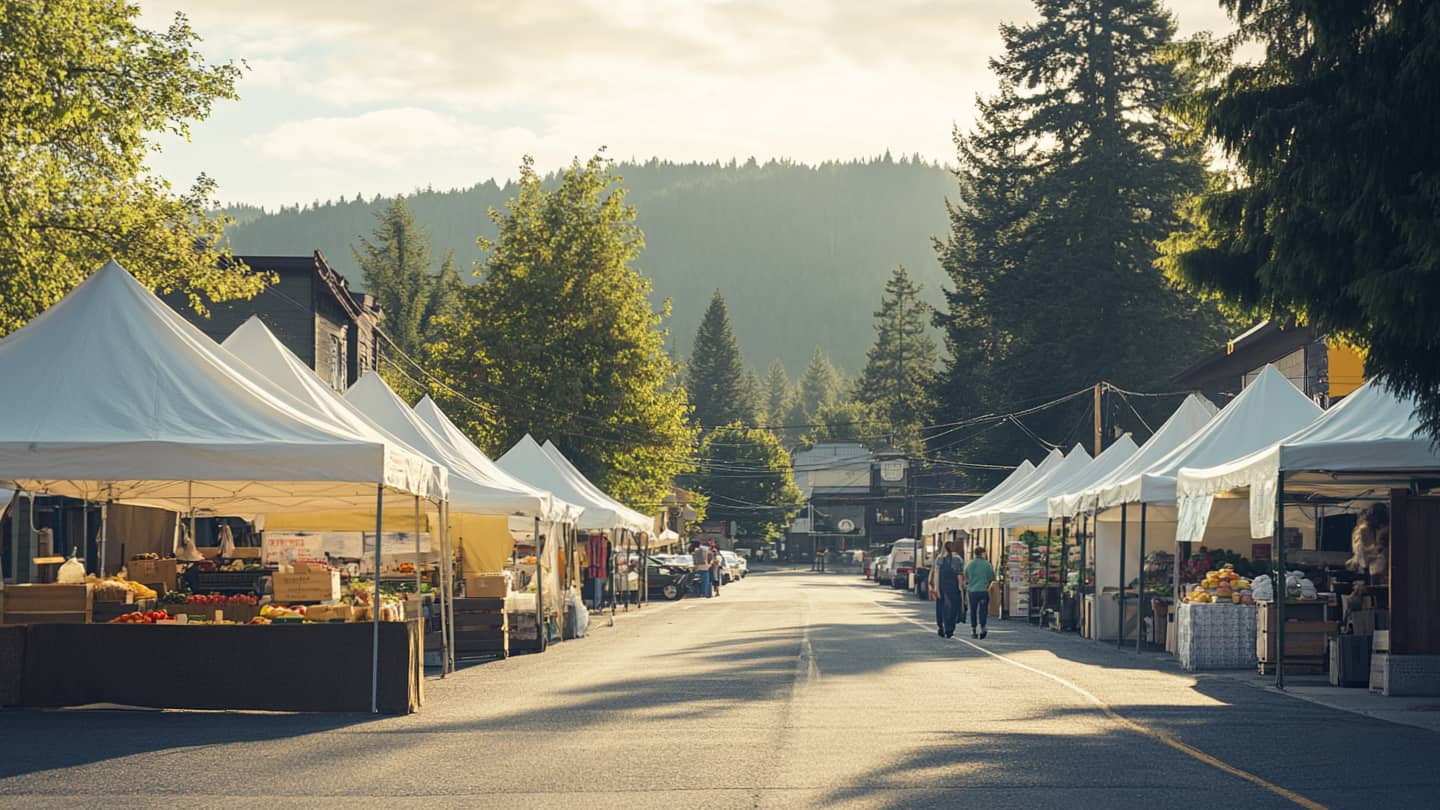
“Issaquah is where 100 miles of Issaquah Alps trails, a historic downtown, and Washington's most attended fall festival coexist 20 minutes from Seattle.”
Explore Washington State
Where to Stay
Hilton Garden Inn Seattle/Issaquah
Positioned within two miles of Tiger Mountain trailheads, Gilman Village, Lake Sammamish State Park, and Cougar Mountain Zoo. The best basecamp for most of what Issaquah offers, with an onsite restaurant and indoor pool.
Check ratesMarriott SpringHill Suites Issaquah
The closest hotel to historic downtown and Gilman Village, with a Pacific Northwest aesthetic, onsite bar, and indoor pool. The best choice for visitors focused on the downtown dining and shopping district.
Check ratesHomewood Suites Seattle/Issaquah
An all-suite, pet-friendly hotel with kitchen suites, an indoor pool, and two EV charging stations. Well-suited for longer stays or visitors traveling with pets.
Check ratesFind a Cabin Near Issaquah
Find a Cabin Near Issaquah
Food & Drink
Levitate Gastropub is the gathering place in downtown Issaquah, with locally sourced modern American cuisine, an outdoor beer garden in summer, and a strong selection of Washington craft beverages. Jaks Grill has been serving steaks and chops in historic downtown for over 20 years, with a brunch menu and wine list popular on weekend mornings. Issaquah Coffee Company in Gilman Village uses its own beans named for the city’s coal-mining history and occupies one of the district’s most characteristic spaces. The Well and Table offers farm-to-table cooking with outdoor seating overlooking Issaquah Creek. Vino Bella Wine Bar in Gilman Village pairs Italian-inspired small plates with live entertainment in an exposed-brick setting.
Festivals & Events
May
Duthie Jam
A laid-back community mountain biking event at Duthie Hill Mountain Bike Park, with group riding, music, and food trucks. Spectators are welcome; no bike required to enjoy the atmosphere.
June
Fenders on Front Street
On Father's Day weekend, hundreds of classic car owners line Front Street in historic downtown Issaquah for this free all-ages show. Thousands of visitors come to admire the cars, listen to live music, and walk the downtown dining district.
September
Issaquah Open Studio Tour
The Open Studio Tour gives visitors access to local artists working in their home studios across the city. Each studio hosts a demonstration or activity, allowing visitors to engage directly with the art-making process and purchase original work.
October
Salmon Days Festival
The first weekend of October brings more than 150,000 visitors to downtown Issaquah and the salmon hatchery for one of Washington's most attended outdoor festivals. Over 200 vendor and artist booths, live entertainment on multiple stages, and direct access to the salmon run make this one of the Pacific Northwest's signature fall events.
December
Issaquah Reindeer Festival
Cougar Mountain Zoo hosts this annual holiday event featuring Santa, reindeer encounters, guided zoo tours, and animal experiences. Considered one of the more distinctive holiday events in the Pacific Northwest, it draws families from across the region.
Day Trips
Bellevue (10 miles west) has the Bellevue Botanical Garden, Bellevue Downtown Park, and a walkable dining district. Snoqualmie (15 miles east) is home to Snoqualmie Falls and the Salish Lodge. North Bend (20 miles east) has the Mount Si trailhead and access to Twin Peaks filming locations. Kirkland (15 miles north) has waterfront parks and a strong downtown dining scene.
Planning Your Visit
Issaquah’s best seasons are fall and spring. Fall is peak: the salmon return to the hatchery from late August, the Salmon Days Festival fills the first weekend of October, and fall color on the Cougar Mountain and Tiger Mountain trails runs through November. Spring brings wildflowers on Tiger Mountain and the opening of the Lake Sammamish beach season. Summer brings heavy use at Lake Sammamish State Park and Poo Poo Point paragliding. Winter is suitable for hiking Tiger Mountain’s lower trails, which stay below snowline most years.
Planning a Washington trip?
That is the whole idea behind the Explore Washington State Card. Free to carry, with a little something waiting at participating places when you visit. Your zip code is a vote for which towns we sign up next, and our weekly Washington travel newsletter starts landing right away.
Get your free cardFrequently Asked Questions
What is Issaquah, Washington known for?
Issaquah is known for the Salmon Days Festival (first weekend of October, 150,000 visitors), the Issaquah Alps trail network (Tiger Mountain, Cougar Mountain, and Squak Mountain), Gilman Village’s historic shopping district, and the Issaquah Salmon Hatchery. It is also a well-known paragliding destination, with Poo Poo Point on Tiger Mountain serving as one of the premier tandem launch sites in the Pacific Northwest.
Is Issaquah worth visiting?
Yes, particularly in fall. The Salmon Days Festival in early October is one of Washington’s most attended outdoor events, and the combination of good downtown dining, the salmon hatchery viewing, and fall color on the Issaquah Alps trails makes October the best month to visit. The city is also a strong day trip from Seattle for anyone interested in hiking Tiger Mountain or a relaxed afternoon in Gilman Village.
How do you get to Issaquah, Washington?
Issaquah is 20 miles east of Seattle via Interstate 90, approximately 25 to 30 minutes without traffic. Take exit 17 for historic downtown or exit 15 for Gilman Village and the Cougar Mountain area. For transit, Sound Transit Route 556 runs between Issaquah and Bellevue every 15 minutes, connecting to the 2 Line light rail for Seattle.
When is the best time to visit Issaquah?
Fall is the best season. The Salmon Days Festival runs the first weekend of October, the salmon are visible at the hatchery from late August through November, and fall color on the Issaquah Alps peaks from mid-October through early November. Spring is second best for wildflowers on Tiger Mountain. Summer brings crowds to Lake Sammamish State Park and Poo Poo Point.
How many people live in Issaquah, Washington?
Issaquah has approximately 39,700 residents (2024 estimate). Despite its relatively small size, the city draws large numbers of visitors annually, particularly for outdoor recreation on the Issaquah Alps and the Salmon Days Festival.
What mountains are near Issaquah?
Issaquah sits directly at the base of the Issaquah Alps, a three-ridge system comprising Tiger Mountain, Cougar Mountain, and Squak Mountain, which rise to about 3,000 feet. For Cascade access, Snoqualmie Pass is 30 miles east via I-90, providing skiing in winter and Cascade trailheads year-round.