
Pierce County, Washington · South Puget Sound
Tacoma
Tacoma spent decades in Seattle's shadow, which left it free to build something genuinely worth visiting. Today the Museum of Glass, 760 acres of old-growth forest at Point Defiance, and some of the best waterfront dining on the South Sound make this one of Washington's most underrated destinations.
POPULATION
~222,000
FOUNDED
1875
FROM SEATTLE
35 min south on I-5
COUNTY
Pierce
KNOWN FOR
Museum of Glass, Grit City
WATERFRONT
2 miles along Ruston Way
Tacoma Washington sits 35 miles south of Seattle at the base of Commencement Bay, where the South Sound narrows and Mount Rainier fills the eastern horizon on a clear day. For years the city carried an unfair reputation, a leftover from the industrial era when paper mills defined the air and Seattle defined the narrative. What grew in their place is harder to dismiss.
The Museum District alone is worth the trip. Three institutions within easy walking distance: the Museum of Glass with its 90 foot hot shop cone where gaffers blow live demonstrations daily, the Tacoma Art Museum anchoring Western American art collections, and the Washington State History Museum covering 12,000 years of regional story. The Chihuly Bridge of Glass connects them all, a 500 foot pedestrian bridge designed by Tacoma native Dale Chihuly himself.
Outside the museum corridor, Tacoma rewards the visitor who stays past checkout. Point Defiance Park is 760 acres of old-growth forest, formal gardens, a working zoo, and waterfront access on a peninsula that juts into the Sound. Ruston Way lines two miles of waterfront with walking paths, seafood restaurants, and unobstructed views across the bay to Vashon Island. The Proctor District packs two blocks of indie bookshops, coffee roasters, and neighborhood restaurants into a hilltop neighborhood that operates at a pace entirely its own.
Tacoma is not a day trip from Seattle. It is a destination that happens to be close to Seattle. The distinction matters once you get here.
Getting Here
Tacoma sits 35 miles south of Seattle on I-5. In good traffic the drive takes about 35 minutes from downtown Seattle. Budget 50 to 60 minutes during weekday commute hours, when the I-5 corridor between the two cities runs heavy in both directions.
From Portland, Tacoma is 130 miles north on I-5, roughly 2 hours without traffic.
Sound Transit Sounder commuter rail runs between Seattle King Street Station and Tacoma’s downtown station on weekdays, with the trip taking about 55 minutes. It drops you within walking distance of the Museum District. Check soundtransit.org for current schedules and fares.
Tacoma Link Light Rail connects Tacoma Dome Station to the downtown core with stops convenient to the Museum District. [VERIFY: current fare and schedule at soundtransit.org before visiting.]
Parking downtown is manageable outside of event nights. Several garages and surface lots sit within a block of the Museum of Glass and Tacoma Art Museum. Street parking on Pacific Avenue fills quickly on Tacoma Dome event nights.
Things to Do
Arts
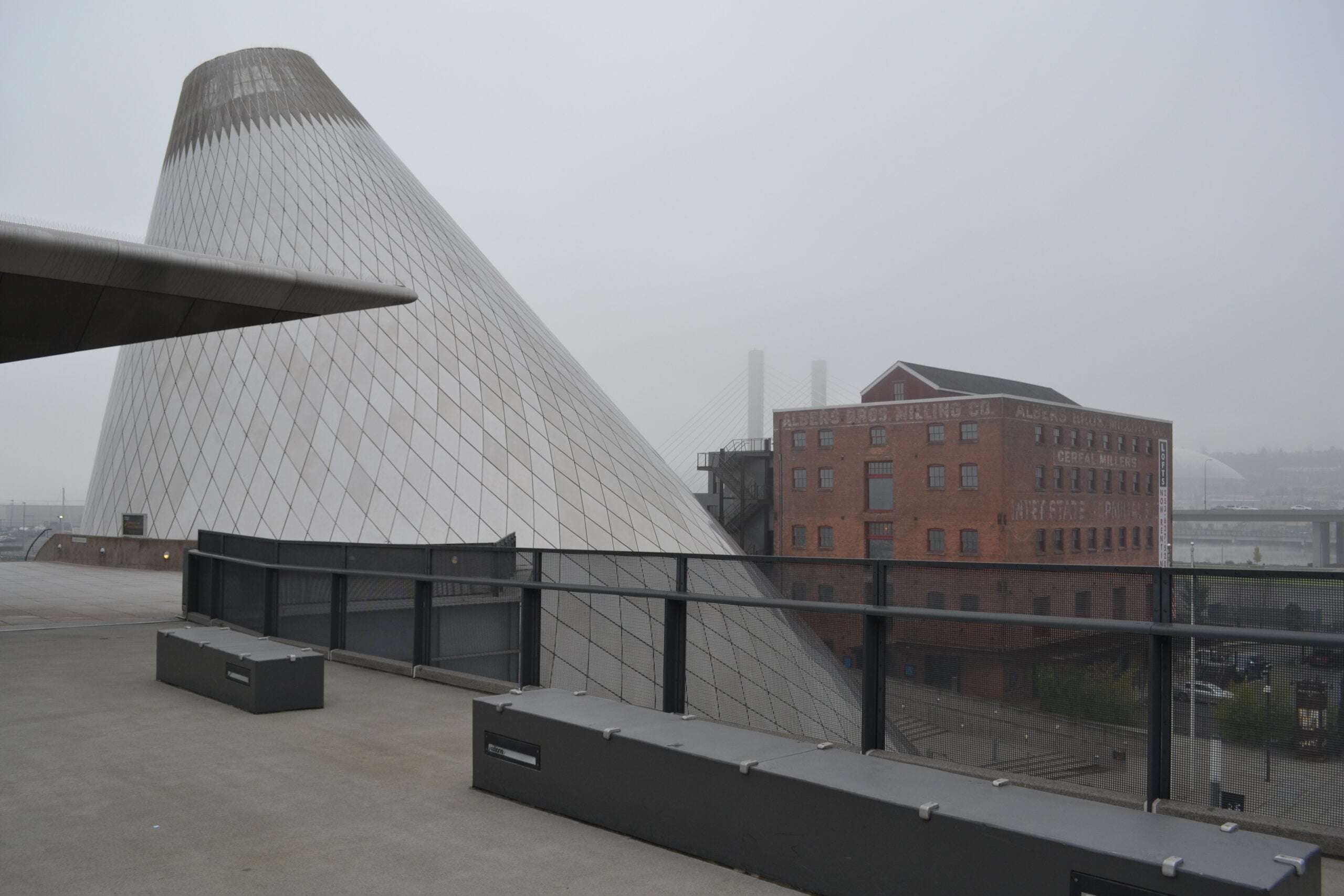
Museum of Glass
Dale Chihuly grew up in Tacoma, and the Museum of Glass is part of that legacy. The 75,000-square-foot museum opened in 2002 and focuses on contemporary glass art with a live glassblowing Hot Shop at its center. Demonstrations run daily and are worth timing your visit around. Plan 90 minutes to two hours for the full walk through.
Arts
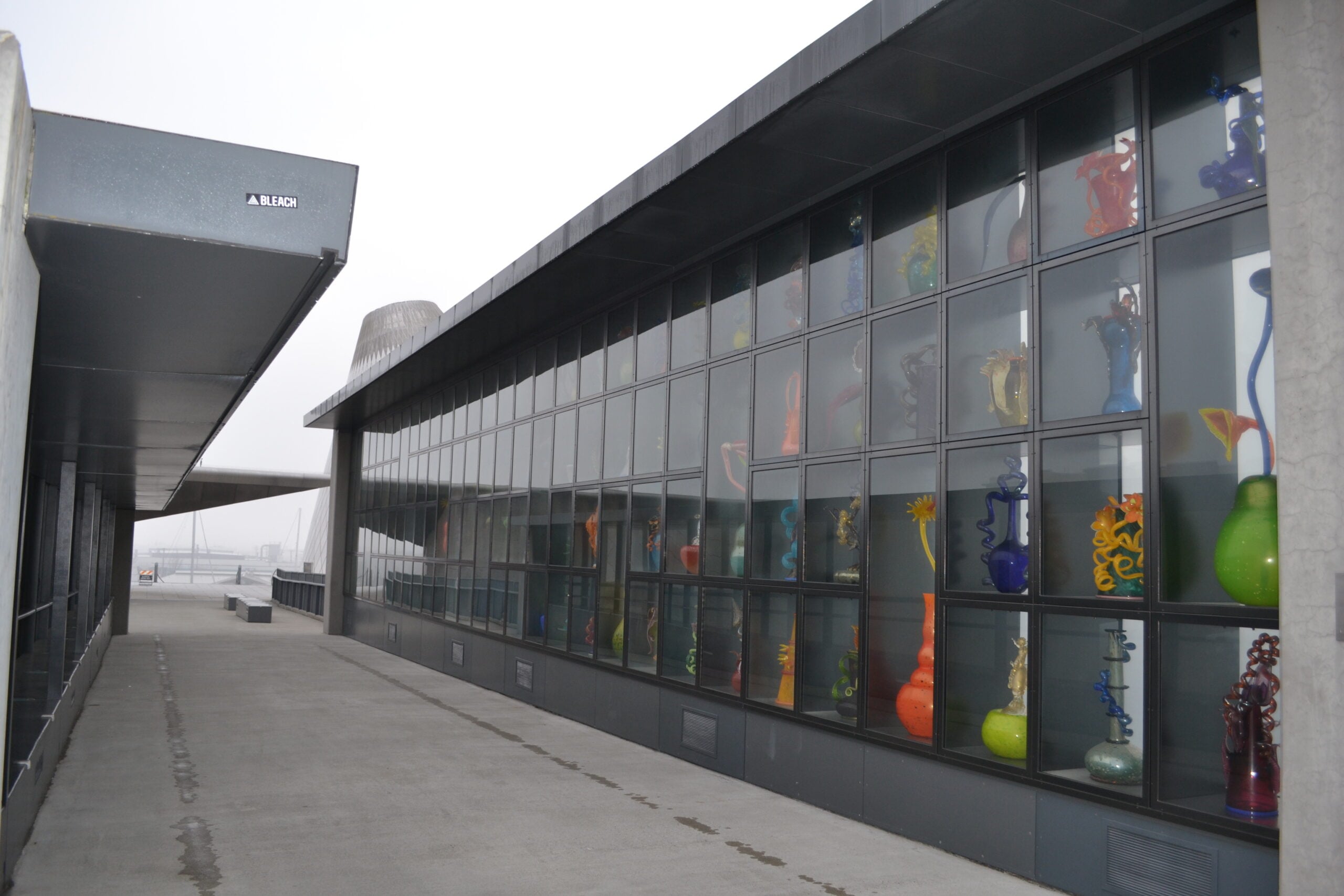
Chihuly Bridge of Glass
A 500-foot pedestrian bridge connecting the Museum of Glass to the Washington State History Museum, with three permanent installations by Dale Chihuly: the Seaform Pavilion, Venetian Wall, and Crystal Towers. Free to walk. A clear day makes the Crystal Towers more striking against the sky and is the most photographed spot in Tacoma.
Parks
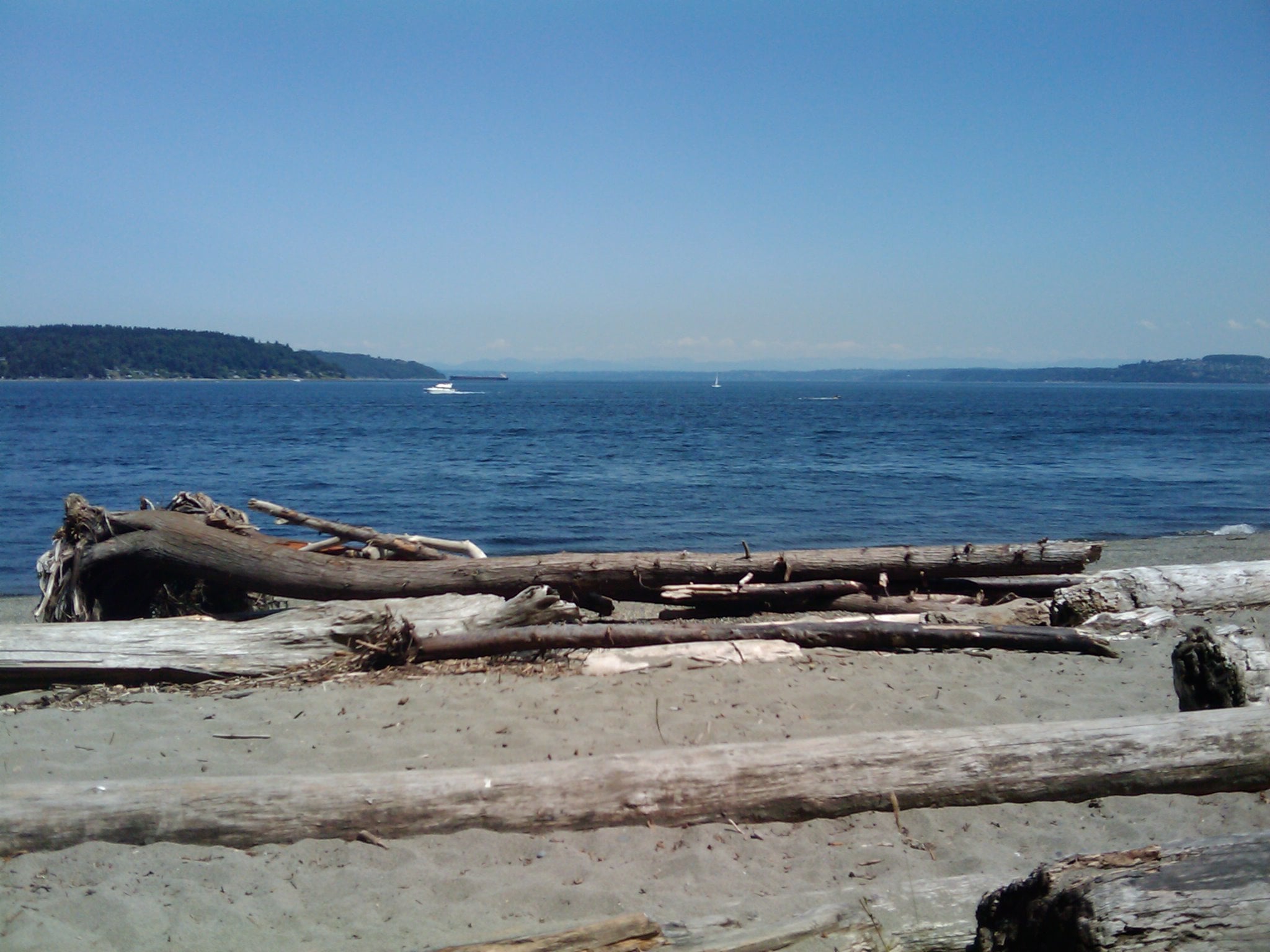
Point Defiance Park
760 acres of old-growth Douglas fir forest growing at the tip of a peninsula, with 15 miles of trails, shoreline access on Puget Sound, formal gardens, and a zoo. The Five Mile Drive loops the park perimeter and is open to pedestrians and cyclists most mornings. This is the non-negotiable Tacoma stop.
Family
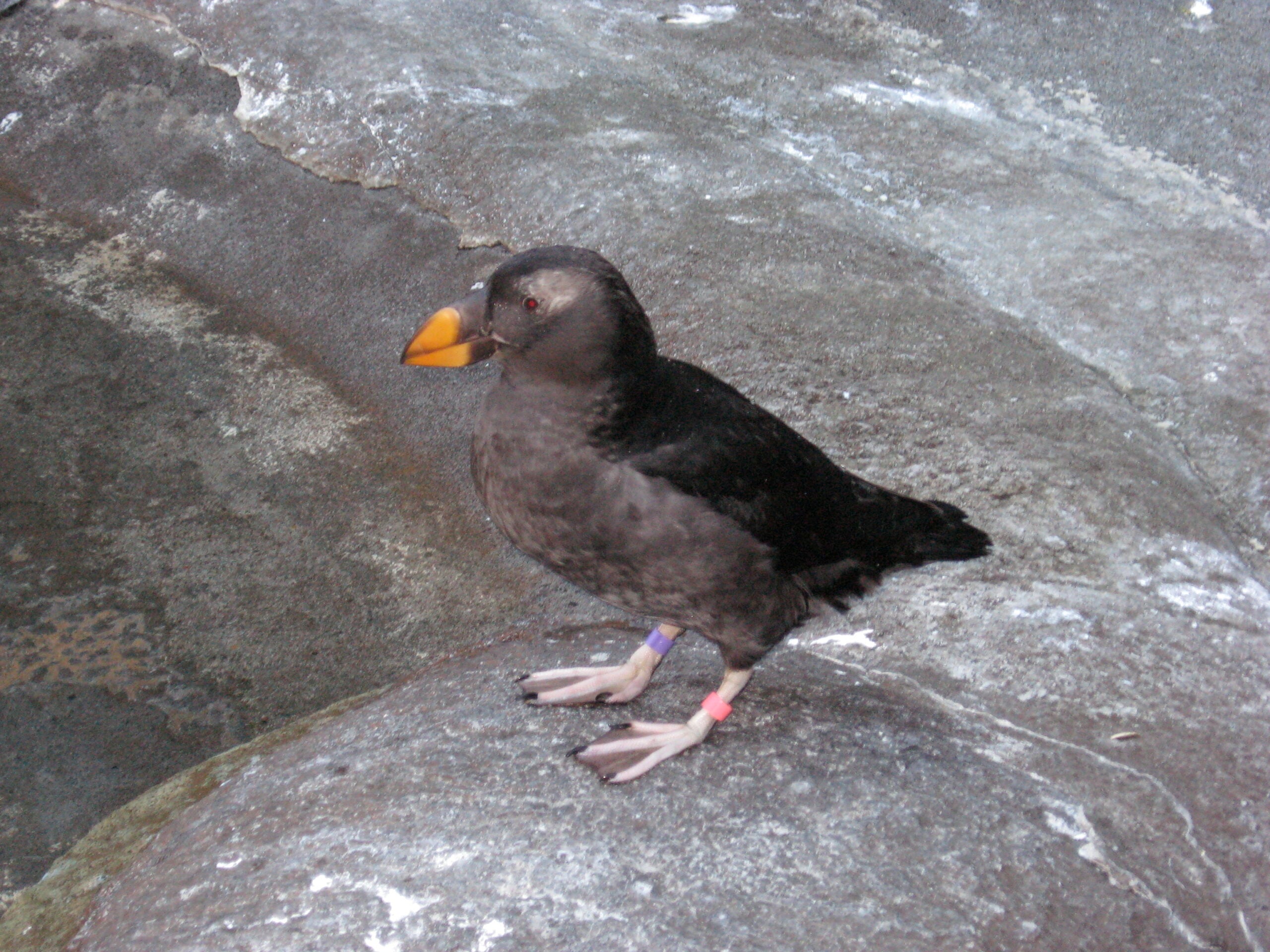
Point Defiance Zoo and Aquarium
One of the most visited zoos in the Pacific Northwest, set inside the Point Defiance Park grounds. Arctic tundra exhibits, a beluga habitat, Asian Forest Sanctuary, and South Pacific Aquarium are the main draws. Check the zoo website for current admission prices and seasonal hours before visiting.
History
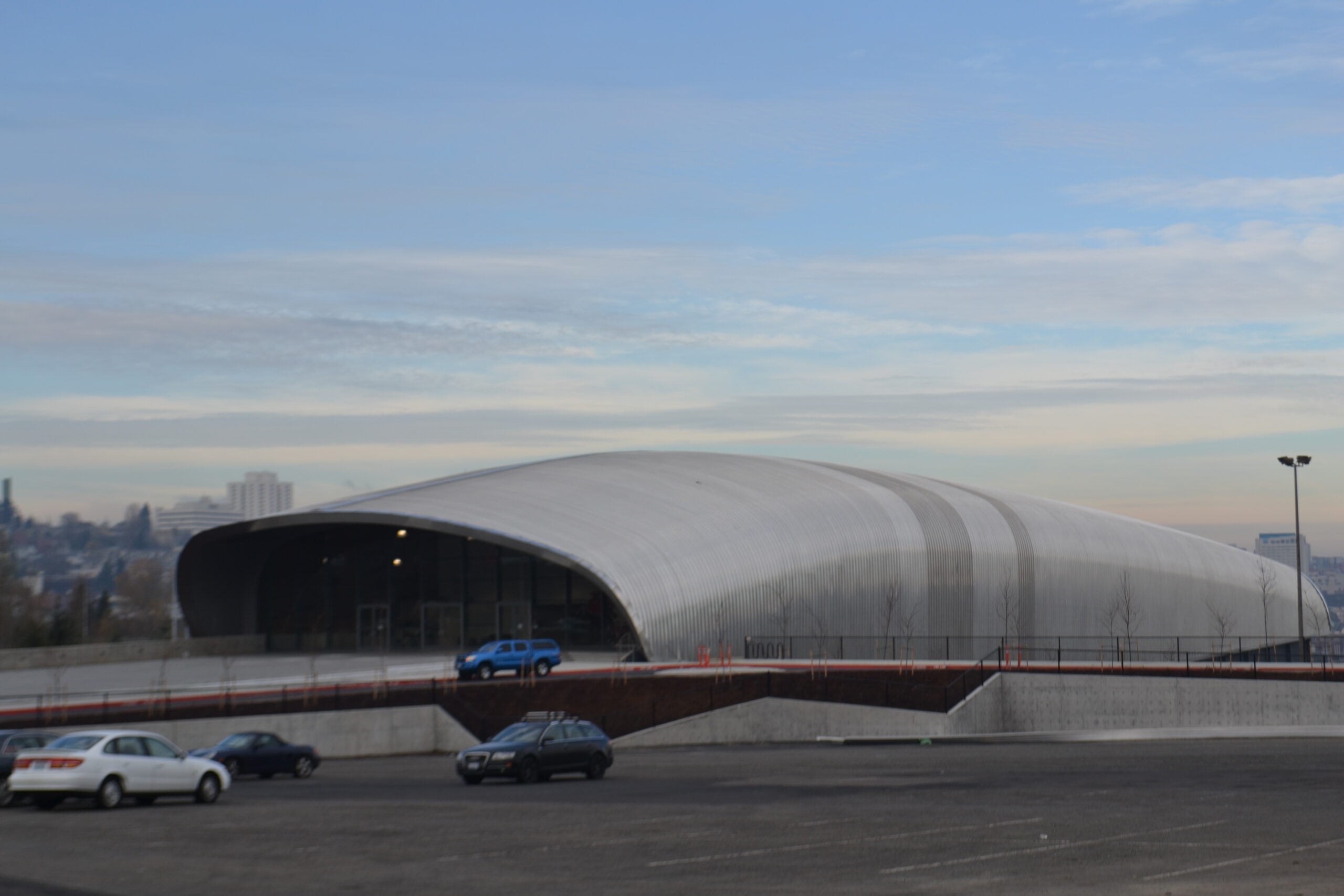
LeMay Americas Car Museum
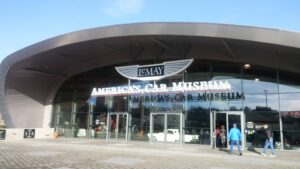
One of the largest car museums in the world, with more than 350 vehicles ranging from early horseless carriages to concept cars and racing machines. Named for Harold LeMay, who built one of the world's largest private car collections in Tacoma. The permanent collection covers the full arc of American automotive history in a way that holds attention even for non-car people.
Outdoors
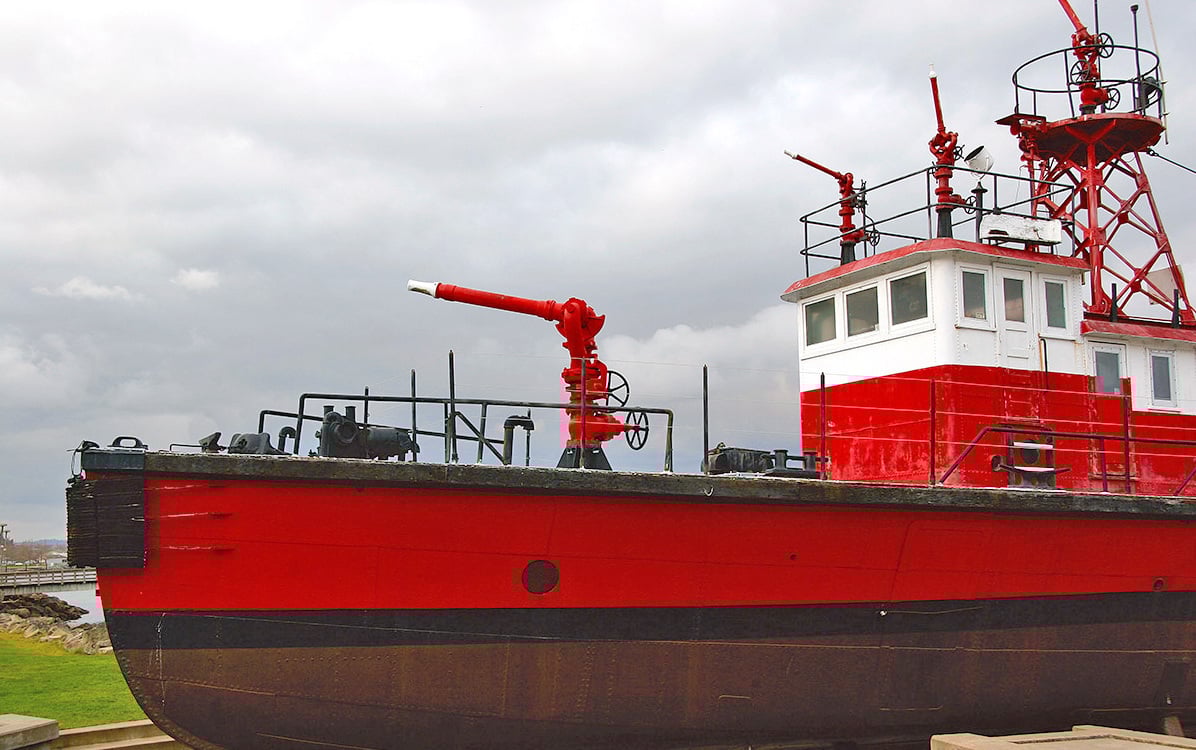
Ruston Way Waterfront
A 2.2-mile waterfront promenade running along Commencement Bay with unobstructed views of the water, Mount Rainier, and the Olympic Mountains on clear days. Walking, cycling, fishing from public piers, and several waterfront restaurants make this a full afternoon. Point Ruston at the north end adds shops, a cinema, and more dining options.
History
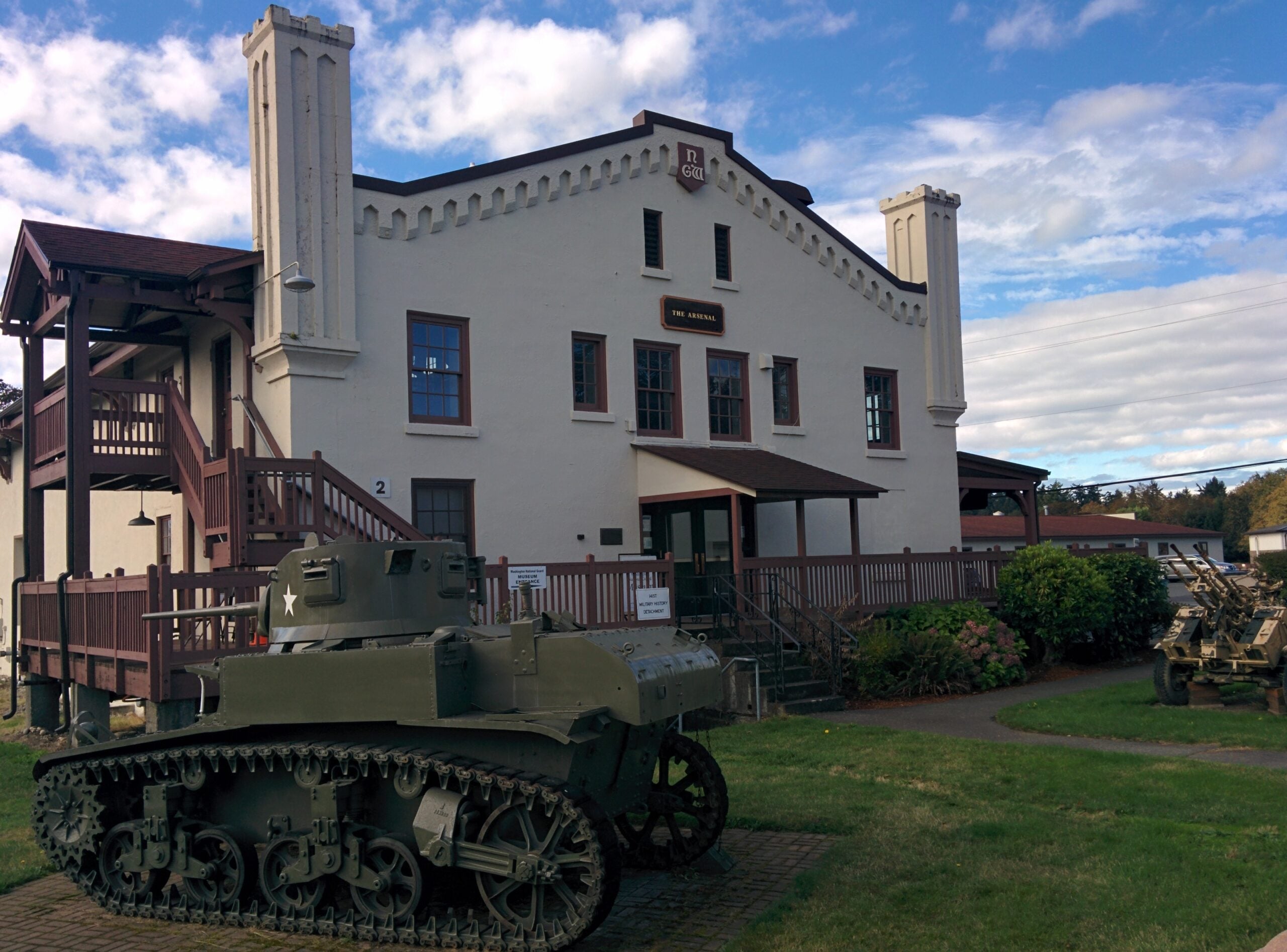
Washington State History Museum
The state's main history museum sits one block from the Museum of Glass and covers Washington from Coast Salish cultures through the modern era in roughly 100,000 square feet. The Great Hall's sweeping train diorama is the kind of exhibit that holds everyone's attention regardless of age.
Arts
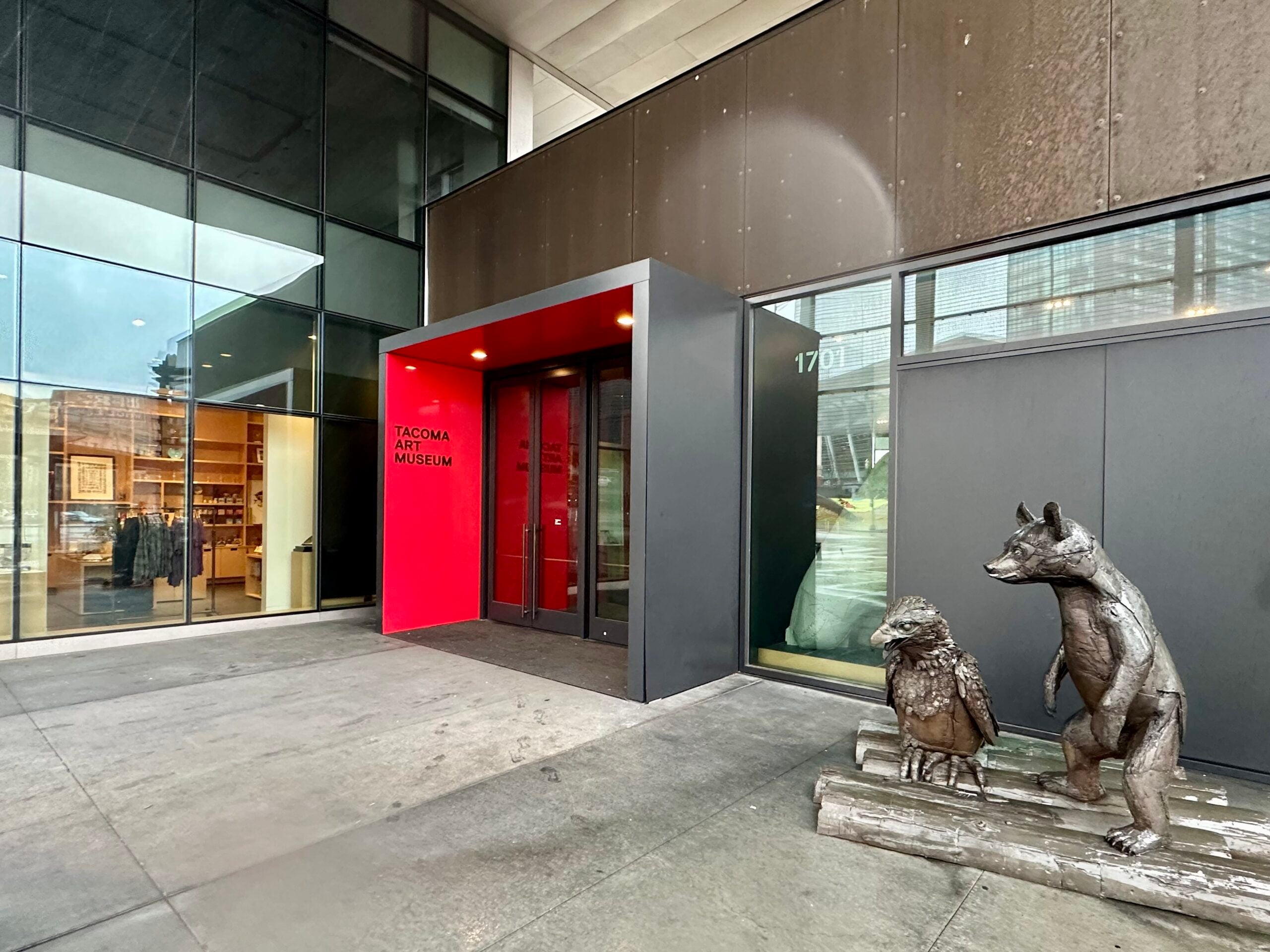
Tacoma Art Museum
The museum's permanent collection focuses on art of the American West, with a notable Northwest Coast Native art collection and rotating contemporary exhibits. The zinc-clad building by Antoine Predock handles natural light in a way worth noticing. Free on the first Thursday of each month.
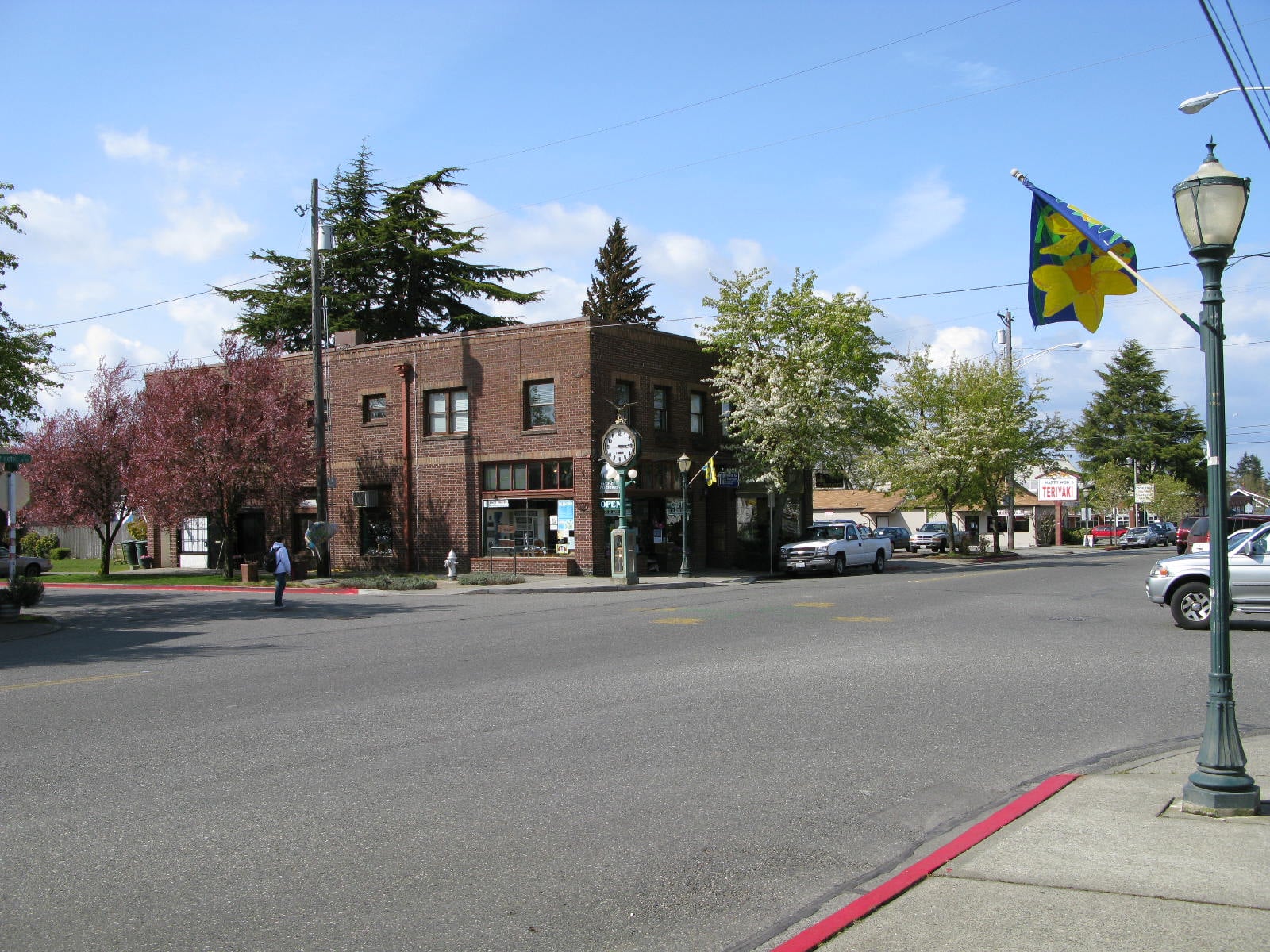
Culture
Proctor District
A walkable neighborhood of independent shops, bookstores, coffee, and restaurants centered on North 26th Street and Proctor Street on Tacoma's north side. Quieter than downtown and worth a half-day browse. One of the best examples of a functioning neighborhood main street left in the South Sound.
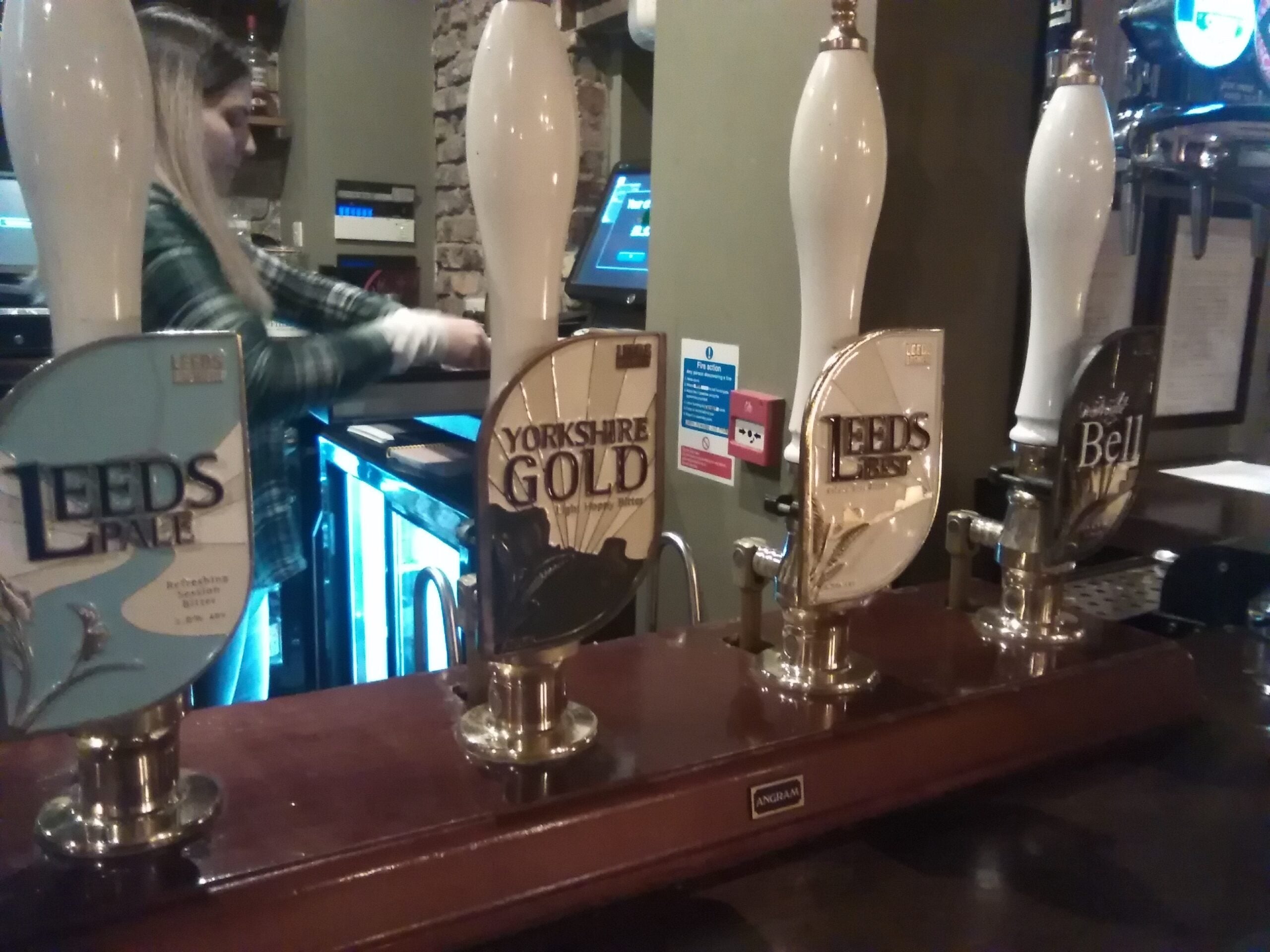
Food
Brewery District
Several craft breweries within walking distance of each other in a former industrial stretch south of downtown. The neighborhood has a genuine working feel, unlike manufactured beer districts in other cities. A good evening option after a day of museums, with multiple taprooms to choose from.
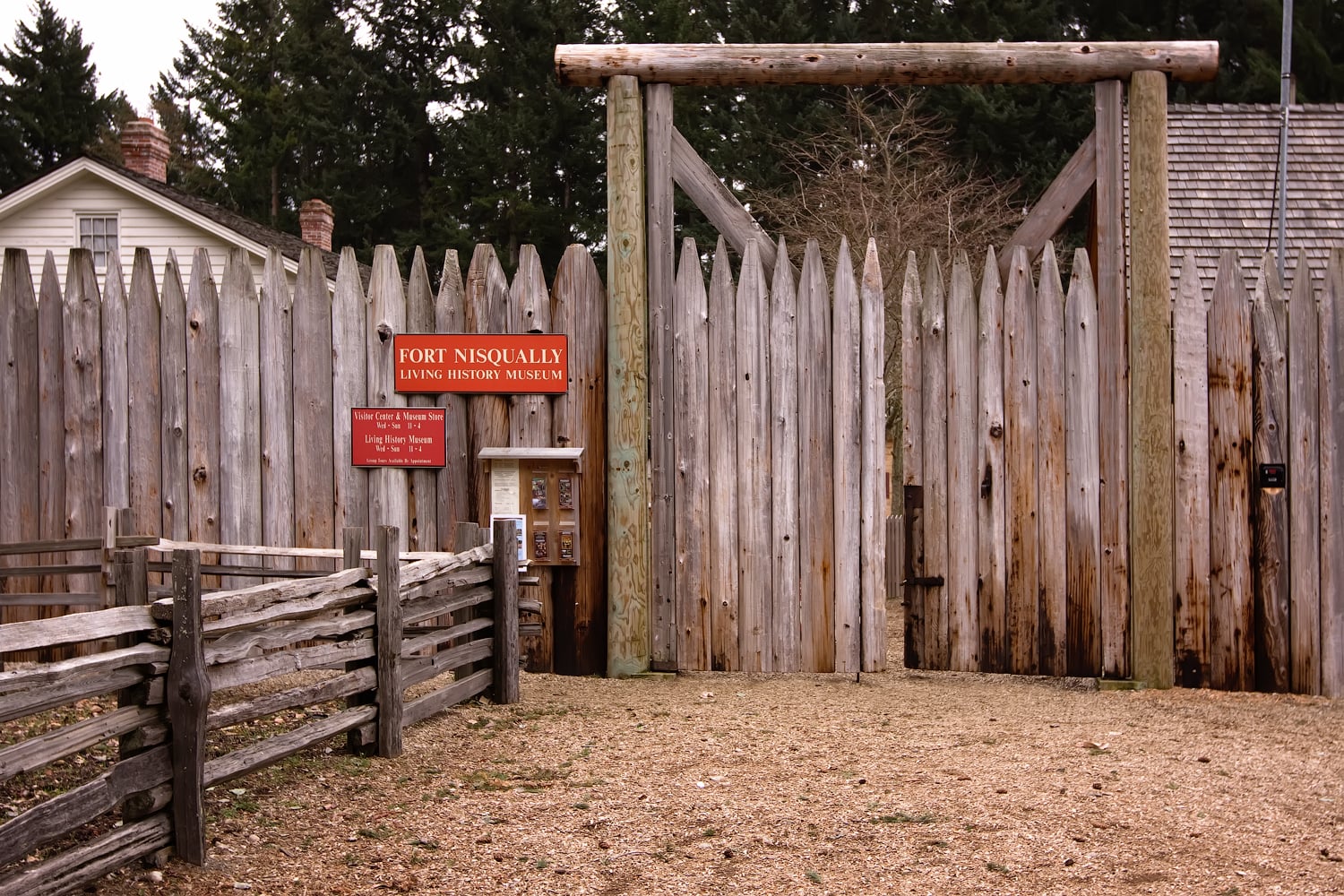
History
Fort Nisqually Living History Museum
A reconstructed 1830s Hudson's Bay Company fur trading post, relocated from its original Nisqually site to Point Defiance Park in the 1930s. Staff in period clothing demonstrate trade goods, blacksmithing, and frontier life. Two of the original 1843 structures are among the oldest standing buildings in Washington. Check current hours before visiting.
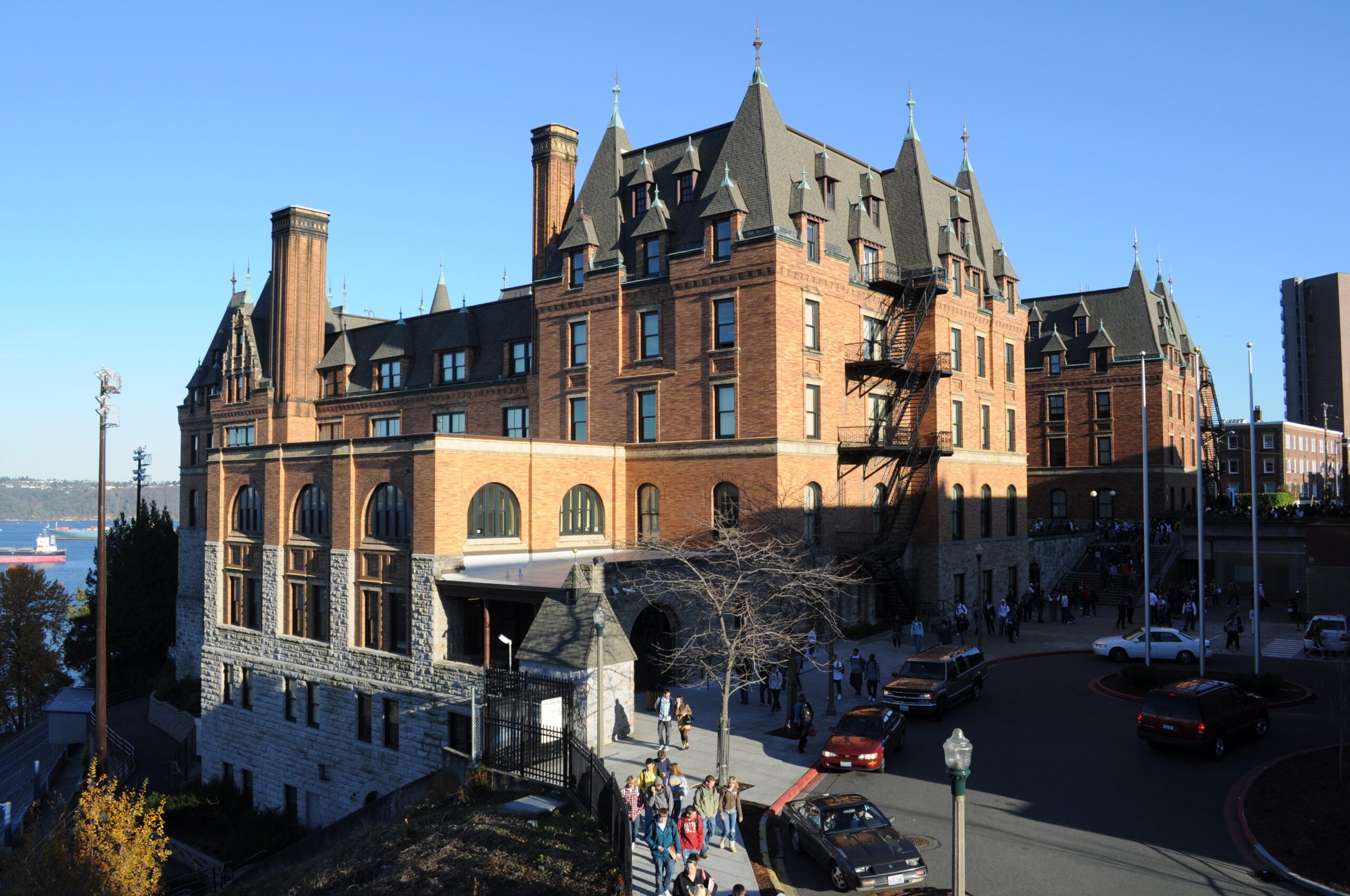
History
Stadium District and Stadium High School
Stadium High School occupies a French chateau-style building that was originally planned as a hotel in the 1890s, converted to a school after the Northern Pacific Railroad went bankrupt. The surrounding neighborhood preserves some of Tacoma's best Victorian-era residential architecture. The building is genuinely striking up close and is worth a slow walk around the block.
“Tacoma is not a day trip from Seattle. It is a destination that happens to be close to Seattle.”
— Explore Washington State
Where to Stay
Hotel Murano
A boutique downtown hotel with a museum-quality glass art collection displayed throughout the building. Walkable to the Museum of Glass, Tacoma Art Museum, and Washington State History Museum. Connected to the Tacoma Convention Center and a few blocks from the Chihuly Bridge of Glass.
Chinaberry Hill Inn
A Victorian-era bed and breakfast in the Stadium District, listed on the National Register of Historic Places. Rooms range from standard to suites with jetted tubs. A quieter option than downtown with walkable access to Stadium High School and the surrounding historic neighborhood.
Silver Cloud Hotel Tacoma Stadium
A reliable mid-range option in the Stadium District, within walking distance of Stadium High School and a short drive to Point Defiance and the Museum District. Free parking on site. Good base for visitors who want to spread out across different parts of the city. [VERIFY: current rates]
Cabins Near Tacoma
Pierce County and the surrounding foothills have cabin rental options for visitors who want to base outside the city. Washington Staycations lists verified cabin rentals within driving distance of Tacoma, including options near the Mount Rainier corridor.
Find a Cabin Near Tacoma
Find a Cabin Near Tacoma
Food & Drink
Pacific Grill (621 Pacific Ave) anchors downtown dining with an upscale Pacific Northwest menu built around local seafood and seasonal ingredients. The happy hour at the bar is one of the better deals in the Museum District corridor. [VERIFY: current hours]
Engine House No. 9 (611 N Pine St) occupies a 1907 firehouse in the Proctor District and brews its own beer on site. The space retains the original brick and brass fittings. The burgers are straightforward and the pints are consistent. [VERIFY: current hours]
Asado (2810 6th Ave) is a neighborhood Argentine restaurant on South 6th with a serious wine program and wood-fired empanadas worth crossing town for. The dining room fills on weekends. [VERIFY: current hours and reservation policy]
The Harmon Brewing Company (1938 Pacific Ave) anchors the Brewery District with a large open taproom and a rotating tap list that leans toward Pacific Northwest styles. Good first stop before working through the neighborhood. [VERIFY: current hours]
Festivals & Events
February
Wintergrass Festival
The Pacific Northwest's premier acoustic and bluegrass festival runs over a long weekend in downtown Tacoma each February, drawing national and regional acts across multiple hotel stages. [VERIFY: current year dates at acousticsound.org]
April
Daffodil Festival Grand Floral Parade
One of the oldest floral festivals in the country, running continuously since 1926. The Grand Floral Parade routes through Tacoma, Puyallup, Orting, and Sumner over several days in mid-April, timed to peak daffodil bloom across Pierce County. [VERIFY: current year parade dates]
June
Tacoma Pride Festival
Tacoma's annual LGBTQ+ Pride celebration takes over downtown each June with a parade, street festival, live music, and community events. One of the larger Pride events on the South Sound. [VERIFY: current year dates and venue]
October
Tacoma Film Festival
An independent film festival showcasing regional and national filmmakers across multiple downtown venues each fall. Includes features, shorts, and documentary screenings with director Q and A sessions. [VERIFY: current year dates at tacomafilmfestival.com]
Day Trips
Gig Harbor (30 min): Cross the Tacoma Narrows Bridge and you arrive in a waterfront town with a working marina, good seafood, and a completely different pace. Worth half a day at minimum.
Mount Rainier National Park (1 hr 15 min): The drive from downtown Tacoma to Paradise takes about 75 minutes via SR-706 through Eatonville. Tacoma is one of the closest major cities to the mountain, which makes a same-day trip to Paradise fully reasonable from late May through October when the road is open.
Seattle (35 min): Going the other direction, Seattle is a 35 mile drive north on I-5 or a 55 minute Sounder train ride from downtown Tacoma.
Northwest Trek Wildlife Park (45 min): Drive southeast toward Eatonville for a walk-through and tram-tour wildlife park featuring free-roaming Pacific Northwest animals including bison, elk, moose, and bighorn sheep. Better for families with younger kids than a standard zoo format.
Planning Your Visit
Tacoma earns a full two to three day visit if you take the Museum District seriously. The Museum of Glass, Tacoma Art Museum, and Washington State History Museum can fill a complete day if you linger at the Hot Shop and do not rush the galleries. Add Point Defiance and Ruston Way and you have a solid second day without driving far.
Summer (June through September) is the reliable choice for weather and the fullest event calendar, with Point Defiance Zoo running full hours and Ruston Way at its busiest. April brings the Daffodil Festival, which has run continuously since 1926 and is worth timing a visit around if you have flexibility.
Fall and winter thin the crowds noticeably. The Museum of Glass on a Tuesday in November is a different experience than a Saturday in July. All three Museum District institutions run year round. The Tacoma Art Museum offers free admission on the first Thursday of each month if budget is a consideration.
More Tacoma on EWS
Guide
Tacoma In Two Days: An Ambitious Itinerary
Story
Spending a Weekend in Tacoma
Story
Visiting Tacoma's Brewery District

Story
Visiting Tacoma's Point Ruston Way
Story
Visiting Tacoma's Proctor District
Story
Dive, Bars, and Drinks: Tacoma's Top 5 Dive Bars
Story
Dash Point Park and Pier
Story
LeMay Car Museum in Tacoma
Story
Browns Point Lighthouse Beach
Story
Point Defiance Park
Frequently Asked Questions
What is Tacoma known for?
Tacoma is best known for its Museum District, anchored by the Museum of Glass and the Tacoma Art Museum, and for the Chihuly Bridge of Glass connecting them. The city also has Point Defiance Park, one of the largest urban parks in the country at 760 acres of old-growth forest and Sound waterfront, and a growing arts and craft brewery scene across its historic neighborhoods. Tacoma native Dale Chihuly’s glass art installations appear throughout the city.
Is Tacoma worth visiting?
Yes, and it is consistently underrated relative to what it offers. The Museum District alone justifies a trip from anywhere in the state, and Point Defiance Park is a 760 acre peninsula with old-growth forest and Sound views that few cities can match. The Proctor and Brewery districts round out a visit with genuinely local dining and craft beer options that feel nothing like Seattle.
How far is Tacoma from Seattle?
Tacoma is 35 miles south of Seattle on I-5, about 35 minutes in light traffic and 50 to 60 minutes during weekday commute hours. Sound Transit Sounder commuter rail connects King Street Station in Seattle to downtown Tacoma in about 55 minutes on weekdays and is a good option if you are visiting without a car.
When is the best time to visit Tacoma?
Summer (June through September) offers the most reliable weather and the fullest event calendar, with Point Defiance Zoo running full hours and Ruston Way at its busiest. April is worth timing around the Daffodil Festival, one of the oldest floral festivals in the country. The Museum District runs year round, and fall visits have thinner crowds and easier parking.
How many people live in Tacoma?
Tacoma’s population is approximately 222,000, making it the third largest city in Washington State after Seattle and Spokane. Pierce County, which Tacoma anchors, has a total population of over 900,000, making it one of the fastest-growing counties in the state.
How far is Tacoma from Mount Rainier?
The drive from downtown Tacoma to the Paradise Visitor Center at Mount Rainier National Park takes about 75 minutes via SR-706 through Eatonville. This makes Tacoma one of the closest major cities to the mountain. The Paradise road is typically open from late May through early November depending on snowpack.
What neighborhoods are worth exploring in Tacoma?
The Proctor District is the most walkable neighborhood outside downtown, with independent bookshops, coffee roasters, and Engine House No. 9 in a historic firehouse. The Brewery District runs along the south edge of downtown in converted industrial space. The Stadium District is worth walking for Stadium High School alone, a French chateau building that stops people in their tracks.
What is the difference between Tacoma and Gig Harbor?
Gig Harbor sits 8 miles west of Tacoma across the Tacoma Narrows Bridge. It has a slower pace, a working marina, and a small-town waterfront character compared to Tacoma’s urban density. Many visitors pair the two: a day or two in Tacoma for the museums and parks, then a day in Gig Harbor for the marina and a different side of the South Sound entirely.