
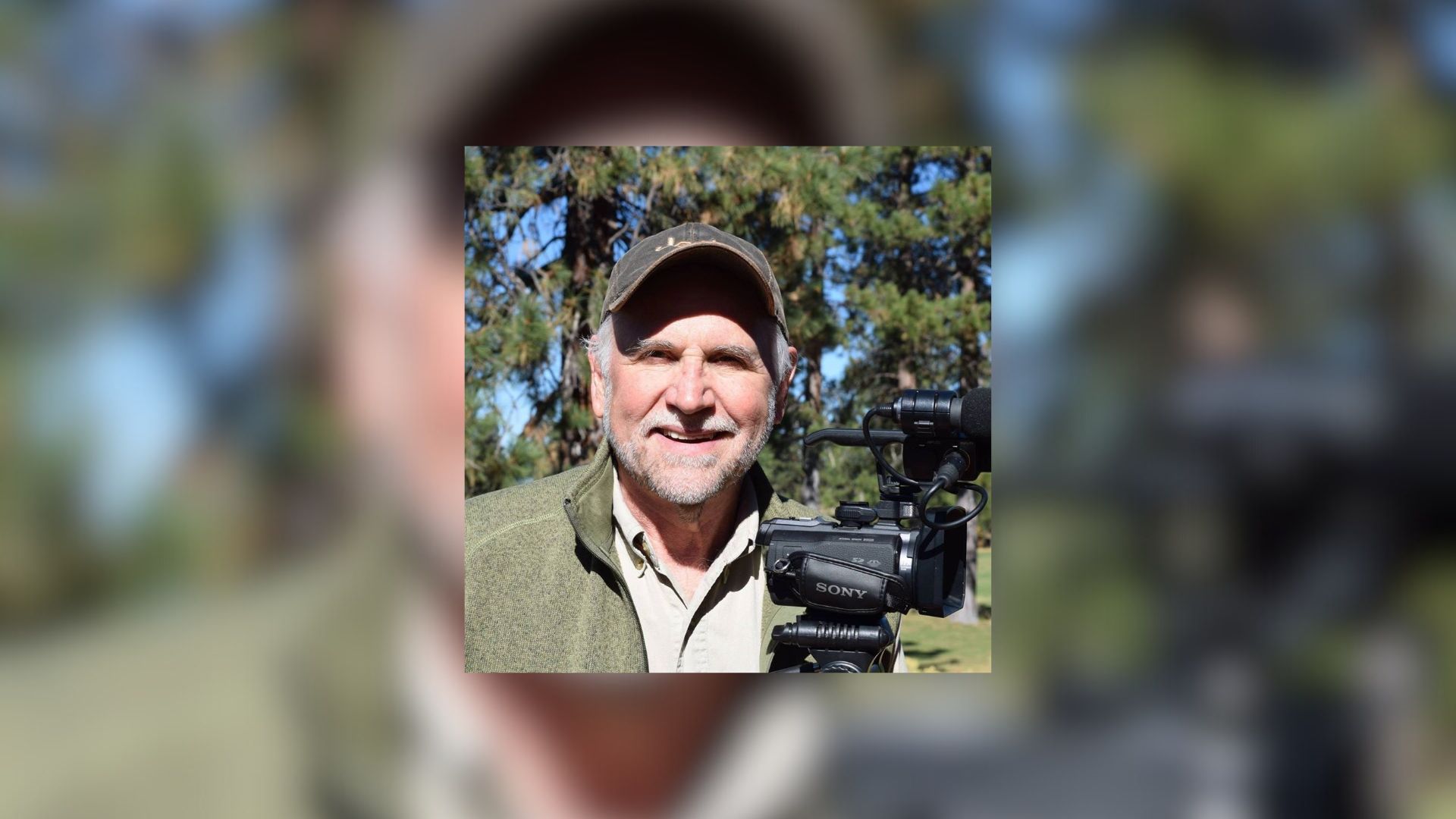
Brian Jennings Exploring Washington State with a Camera
Brian Jennings joins us for this episode. Brian is photographer who has captured images throughout Washington State.
Brian grew up in the Spokane area and spent his professional career in TV and Radio in Oregon and Washington. Now Brian explores Washington State and the rest of the U.S. and captures amazing images with his camera.
We chat about Washington State and some of the special places Brian enjoys visiting to capture images with his camera. The Palouse is a special place and Brian shares a lot of stories about his journeys in that area of the state.
If you like to hear about off the beaten path places, and if you have an interest in photography you will love this episode.
Make sure you take a look at Brian’s photography on his website.
Brian Jennings Episode Transcript
Scott Cowan [00:00:00]:
Has anybody ever, you know, proverbially came off the the porch with a shotgun and, you know, at some point What are you doing?
Brian Jennings [00:00:06]:
No. I I had I had one incident.
Scott Cowan [00:00:28]:
Welcome to the Exploring Washington State podcast. Here’s your host, Scott Cowan. Well, my guest today is Brian Jennings, and I first found out about Brian because Brian was sharing some of his photography on our Facebook group. And I liked what I was seeing. I went to his website, I reached out and we ended up having a nice conversation about well, Brian’s a native of Washington, well, originally from Washington state, and we’re going to talk about all that. But Brian, I, you know, we found you through photography. So why don’t you start this off and say, how’d you get involved in photography? Because that wasn’t your corporate career gig. Right?
Brian Jennings [00:01:08]:
No. It really wasn’t. It was I had an interest in it. I had been doing some TV at the end of my career for a Central Oregon group called Zolo Media. And Zolo Media had several TV stations, and they asked me if I would do some great outdoor reports. They had seen some of my writing in a weekly, and of course, they heard me on radio, many places, KXL in Portland, up in Seattle, KVI, King, and so forth over the years. So, I said, sure, that would be fun. And, what it did was force me back into an interest that I had, and that was photography.
Brian Jennings [00:01:49]:
I had to be able to show images. I had a great cameraman, but, with that said, I was always with a camera at that point. I was taking a lot of b roll for him while he was doing the main focus of the reports, and these were four to five minute reports each one per week. And so we did a lot of photography, videography, and it just got me interested in grabbing some beautiful things again because we were outdoors and it was wonderful.
Scott Cowan [00:02:19]:
Now that was in Oregon and you’re back up in Washington. My understanding is that you were born and raised in Washington.
Brian Jennings [00:02:28]:
That’s right.
Scott Cowan [00:02:28]:
And then corporate life moved you around a little bit, but now you’re back. And I guess, can we call you retired? Is that a fair word to use?
Brian Jennings [00:02:36]:
Yes. Tired for sure.
Scott Cowan [00:02:39]:
Tired? Okay.
Brian Jennings [00:02:40]:
No. Retired is a good word. And yes, I have been for about two and a half years now. And, so every day is Saturday and, you know, yesterday was Saturday and we went up to Port Townsend and it just goofed around and
Scott Cowan [00:02:55]:
Well, let’s let me ask you, let me let me put you on the spot. What did you guys do in Port Townsend? Because that’s a beautiful town. That’s that’s such a before we settled in Wenatchee, that was on our radar of places to kind of get away from the South Tacoma traffic. We’re thinking, oh, Port Townsend. So what did you guys do up there yesterday?
Brian Jennings [00:03:12]:
Well, it is a special town, and, they have wonderful restaurants. I was meeting with a long lost friend for lunch a lot excuse me. A lot I I had to clear out the old throat here. I used to have a voice. We were meeting with a long lost friend who, I haven’t seen in sixty years. And, he was a boyhood friend of mine when I was very young, and our mothers were best of friends. And we would get together. I lived on a farm in in in Spokane area, North of Spokane, and he would come out and we would he would stay the night.
Brian Jennings [00:03:54]:
We would do farm boy things, when we were just really, really young. And so we got onto a path in education by junior high. We were in different school districts, and and, we just got we lost touch, in life. And so, we, we found each other through Facebook and, for about the last year and said, Hey, we have to get together. So we finally did yesterday.
Scott Cowan [00:04:23]:
Well, see, that’s one of the things. I mean, Facebook gets kind of a lot of people, you know, we turn our nose up at it and blah, blah, blah. But there’s this element of being able to reconnect with people from our pasts that in your case, sixty years. Yeah. I went to an event last weekend from somebody I met through Facebook, a musician, and they were having a festival. So, we went to Orting and I’m there and we’re talking to a musician and he goes, Scott, I’d like to introduce you to Alan. And I look at Alan and Alan looks at me and I go, I think we worked together like thirty years ago. And he’s like, oh my gosh, you know, and it was just, you know, so that wasn’t directly Facebook, but it was kind of a byproduct of it.
Scott Cowan [00:05:04]:
Yeah. And it’s really quite fascinating that you can connect with people from thirty, sixty years ago and then get out and be social again. So that’s wonderful. So what else? So let’s talk about Port Townsend just because you were there yesterday. What do you find special about Port Townsend? What is it that, I mean, from a photography standpoint, where do you like to go and create photographic images, if you will, in Port Townsend?
Brian Jennings [00:05:35]:
Well, one thing is the ferry dock, the ferry terminal. And if you get up there on a hill bluff overlooking Downtown Port Townsend, you see the ferry coming in and out over the, downtown brick buildings, those antiquated buildings.
Scott Cowan [00:05:53]:
Yes.
Brian Jennings [00:05:54]:
And, that is a beautiful, beautiful sight. I have it both coming and going. And if you get it in different conditions with fog, with, the sun coming up, from the morning, you can get some wonderful images. And then if you just, go downtown, the old buildings themselves. I mean, it’s not too often that you see, advertising of yesteryear on the side of buildings. Bull Durham, the old tobacco purveyor, is prevalent on one of those buildings. You see that in the, Palouse area as well in some of the towns like Saint John’s and Palouse itself. So it’s it’s a throwback.
Brian Jennings [00:06:41]:
It’s a throwback to yesteryear and, and then the people. I mean, there’s unbelievable situations with street photography there. They have a wonderful harbor. The harbor itself is is spectacular, and you can just go on and on and on and on. You have the, the lighthouse area, which is terrific. You can go over there. Also, I would say Fort Wharton, which is just a mile away. Of course, that was where the movie, what, the gentleman?
Scott Cowan [00:07:18]:
Officer and gentleman.
Brian Jennings [00:07:19]:
Officer and gentleman was filmed. And you can get there in the quad. That is a really good place to film, to photograph, in the fall. There are so many beautiful, beautiful scenes up there. So that’s kind of what I’ve done up in Port Townsend.
Scott Cowan [00:07:37]:
Okay. So let’s go back because you’ve got, so one of the things we had talked about was some of your photography, and so you’ve done some amazing stuff in the Palouse, which being a West Side guy originally, I mean, I grew up, I spent the vast majority of my life living on the West Side Of The Cascades. I went to college in Ellensburg and I now live in Wenatchee. But so, I’ve maybe spent seven, eight years over here in Eastern Central Washington. The kind of, you know, the perception that I had, which was wrong, I’ll acknowledge that because I don’t want the people from Spokane to send me more hate mail like they did in one of the episodes. It was pretty funny. I said something
Brian Jennings [00:08:19]:
And I’m from Spokane. Story. You’re a true I know. Pretty not careful probably.
Scott Cowan [00:08:23]:
I know. But see, growing up, see, growing up in the seventies
Brian Jennings [00:08:26]:
Yeah.
Scott Cowan [00:08:27]:
Spokane had this stigma attached to it on in at least in my shallow, small West Side world. I mean, it was over there. It was just out there. It wasn’t part of us. So I had this poorly conceived notion that Spokane was meh. Spokane’s actually becoming one of my favorite places to go. I enjoy going to Spokane now. Yeah.
Scott Cowan [00:08:52]:
But I’ve always I’ve always thought I had this notion that Eastern Washington was barren and flat, and that’s simply wrong. Mhmm. And and I’m looking I’m on your website right now, and I’m looking at some of your Palouse prints, and it’s anything but flat. It’s visually stunning, and it’s phenomenal. So as a photographer, how do you go about capturing these these images? Because when I drive through when you’re on the road, you you when you’re on the road, it doesn’t seem like this magnificent, but your your shots are more I don’t know if they’re aerial or if you’ve just found a higher point that you’re shooting down on, I’m looking at one and it’s
Brian Jennings [00:09:43]:
not named. But it’s, I understand that what you’re driving at because when I first got into photography, I found the same thing. I said, well, where can I get great shots? Everybody can see it from the main road. You have to get off the beaten track and you have to take that dirt road, with a sign that says, there are no signs from here on out.
Scott Cowan [00:10:07]:
Primitive road.
Brian Jennings [00:10:09]:
And you just have to be brave enough to follow them. And, so that’s one of the tricks that I use. And I pour over maps a lot, Okay. Both online and paper maps as well. I talk to farmers.
Scott Cowan [00:10:27]:
Really?
Brian Jennings [00:10:27]:
Yeah. I will find a farmer and just talk to them, and they generally will warm up to me because I’m a farm kid. And, and I’m usually a little bit older than they are, now, and they understand that, you know, he he probably saw the farming days back in, you know, when when it was really right. And, so you warm up to them in that way, and you get to know, places that, that otherwise, unless you take the time, you won’t find. So it’s, it’s a quest. It’s an investigation. It’s, well, what’s around here, and what what does that old barn represent? Who owned that? In in the case of one barn down south of Pullman, the Weber barn, The guy who, tends the farm now came out and and greeted me, and we talked for about a half an hour. And he gave him the history of it and says, okay.
Brian Jennings [00:11:20]:
Now go take your pictures and enjoy it. So generally, you just, you handshake, look them in the eye, and then they trust you. Some photographers don’t do that. And, and they will tread upon land, trespass, and it really gives us a bad name, plus it shuts down a lot of photo ops for the future. So, tread lightly and, be a human beings. Shake their hand. Look them in the eye.
Scott Cowan [00:11:49]:
I bet you’ve got some stories though about not just that the Weber Barn, but what how about putting you on the spot, sharing another story about, you know, you’re up there on the primitive road and you find a farm and you want to explore it a little bit more because it looks like it might have a good photo op from it. Has anybody ever, you know, preferably came off the porch with a shotgun and What are you doing?
Brian Jennings [00:12:17]:
No. I I had I had one incident, somewhat like that in Leavenworth One time, not in the city itself, but in the Tumwater Canyon. And there was a beautiful barn, and, it was off the side of the road quite a distance. And there were no markers. Excuse me. There were no markers whatsoever and no fence line. And so I walked about a hundred feet into, off the road and into a grassy knoll area. And there was a farmer there and he says, it’s private property.
Brian Jennings [00:12:49]:
And I said, oh, it’s not marked. And gosh, I’m sorry. And I immediately, apologized and left. And he came back and says, that’s okay. He says, you’re right. It isn’t marked. And he says, if you wanna take a picture, go for it. And, and I said, I should have known.
Brian Jennings [00:13:06]:
He says, well, that’s okay. It wasn’t marked. You’re right. So, you try to avoid those situations. And I always look if there’s a fence line, if there’s a trespassing sign, a no trespassing sign, I do not cross that line.
Scott Cowan [00:13:22]:
Yeah. And that’s pretty wise. So, the photo that I’m still looking at is entitled Evening Shadows in the Palouse, with the images taken near sunset at Steptoe Butte. For those people that might be listening to this that are kind of gearheads, what gear were you using when you when you took that shot? I I on your website, you you you state that you use Sony mirrorless cameras. So what what model Sony are you typically shooting with right now?
Brian Jennings [00:13:51]:
I use a Sony a seven r mark two. II, and it’s a mirrorless camera of, it’s a beautiful camera. Being mirrorless, it’s a little more lightweight than a normal camera that is not mirrorless. It’s a camera that gives you 42 megapixels resolution, which is higher than most cameras.
Scott Cowan [00:14:18]:
And,
Brian Jennings [00:14:18]:
some other cameras are starting to catch up. Canon and and Nikon have both gotten into the mirrorless arena, and, they’re all great cameras. So with 42 megapixels, what that means is I could crop it down if I need to, and I’m still getting a great resolution picture with very little noise in it, if any. And it just gives you a lot of latitude to, to take great resolution pictures. Now the picture you’re looking at is not cropped whatsoever. And, and it’s a huge picture. So if it were printed out, it would be just beautiful. It would carry every pixel and every little tiny nook and cranny of that picture.
Brian Jennings [00:15:05]:
And, so that’s that’s why I use and the other reason I use Sony is because, when I was in radio, I always had a Sony recorder, and Sony recorders never let me down with audio. And so I just yeah. Sony’s a good product for me. That’s the reason I use Sony. Did you use their
Scott Cowan [00:15:28]:
before you went mirrorless, were you using Sony camera bodies, their other series of cameras? You know,
Brian Jennings [00:15:33]:
I started out, yes. I started out with basically an entry level Nikon, the D3000 model, they call it. Okay. Yep. And it’s a really good camera. It’s a moderately priced camera. It’s about $500. It’s, and a lot of people say, if I’m getting into photography, what would you suggest? I suggest that, Nikon d 3,300 now.
Brian Jennings [00:16:00]:
And, it’s a great camera to learn, and I used that for about two years, before I decided to go ahead and upgrade, to a Sony. And, not saying that Nikon isn’t as good as Sony. They are. There’s very little difference between, the major manufacturers of cameras anymore. It’s just a preference.
Scott Cowan [00:16:22]:
Well, it’s like I use the analogy of like, we both are driving pickup trucks. You have a Ford F-one 50 and I have a Chevy fifteen hundred. Right. They’re both reliable transportational gears from point a to point b. The knobs and dials are a little different on the Ford than they are the Chevy. So, once you get used to it, you’re able to go. I have both Sony and Nikon gear, and I’m inept. I’m completely inept with both.
Scott Cowan [00:16:48]:
It doesn’t matter what brand. I can mess it up. So, yeah, you know, what are you using so what do you use for, photo processing? Are you using, are you using Lightroom and Photoshop?
Brian Jennings [00:17:00]:
Or are you using I use Lightroom and Photoshop. I have used other, software as well. I started out with using CyberLink, photo director. And you know what? It’s a great product. Yeah. It really is a great product. I use that primarily in editing video and then I bought one of the photo software applications as well. And it’s a lot like Lightroom, although I found Lightroom to be a little easier and, and more possibilities in it.
Brian Jennings [00:17:37]:
And so I graduated over to Lightroom, oh gosh, about, two years ago.
Scott Cowan [00:17:43]:
And,
Brian Jennings [00:17:44]:
it’s it’s the best application period for any photographer. For any pro photographer, you have to have Lightroom, and you have to have know a certain amount of of Photoshopping, applications as well. Although I must say, I rarely use Photoshop. I just don’t like to use Photoshop, unless I’m doing a specially focused, picture or or something like that.
Scott Cowan [00:18:12]:
Right. Well, in keeping with our and, you know, if you haven’t figured out, we’re gonna bounce around a lot. But in keeping with our Palouse theme right now at the moment, I’m I’m taking a look at a couple of shots that you’ve done of, you know, Palouse Falls, which is an incredibly well well documented, well known, place in Washington. But I’m looking at one. Let me see. Is it it’s, you just have it titled Palouse Falls Of Washington’s official waterfall, but it’s kind of looking straight on at the falls. Where were you positioned to get that shot?
Brian Jennings [00:18:50]:
That’s really right at the main entry area, in the parking lot if you just park and walk a hundred feet right down to the, the fence. You can get any number of shots right there. And that’s where most people go, actually. But the one that you can see the river running back down beyond the falls is further up on a knoll that you have to climb up on. And you have to get within about six feet of the precipice. And it’s scary. It is really, really scary. I put my tripod as high as I could get it, so number one, I didn’t have to look down.
Scott Cowan [00:19:35]:
Sorry. I’m laughing because I wouldn’t go six feet to the edge.
Brian Jennings [00:19:40]:
And there are warning signs up there, and I saw a lot of photographers get much closer than I did. And there’s no way. No way.
Scott Cowan [00:19:51]:
So do you ever use do you ever do anything with a drone?
Brian Jennings [00:19:55]:
You know, I used to, but I finally, I owned three different drones in my day, and I loved them. And, but unless you want, the best resolution, the best photography in the world, you have to spend a lot of money, on a drone situation. I’m talking $1,015,000 dollars or more. And, I just came to the conclusion that it’s fun, but I want the best photography that I can get with my my Sony camera, and a drone isn’t going to do that for me. And so I I made the choice that, no, I’m not gonna do that. Plus, I found and, you know, you wanna be real really respectful on the use of a drone. You can’t fly them in wilderness areas. People do.
Brian Jennings [00:20:44]:
You can’t well, you can fly them over a wilderness. You can fly into it, but you can’t set down. So you have to be at the boundary. There are many places where where drones are banned, bird sanctuaries, on and on and on, and I can understand that. Plus, I I I got nervous of flying drones over crowded situations of people and so forth. So I just said, you know, not for me, not for me. I’ll stick my two feet on the ground.
Scott Cowan [00:21:17]:
I completely agree. So this is something I haven’t seen before, not that I’ve seen everything, but I’m looking at a photo entitled Round Barn in Saint John, Washington. By chance, I’ve never seen a barn structure that looks like this. By chance, do you know anything about the structure other than its Well, maybe very distinctive look?
Brian Jennings [00:21:40]:
Yeah. There’s a history behind the round Barn. They were popular from about 1900 to till about 1920, ’19 ’30. And the reason was is because they were cheaper to build. It took less wood, and the foundations were were easier, to handle. But what the round barn did was it presented the farmer, efficiency in the use of it, especially with their cattle. So they could in the round the these conical structure in the middle, they would put the hay, and the hay then would be forced down, and coming out of the, conical structure, there were numerous stalls that would face toward that. And so the cattle themselves would be head in to the center of the barn.
Brian Jennings [00:22:32]:
And there’s all also one practical, thing about that as well. Cows and manure, well, they do their job out of the barn, out to the edge of the barn, making it easier for the farmer to gather it and to get it out of the barn and to disseminate it. Now if they were wandering around the barn in any kind of direction and so forth, you have a mess, especially if a cow was on green grass. And Okay. You know, good luck there. So it was kind of smart in that regard. Yeah. You know, I wouldn’t say it on the air here or anything, but, you know, when a cow does its number, it’s pointing outward, and it’s just a lot easier.
Brian Jennings [00:23:18]:
They had their wheelbarrows right there on the round edge, and and they could scoop it up and, away they go. But if you have, you know, fifty fifty cattle mingling inside of a shed, there’s no way that they’re gonna point out for the convenience of the farmer.
Scott Cowan [00:23:37]:
Oh, see, I’m glad I asked that question because that’s not the direction I thought. No. I mean, I that’s the beautiful thing about doing this is I learn something every single episode. And if that’s the only thing I learned in this episode, well, so be it.
Brian Jennings [00:23:50]:
But I don’t even know why they used round barns.
Scott Cowan [00:23:53]:
Yeah. Well, let’s you grew up North Of Spokane, and so I’ve bounced over to your Spokane area prints. Mhmm. And this is where, you know, I I have to, you know, once again, confess my incorrect information about Spokane, but I am looking at a photo and I cannot make it tell me what oh, there it is. Duncan Gardens. I’ve never heard of Duncan Gardens. This shot is absolutely stunning. What can you tell us about Duncan Gardens?
Brian Jennings [00:24:27]:
Well, Duncan Gardens is the centerpiece of Manito Park, which is on the South Hill Of Spokane. It’s up about 20 First And Grand Avenue. And being from the area, I know it really well. It’s a very historic park. It’s one of the prettiest, I think, underrated parks anywhere in the world. I would put it on the scale of the Butchart Gardens almost in Victoria. And, it’s just a magnificent, magnificent park. I, you know, for me, it was a childhood thing.
Brian Jennings [00:25:05]:
I used to go there as a young man and a teenager, and and so whenever I go back to Spokane, I always like to drive through to see what’s happening there. They have a wonderful rose garden as well, a Japanese garden that is to die for. It’s a really, really, really amazing park.
Scott Cowan [00:25:26]:
Not that you are the not that you’re the spokesman for Manito, but about how big is that park?
Brian Jennings [00:25:31]:
Oh, gosh. I would say 20 acres.
Scott Cowan [00:25:36]:
Okay. So it’s a good sized park.
Brian Jennings [00:25:37]:
Yeah. It’s it’s a very big
Scott Cowan [00:25:38]:
park. Okay.
Brian Jennings [00:25:40]:
That might be a little bit big, but, yeah, it’s it’s right in there.
Scott Cowan [00:25:44]:
Okay. And so then I am looking at some Riverside Footbridge photos. Where on the Spokane River is this?
Brian Jennings [00:25:58]:
That is north. It’s up by the old Joe Albi Stadium area.
Scott Cowan [00:26:03]:
I haven’t heard that name in so long.
Brian Jennings [00:26:05]:
Yeah. Oh my gosh. That’s, it’s Riverside State Park, and it’s the bowl and pitcher that is so famous up there, and there’s a bridge that goes across the river that is famous, a a drawbridge, suspension type bridge. It’s it’s a wonderful place to picnic with your kids, with family and friends. It’s just a really wonderful, wonderful park. It’s one of my favorite state parks in Washington.
Scott Cowan [00:26:37]:
Okay. And this is so this photograph I’m looking at, you’ve got it titled Spokane Radio Tower. So I have a feeling based on your secondary description, you’re going to have a story here. So you said, although now a commercial station, this was one of the earliest non commercial station stations licensed in The US. So do you know the history of that?
Brian Jennings [00:27:02]:
A little bit. When I knew the station, it was KSPO, in Spokane, and now it, I think it broadcasts a business format. But early
Scott Cowan [00:27:16]:
on,
Brian Jennings [00:27:17]:
I think it was licensed to North Central High School or Lewis and Clark High School, one of the two. And it was, the very, very first kind of a public radio station licensed to a school, and they taught classes to their kids, to the students about being in radio. And so, it has that heritage, the tower itself right downtown Spokane, right on top of a building, and it just presented, you know, me being in radio for fifty one years. It presented an opportunity for me to be able to grab it on on as a photograph, because it presented so many great red flashing colors and so forth. And, you know, I just like it. It’s just part of my heritage, basically.
Scott Cowan [00:28:13]:
How did you totally jumping off your photography, but how did you get started in radio? What was the path that got you? Because you said you were a farm kid North Of Spokane. Mhmm. Was radio something you wanted to do as a kid or?
Brian Jennings [00:28:28]:
Well, when I look back at it, I think it was kind of predestined. When I was a very young child, 11, 10, We had a neighbor, farmer who, I respected and I was, you know, looked up to, and he built crystal radio sets. And so he built one for me and I ran the antenna wire outside my bedroom window, clear out to the barn, about 200 feet.
Scott Cowan [00:29:04]:
Okay.
Brian Jennings [00:29:04]:
And so here I was laying in bed at night, listening to radio stations all over North America. And it was fascinating. I would listen to Dallas. I would listen to Montreal.
Scott Cowan [00:29:16]:
It
Brian Jennings [00:29:16]:
was it was really amazing, and so I I I didn’t know. I just loved it. Later on, when I went to college, I went to Pacific Lutheran in Tacoma, and, PLU had an on campus radio station, KPLU, back in the day. The call letters have now changed. And, during my freshman year, one of my roommates said, let’s go take a look at the radio station, and this was in March of nineteen sixty eight. I was a freshman, and I absolutely fell in love with it. I said, Oh, wow, this is right here on campus. And, so I started investigating, and it was part of the speech communications department, and there, the Dean was Professor Ted Karl, and his main mate with the radio division, and they were doing a little bit of TV as well, was Judd Doughty.
Brian Jennings [00:30:16]:
And so, I became friends with Judd and, he guided me through a course. By the time I was a senior, I was able to do an internship at then KTAC radio.
Scott Cowan [00:30:30]:
Oh my gosh. I grew up in Tacoma. Yeah. I grew up in Tacoma. Okay.
Brian Jennings [00:30:33]:
And, Steve West was the program director of the station at the time. This was 1970. Okay. And so, I completed my very last course at, PLU was a one month internship and I wrote the paper and I’ve turned it in and that was in January of nineteen seventy one and I graduated with that ahead of my class. Well, a few months later, the program director, Steve West, moved to Spokane and programmed KJRB, my hometown station. And he called me and says, we have a news opening. And I said, I want it. And so I went back home and started my radio career basically there.
Brian Jennings [00:31:14]:
And from that, it led me to KXL in Portland, KJR in Seattle was all the same company, Kay Smith, radio and Danny Kaye was the owner operator. And so it was a good time and great times for radio.
Scott Cowan [00:31:31]:
Because, you know, I’ve heard of KJRB, but never listened to it. Because like I said, I was a West Side kid. So, you I grew up five miles from PLU. So, I grew up right in that neighborhood, KPLU that had that great jazz station. Okay. I don’t know if I was playing jazz in the late sixties or the seventies.
Brian Jennings [00:31:48]:
No, actually we were playing rock and roll. I was a station manager and I could do what I wanted. Okay. All right. Well, I’m going
Scott Cowan [00:31:56]:
to ask this question then. So it’s late sixties, early seventies. What were you playing on KPLU?
Brian Jennings [00:32:02]:
Smokey Robinson and the Miracles.
Scott Cowan [00:32:05]:
Okay.
Brian Jennings [00:32:06]:
War.
Scott Cowan [00:32:08]:
Okay.
Brian Jennings [00:32:10]:
All kinds of, you know, almost counterculture type of things, type of music. And, and then we did a lot of news around the campus, and it was always fun. We were always interviewing people around campus, and what are you doing? And what are you, you know, what’s your story? And it was a great way to learn, to be a communicator and to be in radio. It, you know, it began my career, and, so I owe, and fifty one years, I made a living doing radio. So
Scott Cowan [00:32:44]:
Would you but so you were you on the air at KJR in Seattle?
Brian Jennings [00:32:49]:
I I did never did worked at KJR. I knew Pat O’Day really well. Pat O’Day was the the main name there because he was part of our community. I had been hired by Pat, to be a news anchor, and then our regional program director got word of it, And he came to my office at KXL in Portland says, You do not want to take that job. And I looked at him, I said, It’s the dream job. It’s everybody’s dream job. Excuse me, and he said, There’s a reason for that. He said, the station is going to be sold, and you will not repeat that to anybody.
Brian Jennings [00:33:29]:
And so the station was sold, and it was sold to a different company, and they changed everything. And, you know, it wasn’t the culture that we were used to in K Smith radio at all. So I stayed at KXL, and I had a wonderful career there. I spent twenty years at KXL, and it’s the foundation of my journalism by far. And so, that was a good call and I appreciate Mel Bailey, bless his heart, for keeping me in Portland.
Scott Cowan [00:34:02]:
Why do I know that name?
Brian Jennings [00:34:04]:
Well, he was a great radio person in Portland, himself, KEX Radio. He programmed that radio station. But, not going to KJR didn’t mean that I didn’t come to Seattle. Mhmm. And several years later, I was recruited by King Broadcasting. I went there for three years and then I went over to KVI and, we established what then was thought to be and still is, the first all conservative talk lineup in America. And so, yeah, a lot of people will hate that. Other people will love it.
Brian Jennings [00:34:41]:
Whatever. I was the guy that did that.
Scott Cowan [00:34:46]:
So you were the guy that we can either praise you or throw rocks at you.
Brian Jennings [00:34:49]:
You were the guy. Either way. Yep.
Scott Cowan [00:34:51]:
Okay.
Brian Jennings [00:34:52]:
It was radio. It was radio. And there’s only one reason to be in radio, and that is to garner ratings and garner the the absolute most advertising revenue from those ratings possible. And you do formats that work. And this format presented itself, to work at the time, and it did. It was gangbusters. We went from number 23 in the ratings to number one, And it was a magnificent ride, and it put me on the map. And, all of a sudden, I was traveling all over The United States helping other radio stations do the
Scott Cowan [00:35:28]:
same. Wow. Okay.
Brian Jennings [00:35:33]:
So now you may want to end the interview because you know what I did.
Scott Cowan [00:35:37]:
No. No. No. I see. But see, I I I find it fascinating to hear business stories. Mhmm. And so just the facts of what you just shared was KVI was the twenty third rated station.
Brian Jennings [00:35:55]:
Right.
Scott Cowan [00:35:55]:
I didn’t know that Seattle had 23 stations, so it wasn’t They have
Brian Jennings [00:35:59]:
thirty, forty.
Scott Cowan [00:36:01]:
Okay. But so you were still lower third. The, you know, the KBI was not setting the world up.
Brian Jennings [00:36:09]:
If you’re not in the top five in the key demographics, your revenues are not nearly what they should be. And so, you have to break that top five, especially 25, 50 four adults. And once you’re in that category, then you are getting agency money all over The United States, and it makes a huge difference in your profitability and what a station can do. You can hire more news people, you can hire more producers, when you reach that goal. And so it’s a benchmark. It’s a benchmark for all radio stations.
Scott Cowan [00:36:54]:
And so, I mean, here, so just from the nuts and bolts of it, you took a struggling station and you grew it to number one in the market. And sales is a big market. I mean, nationally, it’s
Brian Jennings [00:37:06]:
Yeah. Then it was the twelfth largest market in the country.
Scott Cowan [00:37:10]:
Yeah. Exactly. So, that’s quite a turnaround. And, that’s absolutely fascinating to me. We could go down that rabbit hole the rest of the interview, but I’m gonna kind of reel myself back in and just say, let’s talk photography. And I’m gonna put you on the spot. I’m gonna give you two correct well, any answer is correct, but I’m gonna give you two options to the question, West Of The Mountains, East Of The Mountains. Okay? Mhmm.
Scott Cowan [00:37:37]:
Your next photography trip, where do you want to go? West Of The Cascades and East Of The Cascades? East.
Brian Jennings [00:37:48]:
I am heading East for great opportunities, primarily with Dry Falls area, Coulee Dam area. I’m gonna go back to Spokane in August and go to some places that I know are really great in August by Greenbluff and so forth, some barns I wanna be able to get.
Scott Cowan [00:38:17]:
So you’re gonna go back to so you’re in August, you’re going North of Spokane, barns, and that you want to take, all right.
Brian Jennings [00:38:26]:
So, and then in the fall, I have a trip lined up for the Grand Tetons and Yellowstone. And so I’ll be going through a lot of Montana, Wyoming, Idaho, and that’ll be about a two, two and a half week trip altogether. Should hit it right at the right time with a peak of foliage. Should be just wonderful.
Scott Cowan [00:38:50]:
Alright. So now your next Western Washington trip that you want to take, what would what would that be for Western Washington? Where where do you like to go? I mean, I’m looking at a photograph here of of Mount Rainier of, Reflection Lake,
Brian Jennings [00:39:05]:
which is,
Scott Cowan [00:39:05]:
you know, iconic. Yeah. Yeah. But what maybe give us an under I don’t wanna tell us your secret photo shots, but, you know, where’s an underappreciated part of Western Washington in your opinion for photography opportunities?
Brian Jennings [00:39:20]:
Well, it depends on how much time you have, but, one of my favorite places is to head for the beaches, Rialto, Ruby Beach, and those areas, on the peninsula. And fall is a good time, to do that. Anything around Puget Sound, summer wise is wonderful. We have great sunset opportunities here and, and great sunrise opportunities. So keep in mind where you want to be able to you know, have a a foreground that where the sun comes up, where the sun goes down, and, you can get many, many opportunities, that way. So I would say anywhere from, Gig Harbor, north to Port Townsend, make your way over Crescent Lake, go to Ruby Beach, go to Second Beach, and go to the whole rainforest, one of my favorite areas. But the best time to see that and and to photograph that is in the early spring, when you’re getting more moisture. So, you know, the the opportunities are absolutely endless.
Brian Jennings [00:40:35]:
I, I just get up in the morning and say, hey, what do I wanna do? And, and the other thing is is that that good photographers, will photograph early in the morning and then into the evening the best opportunities for colorful light. And so you have to plan that in. So in other words, you take long naps in the middle of the day.
Scott Cowan [00:41:03]:
Right. That’s one of the reasons why I’m probably never gonna be a good photographer is the whole golden hour chasing the golden hour just doesn’t work in my sleep schedule.
Brian Jennings [00:41:12]:
Yeah. Yeah.
Scott Cowan [00:41:13]:
No, but I but you’re absolutely correct. I’m looking at a photo that you took at Port Ludlow on the golf course. Mhmm. And, you know, it’s you’ve got the light hitting, past the green. Yeah. The sunlight’s hitting there. And you’ve got the flowers in bloom in front, right in the forefront. But the question I have about that photograph is, are you a golfer or did you just go out there to be a photographer that day?
Brian Jennings [00:41:39]:
No, I went out to be a photographer that day. I do golf, but not that often And I’m horrible. Well, I
Scott Cowan [00:41:47]:
was just going to say, if it were me taking that shot and you know, that’s where the ball would be. I would have been in the rough and just Jesus. Yeah.
Brian Jennings [00:41:56]:
Well, I enjoy golf and I enjoy playing with good friends, but it’s not a passion of mine. Photography is a passion.
Scott Cowan [00:42:08]:
I’m just, I mean, I’m going through all of these and that’s a beautiful shot. We don’t talk about Canada too much on the show because it’s Washington state, but there’s a Cardona Lake. Wow. That’s beautiful.
Brian Jennings [00:42:20]:
That’s up in the British Columbia Rockies.
Scott Cowan [00:42:23]:
Yeah. It’s absolutely beautiful.
Brian Jennings [00:42:25]:
Up on a 20 mile end to the wilderness on horseback. And so very, very few people will see that shot, that mountain and the lake at any time in any year. You just don’t have that. 20 people may see that in a year’s time.
Scott Cowan [00:42:44]:
So, when we were scheduling this, you were taking a trip down to, I think, to Mount St. Helens. I did. Okay. And I’m looking on your site. Is this Mount St. Helens shot, Is this new, like from that trip or is this? Yes. So this is very recent.
Scott Cowan [00:43:01]:
Yeah, this shot.
Brian Jennings [00:43:02]:
Yeah. Wow. Yeah. Early morning.
Scott Cowan [00:43:06]:
So, you know, this is an audio show, so it’s hard to paint that visual picture, but I’m looking at some wildflowers and then we’re looking up at where the crater, where the mountain blew and it blew the walls off. About how far away from the mountain were you when you took the shot?
Brian Jennings [00:43:26]:
if you were there, when it erupted and took that picture, you would have about ninety seconds to live.
Scott Cowan [00:43:38]:
Yeah. Okay.
Brian Jennings [00:43:40]:
So, within two miles.
Scott Cowan [00:43:43]:
Okay. Yeah. Because that’s the detail of the mountain is, it’s really impressive because I just zoomed in on it and
Brian Jennings [00:43:54]:
Yeah, that’s, it really is amazing to see the mountain at that level. And the eruption itself was a 500 mile an hour blast And it was sideways where I took that picture, it came right over where I took that picture. And there was old growth timber right there, 150, two hundred years old, 200 feet tall. And it took those like matchsticks, blew them right off the ground and deposited them three miles away in another valley. So that’s how powerful that blast was.
Scott Cowan [00:44:37]:
You know, I mean, okay.
Brian Jennings [00:44:40]:
Yeah. It was amazing. It really was.
Scott Cowan [00:44:42]:
And I did not. I did not know that.
Brian Jennings [00:44:44]:
I was at KXL radio at the time and of course I covered the eruption twenty fourseven as did all the Seattle stations. And, so going back there and seeing that, I hadn’t been back in twenty years at least. And to see what’s occurring with the foliage and the growth and the return to nature is really, really interesting and fun to see.
Scott Cowan [00:45:13]:
Absolutely. I’m just kind of stunned and I’m looking at full moon setting, full moon setting over the Cascades on Good Friday morning twenty nineteen.
Brian Jennings [00:45:23]:
Oh, yeah. Down by Redmond, Oregon. Wow. Yeah. In fact, I lived within about a quarter mile of that scene.
Scott Cowan [00:45:33]:
Okay.
Brian Jennings [00:45:34]:
And so I could just walk onto some BLM land, which is public land, and set up on a ridge and catch the sunset, catch the sunrise over the 3 Sisters Mountains. And, that’s one of the most beautiful, panoramas of the Cascade Mountains anywhere, I think in Oregon or Washington. It’s really a magnificent setting.
Scott Cowan [00:46:01]:
Well, we’re gonna completely shift away from landscapes now. I’m looking at your vehicle photography. What is the story with this Gene Autry bus?
Brian Jennings [00:46:15]:
Well, that sits, it sits in Palouse, Washington, and in the town of Palouse. And I was there just going through town and I looked at it and I said, oh my God, that is so cool. It is one of his old tour buses that he used.
Scott Cowan [00:46:36]:
Oh, it really was a Gene Autry tour bus. Yes. Oh my gosh.
Brian Jennings [00:46:41]:
And I worked for Gene Autry. He owned KVI radio at one time for many, many years in Seattle. And so, I had to take that picture. It’s magnificent, it just sits there. One of the town residents owns it and parked it there. That’s about all I know of it except that, yeah, that’s a real authentic thing.
Scott Cowan [00:47:10]:
So I’m looking at this bus and it’s rusting, paint is, it’s been painted several times obviously through its history, different color patterns. But the first thing I noticed that that just to me just seems very out of place is the pristine instrument cluster. The whole the whole bus is rusting. It is you you know, right, it’s rusting. The paint is peeling. Then you look through the windshield and there is the instrument cluster above the windshield and it’s gold and the paint looks perfect. So it just seems very odd
Brian Jennings [00:47:48]:
to me. And that’s something I didn’t even realize, you know, when I when I took that picture. I was trying to get the grandeur of it and the out look of it, but I didn’t pay much attention to what else was in it.
Scott Cowan [00:48:04]:
Have you ever been is it in Washtucna that has that the bus that’s called that northwest bus? I’ve heard of
Brian Jennings [00:48:11]:
it, but I and I’ve been through there, but I haven’t, I haven’t really discovered it.
Scott Cowan [00:48:16]:
I I stopped there one time, and and they had moved it to a a private parking lot that you can go to. It’s a dirt lot.
Brian Jennings [00:48:23]:
Mhmm.
Scott Cowan [00:48:23]:
And, you know, it’s an old city transit bus probably from, I don’t know, late sixties, early seventies. It’s, you know, it’s newer than this Giannattre bus, but it’s not a new and there’s no glass in it. It’s all been removed and it’s every square inch of it has been painted creatively. And, so I was driving out that way. And so I just, oh, I should stop and take a look at this just because I’m aware of it. And there was like 12 people there taking photographs of that thing. I think there was more people there than there were in the town.
Brian Jennings [00:48:54]:
Wow. Yeah.
Scott Cowan [00:48:55]:
And I just so this bus kind of in a way jog that man for me. But what is it about vehicles that you like? Because you got some well, like, you’ve got this egg and I farm, the the international harvester, and I and that’s a, wow, that’s a cool shot. Why what what do you what grab why do you gravitate towards vehicles?
Brian Jennings [00:49:21]:
History. I think it’s a throwback to yesteryear. I think it’s a cool look, and I like that sort of thing. It just draws me for whatever reason. But the Egg and I, truck is based upon the novel by Benedict McDonald in Washington state in the nineteen forties. And her book was called The Egg and I. And it was a wonderful, wonderful novel for its time and widely read. It became a million seller, and she received accommodation from the governor at the time.
Brian Jennings [00:50:00]:
And the ranch, the farm was called the Egani. And, she and her husband at the time, established a, egg chicken farm there. They were from Seattle. And, she tells all these stories about, their trials and tribulations and difficulties of establishing a place on the Olympic Peninsula. And it’s humorous, in many ways. It’s also, a little bit politically incorrect today. Not a little bit, but a lot. And the way that she references is, Native Americans, for instance, and so forth.
Brian Jennings [00:50:46]:
These books also led to the many, many movies that were made in Hollywood, at the time, and
Scott Cowan [00:50:59]:
very
Brian Jennings [00:50:59]:
comic movies, Fred MacMurray, Paw and Ma Kettle came out of this as well. Paw and Ma Kettle. And there were many movies about Paw and Paw Kettle. And there were some lawsuits involved in those as well because people didn’t like to be, well, they must be talking about me, neighbors. And so there were a few lawsuits that ensued as well. But, very historic, big story there. And the vehicle represents all that that I took in my picture.
Scott Cowan [00:51:40]:
See, you ask and you find these great stories. That’s what I love about doing this. You know, a simple question Mhmm. Unveils a a story. I would had no no clue on that. Well, then next to it is my initial question is you’ve got one called rust in peace, returning to nature. Excuse me, returning to nature.
Brian Jennings [00:52:00]:
Yep.
Scott Cowan [00:52:00]:
This is a car near Index. Yep. And I’m looking at this car and it’s covered in moss, and I can’t for the life of me figure out what it is. Do you know?
Brian Jennings [00:52:11]:
I don’t know exactly what kind of a car it is myself. I was lucky to find that. I was on a mission to head to Leavenworth and I just stopped there. And lo and behold, in the bushes was this ancient old car. And I like the way the windshield was broken. It’s just, you know, looks like a spider web and in the rainforest itself. But I have a whole series of vehicles that I found in rainforest situations. And, I think that they’re just very unique and very interesting.
Brian Jennings [00:52:48]:
One of the vehicles that I found was at the Dalles Mountain Ranch down on the Columbia Gorge with a lot of balsamic root wildflowers around it. And it’s just a gorgeous setting. But there’s history there and you have to wonder why, and what that car did in its usefulness. Who was it owned by? Where did it drive? Who was in it?
Scott Cowan [00:53:15]:
Right.
Brian Jennings [00:53:15]:
You know, all those situations. It leaves that to your imagination. We’ll probably never know, you know, at this stage.
Scott Cowan [00:53:24]:
Have have you ever gone up Highway 97 across in in as you’re heading up to, Pateros?
Brian Jennings [00:53:33]:
I’ve been across Highway 97 from Southern Oregon to Canada.
Scott Cowan [00:53:38]:
Okay. So, you know, as you go across the Beebe Bridge and you’re winding around before Wells Dam, there’s this sweeping curve and Columbia will be on your right, and there’s a car stuck in the hillside. And every time I drive by there, I wonder how on earth did that car get there and why? It’s just like stuck in the side of the hill.
Brian Jennings [00:54:01]:
It would be a wonderful photo op for sure. With the right light.
Scott Cowan [00:54:06]:
Yes, with the right light. I never go through that time of day. But anyway, your story here about the the Dalles car just sitting there like, well, how these are the questions I always ask myself. Like, how did these how did we why did they end up here like this? You know, and how? And and then I’m also looking at your international truck lineup where
Brian Jennings [00:54:26]:
Oh, down in the Palouse. Yeah. Yeah.
Scott Cowan [00:54:28]:
And I’m like
Brian Jennings [00:54:29]:
Yeah, that was at a farm. That’s good to know. I was with a friend at the time and he says, I know these people and, she’ll allow you to be able to photograph this. And so we went there and we got a, she came out with a freshly baked muffin, cinnamon muffin. Oh gosh. And so, I sent that picture to them as a thank you for allowing me to to photograph it. It’s classic. All those international trucks lined up in a row with the alfalfa in front or the windrows of the alfalfa in the field.
Brian Jennings [00:55:04]:
For me, it just, you know, hit home. That was that was home for me when I was a kid. And so, that just was wonderful opportunity.
Scott Cowan [00:55:17]:
Well, when you’re out exploring Washington, and nobody would know this, but you and I, our scheduling today got a little mixed up and I’d asked you for five minutes, so I’d go get a cup of coffee. And so coffee is my big thing in life. Got any great little coffee shops that somebody should know about, some
Brian Jennings [00:55:36]:
of the state
Scott Cowan [00:55:36]:
that you’ve stumbled on?
Brian Jennings [00:55:38]:
You know, I probably do. I know a lot of them in Oregon since I spent a lot of my adult life in Oregon, But there is a cafe, and I forget the name of the cafe, but there’s only one cafe in Colfax, Washington.
Scott Cowan [00:56:01]:
And
Brian Jennings [00:56:04]:
as you go on the main street, you’ll see it. And it’s a wonderful coffee shop because number one, the coffee is good, but the locals hang out there. And so if you want to pick up on local conversation, that’s where you go. But in addition to that, their food is unbelievably wonderful. For instance, when you order a hamburger, they grind the steak right there and then make it into a hamburger patty for you. And it is incredibly fresh and well done.
Scott Cowan [00:56:43]:
Is it called the top notch?
Brian Jennings [00:56:44]:
Yeah. I just I just
Scott Cowan [00:56:49]:
I cheat. I looked and I’m looking at it. They’ve got a photograph of a burger here that’s like, are you kidding me? Oh my gosh. That’s a great place.
Brian Jennings [00:56:58]:
That’s a great place. You know, there are others. We have a few here on the Olympic Peninsula. Well, like, sure. One is Kingston and it’s called The Cup. And, it’s a sandwich shop. You drive through and you order a sandwich before you get on the ferry, but their coffee is excellent. It’s really, really good.
Brian Jennings [00:57:26]:
Where else? Oh gosh, there’s a a small town right before you go into Mount Rainier National Park. And it’s on the Southeast during Corner Of Ashford or I forget the name. I should know it at the top of my my tongue here. But they also have a great drive through coffee shops and so forth. So I pick and choose, you know, early in the morning when I get up to do some photography, I have to make my own coffee because nothing else is open.
Scott Cowan [00:58:10]:
See, that’s why I can’t be a photographer. Coffee’s not open. I just can’t go. Oh, well, as we wrap this up, where can people find your photography? And, you know, just type. Because you found us, if you will. I mean, we found you on Facebook. So where where can people find you?
Brian Jennings [00:58:32]:
Just brian with an I brianjenningsphotography.com. And it’s real simple. You’ll find all of my galleries here. I have over 20 galleries that that I’ve compiled. There are probably more coming. And, I update my web page, oh, at least three or four times a month with something new.
Scott Cowan [00:58:57]:
Okay.
Brian Jennings [00:58:58]:
And, I’ve kept it to the best of the best. You know, I could put everything on there, but everything isn’t good. So, you know, I have one of my favorite galleries is called Showstoppers, and I try to keep those into the absolute best, most phenomenal shots that I’ve taken. And it’s always hard to determine what goes into that gallery. But, it’s the first one on the site and you’ll see that. And then you go down to different galleries like the Palouse, like, you know, sunrise, sunset, mountains, on and on and on. And, you’ll see much there. You know, I’ve also gone to some far flung places.
Brian Jennings [00:59:48]:
I have a gallery in there with foreign prints. I have one in there with autumn prints. A lot of them are from Vermont and a wonderful place to visit during the fall. But this year with my trek to the Wyoming area with the Tetons in Yellowstone, I expect to get numerous great fall shots that’ll go into that gallery.
Scott Cowan [01:00:15]:
Well, no. So I jokingly say that Oregon is dead to us because we’re talking about Washington. And I say that about Idaho or British Columbia, but I’m gonna break my rule because I am looking at a photograph here of Multnomah Falls that you took. And that is stunning.
Brian Jennings [01:00:31]:
Oh, thank you.
Scott Cowan [01:00:32]:
That is a Thank you. Beautiful, beautiful image. I would be better if it was in Washington. Let’s just move the falls into Washington state, but absolutely a stunning photograph. And, you have a wonderful eye.
Brian Jennings [01:00:49]:
It’s one of my favorites and the Columbia Gorge is, you can spend weeks there and never see it all. And if people ask me, where do you go for fall color in the Northwest? 2 places, for me, the Columbia Gorge, Mid October till about the November 10, and Leavenworth, about October 15 to the November 1. And through the Tumwater Canyon, Lake Wenatchee area down into Leavenworth is just fabulous and you have to stop and really take a look. But the Columbia Gorge, I love because you have all the waterfalls with those, those beautiful leaves. And, every year is different. And, both Oregon and Washington sides of the gorge present opportunities. Cape Horn in Washington is fabulous, beautiful vista looking down into the river and the colors in the hills. And then, on the Oregon side, of course, you have most of the falls.
Brian Jennings [01:02:03]:
And, Multnomah, of course, is the signature fall, but there are dozens and dozens of others that are just equally as beautiful. So, spend some time there and enjoy it because, I tell you that when that when God created the Columbia Gorge, he painted a masterpiece.
Scott Cowan [01:02:22]:
It is a beautiful area of both both both on the Oregon and on the Washington Post.
Brian Jennings [01:02:26]:
And you know how the gorge was formed? No. Lake Missoula in Montana burst
Scott Cowan [01:02:32]:
and
Brian Jennings [01:02:34]:
rolled over the Palouse Hills and then down into into the, gorge area, forming the gorge over, you know, tens of thousands of years. And at one point, Portland would be under 400 feet of water. And, that water went all the way almost to Eugene in a lake form and formed the Willamette Valley. So this Lake Missoula and its glaciers, when it burst, and it burst dozens of times over, you know, tens of thousands of years, kept flooding through the area forming the Columbia Gorge.
Scott Cowan [01:03:10]:
So when I think of the Missoula floods, I didn’t realize that they went down to the Columbia Gorge. I didn’t realize that they went to Eugene. I had just kind of assumed that they I don’t know how far I thought they
Brian Jennings [01:03:30]:
were south, to be very
Scott Cowan [01:03:31]:
honest with you. I mean, to be honest, I’m like, oh, I had no idea that that was part of the Missoula floods. And I had no idea that Portland would have been 400 feet underwater. That’s kind of amazing.
Brian Jennings [01:03:44]:
How would you have liked
Scott Cowan [01:03:45]:
to have
Brian Jennings [01:03:45]:
been the Native Americans standing at the glacier that burst with the Missoula flood?
Scott Cowan [01:03:53]:
No. No, thank you. How would you like to have watched the Wall Of Water, say, in Coulee City? Is it hit in all the way there even? I mean, all of that, all the topography that Central Washington has, it’s so cool that I’ve been learning about. There’s a professor at central. His name is Nick Sentner. I don’t know if you’ve ever heard of him. And he had a TV show on PBS and he does a lot of online YouTube videos on this. And the man is fascinating, and he was a guest very early on Oh,
Brian Jennings [01:04:25]:
very cool.
Scott Cowan [01:04:26]:
Podcast. I would love
Brian Jennings [01:04:27]:
to hear that.
Scott Cowan [01:04:27]:
And he was just he’s just fascinating. And the one takeaway that of this episode I had with him, he was talking about kind of the palette or not, the enchantments
Brian Jennings [01:04:40]:
Mhmm. Area. Mhmm.
Scott Cowan [01:04:41]:
Okay. And that rock originated down in Baja, what we know as Baja, California.
Brian Jennings [01:04:49]:
Wow.
Scott Cowan [01:04:49]:
And then it worked through and I’m like, he’s he’s saying this, and I’m I’m like, wait. Wait. Wait. Wait a second. Stop. You know? And he goes, oh, you are listening. And it was it was like, yes. I am listening.
Scott Cowan [01:04:58]:
And it was just but the way he described the rock movement through millions of years, that rock originally came down, and they’re able to test it, and they can see where longitude and latitude, they can test where the rock originated from.
Brian Jennings [01:05:12]:
Yeah. Yeah.
Scott Cowan [01:05:13]:
And so this whole region, this whole I mean, not just Washington. We’re not, you know, I mean, Oregon, California. The whole coastline is just fascinating when you start to think about it. But the idea that rock from Mexico ended all the way up into Canada.
Brian Jennings [01:05:26]:
Yeah. Yeah.
Scott Cowan [01:05:28]:
And then we had the Missoula flood coming from the East to the West. Yeah. Yeah. It’s just the topography in the surface. It’s just fascinating.
Brian Jennings [01:05:35]:
And, you know, proves one thing, there’s nothing but change. That’s the only constant in the world And it’s still changing, you know.
Scott Cowan [01:05:45]:
Yeah. Just, yeah, we have to stop. Sometimes we, I think we’re all too busy to notice the change, but we won’t go there.
Brian Jennings [01:05:52]:
And some of these photographs, if you look at them four hundred years from now, they’ll be different from you know, what you see now.
Scott Cowan [01:05:59]:
Well, I’m looking at one of the Edmunds Ferry Dock right now. It’s a sunset photograph. Yeah. In April, that dock won’t be there.
Brian Jennings [01:06:06]:
Yeah. Yeah.
Scott Cowan [01:06:08]:
And, and somebody will look at that photograph and go, I wonder what that big thing was. Why’d they use a boat like that? We just take our car, we just fly across the water now or whatever it is, you know. It’s like, why would that why would look at how horrible that would have been. It’s like just like we probably look at a covered wagon and go, can you imagine going across the Rockies in a covered wagon? This ferry may maybe, you know, in four hundred years, that’s what somebody may look at and go, what? Exactly. You take that thing. So, well, I thank you so much for making this happen. I’ve enjoyed myself because I really think what you’re doing is your art is beautiful, and I love talking about the state. And, you’re obviously an enthusiast of the state.
Scott Cowan [01:06:52]:
And, yeah, I just thank you so much for your time.
Brian Jennings [01:06:54]:
You’re very welcome, Scott. I appreciate it. All my best.
Scott Cowan [01:07:07]:
Join us next time for another episode of the Exploring Washington State podcast.
- About the Author
- Latest Posts

The Exploring Washington State Podcast is your go-to source for discovering the diverse wonders of the Evergreen State. Whether you’re seeking inspiration for your next adventure, looking to savor local cuisine, or eager to learn about the businesses and artists that call Washington home, this podcast has something for everyone. Join us as we showcase the splendor of Washington State, reminding you that “there is always more to explore!”


