
Profile
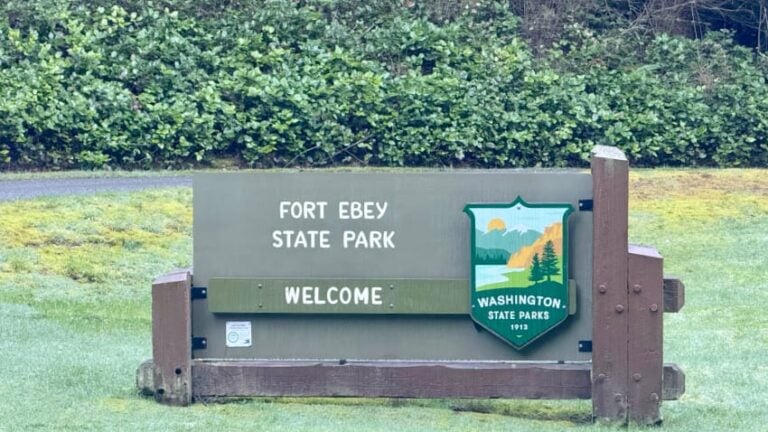
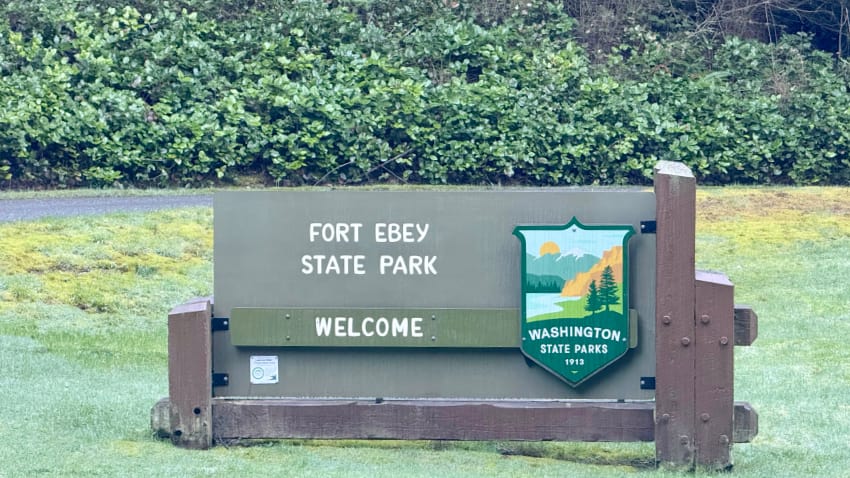
Fort Ebey State Park: World War II History Meets Spectacular Strait Views
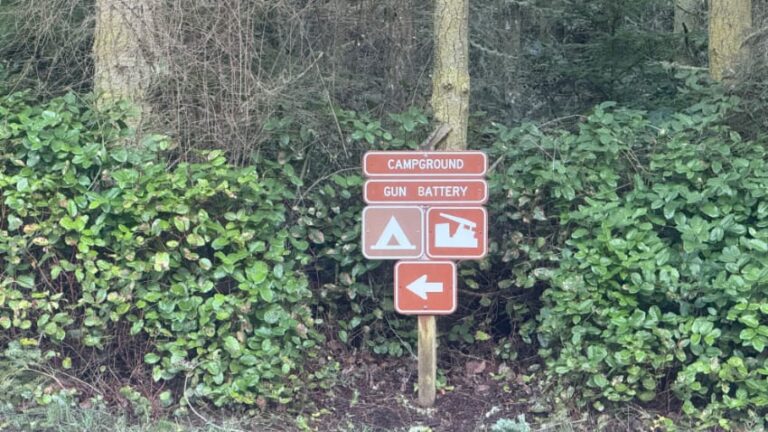
Fort Ebey State Park combines preserved World War II coastal defense installations with breathtaking Strait of Juan de Fuca vistas, featuring explorable underground bunkers and 28 miles of hiking and biking trails across 651 acres of western Whidbey Island near Coupeville. This camping park showcases the latest 1940s military technology including radar-guided guns and camouflaged batteries while offering modern recreation from paragliding to freshwater fishing in Lake Pondilla.
Fort Ebey State Park Fast Facts
| Feature | Detail |
|---|---|
| Location | Coupeville, Island County, Washington |
| Address | 400 Hill Valley Drive, Coupeville, WA 98239 |
| Size | 651 acres |
| Shoreline | 3 miles of Strait of Juan de Fuca waterfront |
| Key Features | WWII gun battery, underground bunkers, Lake Pondilla |
| Established | Fort built 1942, state park opened 1981 |
| Trail System | 28 miles total, 25 miles mixed-use trails |
| Camping | 50 sites, 11 with hookups, group camp for 60 |
| Activities | Paragliding, bunker exploration, hiking, fishing |
| Hours | 8 AM to dusk year-round |
| Contact | (360) 678-4636 |
Park Overview
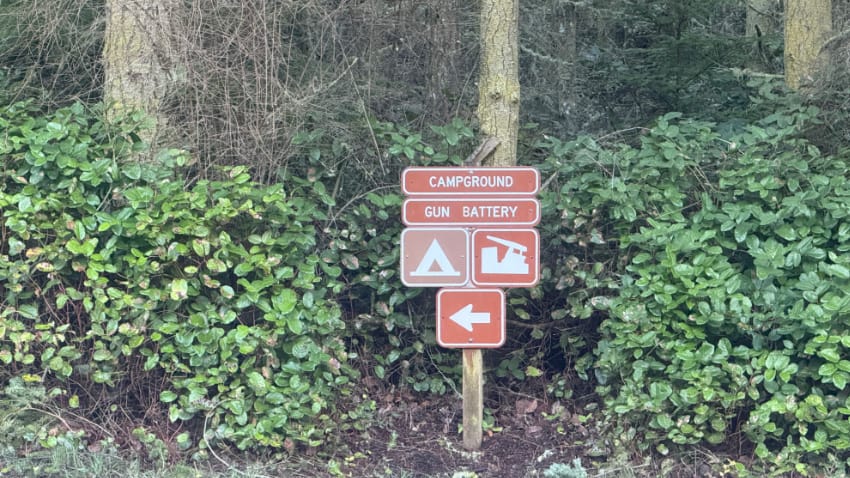
Fort Ebey State Park preserves one of the last coastal defense forts built during World War II, where cutting-edge 1940s military technology including radar-guided guns, sophisticated camouflage systems, and Battery 248’s underground installations protected Puget Sound from 1942 to 1947. Named for pioneering homesteader Isaac Neff Ebey, the fort showcased state-of-the-art defensive capabilities before becoming surplus after the war, with its concrete gun platforms and explorable bunkers now serving as fascinating historical attractions.
This Whidbey Island destination serves adventurous visitors seeking both military history immersion and spectacular outdoor recreation, offering everything from underground bunker exploration requiring flashlights to paragliding launches from the historic Parade Lawn. The park’s position within Ebey’s Landing National Historical Reserve adds cultural significance to its diverse recreational opportunities, while three miles of Strait of Juan de Fuca shoreline and freshwater Lake Pondilla provide exceptional fishing and beach activities.
Activities & Recreation
| Activity | Details | Season | Difficulty |
|---|---|---|---|
| Bunker Exploration | Underground Battery 248 with concrete installations | Year-round | Moderate |
| Paragliding | Launch from Parade Lawn across from battery | Peak after storms | Advanced |
| Hiking/Biking | 28 miles of mixed-use trails including bluff routes | Year-round | Easy to Moderate |
| Beach Activities | Driftwood-strewn shoreline, low-tide beach walks | Year-round | Easy |
| Freshwater Fishing | Smallmouth bass fishing in Lake Pondilla | Spring-Fall | Easy |
| Sunset Viewing | Spectacular ever-changing sunsets over Strait | Year-round | Easy |
| Eagle Watching | Bald eagle viewing opportunities throughout park | Year-round | Easy |
Fort Ebey State Park offers exceptional historical exploration through its preserved WWII installations, where visitors can explore concrete gun emplacements and underground battery rooms with proper lighting equipment. The park’s 28-mile trail system includes spectacular bluff walks providing panoramic views of the Puget Sound shipping lanes, Port Townsend, and Olympic Mountains, plus forest trails winding through Douglas fir, hemlock, and native rhododendrons.
Facilities & Amenities
The park provides comprehensive recreational facilities including multiple picnic sites positioned along the bluff for panoramic Strait of Juan de Fuca views, plus two large athletic fields accommodating sports activities. Modern amenities include accessible restrooms, hot showers, drinking water, and a park ranger station providing visitor information and historical interpretation.
Specialized facilities include boat access for saltwater activities, seaweed harvesting opportunities from April 16 through May 15 with proper licensing, and designated paragliding launch areas on the historic Parade Lawn. The park features connections to the Pacific Northwest National Scenic Trail system and maintains historical interpretive elements throughout the gun battery areas.
Camping & Accommodations
Fort Ebey State Park offers 50 total campsites including 39 standard sites and 11 partial hookup sites with electricity and water, accommodating RVs up to 40 feet with limited availability for extra-large units. The campground operates seasonally from March 1 through November 1 with advance reservations required and spectacular Strait of Juan de Fuca views from many sites.
Additional accommodations include one marine trail campsite exclusively for human-powered watercraft arrivals, plus a group camp accommodating 20 to 60 people located on the bluff down Point Partridge Road. The group facility features vault toilets and running water with flush toilets and showers accessible via a five-minute easy trail walk.
Planning Your Visit
Fort Ebey State Park operates from 8 AM to dusk year-round and requires a Discover Pass for vehicle access. Located on Hill Valley Drive west of Coupeville, the park provides convenient Whidbey Island access while maintaining its remote western shoreline character overlooking the Strait of Juan de Fuca.
Campers should note that the park sits beneath naval training flight paths from Whidbey Island Naval Air Station, with training missions potentially conducted day and night at significant noise levels. Visitors planning bunker exploration should bring headlamps or flashlights for safe underground battery investigation, while paragliding enthusiasts should monitor wind conditions following storm systems for optimal launch conditions.
What to Bring & Know
- Headlamps or flashlights essential for exploring underground Battery 248 installations safely
- Camera equipment for dramatic Strait of Juan de Fuca sunset photography and Olympic Mountain views
- Layered clothing for changing coastal weather conditions and elevation differences
- Fishing equipment for Lake Pondilla smallmouth bass and saltwater opportunities
- Awareness of naval training flight noise affecting camping experiences during military exercises
Final Word
Fort Ebey State Park delivers an extraordinary combination of preserved World War II coastal defense history and spectacular Whidbey Island recreation where military heritage meets modern outdoor adventure.
This park is part of the Explore Washington State Parks Directory—showcasing all of Washington’s State Parks from the rugged Pacific coast to the Cascade peaks. Whether you’re camping under old-growth forests, hiking scenic trails, or discovering local history, we’re highlighting the places where people connect with the state’s incredible natural and cultural heritage—all year long.s
Explore more of the island: Our complete guide to Whidbey Island covers things to do, where to stay, how to get there, and more.
- About the Author
- Latest Posts

Explore Washington State has been covering the real Washington for more than a decade. State parks, small towns, back roads, rest stops, and the people who make this place worth exploring. What started as a hyperlocal project covering individual communities grew into a full media project with more than 340 podcast episodes, a weekly newsletter with 3,800 subscribers, and coverage of all 146 Washington State Parks. The content here comes from people who have actually been to these places: locals, regulars, and lifelong Washington residents who care more about getting it right than getting clicks.
Recommended Locations

- About the Author
- Latest Posts
Explore Washington State has been covering the real Washington for more than a decade. State parks, small towns, back roads, rest stops, and the people who make this place worth exploring. What started as a hyperlocal project covering individual communities grew into a full media project with more than 340 podcast episodes, a weekly newsletter with 3,800 subscribers, and coverage of all 146 Washington State Parks. The content here comes from people who have actually been to these places: locals, regulars, and lifelong Washington residents who care more about getting it right than getting clicks.