
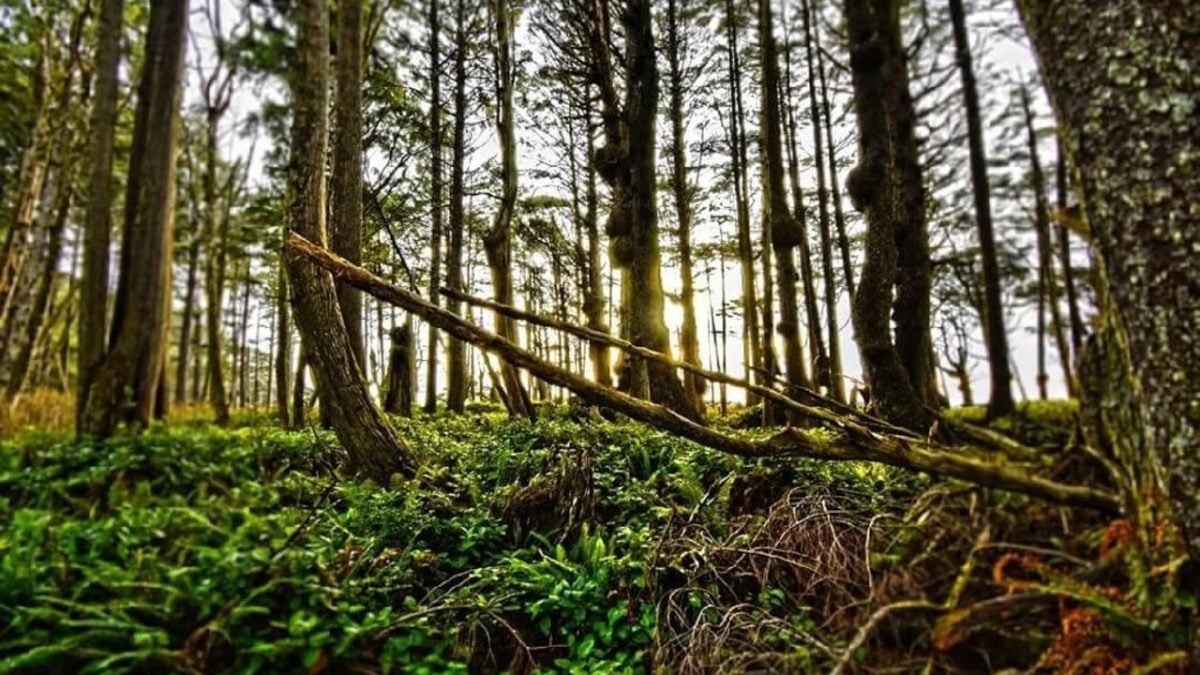
Exploring the Hoh Rain Forest
We’ve all heard the opinion that among the different locations in the United States, western Washington is almost perpetually grey and rainy. While that may be the case in winter months, most of the west side is quite beautiful and temperate for much of the rest of the year.
However, when it comes to one special west side region, an honest-to-goodness rain forest does actually exist! Located on the Olympic Peninsula inside of the Olympic National Park, this protected rain forest gets around twelve feet of rain per year.
The Hoh Rain Forest is just one of four Washington State rainforests near Mount Olympus and the Blue Glacier on the Olympic Peninsula! It is the only World Heritage Site and Biosphere Reserve by UNESCO in the area, and it just might be one of the most beloved sights in the entire state by residents, and visitors alike.
Visiting the Hoh Rain Forest
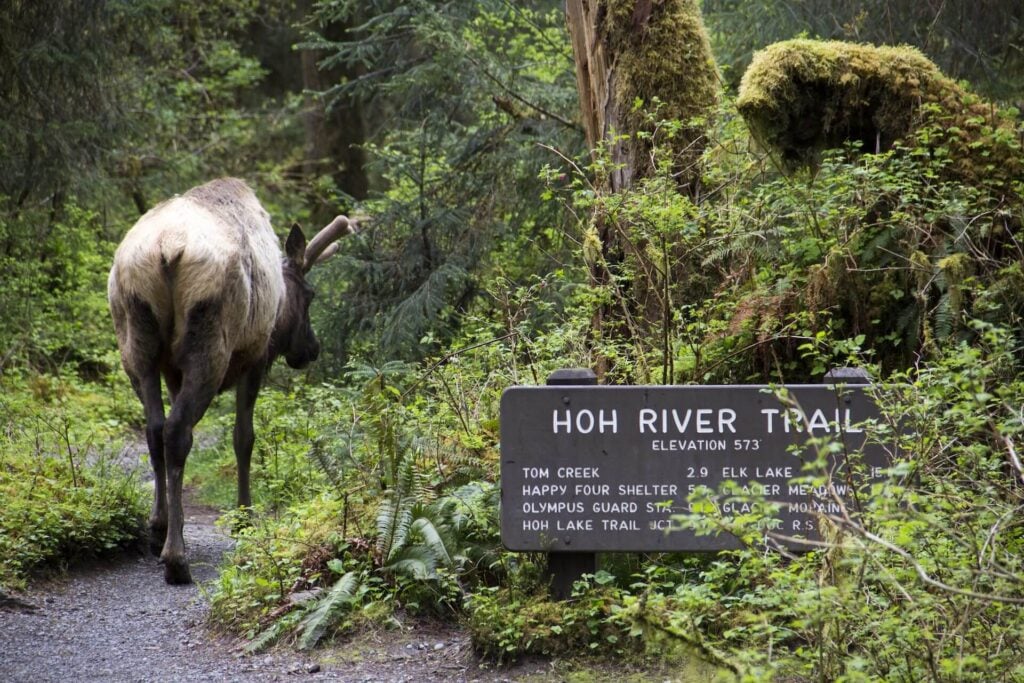
When visiting, you’ll want to start at the Hoh Rain Forest Visitor Center where you can find out a little bit of background information on the forest and use the restroom before setting out. For the choice of natural trail hikes, The Hoh River Trail, The Hall of Mosses Trail coming in at 0.8 miles, the Spruce Nature Trail at 1.2 miles or the 5 Mile Island hike which will take you deep into the forest and give you a well-rounded idea of its true beauty.
There is a $30.00 fee for passenger vehicles up to 15 passengers to enter the Olympic National Park. The fee is good for seven consecutive days. The fee covers all vehicle occupants. Other vehicle types have different fees. You can purchase and print your pass ahead of time by visiting the Olympic National Parks website here.
The Hoh Rain Forest is open to visitors year-round, but it’s recommended by those who have visited multiple times — go on the damp days!


Why Visit on Damp Days?
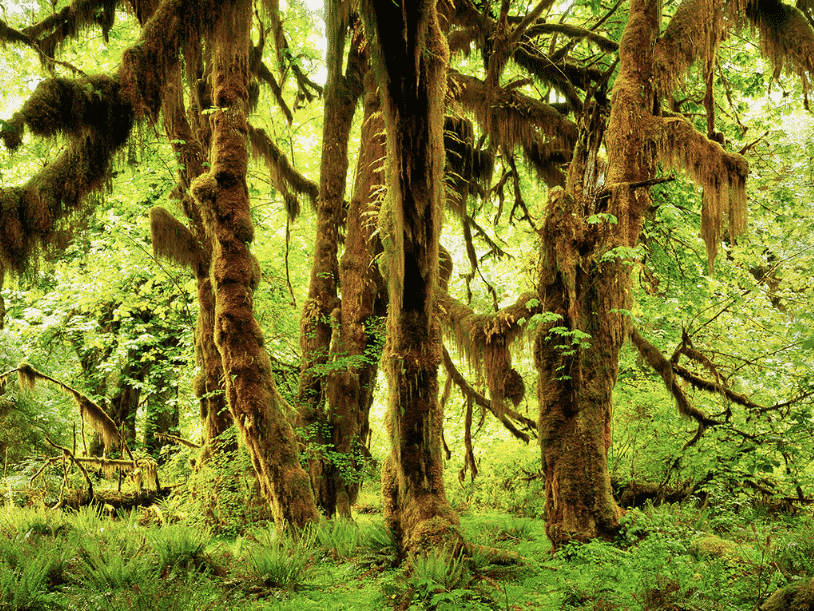
This is when the greenery ,forest floor and moss are at their most vibrant. From the Sitka spruce, to western hemlock —some reaching over 312 feet tall — there are dozens of varieties of flora and fauna to be spotted. You’ll find coast, vine maple, Douglas fir, western red cedar, black cottonwood, big leaf maple, unique mosses, Roosevelt Elk and more. All of these “green goodies” are then enjoyed by the various deer and elk. If quiet enough when visiting, you might have the opportunity to spot a bobcat, cougar, or even the banana slug — which can reach up to 10 inches long and come in at a quarter-pound!


