
Profile
Shine Tidelands State Park: Premier Shellfish Paradise at the Hood Canal Bridge
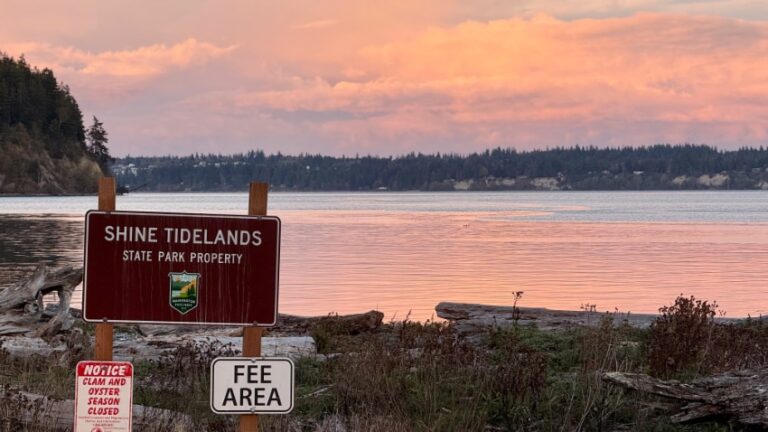
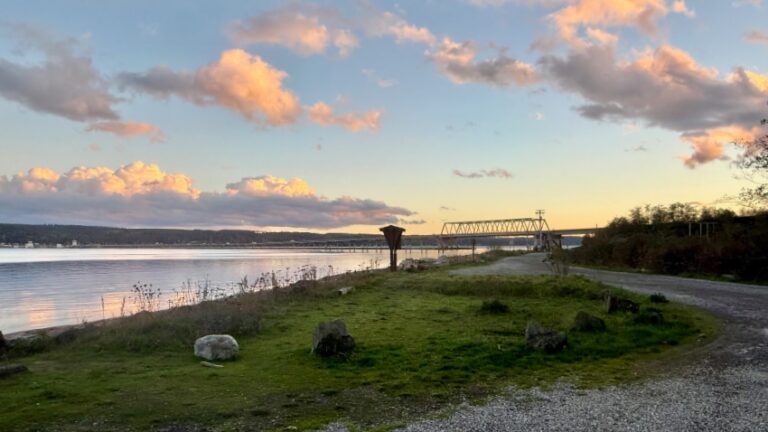
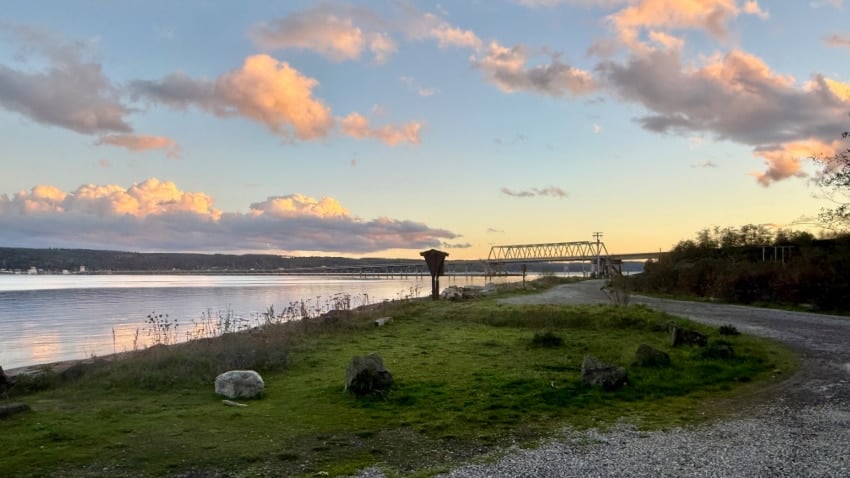
Shine Tidelands State Park offers one of Washington’s finest shellfish harvesting experiences on 249 acres of diverse tidelands adjacent to the Hood Canal Bridge in Port Ludlow. This day-use marine park features 5,000 feet of Bywater Bay shoreline that supports abundant populations of native and Manila littleneck clams, butter clams, horse clams, cockles, and oysters across extensive sand, gravel, and mud flat substrates. Popular with locals for its reliable shellfish resources and scenic setting, the park also provides exceptional opportunities for kayaking, beach walking, and wildlife viewing in the small wetlands area, making it a perfect secluded getaway for marine recreation enthusiasts seeking both harvest and natural beauty near the dramatic Hood Canal crossing.
Shine Tidelands State Park Fast Facts
| Feature | Detail |
|---|---|
| Location | Port Ludlow, Jefferson County, Washington |
| Access | Shine Tidelands State Park Road off Paradise Bay Road from SR 104 |
| Size | 249 acres |
| Established | Joined state park system 1967 |
| Key Features | Hood Canal Bridge location, diverse shellfish habitat, extensive tidelands |
| Activities | Shellfish harvesting, kayaking, beach walking, wildlife viewing |
| Shoreline | 5,000 feet of Bywater Bay tidelands |
| Facilities | Day-use only, parking area, primitive hand-launch watercraft access |
| Season | Shellfish harvesting seasonal, park access year-round |
| Contact | Washington State Parks Information: (360) 902-8844 |
Park Overview
Shine Tidelands State Park preserves one of Puget Sound’s most productive shellfish harvesting environments, where diverse substrate types from sand and gravel to cobble and extensive mud flats support thriving populations of both native and introduced clam species. The park’s strategic location at the west end of the Hood Canal Bridge provides easy access to exceptional marine resources while maintaining the natural character that makes this shoreline so ecologically valuable. Originally part of the Wolfe Property named after Elmer and Sophia Wolfe, the area joined the state park system in 1967 and expanded in 2014 to include additional former private properties.
The park’s diverse intertidal zones create optimal habitat for different shellfish species at varying tide levels, from native littleneck clams in sand and gravel substrates to horse clams in lower intertidal sand and mud areas, while cockles thrive throughout the extensive mud flat portions. This variety, combined with enhancement efforts including regular Manila clam plantings, has established the park as a premier destination for both experienced shellfishers and those learning marine harvesting techniques in Washington’s rich tidal environments.
Activities & Recreation
| Activity | Details | Season | Difficulty |
|---|---|---|---|
| Shellfish Harvesting | Native and Manila littleneck, butter, horse clams, cockles, oysters | Seasonal regulations vary | Easy to Moderate |
| Beach Walking | 5,000 feet of diverse shoreline exploration | Year-round | Easy |
| Kayaking | Primitive hand-launch access to Bywater Bay waters | Year-round | Easy to Moderate |
| Wildlife Viewing | Small wetlands area, bird watching opportunities | Year-round | Easy |
| Beach Exploration | Tide pooling, beachcombing across varied substrates | Year-round | Easy |
| Paddleboarding | Calm bay waters ideal for stand-up paddleboarding | Spring-Fall | Easy |
The park’s shellfish resources vary by location and tide level, with Manila littleneck clams abundant in the mid-high intertidal zone, particularly near the enhanced area south of Seven Sisters Road access. Native littlenecks occur wherever sand and gravel substrates provide suitable habitat, while butter clams prefer cobble areas in the mid-lower intertidal zone. The extensive mud flats support excellent cockle populations throughout the beach.
Facilities & Amenities
Shine Tidelands State Park operates as a primitive day-use facility with minimal development to preserve the natural tidelands environment. The park provides only parking areas accessed via Shine Tidelands State Park Road off Paradise Bay Road from State Route 104. No restrooms, picnic tables, or developed amenities are available on-site, maintaining the park’s focus on natural marine recreation experiences. Primitive hand-launched watercraft access accommodates kayaks, paddleboards, and wind-powered vessels without additional fees, though no docks or formal launch facilities exist.
Camping & Accommodations
Shine Tidelands State Park operates exclusively as a day-use facility with no camping or overnight accommodations available anywhere within the park boundaries. The park’s design prioritizes protection of sensitive tidelands ecosystems while providing access for marine recreation and shellfish harvesting during daylight hours. Visitors seeking overnight accommodations must look to nearby facilities in Port Ludlow, Port Gamble, or other Hood Canal area lodging options while using the park for day-use marine activities.
Planning Your Visit
Shine Tidelands State Park requires careful planning around tide schedules for optimal shellfish harvesting and beach exploration experiences. Shellfish seasons vary by species and are subject to emergency closures due to harvest pressure, requiring visitors to check current WDFW regulations and Department of Health biotoxin information before harvesting. The park’s location adjacent to the Hood Canal Bridge makes it easily accessible from both the Kitsap and Olympic peninsulas. The park requires a Discover Pass for day visits. Visitors should bring all necessary supplies including water, food, and waste containers, as no facilities exist on-site.
What to Bring & Know
• Current shellfish licenses and updated regulation information essential before harvesting
• Complete self-sufficiency required as no restrooms, water, or facilities available on-site
• Tide tables crucial for timing optimal shellfish harvesting and beach exploration
• Emergency closures possible due to harvest pressure, check current regulations before visiting
• Enhanced areas near Seven Sisters Road access provide excellent Manila clam harvesting
• Small wetlands area offers exceptional bird watching and wildlife viewing opportunities
Final Word
Shine Tidelands State Park provides unmatched shellfish harvesting opportunities and pristine marine recreation in a natural tidelands setting, where abundant clam populations and diverse shoreline environments create the perfect destination for serious shellfishers and marine recreation enthusiasts.
This park is part of the Explore Washington State Parks Directory—showcasing all of Washington’s State Parks from the rugged Pacific coast to the Cascade peaks. Whether you’re camping under old-growth forests, hiking scenic trails, or discovering local history, we’re highlighting the places where people connect with the state’s incredible natural and cultural heritage—all year long.
- About the Author
- Latest Posts
Explore Washington State has been covering the real Washington for more than a decade. State parks, small towns, back roads, rest stops, and the people who make this place worth exploring. What started as a hyperlocal project covering individual communities grew into a full media project with more than 340 podcast episodes, a weekly newsletter with 3,800 subscribers, and coverage of all 146 Washington State Parks. The content here comes from people who have actually been to these places: locals, regulars, and lifelong Washington residents who care more about getting it right than getting clicks.
- About the Author
- Latest Posts
Explore Washington State has been covering the real Washington for more than a decade. State parks, small towns, back roads, rest stops, and the people who make this place worth exploring. What started as a hyperlocal project covering individual communities grew into a full media project with more than 340 podcast episodes, a weekly newsletter with 3,800 subscribers, and coverage of all 146 Washington State Parks. The content here comes from people who have actually been to these places: locals, regulars, and lifelong Washington residents who care more about getting it right than getting clicks.