
Profile
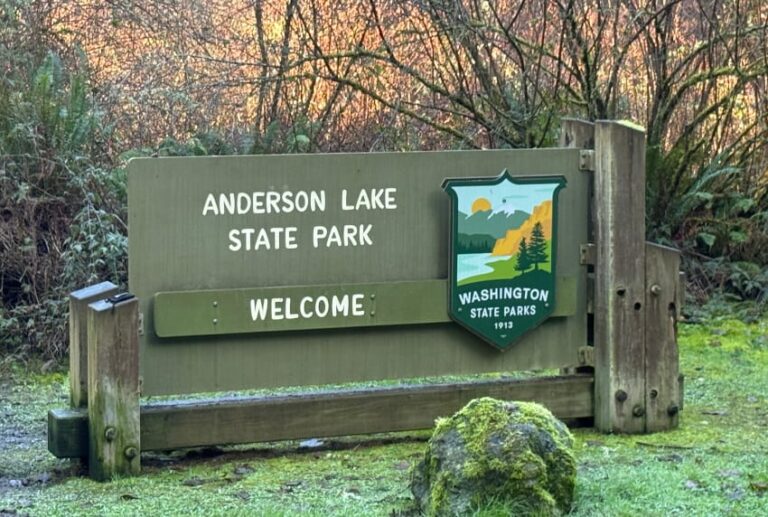
Anderson Lake State Park: A Serene Multiuse Haven Where Forest Meets Marsh
Anderson Lake State Park offers a unique blend of cedar, fir, and alder forests with freshwater marshes in Chimacum, creating an intimate setting where ten interconnected trails wind around a 70-acre lake teeming with birds and wildlife. This 410-acre day-use park combines accessible recreation with rich wetland ecosystems, making it an ideal destination for families seeking diverse outdoor experiences.
Anderson Lake State Park Fast Facts
| Feature | Detail |
|---|---|
| Location | Chimacum, Jefferson County, Washington |
| Address | 1061 Anderson Lake Road, Chimacum, WA 98325 |
| Size | 410 acres |
| Park Type | Day-use state park |
| Trail System | 8+ miles across ten interconnected trails |
| Lake Size | 70-acre Anderson Lake |
| Activities | Hiking, mountain biking, horseback riding, wildlife viewing |
| Facilities | Restrooms, parking, interpretive opportunities |
| Rules | Day-use only, dogs on leash, horses allowed, no fires |
| Access | Discover Pass required |
Park Overview
Anderson Lake State Park distinguishes itself as a remote multiuse destination where visitors can explore diverse ecosystems through an extensive network of ten trails. The park’s unique combination of cedar, fir, and alder forests with freshwater marshes creates exceptional wildlife habitat, making it a premier location for observing birds and other native species. Located just eight miles south of Port Townsend, this former cattle ranch offers an intimate encounter with wetland environments rarely found in Washington’s state park system.
The park serves visitors seeking flexible recreation options, with trails designed to accommodate hikers, mountain bikers, and equestrians on the same route system. This multiuse approach, combined with the park’s gentle terrain and family-friendly accessibility, creates opportunities for mixed groups to explore together while experiencing the rich biodiversity of Pacific Northwest wetland forests.
Activities & Recreation
- Trail System: Ten interconnected trails totaling over 8 miles, including the popular 3.14-mile Lakeside Trail that circles the lake through marshes and forest
- Lakeside Trail (Trail A): Most intimate lake experience passing through grassy marshes, wild berry patches, and over walking bridges
- Anderson Trail (Trail B): Parallel route designed for horses and mountain bikes with smoother surface
- San Juan Trail (Trail D): Woodland loop connecting to main trail system for extended exploration
- Savage Memorial Trail (Trail F): Named for Congressman Charles R. Savage, providing alternative routing back to parking
- Wildlife Viewing: Excellent birding opportunities in diverse marsh and forest habitats
- Photography: Scenic lake views, exposed root systems, and seasonal wildflowers including wild strawberries and huckleberries
- Educational Opportunities: Interpretive features highlighting wetland ecosystems and wildlife
Facilities & Amenities
Anderson Lake State Park provides essential day-use facilities including restroom facilities with two outhouses near the main parking area. The park features a small gravel parking lot, information kiosk with trail maps, and interpretive opportunities focusing on the unique wetland forest ecosystem. A boat launch provides lake access, though swimming is not permitted due to periodic algae concerns. The trail system includes well-maintained walking bridges over marshy areas and clear trail markers at junctions between the ten different routes.
Camping & Accommodations
Anderson Lake State Park is Day Use Only
Planning Your Visit
Anderson Lake State Park operates as a day-use only facility requiring a Washington State Discover Pass for vehicle access. The park is located 6.7 miles west of Port Townsend on SR 20, then one mile south on Anderson Lake Road. From the Hood Canal Bridge, follow WA 104 to Discovery Bay, turn right on SR 20 for 3.7 miles, then right onto Anderson Lake Road. The park entrance appears on the left after one mile. Visitors should note that swimming and pet water access are prohibited due to periodic algae toxicity issues. Trail conditions can be muddy in low-lying areas near the lake, and extensive exposed root systems may present tripping hazards on some routes.
What to Bring & Know
- Discover Pass required for parking
- Dogs must remain on leash throughout the park
- Trail maps available at information kiosk near lake shore
- Waterproof footwear recommended for marshy trail sections
- Extensive root systems create uneven terrain requiring careful footing
- No swimming or pet water contact due to algae concerns
Final Word
Anderson Lake State Park provides a rare opportunity to experience Washington’s wetland forest ecosystems through an extensive multiuse trail network that accommodates every skill level and recreational preference in one peaceful setting.
- About the Author
- Latest Posts

Explore Washington State has been covering the real Washington for more than a decade. State parks, small towns, back roads, rest stops, and the people who make this place worth exploring. What started as a hyperlocal project covering individual communities grew into a full media project with more than 340 podcast episodes, a weekly newsletter with 3,800 subscribers, and coverage of all 146 Washington State Parks. The content here comes from people who have actually been to these places: locals, regulars, and lifelong Washington residents who care more about getting it right than getting clicks.

- About the Author
- Latest Posts
Explore Washington State has been covering the real Washington for more than a decade. State parks, small towns, back roads, rest stops, and the people who make this place worth exploring. What started as a hyperlocal project covering individual communities grew into a full media project with more than 340 podcast episodes, a weekly newsletter with 3,800 subscribers, and coverage of all 146 Washington State Parks. The content here comes from people who have actually been to these places: locals, regulars, and lifelong Washington residents who care more about getting it right than getting clicks.