
Spokane County, Washington · Eastern Washington
Spokane
Washington's second largest city built itself where the Spokane River drops through basalt canyon in a roaring cascade. From Browne's Addition to the Perry District, every neighborhood has spent a century building something worth coming for.
POPULATION
~230,600
COUNTY
Spokane
FROM SEATTLE
4.5 hrs via I-90
ELEVATION
1,843 ft
KNOWN FOR
Riverfront Park, Lilac City
INCORPORATED
1881
Spokane is Washington’s second largest city, sitting at the geographic center of the Inland Northwest where the Spokane River cuts through basalt canyon before cascading through the heart of downtown. With a population of around 230,600, it operates at a scale that feels genuinely livable: a walkable core, distinct neighborhoods with their own identities, and enough outdoor access to fill a week without repeating anything.
Most visitors come expecting a smaller version of Seattle and find something different. Spokane has its own history, its own food scene, and its own relationship to the landscape that surrounds it. The 1974 World’s Fair (Expo ’74) left Riverfront Park as the city’s civic centerpiece. Gonzaga University gives the east side a consistent pulse. Browne’s Addition holds some of the oldest residential architecture in the state. South Perry and Kendall Yards have built new energy on opposite ends of the river corridor.
Eastern Washington’s climate means genuine seasons. Spokane gets real snow in winter, real heat in summer, and shoulder seasons that are often the best time to be there. The city sits about 30 miles from the Idaho border and roughly an hour from Lake Coeur d’Alene. It works well as a base for exploring eastern Washington: the Palouse, the Columbia Basin, the Selkirk Mountains. It holds up as a destination on its own terms.
Spokane earned its nickname, the Lilac City, from the flowering shrubs that bloom across the city every May, a tradition now tied to the annual Lilac Festival and the Armed Forces Torchlight Parade. It is a city that takes its traditions seriously without taking itself too seriously, which turns out to be a reasonable way to run a place.
Getting Here
Spokane sits at the eastern terminus of I-90, about 280 miles east of Seattle. The drive takes approximately 4.5 hours from downtown Seattle under normal conditions. Give yourself closer to 5 hours if you are leaving during Seattle rush hour. I-90 is a direct shot across the Cascades and through the Columbia Basin. Snoqualmie Pass (3,022 feet) can see winter closures and chain requirements from November through March. Check WSDOT road conditions before heading east in winter.
From Portland, the drive north takes approximately 5 hours via I-84 East to US-395 North into Spokane. From the Tri-Cities (Kennewick/Richland/Pasco), Spokane is about 140 miles north via US-395, roughly 2.5 hours.
Spokane International Airport (GEG) serves daily direct flights from Seattle (Alaska Airlines, approximately 50 minutes), Portland, Denver, Phoenix, San Francisco, and Las Vegas. If you prefer the train, Amtrak’s Empire Builder passes through Spokane on its Chicago to Seattle route with daily service in both directions.
Things to Do
Parks
Riverfront Park and Spokane Falls
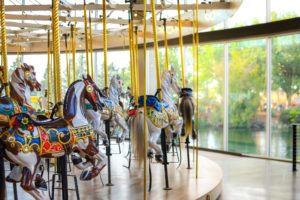
The site of the 1974 World's Fair (Expo '74), Riverfront Park sits on both banks of the Spokane River in the center of downtown. Ride the 1909 Looff Carrousel, one of the oldest in the country, or take the Numerica SkyRide gondola over the falls for an aerial view of the cascade. The Numerica Skate Ribbon runs as an outdoor ice rink from November through late March, then converts to roller skating from April through October. The park is free to enter; individual attractions are ticketed separately. Spring snowmelt (late April through May) brings the highest water volume to the falls.
Outdoors
Riverside State Park: Bowl and Pitcher
About 9 miles northwest of downtown, Riverside State Park covers more than 10,000 acres along the Spokane and Little Spokane Rivers. The Bowl and Pitcher area is the most visited section: distinctive basalt formations, a swinging suspension bridge, and trail access to miles of riverfront terrain. Free to access with a Discover Pass.
Culture
Northwest Museum of Arts and Culture
The Smithsonian-affiliated MAC sits at the eastern edge of Browne's Addition and houses rotating exhibits alongside a permanent collection focused on the Indigenous peoples of the Columbia Plateau. The adjacent Campbell House, built in 1898, is one of the finest examples of Tudor Revival residential architecture in the Pacific Northwest. Open Tuesday through Sunday; admission charged.
Recreation
Spokane River Centennial Trail
A 40-mile paved trail following the Spokane River from Nine Mile Falls east through downtown and into Idaho near Coeur d'Alene. The downtown segment is the most scenic and directly accessible from Riverfront Park. Popular with cyclists, runners, and walkers year round. The trail connects to Kendall Yards and continues east toward Liberty Lake.
History
Browne's Addition: Spokane's Oldest Neighborhood
West of downtown, Browne's Addition dates to the 1880s and features Victorian-era mansions built during Spokane's first boom. Coeur d'Alene Park anchors the neighborhood, surrounded by streets lined with historic homes. The Elk Public House has been the neighborhood's gathering point for more than 25 years. Walk the residential blocks and the commercial stretch along Pacific Avenue.
Food
South Perry District: Spokane's Most Walkable Food Corridor
The stretch of South Perry Street between 9th and 14th Avenues concentrates some of Spokane's best independent food and drink into a few walkable blocks. Perry Street Brewing, the weekly South Perry Farmers Market (Thursdays in summer), and a rotating cast of restaurants make this neighborhood worth building a half-day around.
Parks
Manito Park and Botanical Gardens
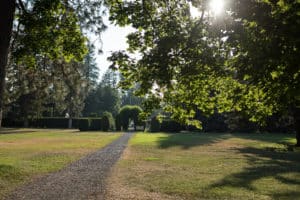
A 90-acre public park on the South Hill with four formal gardens: the Duncan Garden (French Renaissance style), the Joel E. Ferris Perennial Garden, the Nishinomiya Japanese Garden, and the Rose Hill Garden. Free admission, open year round. The Gaiser Conservatory brings tropical plants through the winter months. The Manito Park Arts Festival takes place here each summer.
Outdoors
Mount Spokane State Park
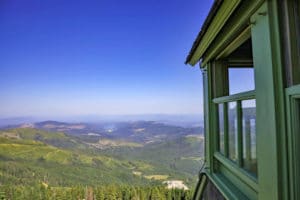
About 35 miles north of downtown, Mount Spokane rises to 5,883 feet and offers more than 100 miles of trails for hiking and mountain biking in summer. In winter, the Mt. Spokane Ski and Snowboard Park operates on the mountain with multiple runs. Clear days from the summit deliver 360-degree views of the Inland Northwest.
Culture
Gonzaga University Campus
The Jesuit university on the east bank of the Spokane River is open to visitors. Bing Crosby was a Gonzaga student; the campus displays Bing Crosby memorabilia including gold records and personal items at the Crosby Student Center. The campus sits adjacent to the Spokane River and the Centennial Trail.
Outdoors
Kendall Yards: Riverfront Neighborhood and Trail Access
On the north bank of the Spokane River just west of downtown, Kendall Yards is a mixed-use development built on a former rail yard. Restaurants, a wine shop, and residential buildings share the site with direct trail access to the Centennial Trail and views over the upper Spokane River.
Family
Cat Tales Exotic Wildlife Center
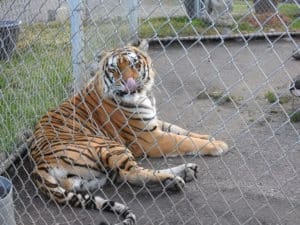
A nonprofit wildlife sanctuary north of Spokane that houses big cats including tigers, lions, and cougars, and other animals that cannot be returned to the wild. Open spring through fall. Check the Cat Tales website for current seasonal hours and feeding schedules before visiting.
Outdoors
Liberty Lake Loop Trail
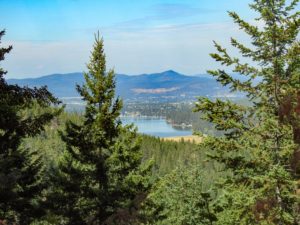
About 20 miles east of downtown near the Idaho border, Liberty Lake Regional Park offers a well-maintained 5-mile loop through old-growth forest with a waterfall and lake views. One of the better day hikes within easy reach of Spokane without heading into the state parks.
“Spokane has its own history, its own food scene, and its own relationship to the landscape that surrounds it. It holds up as a destination on its own terms.”
— Explore Washington State
Where to Stay
The Historic Davenport Hotel, Autograph Collection
Spokane's most iconic hotel opened in 1914 and has been a downtown landmark ever since. The lobby features ornate Spanish Renaissance architecture, and the property has been fully restored while retaining its original character. The Peacock Room Lounge and the Palm Court Grill are on site. Downtown location at 10 S Post St.
Book at MarriottThe Davenport Grand, Autograph Collection
The larger sister property to the Historic Davenport, the Grand opened in 2015 with 716 rooms and modern amenities while remaining part of the Marriott Autograph Collection. Connected to the Spokane Convention Center by skybridge.
Book at MarriottHotel Ruby Spokane
A boutique-style hotel in the heart of downtown at 901 W First Ave. Verify current status and pricing before booking.
Visit websiteFind a Cabin Near Spokane
Find a Cabin Near Spokane
Food & Drink
Spokane’s food scene runs deeper than most visitors expect, and the best of it is spread across the city’s distinct neighborhoods rather than concentrated in one downtown strip.
The Elk Public House in Browne’s Addition has anchored the neighborhood since 1999. It sits at 1931 W Pacific Ave with an honest beer selection, homemade soups, and a patio that fills up on warm evenings. It is the kind of place you can go to on a Tuesday and feel like a regular.
Perry Street Brewing at 1025 S Perry St is the social center of the South Perry District. The taproom features locally sourced food, rotating market specials, and a dog-friendly patio. Open Tuesday through Sunday.
No-Li Brewhouse at 1003 E Trent Ave sits on the north bank of the Spokane River near Gonzaga University. It is one of Spokane’s largest craft breweries, with an outdoor beer garden, river views, and a food menu that runs beyond bar snacks.
For coffee, Roast House Coffee in East Central has been a consistent favorite. For bakeries, brunch spots, and the full rundown of the Spokane coffee scene, the EWS guides below go deep on each category.
Festivals & Events
May
Bloomsday Run
One of the largest timed road races in the US, Bloomsday draws over 50,000 participants through a 12K (7.5 mile) course starting and ending near Riverfront Park. Runners, walkers, wheelchair athletes, and stroller pushers all welcome. Every finisher gets an official race time and the coveted finisher shirt. The 2026 race marks the 50th anniversary.
May
Spokane Lilac Festival
The annual Lilac Festival culminates with the Armed Forces Torchlight Parade in downtown Spokane on May 16, 2026, at 7:45 pm. The Junior Lilac Parade takes place on May 9. The festival is one of the longest-running civic celebrations in the Pacific Northwest and honors military service alongside the city's lilac bloom tradition.
June
Manito Park Arts Festival
An annual outdoor arts festival held in Manito Park on the South Hill each June. Local and regional artists display and sell work among the park's formal gardens and rose beds. The 2026 festival is scheduled for Saturday, June 13.
June
Hoopfest
The largest 3-on-3 basketball tournament in the world takes over downtown Spokane every late June. More than 250,000 players and fans flood the city, with 6,000 teams competing at every skill level. Center Court at Riverfront Park hosts elite games, a slam dunk contest, and a shoot-off open to spectators.
September
Spokane County Interstate Fair
Running September 11 through 20, 2026, the Interstate Fair is held at the Spokane County Fair and Expo Center in Spokane Valley. Ten days of rides, livestock competitions, carnival food, and live entertainment. One of the largest fairs in the state.
December
Riverfront Park Holiday Events
The Numerica Skate Ribbon, a 650-foot outdoor skating ribbon, opens for winter skating at Riverfront Park. The park hosts holiday light displays and seasonal programming through December. Check current season hours and ticketing before visiting.
Day Trips
Green Bluff is about 15 miles north of downtown, roughly 30 minutes. Green Bluff is an agricultural community where local farms and orchards open to visitors for u-pick fruit, wine tasting, and farm stands. The fall harvest season draws the biggest crowds, but spring blooms are worth the drive too. EWS has a full guide to visiting Green Bluff farms.
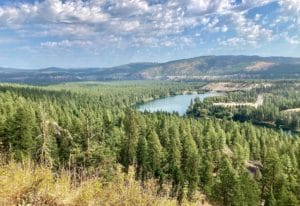
Nine Mile Falls is about 15 miles northwest of Spokane. Nine Mile Falls is a quick day trip to the Long Lake reservoir area with access to the Little Falls Dam and trails along the Spokane River. EWS has a full day trip guide.
Palouse Falls State Park is about 75 miles south of Spokane, roughly 1.5 hours via US-195 and WA-261. Palouse Falls drops 198 feet into a basalt canyon and is one of the most dramatic waterfalls in the state. Washington’s official state waterfall. Worth the drive.
Coeur d’Alene, Idaho is just 30 miles east of Spokane via I-90, about 35 to 40 minutes. Coeur d’Alene sits on the northern shore of a lake by the same name. Downtown CDA is walkable with restaurants, shops, and a lakefront resort. It makes an easy half-day or full-day add-on from Spokane.
Planning Your Visit
The best time to visit Spokane depends on what you are after. Late spring (May through June) brings the Lilac Festival, blooming gardens at Manito Park, and comfortable temperatures before summer heat sets in. Summer runs hot (July averages in the 80s Fahrenheit), which makes the Spokane River and nearby lakes central to the schedule. Fall is arguably the best kept secret: the Palouse turns gold, Green Bluff farms go into harvest mode, and the crowds thin out significantly. Winter brings snow and the ski season at Mount Spokane.
Two to three days gives you time to cover the main neighborhoods, catch a meal in South Perry, and make one day trip. Spokane is walkable downtown but a car helps for reaching Mount Spokane, Green Bluff, or the state parks on the edges of the city.
More Spokane on EWS
Story
Spending a Day in Downtown Spokane
Story
Visiting Kendall Yards in Spokane, Washington
Guide
Visiting Green Bluff Farms Near Spokane

Guide
Spokane Coffee Shops: Our Top 9 List

Guide
Eight Must-Visit Bakeries in Spokane
Guide
The 7 Best Brunch Spots in Spokane
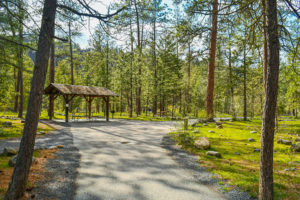
Story
Hiking Riverside State Park Bowl and Pitcher
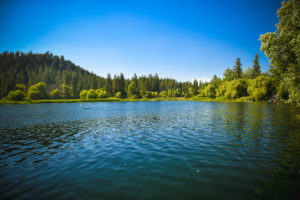
Guide
Lakes Near Spokane: 9 Great Spots for Kayaking and Fishing
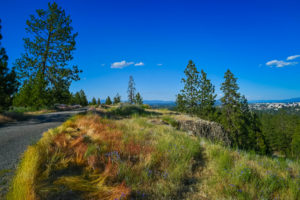
Guide
Visiting Five Hikes and Parks Around Spokane
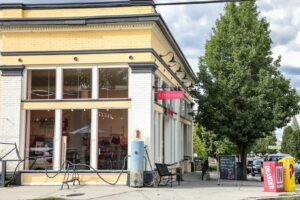
Story
Visiting Spokane's South Perry Neighborhood
Guide
Exploring Spokane With Kids
Story
Spending A Day At Mount Spokane

Guide
Top 5 Lakes To Paddle In North Spokane
Story
Hiking the Liberty Lake Loop Trail

Guide
Best Bagels In Spokane
Story
Take a Daytrip to Nine Mile Falls
Story
A Trip to Cat Tales Exotic Wildlife Center
Story
Manito Park Arts Festival in Spokane

Story
Visiting Kitty Cantina: Spokane's First Cat Cafe
Story
Visiting Wisconsinburger: Midwestern Charm in the Inland Northwest
Frequently Asked Questions
What is Spokane, Washington known for?
Spokane is known for Riverfront Park and Spokane Falls at the center of downtown, the Lilac Festival held every May since 1938, and the Spokane River Centennial Trail, which draws more than 2.5 million users annually. The city is also home to Gonzaga University and serves as the largest city in eastern Washington and the Inland Northwest region.
Is Spokane worth visiting?
Yes, particularly for visitors interested in outdoor recreation, food and drink, and a city that operates at a more manageable scale than Seattle. The distinct neighborhoods, Browne’s Addition, South Perry, and Kendall Yards, each have their own character, and the city sits within easy reach of Mount Spokane, the Palouse, and Coeur d’Alene, Idaho. Two to three days gives you enough time to see the main areas and make one day trip.
How far is Spokane from Seattle?
Spokane is approximately 280 miles east of Seattle via I-90, a drive of about 4.5 hours under normal conditions. Snoqualmie Pass sits between the two cities and can require chains or see temporary closures during winter storms, so check WSDOT road conditions before traveling November through March.
When is the best time to visit Spokane, Washington?
Late spring (May through June) and fall (September through October) offer the most comfortable weather and the fewest crowds. May brings the Lilac Festival and blooming gardens at Manito Park. Fall coincides with harvest season at Green Bluff farms and the Palouse turning gold. Summer is hot but manageable, with the Spokane River and nearby lakes central to the seasonal experience. Winter visitors come primarily for skiing at Mount Spokane.
What are the best neighborhoods to visit in Spokane?
Downtown and Riverfront Park are the starting point for most visits. From there, Browne’s Addition to the west offers historic architecture and the Elk Public House. South Perry (the Perry District) to the southeast has the best concentration of independent restaurants and Perry Street Brewing. Kendall Yards on the north riverbank is newer with trail access and river views. Each is a short drive or reasonable walk from downtown.
How many people live in Spokane, Washington?
Spokane’s population is approximately 230,600 (2024 estimate), making it Washington’s second largest city after Seattle. The broader Spokane metro area including Spokane Valley and surrounding communities is home to more than 600,000 people.
What is Spokane's nickname?
Spokane is nicknamed the Lilac City, a reference to the flowering lilac shrubs that bloom across the city each May. The nickname is tied to the annual Spokane Lilac Festival, which has run every year since 1938 and culminates in the Armed Forces Torchlight Parade.