
Lewis and Clark Trail State Park
Region
Eastern Washington
Lewis and Clark Trail State Park: Lush River Oasis in Southeastern Washington’s Arid Landscape
Lewis and Clark Trail State Park serves as a refreshing oasis amid the rolling fields of southeastern Washington, offering 1,333 feet of freshwater shoreline along the picturesque Touchet River near Dayton. This 36-acre camping park creates a striking contrast to the surrounding arid landscape, where shaded trails wind through ponderosa pine, alder, maple and cottonwood trees, providing cool relief and river access for visitors traveling along Highway 12 in Columbia County.
Lewis and Clark Trail State Park Fast Facts
| Feature | Detail |
|---|---|
| Location | Dayton, Columbia County, Washington |
| Address | 36149 Highway 12, Dayton, WA 99328 |
| Size | 36 acres |
| Shoreline | 1,333 feet on Touchet River |
| Designation | Camping park with day-use facilities |
| Historical Connection | Lewis and Clark Corps of Discovery campsite (1806) |
| Forest Type | Mixed riparian forest with old-growth elements |
| Seasonal Operation | Closed November 1 – March 31 |
| Phone | (509) 337-6457 |
Park Overview
Lewis and Clark Trail State Park occupies a remarkable ecological niche along the Touchet River, where moist riparian conditions support lush forest growth in sharp contrast to the dry grasslands of southeastern Washington. This verdant refuge provides both historical significance and natural beauty, marking the location where the Lewis and Clark Corps of Discovery camped in spring 1806 during their return journey from the Pacific Coast. The park’s diverse tree canopy includes long-needled ponderosa pine, alder, maple and cottonwood creating a cool microclimate that offers respite from the region’s typically hot, dry summers.
52 Things to Do at Washington State ParksA free printable checklist: one adventure per week for a full year.
Get the Free ChecklistThe park’s unique setting combines both old-growth forest elements and 1,333 feet of river shoreline, creating habitat diversity that supports various bird species and provides multiple recreational opportunities. Lewis and Clark Trail State Park functions as an essential waystation for travelers on Highway 12, offering the rare combination of historical interpretation and natural beauty in a region where such green spaces are uncommon and highly valued by visitors seeking relief from the surrounding arid landscape.
Activities & Recreation
| Activity | Details | Season | Difficulty |
|---|---|---|---|
| River Activities | Wading, swimming, tubing in Touchet River | Spring-Fall | Easy |
| Hiking | Shaded trails through riparian forest | Spring-Fall | Easy |
| Fishing | River fishing for various freshwater species | Spring-Fall | Easy |
| Birdwatching | Common mergansers, red-tailed hawks, orange-crowned warblers | Year-round | Easy |
| Wildlife Viewing | Riparian forest and river wildlife observation | Year-round | Easy |
| Camping | Standard non-hookup sites, teepees, group camps | Spring-Fall | Easy |
| Picnicking | Day-use areas with kitchen shelter | Spring-Fall | Easy |
| Nature Study | Unusual vegetation and geology interpretation | Spring-Fall | Easy |
Facilities & Amenities
Lewis and Clark Trail State Park provides essential camping and day-use facilities including standard non-hookup campsites that accommodate both tents and motorhomes. The park features unique accommodation options with teepees available for a distinctive camping experience, plus group camping facilities for organized visits. A reservable kitchen shelter with electricity serves day-use and group activities, available by calling the park office at (509) 337-6457.
The park maintains interpretive opportunities focusing on the historical significance of the Lewis and Clark expedition and the unique ecology of this riparian oasis. Additional amenities include athletic fields, restroom facilities, and shaded picnic areas that take advantage of the cooling forest canopy. The park’s compact 36-acre size ensures easy access to all facilities while maintaining the intimate feel of a hidden river refuge.
Camping & Accommodations
The park offers standard non-hookup campsites designed to accommodate both tents and motorhomes, providing basic camping amenities in the shaded forest setting. Unique among Washington state parks, Lewis and Clark Trail State Park features teepee rentals that offer visitors a distinctive lodging experience connecting to the area’s historical themes. Group camping facilities accommodate organized visits and educational programs.
All camping operates seasonally with the park closed from November 1 through March 31 due to weather conditions typical of southeastern Washington’s continental climate. The intimate scale of the park creates a peaceful camping environment where the sound of the Touchet River and the shade of mature trees provide natural comfort during warm summer months.
Planning Your Visit
Lewis and Clark Trail State Park operates seasonally from April 1 through October 31, opening at 6:30 a.m. and closing at dusk during operational months. The park remains closed from November 1 through March 31. A Discover Pass is required for day-use access. The park’s location along Highway 12 makes it easily accessible for travelers crossing southeastern Washington, particularly those seeking relief from summer heat.
The optimal visiting season coincides with the park’s operational period when the Touchet River provides comfortable conditions for wading and tubing. Spring visits offer wildflower displays and migrating birds, while summer provides the full contrast between the cool, shaded park environment and the surrounding hot, dry landscape. The historical connection to the Lewis and Clark expedition adds educational value to visits during interpretation season.
Planning Your Visit
Lewis and Clark Trail State Park operates seasonally from April 1 through October 31, opening at 6:30 a.m. and closing at dusk during operational months. The park remains closed from November 1 through March 31. A Discover Pass is required for day-use access. The park’s location along Highway 12 makes it easily accessible for travelers crossing southeastern Washington, particularly those seeking relief from summer heat.
The optimal visiting season coincides with the park’s operational period when the Touchet River provides comfortable conditions for wading and tubing. Spring visits offer wildflower displays and migrating birds, while summer provides the full contrast between the cool, shaded park environment and the surrounding hot, dry landscape. The historical connection to the Lewis and Clark expedition adds educational value to visits during interpretation season.
What to Bring and Know
- The park provides dramatic temperature relief from surrounding arid landscape, making it an ideal rest stop during hot summer travel
- River access offers tubing and wading opportunities, so bring water shoes and quick-dry clothing for comfortable water activities
- Birdwatching equipment enhances visits as the riparian habitat attracts species uncommon in the surrounding grasslands
- The park’s historical significance as a Lewis and Clark campsite adds educational value to overnight stays and day visits
- Seasonal closure from November through March requires advance planning for visits during the operational season only
Final Word
Lewis and Clark Trail State Park offers a remarkable combination of historical significance and natural refuge, creating an essential green oasis that provides both educational value and cooling respite in southeastern Washington’s arid landscape.
Compare Lewis and Clark Trail State Park with the best campgrounds across Washington State
What to Do
Activities
Trip Planning
What to Pack
Required Pass
Required for parking at all Washington State Parks. One pass covers your vehicle for a full year.
$46.99
Hiking Gear
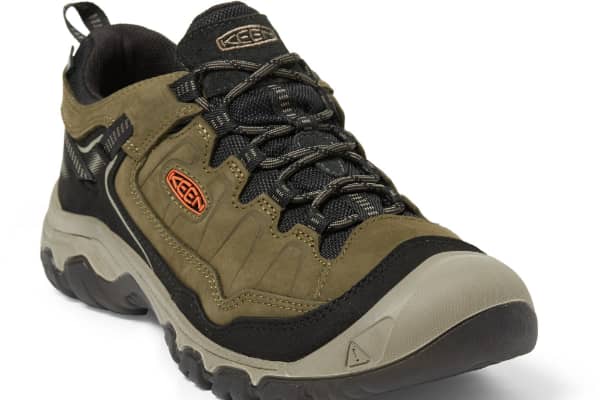

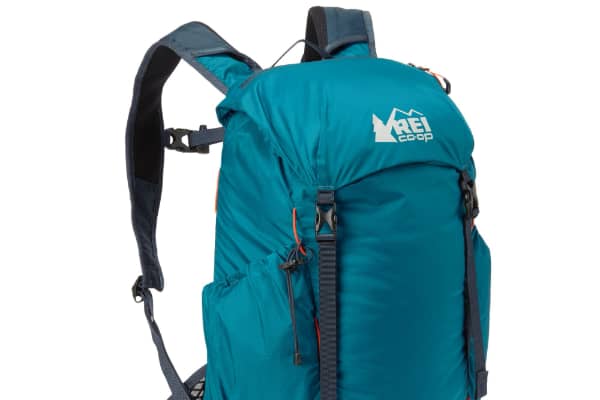
Some links on this page are affiliate links. If you purchase through them, Explore Washington State may earn a small commission at no extra cost to you. We only recommend gear we believe in.
Washington State Parks Directory
The Washington State Parks Directory covers all 146 state parks across Washington — from saltwater shores and mountain meadows to ancient lava tubes and desert canyons. Find trails, camping, activities, and detailed visitor information for every park in the state.
Browse All Washington State Parks