
Bottle Beach State Park
Region
Olympic
Bottle Beach State Park: Where a Million Birds Reclaim a Ghost Railroad Town
On the southern tide flats of Grays Harbor near Aberdeen, Bottle Beach State Park transforms the remnants of the lost railroad town of Ocosta into one of the Pacific Coast’s most spectacular birding destinations, where over one million migratory shorebirds and seabirds descend each spring to feed on mudflats containing 55,000 tiny crustaceans per square meter. This 75-acre day-use preserve honors both bird enthusiast Ruby Egbert and the ambitious railroad dreams that once envisioned Ocosta as the coastal terminus for Orient and San Francisco shipping, creating a unique destination where visitors can discover Victorian mansion ruins and railroad turntable foundations while witnessing one of nature’s greatest migration spectacles.
Bottle Beach State Park Fast Facts
| Feature | Detail |
|---|---|
| Location | Aberdeen, Grays Harbor County, Washington |
| Address | 33 Ocosta 3rd Street, Aberdeen, WA 98520 |
| Size | 75-acre day-use park |
| Shoreline | 6,000 feet (3/4 mile) of Grays Harbor waterfront |
| Historical Legacy | Former site of Ocosta railroad town (1889-1894) |
| Dedication | Co-named Ruby Egbert Natural Area (2009) |
| Bird Species | Over 130 species including 1+ million spring migrants |
| International Significance | Hemispheric Reserve in Western Hemisphere Shorebird Reserve Network |
| Trail System | 0.7-mile ADA-accessible Bottle Beach Interpretive Trail |
| Special Designation | Official Washington State Birding Trail |
| Peak Migration | Late April through early May |
| Unique Species | Best location in Washington for Red Knot sightings |
| Viewing Features | Three viewing platforms, beachhead viewing shelter |
| Access Restrictions | Day-use only, dogs prohibited (except hunting season) |
| Entry Requirements | Discover Pass required |
| Hours | Dawn to dusk daily |
Park Overview
Bottle Beach State Park preserves a landscape where ambitious 19th-century railroad dreams met their demise, as the once-promising town of Ocosta dwindled after 1894 when the coastal shipping terminus relocated to Tacoma, leaving behind only a Victorian mansion, dock pilings, and the brick foundation of a railroad turntable that visitors can still explore along the beach. This ghost town transformation proved fortuitous for wildlife, as the abandoned industrial site evolved into critical habitat supporting over one million spring migrants within mudflats so rich in tiny shrimp-like crustaceans that they contain 55,000 individuals per square meter.
52 Things to Do at Washington State ParksA free printable checklist: one adventure per week for a full year.
Get the Free ChecklistThe park’s designation as both a Hemispheric Reserve in the Western Hemisphere Shorebird Reserve Network and the Ruby Egbert Natural Area reflects its dual significance as both an internationally important bird habitat and a tribute to local conservation dedication. Ruby Egbert’s substantial 2009 financial contribution helped secure this critical stopover site where horses and geese now graze in fields that once housed railroad workers, while the restored 9.5-acre marsh habitat provides essential feeding and resting areas for species traveling thousands of miles along the Pacific Flyway.
Activities & Recreation
| Activity | Details | Season | Difficulty |
|---|---|---|---|
| Spring Bird Migration | 1+ million shorebirds and seabirds peak viewing | Late April-Early May | Easy |
| Red Knot Viewing | Best Washington location for this rare species | Spring Migration | Easy |
| Historical Exploration | Railroad turntable foundation and dock piling remnants | Year-round | Easy |
| Interpretive Trail | 0.7-mile ADA-accessible boardwalk through marsh | Year-round | Easy |
| Photography | Three viewing platforms plus beachhead shelter | Year-round | Easy |
| Clamming | Year-round shellfish harvesting opportunities | Year-round | Easy |
| Educational Programs | Guided tours and interpretive displays | Seasonal | Easy |
| Fall Migration | Black-bellied Plovers, Whimbrels, Marbled Godwits | Fall | Easy |
Bottle Beach State Park’s signature experience revolves around the extraordinary spring migration spectacle when over one million birds transform the modest mudflats into a living carpet of feeding shorebirds, with optimal viewing occurring 1.5 hours before and after high tide when birds concentrate close to shore. The park holds the distinction of being Washington’s most reliable location for Red Knot sightings, while the extensive species list includes Western and Least Sandpipers, Dunlin, Semipalmated Plovers, and over 130 total species documented within park boundaries. Historical exploration adds unique dimension as visitors can examine the railroad turntable foundation and dock pilings that represent Ocosta’s brief but ambitious industrial past.
Facilities & Amenities
Bottle Beach State Park provides essential visitor facilities including spacious parking areas, well-maintained restrooms, and strategically placed interpretive panels explaining both the area’s railroad history and current ecological significance. The 0.7-mile Bottle Beach Interpretive Trail features ADA-accessible boardwalks leading through restored marsh habitat to three viewing platforms and a beachhead viewing shelter that provide optimal bird observation opportunities. Educational programming includes guided tours during peak migration periods, while the trail’s designation as an official Washington State Birding Trail ensures comprehensive interpretive resources for understanding the site’s international importance within the Western Hemisphere Shorebird Reserve Network.
Camping & Accommodations
Bottle Beach State Park is day use only.
Planning Your Visit
Bottle Beach State Park operates dawn to dusk daily year-round, requiring a Discover Pass for vehicle access with optimal spring birding occurring late April through early May when over one million migrants peak. The park enforces strict wildlife protection policies including dog prohibition (except during November-February hunting season), no fires, and pedestrian-only trail access to minimize disturbance to sensitive bird habitat. Nearby accommodation options include Grayland Beach State Park (9 miles) offering camping facilities, while Westport (10 minutes) provides lodging including surf-themed LOGE Westport and Marina Cottages with Pacific Ocean views.
What to Bring & Know
- Binoculars and camera equipment essential for capturing spring migration spectacle and historical railroad remnants exploration
- Tide charts for optimal bird viewing 1.5 hours before and after high tide when shorebirds concentrate closest to observation areas
- Respect for wildlife protection rules including dog prohibition and staying on designated trails to preserve sensitive marsh habitat
- Historical curiosity for discovering railroad turntable foundation, Victorian mansion remnants, and dock pilings from Ocosta’s brief industrial period
- Weather-appropriate clothing for coastal conditions and mudflat exploration during various seasonal migration periods
- Educational interest in learning about Western Hemisphere Shorebird Reserve Network and Ruby Egbert’s conservation legacy through interpretive displays
Final Word
Bottle Beach State Park delivers an extraordinary combination of natural spectacle and historical discovery, where the failed dreams of railroad barons created the perfect conditions for one of the Pacific Coast’s most important bird migration experiences honoring both Ruby Egbert’s conservation vision and millions of traveling shorebirds.
What to Do
Activities
Common Questions
Frequently Asked Questions
Where is Bottle Beach State Park located?
Bottle Beach State Park is on the south shore of Grays Harbor near Aberdeen in Grays Harbor County, at 33 Ocosta Third Street. It is a 75 acre day use park protecting tidal flats and shoreline on the harbor.
Why is Bottle Beach known for bird watching?
Bottle Beach is one of the premier shorebird viewing sites in Washington. During spring migration its tidal mudflats draw huge flocks of sandpipers, dunlin, plovers, and other shorebirds, making it a favorite destination for birders and photographers.
When is the best time to visit Bottle Beach?
The peak shorebird migration generally runs from late April into May, and viewing is best on an incoming tide that pushes the birds closer to shore. Check a tide table and aim to arrive a couple of hours before high tide.
What facilities are at Bottle Beach State Park?
Bottle Beach is a day use park with a parking area, a trail out to the beach, and viewing platforms overlooking the tidal flats. There is no camping, so it is best combined with a stay elsewhere around Grays Harbor.
Do you need a Discover Pass at Bottle Beach State Park?
Yes. A Washington State Discover Pass is required for vehicle access. Bring binoculars or a spotting scope for the shorebirds, and wear waterproof footwear since the trail and shoreline can be muddy.
Trip Planning
What to Pack
Required Pass
Required for parking at all Washington State Parks. One pass covers your vehicle for a full year.
$46.99
Hiking Gear
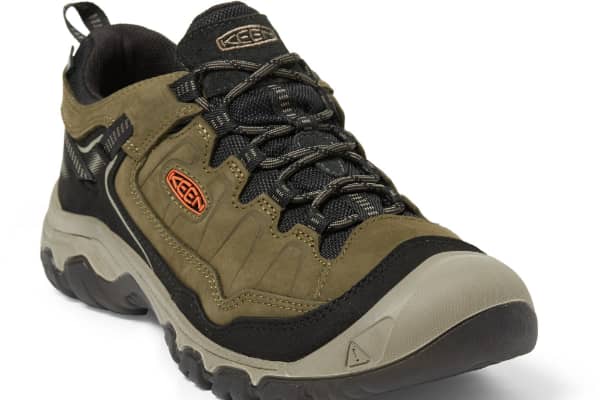
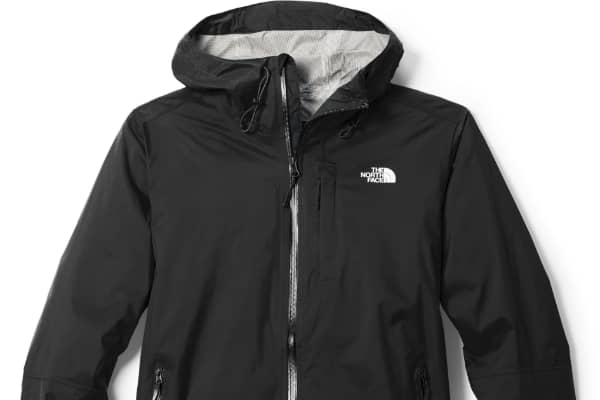
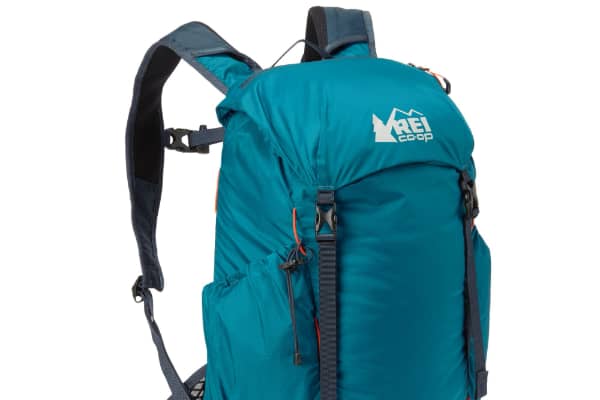
Some links on this page are affiliate links. If you purchase through them, Explore Washington State may earn a small commission at no extra cost to you. We only recommend gear we believe in.
Washington State Parks Directory
The Washington State Parks Directory covers all 146 state parks across Washington — from saltwater shores and mountain meadows to ancient lava tubes and desert canyons. Find trails, camping, activities, and detailed visitor information for every park in the state.
Browse All Washington State Parks