Best Camping in Washington State: Campgrounds by Region
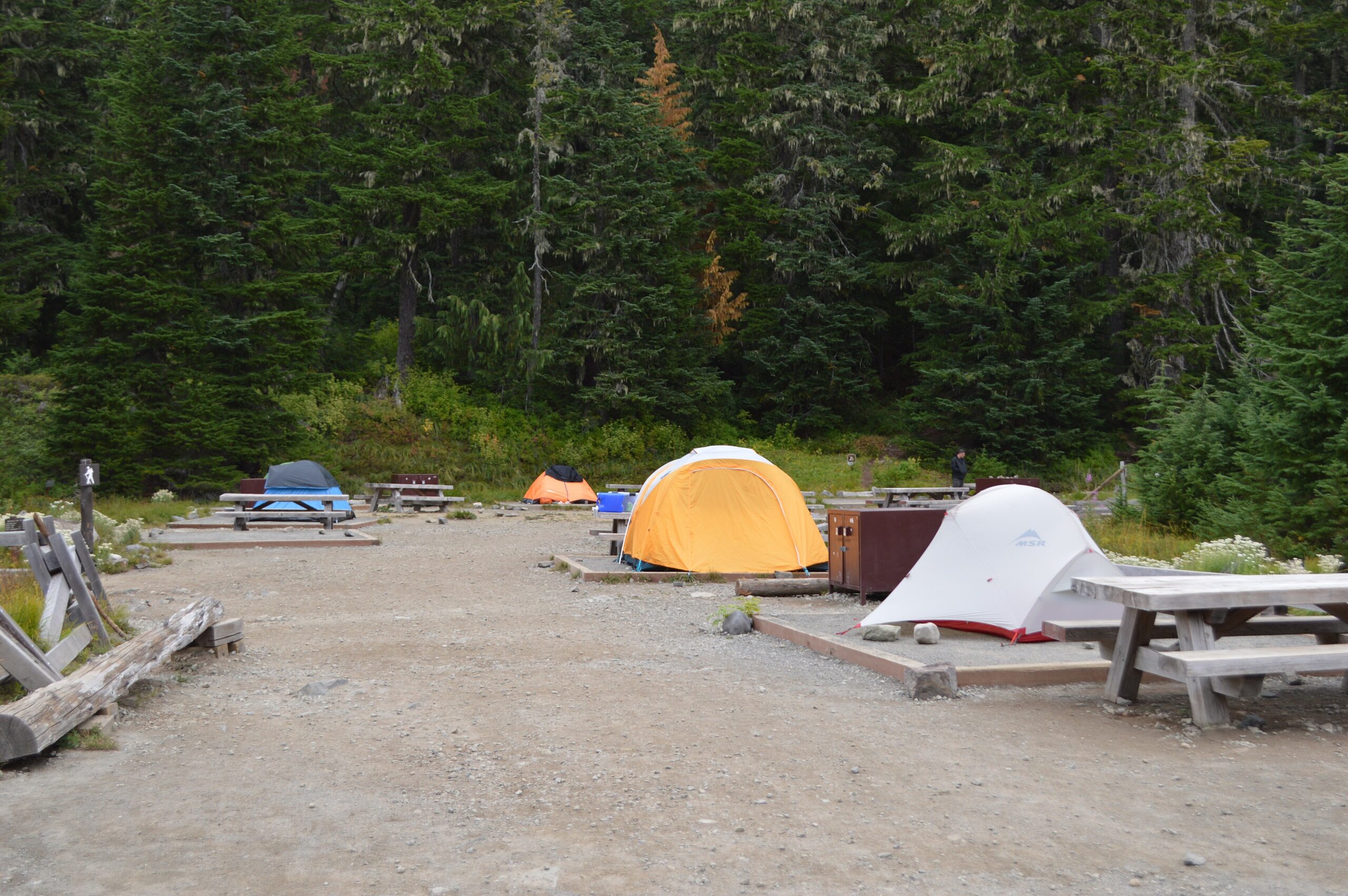
Washington packs more kinds of camping into one state than just about anywhere in the country. You can fall asleep to surf behind the dunes on the Pacific coast, wake up in old growth rainforest, pitch a tent under volcanoes, or roll out on the dry side where the pines give way to sagebrush and the stars come out hard. The trouble is never finding a place to camp. It is sorting the hundreds of options into the handful that fit the trip you actually want.
This guide does that sorting by region. Every campground below earns its spot, and every one links to a fuller EWS guide so you can see the place before you commit a reservation to it. Think of this as the map. The deeper articles are the territory.
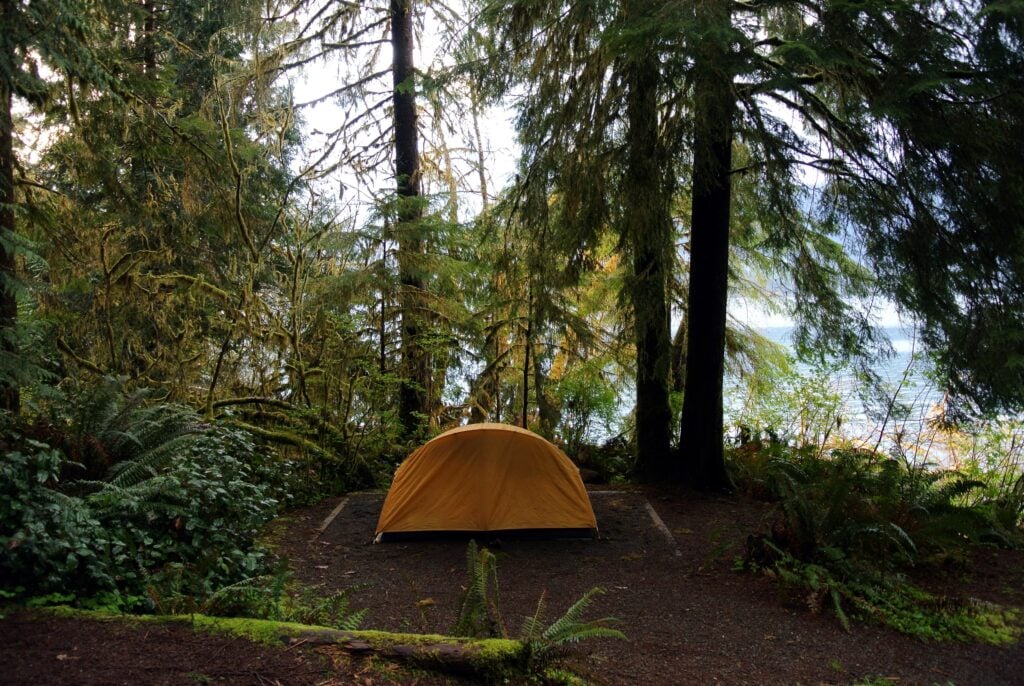
How Camping in Washington State Works (Before You Book)
Three systems run almost all of the camping in this state, and knowing which one owns a campground saves you the scramble.
Washington State Parks. Most developed state park campgrounds take reservations up to nine months ahead of your arrival date through the state reservation system. Popular coast and lake parks fill the day their window opens for summer weekends, so mark the date and book early. You do not need a separate Discover Pass while you are camping, because your camping reservation covers your parking for the stay. For day use visits outside a camping reservation, a Discover Pass runs $45 for the year or $10 for a single day.
National forests and national parks. Campgrounds in the Okanogan Wenatchee, Olympic, Gifford Pinchot, and Colville national forests, plus the three national parks, book through Recreation.gov. Windows vary by campground, but many open roughly six months ahead, and some popular national park loops release on a staggered schedule of six months, two weeks, and a few days out. Always read the individual campground page for its exact rules.
First come first served and dispersed camping. Plenty of smaller forest service campgrounds never take reservations at all. You show up, you find an open site, you pay at the box. Beyond that, dispersed camping on national forest and BLM land is free and legal in most areas as long as you follow the local rules and pack everything out. There are no hookups, no bathrooms, and no reservations, which is exactly the appeal for some people.
Seasons. Lowland and coastal parks tend to stay open year round. Mountain and high country campgrounds usually run late spring through early fall, and alpine sites in the Cascades may not clear of snow until July. Bugs peak in early summer near water, so a shoulder season trip in September often delivers the best weather and the smallest crowds.
Camping by Region
Seattle and Puget Sound
You can camp surprisingly close to the metro core without sacrificing real woods.
Dash Point State Park sits on Puget Sound between Tacoma and Federal Way, with forested sites a short walk from a long tidal beach. It is one of the easiest first nights out for a Seattle area family. See the Dash Point State Park guide.
Kanaskat Palmer State Park follows the Green River Gorge in the Cascade foothills, popular with paddlers running the river and quieter than the saltwater parks. See the Kanaskat Palmer State Park guide.
Puget Sound Islands
Deception Pass State Park is the most visited state park in Washington, and its campgrounds back it up: hundreds of sites spread across the Whidbey Island side, with the famous bridge, beaches, and forest trails within walking distance. Book early and you have one of the best base camps in the Sound. See the Deception Pass State Park guide.
Camano Island State Park offers a calmer alternative, reached by bridge with no ferry required, with bluff top forest and shoreline sites looking west across Saratoga Passage. See the Camano Island State Park guide.
Blake Island State Park is a marine park you reach only by boat, a quiet forested island off Seattle with shoreline campsites on the Cascadia Marine Trail. It is one of the most distinctive nights you can spend in Puget Sound. See the Blake Island guide.
Northwest
Larrabee State Park is Washington’s first state park, tucked along the Chuckanut shoreline south of Bellingham, with campsites in the trees and tidepools, coves, and the Interurban Trail right outside. See the Larrabee State Park guide.
Moran State Park crowns Orcas Island in the San Juans, with lakeside campsites and the drive up Mount Constitution to the highest point in the islands. Camping here is the practical way to do the San Juans on a budget. See the Moran State Park guide.
Baker Lake sits below Mount Baker with a string of forest service campgrounds along a long mountain reservoir, a North Cascades classic for paddlers and anglers. See the Baker Lake guide.
Olympic Peninsula
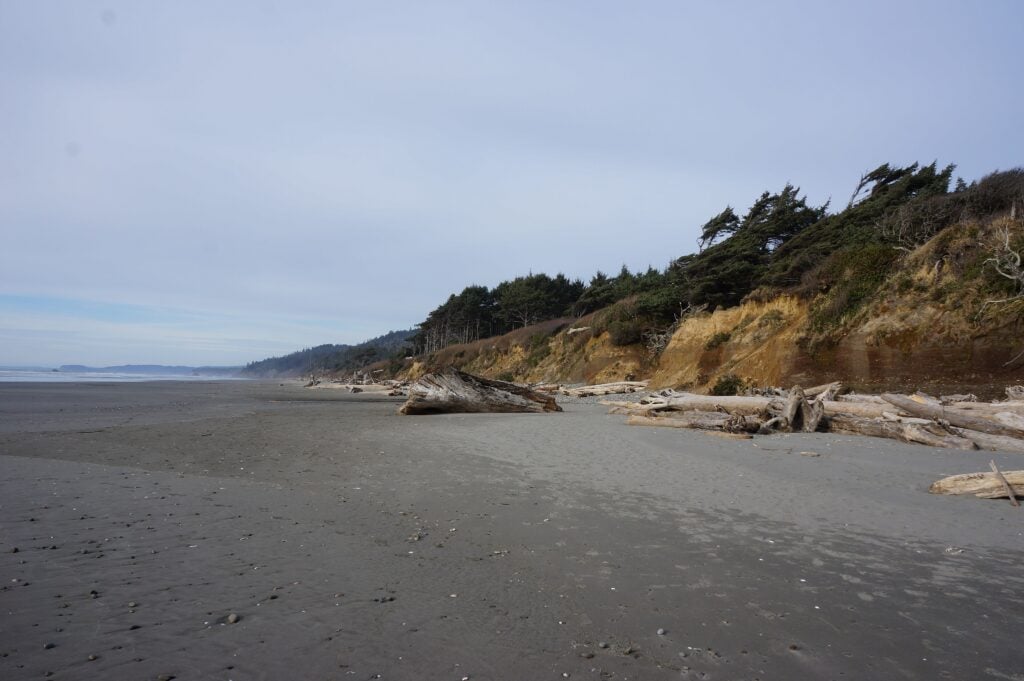
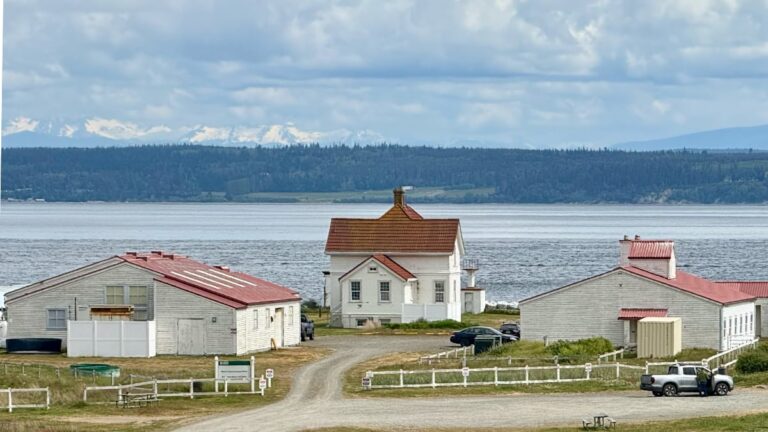
Fort Flagler State Park occupies the tip of Marrowstone Island, a former coastal artillery fort with bluff and beach campsites, big water views, and miles of saltwater shoreline. See the Fort Flagler guide.
Salt Creek Recreation Area west of Port Angeles is a Clallam County campground set on a headland above some of the best tidepools in the state, looking across the strait to Vancouver Island. See the Salt Creek and Tongue Point guide.
For camping inside Olympic National Park itself, see the national parks section below.
North Central
The dry side opens up here, with big lakes and warm summer nights.
Lake Chelan State Park puts you on the lower end of one of the deepest lakes in the country, with shaded sites, a swimming beach, and boat access. It is a summer reservation sprint, so set a calendar reminder. See the Lake Chelan State Park guide.
Twenty Five Mile Creek State Park sits farther up the same lake, smaller and more tucked away, a launch point for boaters heading toward the roadless upper lake. See the Twenty Five Mile Creek guide.
Pearrygin Lake State Park outside Winthrop pairs warm water swimming with the Methow Valley Old West charm just up the road. See the Pearrygin Lake guide.
Wenatchee Confluence State Park is an easy in town base where the Wenatchee and Columbia rivers meet, with the Apple Capital Loop Trail running right past the campground. See the Wenatchee Confluence guide.
Lake Easton State Park near Snoqualmie Pass is a handy first or last stop on the cross state drive, forested and cool at the edge of the Cascades. See the Lake Easton guide.
Ginkgo Petrified Forest State Park at Vantage is day use, but its Wanapum Recreation Area campground sits right on the Columbia, a warm and wide open desert stop on the river. See the Ginkgo Petrified Forest guide.
Wine Country
Maryhill State Park lines the Columbia River near the Oregon border, a green riverside oasis in dry country, well placed for the Maryhill Museum and the Gorge wineries. See the Maryhill State Park guide.
Brooks Memorial State Park climbs into the pines above Goldendale, cooler and shadier than the river parks below, near the Goldendale Observatory and its dark skies. See the Brooks Memorial guide.
Eastern Washington
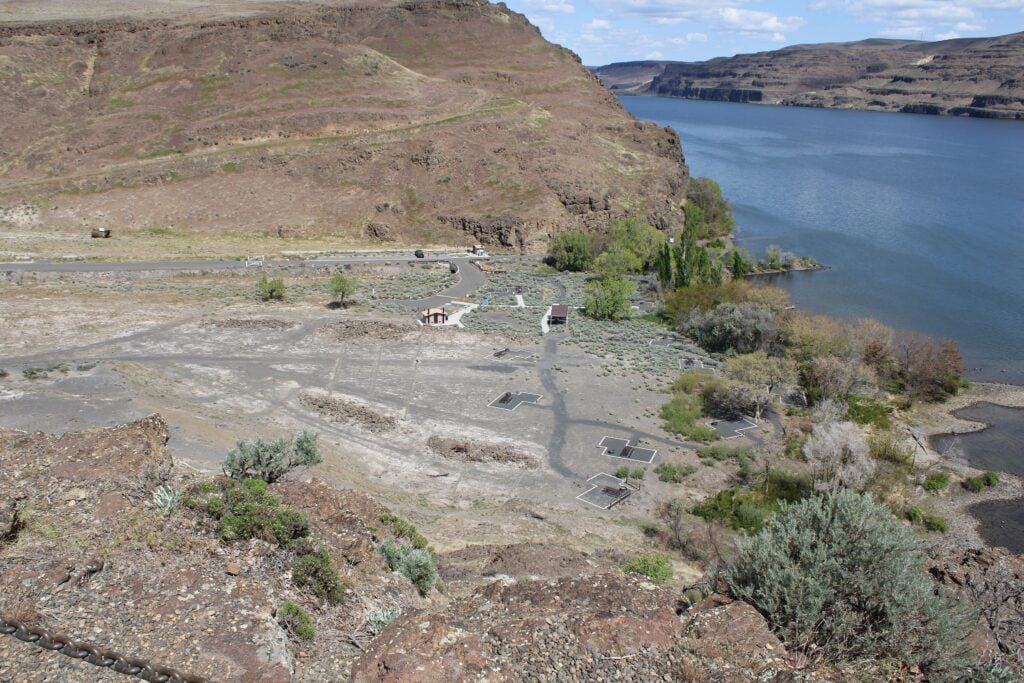
Steamboat Rock State Park is one of the great campgrounds in the state, a massive butte rising above Banks Lake in the Grand Coulee, with green lawns, warm water, and a summit hike. Summer sites go fast the moment the window opens. See the Steamboat Rock guide.
Mount Spokane State Park is the largest state park in Washington, with forested campsites high on the mountain northeast of Spokane and views across the Inland Northwest. See the Mount Spokane guide.
Palouse Falls State Park offers a small primitive campground steps from the year round waterfall that is the official state waterfall, an unforgettable place to wake up in the rolling Palouse. See the Palouse Falls guide.
Little Twin Lakes in the Colville National Forest is a quiet, rustic forest service campground on a small lake in the far northeast corner, the kind of place you go to disappear for a weekend. See the Little Twin Lakes guide.
Douglas Falls Grange Park near Colville pairs a primitive campground with a dramatic waterfall on Mill Creek, a local secret in Stevens County. See the Douglas Falls guide.
Southwest
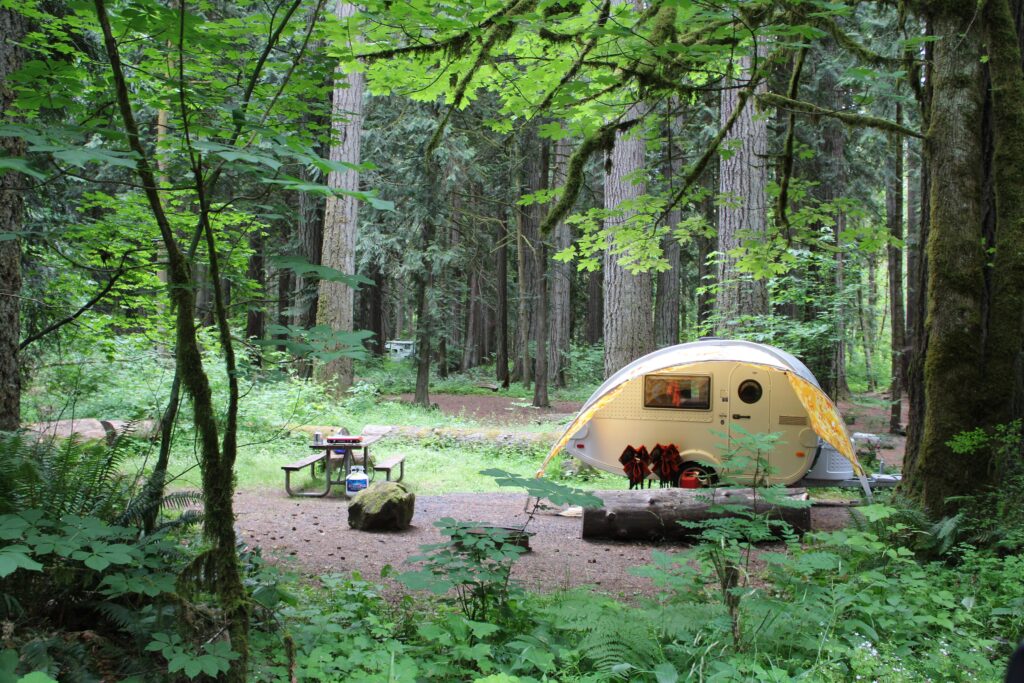
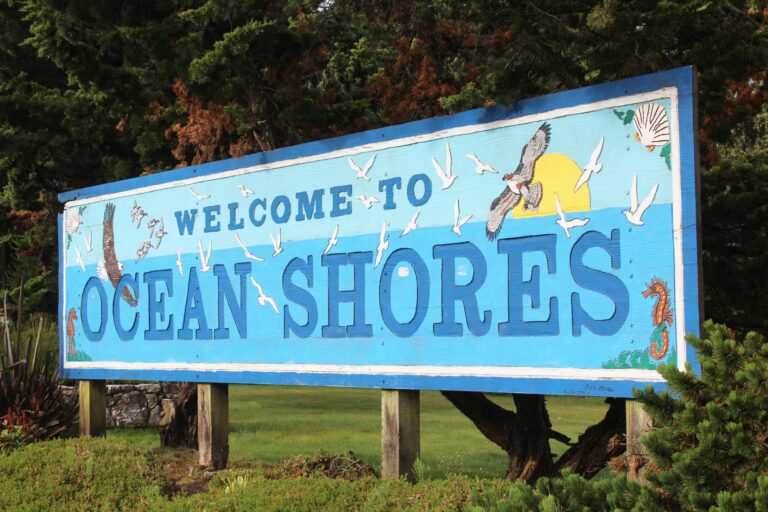
Ocean City State Park sits behind the dunes near Ocean Shores, the classic Washington coast camp where you walk over the grass to a wide flat beach. See the Ocean City State Park guide.
Seaquest State Park is the base camp for Mount St. Helens, directly across from the Mount St. Helens Visitor Center at Silver Lake, with a forest loop and an easy launch into volcano country. See the Seaquest State Park guide.
Ike Kinswa State Park wraps around Mayfield Lake in the Cascade foothills, a warm water summer favorite with good fishing and easy access off Highway 12. See the Ike Kinswa guide.
Rainbow Falls State Park is a small, shady old growth campground on the Chehalis River near the Willapa Hills Trail, a peaceful stop on the way to the coast. See the Rainbow Falls guide.
Camping in Washington’s National Parks
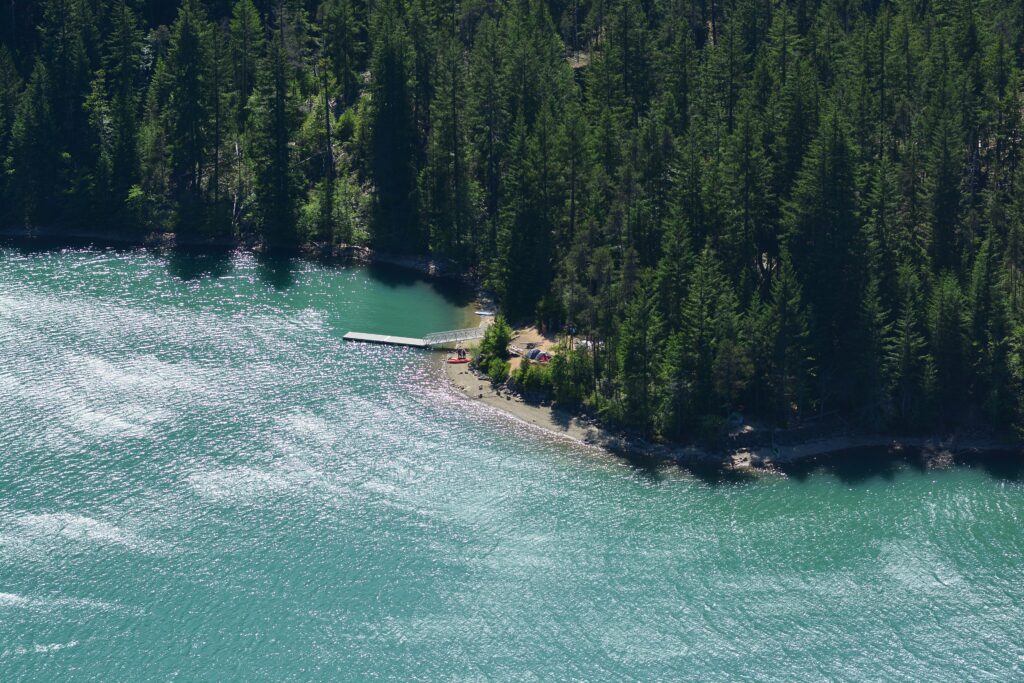
The three national parks hold some of the most sought after campsites in the state, all booked through Recreation.gov where reservations are accepted.
Mount Rainier National Park. Cougar Rock near Paradise and Ohanapecosh in the old growth on the southeast side take reservations, while White River on the road to Sunrise runs largely first come first served in season. Waking up under the mountain is worth the booking battle. Start with the Mount Rainier National Park guide.
Olympic National Park. One park gives you rainforest, mountains, and wild coast. Kalaloch sits above the Pacific, Sol Duc near the hot springs, Hoh in the rainforest, and Heart O’ the Hills up toward Hurricane Ridge. Reservation rules differ by campground and loop, so read each one. Start with the Olympic National Park guide.
North Cascades National Park. Colonial Creek on Diablo Lake is the headline campground, set among the turquoise water and glaciated peaks of the American Alps, with Newhalem Creek nearby along the highway. Start with the North Cascades National Park guide, and for the lake itself see the Diablo Lake guide.
First Time Camping in Washington? Start Here
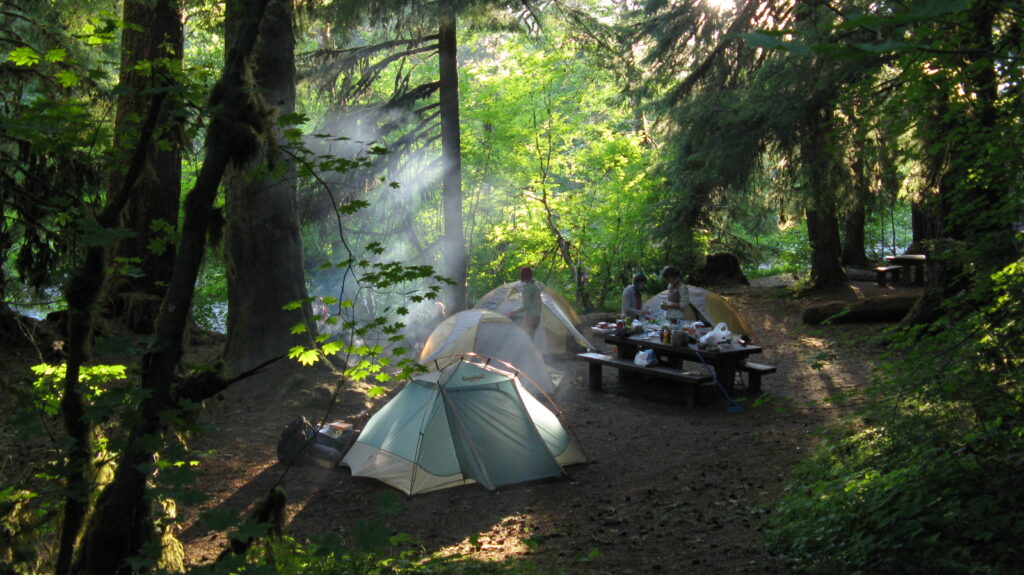
Book the moment your window opens for summer weekends at the popular coast and lake parks, because many sell out in minutes. Bring layers no matter the forecast, since even July nights in the mountains drop into the forties. Expect rain on the west side in any month and pack accordingly. Check for park alerts and seasonal closures before you drive, especially in the high country where roads and loops open late. And if the developed parks are full, remember that free dispersed camping on national forest land is almost always an option for a flexible, self sufficient trip.
Frequently Asked Questions
What is the best month to go camping in Washington State?
September is the sweet spot for much of the state. Summer crowds thin out after Labor Day, the weather on both sides of the mountains often stays warm and dry, and the bugs that peak in early summer have faded. July and August are prime for high country and alpine campgrounds that open late, while the coast and lowland parks stay comfortable from late spring through early fall.
Do you need a reservation to camp in Washington State parks?
For popular parks in summer, yes, in practice. Most developed state park campgrounds take reservations up to nine months ahead, and the busiest coast and lake parks fill the day their window opens for summer weekends. Smaller and shoulder season trips can often go first come first served, and many forest service campgrounds never take reservations at all.
How much does it cost to camp in Washington State?
State park campsite fees vary by site type and season, typically landing from a standard tent site up to more for utility and waterfront sites, plus a small reservation fee. Your camping reservation covers your parking, so you do not also need a Discover Pass for the nights you are camped. Dispersed camping on national forest and BLM land is free.
Where can you camp for free in Washington State?
On most national forest and BLM land you can camp for free through dispersed camping, meaning no developed site, no hookups, and no reservation. You follow the local rules on how long you can stay and how far from roads and water you must be, and you pack out everything you bring in. It is the most flexible and least expensive way to camp in the state.
What is the most popular campground in Washington State?
Deception Pass State Park is the most visited state park in Washington and its campgrounds are among the most in demand, thanks to the bridge, the beaches, and the easy reach from Seattle. Steamboat Rock on the dry side and the coast parks near Ocean Shores are other perennial sellouts for summer weekends.
Can you camp on the Washington coast?
Yes. Ocean City State Park near Ocean Shores is the classic coast campground behind the dunes, and Kalaloch in Olympic National Park puts you on a bluff right above the Pacific. Both book up for summer, so reserve early.
Washington rewards campers who plan a little and stay flexible. Pick your region, book early for the headline parks, and keep a free dispersed option in your back pocket for the weekend the reservations are gone. Every campground above has a full guide behind it. Start there, and go.
Before you go
That is the whole idea behind the Explore Washington State Card. Free to carry, with a little something waiting at participating places when you visit. Your zip code is a vote for which towns we sign up next, and our weekly Washington travel newsletter starts landing right away.
Get your free card- About the Author
- Latest Posts
Explore Washington State has been covering the real Washington for more than a decade. State parks, small towns, back roads, rest stops, and the people who make this place worth exploring. What started as a hyperlocal project covering individual communities grew into a full media project with more than 340 podcast episodes, a weekly newsletter with over 6,300 subscribers, and coverage of all 146 Washington State Parks. The content here comes from people who have actually been to these places: locals, regulars, and lifelong Washington residents who care more about getting it right than getting clicks.